


![Classical Conditioning [AP Psychology Review Unit 3 Topic 7]](https://i.ytimg.com/vi/18wC2Z9RDkw/maxresdefault.jpg)

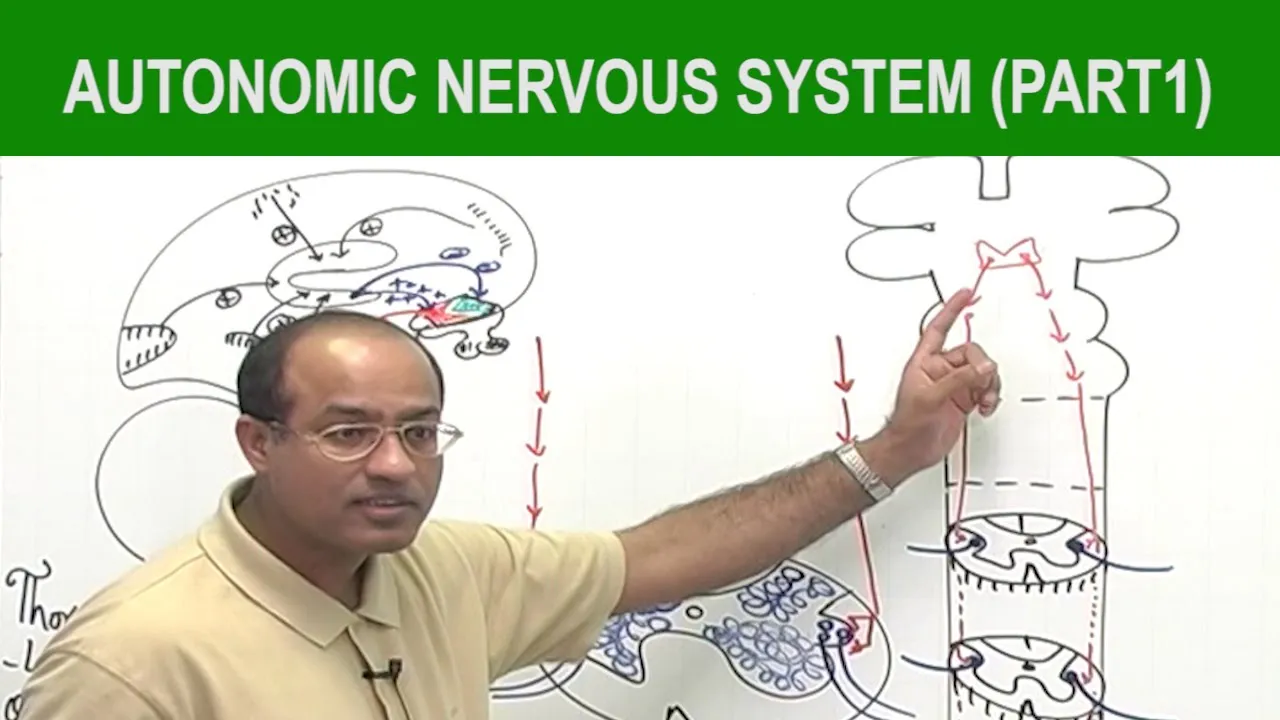

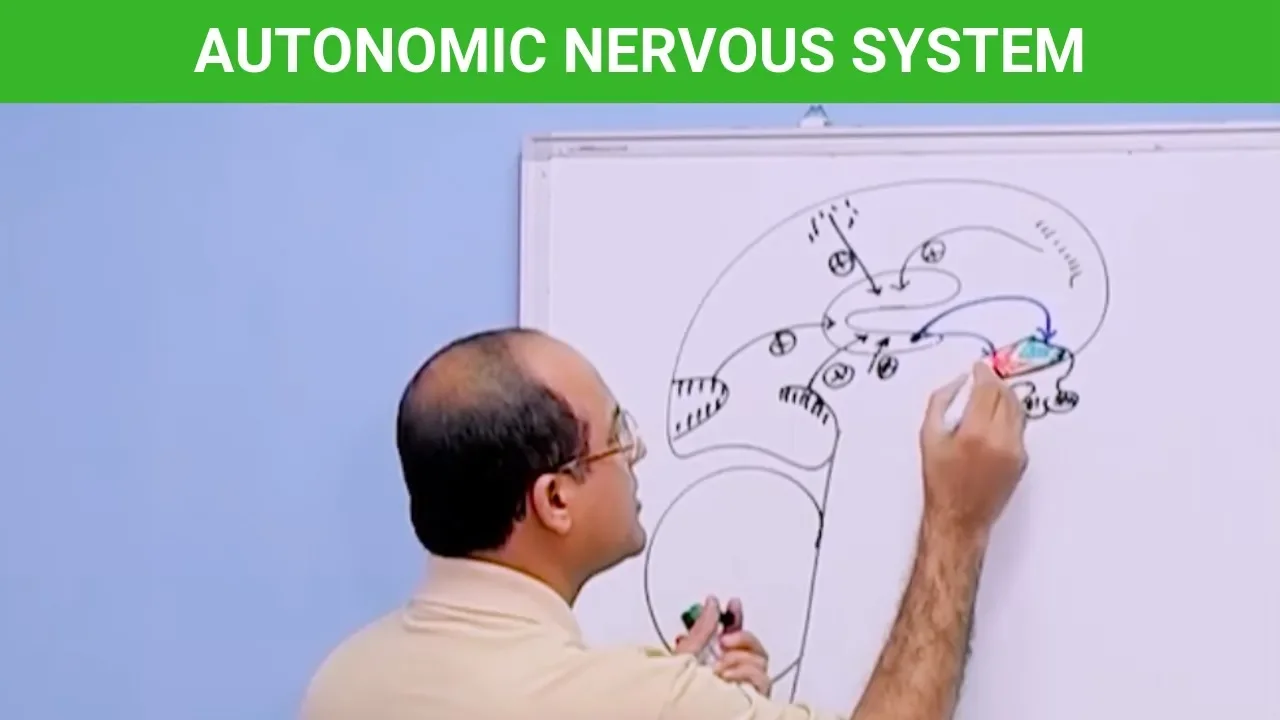















The amygdala is an almond-shaped structure located deep within the temporal lobes that serves as the brain's primary threat detection center, triggering the fight-or-flight response through the HPA axis (hypothalamus-pituitary-adrenal) pathway; it detects threats via a direct neural pathway that precedes conscious awareness, and it plays a key role in fear conditioning by forming associations between neutral stimuli and aversive events, though recent research also shows it responds to intensely positive emotions beyond just fear.
Amygdala and Fear Conditioning: Role in Threat Response
Added:Basic neuroanatomy, specifically the structure and general functions of the limbic system.
Fundamentals of classical conditioning (Pavlovian learning), including conditioned and unconditioned stimuli and responses.
The physiology of the autonomic nervous system, particularly the sympathetic nervous system's role in the fight-or-flight response.
Basic concepts of synaptic transmission and how neurotransmitters signal between neurons.
The neural mechanisms of fear extinction and its application in exposure therapy for anxiety disorders.
The pathophysiology of trauma- and anxiety-related disorders, such as PTSD, panic disorder, and specific phobias.
Top-down regulation of emotion, specifically how the prefrontal cortex and hippocampus modulate amygdala activity.
Advanced neuroscientific research techniques, such as optogenetics and functional MRI (fMRI), used to study microcircuits of fear.
164.5K views5.6Klikes19:50Original Release: 2021-03-10
let's talk about the amygdala all right guys welcome to psych explained in this video we're going to focus on the amygdala now from the introduction you already probably got a good sense of at least one of its major functions which is detecting a threat in the environment now i can't say this about all the parts of the brain but you can actually have some pretty good discussions and debates amongst your peers about the amygdala like what actually constitutes a threat right how does your brain know what i should be afraid of right what poses danger to us and what it can overlook when it comes to spiders as you saw on my shoulder is this something that our brain is wired to fear right for millions of years along with snakes and and fear of heights or is this a learned conditioned response so we'll touch on a few of these discussions and debates in this video but that's something you could think about at home now in this video we're going to focus on really two big things one is the four functions of the amygdala and we'll also touch on some animal research like how do we actually know about the function of the amygdala and what it does so we'll touch on that as well the first thing i want to do though is our this general structure right here let's just make sure we know what we're looking at and this will help us develop some background knowledge now i've actually highlighted the amygdala already okay you'll notice this tiny circle structure right here it's actually in the shape of an almond which is why they called the amygdala and let's write that in right here and the amygdala is located deep within our temporal lobes all right so let's do a little review of our lobes we have our frontal lobe we can remember that because it's in the front of our head we have our temporal lobes on the sides and we remember that because it's close to our temples we have our parietal lobe which sits on top of our head and our occipital lobe which is in the back of the head okay so that's a nice way to think about it now remember i said lobes plural which should tell you that we have two amygdala all right one on each side so we have two amygdalas we have two hippocampus we have two thalamus that's always important to know because we always see structures like this that looks like you know just this one cross section but remember we have two hemispheres which means we have two of each structure now another way to think about the amygdala is that it's a part of structures in an area called the limbic system so a lot of these structures here are part of what we call the limbic system okay now what is the limbic system and why are they all part of the same system well the limbic system usually involves two things emotions and memories okay so all these structures here typically deal with something whether it's emotions or memory so we have the thalamus we have the amygdala we have the hippocampus right here we have the hypothalamus so with the hypothalamus that's also the endocrine system so it controls more automatic things but if you ever read something inside textbook and it talks about the emotional center of our brain 10 out of 10 times they're talking about this area and i'll put a little arrow here that we call the limbic system okay so that's a nice way to think about that so the next question becomes how do we actually know what the amygdala does well a lot of it comes down to animal research and for my animal lovers you're not going to like this but a lot of times we do research on animals right and you might say well why do we do it on humans well according to the irb right institutional review board you know it's a little easier uh and more ethical to do on animals than humans so how do we actually know what the amygdala does well there's a procedure called lesion okay you could also call it deep lesioning where essentially what happens is you put a thin wire and you insert it into the brain of an animal right now this typically be you know psych research it could be lab rats or rhesus monkeys those are the two animals that are typically done and what lesioning or deep lesioning means essentially as you damage or remove a part of the brain okay and whatever part that's damaged you can call a lesion right so here's what i want you to think about if i deep lesion right if i damage or remove the amygdala what happened to the rest what happened to the the racist monkey or you right if you're if you're made to lowest damage what would be the consequences well thinking about what we already know now there could be two consequences one there's essentially a reduction in a fear response right i'm not going to say that there's no fear but it's going to be diminished or reduced that fight or flight response won't necessarily be there what we'll also see is a reduction in aggression okay reduction in aggression all right so those are two symptoms or side effects of what we see when it comes to lesioning in animals now what you could also do is the opposite what if you stimulate that part of the brain what if you take an electrode and you stimulate the amygdala well you'll see the opposite you'll see the raft becoming aggressive right you'll see the rats attacking another rat or they might become more fearful so that's kind of how we know what the amygdala does you either remove or destroy that part of the brain and see what happens or you stimulate that part of the brain and for a lot of research in psych right that's how it comes down to you you observe a damaged area okay all right so now that we have basic knowledge of the amygdala where it's located uh what system it's a part of and how we know it's a function let's actually get to specific functions okay and the first one we're going to talk about is actually detecting and as we talked about earlier is that it's good at detecting a threat okay now as i said before though what actually constitutes a threat right now from an evolutionary perspective it's something that causes us danger something that's going to impede on our survival right but realize it's the year 2021 okay so there's a lot of things that aren't attacking us right we don't have to worry about going outside and a woolly mammoth attacks us so what we find today is oftentimes we're afraid of things that aren't well we shouldn't be afraid of right it's a threat and our brain thinks it's a threat but it's not right in psychology we often call this the amygdala hijack okay now what is amygdala hijack essentially what it means is that our frontal lobe right this is where logic and rational thoughts take place gets overwhelmed by the amygdala in other words your emotions take over logic okay that's why people are afraid of public speaking right that's not really a threat to you you're not gonna get harm public speaking but your amygdala doesn't know that right your amygdala thinks that you're actually in danger and this takes over the rational part of our brain but for this purpose let's imagine that we actually do have a threat okay a spider's on top of you it just landed on you and yeah that's gonna be pretty freaky so we're gonna say that's a real threat so how does our brain react or detect the threat well remember our eye actually doesn't see the spider i know that might sound weird right our eye is just picking up light waves right so we have this stimulus right here our spider okay and let's think about parts of the eye some background knowledge we have our cornea and our lens and our pupil and our iris and then where does it eventually go well what's going to happen is this light is going to end up on the back of the eye right that we call the retina and this is where transduction occurs now let's think about transduction this happens in all of our senses it's where one type of energy converts into another type of energy right so it's light waves converting into electrical impulses or action potentials whether we're talking about hearing that would be sound waves converting into electrical impulses everything in our body comes in as an energy and then we have to convert it to action potentials right electricity so that information is going to travel up the optic nerve right optic nerve would be the eye and the auditory nerve would be the ear okay and then where's that information go right where the action potential is going to go well all this information everything from our senses goes to the same place it's going to go to a part of the brain called the thalamus okay except smell okay all the senses go to the thalamus except for smell we'll touch on that in another video okay now what happens after that well there's two things first there's going to be a direct pathway from the thalamus to our amygdala okay so it's going to synapse and communicate with our amygdala and then what's also going to happen is because it's division that information has to reach the visual cortex of the brain right so it's also going to synapse and go to the back of the brain that we call the visual cortex right with the occipital lobus right there so really there's two things that are happening right we've detected the stimulus and there's two parts it goes to the amygdala that's a direct pathway and the occipital lobe but here's what's interesting which comes first right does the information go to the cortex first where we think about what's happening or does it go to the amygdala first the answer is the latter it goes the amygdala first so what does that tell us it tells us that when there's danger your body reacts before you're even consciously aware that it's happening right how cool is that we could thank evolution for that one right if a car is coming at us right you jump out of the way before you even realize that it's a car coming at you right think about if you had to actually think about it first right there's a car coming at me what color car is it right here to think about it we're not going to survive so what's cool about this detective system is kind of like an early warning signal is that your body's going to react it's like a reflex and then it reaches the cortex and you think about what is happening so you don't even know it's a spider until after you've kind of jumped out of the way so that's kind of really cool to think about when it comes to detecting a threat all right let's go to our second function which we're going to talk about which is triggering trigger a body response okay i'm just going to write bot trigger response so what does this mean now that we have the early warning sign i always think of this like a bat signal right you know like everything's ready to go well then your body has to respond to this danger okay whether it's slapping the spider whether it is jumping out of the way of a car you know whatever it is has to be some sort of response now we could think about this a few ways but i'm actually going to come here and talk about the fight or flight response okay the way we're going to do this is think about okay now the information is in my brain okay how does my body react now many of you at home you know this feeling right sweating right perspiration or your heart's beating really quickly or you feel dizzy right you know those those those reactions but what is the actual order in which it occurs to respond to this threat so let's start with the first one let's say i'll use a different pattern let's say there is a threat right that's always got to be the first one okay there's got to be a threat and in this case it's going to be a spider okay well what happens next well after that as we already talked about it's going to go to our amygdala okay direct pathway from our thalamus to our amygdala amygdala now realize i didn't say cortex yet right because you haven't even thought about it yet so i'm gonna have a little kind of like a little sidebar here that says cortex in other words after it goes to the amygdala that's where you're gonna realize oh this is a spider right after the reflex occurs all right so what happens after the amygdala well it's going to go to region and i'm going to highlight it using green a region of a brain called the hypothalamus this is a cool structure the hypothalamus does everything right think about one structure of the brain that plays a role in everything the hypothalamus that i always think of it like the conductor of an orchestra right it kind of does this says okay pituitary gland i want you to go okay hormones i want you to release right it controls everything so that's going to be our next structure which is the hypothalamus both lms okay now this is where things start with this is where things are going to start to kind of release into our bloodstream and we're going to start having some hormones being released to kind of create that fight or flight response so we have our hypothalamus oops hypothalamus and then this is going to lead to our master gland that we call the pituitary gland now as i'm listening these i'm realizing you know a lot of this happens simultaneously right things happen so quickly in our body you could say this all happens at the same time but listing it out like this i think it's just a really good way to stay organized and structure our thinking okay all right so we have our threat which signals the amygdala which then will signal the cortex to be consciously aware of it which will then trigger the hypothalamus and the pituitary gland which will then lead to our major gland which kind of controls all of this stress and lead to threat which is we call the adrenal glands okay adrenal and you have two of them above our kidneys on both sides okay all right so here we go this is the nice structure to think about when it comes to the flight or flight response actually i'm going to add one more thing in there i'm actually going to delete that i'm going to erase that for a second here's a better one first let's go to our system let's go to our sympathetic there we go i was like i knew i was missing one our sympathetic nervous system that's much better now our sympathetic nervous system is really what we think about for fight-or-flight response it's part of our autonomic nervous system which is also part of our peripheral nervous system and this is going to kind of set the cascade of hormones then we have our adrenal gland there we go that's much better i knew i was missing one we have our adrenal okay our adrenal glands okay this is the structure of how it works now what are the hormones that our adrenal glands gonna produce to make we have that kind of fight-or-flight response we have a few of them and i want you to think about these at home we have our norepinephrine right that's going to kind of produce that fight-or-flight feeling we have adrenaline also called epinephrine and we have cortisol right the stress hormone so norepinephrine cortisol adrenaline or epinephrine those are the prime the primary three that are going to lead to this this fight-or-flight response now another way to think about this you might have heard this expression something called the hpa axis okay now what does that mean this kind of a general phrase to explain you know what our body does when there's a threat and why do they call it the hpa access h is for hypothalamus p is for pituitary and a is for adrenal hypothalamus pituitary adrenal hpa axis that's another way to think about this fight-or-flight response okay all right so we've detected a threat our body's responded we've released those hormones into the brain right hearts pumping the lungs have opened up so you could breathe better blood has rushed to my arm so i can punch harder or they rush to my legs so i get kicked or run faster right that kind of happens our pupils get bigger right this is all evolution right millions of years your body's prepared you for this right even though we're not fighting you know a woolly mammoth we're still your brain doesn't know that it's the year 2021 your body still prepares as if it's in real real danger okay okay so what's another response um let's go with what we call fear conditioning okay this is an interesting one now when you hear the word conditioning you know what i think about i think about behavioral perspective i think about bf skinner and i think about ivan pavlov right classical conditioning another thing about we know about pavlov and classical conditioning right we have a dog salivating to the sound of a bell right very classical study of of conditioning right and what he found was is that if you have a neutral stimulus like a tone and you pair it with an unconditioned stimulus like meat and you pair them together you know tone meat tone meat toned meat the dog will eventually salivate at the sound of the tone which will become a conditioned stimulus right i know there's a lot of vocab in there but let's think about pavlovian terms and this is what our magdal essentially does which is even though our amigo is right here it's right next to a part of a brain that deals with memory and that's the structure right here that's called the hippocampus okay and i'll shade the hippocampus in right here okay so these connect to each other they coordinate with each other right they communicate with each other our hippocampus and our amygdala coordinate with each other okay so what do you mean by fear conditioning well if you've ever been in a trim a traumatic experience right well your brain is going to form associations right if you're in a car accident for example you might not only be afraid or be afraid of that car of that of that accident but you also might have a conditioned response to just sing the car right or you see the car on the road and all of a sudden your heart starts to pound your brain has formed an association and a memory of that event that's what you mean by fear conditioning now how can we think about this in terms of conditioning terms and we talked about animal research before well let's do it up here right we have our unconditioned stimulus let's say is going to be our noise okay so we're doing a little wrath study and our unconditioned response um is going to be actually yeah let's do fear okay i'll actually instead of noise let's do shock there we go that's better okay so imagine for example we have a rat in a cage and we give it a mild electric shock okay that will automatically produce a fear response but what if we introduce a neutral stimulus which is a tone like a little sound okay so we have a tone and then and then electrocution tone electrocution tonal execution well over time the rat's going to learn to make an association and form a memory that the tone is going to lead to something bad right an aversive stimulus and over time the the tone is will become the conditioned stimulus and the there we go the tone which will lead to a conditioned response of fear right now if you're like oh i gotta remember my pavlovian classical conditioning terms right unconditioned stimulus unconditional response this is a nice way to review it right that is fear conditioning it happens with humans too we form associations and we remember it lead to some traumatic events and that's going to trigger our response as well okay all right now the last function i'm not going to go too deep in this but it is important to note there's a lot of current research to show that your amygdala just doesn't deal with fear right in negative things but it actually could deal with positive emotions as well you might be thinking what positive emotions so there's a lot of current research to show that the amygdala is not just about fear it's about the intensity of the emotion in other words yes it does respond to fear but that's because it's a very intense emotion and we find is that your middle will also fire some action potentials if the emotion is very positive like something really good happened to you right you won an award you got a really good grade um you won the lottery or something really really big happened we find your amygdala is also going to respond to that as well so i'm not going to go to be too deep into it but it is important to know that there is research coming out that it does play a role in positive emotion so i guess the big takeaway is that the amygdala is not just about fear it's the intensity of emotions as well whether positive or whether they're negative all right guys i want to thank you for watching the psych explained video i really hope you took something away once again don't forget to like the video subscribe and leave your comments below until next time
Up Next

5:19
Fear Conditioning and Extinction: Amygdala Neurobiology Explained
@neipsychopharm
32.8K views•2016-03-17
21:55
Deciphering Neural Circuits Controlling Anorexia in Mice | Richard Palmiter
@AllenInstitute
2.3K views•2011-10-10
17:53
Hippocampus and Memory: Formation, Consolidation, Spatial Navigation
@PsychExplained
143.9K views•2021-03-24
13:03
How Exercise Benefits Your Brain: Science Explained
@TED
11.4M views•2018-03-21
Related Study Plans & Knowledge Roadmaps
Structured learning paths in Neuroscience
neuroscience
Appetite Regulation: Brain Circuits & Hormones
01Foundations of Endocrinology and Brain Anatomy
02Introduction to Energy Homeostasis
03Peripheral Signals: Leptin, Ghrelin, and Insulin
+ 2 more learning modules
14h5 modules
Explore Roadmap
neuroscience
Neuroeconomics: Value, Risk & Brain Mechanisms
01Foundations of Neuroscience and Brain Anatomy
02Introduction to Neuroeconomics and Subjective Value
03Dopaminergic Prediction Errors & Reinforcement Learning
+ 3 more learning modules
18h6 modules
Explore Roadmap
neuroscience
Spatial Navigation: Cells, Grids & Brain Maps
01Foundations of Brain Anatomy and Memory
02Place Cells and Head-Direction Cells
03Grid Cells: The Brain's Coordinate System
+ 2 more learning modules
12h5 modules
Explore Roadmap
neuroscience
BCIs: Neural Decoding & Prosthetic Control
01Neuroscience Foundations: How the Brain Signals Intent
02Signal Acquisition: Recording the Brain's Activity
03Neural Decoding: Translating Brain Waves into Data
+ 2 more learning modules
25h5 modules
Explore Roadmap