












![낮 시간에 자꾸 졸린 이유 l #박문호 박사 [#당알지 ]](https://i.ytimg.com/vi/0DrTvliG15Q/maxresdefault.jpg)





The hippocampus, located deep within the temporal lobes as part of the limbic system, is essential for forming new explicit/declarative memories (episodic and semantic), consolidating short-term memories into long-term storage through strengthened neural connections via long-term potentiation, and supporting spatial navigation by creating cognitive maps through specialized place cells that fire in specific locations.
Hippocampus and Memory: Formation, Consolidation, Spatial Navigation
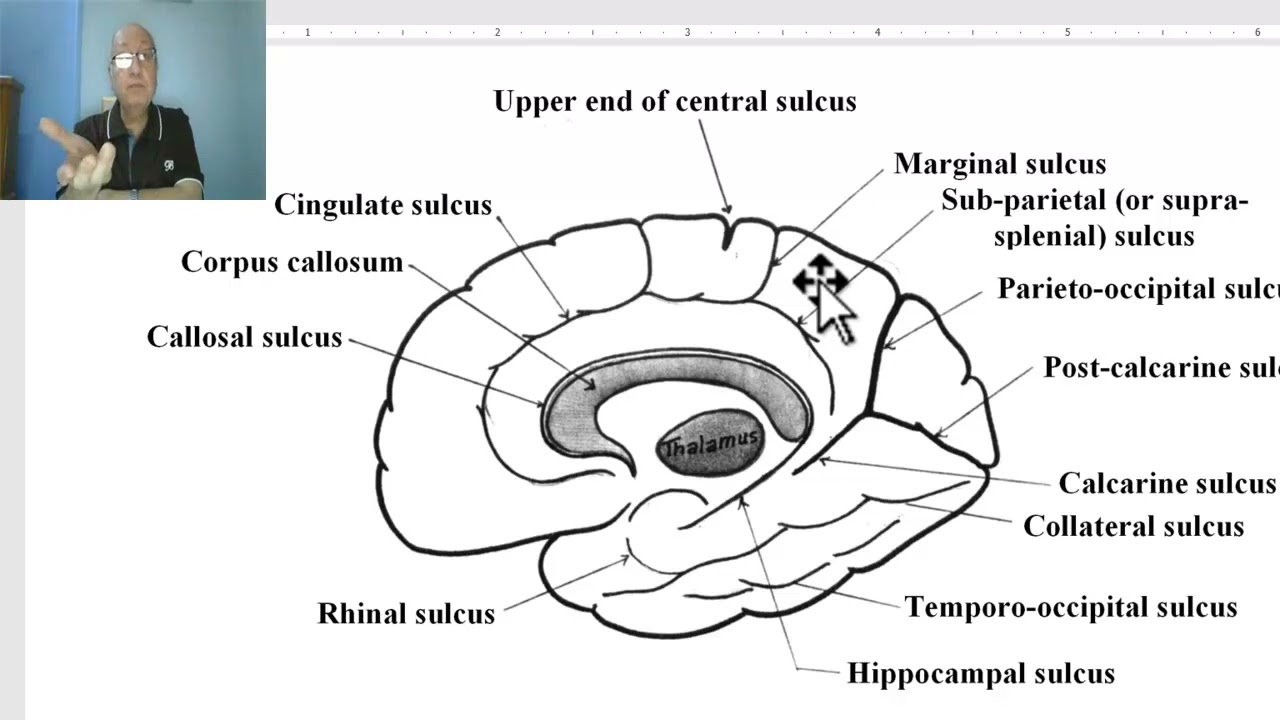
Added:Basic neuroanatomy of the limbic system and the location of the temporal lobe.
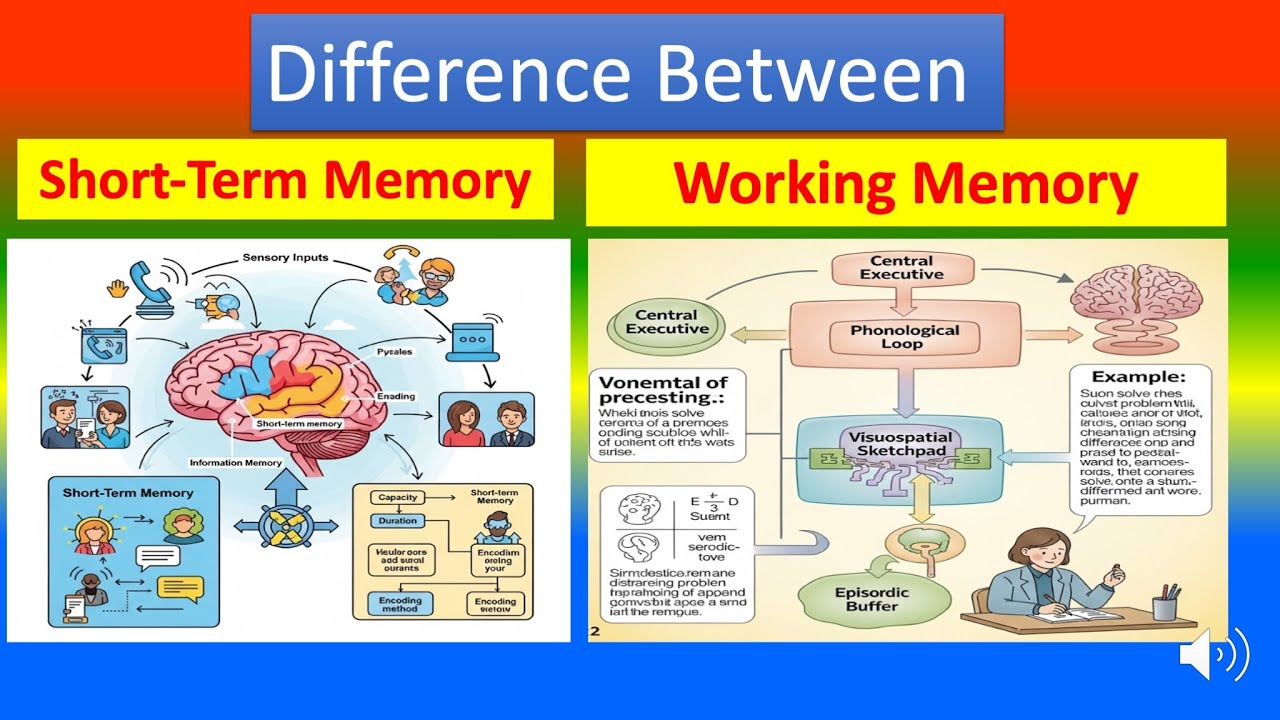
The fundamental distinction between short-term (working) memory and long-term memory.
An introductory understanding of explicit (declarative) versus implicit (non-declarative) memory systems.
Basic concepts of neural communication, including synapses and action potentials.
The molecular and cellular mechanisms of Long-Term Potentiation (LTP) in the hippocampus.
The theory of systems consolidation and the transfer of memories from the hippocampus to the neocortex.
The function of grid cells in the entorhinal cortex and their cooperative role with place cells in spatial navigation.
Clinical implications and neuropathologies, such as Alzheimer's disease, and classic neurocase studies of amnesia (e.g., Patient H.M.).
143.9K views4.8Klikes17:53Original Release: 2021-03-24
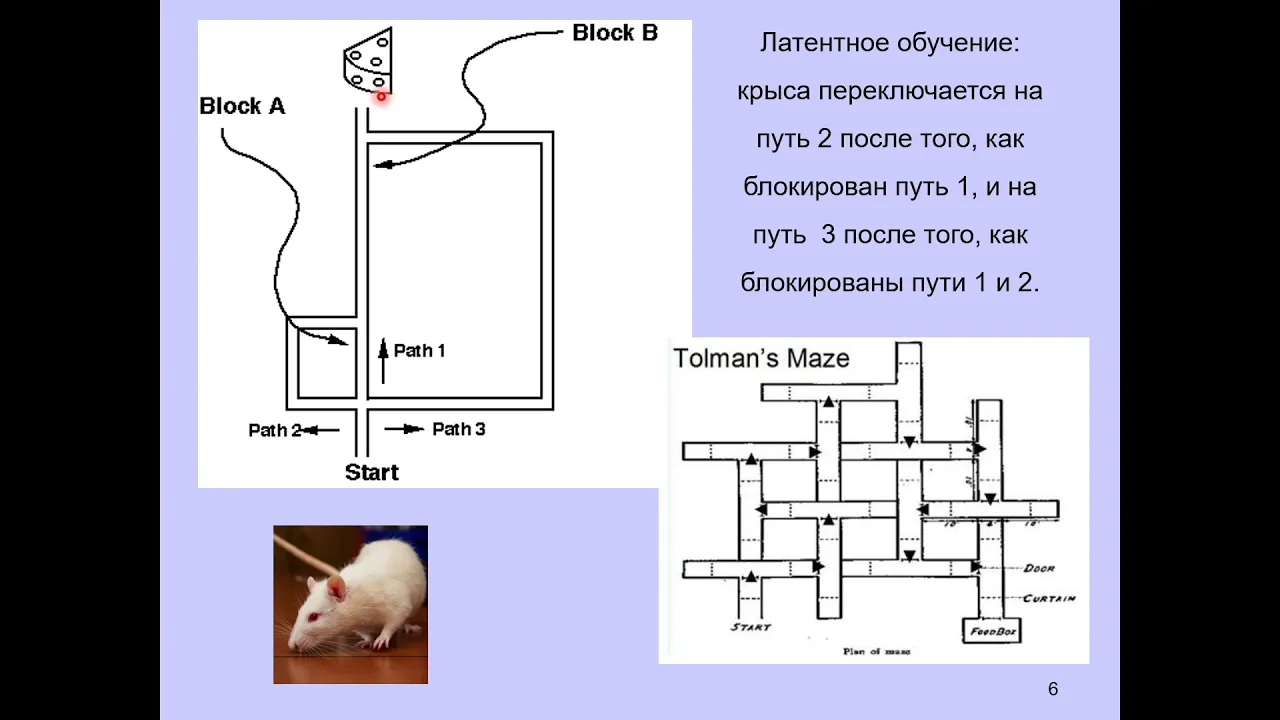
i want you to think about what you did yesterday where did you go who'd you hang out with what was the weather like what were you wearing what did you have for dinner now even though you can't see it or feel it there's a lot of neural activity occurring in a region of your brain known as the hippocampus that right now is trying to retrieve those experiences and combine them into a cohesive memory now there's a lot of uncertainty about how this process works and we're doing this video is try to unravel it and break it down so let's get started [Music] alright guys welcome to psych explained before we get started don't forget to hit that subscribe button now in this video we're going to break down the hippocampus a part of your brain that plays a key role in memories but as i stated in the introduction it's not that straightforward there's still a lot of debate in the field about the relationship between memory and nipple campus like how does it actually form new memories and most importantly where a memory is actually stored in the brain we'll touch on those topics in this video so let's dive in now the first thing i want to draw your attention to is our labeled hippocampus which is this long tube-like structure is where zapplecampus actually located in relation to other structures and this is always a good opportunity to practice our four major lobes so let's practice we have our frontal lobe which is right in the front of the head our parietal lobes which sits right on top of the head our occipital lobe sits right in the back of the head which leaves our last lobe which sits right on the side right by our ears which is called our temporal lobes so what does that tell us that is the location of our hippocampus deep within our temporal lobes now notice that i said deep within in other words if you're just holding the brain you wouldn't be able to see the hippocampus right as you would see like the auditory cortex which is on the outside but rather you'd have to slice through the temporal lobe and look towards the center in order to locate the hippocampus now another way to look at this is that this is our left hemisphere right the person's facing towards me you could tell with the eyeball but this only tells half the story we also have a right hemisphere which sits on the other side so what does this mean it tells us that we have two hippocampus we have one located deep within our left medial temporal lobe and we have one located deep within our right medial temporal lobe so we have a hippocampus located on each side now what else do we know about the hippocampus even though it's its own isolated structure it's part of a larger set of structures in an area of the brain known as the limbic system okay we'll have another video on the limbic system as a whole but this is the limbic system and what do we know about the limbic system well this is an area of the brain that's primarily responsible for three functions emotions memories and drives now what structures make up the limbic system you have the hippocampus right that's the structure for today that primarily deals with memory we have the amygdala which is this almond-shaped structure sits right here that is probably the emotional part of the brain the emotional memories we have our hypothalamus that's this round here that primarily controls our endocrine system and our autonomic functions and the thalamus as well and there's a few other structures but that would be our limbic system now how do we know what the hippocampus does we've talked about this in other videos but oftentimes you have to observe damage to that area right whether it's an animal whether it's a human being and then you observe what are the effects now for our purposes i want us to think that there are two major types of amnesia okay what are those let's think about this imagine that this orange rectangle right here represents the event of the injury okay so this is going to represent the event this could be research right where you lesion or remove that area of the brain in an animal or maybe it's a traumatic injury of a human being and the hippocampus is damaged what else do we know imagine that this line represents new information okay so going this direction represents new and this direction represents alt so what does this mean well if you have damage to your hippocampus we find is that you might not be able to create new memories okay what do we call this we call this antarograde antarograde anterograde amnesia okay now what do we know about antara grade amnesia one of the most famous case studies in psychology revolves around a man by name of henry malaysian or hm in the early 1950s he suffered from seizures so doctors removed his medial temporal lobes to alleviate those seizures without realizing what the hippocampus actually did or at least its full function now hm was able to recall things from the past maybe his childhood but he wasn't able to form new memories specifically episodic memories those are memories of your life so you might ask hm what he did the day before he couldn't remember so that is one type of amnesia let me make sure i got that right which is unable or enabled to create new memories now what about old information well what if you can't remember anything before the event this we call retrograde amnesia retro grade amnesia now i'm not referring to let's say childhood events right before the event that you might still have intact but in the weeks or months leading up to the injury those are the events that you might not remember okay a nice way to remember it is the word retro means backward or past so we have anterograde amnesia which is enable or unable to recall or make new memories and you have retrograde the inability to recall old memories teragrade and retro all right what does a hippocampus actually do in this video we're going to focus on three major functions let's talk about the first one now the first major function is what we're say the formation formation of new memories formation of new memories now let's break this down what do i mean by memories i want to understand not all memories are the same remembering how to ride your bike is a different type of memory than remembering all the countries in the world that start with the letter s right in other words one revolves around a habit or skill the other one takes a lot of conscious effort so what does that tell us it tells us that the hippocampus is responsible for a specific type of memory what type well we're going to call this explicit or declarative memories okay declare declarative memories okay or as i said before you can say explicit right these are the type of memories that you really have to think about right to consciously recall like i asked what did you do did the day before right yesterday that would be an explicit declarative memory now we could divide this into two types there are episodic memories right those are the memories of your life those autobiographical memories episodic memories and you also have memories of facts and dates we call these semantic memories these are memories of you know general knowledge about the world so we have formation of new memories declared of memory specifically which can be divided into two types episodic and semantic now how can we remember this now for each function what we're gonna do is think of a scenario okay here's our scenario you just went on a date with somebody okay so you're in the middle of a date you had a great time you went to the movies you went to dinner together now realize it's not that the memory is being formed after the date the memory is being formed while the date is occurring so how would this work well every memory starts with taking in sensory information right we're taking his sounds and vision and some out of sensory information and factor information and gustatory information we're taking all this information in okay so imagine you're sitting at the table with your partner and you're going to the movies what information are you taking in well let's do this together you're taking in for example visual information right this would be our visual cortex okay so this would be our vc or visual cortex now what would you be taking in well you might be looking at colors right maybe the person's shirt or or pants you might be looking at facial expressions right anything that you can see facial expressions would be in the visual cortex you also have your somatosensory cortex which sits in your pride elope okay remember taking in sensory information are some at a sensory cortex and this might be things like well maybe it's cold out that night right so you're encoding things like it's cold maybe you held hands at the end of the night right so you have that feeling that touch okay now what other sensory information we taking in we also have our auditory cortex right that sits in our temporal lobe as well there's our auditory cortex and maybe you're listening to sounds of the person's voice right you have sounds the person's voice right you're hearing all the like everything in the restaurant it's very loud what's another sense so we also have our olfactory cortex okay which will sit right around here now what do we know about our olfactory cortex well olfactory is our sense of smell so think about everything you're taking in right maybe you're at the movies and you're smelling popcorn or maybe they're wearing some sort of cologne right this will be olfactory so memories start with taking in center information we have vision and we have we have touch somatosensory we have sound and we have our sense of smell so where does the hippocampus play a role well all this information is coming through our senses all this information is linking and drawing a direct pathway to our hippocampus okay all going to our hippocampus okay so we have some sensory we have our auditory and we have our olfactory okay and the hippocampus is beginning to encode this information okay in other words it's temporarily storing this information but it's also kind of combining this information into one unique memory right so in other words when you remember the next day you're not having five distinct sensory experiences you're kind of creating this one unique memory how cool is that that's essentially how our hippocampus works and then later on when you're trying to retrieve the memory let's say the next day the campus is going to reach back to those experiences and help recall as well okay so that would be our formation of new memories what would be next well now that we have formation in memories what if we have to transfer those memories into long-term memory we call this memory should we get that right memory consolidation what do we call it memory consolidation and i said before what do we know about this this is turning short-term memories into long-term memories okay now one of the biggest misconceptions i see is that the difference between short-term and long-term memories is where they're located right it's almost like you know sent you know short-term memories are here and then when they become long term they're located over here but that's not how it works the distinction between short and long-term memory is really the strength of those neural connections right the strength of all these experiences let's visualize this together imagine for example that these two neurons represent a lot of the neural activity involved in the formation of this memory on the first date this first neuron that sends the information is called the presynaptic neuron so this is the presynaptic and then the neuron that receives the information is the postsynaptic neuron so we have the pre and the post and as you're thinking about the memory over and over and over again what's going to happen is information from the presynaptic neuron is going to start to flow out right our neurotransmitters between the synapse the synaptic gap and bind to receptor sites on the postsynaptic neuron now as you think about it over and over again what we have is more neural activity more neurotransmitters being released and more receptor sites opening up on these channels okay on these little knobs right here okay so in other words the strength of a connection is measured by how much change is in the postsynaptic neuron as a result of what the presynaptic neuron is doing so we have more neurotransmitters we have more receptor sites opening which is making the efficiency between these two neurons much better which makes retrieval much easier now what do we call this in psych you might call this long term potentiation long-term potentiation potential there we go or you could say ltp right you could say synaptic plasticity as well right this is the idea there's actually a physical change in the brain as a result of learning something uh so how does this work right how do we actually combine this well there's a lot of evidence that when you transfer something from short term to long term the hippocampus doesn't really play a big role anymore right that's kind of one of the dominant theories so let's say for example that instead of you're on a first date it's three months later or four months later right now you're gonna commit a relationship with this person and think about how many times you've thought about this first date right everybody's been a committed relationship knows that when you think about that first date you've thought about over and over again well there's kind of a predominant theory that what happens is is that all these links all these memories all these connections all these experiences are going to start forming a network a neural network right between these experiences now we're not saying for example there we go that these are where memories are stored in the brain right that's kind of up for debates but the idea is that the hippocampus plays less of a role and when you're treating the memory a year later is that because you've thought about so often these memories in the neocortex are going to fire immediately right and immediately retrieve that memory so that's a nice way to think of long term potentiation in the neural network that's going to form and hippocampus might not play a bigger role as we think in those long-term memories all right what is our last major function our last major function we have formation and memories we have turning that memory to long term is what we call spatial navigation or spatial memory okay or spatial memory this is your awareness of your environment right if you're able to close your eyes and think about your house right or your apartment do you know where all the furniture is right you know how to guide your way through the house while bumping into things can you go to your uh the town you're from and be able to navigate where the streets are this is spatial navigation and if you can close your eyes and visually represent it we call this your cognitive map okay this is specifically your cognitive map okay your visual representation in your mind of a specific space now how do we know the hippocampus plays a role in spatial navigation well there's a lot of really good research on this specifically something called place cells play cells now what do we know about place cells well imagine for example that this rat is running this mace right we wanted to run here and all the way to get the cheese well what researchers are able to do is isolate individual neurons within the hippocampus and see that they only fire when the rat is in a specific location right imagine you're in your bedroom the idea is that you have specific neurons that are firing that are different than if you're in your living room right so let's kind of visualize this together imagine we can isolate three neurons in the amygdala this is going to be our amygdala we'll color one blue we'll color one orange and we'll color the third one you know purple okay so as the rat runs the maze researchers can actually see on a screen which neurons are firing so the wrapping is the run race and we see the blue neuron firing right these action potentials and all of a sudden when the rat notices it's in a different environment as it's turned the corner a different set of neurons are firing okay different action potentials and then finally as it goes it turns a corner a different set of neurons are firing and this is letting the right know where it's located in space and this is a really good example or at least some research of how we know that the hippocampus plays a big role in spatial navigation or spatial memory and if you think about how spatial navigation plays a role in our first dates would you ever be in a restaurant for the first time and not know where anything is right you walk in you look around you're very confused you're looking for the bathroom and all of a sudden you end up in the kitchen you're like where am i well imagine you keep going back to that restaurant on every anniversary right three years four years five years over time you're going to develop this cognitive map of the space so when you're looking for the bathroom you're looking for the kitchen you know exactly where to go it becomes this kind of automatic memory that's a good example of spatial memory and hippocampus all right guys thanks for watching i really hope you took something away dibble canvas is such a cool structure i like to think of it as a mental time machine because you can relive any event that you like and by the way if you're wondering why there was a seahorse here that's because that's why we called the hippocampus the word hippocampus derives from the greek word meaning seahorse because that's what it looks like that might be a nice memory technique see you next time
Up Next
35:00
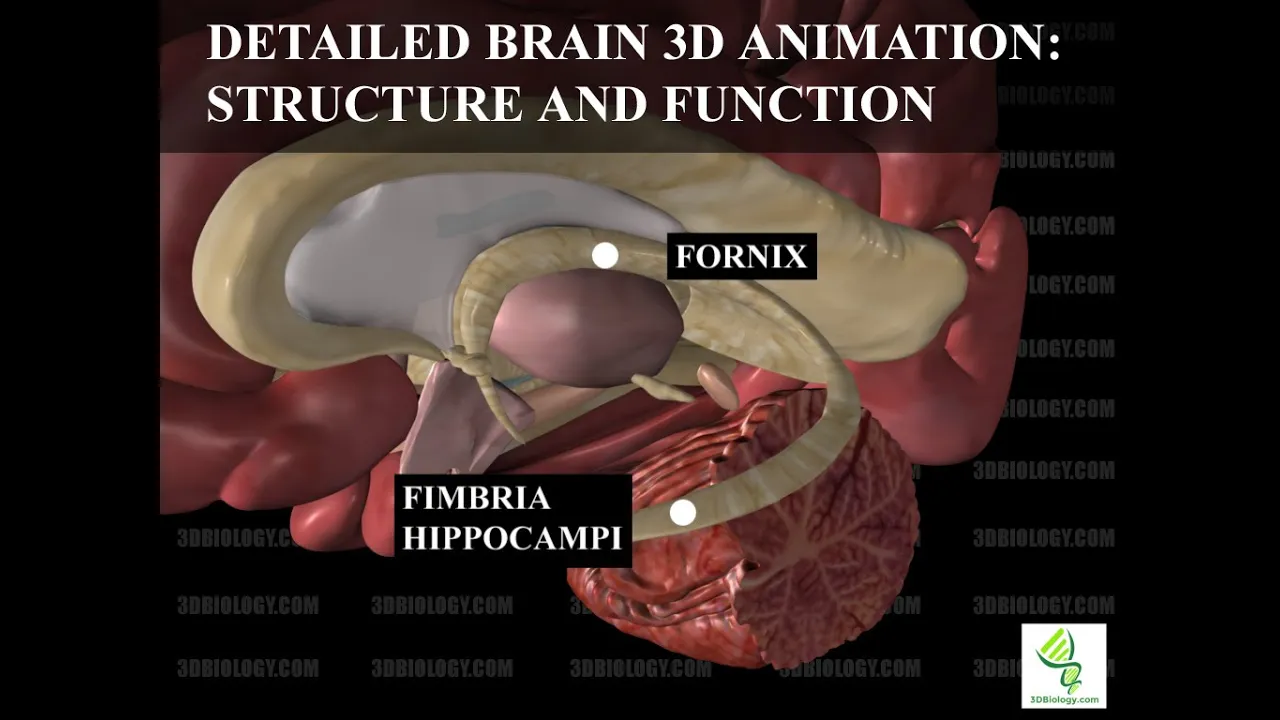
Human Brain Anatomy: 3D Animation of Structure & Function
@3DBiology
21.4K views•2021-01-27
21:55
Deciphering Neural Circuits Controlling Anorexia in Mice | Richard Palmiter
@AllenInstitute
2.3K views•2011-10-10
19:50
Amygdala and Fear Conditioning: Role in Threat Response
@PsychExplained
164.5K views•2021-03-10
13:03
How Exercise Benefits Your Brain: Science Explained
@TED
11.4M views•2018-03-21
Related Study Plans & Knowledge Roadmaps
Structured learning paths in Neuroscience
neuroscience
Appetite Regulation: Brain Circuits & Hormones
01Foundations of Endocrinology and Brain Anatomy
02Introduction to Energy Homeostasis
03Peripheral Signals: Leptin, Ghrelin, and Insulin
+ 2 more learning modules
14h5 modules
Explore Roadmap
neuroscience
Neuroeconomics: Value, Risk & Brain Mechanisms
01Foundations of Neuroscience and Brain Anatomy
02Introduction to Neuroeconomics and Subjective Value
03Dopaminergic Prediction Errors & Reinforcement Learning
+ 3 more learning modules
18h6 modules
Explore Roadmap
neuroscience
Spatial Navigation: Cells, Grids & Brain Maps
01Foundations of Brain Anatomy and Memory
02Place Cells and Head-Direction Cells
03Grid Cells: The Brain's Coordinate System
+ 2 more learning modules
12h5 modules
Explore Roadmap
neuroscience
BCIs: Neural Decoding & Prosthetic Control
01Neuroscience Foundations: How the Brain Signals Intent
02Signal Acquisition: Recording the Brain's Activity
03Neural Decoding: Translating Brain Waves into Data
+ 2 more learning modules
25h5 modules
Explore Roadmap