





























Long-term potentiation (LTP) is a long-lasting enhancement in signal transmission between neurons that serves as the molecular foundation for learning and memory; it occurs through a process where repeated high-frequency stimulation of the Schaefer collateral axons of CA3 neurons causes calcium influx via NMDA receptors, triggering two phases of synaptic strengthening: the early phase involves immediate insertion of new AMPA receptors onto the postsynaptic membrane, while the late phase involves gene expression and protein synthesis that creates new synaptic connections, ultimately strengthening the connection between neurons and enabling memory retention.
Neuroscience of Long-Term Potentiation & Memory Formation
Added:Basic anatomy of a neuron and the mechanism of synaptic transmission, including action potentials and neurotransmitter release.
Structure and function of key ionotropic receptors, specifically AMPA and NMDA glutamate receptors.
The role of intracellular secondary messengers, particularly calcium ions ($Ca^{2+}$), and protein kinases in cellular signaling pathways.
Fundamental neuroanatomy of the limbic system, with an emphasis on the general role of the hippocampus in memory processing.
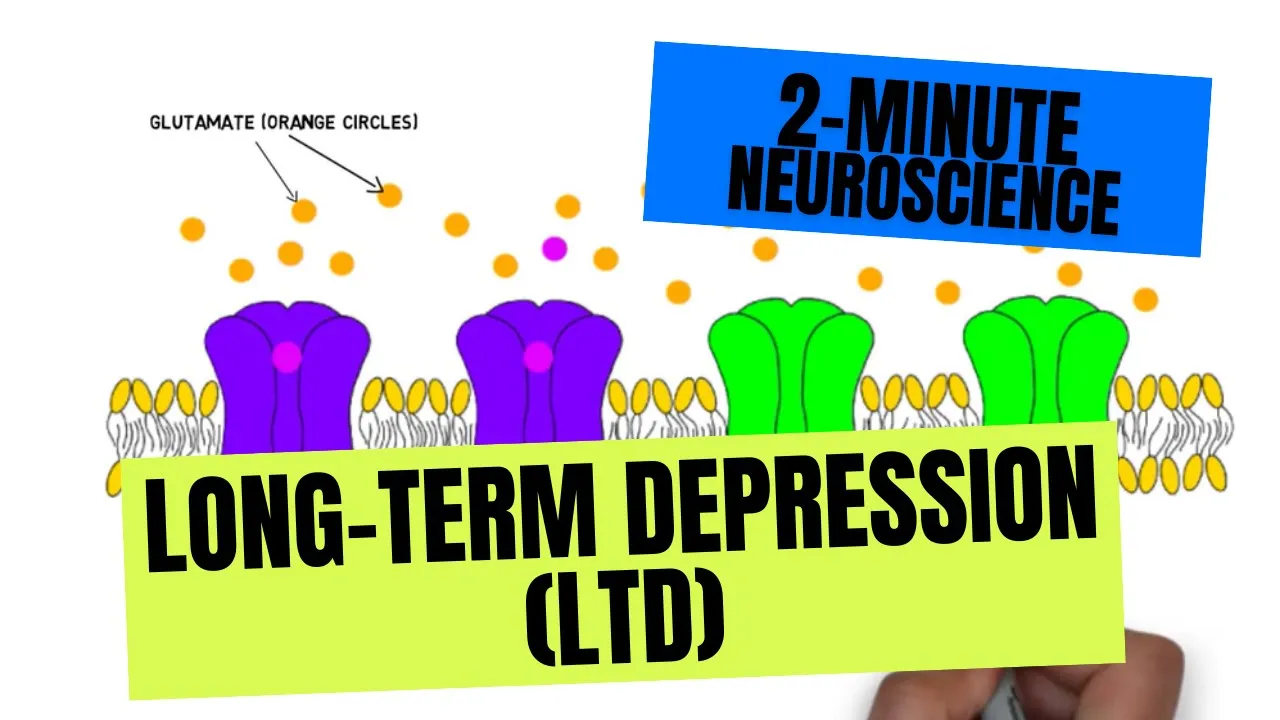
Long-Term Depression (LTD) and its complementary role to LTP in synaptic pruning and neural network homeostasis.
Systems consolidation, explaining how memories transition from temporary hippocampal encoding to permanent storage in the neocortex.
The pathophysiology of memory-related neurological disorders, such as Alzheimer's disease, through the lens of synaptic dysfunction.
The molecular hypothesis of 'synaptic tagging and capture' which explains how local synaptic changes are stabilized into long-term memories via protein synthesis.
How behavioral factors (such as sleep, exercise, and stress) and pharmacological agents modulate synaptic plasticity and LTP.
609.3K views9.5Klikes8:00Original Release: 2013-11-06
[Music] The human brain is capable of storing information for as little as 30 seconds in short-term memory or a lifetime in long-term memory. Think about the last time you studied for a test. The process of studying activates various pathways within your brain. The continued activation of these pathways is what leads to memory retention for long periods of time. Long-term memory has been associated with a horseshoe-shaped structure within the brain referred to as the hippocampus.
This structure is found in both hemispheres of the brain within the medial temporal lobe and coordinates the storage and retrieval of memories. A closer look at the hippocampus reveals some major structures. the dentate gyrus, the CA1 and CA3 regions. Memory processing begins when signals enter the dentate gyrus from the interrinal cortex via axons of the perforent pathway.
Granle neurons, a type of cell within the dentate gyrus, syninnapse onto parameal neurons within the CA3 region.
The CA3 neurons connect their axons referred to as Schaefer collaterals to the CA1 parameal cells. From here, the information is passed to the cubiculum and then back out to the interrinal cortex. A process referred to as long-term potentiation. LTP is thought to be the cellular and molecular underpinnings of memory. LTP is a long-lasting enhancement in signal transmission between two neurons after repeated stimulation.
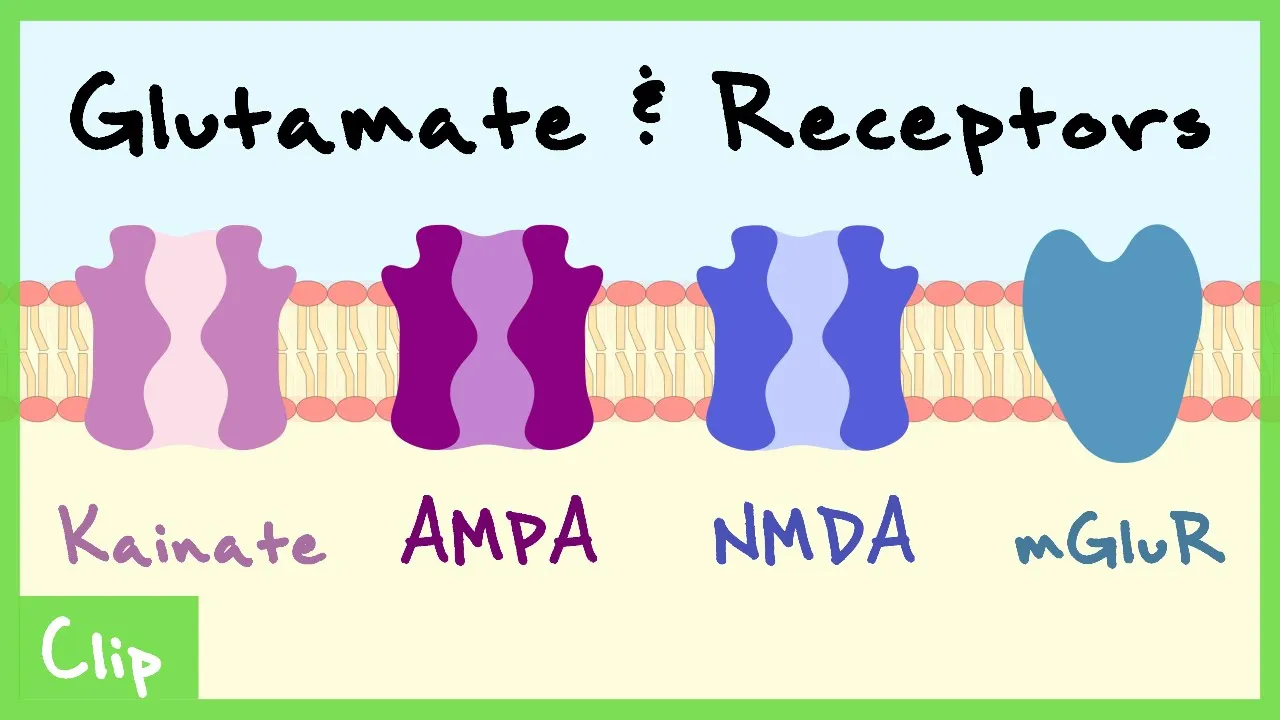
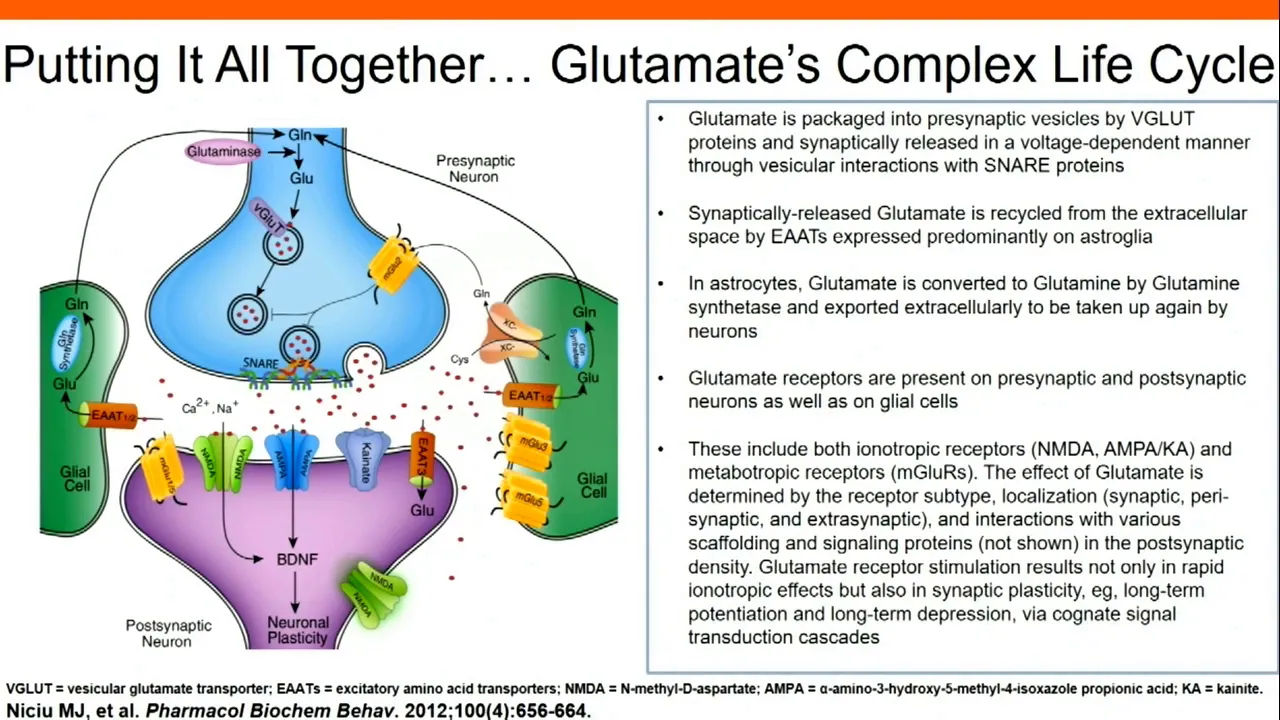
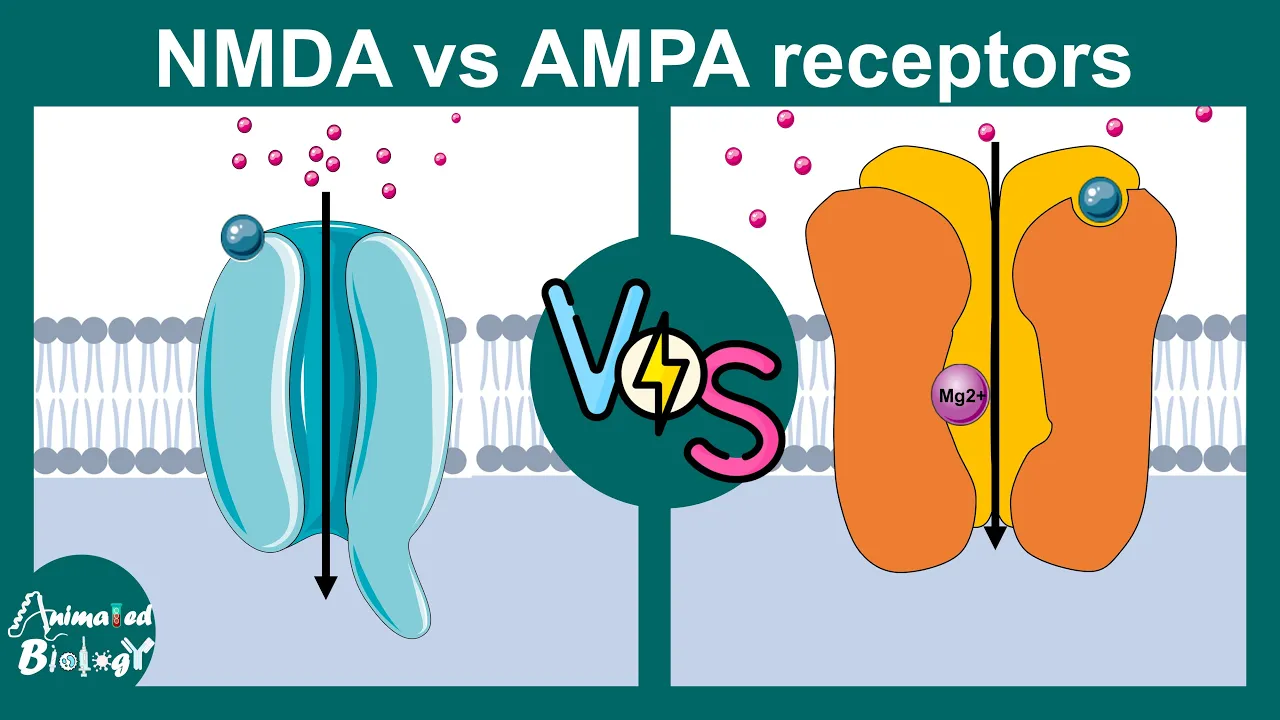
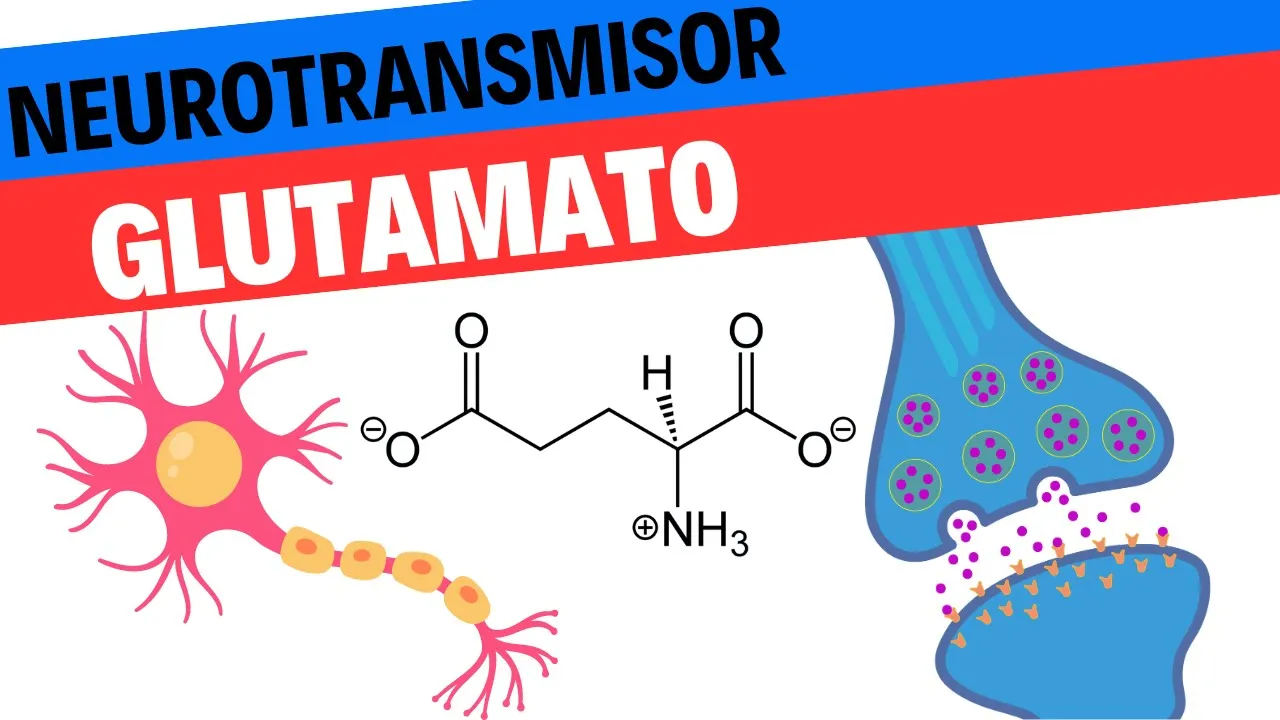
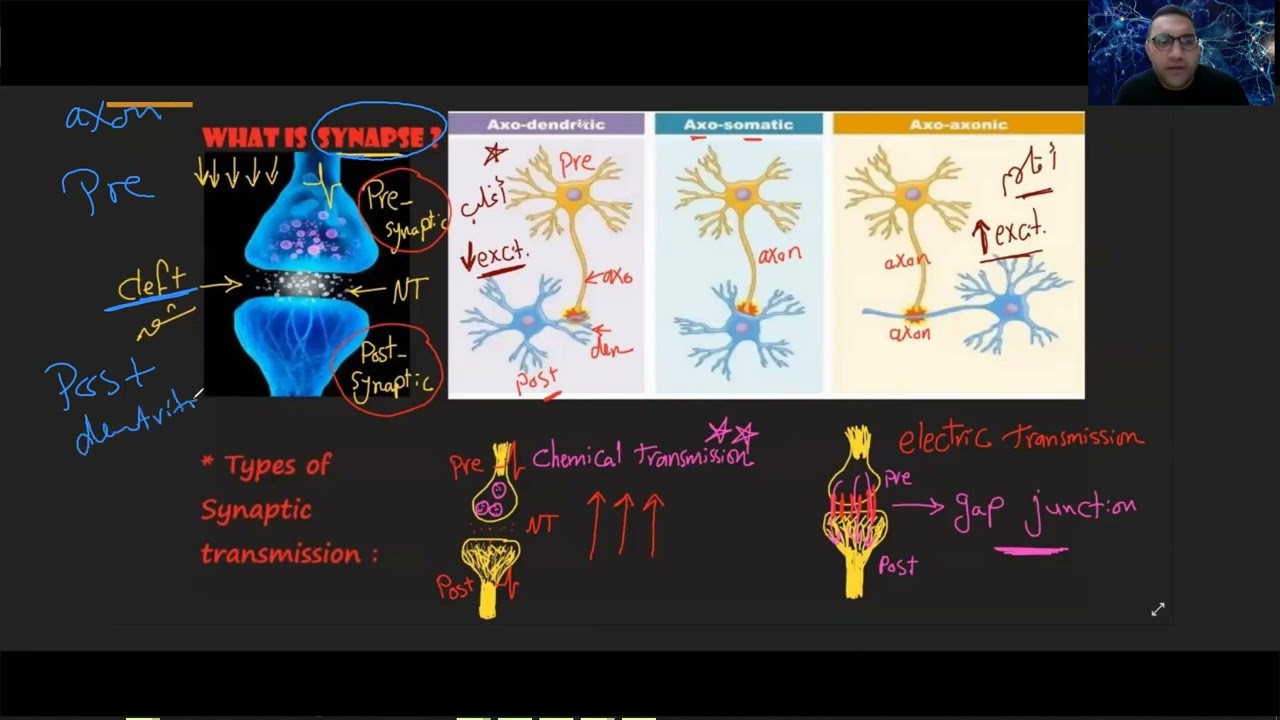
LTP has been most commonly studied at the syninnapse between the Schaefer collateral axons of the CA3 neurons and the CA1 parameal cells. A closer look at the CA3 CA1 synapse reveals various structures that are involved in LTP. On the post synaptic cell are both NMDA and AMPA receptors. These receptors are usually localized together at many posts synaptic sites and are activated after the binding of the neurotransmitter glutamate. The AMPA receptor is permeable to sodium ions. The NMDA receptor is also permeable to sodium but more importantly it has a high permeability for calcium. The NMDA receptor is also blocked by magnesium which prevents the ions from passing through the receptor. When an action potential travels down the Schaefer collaterals, it leads to the release of glutamate which binds to both the NMDA and AMPA receptors. When a low frequency action potential is propagated down the Schaefer collaterals, a small amount of glutamate is released. The amper receptors will open and allow an influx of sodium into the CA1 post synaptic cell. This causes a slight depolarization event in the post synaptic cell. The glutamate also binds to the NMDA receptors, but no ions will pass through the pore due to the magnesium blockade. While the small amount of neurotransmitter release signals a response, it is not enough to cause LTP. This is comparable to you studying material for only a few times.
You will not activate a highfrequency action potential from studying for just a short while. When a highfrequency action potential travels down the Schaefer collaterals to the terminal, a larger amount of glutamate is released from the presinaptic terminals. This is comparable to you studying for longer periods. This results in higher frequency action potentials.
When glutamate binds to the ampera receptor, a greater depolarization event occurs. The ampera receptors remain open longer due to the increased concentration of glutamate which allows a larger amount of sodium to enter through the amperceptors.
This influx of sodium causes a large depolarization event in the post synaptic cells which repels the magnesium blockade from the NMDA receptors through a process known as electrostatic repulsion. At this point, the NMDA receptor with glutamate bound allows sodium and calcium to enter through its pore. In this way, NMDA receptors are known as coincidence detectors because they require a presinaptic and post synaptic event for channel opening. The binding of presinaptically released glutamate and a significant post synaptic depolarization via activation of the ampa receptors. As previously mentioned, LTP is the process of strengthening the connections between two neurons. The influx of posts synaptic calcium acts as an important secondary messenger activating many secondary intracellular cascades. The increase in calcium contributes to two phases of LTP early phase and late phase. During the early phase, the calcium binds to its respective binding proteins and causes the insertion of new amperceptors onto the post synaptic cell membrane at the active CA3 CA1 synapse.
These Amper receptors are stored in the post synaptic CA1 internal cell stores and will only insert when there is a large influx of calcium through the NMDA receptor. This allows more Amper receptors to be available for future depolarization events. The earlyphase changes last for only a few hours and require a brief increase in calcium levels. During the late phase, a prolonged influx of calcium causes an increase in transcription factors ultimately resulting in gene expression and new proteins to be synthesized.
Some proteins resulting from this process include Amper receptors which are inserted into the post synaptic cell membrane at the syninnapse. In addition, there is an increase in the synthesis of proteins called growth factors. These are involved in the formation of new synapses which is the basis for synaptic plasticity. Your brain can change as you learn. These synapses are formed between the CA3 CA1 neurons allowing for a stronger connection between the two neurons. The latephase changes can last 24 hours up to a lifetime.
It is important to remember that LTP is not a mechanism. It is an outcome of the increased activity between two neurons.
This results in an increase in amper receptors and synaptic connections which allows the low frequency action potential to cause a greater depolarization event in the post synaptic terminals. This is the foundation of memory. However, the hippocampus is not the only brain region that processes memories. Memory processing occurs in many other regions including parts of the cerebral cortex.
Studying activates various pathways throughout your entire brain. Continuous activation of the same pathways will create highfrequency presinaptic action potentials and post synaptic activation in those paths. It is now clear that these pre and post synaptic events strengthen the connections in the specific pathway. This strengthening is what contributes to your ability to recall the material when writing your exam.
Up Next

5:08
Endocannabinoid Signaling System Explained | Pain Modulation & Therapeutics
@CCICannabinoids
220.8K views•2012-05-08
21:55
Deciphering Neural Circuits Controlling Anorexia in Mice | Richard Palmiter
@AllenInstitute
2.3K views•2011-10-10

4:10
Vagus Nerve (CN X): Anatomy, Nuclei & Functions Explained
@Alilamedicalmedia
305.2K views•2022-10-31

13:03
How Exercise Benefits Your Brain: Science Explained
@TED
11.4M views•2018-03-21
Related Study Plans & Knowledge Roadmaps
Structured learning paths in Neuroscience
neuroscience
Appetite Regulation: Brain Circuits & Hormones
01Foundations of Endocrinology and Brain Anatomy
02Introduction to Energy Homeostasis
03Peripheral Signals: Leptin, Ghrelin, and Insulin
+ 2 more learning modules
14h5 modules
Explore Roadmap
neuroscience
Neuroeconomics: Value, Risk & Brain Mechanisms
01Foundations of Neuroscience and Brain Anatomy
02Introduction to Neuroeconomics and Subjective Value
03Dopaminergic Prediction Errors & Reinforcement Learning
+ 3 more learning modules
18h6 modules
Explore Roadmap
neuroscience
Spatial Navigation: Cells, Grids & Brain Maps
01Foundations of Brain Anatomy and Memory
02Place Cells and Head-Direction Cells
03Grid Cells: The Brain's Coordinate System
+ 2 more learning modules
12h5 modules
Explore Roadmap
neuroscience
BCIs: Neural Decoding & Prosthetic Control
01Neuroscience Foundations: How the Brain Signals Intent
02Signal Acquisition: Recording the Brain's Activity
03Neural Decoding: Translating Brain Waves into Data
+ 2 more learning modules
25h5 modules
Explore Roadmap