

















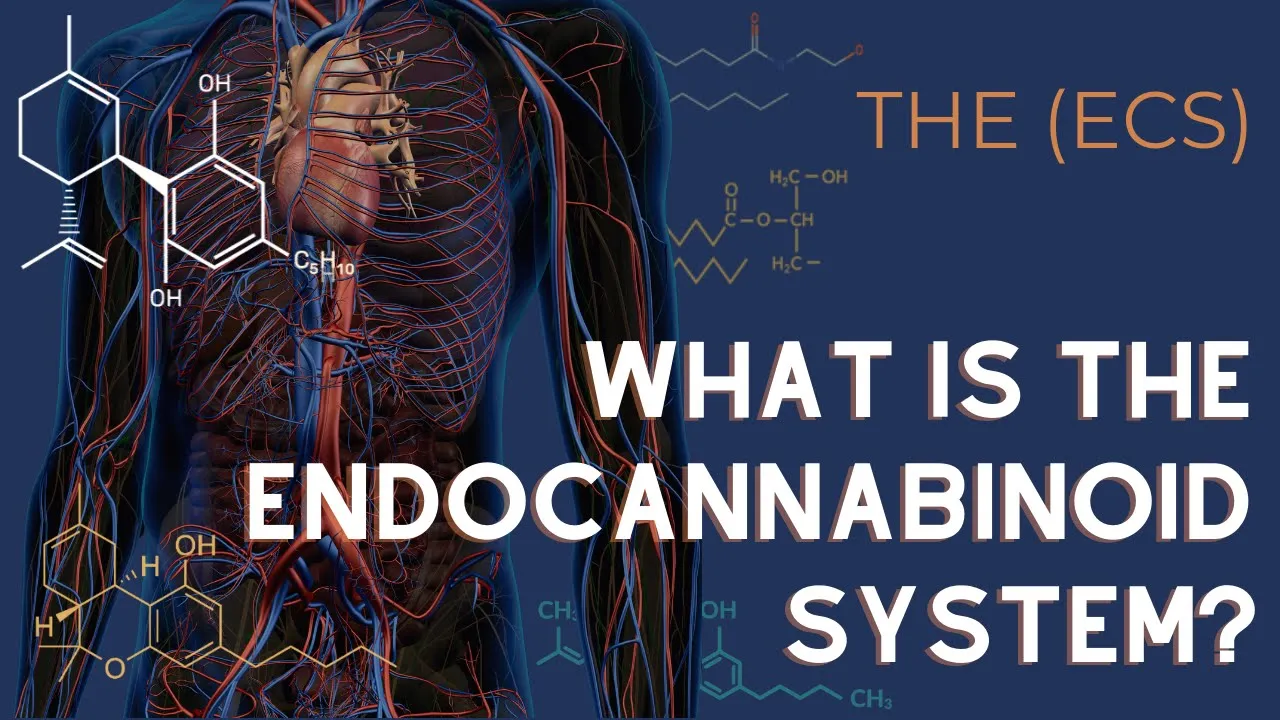










The endocannabinoid system modulates pain through a retrograde signaling mechanism where endogenous cannabinoids synthesized on demand from postsynaptic membranes bind to presynaptic cannabinoid receptors, reducing calcium influx and decreasing neurotransmitter release; this process, called depolarization-induced suppression of inhibition, enhances the descending pain modulation pathway by suppressing inhibitory GABAergic neurons in the periaqueductal gray matter, thereby increasing analgesic effects, and exogenous cannabinoids administered via inhalation reach the CNS more rapidly than oral administration by diffusing across the blood-brain barrier.
Endocannabinoid Signaling System Explained | Pain Modulation & Therapeutics
Added:Fundamentals of synaptic transmission, including how neurotransmitters are synthesized, released, and bound to post-synaptic receptors.
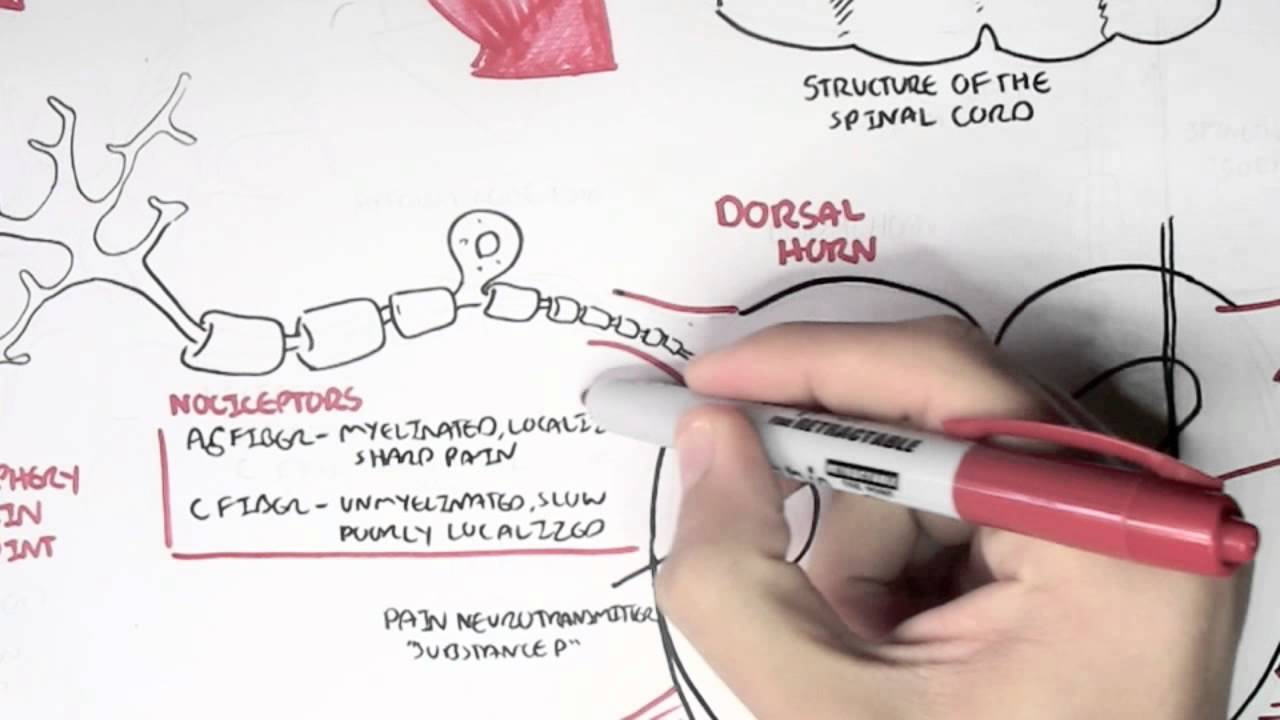
Basic neuroanatomy of pain pathways, specifically nociception and how pain signals travel from the periphery to the central nervous system.
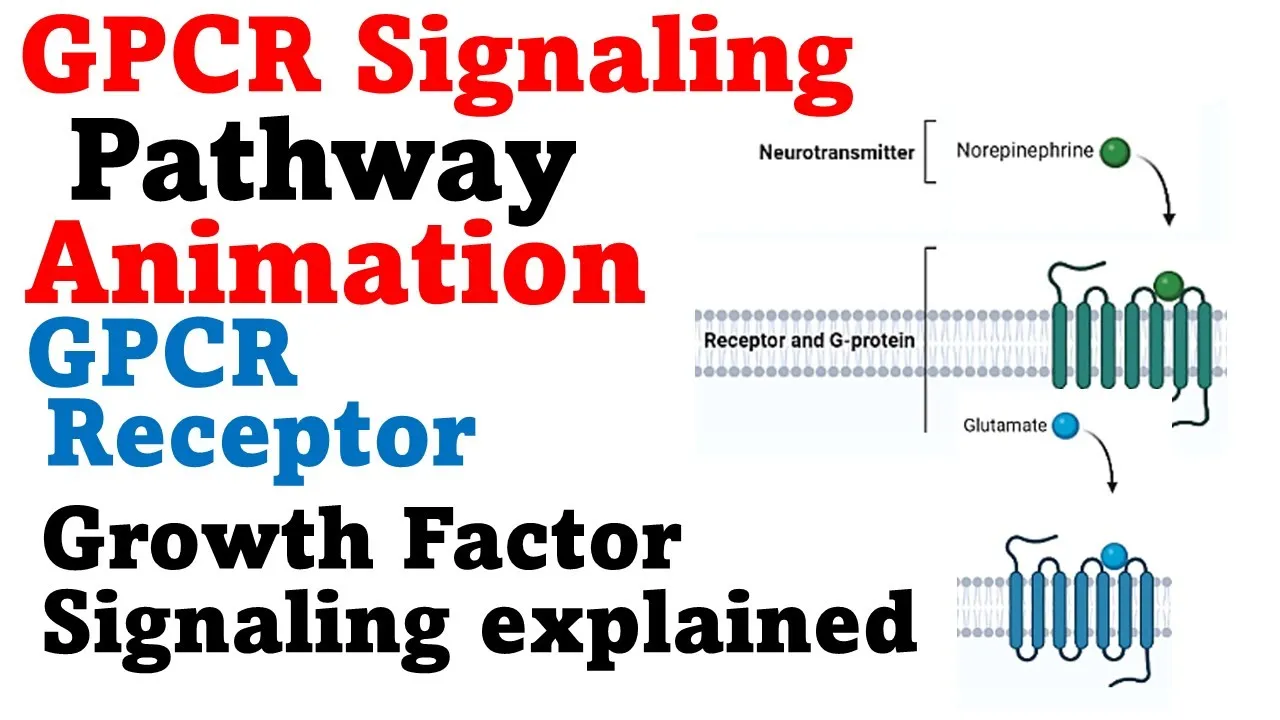
An understanding of G-protein coupled receptor (GPCR) signaling pathways, as cannabinoid receptors belong to this superfamily.
The distinction between endogenous ligands (produced within the body) and exogenous ligands (introduced from external sources).
The therapeutic applications and efficacy of medical cannabis and synthetic cannabinoids in clinical pain management (e.g., neuropathic and cancer pain).
Targeting the endocannabinoid system via metabolic enzyme inhibitors, such as FAAH or MAGL inhibitors, to prevent endocannabinoid degradation.
The involvement of the endocannabinoid system in non-pain physiological processes, such as appetite regulation, mood, memory, and immune response.
Current clinical trials, regulatory hurdles, and ethical considerations surrounding the development of cannabinoid-based pharmaceuticals.
220.8K views0likes5:08Original Release: 2012-05-08
in the normal transmission of pain ascending nociceptive signals travel up the spinal thalamic Pathway to the thalamus where they are processed and relayed to cortical and other areas the ascending pathway also relays to the per aqueductal gry matter an important part of the descending pain modulation system where specific cannabinoid receptors are located stimulation of the per aqueductal gray is known to produce an analgesic effect however this neuro regulatory process is thought to be tonically restricted by inhibitory gabaergic off cells ascending pain signals relayed through the per aqueductal gray suppress the activity of gabaergic off cells through cannabinoid modulation thereby increasing activity in the descending pain modulation pathway and increasing the analgesic effect this is called depolarization induced suppression of inhibition a synaptic feedback mechanism is believed to be an inherent part of our normal neuro regulatory processes including descending pain modulation in many regions of the CNS including the per aqueductal gray the generation of post synaptic Action potentials is modified by an endogenous cannabinoid regulatory system endogenous cannabinoids are synthesized on demand from the phospholipid bilayer of the post synaptic membrane these lipophilic ligans are released directly into the synaptic Clift and act in retrograde Fashion on the pre synaptic neuron where the cannabinoid receptors are expressed binding of the endogenous cannabinoids affects intracellular signal transduction Pathways reducing the influx of calcium ions into the pre synaptic neuron causing a decrease in further neurotransmitter release this inter turn influences the frequency of post synaptic firing the administration of exogenous cannabinoids orally or through inhalation May therefore provide an option for treating pain that has responded poorly to Conventional pain therapy when exogenous cannabinoids are administered orally they travel via the GI tract to the liver where they are metabolized before entering the bloodstream and then the CNS the onset of action from oral Administration is less rapid compared to the inhaled route when exogenous cannabinoids are inhaled they travel through the respiratory tract to the alveoli of the lung where they diffuse rapidly into the circulatory system they then travel through the bloodstream towards the CNS where they diffuse across the bloodb brain barrier and into the surrounding tissues of the brain and spinal [Music] cord exogenous cannabinoids exert their modulatory effects upon the Abundant cannabinoid receptors distributed throughout the CNS the effects of cannabinoids may be illustrated by comparing three neuronal synapses showing normal pain transmission the influence of endogenous cannabinoids and the influence of exogenous cannabinoid [Music] Administration exogenous cannaboids from the bloodstream bind to canono receptors on the pre synaptic neuron and mimic the endogenous synaptic modulatory effect by decreasing influx of calcium ions in this way pain and other neural processes are [Music] modulated the clinical effects of exogenous cannabinoid Administration are not limited to pain and have proven effects including the reduction of anxiety spasticity anorexia and nausea the development of Novel drugs to modulate endogenous canabo re uptake and Metabolism may also prove beneficial in pain therapy the therapeutic benefits of canabo including modification of the endogenous cannaboid signaling system should be further explored through clinical [Music] research e
Up Next

4:40
Center-Surround Receptive Fields of Retinal Ganglion Cells
@garlandscience
211.1K views•2015-09-02
21:55
Deciphering Neural Circuits Controlling Anorexia in Mice | Richard Palmiter
@AllenInstitute
2.3K views•2011-10-10

4:10
Vagus Nerve (CN X): Anatomy, Nuclei & Functions Explained
@Alilamedicalmedia
305.2K views•2022-10-31

13:03
How Exercise Benefits Your Brain: Science Explained
@TED
11.4M views•2018-03-21
Related Study Plans & Knowledge Roadmaps
Structured learning paths in Neuroscience
neuroscience
Appetite Regulation: Brain Circuits & Hormones
01Foundations of Endocrinology and Brain Anatomy
02Introduction to Energy Homeostasis
03Peripheral Signals: Leptin, Ghrelin, and Insulin
+ 2 more learning modules
14h5 modules
Explore Roadmap
neuroscience
Neuroeconomics: Value, Risk & Brain Mechanisms
01Foundations of Neuroscience and Brain Anatomy
02Introduction to Neuroeconomics and Subjective Value
03Dopaminergic Prediction Errors & Reinforcement Learning
+ 3 more learning modules
18h6 modules
Explore Roadmap
neuroscience
Spatial Navigation: Cells, Grids & Brain Maps
01Foundations of Brain Anatomy and Memory
02Place Cells and Head-Direction Cells
03Grid Cells: The Brain's Coordinate System
+ 2 more learning modules
12h5 modules
Explore Roadmap
neuroscience
BCIs: Neural Decoding & Prosthetic Control
01Neuroscience Foundations: How the Brain Signals Intent
02Signal Acquisition: Recording the Brain's Activity
03Neural Decoding: Translating Brain Waves into Data
+ 2 more learning modules
25h5 modules
Explore Roadmap