






















Neurons communicate through chemical synapses where neurotransmitters are released from the presynaptic neuron into the synaptic cleft, bind to receptors on the postsynaptic neuron, and either excite or inhibit the receiving neuron; neurotransmitters are synthesized in presynaptic terminals, stored in synaptic vesicles, released via exocytosis triggered by calcium influx during action potentials, and their effects terminate through diffusion, enzymatic degradation, or reuptake mechanisms.
Synaptic Transmission: Chemical Synapse, Neurotransmitters & Action
Added:Basic anatomy of a neuron, including the dendrites, axon, cell body (soma), and axon terminal.
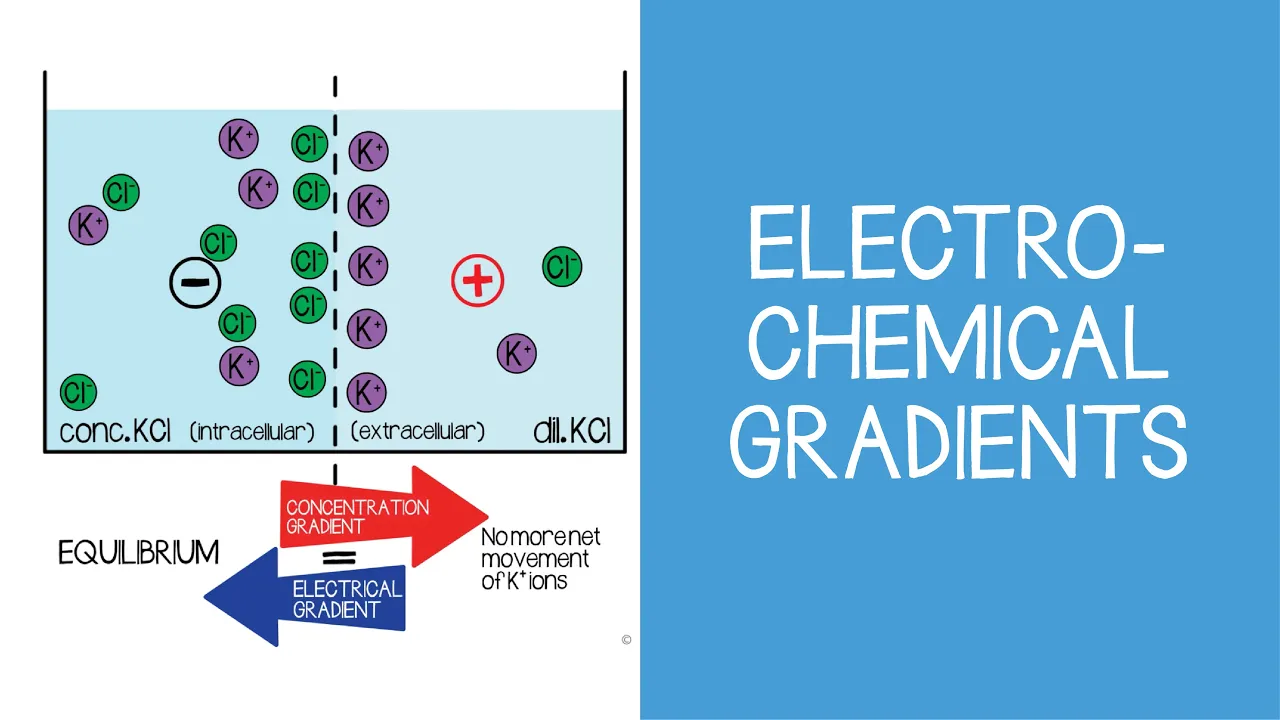
The concept of cell membrane potential, specifically the resting membrane potential and electrochemical gradients.
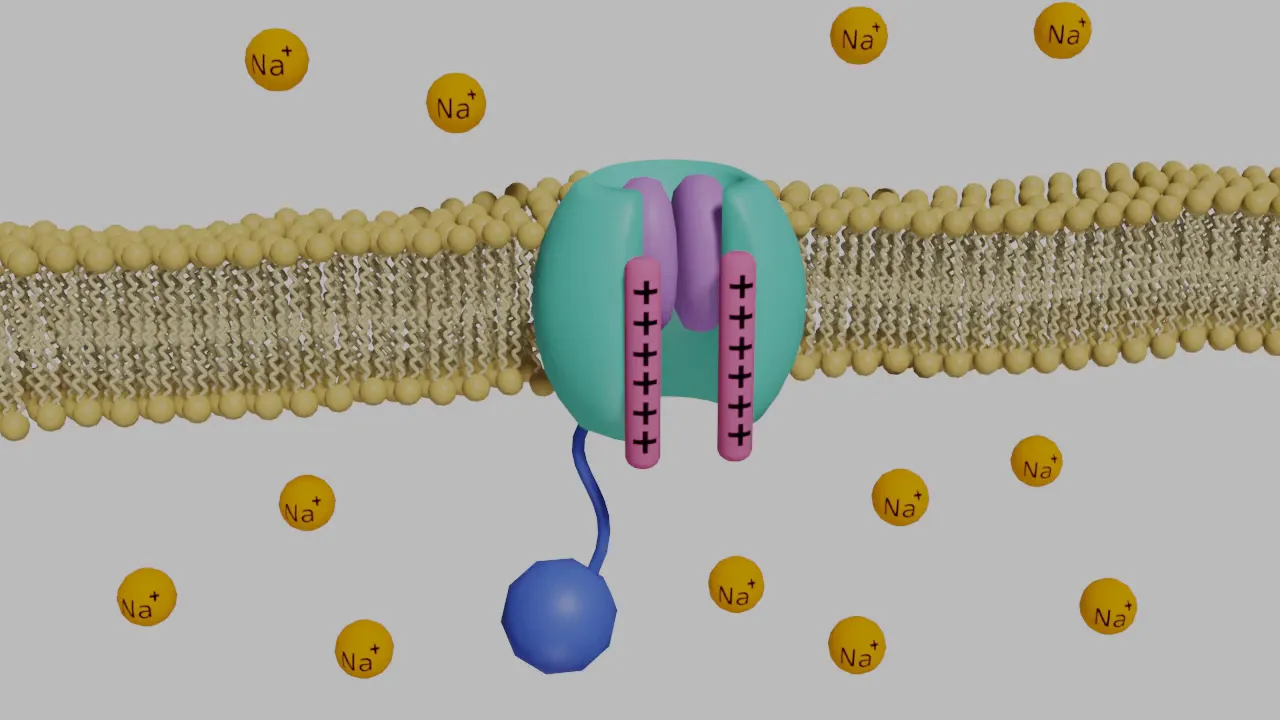
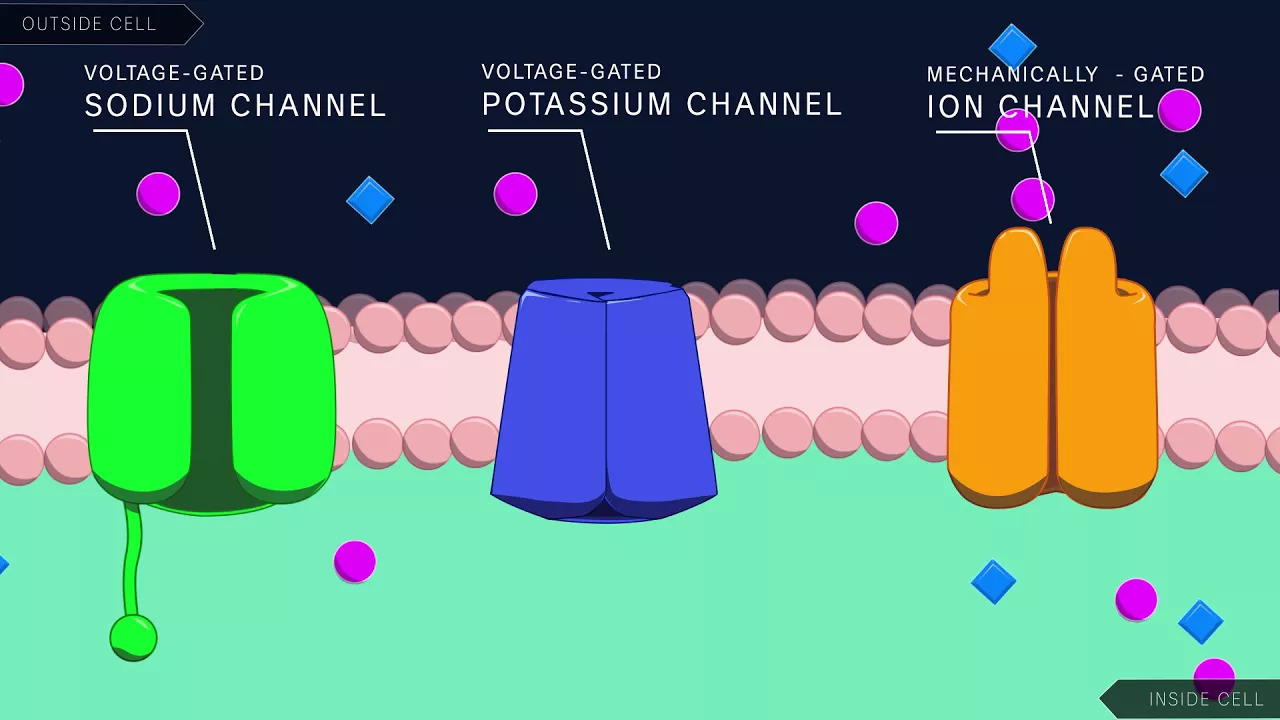
The initiation and propagation of an action potential, including the role of voltage-gated sodium and potassium channels.
The fundamental distinction between electrical signaling within a neuron and chemical signaling between neurons.
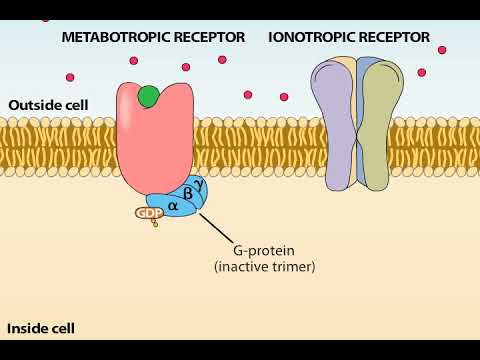
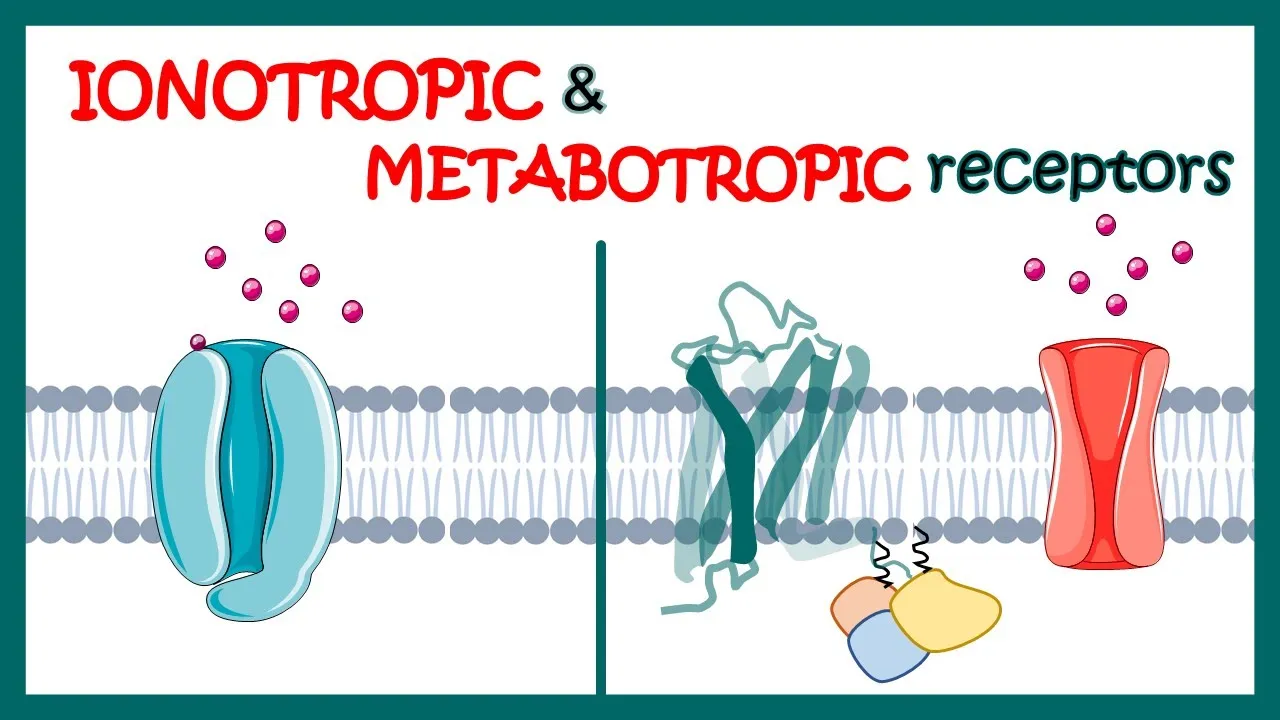
The functional differences between ionotropic (ligand-gated ion channels) and metabotropic (G-protein coupled) receptors.
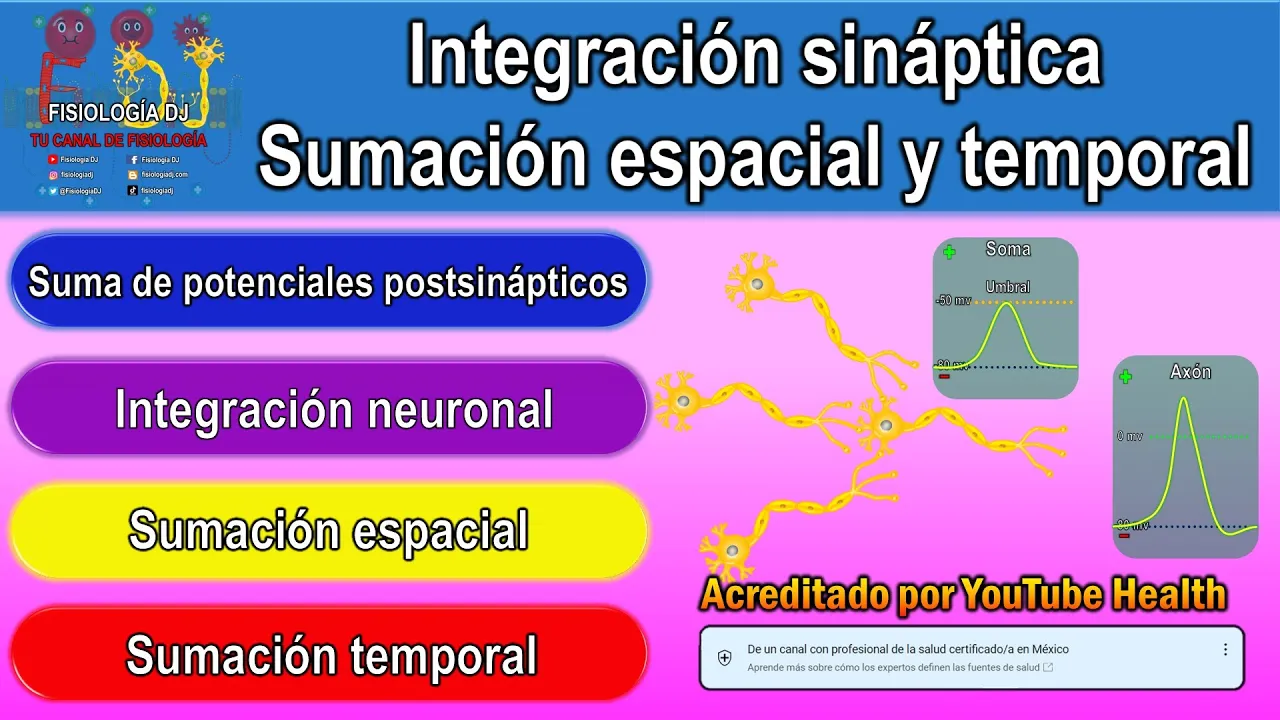
The principles of synaptic integration, including how neurons summate excitatory and inhibitory postsynaptic potentials (EPSPs and IPSPs).
The cellular mechanisms of synaptic plasticity, such as Long-Term Potentiation (LTP) and Long-Term Depression (LTD), which form the basis of learning and memory.
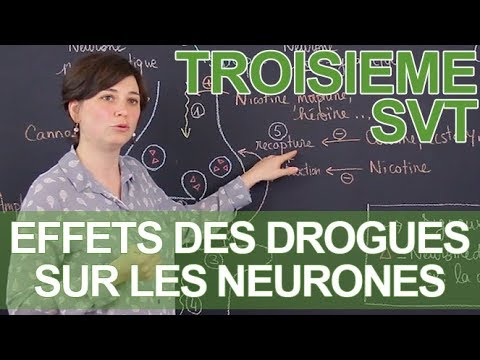
Neuropharmacology, specifically how clinical drugs (e.g., SSRIs, anesthetics), toxins, and illicit substances modulate synaptic transmission.
199.4K views3.6Klikes5:05Original Release: 2022-09-05
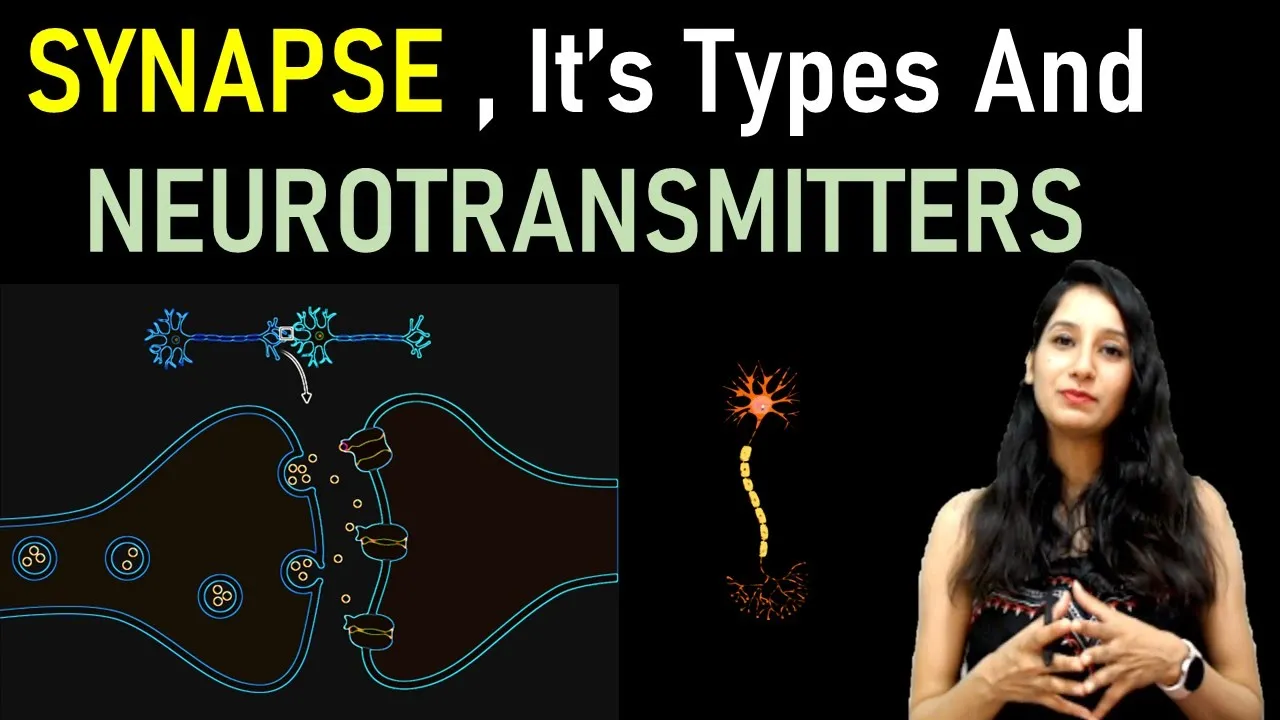
Neurons communicate with each other mainly via chemical messages, or neurotransmitters. When a neuron is sufficiently stimulated, an electrical impulse called an action potential is generated and travels down the axon to the nerve terminal. Here, it triggers the release of a neurotransmitter into the synaptic cleft - a space between neurons. The neurotransmitter then binds to a receptor on a neighboring neuron, generating a signal in it, thereby transmitting the information to that neuron. The neuron that releases the neurotransmitter is the pre-synaptic neuron, while the one that receives the signal is the post-synaptic neuron.
The axon of the pre-synaptic neuron may form a synapse with either a dendrite, the cell body, or the axon of the post-synaptic neuron, giving rise to an axodendritic, axosomatic, or axoaxonic synapse, respectively. Chemical synapses exist not only between neurons, but also between a neuron and a target cell, such as muscle, or gland cell.
Over a hundred of neurotransmitters have been identified so far.
Most of them can be grouped into classes according to their chemical structure.
Major classes include: - Amino acids, such as glycine, glutamate, aspartate, and GABA. - Small peptides, called neuropeptides, such as beta-endorphin and substance P. - Monoamines, such as epinephrine, norepinephrine, dopamine, serotonin, and histamine. Monoamines are basically amino acids with the acid group removed.
- And acetylcholine, an ester of choline, in its own class by itself.
Neurotransmitters are synthesized in the presynaptic neuron and stored in small sacs, called synaptic vesicles, at the axon terminal. Some of these vesicles are docked on plasma membrane, ready to release neurotransmitter on demand. When an action potential arrives at the nerve terminal, the resulting depolarization opens voltage-gated calcium channels, allowing calcium to flow in. Calcium causes the vesicles to fuse with plasma membrane, releasing the neurotransmitter in a process known as exocytosis.
Upon binding to their receptors on the postsynaptic cell, some neurotransmitters open ligand-gated ion channels, causing direct changes to membrane potential of the receiving neuron, while others act through second-messenger systems to exert their effect.
Some neurotransmitters are excitatory, others are inhibitory; and for some, the effect can be either excitatory or inhibitory depending on the receptor they bind to.
An example of excitatory neurotransmitter is glutamate. Upon binding, it triggers glutamate receptors, ligand-gated ion channels, to open and allow positively-charged ions into the cell, making it more positive, less polarized, and thus more likely to generate action potentials.
On the other hand, GABA, a major inhibitory neurotransmitter, opens ligand-gated chloride channels to allow negatively-charged chloride to enter, making the cell more negative, more polarized, and thus less likely to generate action potentials.
Acetylcholine is a neurotransmitter that can be either excitatory or inhibitory depending on the receptor present on the target cell. At neuromuscular junctions, acetylcholine released by motor neurons binds to nicotinic receptors on skeletal muscle cells and stimulates them to contract. On the other hand, it inhibits cardiac muscle cells via muscarinic receptor M2, causing heart rate to slow down, as part of the parasympathetic “rest and digest” response.
A neurotransmitter binds to its receptor for only a millisecond or so.
It then passively diffuses from the synapse and is taken up by nearby astrocytes for recycling.
If the presynaptic neuron continues to fire and release more neurotransmitter, new molecules will bind and again activate the receiving neuron.
If the presynaptic signal stops coming, the transmission will eventually stop.
There also exist mechanisms to actively remove neurotransmitters from the synaptic space to avoid overstimulation. Common mechanisms include: - degradation of the neurotransmitter by an enzyme present in the synapse; - and reuptake, where the neurotransmitter is transported back, by a transporter protein, to the presynaptic neuron for reuse.
Up Next
1:13
Chemical Synapse Animation: Neurotransmitter Release Explained
@retwedt
668.2K views•2013-12-17
21:55
Deciphering Neural Circuits Controlling Anorexia in Mice | Richard Palmiter
@AllenInstitute
2.3K views•2011-10-10
6:30
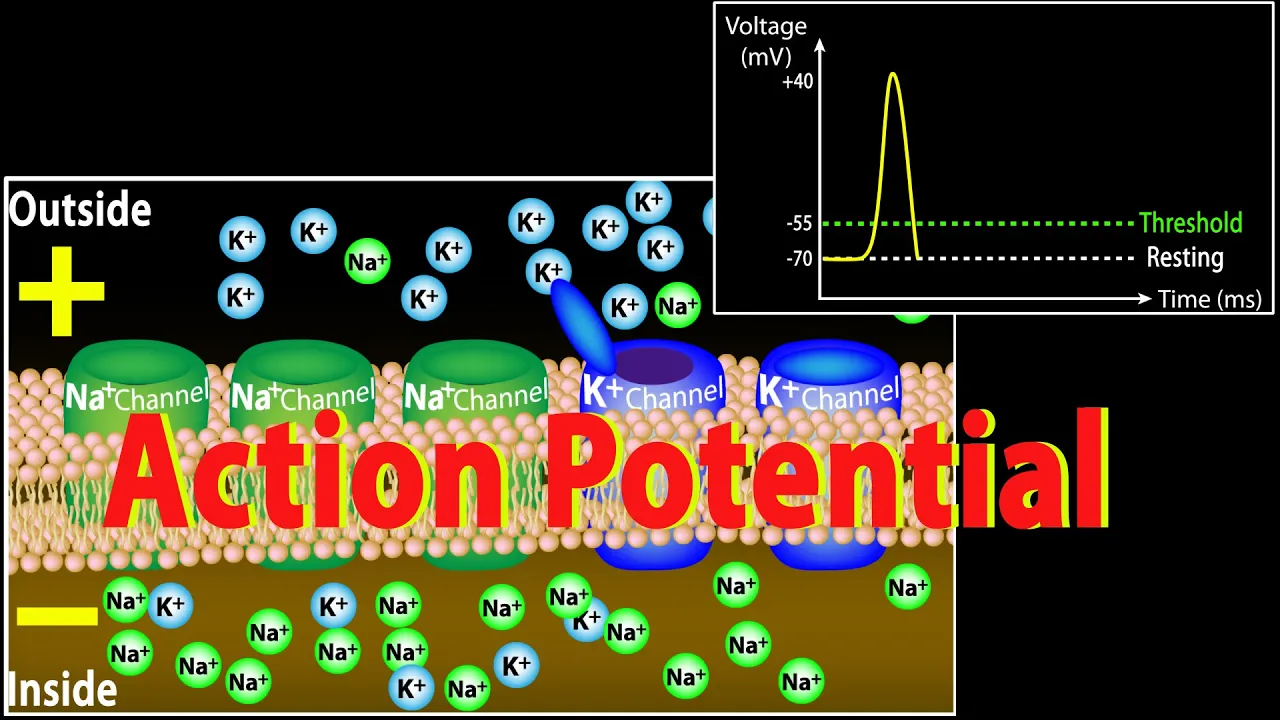
Action Potential in Neurons, Animation: Phases Explained
@Alilamedicalmedia
1.6M views•2016-04-25

13:03
How Exercise Benefits Your Brain: Science Explained
@TED
11.4M views•2018-03-21
Related Study Plans & Knowledge Roadmaps
Structured learning paths in Neuroscience
neuroscience
Appetite Regulation: Brain Circuits & Hormones
01Foundations of Endocrinology and Brain Anatomy
02Introduction to Energy Homeostasis
03Peripheral Signals: Leptin, Ghrelin, and Insulin
+ 2 more learning modules
14h5 modules
Explore Roadmap
neuroscience
Neuroeconomics: Value, Risk & Brain Mechanisms
01Foundations of Neuroscience and Brain Anatomy
02Introduction to Neuroeconomics and Subjective Value
03Dopaminergic Prediction Errors & Reinforcement Learning
+ 3 more learning modules
18h6 modules
Explore Roadmap
neuroscience
Spatial Navigation: Cells, Grids & Brain Maps
01Foundations of Brain Anatomy and Memory
02Place Cells and Head-Direction Cells
03Grid Cells: The Brain's Coordinate System
+ 2 more learning modules
12h5 modules
Explore Roadmap
neuroscience
BCIs: Neural Decoding & Prosthetic Control
01Neuroscience Foundations: How the Brain Signals Intent
02Signal Acquisition: Recording the Brain's Activity
03Neural Decoding: Translating Brain Waves into Data
+ 2 more learning modules
25h5 modules
Explore Roadmap