















![Räumliche und zeitliche Summation [EPSP/IPSP - Verschaltung an Synapsen]- [Neurobiologie, Oberstufe]](https://i.ytimg.com/vi/r4ZSQcXSNtM/hqdefault.jpg)





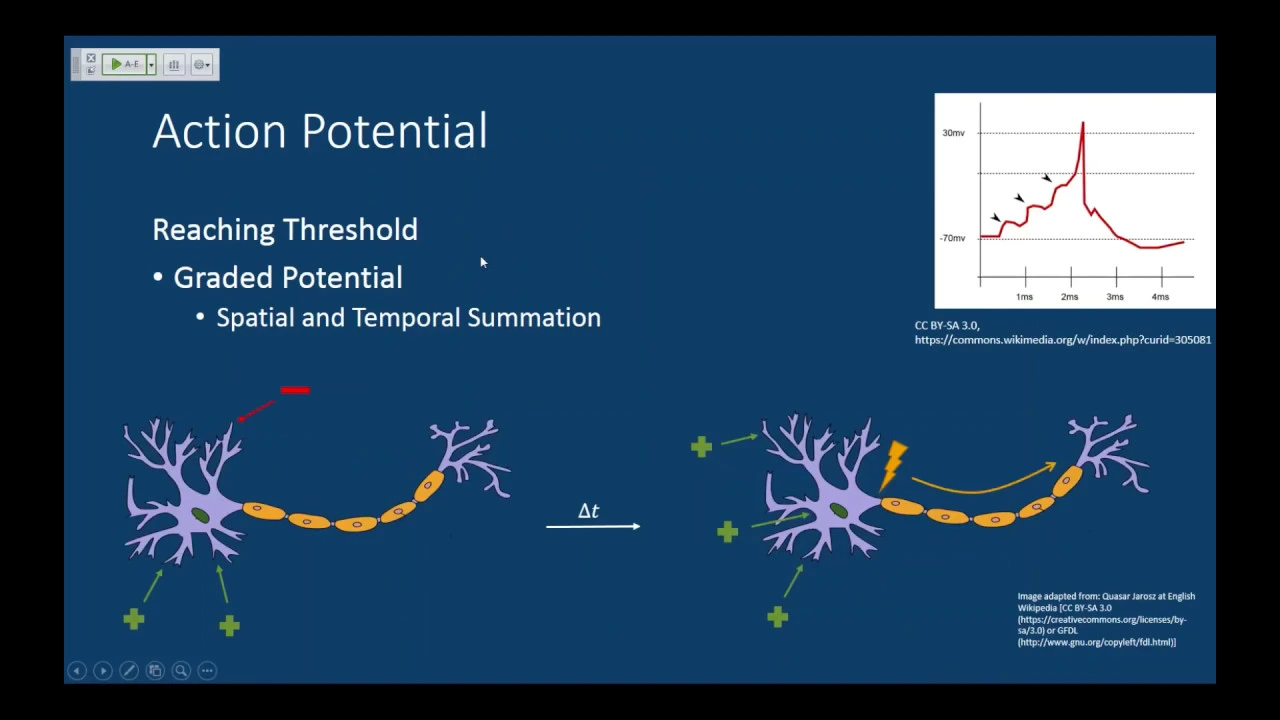
Action potentials are rapid, self-propagating electrical signals in excitable cells (neurons and muscle cells) that travel along the membrane; they occur when a stimulus brings the membrane potential to threshold (-60 mV), triggering voltage-gated sodium channels to open and cause rapid depolarization followed by potassium efflux and repolarization, with the signal propagating through local currents that trigger adjacent membrane patches to reach threshold, demonstrating the all-or-none principle where subthreshold stimuli produce no action potential while threshold or suprathreshold stimuli produce identical action potentials every time.
Action Potential in Neurons Explained: Neurology Lecture
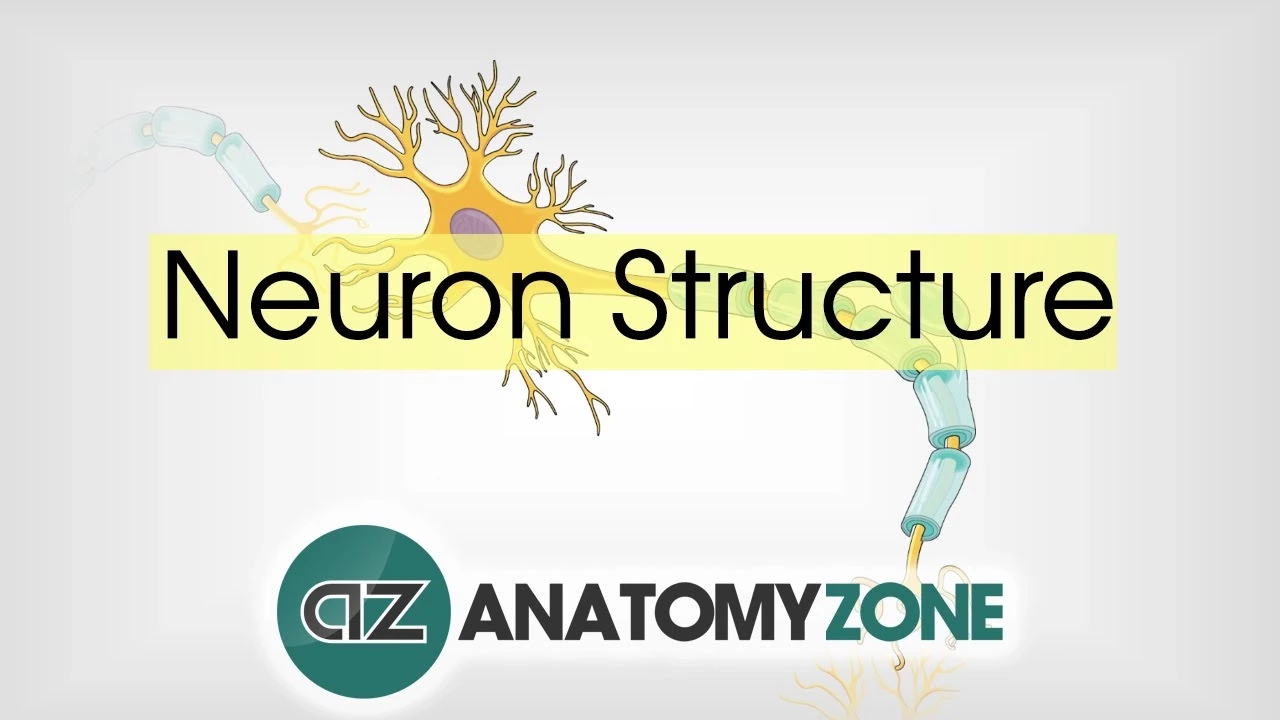
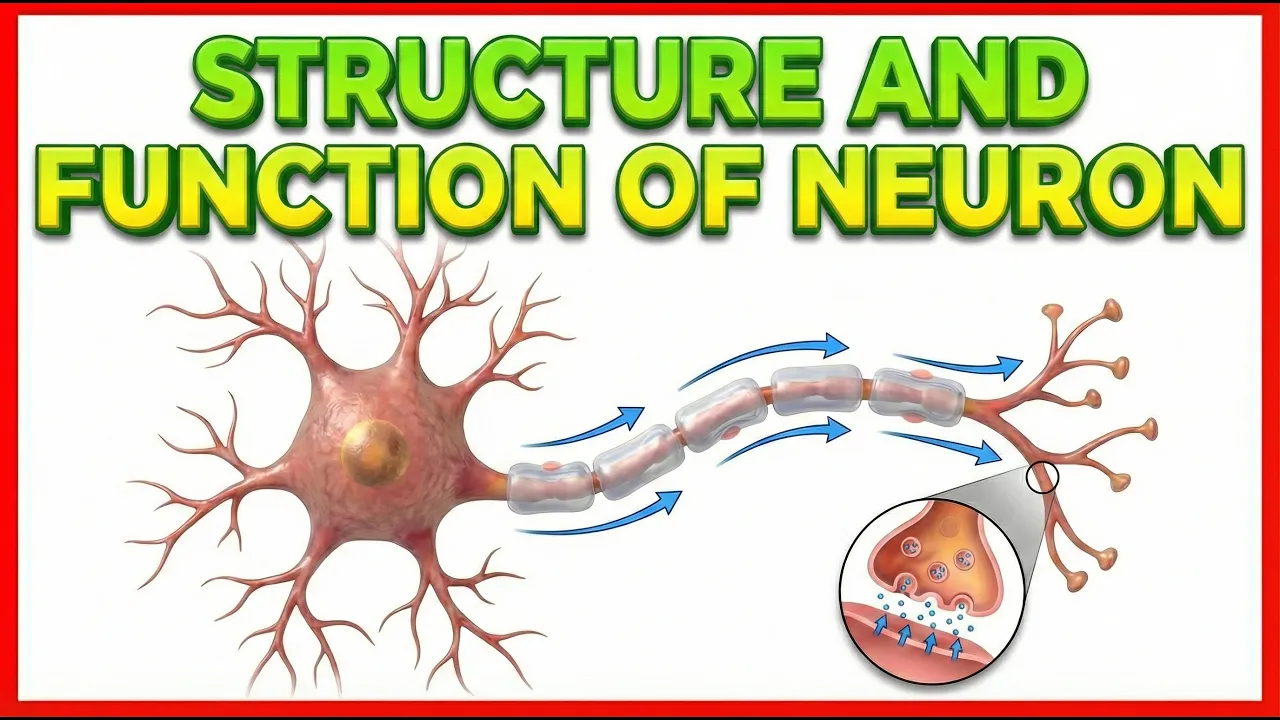
Added:Basic neuron anatomy, including the structure and function of dendrites, the soma, axon, and myelin sheath.
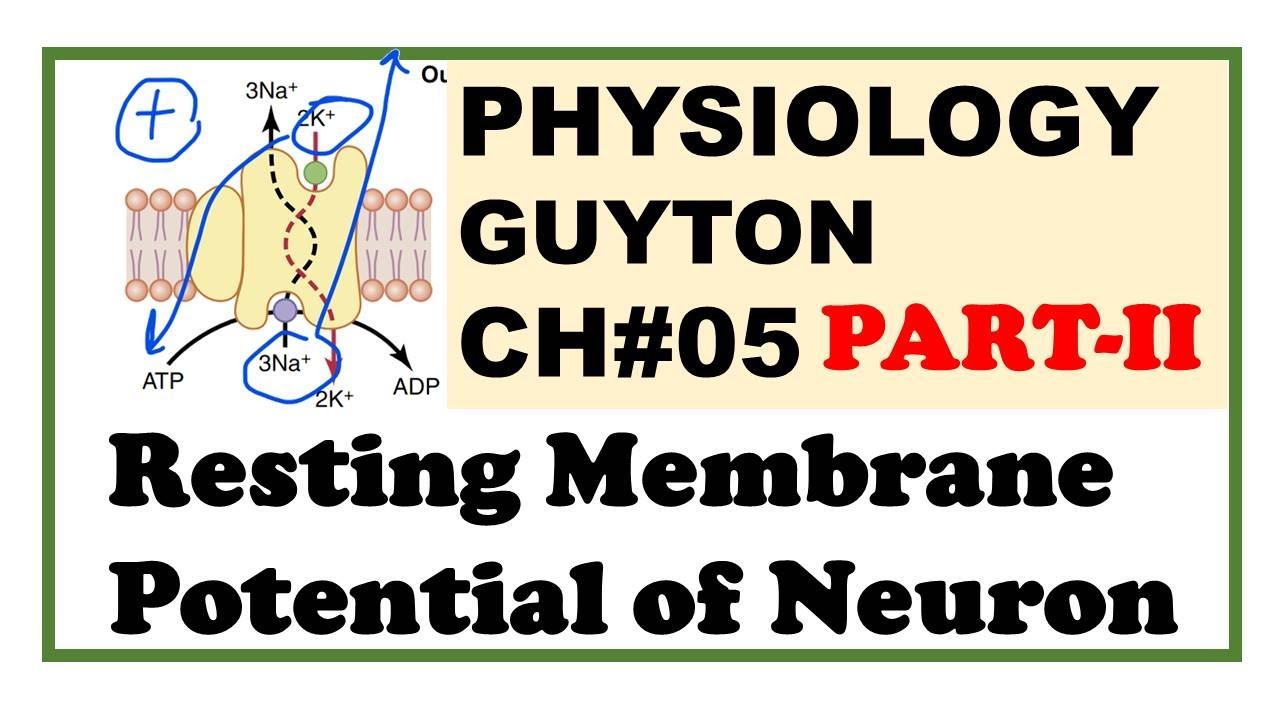
The concept of resting membrane potential, including the roles of the sodium-potassium pump (Na+/K+ ATPase) and leak channels.
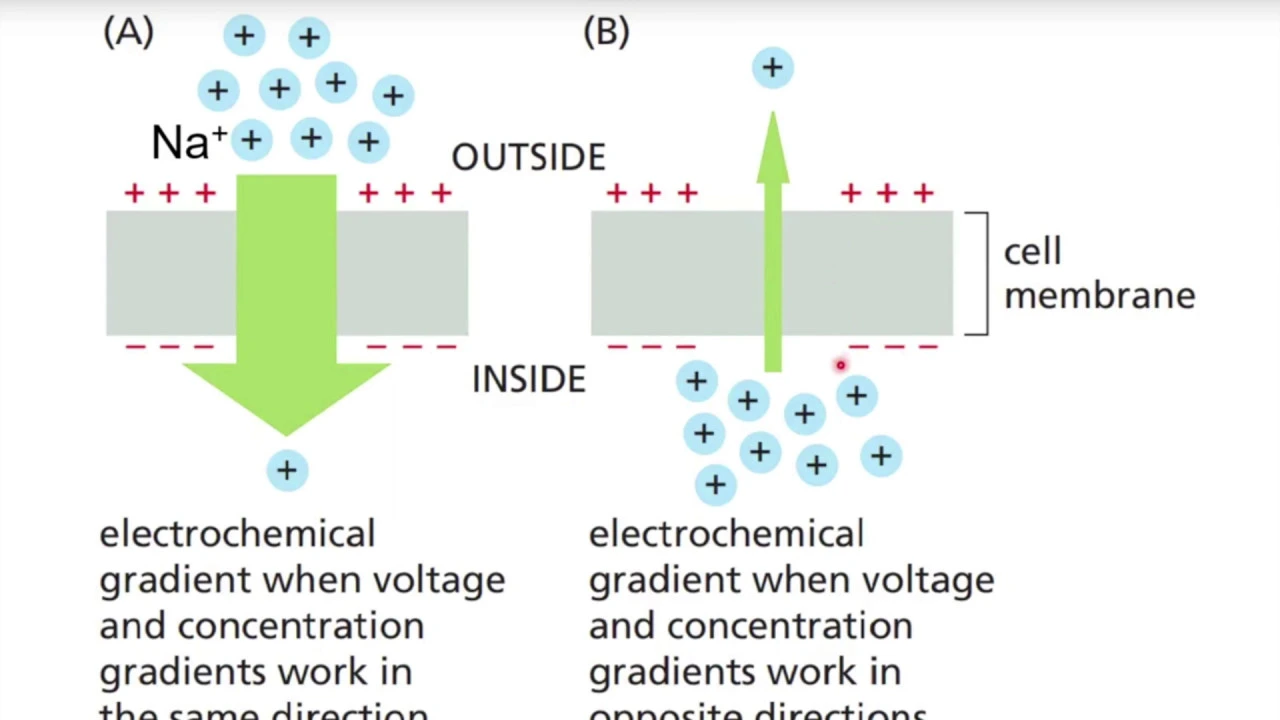
Electrochemical gradients and how ions move across selectively permeable membranes via active and passive transport.
The fundamental differences between ligand-gated and voltage-gated ion channels.
Synaptic transmission, focusing on how action potentials trigger neurotransmitter release at the axon terminal.
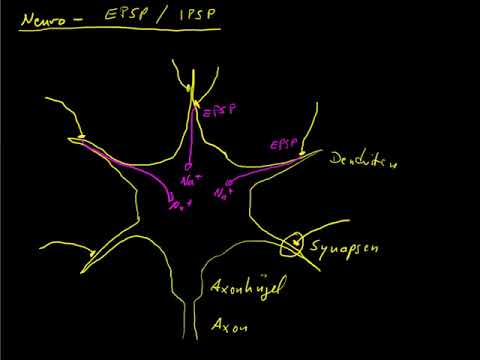
Postsynaptic potentials (EPSPs and IPSPs) and how neurons integrate these signals through summation at the axon hillock.
The pathophysiology of demyelinating neurological disorders, such as Multiple Sclerosis (MS) and Guillain-Barré syndrome.
Neuropharmacology and toxicology, specifically how local anesthetics (e.g., lidocaine) and neurotoxins (e.g., tetrodotoxin) block voltage-gated sodium channels.
605.7K views7.9Klikes2:24:40Original Release: 2020-09-01
today we are going to talk about action potentials right what are action potentials action potentials are rapidly developing membrane potential changes which rapidly travel over the membranes again what are action potentials action potentials are the electrochemical fluctuations in the membranes of excitable cells again resting action potentials are electrochemical changes occurring in cell membranes of excitable cells and which rapidly propagate right or you can say these are potential differences across the membrane which are in action which are moving on the membrane route so let me explain it and later on we'll go again back to its definition that how action potentials work this is a signaling mechanism right in the neurons and in the muscles let's suppose if someone touch me here right and if i feel that touch it means that when someone touched here in some nerve endings action potential started and it went to my central nervous system again listen i'm going to give you an example that let's suppose someone touches me here and if i feel that touch it simply means that someone who was stretching here he gave us mechanical stimulus and that stimulus actually produced action potential in the neurons which and those action potential were in action it means they were moving on the neurons membrane and they gave information to the central nervous system is that right let's see exactly how it happens let's suppose here i draw a spinal cord and let's suppose that here is a neuron this is a sensory neuron its cell body is present in the dorsal root ganglion and sensory neurons have one peripheral process one peripheral process and the other process which is called central process so what is really happening that this is a sensory neuron which is supposed to take stimulus information from the peripheral part of the body to the central nervous system and now this part of the neurons i make it very large so that we can really understand that what's going on i haven't liked this part actually what i'm trying to show that this part of the neuron is in the finger is the right someone is stretching here and we'll see how the touch will produce action potential and how the action potential will move in this membrane of the neuron cell and eventually go to the central nervous system is that right the theme of this lecture is that we have to see that how action potentials develop and how they act as signaling mechanisms right so for an example we have taken a neuron a sensory neuron right and this is its peripheral end and that is it central end and of course i have enlarged it out of proportion just to show you the electrochemical changes when a neuron is stimulated and when an action potential is produced right first of all we'll go back to resting membrane potential because resting membrane potential is altered and converted into action potential right in excitable cell excitable cells are the neurons and muscle cells only neurons and muscle cells or excitable cells can undergo the process of action potential generation right now let's see first of all the basic like all other cells this neuronal cell is also having sodium potassium at phases right like all other cells and their membranes are having sodium potassium mutabases are constantly throwing the sodium out very good and concentrating the potassium n right and what really happens that because these sodium potassium metabases are working in all neuronal membrane rather all human cells including this neuronal membrane so they are constantly pushing the three sodium out and bring in two potassium n in this way this neuron is on internal side very very rich in potassium and it is surrounded by the fluid which is very rich in sodium right then you know that when the cell the resting or neurons the muscle cells or any other cell when they are resting when they are not excited the membranes are permeable to potassium but their membranes are not permeable to sodium significantly so if this is a resting neuron it is yet not stimulated it is up to now it is not stimulated right so this must have potassium leaky channels potassium ungated channels or leaky channels which leak on all the time and due to these potassium leaky channels whatever potassium keep on diffusing out when potassium is diffusing out it will develop diffusion potential for the potassium and it will keep on diffusing out until equilibrium potential is achieved for the potassium and in lectures of the restriction potential we have discussed that in most of the cells resting memory potential may be somewhere between minus 90 to minus 70 millivolt let's suppose in this particular neurons enough potassium diffuses out and leaves behind enough anions that resting membrane potential is resting membrane potential is let's suppose minus 90 millivolt you can take any value for understanding minus 70 or minus 90 again up to now i have just discussed that this is a model of a neuron right and we have just discussed that like all other cells neurons also have sodium potassium it passes they're pumping the sodium out and accumulating potassium and and in the resting conditions neuronal membranes are very permeable to potassium but not significantly permeable to sodium due to that reason potassium keep on diffusing out right and this diffusion potential of potassium reaches near the equilibrium potential for potassium and that is actually the resting membrane potential for this neuron now this neuron is resting up to now no one has stimulated it or touched it it can be mechanically stimulated right now we see how a little touch a little stimulation can trigger action potential that is what we have to learn uh just for the graph explanation let's suppose that this is potassium equilibrium potential equilibrium potential for potassium that is about okay let's suppose this is minus 85 right what is this potassium equilibrium potential right and normally in these neurons even the potassium are coming out there is very little sodium in flux which is almost insignificant but that slightly neutralizes this minus 35 so resting membrane potential may be at this is potassium equilibrium potential i will make it green so that you really remember it clearly potassium equilibrium potential right then resting membrane potential is usually a little less negative than potassium equilibrium potential because ideally enough potassium should go out so that membrane really approaches equilibrium potential for potassium but membrane may not be 100 fully permeable to potassium so because it is not 100 fully permeable to potassium right so potassium may not go as much out as much is required as my diffusion out is required to achieve the potassium equilibrium potential so resting or maybe some cations a little bit trickling in so it is less negative minus 35 is the potassium equilibrium potential but let's suppose it's less negative it is about minus 70 let's suppose it is minus 70 millivolt and what is this resting membrane potential so what we have learned this is a neuron which is yet not stimulated and its restiminal potential is very very near to potassium equilibrium potential is it clear to everyone now we move to the next thing let's suppose this neuron can be stimulated how it can be stimulated it is sensitive to touch it means when you touch it there is some change in the electrical potential how actually this if this neuron is sensitive to touch then this must be having touch sensitive sodium channels what are these mechanically operated sodium channel what are these these are mechanically operated sodium channel right they are touch sensitive sodium channels when this neuron is not touched sodium is not going and but if you touch them you really distort the membrane a little with mechanical stimulus with little touch you produce a distortion in neuronal membrane and when you produce a little distortion with touch what will happen that little bit sodium will trickle in and when the sodium will trickle in it will produce it will produce yes please it will not produce full depolarization this is the first concept in action potential this little bit sodium which is coming in right it is not responsible for full depolarization now you have to listen very very carefully it is very initial inward current when cations move inside the neuron we say there is inward current and when cations move out we say there is outward current a little bit sodium is coming in again these are not voltage sodium channels these are not voltage-gated sodium channels these are mechanical stimulus sensitive or touch sensitive sodium channels and when you touch the neuron there's a little distortion and that distortion in the membrane slightly open these sodium channels a little bit sodium come in right little bit inward current start now what happens let's suppose touch was applied here is that right stimulus was applied here and let's suppose stimulus was very little very little then a very small amount of sodium comes in when a little amount of sodium come in naturally sodium will make the membrane potential slightly what less negative it will make it less negative so what will happen that membrane potential which was minus 70 when little sodium will come in it will become less negative is that right i have to tell something here because you confused it with the suppose this is minus 60 millivolt and at minus 60 millivolt there is threshold potential actually there are very special voltage-gated sodium channels what are these voltage-gated sodium channels which are having you can say activation gate which are closed right now and inactivation gate which are open this is which channel voltage gated sodium channel please don't confuse this voltage gated sodium channel with these cationic channels which are touch sensitive is that right now what really happens at threshold potential these voltage-gated sodium channels open so when you touch it if you touch very slight very very slight touch very little sodium goes in extra cellular sodium will go in right resting membrane potential slightly fluctuate towards where threshold but let's suppose that it does not reduce threshold it was so so small and so slight touch so little touch so little stimulus energy the little sodium which come in made the resting membrane potential less negative but for example from minus 70 it got minus 65 but it could not reach to minus 60 so it means it did not touch the threshold and it means voltage-gated sodium channels did not open now when little sodium comes in membrane potential will fluctuate from resting towards the threshold but because enough sodium did not come in this potential difference will die out why this will die the reason being little sodium came in right in place of that little more potassium went in you get it sodium is inward current and normally potassium is leaking out right for example if 10 sodium came in and 10 additional potassium went out membrane will go back to its resting membrane potential so what really happened you applied a very little stimulus we applied a very little stimulus which was less than threshold so we call this stimulus sub threshold stimulus what is the stimulus some threshold stimulus when you apply sub threshold stimulus then what really happens the very little cations which come in cations maybe sodium or calcium here we are taking example of sodium a little inward current of sodium which come then produces slight fluctuation of resting membrane potential towards the threshold potential but it does not reach its threshold potential and right and as soon as little sodium has come in additional potassium goes out and when potassium goes out what will happen yes what will happen that as potassium will go out right membrane potential during this activity right it was moving from resting towards threshold but before it could reach to threshold potassium leaked out and it came back it means what happened that do you think this potential fluctuation with small potential fluctuation which was produced in this part of the membrane will it travel no it was just a local fluctuation it was just a local fluctuation in the potential of the membrane am i clear you are not clear about it look someone touches so lightly that very little sodium comes in right for example just the 100 sodium ions come in 100 sodium ion which came in made the resting membrane potential or membrane potential less negative from for example they made it from minus 70 to minus 68 but they could not drag their membrane potential up to threshold so a little membrane become a little less negative but the same number of potassium ions went out in addition to normal potassium efflux normally potassium is diffusing out but due to the sodium in flux due to this additional sodium coming in some additional potassium goes out so it means that little sodium came in took the resting manufacture a little less negative but same amount of production went out and brought it back to the same negative situation so this there was a little membrane potential fluctuation which was immediately what happened corrected and restricted membrane potential little fluctuated and then came back to the resting position am i clear no problem after this so it was a little potential difference in the membrane produced by a sub threshold stimulus it was a little potential difference in the membrane produced by sub threshold stimulus right which could not move on the membrane which could not produce an action so it is not action potential it is a local potential without any action is that right now next time other person touch a little more this time if if strength of stimulative stimulus is slightly increased then sodium in flux will be slightly higher may be more sodium common but still it could not reach to threshold then again potassium efflux brings the membrane back so do you think it went to that point so stimulus is still considered sub threshold it is below the threshold potential now someone touch it a little more and this time because strength of stimulus was slightly more than first and second case and third attempt strength of stimulus was slightly more than first and second attempt so membrane distortion in the neuron was more so sodium influx was higher and let's suppose this time sodium which was coming in reaches to threshold here the re-election will start what will happen that voltage sensitive millions and millions of voltage sensitive sodium channels will suddenly open now this you have to understand very very clearly sodium channels have i will show you normally sodium channels like this and it is having one activation gate and other inactivation gate normally activation gate when cell membrane is at resting membrane potential activation gate is closed an inactivation gate is open is that right now listen carefully actually why we need to bring the resting member potential up to threshold why we have to pull this up to there because at resting membrane potential this is the situation at resting membrane potential sodium channel is resting resting channel in this configuration if you bring the voltage of the membrane from minus 70 at minus 60 rapidly if you take the resting membrane potential rapidly to the threshold potential threshold potential is posed in this neuron minus minus 60 millivolt if you take the restimina potential up to threshold potential right then threshold sensor threshold voltage sensitive sodium channels will open explosively and these sodium channels open very widely and they bring massive amount of sodium in is that right so what really happens that as soon as it comes to threshold sodium channels go into this configuration that its inactivation gate was already open and at minus 60 millivolt this other gate what was that activation gate activation gate that also opens is that right so we can say that activation gate is sensitive to threshold voltage so threshold voltage suddenly activation gate flips open and as soon as activation gate flips open i will show you here this was voltage sensitive voltage voltage-gated voltage sensitive sodium channel here it is in resting state and here i will show that resting memory potential has been fluctuated enough to approach up to threshold and at threshold voltage sensitive activation gate open and these are inactivation gate now listen when millions and millions of voltage sensitive sodium channels open their activation gate is that right membrane becomes suddenly very permeable to sodium so that patch of the membrane that piece of the membrane in the neuron where you were giving the stimulus that piece of the membrane that part of the membrane that local area of the membrane becomes suddenly very very very permeable to sodium and now when membrane is permeable to sodium now it is the turn for the sodium to drag the membrane potential towards its own equilibrium potential so now because sodium is in high concentration outside so as soon as voltage gated sodium channels open lot of sodium comes n and this massive amount of the sodium which is coming in right rapidly now originally when membrane was resting it was inside of the membrane was polarized to the negative side is that right now when voltage sensitive sodium channels open a lot of sodium come then a lot of sodium comes in uh electro then inner electronegativity of the membrane is rapidly neutralized for example when more and more sodium is coming in it will become minus 50 minus 40 minus 20 minus 10 0 so it means that as more and more sodium is coming in right membrane potential will from threshold will rapidly rush to where it will rapidly move towards sodium equilibrium potential let's suppose that it is zero sodium equilibrium potential is minus 65 millivolt this is sodium equilibrium potential and this is zero point so lot of sodium will come in and this part of the membrane which is appropriately stimulated is extremely permeable to sodium and now this piece of the membrane is approaching to equilibrium potential for the sodium so rapidly sodium is coming in membrane is becoming less and less negative right so it means membrane is losing its negative polarity what is happening membrane is losing its normal negative polarity or we say simply the membrane is depolarized or we say membrane is depolarized it has lost its negative polarity yes what's your question just a minute yeah it is plus 65 yes right so minus 60 minus 50 for example minus 40 minus 30 minus 20 minus 10 right and for example it become 0 plus 10 now listen carefully as soon as when a proper appropriate stimulus was appropriate strength or strength of stimulus was provided then enough sodium came in to take the resting membrane potential up to threshold and at threshold potential voltage sensitive sodium channels opened their activation gate in a very fast way and membranes suddenly that patch of the membrane becomes suddenly very very permeable to sodium a lot of sodium comes in so that it bring the membrane potential towards its own equilibrium potential as more and more sodium rapidly comes in membrane becomes less and less negative until it becomes depolarized but before membrane could really reach up to sodium equilibrium potential that is plus 65 in activation gate closes what really happens that even though activation gate is open but inactivation get closes and because inactivation gate closes rapidly so more sodium flux will abruptly stop suddenly stop so membrane may not achieve the equilibrium potential of sodium so we say it was a very rapid drastic and sudden attempt of the sodium in in going sodium to take the resting membrane potential a threshold potential towards its own equilibrium potential it may completely depolarize the membrane i mean and even take the membrane potential slightly towards the positive side is that right now at this moment we can say at this particular moment what has happened what is the special event that sodium channels which had opened from this point up to this point sodium activation channels were sodium activation gates were from here up to here sodium activation gates for opening and at this point in activation gates are closed now more sodium cannot come and is that right it means listen again sodium channels here bar at this point they were in resting stage here they were activated and here they are inactivated is that right again at this stage sodium channels now you will tell me its activation gates are closed and inactivation grades are open right and they can now when one start opening others start closing but opening activation gate opens little faster than inactivation gate closes so after that it is in resting membrane potential as soon as resting manufacturing move to threshold sodium channels voltage sensitive sodium channels undergo conformational change and their activation get suddenly open and inactivation gates start closing for that a very small duration when activation gates are opening and or opened but inactivation gate is yet not closed lot of sodium comes in and this depolarizes the membrane right just in a millisecond what really happens when activation gets fully open is that right then suddenly inactivation gates are this gate is closed so what does it mean that now sodium channels are inactivated but there is one thing very important every stone should know when sodium channels are inactivated they cannot be stimulated and opened again immediately they have to flip back to resting configuration this is resting configuration of the channel this is active console configuration of the channel this is inactive configuration of the channel you have to remember it that for the channels to be re-excitable for the channels to be re-excitable they will take some time and after little time sodium channels will what they will do voltage-gated sodium channel which have performed the function of activation and depolarization after that they were trapped into which stage in activation stage and after when membrane will repolarize later on we'll see what will happen that activation gate will close and inactivation will open that means now they have gone back to which state resting state and it means they are now again excitable is that right calaro now come back listen what we have done up to now that first of all we did sub threshold stimulus very small stimulus very little sodium chemical came in but whatever little sodium came in same amount of production went out so restricted potential could not reach up to threshold and this local fluctuation the potential died out is that right this was local potential we died out then what happened we did a little more stimulus this time local potential was stronger right but still it could not reach to threshold and it due to potassium reflux it also died out third time we give at least the strength of stimulus for so much that so much sodium came rapidly in is that right there was so much inward current of the sodium due to stimulus the resting membrane potential really reached to threshold when membrane potential became a reach up to threshold voltage then voltage sensitive sodium channels opened their activation gears explosively and massive amount of sodium rapidly came to from outside to inside of the membrane and tried to take the make the membrane as more and more sodium is coming in more what is happening membrane is moving rapidly towards sodium equilibrium potential from potassium equilibrium potential membrane is relation to sodium equilibrium potential is that right so and during this process membrane become progressively less and less negative and even it may become completely depolarized and little overshoot may occur overshoot mean the membrane potential above the zero point this was zero points a little overshoot may occur right but by the time right membrane is completely depolarized but yet not not so much sodium has come that it could take it to threshold before membrane potential could reach to the sorry before the sodium before the sodium in flux could take the membrane potential up to the sodium equilibrium potential before that inactivation gate closes so this was just a very humble attempt of the sodium but it failed to reach up to equilibrium before that is shut off when these channels inactivation channels gates close down when inactivation gets closed down sodium channels voltage-gated sodium channels are trapped into which phase inactivation phase almost at the same time voltage sensitive potassium channels open which channels open voltage sensitive potassium channels open and they open their gate actually listen now carefully when membrane was getting depolarized potassium channels are also sensitive to depolarizing current but they open with little delay so when potassium channels become activated suddenly that part of the membrane which was extremely permeable to sodium suddenly it become impermeable to sodium and permeable to potassium and potassium is more inside so suddenly potassium start going out so now current is outward so rapidly potassium start leaking out when potassium start leaking out as positive charges are being lost outside inner side of the membrane become as more and more potassium is going out inner side of the membrane become more and more electro negative so now membrane start getting more and more electro negative it means it is going back to its negative polarity so it is repolarizing itself what membrane is doing it is repolarizing itself so when membrane is repolarizing this is this reproduction is occurring due to potassium efflux loss of potassium out so potassium channels remain open and it keep on repolarizing now membrane will keep on losing potassium in an attempt to reach to the equilibrium potential of potassium and for this short duration and for a while membrane remain more permeable to potassium then then sodium and more permeable to potassium then potassium permeability at resting phase so excessive amount of potassium go out and even membrane loses excessive amount of potassium that membrane goes more negative than resting membrane potential to achieve it very much near to its resting membrane potential is that right then what happens that eventually voltage gated potassium channel close and membrane is only permeable to diffuse leaky potassium channels so membrane come back to its resting situation is that clear again let me explain it what really happened attention please after now you have really not learned that how the signals move i did not tell you how the signals move i'm just telling how the attention attention don't write anything just listen how energy of a stimulus is converted into electrochemical fluctuation in a membrane which is capable to move i will tell you later how it moves first you listen again we applied the stimulus to this part of the membrane let's suppose this is part one of the membrane neural membrane this is part patch one this is patch number two let's suppose this is patch number three patch number four patch number five we'll see how this move over but first you will review a little what really happens no one touch me i'm very sad no stimulation coming anywhere then someone touch very little very little touch a touch which i'm not going to feel why i don't feel that touch because so little sodium comes in right actually by stimulus you try to produce a local potential local depolarizing potential what you are trying to produce local depolarizing potential initial depolarization this is initial depolarization or we can say by little stimulus we are making the membrane potential less negative so we say you are trying to produce little hypopolarization because if membrane move upward that is hypopolarization if membrane potential moves downward it is hyperpolarization whenever membrane becomes slightly less negative it is hypopolarized and when it is becoming more negative it is hyperpolarized again this is very important area to work on when you produce a little stimulus you produce a little inward current this inward current will make the membrane from resting position to slightly less negative so when it make it slightly less negative we say membrane is slightly depolarized or we say membrane is slight there's initial depolarization produced it's not the real depolarization or we can say the slight hypopolarization produced membrane is slightly hyperpolarized but incoming sodium is right is cancelled by outgoing potassium so little fluctuation the membrane goes back then someone touch a little more then still more sodium comes in yet it does not reaches through threshold a little stimulus does not bring enough sodium in to take the membrane local membrane potential up to threshold so again this will die out third time someone is good enough to touch such decently with enough stimulus strength and to produce enough distortion in the nerve ending membrane that enough sodium goes in through which channels enough sodium goes in through not sodium channels enough sodium goes in through through mechanically mechanical sensitive sodium channels right mechanical stimulus sensitive and this time when someone has been decent enough to touch at least with threshold stimulus right enough sodium goes in and when enough sodium goes in resting membrane potential fluctuate due to this inward current up to threshold potential as soon as this neuron this piece of the membrane achieve achieves threshold potential millions of voltage-gated sodium channel open their activation gate and lot of sodium comes in and resting memory potential threshold potential rapidly approaches to it is moving towards now membrane potential from the threshold potential is due to influx of heavy influx of sodium membrane potential from the threshold potential is rapidly moving towards the equilibrium potential of sodium during this process membrane become less and less negative and eventually negative polarity of the membrane is completely lost negative polarity of the membrane is completely lost and membrane becomes depolarized and it may even produce a little overshoot but at this point two things occur number one that voltage-gated sodium channels inactivation channels are closed number two voltage sensitive potassium channels open so when voltage-gated sodium channels close inward current stop and when voltage gated potassium channels open then outward current start so sudden abrupt stoppage off sodium influx and onset of potassium efflux and rapid potassium flux because these are not leaky channels these are voltage gated potassium channels these are different than simple leaky channels so when they open up potassium rapidly goes out because it want to bring the membrane potential back to the potassium equilibrium potential as more and more potassium is going out membrane gets more and more electronegative as membrane is getting more and more negative it means it is going back to its negative polarity so it may become repolarized and once it has reached to the level of repolarization back to its restriction potential once it reaches back to the what is this resting memory potential so potassium channels still remain open unduly excessively for a short time so potassium keep on moving excessively and even membrane potential become less far less negat become more negative than resting membrane potential is that right it means look when membrane potential was moving from here up to here we say local depolarizing current was produced what was produced local depolarizing current was produced as soon as it reaches the threshold then full depolarization is produced is that right when due to opening of sodium channel here inactivation of sodium channel occur and activation of potassium channel that starts the repolarization as more and more potassium goes out membrane keep on repolarizing and it reaches up to restriction potential but because voltage-gated potassium channels remain open for longer time ideally they should close here but everything is not ideal including the potassium channels so they remain open they are sluggish to close once they open their mouth slow to close so what happens they take longer time and excessive amount of potassium goes out and membrane even becomes more electronegative than resting membrane situation we say membrane has become hyperpolarized what is this membrane is hyper polarized is that right am i clear now it is not the real action i have not explained yet what happens after now we have seen only one thing it's worth repeating again but in a very brief up to now we have learned only one thing now let's review it fastly and then we'll continue further first of all what what did i say that action potentials are rapidly fluctuating membrane potentials which travel over the excitable cell membranes and act as signaling mechanisms in our body is that right one of the classical example i took when someone touches you then action potentials are produced first local potential and then actual potentials are produced in the neurons which take information to your central nervous system here we were seeing that how a stimulus can produce local depolarizing current and once that reaches the threshold how an action potential is generated and how it travels over this neuron this neuron in this example i've shown it is not having the myelination and schwann cells in later lecture i will explain that once the neurons are myelinated then how the action potential jumps or deposition jumps from node of ranvier to node of ranvier that we'll discuss later first of all let's review there that we were talking about this is potassium equilibrium potential right what is this potassium equilibrium potential here it is resting membrane potential and here it is sodium equilibrium potential and what we were doing again on a resting neuron now you will tell me what are these sodium potassium pumps which are normally pumping sodium out and accumulating potassium and is that right and secondly normally in a resting cell membrane is permeable to potassium so due to diffusion of potassium outward right there is uh membrane potential in a resting cell due to diffusion of potential outward diffusion of potassium outward restriction potential is near to potassium equilibrium potential let's suppose respiratory potential in this neuron in this area is minus minus 70 millivolt minus 70 millivolt is that right then what really happens someone is providing a stimulus here and there are some stimulus sensitive cationic channel let's suppose there are sodium channels these are not voltage-gated sodium channels these are touch sensitive sodium channels when someone touches if the stimulus is less than threshold then of course i did not make threshold potential here these are threshold potential now if stimulus is less than threshold then restricted potential fluctuate becomes slightly less negative but due to efflux of potassium due to the flux of potassium right whatever sodium comes in if same amount of potassium eventually goes out resting membrane potential is re-established right if a stimulus is further enhanced then a stronger local depolarizing current is produced but that will also eventually die out but if stimulus is strong enough to produce so much sodium in flux that resting membrane potential fluctuate all the way up to threshold then threshold voltage sensitive which channels open voltage gated sodium channels open and a lot of sodium comes and and membrane undergoes the process of yes please depolarization it is zero and with little overshoot as soon as membrane depolarizes due to heavy sodium and flux before the membrane potential reaches sodium equilibrium potential sodium channel inactivation gates are closed and voltage sensitive potassium channels are open so inward sodium current stop but outward potassium current start right and as more and more potassium goes out membrane potential goes back to its negative polarity right it may go to resting value and even more negative if they remain open for longer time and may produce hyper polarization right now again normally it was minus 70. so these were stimulus sensitive incoming sodium current which took the estimated potential up to yes up to threshold that was let us suppose minus 60 minus 60 and at that time would voltage-gated sodium channel open and so much sodium came in that it became depolarized minus well plus 10 is that right and then potassium went out and it became minus 70 or even minus 80. is that right is there clear the point which we had to understand when one piece of a membrane part of a membrane undergoes depolarizes right the incoming sodium goes to floats through the neighboring area and take the resting potential of neighboring area to threshold and voltage-gated sodium channel open in that area lot of sodium come in so this area second part of the membrane becomes depolarized and as soon as it becomes depolarized this area itself started repolarization but meanwhile when it was depolarizing when it was depolarizing some sodium went to the next area and triggered the depolarization there so what really happens that this was stimulus applied to one part of a membrane where resting membrane potential was brought up to threshold and once a part of a membrane is depolarized then whole membrane will undergo depolarization process because one part of depolarization one part of the membrane which depolarizes it for it triggers a depolarization in neighboring area and whatever neighboring area is depolarized that that triggers the deposition in next area so and so forth so wave of deposition travels in all the directions in the membrane until the whole membrane of that excitable cell is depolarized but the point where the ripple of depolarization was produced that point itself undergoes reposition then as wave of depolarization is progressing over the membrane of excitable cell uh that wave of deposition is followed by a wave of repolarization so what we really see that if we have an excitable cell here and i stimulate in the middle what you will find wave of deposition is like a ripple going out and wherever the wave of deposition is going out wave of repolarization is following so wave of depolarization is spreading out as sodium and flux wave and wave of repolarization is following that as potassium efflux wave am i clear why it was so important to learn this phenomenon number one that you should have a very clear concept the difference between local potentials local potentials and versus action potentials what are action potentials action potential the wave of depolarization followed by repolarization erection potentials are rapidly developing electrochemical fluctuations in membranes of excitable cells which propagate which are in action now listen carefully what is the real difference in local potential and action potential number one local potential here look local potential can be depolarizing or it can be hyper polarizing that i will discuss later right now we are talking about local fluctuation which is depolarizing local potential number one is yes what are the special thing number one it's a very small fluctuation what is that it's a small fluctuation and local potential does not travel so it is non-propagating what is that non propagating and when you compare it with action potential it is auto propagating propagating and it shows the phenomenon of all or none right secondly number one it is non-propagating local potential action potential propagates local potential is local fluctuation action potential is potential difference which is in action number two it is graded graded mean what depending upon the grade of strength of stimulus it may be small it may be slightly larger it may be very large local potential for example in first stimulus it was very small then it was with moderate strength and then it was appropriate threshold strength so it is graded action potentials are not graded once they are produced they will be always same strength again listen what is meant by this local potential is graded means that it may fluctuate the resting membrane potential which is suppose minus 80 okay in our example it will minus 70.
from minus 70 local potential may take it up to minus maybe minus 65 or may take it up to minus 68 or may take it up to minus 70 and then threshold will occur then local will convert into threshold and at threshold depolarization will start so what happens the local potentials are the local fluctuations and membrane potential which are not reaching up to threshold so they don't propagate they remain localized and eventually die am i clear is that right so they are graded they can be small they can be large they can be larger is that right until they reach threshold but when you compare with action potential you cannot say that with less stimulus there is small action potential and with stronger stimulus there is large action potential you cannot say why listen carefully when stimulus reach up to bring enough sodium that it reaches to threshold then all the sodium channels will open all the sodium channels will open now listen if someone touch with sub thresholds sub threshold stimulus i will not feel that edge if someone touch with threshold i will feel the touch someone touch a little more pressure it is when there is a little more pressure don't tell anyone that action potential are becoming larger or bigger no then frequency of action potential is increased amplitude of action potential remain the same am i clear right so action potential in a given excitable cell is always of same configuration it starts from the same resting member potential in a given excitable cell action potential will start from the same threshold go to the same depolarizing level and come back to the same repolarizing level with the same time factors it means because action potential depends on the what is the voltage at which sodium channels will open it depends on sodium voltage sensitive channels are more or less what is the concentration of sodium voltage sensitive sodium channel in a cell it depends on what is the concentration and activity of voltage-gated potassium you cannot say that if stimulus is less than less voltage-gated sodium channels are open and stimulus is more you cannot say the more voltage-gated serium channels are open when whenever stimulus reaches threshold all sodium channels will open is that right due to this reason action potential in a given cell will be always identical for example if this is a neuron right okay and if i stimulate electrically this neuron 10 times every time if my stimulus is up to threshold or above threshold action potential will be produced with the same characteristics size of action potential time of action potential shape of action potential all the characteristics of action potential will be the same but if i have a different cell let's suppose this is a myocardial cell it is also stimulated so that its resting membrane potential goes to threshold but its action potential may be different than neuron myocardial selection potential may be different than neuron its configuration may be different because its channels may be different but whenever you produce action potential in neuron right that will be absolutely identical and when you produce 10 different action potential at different time in the this myocardial cell all of them will be identical it means action potential in a given excitable cell is always stereotypical action potential produced in a given what given excitable cell will be always stereotypical what does it mean that every time they are typical you cannot say that now i'm getting larger action potential in a neuron and after one hour i'm getting smaller action potential in the same neuron and the same excitable cell whenever action predictions are produced they will be same in their characteristics so we say as action potential are stereotypical it means they are not graded or are they graded they are not graded when local potential can be graded but action potentials are not graded they are stereo typical then another thing local potential can be added to each other if you give repeated stimulus in a very short time for example first stimulus brought little bit sodium before first stimulate could die let me tell you let's suppose this is the resting membrane potential and here it is threshold potential if you repeatedly stimulate in very short time an interval is so short that local potential was coming back but you gave another stimulus and it was dying out but before it dies you give another stimulus so what is happening and eventually it goes to threshold so what we are they are showing the phenomenon of summation they are added to each other they are adding to the sum of each other you are understanding it so local potential show the phenomenon of summation that if local potentials are produced very in a very rapid succession right they can add to each other until their strengths become enough to produce action potential but once action potential is generated you cannot say that with further stimulation you can make this action potential larger or smaller or anything am i clear so local potentials are localized non-propagating action potentials are propagating local potentials are graded action potentials are stereotypical they are not graded in the given cell local potentials show the phenomenon of summation action potentials do not show the phenomenon of summation normally stimuli generate local potential and if local potential take the resume potential up to threshold if local potentials are depolarizing initial potentials and if they take the resume potential up to threshold only then action potential will be stimulated or generated any question up to this there is no question right so then we come to another thing that all on non principle i would like to repeat it again all one principle means you cannot say that if stimulus is less then smaller action potential is produced this is a wrong statement or a stimulus is large large direction potential is produced no when you are increasing the stimulus once the stimulus threshold or above threshold action potential will be the same so if you give sub threshold stimulus no action potential no action potential in any part of the membrane and if you give the stimulus which is up to threshold full action potential will be produced all of the membrane will undergo action potential right so action potential shows the phenomenon of all or none either there is no action potential by the stimulus or there is all membrane undergoing depolarization is that right full action potential is produced you cannot say that with this stimulus i will get half action potential and with another stimulus i will get 70 action potential this is not true all action potential means either you get the full action potential you get no action potential is that right no confusion you got it i'm surprised right so now after this i want to come to the concept of refractory period refractory period before i really go for refractive period i will tell you that uh my experience with some people i had three servants they were having also refractory period i was having three servant and they were also having refractive period what is that refractive period i asked them do specific work if they're fresh and they have taken enough rest all of them rush to do the work they do that part of the work and then they sit down they sit down i'm asking them to do more they refuse they have to complete their rest when they're properly rested right then they will if i ask then they will do again some action so i used to think that these my these employees they are having some refractory period that once they perform their action after that they are inactivated for some time until they come out of that inactivation phase they remain refracted to the next stimulus is that right next order they are reflected to the next order until they are flipped back from inactive state to re-excitable state when they've rested well and then if you request them to do some work they will do let's suppose you talk about those timeline and their activity i ask them to work here they will start their work they start their action and here they will stop now for example i have asked them to to do some work and when they are doing that work i give another order they will not do extra work they will not do extra work once they have taken an order there obeying that order whatever i do i shall like cry a commit suicide they are not going to yeah they are not going to listen to me right then there is some time for which they are ready to listen and then they become ready again for action for this duration for example for this duration from here up to here whatever i do they are absolutely deaf to my order right they are not willing to listen then for some time for some more duration if i ask them some work politely they will refuse but if i yell at them they will start action so i used to say the time duration for which they are not going to take the next order from me whatever i do i say they are absolutely refractory absolutely depth to my orders is that right but after that for short time a time is that if i give normal order normal strength if i don't yell politely ask them to do they don't work but yell at them they start some action so it means here they are relatively refractory or relatively resistant here there are absolute refractive mean absolute resistance to the next order to the next stimulus relative refractive mean relatively resistance to the next stimulation and order i don't know i think my employees took some lessons from action potential mechanisms action potential also has some phenomenon like refractory period right and let me tell you why there is a refractive period let me draw an action potential here and then let me explain that what is really meant by the refractory period for any action potential again listen what is this this is resting membrane potential and what is this potassium equilibrium potential and yes please what is it threshold potential and what is here sodium equilibrium potential it's easy isn't it a residual potential if you give appropriate stimulus your duty is to take residual potential up to threshold and then heavy sodium and flux will occur in membrane undergo phenomenon of devalorization and at the peak sodium channels will inactivate and potassium channels will start working and then repolarization will start is that right clear now what really happens that here all the sodium channels were in which state at this time they were in they were in resting stage this is like my employee which is resting right so it is having what activation inactivation get open and activation get closed during this phase what is happening okay this was the sodium channel at this stage with its am i clear now what is the happening to the sodium channel at this stage activation gate is open and inactivation is yet not closed and what is happening to sodium channels at this phase activation is even though open button activation is closed is that right so we can say sodium channel was trapped in initially in resting phase at threshold stimulus it went into active stage and then it it was trapped in an active state is that right now sodium channels take time to come back to the resting side re-excitable stage let's suppose that over the time when membrane potential become near the resting situation here sodium channels are back to their what i will make here successively sodium channels sodium channel sodium channel yes you will tell me now before stimulation activation gate was closed inactivation gate was open when it is appropriately stimulated during depolarizing current activation gate is open as well as inactivation gates open and heavy sodium and flux and depolarization continuing once depolarization is completed here right and repolarization is going on at that very time even though potassium channels are open but what happens to sodium channels they are having inactivation gate closed and activation get open with a little more time then what will happen here they were in inactivation activation gate was fully open button activation gate was closed is it right eventually they go back to their situation what happened this flips back and this open up and now they are ready to take the next order is that right so resting channel active channel inactive channels and again resting excitable channel now listen carefully whenever you activate the sodium channel right even the activation get open in activation close when channel is in this configuration we say it is trapped into inactive state they take some time remain stuck into inactive state until membrane is coming back to repolarization when membrane come back to repolarization only then they flip back to re-excitable state am i clear now listen we gave stimulus here in the time scale we gave the stimulus here we got action potential i give another stimulus here can i produce another action potential here no there's no way if i stimulate here can i produce another action potential no because now in that part of the membrane where i'm giving the stimulus most of the sodium channels are in trapped into inactive state they are trapped into an active state because they are stuck into inactive state whatever stimulus in the world you bring membrane can rupture but they are not going to open you understand it they are so nasty and this is very important to understand that once they have done their performance they are refractory for re-stimulation whatever you do in the world they are not going to be activated they will take their time and they will sense the voltage we say the recovery of these channels from inactive state back to resting state is time dependent as well as voltage dependent enough time should pass and voltage should come back to resting only then they decide to be ready to be reactivated am i clear so it means to make the membrane re-excitable we have to get most of the sodium channels from inactive state back to the resting state from inactive state to get them back to the active uh resting state we have to wait for time wise as well as voltage wise membrane should get repolarized so we say during this time for example this time start from here when these channels open and channels recover okay from here first they activated for short time and after that now what is this time inactive state during this time whatever you do in the world most of the sodium channels are stuck into inactive state so they were absolutely resistant to the next stimulus so we say this time duration is what from here up to here this is absolute refractory period absolute refractory period one of my friend has a wife also like that when they fight with each other i don't think of other things when he fight with his wife you know he was having a very small heart when his wife become angry you want to make her happy but she whatever he does she's not going to be happy even i told him that try gold every wife in the world can be made happy by the gold so i said he said my wife is very very angry and she never listens to him back before 48 hours so her absolute her absolute refractive period was 48 hours and one day i asked him you know you take some piece of gold and you can break this refractive period but unfortunately she was in absolute refractory period he took the gold she look at the gold he said what a bad piece you brought put in her bag and you say you're stupid i don't want to talk to you so next time be careful your boys that when you have trouble with your girlfriend or with your wife wait until she comes out of absolute refractory period right and don't worry during that she is reflected to everyone in the world is that right don't worry at all but once you come out of absolute refractive period then if you do unusual special type of promises like which promises which you are not going to fulfill anyway but you make special promises and special you know very good talk and you tell her you are the most beautiful woman in the world and no one has been born so beautiful and no one will be born in the future right things like this with lot of you know effort you may make her happy again and she start talking to you then we say she was in which phase relative reflective period all these women have learned a lot from these action potentials right it's all about action so what happens that there is absolute refractive period for that wife for 48 hours after that for two more days right if you if you talk to his wife she will agree but if you ignore her for four days after four days she is normal some automatically normal you get it yeah this is how they are right she has come back to our resting emotional state right so same is true about this neuron when neuron is having after just after the depolarization when neuron are having most of its sodium channels stuck into inactive state whatever stimulus you bring regardless of your strength you cannot produce another action potential or another depolarization we say neuron piece of the neuron that part of the membrane is showing which phenomenon phenomena absolute refractory period absolutely resistance not listening to you right then what happen sodium channels come back they recover but because potassium channels have produced too much hyperpolarization potassium channels were ideally supposed to close here that is restriction potential was how much minus 70 so at when membrane has come back to minus 70 right resting membrane put a potassium efflux channel voltage-gated production channel should close only leaky channel should be open but if they remain membrane permeability to potassium remain excessively high for a short more duration excessive potassium goes out and membrane potentially try to approach the equilibrium potential of potassium and it become unusually more negatively polarized for example rather than minus 70 it becomes minus 80. so we say membrane is hyper polarized due to excessive potassium loss at the end of action potential when membrane is hyper polarized during this time membrane can be stimulated with very special effort because normally you should take resting up to threshold but if you want to stimulate here then you have to take the hyperpolarized membrane first to the resting and then to the threshold so unusually strong stimuli may produce an action potential is the right during this time period and this time period during which normal stimulus cannot elicit action potential but unusually stronger stimuli may produce right depolarization this time period from here to here what is it called relative refractory period again you remember that wife of my friend she had two days of absolute refractive period and two days of relatively refractory period and after some experience he got an experienced husband what he was doing whenever he want to go somewhere else he make a fight with his wife i've become totally refractory and she's not bothered about him right he knows he should turn back within four days is that right i won't go into detail is that right so absolute refractory period is due to because most of the sodium channels are stuck into inactive state relatively refractive period is because part of a membrane for a while is hyperpolarized due to excessive loss of potassium but unusually strong stimuli can produce action potential am i clear now we come to some unusual situations i have one more friend you know his wife was strange before he was married she was always angry and after the marriage also she was always angry forget about absolute refractive period and and relative she was always angry a very anti-male attitude and persistently maintained whatever he does he never gets a chance why it happens so let me explain some neurons also go to such situation and excitables are right some neurons also or excitable cells may be trapped into such situation that even you appropriately stimulate them you don't get any action you don't get any action potential right he used to tell that whatever he does to get some activity from his wife whatever he does he never gets anything that's a very sad story you should not laugh right sometimes your excitable cells are also stuck into that situation how it can happen let me tell you sometimes what happen let's suppose this is a neuron i think it should look like his wife oh no no no no i will not mention the name of the lady and the man because they can sue me but anyway right what is this with neuron you stimulate sub threshold no response no action potential you stimulate you produce threshold no action potential out of anything at threshold there should be action no action you produce suprathreshold stimulus no action why it is there right let me explain it more clearly sometimes what happen okay i will give you example first and then i will explain the mechanism for example this neuron is in a person who's who is having hyperkalemia who is having hyperchlamy admin production levels are very high you already know that if potassium levels are very high then can potassium easily leak out no so resting memory potential will be sufficiently negative normally what happen that when potassium normally first of all when potassium leaks out the potassium leaks out during resting stage enough it will become suppose minus suppose 70 it should become normally minus 70 restriction potential is minus 70 normally now you imagine this person develop hyperkalemia in extracellular fluid potential levels go up whatever the cause if there's hyperkalemia the potassium cannot out cannot diffuse out enough so retention of potassium within the neuron relative retention will make it less negative rather than minus 70 it will become minus 60 all the time or minus 62 all the time and what was threshold threshold was minus 60 now listen carefully when membranes are at resting situation when membranes are at resting situation then it inactivation gate should be open and activation rate should be closed is that clear you rapidly take the resume potential up to threshold then activation get open and depolarization occur is that clear now if there's hyperkalemia the resume potential will be always near the threshold if resting memory potential is all the time near to the threshold this will permanent this will close the what is this inactivation gate this will close the inactivation gate so what really happens when an excitable cell are present in hyperkalemic patient right the resume potential is all the time very very near to threshold and when resting potential is chronically for a long time near the threshold most of the sodium channel inactivation gate become closed most of the sodium channels inactivation gate close and once inactivation data closed why this closure has been produced because the residual potential was not sufficiently negative it was very near to the threshold so inactivation gate are closed permanently now if you take this to resting to threshold even if activation get open can deposition occur no so what happened it is resistant this is the case where resting membrane potential is brought to the threshold but there was no depolarization why there was no depolarization because membrane was membrane potential was chronically for long time very near to threshold for an average medical student his every medical student has a concept that if restrictive potential is very near to threshold membrane should be more excitable but actually membrane become less excitable you know and life things happen unexpected fashion so if restriminate potential is all the time very near the threshold potential or membranes remain all the time partially depolarized then most of the sodium channel are stuck into an activation state and then if you give a stimulus then the restroom potential go up to threshold but deposition will not be precipitated because most of the sodium channels are stuck into a negative state and they will not be activated so we say that excitable cell is showing the phenomenon of accommodation what is this phenomenon called accommodation it is different than refractory period right because from refractive period neuron rapidly recover but once it is there the membranes are in a phase of accommodation they don't rapidly recover is that right again listen well when in a membrane all the time most of the sodium channels are having inactivation get closed already even if you open the activation goat gates at threshold can you get the depolarizing current no so when happen this type of problem such type of problem which is called phenomenon of accommodation right this phenomenon is shown by the excitable cells typically in patients with hyperkalemia in patients with hyperkalemia especially they develop very much muscular weakness they become very weak why their muscles become very weak because you cannot stimulate the muscles and you cannot produce action potential on the membranes of muscle why you cannot do that because in patients who have hyperkalemia in the muscle cell membrane muscle cells are also excitable cells like neurons muscle cell membrane most of the sodium channels are trapped into an active state is that clear to everyone so again just to differentiate what is the difference in refractory period and a common phenomenon of refractoriness and phenomenon of accommodation when i say neuron is absolutely refractory period it means that most of the sodium sodium channels were activated a little time before and now they are stuck into inactive state but very soon they will recover is that right in relatively refractive period what is the cause neuronal membrane is hyperpolarized with unusually strong stimuli you can produce action potential is that right but in accommodating excitable membranes what really happens resting membrane potential has been chronically near the threshold so most of the sodium channels are stuck into inactive state whatever stimulus you bring you there you may take the resume potential by producing local potential up to threshold but you will not get the depolarizing current because sodium channels are not ready to be activation get me open button activation gateway not open am i clear i think i should be happy man if you are really clear about these things right now if you have little time i will explain how neurons talk to each other do you want to learn how neurons talk to each other we have just seen you stimulate at one point and signal is going on the membrane but of course this neuron will end up then signal has to jump from one neuron to the next neuron let's see how cells talk to each other because electrical signals which start from one neuron they have to go through millions of the neurons in the central system when you are planning against someone you know you are thinking you agree with someone you're thinking i will hit like this i will kick like this i will say like this yell like this so millions of the neurons are firing how they're talking to each other right let's see now let's take some certain examples how one cell can stimulate another cell right as we said that there is there were one neuron this was sensory neuron this was the for example your finger and this time what happened you touch something very hot what will happen lot of sodium will go in is that right and action potential will move over this membrane is that right when action potential will reach at this end right there are this end of the neuron must have in its nerve ending some vesicles loaded with neurotransmitters it will have some small membrane bound vesicle with some neurotransmitter substance so what really happens that when action potential comes to this end is that right due to action potential these vesicles will come to the this new this uh membrane bound vesicle will move to the neuronal membrane and fuse with that and there's a release of neuro transmitter neurotransmitter will move from membrane of one neuron to the membrane of the next neuron in the next neuron what this neurotransmitter will do for this neurotransmitter there are special type of receptors here let's suppose this receptor is this is the neurotransmitter neurotransmitter bind with this receptor as soon as neurotransmitter bind with this receptor channel open so it means this there is a channel and this channel is operated by the neuro transmitter this is neurotransmitter operated channel so there are many cells which have channels which are operated by neurotransmitters or channels which are operated by hormones or channels which are operated by different substances in the body such channels such ion channels which are operated by different type of specific chemical substances these are called ligand operated channels what are those channels ligand operating channel so neurotransmitter bind as a ligand to this channel and this channels open before the opening of the channel there were resting membrane potential here minus 90 millivolt but as soon as it opened let us suppose this was ligand-gated sodium channel so enough sodium common that residue potential goes to threshold and then what will happen action potential will move over it it's so simple so we can say that action potential moving on one neuronal membrane eventually leads to the release of neurotransmitter from first neuron and neurotransmitter moves to the second neuronal membrane and opens a ligand neurotransmitter operated channels and if there's influx of sodium or influx of calcium the resting membrane potential of that neuron will approach from resting to threshold and then this part will undergo depolarization it will depolarize next part so and so forth action potential will move then from this neuron neurotransmitter will be released that will produce cation loading into next neuron and the next neuron develop action potential is it difficult to understand it's so easy to understand is that right so neurons here is electrical information is going from here information jump into chemical form and then here chemical information converted again into electrical signals so what really happens first listen here was what touch touch specific sodium channel so there was mechanical energy mechanical energy of the stimulus converted into electrochemical energy of action potential resulted into chemical release neurotransmitter release which produces it means the jump of ma signal from first neuron to the next neuron is in chemical form and then again electrical form energy will go and signal will go forward so what happens that information over the membranes of the neuron moves in as electrical signals and from one neuron to the next neuron information or signal move as chemical signals so electrical signals converting to chemical signals again translate into electrical signals again convert into chemical signals and then they may generate again electrical signals this is how neurons pass the signals from one cell to the next cell is that right am i clear so we can say to produce action potential or produce depolarization main activity main activity should be to take the resume potential up to threshold so it means to really produce action potential the real thing is take the resume membrane potential up to yes threshold this activity should be achieved by either by mechanical receptors which allow the cations in or by the chemical receptors which allow the again cation but they're chemically operated or sometimes would happen there's one new cell here this happens in the heart then this is another myocardial cell then another myocardial cell you know myocardial cells have electrical windows in between there are special electrical windows these electrical windows these are electrical windows these are called gap junctions so what happens there are many many gap junctions in between the myocardial cells so if one myocardial cell undergo depolarization deposition will spread over this membrane and then sodium will come here and some sodium will trickle through the gap junction to the next cell and take the residue potential of this cell to threshold then it will undergo depolarization then some cations which have come here they will jump through the gap junction to the next cell so it means that how a cell can undergo depolarization it can undergo by mechanical stimulation or by chemical stimulation or by electrical stimulation mechanical stimulation was this chemical stimulation was ligand operated cationic channels electrical stimulation is when one cell which is depolarizing trickle this cations directly into cytosol of the other cell is that clear no problem okay is this neurotransmitter this may be acetylcholine just acetylcholine binds with the channels which are uh cation loading channels cationic channels which allow the sodium and flux and calcium and flux we'll talk about these channels in detail when we talk about neuromuscular transmission glass testness right in last video what we discussed we were we discussed about the action potential and we said that action potential is basically depolarization followed by wave of repolarization right and we discussed about that action potential is a way to transmit information from one point to another point within the nervous system and muscular system right now right now we'll talk about what are the factors which determine the velocity of action potential right let's talk about it then what are the factors which determine the velocity of action potential let's suppose we make a section of spinal cord here this is sent part of the central nervous system and let's suppose that here the sensory neuron this is a sensory neuron which has central extension and it has peripheral extension last time we were talking about that this is a cell body of a sensory neuron this is a central process and this is its peripheral process let's suppose from the spinal cord in this area this peripheral process is coming to my skin and the purpose of this point is to take the information from here and luckily if someone touches here and we right then this information of touch should be eventually transferred to the central nervous system and you know that when stimulus is given and if there's appropriate stimulus it should stimulate the nerve neuron it should stimulate the neuron and electrochemical changes should be produced in neuron and those electrochemical changes should sweep over the surface and these electrochemical changes are called just please action potential we have discussed into detail how when someone touches here in the last video and someone touches here how the local potential are produced and then eventually how depolarization and repolarization is produced and how it moves right first of all we'll compare two neurons let's suppose this is one neuron central process and peripheral process suppose this is neuron a this is neuron b central process and peripheral process the difference in these two neurons is even though both are sensory neuron both are taking information in this direction one neuron has axon which is wide and another has axon which is thin so this is a neuron with thick diameter and this is an axon which is thin diameter this is suppose a and this is b do you think which one will take the information fast then neuron with white diameter or neurons with narrow diameter for example we stimulate both of them simultaneously and if we have done appropriate stimulus of as you know that action potentials will be produced action potential will sweep on the surface of a and also on the surface of b the velocity of action potential will be more in the neurons which are with wide diameter or neurons with the narrow diameter who will tell me white one it's very easy i mean it's just common sense is that right that if if there is wide diameter then the current which is moving it will move with less resistance but when the neurons diameter is less than the current which has to move through that that will be offered more internal resistance and this concept is so easy that it should not be really still explained that neurons which are having wide diameter right current is higher and neurons which are narrow diameter their current velocity is slow now there are some sensations which move slowly to the central nervous system and the other sensations which move very rapidly to the central nervous system so nature wanted there should be neurons which conduct slowly and there must must be neurons which conduct very fastly is that right there are some information which move very fastly to your central nervous system the other information we should move slowly one way how neuron could enhance how the nature could increase the velocity was just increasing the size of the neuron diameter but look if you really want a very very fast conduction and you have only one option that you can increase the conduction velocity only by making it wide maybe this neuron become wider than my arm do you think it's a good strategy it's not a good strategy so nature has to design some other thing as well what we discussed right now the neurons which are having narrow diameter they conduct slowly and neurons which have white diameter they conduct fastly so one way which nature could use to increase the velocity of conduction of the action potential was simply by increasing size of the neuron or diameter of the neuron is that right but the thing is that some of the information moved to the central nervous system very very rapidly and if nature had only one way to increase the velocity the only way to by increasing the diameter maybe some neurons will become more wide than our arm of course that is not a very good anatomical arrangement so nature divides another way a very very clever and ingenious way to increase the velocity of conduction is that right first i will tell you you have the concept of myelination you have a concept of myelination or not actually the second mechanism the very ingenious mechanism a very clever mechanism which nature uses to increase the velocity of current velocity of action potential through the neuron is by myelinating the axons we'll talk about what is myelination and how it increases velocity what is myelination and how it increases velocity first i will talk about a neuron which is not myelinated well how the action potential passes through that let's suppose this is a neuron which is not myelinated and it is going to the central nervous system it will be slow conductor fast conductor the neuron which is not myelinated is slow conductor this is a slow conductor first i'll tell you how current passes through that then i will explain that once the myelination is done what are the changes in the neuron and how velocity picks up right what really happens that as we discussed last time that every cell has a resting membrane potential of how much yes please approximately minus 70 millivolt excellent is that right and when we little bit touch it here for someone touches here neuron will be nerve ending will be distorted and when it is distorted what really happens what comes out special type of sodium channels open just a minute little review like all cells neurons have what is this sodium potassium 80 phases and these sodium potassium metabases are always bringing sodium out and concentrating yes please potassium n so cells become rich in potassium this we know already from previous lectures plus we know cells have special leaky channel for potassium these are the potassium channels which are leaking all the time these channels are not operated by the voltage they are not operated by any ligand they are opening open all the time because potassium is well concentrated in the cell and membrane is leaky to potassium so little bit potassium keep on trickling out and because potassium keep on coming out from every cell all the time little bit potassium is coming out so cell is losing positive charges outward when cell is losing positive charges outward inside of the membrane become relatively negative because it is losing the positive charges and this diffusion of potassium outward creates electronegativity in the cell which is called resting membrane potential is that right now listen this neuron is having resting membrane potential comfortably and sleepy and someone little bit touch me here if someone touch what will happen nerve ending will be distorted and when it is distorted these sodium mechanically operated sodium channel or we can say these sodium channels are normally close but when someone touch right neuron membrane is distorted and these sodium channels open so what will happen sodium is more outside inside hurry up outside so it will trickle n so this sodium trickling which is sodium which is coming in this is due to stimulus when you stimulate it you alter the membrane permeability of the sodium and some sodium channel which are mechanically operated they will allow some sodium to trickle n and when the sodium will come in positive charges are coming in then what will happen membrane was having how much electronegativity inside minus 70 little sodium comes in it will become more negative or less negative so when it will become less negative it may become minus 60 or it may become minus 50.
so it means membrane which was negatively polarized when you added the stimulus some cations come in positive charges came in and resting membrane potential start becoming less negative let's suppose when the resting membrane potential has fluctuated from minus 70 to minus 50 at this point when the voltage is minus 50 suddenly in an explosive fashion voltage sensitive sodium channels open what happens voltage sensitive sodium channels so what really happens that as soon as membrane become -50 these channels open and a lot of sodium comes in and membrane which was minus 50 even lot of sodium comet it become minus 40 minus 30 minus 20 minus 10 0 even maybe plus 10 so membrane which was negatively polarized previously membrane was negatively polarized stimulus brought some cations in and when stimulus brought some cations in resting membrane potential went to minus 50 and at minus 50 mini voltage sensitive which voltage sensitive minus 50 voltage sensitive sodium channels opened at this potential at which sodium channels voltage-gated sodium channels open this potential is called yes this potential is called threshold potential what is this potential threshold potential so by touching here we took the restriction potential up to threshold and at threshold potential suddenly lot of sodium channels open so sodium channels are these sodium channels are called voltage-gated sodium channel ideally speaking they should be called threshold voltage sensitive sodium channel because they are sensitive to the which voltage threshold voltage is that right when the open lot of sodium come in an electron membrane which was negatively polarized by receiving lot of sodium it become maybe less negative and when more and more sodium coming out in it become less and less negative until it loses its complete negative polarity memory membrane is no more negative so membrane has lost its negative polarity when membrane has lost its negative polarity what we say negative polarization is lost so we say membrane is depolarized what we say membrane is depolarized but we said last time as soon as membrane is depolarized because lot of sodium has gone and then depolarization sensitive potassium channels open another you know membrane has many type of channels these are potassium leaky channels don't confuse these channels with these channels these are potassium voltage-gated channels these were sodium leaky channel don't confuse them with voltage gated sodium channels so voltage-gated sodium channel produced depolarization of the membrane they brought so much sodium that negative polarity is lost but when depolarization is going on depolarization sensitive voltage sensitive voltage guarded voltage operated potassium channels open normally these channels are closed but as soon as they find the membrane is getting depolarized they will open so as soon as depolarization is complete that enough sodium has come in and membrane is now let's suppose plus 20 suddenly voltage gated potassium channel open a lot of potassium goes out now they have closed voltage-gated channel after producing depolarization close and voltage gated potassium channel open because potassium is more into cell it will go out and potassium will go out as more and more potassium will be lost as more and more potassium will be lost membrane will again start becoming electronegative it was plus 10 then it becomes 0 then minus 10 then minus 20 minus 50 minus 70. so what is happening membrane is re-establishing its negative polarity by loss of potassium we say membrane is repolarized what has happened membrane is repolarized so this was the patch of the membrane which was depolarized and just after the depolarization it went under the process of repolarization but you have to remember because nerve and muscles are excitable tissue what is the definition of excitable tissue a tissue or cells on proper stimulation you can generate action potentials definition of excitable tissue is excitable tissue is any tissue or any cell when it is appropriately stimulated waves of depolarization and repolarization run on the surface the tissues which don't have this property they are not called excitable tissue now you see depolarization occur when voltage gets its sodium channel open and repolarization occur when voltage get it potassium channel open it means only those tissues can produce depolarization and repolarizations and only those neurons can or those cells can produce depolarization and repolarization which are having voltage-gated sodium channels and potassium voltage-gated am i right so every cell does not have voltage gated these channels so every cell cannot have depolarization and repolarization this is a characteristics of excitable tissue like nerve and muscle is that right now look someone touch me here this information should go to the central nervous system and hire to my brain information will go as signals of depolarization followed by a signal of repolarization how the current moves actually when lot of sodium will come in this sodium which has come in during the depolarizing event this will spread on the sides when the sodium will spread on the side from the patch one it will go to the membrane patch number two now this is the patch number two this is the patch number three patch number four patch number five hypothetically speaking the sodium which has come inside the patch number one during the depolarization this sodium will move into flanks when it will go to the patch number two here the resting membrane potential was minus 70 as soon as this sodium came into this area you say this depolarizing current came into this area this residue potential will move to threshold because it was minus 70 when little sodium will come to this area it will become minus 60 or minus 50.
as soon as this area become at threshold then its sodium channels will open a lot of sodium will come in and this area will become yes depolarized as soon as it becomes depolarized a little sodium will trickle to the next area so next area will move from resting to threshold and then its voltage gated sodium channel will open and it will be depolarized then from this area a little sodium will move to the next area and take the next area the resting memory potential up to threshold and then what happen lot of sodium will come in and this will be depolarized and of course now you can tell what will happen next the sodium which came in this area it will move to the next area next neighboring area and that area assuming potential will shift from resting to threshold and then sodium will come in so what is really happening have you seen when you put a flame on the end of a firecracker and flames move on the strip and the same way wave of depolarization moves but actually someone touched me only here but electrical activity is moving towards the brain central nervous system how that you just produced a local stimulation and in this area you took the resume potential up to threshold by the help of stimulus but once you have produced threshold in area number one when area number one undergoes depolarization it takes the second area to threshold and then area number two goes to depolarization and sodium which comes from area number two it takes the area number three to threshold and then area number three undergoes debolarization and it triggers the next area to threshold and so on wave of depolarization really sweeps on the membrane but you already know any area which undergo depolarization any area which is undergoing sodium and flux or depolarization automatically potassium channels open and repolarization start so what really happens when area number one undergoes depolarization it triggers the area number two area number two start depolarization but area number one itself undergoes repolarization when area number one triggers the area number two to open its voltage gated sodium channel when this area is producing sodium in flux at that very moment in previous area voltage sensitive depolarization sensitive potassium channel open and potassium start going out so it means when it is losing the potassium out it is again becoming more and more electro negative and it is again repolarizing its membrane right back to minus 70. so what really happens it's like this every patch causes the local current which produces depolarization next area and itself the serial undergo repolarization now second area undergoes depolarization and trigger the depolarization in third area and itself it undergoes repolarization then third area undergoes depolarization and triggers the depolarization force area and itself undergoes repolarization so what is happening in every area first sodium jump in and the point where sodium has jumped in to produce depolarization from the same point a lot of potassium come out with little delay to repolarize the membrane but when any area sodium and flux you see the next variable of sodium and flux the next area so and so forth so in this way we someone stimulated only here but wave of depolarization followed by the wave of repolarization is sweeping towards the central nervous system this is how these local currents are moving on the membrane i think paper is also moving uh these local plants are moving on the membrane to take the information to the central nervous system is that right now during whole this process some sodium will come in you know whenever depolarization occurs sodium comes in and i ideally speaking ideally speaking when sodium come in depolarization is produced and ideally speaking repolarization should be done by throwing the sodium out no no no i'm talking about ideally speaking not really speaking ideally speaking sodium come in and depolarize the membrane and ideally speaking we should kick the sodium outer membrane should go back to its electronegativity that is what is ideal even in neurons world ideal is not there what happens sodium come in depolarizes and it refuses to go out positive ions come in and they refuse to go out then in a very humble fashion potassium moves out for example one for example 10 000 sodium come in then 10 000 potassium will go out when sodium came in membrane become electro positive and potassium goes out membrane again becomes electro negative is that right now what is the problem here that when action potential wave move on this action potential mean depolarization followed by repolarization for example many action potential someone is touching me again and again if i'm lucky so don't laugh at me i have my rights as well now listen if someone is touching me again and again action potential there again and again so what is happening every time action potential moves some sodium comes in and some potassium goes out do you think it's good in the long run no because if all the sodium come in all the potassium go out then further sodium cannot come in and information transfer system will fail right and i said ideally it's not there the sodium comes in and refused to go out someone come to your home as a guest and refuse to go out and place become so less that some of your own members have to go out this is what depolarization had repolarization far less than ideal situation that would happen you call the cops you take the guests and actively throw them out and bring your friends who are very sad why you throw them out or your family members actively bring them back so we have cops here also those cops are sodium potassium adipases whatever sodium is coming in during the depolarization they will throw it out by the use of energy they use the atp you know right now the 25 percent of all energy in your body is only used by these cops sodium potassium atpases sodium potassium pump which use the atp they use the energy and this sodium which is very stubborn and refuse to go out they kick it out with the use of energy and pull back the potassium with the user energy is that right am i clear fine thank god sodium production bt pieces are there now look when action wave of depolarization is sweeping on this neuron it means every part of the neuron will successively undergo depolarization and then undergo repolarization is that right now we imagine another situation we have another neuron this neuron has a very special arrangement which help it to conduct very fast let's suppose we take a cell suppose this is a cell and you imagine i think it's very low velocity system right now listen what is happening that if we do some trick the trick is that okay i will first show you how the trick is done you take a cell just take a cell and press it out as you press your shirt cell membranes become flat and nucleus will go on one side so if we take a cell let's suppose i take a cell and in this cell i press it and it's nuclear and most of cytoplasm come on one side and these two layer of the cell membrane are stripped together is that right then what i do i put this cell here right okay this is the cell i put the neuron here and rotate the cell around it you know how i'm talking about let's suppose this is the cell okay this is a cell i press it and nucleus come on one side then what i do hold it please here is the neuron axon what i do i put axon here and rotate the cell like this what i've made around the neuron no paper layers something you should know this is paper right i've just made i've taken the what is this marker and rotated the paper around it and this become a paper cover right in the same way nature is more clever nature takes special type of cells which are called schwann cells what are the cells schwann's health and when what really happens schwann cell come near the axon and then schwann cells start rotating like the paper right now there's one schwann cell doing like this then another schwann cell will also rotate then another schwann cell will also rotate then what happens at least you have your schwann cell back so what really happens the schwann cell rotate around it when schwann cell will rotate around it what is happening multiple layers of cell membranes or schwann cell and this is schwann cell which has made a cover on it is that right schwann cell is made and of course here's the nucleus of schwann cell or here you can show the nuclear sushwant is that right then another schwann cell come and it is making rotations and revolutions around it and then now what happens this is schwann cell number one this is schwann cell number two now schwann cell when they revolve around it actually the multiple layers of the cell membranes cell membranes are made of what lipids cell membranes are made of lipids it's just like rotating lot of lipid around that area of the axon lipids are good conductor of current or bad conductor they are very bad conductor of grant you know if this area of the axon from this point up to this point has been rotated with all this cell do you think from here sodium can go in can potassium come out so do you think you can generate action potentials through this area where schwann cell has made its personal rotations so this area become insulated from the current activity the area what is schwann cell you take an axon and around that you rotate a cell many times and cell is rotated so tightly that multiple revolutions just make multiple layer of the cell membranes around that is that right now these cell membranes right they are very rich in lipids which lipid especially sphingomyelin is specially too much in this right finger myelin anyway these lipids are in acting as electrical insulator they're acting as electrical insulator so what really happens that from here current cannot go and depolarization cannot occur and reposition cannot occur am i clear now okay i should make at least three schwann cells to illustrate my point this is the axon inside the schwann cells and of course there's one more schwann cell which is present over here is that right now listen now schwann cells have made multiple areas of insulations now let's suppose someone touch me here now listen care we have to repeat that story here and see what is the change after myelination someone touch me here of course that very welcome touch will take the resting menu potential up to threshold and then the resume potential will move up to minus 50 and a threshold potential lot of which channels open voltage gated sodium channels this area undergoes depolarization and of course then what happens same area undergoes repolarization this depolarizing current this depolarization current which will come here can it produce deprivation in this area no but this area from this point up to this point is usually one to two millimeter area not more than that nature has only put from this area to that area is only one to two millimeter a very small area actually whatever sodium has come from this area from area number one the sodium goes in and this travels usually one to three millimeters so it reaches up to here here there are lot of voltage-gated sodium channels concentrated so a lot of sodium will come in and this sodium then again within the axon will move and next gap between the insulations again there is very high concentration of sodium channels a lot of sodium so what really happens these gaps which are between the successive schwann cells revolutions these gaps are called nodes of ranvier okay this is something you people know i'm really surprised ranveer yeah they give surprises node of ranvier so what are north of ranvier they're in heavily myelinated axons in between the schwann cells myelinations there are little gap and those gaps are called nodes of render and these points here the membrane of the axon is exposed to extracellular fluid and it is very very rich in sodium channels as well as of course voltage-gated sodium channels and as well as a lot of voltage-gated potassium channels here so what really happens and these gaps should not be too long this should be only length should be so much that this should sodium should flow in so what really happens when you stimulate point number one depolarizing current of sodium moves within the axon and next node of ranvier it takes the restriction potential up to threshold and this area depolarizes then this the sodium which comes from first node of ranvier this sodium moves within the axon and what happened all this area from respiratory potential is moving towards threshold but no sodium can come from here as soon as this stimulus sodium moves up to which node of ranvier two then a resting potential in this area will shift to the threshold as soon as it shifts millions of sodium channels open and depolarization occur in this area so what really happens that current is not moving throughout the membrane it is moving from one node of ranvier to the next to the next is that right so what will be the effect that you stimulate one area right sodium currents come in passes within the axon right up to the next node of ranvier depolarize that then this depolarization which is on this node of ranvier that this sodium influx will lead to enough sodium diffusion up to the next node of ranvier right and then resting memory potential of next node or nvr move from resting to threshold and deposition is culminated here and then next point of deposition will be here you get it so what is happening of course this is very easy to understand when this area is depolarized it depolarizes the next node of ranvier and itself it undergoes repolarization when this node of ranvier undergoes depolarization it triggers the deposition in next node of ranvier and itself it undergoes revolution so what is happening the wave of depolarization followed by wave of repolarization which is called action potential is jumping from one node of ranvier to the next node of ranvier to next node blue front where so velocity of current will be slower fast it will be fast is that right so what is this this is second clever mechanism used by the nature to increase the velocity of electrochemical information transfer within the axon system that axons area go under myelination with nodes of rainwear right myelinated areas very high resistant insulated area node of ranviers are excitable areas so what really happens that depolarization or action potential jump from one node of ranvier to the next node of ranvier so it is just like this just focus on my foot in this area first i will tell you how the action potential moves in upper axon it is not myelinated it moves like this you know every part of the membrane should undergo depolarization and realization but about this fashion it is like jumping like this you can understand it is going to be fast is that right this type of current movement and action potential is called saltatory conduction what is it called saltatory what is the meaning of saltatory my english is not good what is the meaning by salted tree what i feel something like jumping right saltatory conduction so nature can increase the velocity of action potentials through the axons by two mechanism number one by increasing the diameter of the axons making the fibers large size and number two by putting the myelinations right velocity will become very fast but if neuron is very thin and not myelinated velocity may be very low as low as 0.25 meter per second and in very large fiber with heavily myelination velocity may be 100 meter per second you see 400 times it is increased are there any some some sensations which go slowly and there's some sensations which go fastly can you tell me which sensations go slowly okay first tell me which you know which one slowly is like dull very good dull pain moves slowly and fast pain moves fastly no no but this is true she's right she's saying slow pain moves slowly and fast and move fastly she's right actually we have two types of pain actually people have many types of pain in their mind but as far as skin is concerned or tissue is concerned there are two types of pain when you get a cut with knife you feel a sharp pain that is also called fast pain when you feel a cut with knife there's a sharp pain after that a dull pain continues the sharp pain moves with fast fibers they are called a delta fibers and slow pain the dull pain moves with c fiber which are not myelinated well so you are very right the pain has two component first component and slow component sharp pain is fast component and dull pain is slow component fast pain will go through heavily myelinated fibers and of course you are so wise to understand that slow pain should go through unmyelinated c fibers that's easy to understand isn't it the other sensations also the fine touch fine touch moves slowly or fastly if there's a pin break it is fast you immediately realize someone has pricked a pen okay i will just tell you there's some sensations which are very urgent to go to your brain right like pinprick that can that should go or some sharp cut information should go immediately there's something dangerous or very fine touch it goes very fastly is that right for example when you are doing typing information of touch go fast or slow it should go fast that is fine touch is that right right but there are some sensations we should go slowly can you tell me a few sensations which nature enjoys to take them slowly even neurons enjoy them step by step you are young people you must know which sensation should go slowly i think mustafa must be knowing it somehow by his face and expression sexual sensations right then what else tickling someone has ever tickled you when they touch you when the touch information goes forward tickling you keep on you know it goes slowly you are also happy by this right so which information goes slowly tickling sensation itching thank god itching also goes slowly but eventually it goes right itching sense of edge of tickling yeah sense of sexual sensations they move slowly to the central nervous system nature is not in hurry to take them right and he's talking about temperature that also moves slowly let me tell you something funny you know women have some experience that when they're cooking something if a drop of oil hot very hot drop of oil touch first they feel touch a little after that they feel pain of temperature is there true or not next time try it yourself right so no no no no there's a little difference you feel the touch of oil and then you feel it's very hot right okay i will give you another example if inadvertently in by chance wrongly inadvertently you open the shower which is very hot water first you feel water come and then you jump around it is very happy water is there but before your happiness really you celebrate water is very hard when you jump i don't know in which direction but you have to go out of that area right so temperature goes slowly the touch of the water is fast temperature of the water is perceived with little delay is that right so whole purpose of this lecture up to now was that conduction through the neuron depends on the diameter of the neuron and depends on the myelination of the neurons right and of course another advantage of myelination you know nature is very clever not only by myelinating system has achieved fast conduction which has made economy also what is the economy in this neuron which is slow conductor more areas undergo depolarization and repolarization more sodium is coming in and more potassium is going out so these nasty cops have to work more there's more and more sodium coming in more potassium going out so depolarization is going throughout the membrane and repolarization is followed throughout the membrane so more sodium is lost and more potassium is gained so sodium potassium atpases have to work more but in this case do you think all membrane is getting sodium no so very little areas in the membrane get sodium so very few sodium ions come in and very few potassium goes out so sodium potassium 80 pesos have to work here more or less less so not only these well-myelinated axons are very fast but they also have economy that they're more efficient right that while their work is getting more and out of velocity is higher but there what is that sodium production material is work is less is that right am i clear and another advantage here before the sodium and potassium balance is much changed you can pass less impulses but here you can pass millions of impulse action potentials before really the significant change in sodium concentration inside and potassium concentration outside are you understanding because the less ionic changes in this so this was something about the conduction of okay i will make one diagram here i will make a section for example this is your beautiful axon right and what is around it how the myelination occur what is this this is your schwann cell is that right then of course this will move forward and make multiple revolution and then of course it become tight and compressed right because you get it so first one is myelinated or not okay you tell me which one is this is number one okay make it this number two this number three i'll give you one more example it looks confused right it doesn't have any schwann cell around it this is first second it is third which one is myelinated second and third are myelinated and which one is not myelinated you are wrong third is well-myelinated second is not myelinated and first is diseased remember the point which i want to make to you schwann cells are also present with unmyelinated axons only they don't make rotations you get me this is unmyelinated because there's no multiple rotations and this is the point through through with depolarization occur and reposition occur so unmyelinated neurons are still in association with schwann cells but schwann cells don't make multiple what rotations so they don't deposit much myelin myelin does not mean there's a schwann cell myelin mean there are multiple layers of the membranes of schwann cell there are no multiple layers of membranes of schwann cells so this is unmyelinated this has multiple layers you look at its face multiple layers so it is myelinated is that right this is very sad maybe due to some disease attack it's a schwann cell is disintegrated this demyelinated neuron right can you name any disease which can demyelinate the peripheral nerves oh my god parkinson's disease is in central nervous system you are as far from the answer as much you could be with all your effort yes multiple sclerosis is a demyelinating disease but answer is wrong because that is a demyelinating disease in central nervous system i'm talking about demyelination of peripheral nervous system schwann cells are the cells which provide insulation to the peripheral new axons there are many diseases but at least tell me one of the very classic presented disease body syndrome spellings are very difficult to write it like this right guyanbare syndrome is that right you really want to know spellings that's good but if you i appreciate that otherwise i can write your body syndrome is that right now you're comfortable but truly if you really write its balance with a little bit with very little errors i can do it what is this don't call it guliyan bare syndrome double l is silent so they call it gambare syndrome guyanbarasyndrome is a very dangerous demyelinating disease of the peripheral nervous system that when auto immune process attacks your schwann cells and destroy the schwann cells and myelin sheets are destroyed and many neurons get demyelinated so person cannot get sensation to his central nervous system this is bad and more bad is that action potential cannot come from central nervous system to the muscles very bad why it is so bad first of all person become paralyzed you have heard of gyavara syndrome that produces paralysis ascending paralysis the worst part of that syndrome is when it produce demyelination of the nerves which are supplying the worst part of respiratory muscles many people die where respiratory system is not functional the people who used to have in past very severe gambara syndrome they used to die because respiratory system will when there's neurons coming to the respiratory system they will be demyelinated inspiration expression will stop and person will die these days we are lucky what we do a young man of 22 years old father of just three kids right comes to you with ascending paralysis and he cannot move his legs and arms and every day his paralysis is becoming more severe and then he start difficulties in breathing what you do with him put him on respirator you put him on respirator and artificial respiration will continue for a few days until he start fighting with the machine why he will fight with the machine because remyelination has started and when remyelination occurs his nervous system tries to control the respiration he fights the machine we throw away the machine and he's go back to his action they don't die these days simply put him on the respirator for many days to remain like this and you keep on giving some positive hope for his wife and his children their papa will be back and julia comes back is that right there were days when we didn't have respirator we never knew what's happening and gabara syndrome will lose the people and now you said something about multiple sclerosis multiple sclerosis is another demyelinating disease but that demyelinates the central axons axons present within the central nervous system you know why there are gamma ray syndrome does not attack the central axons and multiple sclerosis attack the central demyelinating system but does not attack the peripheral why simply because the cells which myelinate the peripheral nerves are different and cells which myelinate the central axons are different right let me tell you this is a difference between the myelination of peripheral nervous system and central nervous system let me you have a brain suppose yeah right and this is a here someone touch on your foot and information is going to your central nervous system this is axon and now from here information is going up is that right this is peripheral axon this is central axon this is myelinated by schwann cells okay uh i just yeah these are by schwann cells in the central nervous system now there are many suppose many axons coming here right so all of them are having their very committed schwann cell these schwann cells are really very very committed the schwann cell which is providing myelination to one axon will never do provide myelination for the any other neighboring axon again one axon may be myelinated by multiple schwann cells and schwann cells which are committed with one exon they will never interact with another example true commitment right but look at here what is happening here the multiple axons in central of the system i will draw them here this is the central nervous system axons i don't know i love to teach yes i'm enjoying it you see every especially making straight lines but look at this this is another cell in the center of a system which is going to do myelination even some cells of pro viscose it is one of those in the center of a system they feel they are very safe what they do they bring one extension to the cell and then provide myelination around the cell right meanwhile they may provide one extension going to what it reminds you what does it remind you something you don't want to remember i think and it has one extension going there you know this one notice how giving extension simultaneously providing service to different axons don't think this is economy this is dangerous it is really dangerous you know why because if this cell dies recovery process may be more complex and disturbed as it happens you know someone died and children were not knowing from where they came anyway so what i'm talking about in central nervous system cells which provide myelination are different than the cells which provide myelination to peripheral nervous system the cells which provide myelination in central of the system are called schwann cells and what are the cells which provide malination in central nervous system oligo dendrocytes because these are entirely different cells so they have different proteins they have different antigens so when immune system immune headquarter autoimmune disease attack the peripheral schwann cells it will not cross react with central oligodendrocytes so you will get purely peripheral demyelinating disease and if your immune system is triggered against the antigens of what is this liver it will not cross react with schwann's health so person will develop central demyelinating diseases the classical peripheral demyelinating diseases gambare syndrome and classical central demand eating diseases multiple sclerosis which you mentioned multiple sclerosis for a while we just uh stop our lecture here again i will make another diagram let's suppose here the schwann cell sometimes schwann cells also do the things let me tell you one schwann cell may have providing simultaneously service to multiple axons but not making rotations it is myelination or non myelination even unmyelinated axons are embedded in the grooves of schwann cells but when we talk about properly fully malignated axon then there are multiple rotations that's that right so when there's true myelination schwann cell is committed to one axon schwann cell is committed to one axon but when they unmyelinated fibers then one schwann cell may be having multiple axons in its neighboring pockets but not properly revolving around anyone it's a poor service so none of them gets properly myelinated is that right any question up to this okay let's have a break thank you
Up Next

19:45
The Science of Fentanyl Addiction and Overdose Risks
@theanatomylab
9.1M views•2022-09-30

48:47
Graphic Medicine: Comics for Collaborative Healthcare Communication
@nationalpatientadvocate
189 views•2023-12-04

58:51
Epilepsy Types and Treatment: Clinical Features Explained
@DoctorNajeeb
104.2K views•2022-04-09
3:05
Stages of Labor and Vaginal Birth | Childbirth Animation
@nucleusmedicalmedia
52.1M views•2017-08-18
Related Study Plans & Knowledge Roadmaps
Structured learning paths in Medicine
medicine
Abnormal LFTs: Diagnostic Workup & Pathology
01Liver Anatomy and Basic Physiology
02Introduction to Liver Function Tests (LFTs)
03Hepatocellular vs. Cholestatic Patterns
+ 3 more learning modules
12h6 modules
Explore Roadmap
medicine
Analyzing Blood Smears: RBC, WBC & Platelets
01Introduction to Blood Components & Smear Preparation
02Normal Morphology of Blood Cells
03Erythrocyte Pathologies & Morphological Variants
+ 2 more learning modules
12h5 modules
Explore Roadmap
medicine
Mechanical Ventilation: Waveforms & Alarms
01Anatomy and Physiology of Breathing
02Introduction to Mechanical Ventilation & Core Modes
03Ventilator Settings and Waveform Interpretation
+ 2 more learning modules
12h5 modules
Explore Roadmap
medicine
Neuro Exam: Localization & Stroke Syndromes
01Foundations of Neuroanatomy and Vascular Supply
02The Neurological Examination: Step-by-Step
03Principles of Neurological Localization
+ 3 more learning modules
18h6 modules
Explore Roadmap