














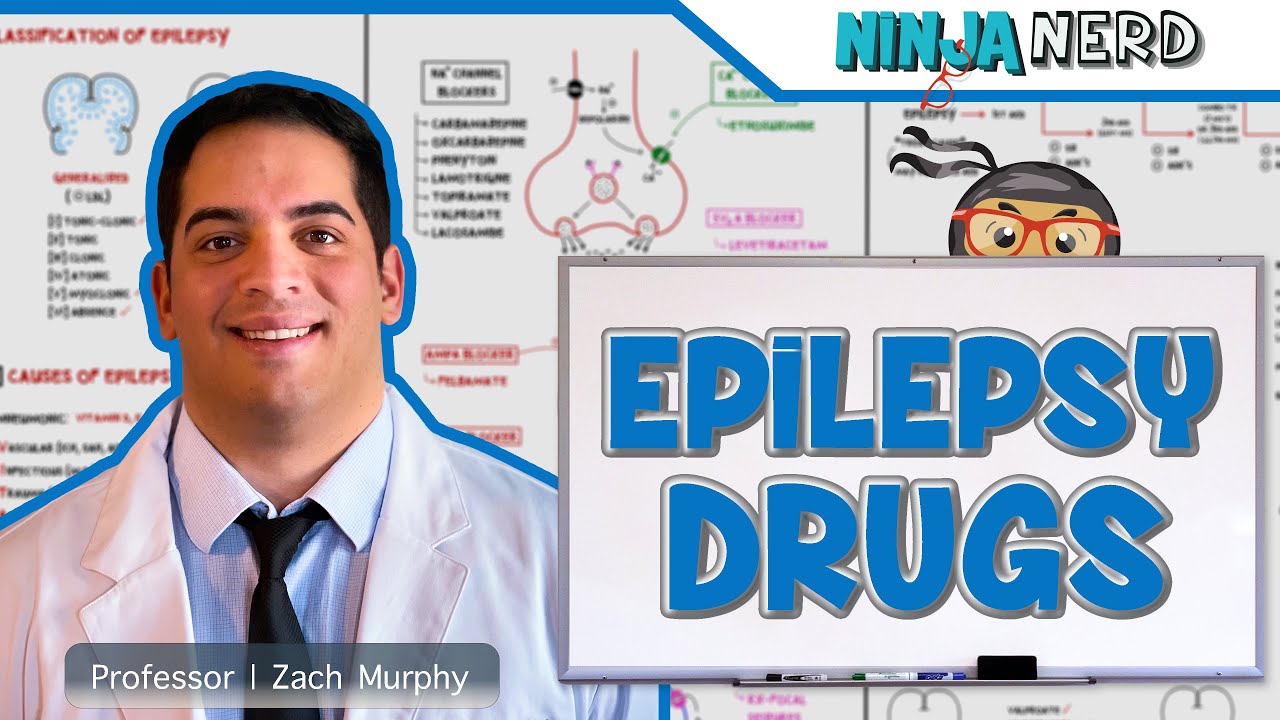



Epilepsy is classified into partial epilepsy (with or without altered consciousness) and generalized epilepsy based on whether the thalamocortical pathway is involved; treatment selection depends on epilepsy type, with carbamazepine as first-line for partial epilepsy, valproic acid as broad-spectrum therapy, and lorazepam/phenytoin for status epilepticus management, while phenytoin has significant female-specific side effects including facial coarsening, hirsutism, and gingival hyperplasia.
Epilepsy Types and Treatment: Clinical Features Explained
Added:Basic neuroanatomy and neurophysiology, specifically resting membrane potentials, action potentials, and synaptic transmission.
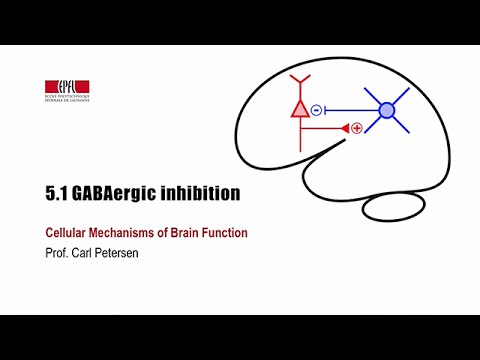
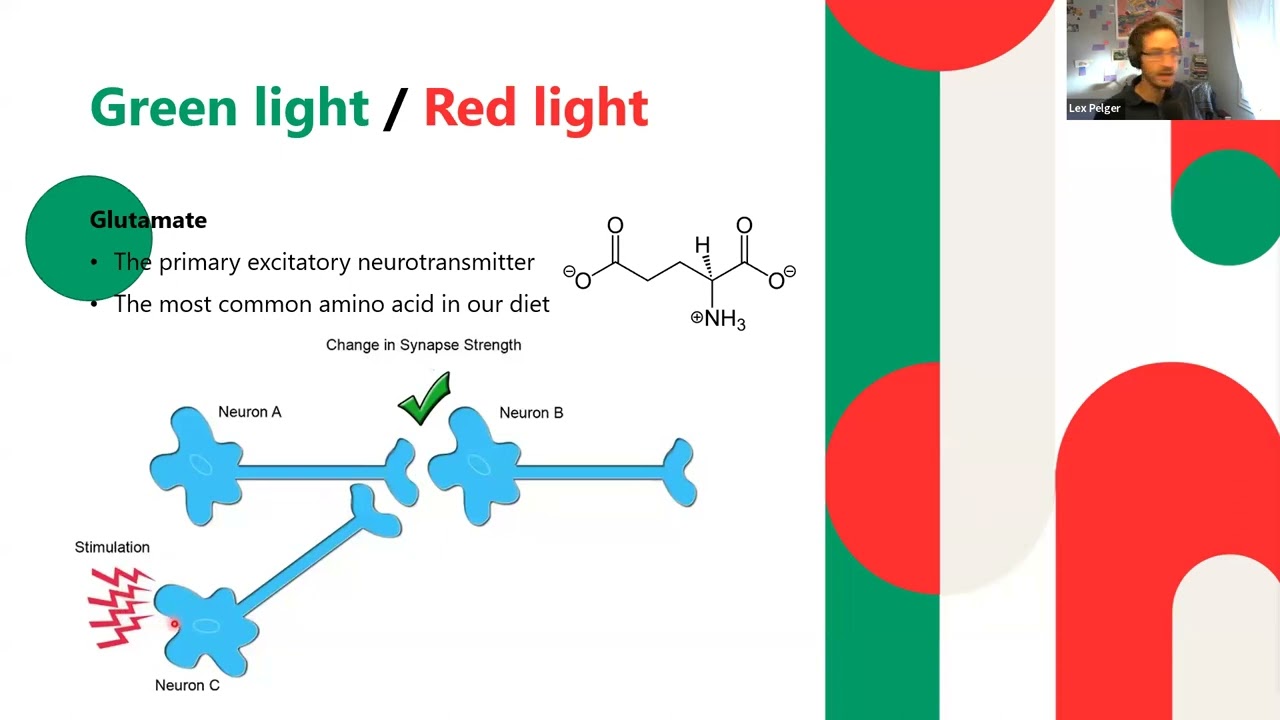
The physiological concept of neuronal excitability and the balance between excitatory (glutamatergic) and inhibitory (GABAergic) pathways.
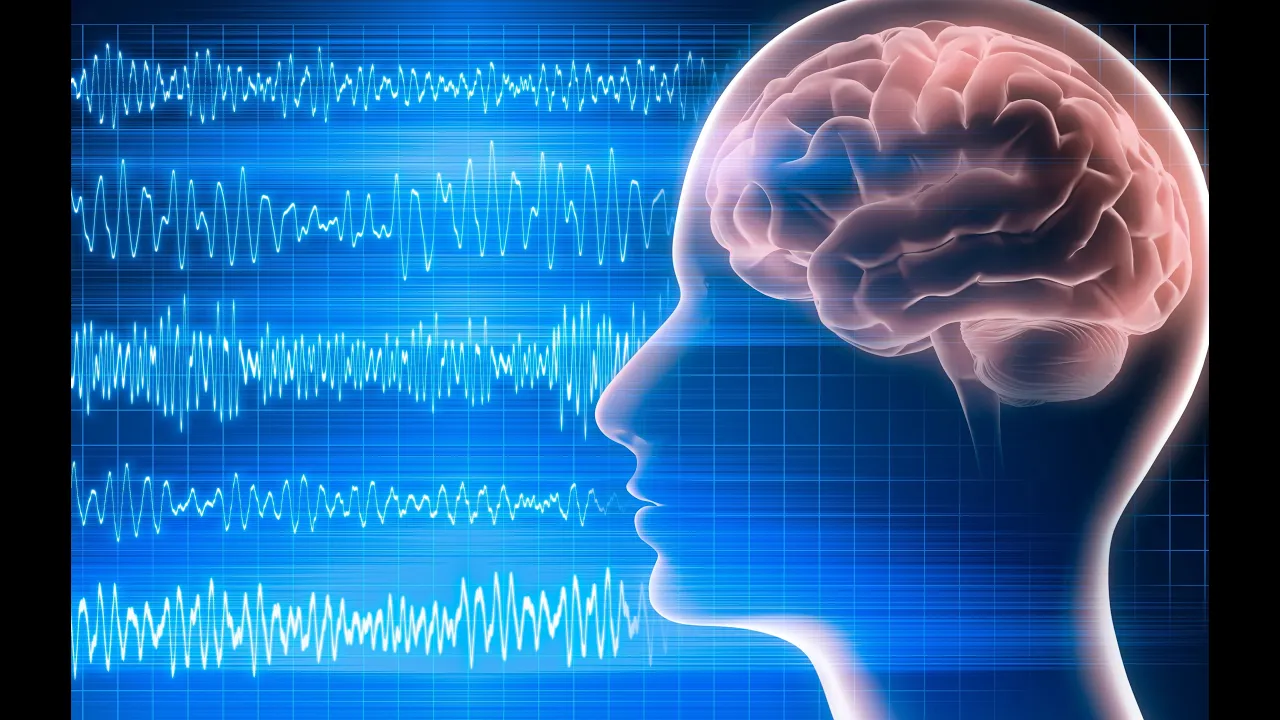
Fundamentals of Electroencephalography (EEG) and how electrical activity of the brain is measured and interpreted.
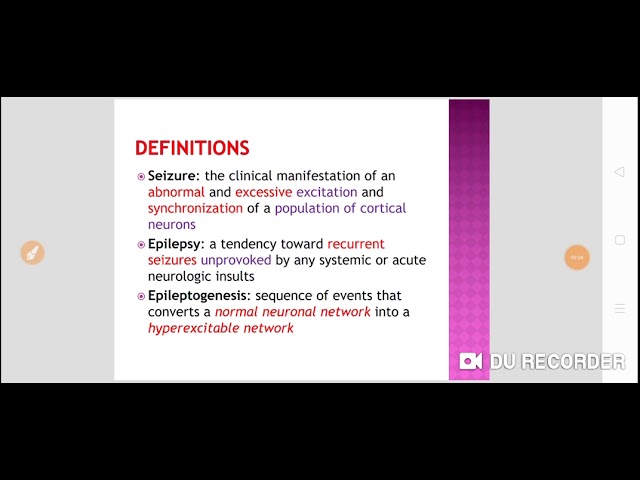
A foundational definition of a seizure versus epilepsy as a clinical syndrome.
In-depth pharmacology of Antiseizure Medications (ASMs), including drug-drug interactions, teratogenicity, and patient-specific selection criteria.
The clinical workup, diagnosis, and psychological management of Psychogenic Non-Epileptic Seizures (PNES) and other somatic symptom disorders.
Advanced refractory epilepsy treatments, including surgical resections, neuromodulation (Vagus Nerve Stimulation, Responsive Neurostimulation), and ketogenic diets.
Specialized clinical protocols for pediatric epilepsy syndromes and managing epilepsy in specific populations such as pregnant or elderly patients.
104.2K views2Klikes58:51Original Release: 2022-04-09
now we are continuing our lecture with the epilepsy today we will go into detail right we'll talk about that what are the different types of epilepsy what are their causes what uh what are the triggering factors what are investigations and how you make up your diagnosis and eventually how you manage the patient uh in simple epilepsy and and medical emergency which is called status epilepticus now how do how we are really defining epilepsy epilepsy is a tendency for spontaneous recurrent especially recurrent scissors due to abnormal electrical discharge in the central nervous system right now primarily we divide there are so many ways to classify epilepsy right we will go with one of the simple way right epilepsy can be divided into partial epilepsy epilepsy right then we can talk about yes place generalized epilepsy epilepsy and of course then there are okay in between them there is another funny thing which is called partial becoming generalized partial epilepsy which becomes eventually becoming generalized first of all we'll talk about partial epilepsy then we'll talk about partial cases which become generalized and then we'll go into detail of generalized epilepsy and some people say there are some cases which cannot be classified right now first of all we concentrate on the partial epilepsy actually let's suppose here is your central nervous system now one thing which is very important to understand that you know here are thalami and telemave through the thalami here is what reticular formation and through the thalamic intra laminar nuclei there are connections which are going throughout the central nervous system let me make this diagram more clearly all of you know that there is reticular formation present in just place brainstem and here it is thalamus at the top of the brainstem and from radical formation lot of sending pathways are going to these nuclei these are called intra laminar nuclei of lmi now these ascending fibers which are going to this area right they are distributed to all cerebral cortex and these fibers are responsible to activate all the cerebral cortex now here i want to make one concept very clear that what really happens when you are sleeping listen carefully when you are sleeping can you hear what is going on around you usually not or if you are sleeping really you are having a sound sleep if uh there's little bit light do you see that okay if you are really sleeping and someone opens your eye but you are sleeping with a very sound sleep and put a photo of a very beautiful line ah can you really see that it means your eyes are having something wrong no if someone is talking and you are really sleeping deep you cannot hear but do you think your ears are okay yes what really happened who really sleeps these are not the eyes these are not the ears what really slips is your cerebral cortex what really happens that during the sleeve if someone is talking actually ear is stimulated of course drum is stimulated and oscillator chain is stimulated uh cochlear duct start making microphonic potentials cochlear and from there cochlear nerve take the action potential to the cochlear nuclei and you know through the sending pathways action potential really travel what happens when action potential go to the which part auditory cortex auditory cortex does not process them because it is that low metabolic situation is that right so in the same way if you are sleeping and someone shows you some photo you don't see that actually still eyes may be okay all the action potentials are going to cerebral cortex in the which area occipital right area 17 18 19 but those areas are not working and processing the information so what we are talking about when you really sleep who is sleeping cerebral cortex because that is the seat of consciousness especially especially especially frontal and temporal cerebral cortex right now in the morning what happens you wake up actually who wakes up cerebral cortex or who makes a cervical cortex to wake up right that is your radical formation there are many other areas also but what really happens that all the ascending information which is going sensory information it has collateral with the what is this area radical formation in the morning when any stimulus come if reticular formation has come out of its exhaustion and it has developed a good concentration of you can say neurotransmitter during the night when you were resting reticular formation was gradually increasing more and more neurotransmitters and it becomes more sensitive to sensory input so by the morning even little sensory stimulation may be auditory stimulation visual stimulation or even someone little touch you may wake up how you wake up this is the main switch of central nervous system because radical formation start giving action potential to the ascending pathway that stimulates intra laminar nuclei intralaminar nuclei shoot up and fire up to the all cerebral cortex when all cerebral cortex become active you wake up how when frontal cortex become activity you start thinking consciously when motor area become active you can consciously move when sensory area become active some touch pain temperature can be perceived when bridal areas are activated your memories come to the surface when occipital area becomes active you can see the things when temporal area become active you can hear the things so what really happens first thing which you have to be very very clear the street of consciousness is from where radical formation to the interlaminal nuclear thalami and then projection to the all cerebral cortex so all the days you work right and eventually at when the time of sleep comes at night what really happens that neurotransmitters start exhausting here and they are unable to keep the whole cerebral cortex activated and then you start feeling sleepy then you start feeling sleepy is that right and usually if you really want to sleep you cut off all the sensations you don't want to see light you don't want to hear anything you make an environment which is very conducive so that minimum stimuli come to your central nervous system and then reticular formation becomes slightly that part of the radical formation which is supposed to keep the cerebral cortex active that become off central laminar nuclei become off thalamus become off this part of thalamus and cerebral cortex activity become minimal and you are then not aware of self and the surrounding but you can be aroused with appropriate physical or other stimuli is that right so we call you are in a state of sleep now what is the relationship all this basic information with the epilepsy let me tell you what is the relationship actually in any type of epilepsy if epilepsy involved these ascending pathways through the thalamide you know thalamia is the part of telencephalon or diancephalon tell him i a part of diencephalon is that right so what really happens that any type of abnormal electrical discharge in the center of a system if it involves both lmi it will alter the state of consciousness because it interrupts the normal ascending system which keeps your cerebral cortex active right and when your cerebral cortex does not remain active we say state of consciousness is altered so it means that when i say there's a patient who is suffering with epilepsy and his state of consciousness is altered or he becomes unconscious it means both diane cephalon are involved thalamic thalamocortical pathway disturbed is the right and they're unable to keep the cerebral system into normal awakening state or normal conscious state but if i talk about another patient of epilepsy that he has epilepsy but during the epilepsy he maintains his state of awareness and consciousness absolutely normal it means that epileptic form focus is not involving this ascending system so today onward there's a very basic concept that epilepsy patient can be divided into two types right the patients which really have altered or altered consciousness during the seizure and patients who do not have altered consciousness during the seizure what is the real difference the patients in which altered consciousness is present it means thermocortical pathway or dense effluent has been involved by the normal electrical activity right but when we say that someone has epilepsy but state of consciousness is not altered or patient does not become unconscious right we say that diocephan has not been involved right so next time it's very simple in your life in any mcq or anywhere you find that if a patient during caesar become unconscious the incephalon is involved if during any type of seizure whatever the type if patient does not become unconscious what happens dense aflan is not involved is that clear after having this basic information now we come to the concept of partial epilepsy now look let's suppose here is a patient i am just giving you an example let's posing this patient we start stimulating this area electrically or there's abnormal electrical focus in this area and this abnormal electrical focus over fires first again i will go to physiology listen for example if i want to move my thumb what i'm doing that upper motor neurons which are controlling the thumb which are present in motor cortex they are firing down and then stimulating the lower motor neurons which are going to move the thumb is that right now what really happens when i'm moving the thumb and if i want to move only my thumb do you think automatically my all arm will move or not it will not move why because normally in the center of a system there are very effective mechanisms to prevent the undue spread of electrical current that millions and millions of circuits in the central system you know with the most modern criteria you make a computer which has equal circuit equal circuits of one human brain size of the computer may be equivalent to england human brain has so much so many connections is that clear now the thing is that when you are doing some selective action i'm just moving my thumb it means that some localized area in the center of the system in the motor area is firing but do you want that if i want to move only my thumb do you think crunch should spread to the area of the arm and then through the leg and all my bodies start moving it should not happen actually in central of a system they're very wonderful mechanism which can excite about stimulate a certain part of the internal system and they're equally wonderful mechanism which prevent the undue supply of the current to the other remaining circuits now write it down the basically stimulatory system is cholinergic system glutamine energy system and a spotted system there are many others but cholinergic systems glutamine energy system and spotted system are you in stimulatory systems neurotransmitters in the central message and main inhibitory system in the higher nervous system is yeah dopamine somewhere stimulate somewhere inhibit so i didn't talk about that main inhibitor is gaba gamma minor butyric acid gabaergic system in the spinal cord even glycine can act as an inhibitory but we are right now talking about epilepsy and epilepsy usually takes a origin from the upper part of the brain so in upper part of the brain the most important inhibitory system is gabaergic system now what really happens look there's a very funny thing if this is the star this is the area group of neurons when these are stimulated my thumb will move as soon as these fibers are going down on the side they stimulate the gabaraging system they stimulate gabaraging system and the all the cortical areas and neuronal circuit which are around the stimulated focus they become inhibited some of you must be knowing when gaba bind with its uh receptor it load the neuron with chloride so the neuron become more electronegative so that it becomes hyperpolarized and it become difficult to stimulate that neuron is that right or some gaba receptors when they are stimulated neurons release potassium and when neurons release potassium again neurons become hyper polarized the gaba a receptors are gaba b receptors when gaba airceptors are stimulated neurons get loaded with chloride and neurons become hyper polarized or when gaba bind with gaba p receptors neurons become deloaded of potassium and again neurons become what yeah hyperpolarize so gaba a or gamma b receptors whenever they are stimulated by gaba they lead to inhibition of the neurons now the point which i told you right now was what that whenever in the cortex there is some electrical activity going on selectively it has recurrent connection so that when one area is firing automatically it leads to inhibition of the surrounding area so that the electrical activity remain selective is that right now let's pose attention please normally central nervous system work in this fashion that whenever any area is stimulated sounding area should get inhibited so that there should not be undue spread of electrical current is that right now in many patients who have especially epilepsy due to fine idiopathic reasons previously called they have some defect in their either stimulated system either stimulatory system was over functioning or inhibitory system was under functioning epilepsy is abnormal electrical discharge and central nervous system the cause of abnormal electrical discharge may be that the neurons patterns you have inherited uh which are called energy called spartate releasing or glutaminergic neurons either those circuits are over functioning and they function so much at times that governing system cannot keep the surrounding cannot keep the undue spread inhibited or some people have inherited gabaergic system which is weak what i really mean that if you get a car from toyota company either it is inherited defect from the company in the accelerator and accelerator over works or there's inherited effect in the biological breaks and they don't work so this is the basic problem electrophysio abnormal electrical electrophysiology and epilepsy that either stimulated system is overworking or inhibitory system is under working or in some very unfortunate patient both problems may be there right now imagine let's suppose we talk about a patient in which gabaergic system in the central nervous system is weak when governing system in central our system is weak what really happens when an abnormal when once an area starts firing current will spread undue spread of the current will be inhibited or not no so what really happens if someone has weak gabaergic system there will be whenever some part sometimes when some part of the cns is stimulated they will be undue spread of the electrical current now how much this current will spread it depends on a particular patient to patient when this undue current starts spreading right we see a large areas of central nervous system fire synchronously large areas of central nervous system fire synchronously right so usually in epileptic focus what is going on there the repetitive synchronous discharges train of action potentials coming from particular area which is not kept inhibited properly am i right now again now listen very carefully let's suppose in this particular patient this area is whenever it fires government system around it is not working well so it means that there will be undue spread when there will be undue spread now if this undue spread involve the diencephalon patient will have yeah altered consciousness or unconsciousness but if it does not involve the inspiron patient won't have any alteration of conscious level that's the right this is one thing secondly when current abnormally spread in some people there is a partial spread for example spread start from only small area this is abnormal spread and may remain limited to one hemisphere if there is a normal spread and it remains limited to one hemisphere and it does does not involve the other hemisphere this type of epilepsy is called partial epilepsy so from today onwards what is partial epilepsy partial epilepsy is a type of epilepsy in which onset of the caesar onset of the seizure which may be motor experience or sensory experience or psychomotor experience partial epilepsy is a type of epilepsy in which onset of the scissor right in which onset of the scissor is referable to one hemisphere maybe right cerebral hemisphere or left cerebral hemisphere for example look here let's suppose i'm standing like this suddenly my just start showing abnormal motor movements right and these abnormal motor movements are due to the normal electrical activity in the left hemisphere of course is my right hand cross connected right now if this electrical current does not spread much only their hand will show some abnormal electrical activity after some time discharge become normal now this was a sort of motor epilepsy but the onset of this epilepsy could be referred to one hemisphere so it is considered partial epilepsy it was motor epilepsy it was partial epilepsy and during this fire remained fully conscious then it was simple epilepsy it was simple epilepsy right it means epilepsy you have to see but opposed to that imagine let's suppose my hands start moving like this and then i become unconscious what is this this was it was par first of all it was partial because this head was moving otherwise not so it means onset of the attack was referrable to one hemisphere is that right so what we will call it it is partial but with that i had altered consciousness that means it is complex so it means when diencephalon is involved case become complex when during an attack of epilepsy if altered consciousness is present right it means transform is involved it means case becomes complex but if dan cephalon is not involved then case remains simple so when a patient of epilepsy come you have to see that is it partial epilepsy or generalized epilepsy is it simple epilepsy are complex epilepsy and is it motor epilepsy or sensory epilepsy or psychomotor epilepsy now let's talk clinically attention please the first case when a patient is brought to you is about the caesar the very first question is what is that yes who is you have to talk in english listen listen uh a patient is brought to you and relatives think or history suggests something as if patient has a seizure and the patient has more than one attack you start thinking in the line of epilepsy the very first thing which you have to make clear in your mind is okay you have to say talk to witness if it is there because witness is very important but remember many witnesses are not reliable many people are so polite that they want to agree to whatever you want to ask them and bring out of them but you have to be careful that witness should be dependable is the right and trustworthy right and after that you especially ask about the onset of them so what is the first thing we have to ask certain questions write down question number one you have to ask yourself questions related with the patient what is question number one this caesar is a true caesar or pseudo caesar this is the first thing is it really epilepsy or not this is the very first question which should come to your mind because many things which appear as caesar may not be caesar everything with twitch is not caesar that's how am i right everything twitching is not caesar is that right so first thing is that you have to know that is it really epilepsy or not is it true caesar are pseudo caesar pseudosciences are psychological reasons leading to caesar like conditions usually these are more common in boys or girls why this is a girl the better way is to get attention this is a pathological way yes okay sexual abuse in uh childhood is more common with girls or boys with girls actually most of the females who develop pseudocaesar they have not all of them of course they will kill me most of them have history of sexual abuse in their childhood either they remember it or not right so anyway so pseudo scissors are basically seizure-like conditions but which are not due to abnormal electrical activity in the central nervous system write down the definition of pseudo caesar you know you if you want to be a good doctor the first step is just to know that person who has come with caesar is a true caesar or it is pseudocaesar right as i told you last time it's very important not to over diagnose or under diagnose epilepsy because if you wrongly over diagnose epilepsy it means you are committing the person to anti-appellate drugs for a long time with a lot of side effects unwanted drugs secondly you may be leading to a diagnosis which is leading to social stigmatization then it has implications in social life it has implications in occupations it has imp uh implications in driving and machine operating and so many things is that right so due to that reason a good doctor must know how to differentiate between a true seizure and pseudo caesar of course there's so many types of truths and there's so many types of pseudo caesar we cannot right now discuss all of them but just few most important point for example okay i will give you four features in the history and you have to tell me which is the most suggestive of a true seizure right there are four clinical presentations patient has a history of tongue biting especially in the side of tongue his own tongue i mean a b patient has history of during the caesar he develops urinary incontinence urinary incontinence third is during the seizure patient develop arcing of the back muscles become very stiff and arching of the back number four during the scissors limbs move in a flailing fashion randomly e when you try to open up the eyes which uh patient resist especially during the season right are you opening are you opening resisted during yes so during caesar or eyeballs roll upward when you try to forcefully open the eyes right what is the most suggestive of that it must be a true seizure just raise your hand don't comment out of these five thing there's one thing if it is there it must be caesar very high chance it must be seizure yes g a uh tongue biting yes what about you okay people who believe that a is the most suggestive raise their hands okay some people who have answered different than this yes urinal incontinence is not related with the caesar it may or may not be remember right answer there is very right the right answer is a because when you are psychologically playing the game of caesar you don't cut your own tongue it's really painful especially side of the tongue you do not crush your uh side of the tongue is that right but when you're psychologically disturbed and you are producing some sort of uh passing through some sort of pseudo-scissors you may develop urinary incontinence urinary incontinence may be part of truth either may be a part of pseudoscissor arcing of back is unlikely in caesar it is more common in historical problems or uh other limbs flail movement this is again pseudo scissors right eyes opening resistance of course a very uh during some scissor if patient has close eyes and you try to open and you resist the opening or eyeballs roll up right again it is pseudo seizure and there are many other ways to differentiate but anyway your question number one is when patient comes you must be able to differentiate is it a true caesar is it a pseudo seizure is that right question of pseudo-seizure also arrives at another other stage of uh management of the patient what is that stage first stage is just patient came a good doctor must be able to differentiate is it pseudo is a true seizure all cases cannot be differentiated there are some very borderline cases that's because and of course some unfortunate patient get both scissors it's quite possible person has epilepsy along with that uh she has some mental stress and she develops low caesar as well is that right so at other stage of diagnosis also you start thinking about the pseudo seizure when you are tried every drug and scissors are not controlled you think of students either is that right again review your diagnosis the question is that if you have major diagnosis and you have tried first drug second drug third drug and it's very difficult to control the scissors think of it maybe pseudo scissor another important thing about pseudo seizure is usually this is a occur when there's a chance that there will be people around it and notice it for example pseudo seizure don't occur during sleep true seizure may occur and if we will not go into much detail of that the what i was saying the very first question when a patient of epilepsy come to you is it true is it really epilepsy or not is it really epilepsy or not let's suppose someone had only one caesar attack is it epilepsy or not it may or may not be yes that's right it may or may not be it may or may not be so it means person who develop one caesar only one seizure do you think we need to investigate the patient yes yes write it down one seizure is enough to warrant investigations but you can you should not label the patient epileptic patient is that right but it does not mean you should not investigate the patient you must right the first thing we'll talk about that so first question is is it really epilepsy or not the second question is if it is epilepsy yes is it partial or generalized the second question is if it really epilepsy is it partial or generalized why this question is important because first line dragon partial epilepsy is different and generalized epilepsy is different what is the first line drug in partial epilepsy yes dr allen no carbohydrate i always remember people with partial epilepsy are moving in cars very bad their lessons should be cancelled is that true but anyway in pakistan many people with partial epilepsy are moving in car but you cannot drive the car when you have generalized epilepsy so partial epilepsy has a association with carbamazepine with carbamazepine right so why it is so important to decide that is it partial epilepsy or generalized epilepsy because first line drug is different in partial epilepsy first line drug is carbon has a pain and in general what is the second line drug here what is the second line drug there are so many but welfare cases should be put there put down a slice make a box and put a small information that most broad spectrum anti-ap anti-epileptic drug is most broad spectrum anti-epileptic drug is anyone from the first row yes please what is the most broad spectrum because it will this drug will help you in future if you cannot make the right diagnosis what kind of epilepsy is there but you suspect there is epilepsy you can start treatment with that most broad spectrum anti-epileptic drug hold on which can control partial epilepsy which can control generalized tonic colonic epilepsy which can control generalized absence epilepsy which can control myoclonic epilepsy acid vaporic acid sodium alfred right most broad spectrum yeah most broad spectrum anti-electric drug is velcroic acid right now write it down with it and either it is first line drug for every case or it is second line drug either it is first line drug or it is second line drug velcroic acid is that right either it is first line drug or it is second line drug am i clear and there are other second line as well in this particular case in partial epilepsy carbon mesopine is yes place first line and what is second line well price you said and in generalized tony clinic epilepsy what is the first line well price acid very good and what is the second line lamitrigine lamotri gene is that right and there are many others as well but you need to remember at least one first line one second line okay then there's another epilepsy we'll very soon talk about uh absence epilepsy generalized absence epilepsy i will go into detail later what is the first line drug for that yeah ethos oximite excellent ethos oximeter what is the second line well price i said again any epilepsy you talk about will break yourself either as a first line or second line the process would only fail in sudo caesars is that right because they are not caesar's so what is happening there that if patients come with partial epilepsy which is which is the first drug they're moving in cars so carbon has a pain and if patient comes with the second line drug is will break asset and tony clonic generalized tony clonic epilepsy what is that well break is it first line and lametron genius second line and many others are there in case of epson caesar i will explain what they are the first line is excellent and and and and and and now i come to interesting situation you have heard of uh myoclonic epilepsy i told you last time flying saucer epilepsy suddenly some muscles uh jerk the right myoclonic epilepsy what is the first line drug there velpric i said excellent but i'm not interested in first line drug what is the second line drug yes you can get 10 rupees price if you can tell me okay just give a chance to pharma uh yes question is hold on that in case of myoclonic epilepsy of course first line drug is vaporic said if you fail on the end what is the second line she is not getting 10 rupees you want to get 10 rupees just please ah clone of the pump that's good so what 10 rupees you have okay give her later on right okay give me right now i should give up so next time i will be doing this thing it's a very easy thing you know you don't need to carry money around so that is clonazepam yes please yes you can receive it and remember write on it 100 time clone of the palm yeah i should i will write it later right okay but at least you receive it it is not equivalent to ten dollars for the people who are seeing the recording maybe they become excited by this price it is just ten rupees okay now listen again let me repeat it is worth repeating for bill prake i said the one of the most broadest spectrum ntf electric drug that's right and okay i was knowing how people are answering some books are open that's good some authors agree with me right so what we are talking about first line drug in case of partial epilepsy was carbamazepine and second was velpro it and in case of generalized tonic clonic acid and then lamotory gene if partial becoming generalized again pulprich acid and lemon region partial becoming generalized then we come myoclonic first was and in case of absence caesar first line was ether success and second line was well prayed okay and status epilepticus first line drugs yes you know why laura the palm has no no look generally diazepam is a very long-acting drug because it's meta metabolites are also active but diazepam capability to suppress the status of epileptic assist for short duration and lorazepam ability to suppress the status of ellipticals is longer so lorazepam is if available preferred over there's the palm so first line drug in case of status is of course very good okay i'm coming to you again you have to win one rupee more hypothetically already lost 10 so what i was talking that in this case for example someone has status epilepticus you must be knowing what is status epilepticus when someone has a continuous seizure or caesar attack in which in between the attack patient does not regains complete consciousness for example she gets the fits right now and after three minutes she again develops the frets but in between the two fits she does not regain consciousness up to normal level this type of caesar in which there's a very prolonged scissor or there is multiple scissors and in between where you don't regain consciousness right this is called status of elliptical so medical emergency because it should be very aggressively treated time is everything because as duration of status epileptic has become longer chance of death or chance of permanent brain damage progressively increases the risk of death or risk of permanent brain damage or progressively increases so in status of ellipticals you should be knowing the drugs very well uh first drug was you have used daisy palm or lorazepam what is the second let's suppose you have given diazepam or lorazepam patient could not uh really uh you can say status epileptic epilepticus could not be aborted it continues what is your second step yes no continue the slow infusion iv first you give bolus of the lorazepam then you run the slow infusion iv and take few more minutes but before the 10 minutes pass you must go for phenetine sodium but intelligent students will tell me not finite and sodium they will tell me something else what is preferred or no if you know that so what is uh preferred over phenetine in case of intravenous treatment very good phosphenatine why phosphenotine is superior dotsub is going to tell us why listen phenotype and sodium is excellent but when you are giving intravenously uh we prefer phosphenotine or phosphophenotyne why we prefer it because it moves fastly no no no it's a pro drug and it need to be converted rather it will have low bioavailability that is why its dose is more than its equivalents are more than yes the both of them have cardio toxicity my friend no no listen listen both of them have cardiotoxicity both of them are sodium channel blockers and actually phosphor phenotypin convert in the body into phenytoin this is not the answer oh no no 20 rupees is fine right listen carefully my question is very simple idealize if patient with benzodiazepine could not be controlled intravenously and about 10 around 10 minutes you must immediately arrange phenotype or phosphophenotyne any one of these if both are available you will prefer intravenously phosphofinite what is the reason anyone price is again 10 rupees assassi has one more 10 rupee yes no one knows it yeah phenotyping with phosphate is there remember infinite and sodium is irritant to the vein it's so simple produces a lot of uh thrombophlebitis and later on even circular roses the veins sometimes because finite and sodium you need to load and then sometimes you have to give intravenous inferior phosphophenotyne is not that much fussy with the veins write it down phosphofenotone is not that much fussy with the veins density it does not irritate the veins so much anyway so second line was your phenotype and sodium okay in status epilepticus if you have given of course let me tell you when patient come how you manage and when the patient is continuous epilepsy for example tony clinic epilepsy of course the very first thing is no before that secure airway don't give oxygen to a person whose airway is blocked i hope or you will give oxygen intravenously right so first thing is secure airway secure airway right either you don't go directly for intubation you can just pass yeah yeah there are plastic airways either easily or orally right first of all you open or keep the airway open this is the first thing and then you give high concentration oxygen is that right why oxygen is required in tonic clonic because in tonic phase person is not breathing well when these respiratory muscles are in tonic phase is not breathing well even in cloning phase there are not proper breathing patterns so we need oxygen extra you have given what as soon as patient came right in status ellipticals you secure the airway you have started giving the oxygen you ask someone to draw the blood so that you can investigate later and then what you do then you pass iv polis benzodiazepines as laravel diazepam iv bolus fusion of benzodiazepines right let's suppose still patient is not settled you go for phosphine iron right first you load and then slow infusion i will not going to do this they're written in book right so what you have to do phenotype sodium usually we say phenotype and sodium should not be given to females so if a female is brought in status of ellipticals will you give the phenotype and sodium car well you gave why there's no other drug available and you know why females normally should avoid phenytoin that is why she is talking like this she is not knowing write it down on one corner on the notes separately write it down finite and not for females how you remember it phenotypin not for females why it produces a lot of side effects which are really troublesome in females for example female developed atexia she developed the stragmas she developed this r3 or do you think you love a female who has a taxi gate with dysarthria as if she's having a drunken situation and uh her eyes are showing nystagmus females are very sensitive about their presentation is that right even though male also may develop these things but females are more sensitive to this thing is that right so these are first thing write it down on the side all ntf electric drug almost all develop these three side effects but phenetine produces very severely this side effect phenetine produces very severely side effect right what are these side effects atexia this why because all anti-ap electric drug inhibits the neuro conduction of neurotransmission and neuro conduction and neurotransmission is very rapidly required for semi-parallel functions so all of them disturb the sending pathways dorsal sending pathways or cerebral connections due to that reason almost all the anti-electric drug in the toxicity of side effect produce the stigmas dysarthria and ataxia and phenotypin produces this problem more often number one number two phenotype when it is taken for chronically it produces coarsening of facial features you know already females work a lot to enhance their facial features in an appropriate fashion you know uh big companies are helping them right in all the makeup is what the game of illusion creation isn't it now if a female is taking a finite and for a long time she will develop facial coarsening her face will become like yours so naturally female who don't want a face like that for their own self right so they want some refined with yota yard right now so what i'm talking about that coarsening of facial feature then another problem with the females harshettism yes not only face become heavy and boggy it even looks like men it produces phenotype and sodium produces chronically used will produce harshetism is it not enough for a female hold on hold on hold on just hold hold then in chronic use there are other troubles it infinite and chronically used lead to gingival hyperplasia right do you think a female whose gums are totally enveloping her teeth and when she smiled and all the guests run away including the would be mother-in-law no female will like that situation is that true so general hyperplasia coursing of the face you just imagine there are a lot of guests and parents have put the unfortunately doctors put a young female on phenytoin and she entered into room with tea and she's having atexia and dysarthria and nystagmus and facial features are coarsening and when she smiles yes ginger hyperplasia and problems don't stop there if somehow she gets married after the marriage problems will start first of all we decide okay she go for courtship it's not in some western country she goes for courtship first and she put herself on the oral pills phenotype and carbon mesopine are not good for female why they induce the enzymes which handle the oral pills so oral pills will be catabolized slowly or fastly fastly and she will become pregnant inadvertently right again not for female right because males really don't take oral pills so this problem is not with the male with the phenotype then any other problem with the female oh okay if she really gets pregnant then there's a trouble phenytoin is severely toxic to the products of conception it has a syndrome isn't it baby may develop a lot of troubles then phenotyping produces disturbance in handling of folic acid and b12 so there are megaloblastic anemias macrocytic megaloblastic anemias of course females again have already a natural tendency to develop anemia more readily at the top you give her phenetine then of course it disturbs the vitamin d function osteomalacia risk not osteoporosis osteomalacia doctor so osteomalacia now you see there's so many things which are going against a female they're female develop ataxia nystagmus yes yeah facial features gingival hyperplasia hirsutism megaloplastic osteomalacia right there so many problems so phenetine not for females but right down but still it is used in status epileptics because of course their use is not chronic and it's important to save the life because one shot of infinite n is not going to develop you can say general hyperplasia am i right and one shot is not going to develop all facial coarsening secondly even females agree it's more important to survive than having a refined face yes side effects it does produce the side effects in male some of them right for example it can produce to the male atexia or other nystagmus and other problems right for that will reduce reduce but females are very intolerant to these things is that right then you can say males will also develop some other side effect like megaloblastic anemia but less often because their anemic tendencies less of course male usually don't get pregnant so uh product of conception won't suffer in males right and in the same way males don't have uh you can say oral pills problem so they will not become unexpectedly pregnant is that right now so what i was highlighting that in status epileptic first step is admit the patient of course before you can say secure the airway give the oxygen make the patient in semi-prone position is that right uh load the patient with iv benzodiazepines then with slow infusion it's still not controlled you go for what a phosphofine iron most of the patient by this time will be controlled but some unfortunately may not be controlled even with phosphor phenitine and if a patient is still not controlled with phosphophenotyne what is the next choice yeah yeah no no before that you try something some people try phenobarbital is that right you try phenobarbital orbital break acid of course partially phenobarbital right so first give benzodiazepines then give phenetine and then go to barbie doll phenobarbital right so phenobarbital of course barbiturate if phenobarbital does not work then you do what then you have to go for general anesthesia write down a basic principle no good doctor should last no good doctor should stay on the bedside of a patient with status epilepticus more than 20 minutes without having arrangement of general anesthetist no good doctor should stay on the bedside of the patient with refracted status of ellipticals which has not been yet controlled more than 20 minutes within 20 minutes there should be general anesthetist right so you can give general anesthesia and then ventilate the patient right so all the muscles get relaxed and cns activity goes really very much down yes you give general anesthesia by which way number one some people can introduce barbiturate coma to introduce the barbiturate coma which drug is used barbarian coma which drug is used please tell me sodium thiopental thiopental but you have to give it a repeatedly because the short duration of action am i right so sodium thio paint all barbiturate or you give general anesthesia by what is the other choice which general anesthesia you will give yeah you will give him halothane or what or nitrous oxide none of them propofol preferred these days iv not inhalation propofol p-r-o-p-o propofol propofol how propofol works okay who knows the mechanism of propofol hurry up no one knows it it's very sad it means i need to tell you that how these drugs work it's very sad who knows the mechanism of propofol it is cation deloader write it down look when you want to inhibit a neuron what you do either reduce the cation loading or increase the anion loading or it's so simple you see this is a neuronal circuit and you want to inhibit this neural circuit what are the ways number one you know what stimulates the neurons sodium and calcium and flux cation loading when cations go into neurons they take the restriction potential to threshold right look sodium and calcium stimulate the neurons the cation which is inside is which one potassium and an iron which is outside is which one chloride that's so simple i don't know how to tell you it's so simple that all the anti-electric drug should have one or more than one of these mechanism either reduce the cation loading all anti-electric drug should reduce either sodium or calcium loading right or increase the chloride loading or increase the chloride loading or increase the cation deloading it's so simple when you want to inhibit a neuronal circuit what you do either don't allow the cations to go in so that it does not get depolarized so prevent the sodium in flux or calcium flux or you bring the internal cations out produce potassium flux produce potassium efflux or to make the neuron very hyper polarized very electronegative when you bring the cations out or load the neuron with anions you will load it with what chloride am i clear okay now you will tell me which anti-electric drugs are preventing the cation loading which are sodium loader preventer the write it down antip electric drug which prevents the sodium loading mainly please tell me first of all phenotype number two is carbamazepine number three is will precaster number four is lametri gene and there are so many others but at least these four they prevent the sodium loading can you tell me a drug which prevents the calcium loading in the neurons especially in the thalamic neurons yes please very good abhisan is these reactive ethos oxamide ethos oxamide so look here the what are these drugs these are three drugs which prevent the what what they prevent sodium in flux and what are these drugs yes please phenetine then there is carbamazepine and then there is vaporic acid then there is calcium in flux there is a drug which prevents the calcium in flux it does not allow the calcium to go n what is this drug ethos amide you must be knowing it's the master drug for absence epilepsy right then there are potassium deloaders what is potassium deloader classically about if i tell you vaporic acid that acts by all ways will break acid prevent sodium loading vaporic acid prevent calcium loading will break acid enhance potassium deloading will break acid increases chloride in flux well break acid act by always all means that is why it's such a broad spectrum anti epileptic but action of will break essentially different concentration are different if you give the patient will process it it blocks the sodium in flux it blocks the calcium and flux it means it's it's prevent the depolarization at the top will break as you bring a lot of potassium out so make the neurons very much electro negative so you make the resting membrane potential much away from threshold so what you are doing if it was minus 90 when a lot of production has come out it become minus 110 so it becomes very difficult to take the restriction potential up to threshold at the top sodium and calcium are not allowed to go in at the top will probably considered high concentration inhibit the enzyme we destroy inhibit the enzyme we destroy gaba will prohibit acid in high concentration inhibits enzyme which destroy gaba which means vulpric acid increases the action of gaba the precursor increases the action of gaba it means when gaba work more yamaha butyric acid it will lead to more chloride loading and more potassium deloading so it means sulfuric acid in high concentration can increase the chloride load and increase the potassium deload now you imagine what really happens with blueprint cathode if it was 9 minus 90 millivolt resting membrane potential number one it will take the potassium out and bring the chloride in so residue pressure become very very negative at the top it will prevent the cations to go in so this very negative restriction potential cannot be pulled back to threshold and neurons cannot be stimulated so willpower capsule is mastering these things that it works by multiple actions and because it work by multiple actions we can give us less tools multi-action drug we can give us less dose with a less side effect that is why if a person is let's suppose a young lady come to you and she says she is running a computer she is computer programmer and she has a flap see which track will you give someone a computer programmer and having epilepsy can you give her a finite end not you cannot give even carbamazepine which produce sedation phenotypin also produces relation and many other unwanted things most of the anti-electric drug produce sedation the minimum situation is produced by welfare acid right let's have a break
Up Next
58:44
Alzheimer's Disease: Risk, Prevention, and the Power of Lifestyle Choices
@RealStories
155.7K views•2019-02-24

48:47
Graphic Medicine: Comics for Collaborative Healthcare Communication
@nationalpatientadvocate
189 views•2023-12-04

145:09
Pharmacological Management of Parkinson's & Alzheimer's Disease | Part 2 | Medical Lecture
@DoctorNajeeb
33.5K views•2023-04-16
3:05
Stages of Labor and Vaginal Birth | Childbirth Animation
@nucleusmedicalmedia
52.1M views•2017-08-18
Related Study Plans & Knowledge Roadmaps
Structured learning paths in Medicine
medicine
Abnormal LFTs: Diagnostic Workup & Pathology
01Liver Anatomy and Basic Physiology
02Introduction to Liver Function Tests (LFTs)
03Hepatocellular vs. Cholestatic Patterns
+ 3 more learning modules
12h6 modules
Explore Roadmap
medicine
Analyzing Blood Smears: RBC, WBC & Platelets
01Introduction to Blood Components & Smear Preparation
02Normal Morphology of Blood Cells
03Erythrocyte Pathologies & Morphological Variants
+ 2 more learning modules
12h5 modules
Explore Roadmap
medicine
Mechanical Ventilation: Waveforms & Alarms
01Anatomy and Physiology of Breathing
02Introduction to Mechanical Ventilation & Core Modes
03Ventilator Settings and Waveform Interpretation
+ 2 more learning modules
12h5 modules
Explore Roadmap
medicine
Neuro Exam: Localization & Stroke Syndromes
01Foundations of Neuroanatomy and Vascular Supply
02The Neurological Examination: Step-by-Step
03Principles of Neurological Localization
+ 3 more learning modules
18h6 modules
Explore Roadmap