











![[파킨슨병 치료제 - 아포모르핀] 수술은 무서운데… 아포모르핀 펌프만으로 떨림·온오프 잡을 수 있을까요? 실제 사례 4가지](https://i.ytimg.com/vi/vosIo6wGoFs/sddefault.jpg?sqp=-oaymwEmCIAFEOAD8quKqQMa8AEB-AH-CYAC0AWKAgwIABABGHIgRShEMA8=&rs=AOn4CLChojnWI6XFJ1L1EsIuQSdDU-vWYA)




Levodopa, the primary treatment for Parkinson's disease, produces peripheral side effects (cardiovascular issues, GI disturbances) and central side effects (dyskinesias, psychiatric complications). Long-term use leads to response fluctuations including end-of-dose akinesia and on-off phenomenon due to progressive dopaminergic neuron loss. Management strategies include dopamine receptor agonists (pramipexole, ropinirole), MAO-B inhibitors (selegiline), COMT inhibitors (entacapone), and anticholinergics, with the goal of maintaining therapeutic dopamine levels while minimizing side effects.
Pharmacological Management of Parkinson's & Alzheimer's Disease | Part 2 | Medical Lecture
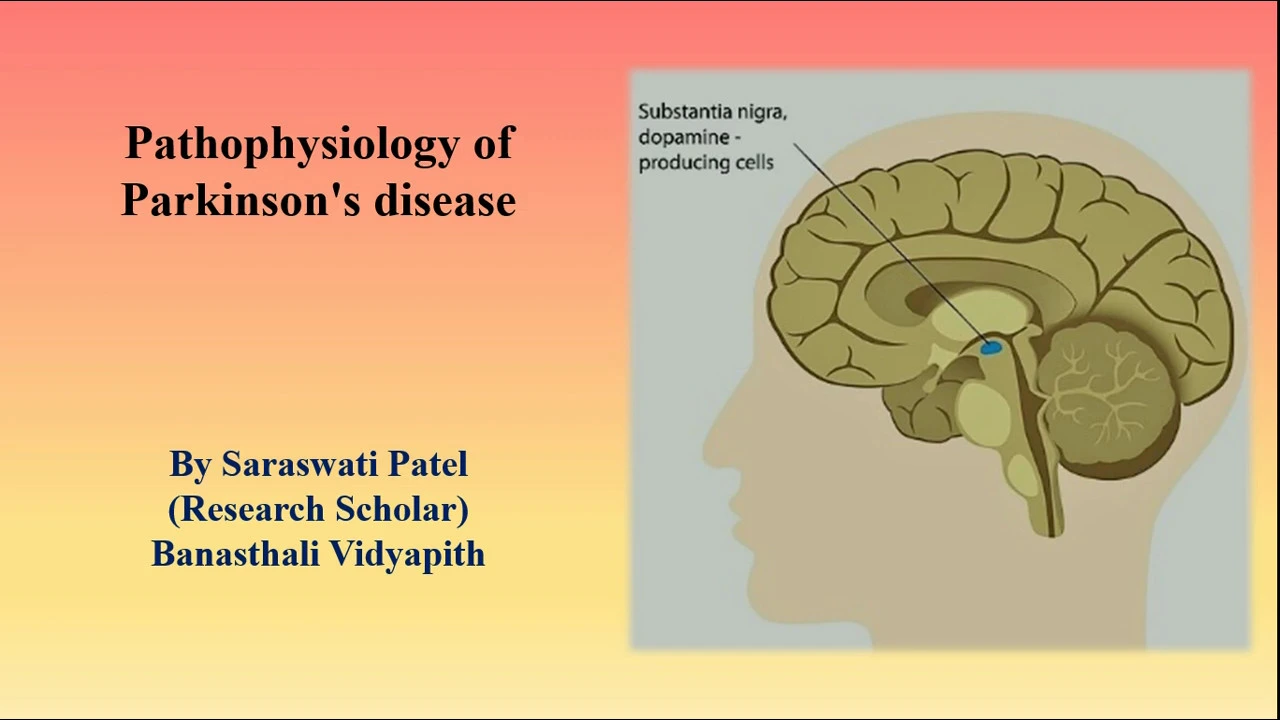
Added:Pathophysiology of neurodegenerative disorders, specifically the degeneration of dopaminergic neurons in Parkinson's and cholinergic pathways in Alzheimer's.
Basic neuroanatomy and function of the basal ganglia and cerebral cortex.
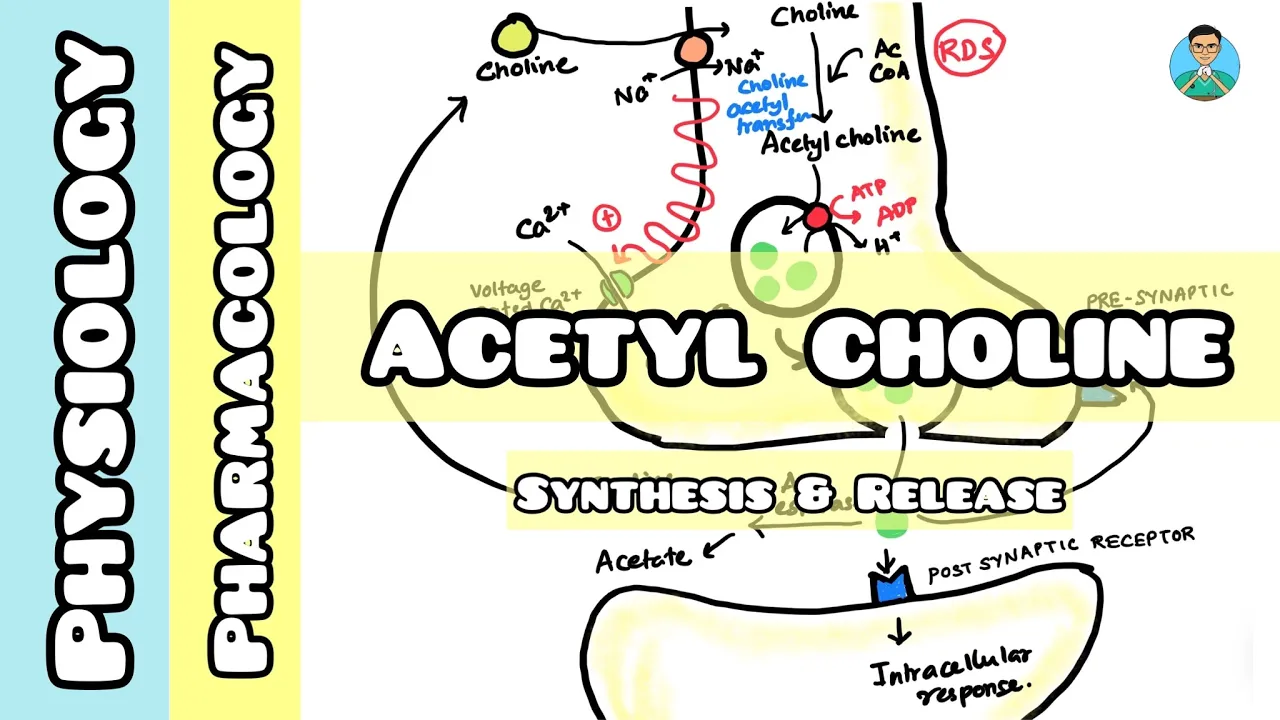
The synthesis, release, receptor interaction, and enzymatic degradation of the neurotransmitters dopamine and acetylcholine.
Fundamental pharmacological principles, including the mechanism of blood-brain barrier penetration, drug receptor agonism, and enzyme inhibition.
Clinical management of long-term levodopa therapy complications, such as motor fluctuations (the 'on-off' phenomenon) and drug-induced dyskinesia.
Emerging disease-modifying therapies for Alzheimer's disease, including monoclonal antibodies targeting amyloid-beta and tau proteins.
Surgical interventions and device-assisted therapies for advanced Parkinson's disease, such as Deep Brain Stimulation (DBS) and levodopa-carbidopa intestinal gel.
Pharmacological management of non-motor symptoms of neurodegenerative diseases, including dementia-related psychosis, depression, and autonomic dysfunction.
33.5K views582likes2:25:09Original Release: 2023-04-16
now I will continue our lecture on the levodopa and right now we'll start summing up all the side effects rather you must tell because many side effects have already mentioned right side effects of levodopa right of course we can divide it into peripheral side effects and Central side effects and peripheral side effects right okay let's start it in simple way that when the drug is absorbed from the git on the way right some of it is converted by dopa decarboxylase enzyme into dopamine and that dopamine can produce cardiovascular side effect cardiovascular system side effects and those were related with the heart and with the circulatory system in the heart it was producing yes please now you have to tell me tachy arrhythmias is the right and in circulatory system it can produce postural hypotension right second group of side effects another important was git related side effects which was like anorexia nausea and vomiting especially when levodopa converted into dopamine can stimulate the chemo trigger Zone can produce nausea and vomiting another important thing that levodopa when it is converted into dopamine dopamine can stimulate the parietal cells and produce more HCL and activate the peptic ulcer so this drug is contraindicated in patients with peptic ulcer is that right about the git then we can come to the side effects in the central of a system due to excessive dopamine activity right if there is excessive dopamine activity in the striatum the side effects of the group are called this kinesias we have already discussed about the dyskinesias what are the different types of dyskinesias there may be Tremors they can be Korea there can be acidosis right and there can be yes echothesia right so there can be many different texts there can be motor tax there can be many types of abnormal excessive movements is that right these are due to suscept dopaminergic activity in the atom then there is excessive dopaminergic activity unwanted excessive dopaminergic activity and limbic system especially mesolympic system and dope of energy activity is excessive there that may produce psychiatric complications and these complications may be anxiety or agitation insomnia right may be taken up by now endings which make epinephrine and not epinephrine they convert the levodo point to dopamine and then some no vending can convert dopamine into epinephrine norepinephrine and epinephrine right so that may stimulate the central nervous system and even we produce insomnia and education right uh confusion and especially when there's obsessive activity of dopamine logic system in mesolympic system that may produce hallucinations nightmares right and Euphoria and there you have to remember that if someone develops you can say psychotic symptoms while he is on the liver dopa you should not treat that patient with you should not reach the special typical antipsychotic because in previous lectures we discussed the typical antipsychotics block the D2 receptors right those patients should be treated by atypical antipsychotic drugs who remembers their typical antipsychotic drugs that may be close up in of course whenever you remember close up in remember that destroys bone marrow especially granular poses clozapine is very dangerous it can produce irondocytosis anyway close up in olenzapine risperidone quite a pain right all these drugs we have discussed in antipsychotic drugs right so atypical antipsychotics should be used right if patient develops some features of psychosis while patient is on the dopaminergic therapy right Parkinson's patient on top of energy therapy then there's another very very special group of side effects right these are called response fluctuations response fluctuations right these are very important unwanted actions which develop when there's long term use of Oliver dopa and we have to understand it very clearly why there are response fluctuations first I will give you the example what happens with the patient and then later on I will explain what is the basis of those problem as I told you in the beginning in last video that when you start the levodopa and one third of the patient they have very good response because they have enough number of nerve endings to take off the levodopa make the dopamine store the dopamine and keep the striatum normally functioning is that right then I told you that in one third more patients response may be mild or moderate benefit why because maybe there is excessive degeneration of dopamine energy pathway and if there is excessive degeneration or the permanent pathway there are less nerve endings available here to handle the liver to power convert into dopamine and store the dopamine right due to that reason there is less response then I also told you that is some patient unfortunately when you give the liver dopa there's no benefit no significant benefit probably this Advanced this Advanced loss of the neuro negrocil Pathways very few nerve terminals there so there's no significant advantage that these few terminals cannot convert enough level to point to enough to per mean and so that straight into permeological transmission is not corrected is that right now let's talk about One More Concept that those one third of the patient which have very good response to levodopa as years pass by response become less again we have discussed the cause cause was what was the cause that over the years the progressive loss of neurons and over the years there's also you can say changes in dopamine dopamine receptors as well as receptor signaling mechanisms all those things reduce the response but over the years a very unusual type of group of side effects developed one is all that group of side effect is called fluctuating response one thing is that in some patients who are responding previously in some patients who are responding previously very well to the drug they develop end of dose achinesias they develop a very special type of side effect which is called end of those a kinesias right and some patients develop another type of complication which is called on off phenomenon now I will explain them what are these phenomenon first of all end of dose echinacea actually what really happens that let's suppose you are taking your dose in every six hours right if you are taking your dosing every six hours if there's some loss of the neurons maybe in the beginning when you take the dose within 30 minutes one hour drug reach to central nervous system is that right but if neuron terminal number become less then neurons terminals cannot store enough dopamine to keep on working for a long time so before the next dose the fourth you take the next dose due to reduced number of neuronal Terminals and due to reduced capacity of neuronal terminal to store the dopamine there is certain deprivation of duperminergic activity in the striatum is that right again listen let's suppose this is the action of the first dose I will make a diagram here to explain it let's suppose this is you are taking the dosing the first dose this is second dose and this is let's suppose third dose now let's suppose these are the serum levels of the drug now what really happens let's suppose at this level at this serum level you get the therapeutic action therapeutic benefits of the drug when drug level in the plasma is more than green line and Drug level in the plasma is above the green line you are getting the therapeutic action patient is feeling good and can make the proper movements and if patient therapeutic level of the or make it blue if drug level in the plasma goes up to Above This level patient will develop Toxic effect Toxic effect toxicity right so it means initially this is therapeutic window the drug should be within this window if plasma level is less than this patient will have no benefit and if plasma level is between green line and glow line patient will have the good benefit and if plasma level of the drug goes above that that will produce toxicity am I clear now what really happens actually As Time years passes by nerve terminals become less the nerve terminals will become less then capability of nerve terminal to make the dopamine and store the dopamine is reduced right and then in the end of the dose neurons cannot what they cannot do they cannot release enough dopamine and its action is lost right let's suppose that in this patient action of first dose is going from look this is first two is actually from here up to here so we can say this is the duration of first two reaction then second dose action is added to that and that continues up to this level this second dose action and third dose action is from here up to let's pause here it means in this patient in the beginning right there's a very good response going on he's having therapeutic action throughout now when neurons number come number is reduced this bar from the end start shrinking right let me explain first with single dose action let's suppose this is single dose and you see how the action goes is that right this is therapeutic level and this is the let's suppose toxic level now in the use of single dose from this point up to this point you are having the benefit of the drug is that right when plasma level is in between but when neuron terminals become very less even if plasma level is here they cannot store enough and release so the beginning of the disease action of the drug was in this bar has disease advances action of the drug become less as disease further advances terminals become less right so action is also reduce are you understanding what's happening and nerve terminal is becoming less the duration of action of the drug is becoming less is that right because initially when the nerve terminals were in good number even low level of the drug was enough drug to be converted into 12 dopamine but when neuron number become very less then drug lever has to be very high so that very high level of drug enters into neurons and neurons are pushed to work enough and as soon as high level little bit drop action terminates so it means with the time the duration of action will increase or decrease it will decrease and then another trouble will start here in this situation patient is having first action of the therapeutic action of first dose before it finishes he has the advantage of second dose before that finishes here's the advantage of third dose do you think this on and off phenomenon here no there is a continuous therapeutic Advantage now as neural more and more lost then we can say This Bar Green Bar is pushed upward when green bar will be pushed let's suppose here now what happened patient will find that action of the drug start at this point suddenly and terminate here then action of the drugs it means this is on point and this is off of the drug and patient become really on here on mean he's able to move around is that right and by the time drug level just drop from here to here you become Frozen a kinetic hypo kinetic so patient now undergoes which phenomenon on and off phenomenon previously it was from here up to here throughout action is that right but as disease Advantage number of neurons become less right than only neurons produce satisfactory mobility of the patient only at higher concentration is that right and as soon as concentration goes down action of the drug is lost right so patient develop a problem which is called on and off problem on and off problem is multiple reason one reason is this the number of neuron has become less number of neurons also effect in another way let's suppose someone has more neuron in the beginning of nerve terminals in the beginning of the disease if you have more terminals if you have more terminals even if drug level goes really very down terminals keep on working in a natural fashion and to keep some Mobility so patient will not be off suddenly but when terminals become very less as soon as drug is down terminals are so lesson number themselves by their own action they cannot keep any significant Mobility patient become really Frozen this problem has these fluctuating responses are two examples first patient develop end of dose end of those there for example patient who is maintained well on the previous dose right initially patient complain I was taking only three or four doses in a day and I was happy then after one year he may complain that I'm keeping the same doses with the same duration but before taking at the end of the first dozen before the beginning of the next next dose he says that develop sphere immobilities hypokinesias that is called end of those echinaceous some people develop in a way end of those echinaceas only early of phenomenon it has more advanced stage they are under Start undergoing sphere on and off phenomenon now am I clear to you why on and off phenomenon occur because in between the doses there is extremely reduced group of energy activity due to that reason patients become totally off and when you give the drug when drug goes really at a higher level certainly patients become active how do you manage on and off phenomenon of course ideal should be if you give some neural protective drug so that there should not be further loss right we'll talk about that later one way to manage the on and off phenomenon is that increases the total dose of the drug and make it smaller frequent Administrations because look in this patient let's suppose bar is going up really so high do you think previous doses will have any action no now what you do you give very heavy dose to keep the action now actually for a short time patient is normally mobile and then he becomes developing pathological design ideas so with on and off phenomenon there's another entity come when you increase the dosing that patients start developing this kinesias that as soon as patient become on he becomes super on after some time and then he become off for example now every day for example with previous dosing every day let's suppose for our interval he's on then off for three hours then four hours or two hours on then off and when he is on even that time does not give the player to the patient because very soon own becomes super on super on mean there's over stimulation of the striatal system and patient develops Tremors and patient develop coriothytosis and patient may develop you know other extra texts and other extra movements so what are the problems in a patient who is taking levodopa over the years that before they are response to treatment totally finished person initially develop end of dose echinaceous and then eventually develops we are on and off phenomenon right all these problems are occurring due to changes in the number of nerve terminals in the striatum due to Progressive degeneration plus due to Adaptive changes and dopamine logical receptor and their signaling mechanism how do you fight with that one way was that we give doses more frequently rather giving every six hour we make it every four hours then we make it every two hours in the advantage of frequent dosing is that let me make a diagram here so that I explain how the frequent dosing can solve problem at least for a while let's suppose these were the three doses these would equal 3. now in these doses these were your therapeutic and this was your toxic line is that right now when therapeutic window goes up in therapeutic window come to this level now patient is developing on and off here it become on here it become off here it become on then off on and then off do you think the patient will be happy not happy if you're treated by simply increasing the dose let's suppose therapeutically we really increase the dose too much rather we increase it further now off on off phenomenon may be solved but there will be severe dyskinesias during this time so that is it a right approach another approach is you just make frequent dosing you are getting it so that trying to maintain the level and therapeutic window is that right this is one way how we deal with the on and off phenomenon another way to deal with the on and off phenomenon is why don't you give some directly acting dopaminergic receptor stimulator because if you give the patient others now you would start other strategies one strategy was that that you give the drug which can directly stimulate the dopaminergic receptors now as these neurons are undergoing degeneration right what we do that we directly stimulate the dopaminergic receptors here and these drugs have longer duration of action so when this this very less number of terminals when it is showing on and off phenomenon but direct dopamination receptors will be still working are you understanding so when these nerve ending system become off direct is still keeping it little bit active so do you think off problem will be solved or not it will be solved and to reduce the on problem we reduce the liver to produce so this is what we do when on and off phenomenon start one of the way to manage is that we do some dopaminergic therapy different than levodopa what are those Therapies we want one way is give the direct dopamine receptor Agonist so that livotopia is in off phase some actions still keep on going on or we give celegulin so that whatever you can say dopamine is recaptured is not destroyed rapidly so system does not become off easily are you understanding or we give comt inhibitor so that dopamine does not destroy rapidly and still it remain in small amount and keep the system functioning is that right or we give amantadine so all these other strategies other than a liver dopa they can help to manage the problem of on and off what you do either you try direct dopamine receptor Agonist or you give celedin which inhibits monomine oxidase b or you give comt Inhibitors is that right which also help in less destruction of dopamine and maintaining some dopamine levels there right so all these things are added to the levodopathropy to reduce the off problem and to reduce the own problem we further reduce the dose of levodopa Ms layer no problem here so this was the side effects with your response fluctuations then there is some miscellaneous side effects like when you give liver dopa it may be taken up by the nerve endings in abundance and if I in the iris sympathetic nerve endings take up the dopamine they convert into norepinephrine and release norepinephrine then what will happen to people it will undergo pupillo dilation right because this is a pupil and these are your dilator people like muscle and dilateral people I muscle have Alpha One adrenergic receptors and there are sympathetic nerve endings they are so if these giving levodopa May stimulate these nerve endings and patient may release sympathetic activity in the iris is increased so people who dilators work hard and open the dilute the people dilation of people is dangerous and patient with closed angle glaucoma or narrow angle glaucoma you know what is narrow angle glaucoma anyone okay let me explain because levodopa is contraindicated in narrow angle glaucoma and why it is contraindicated let's discuss that let's suppose that here is your cornea of course right uh you must be knowing that normally aqueous humor is produced by cellular body aqueous humor moves from the posterior chamber of the eye through the pupil into a chamber right so after that a possumer drains in this area here there is trabecular mesh work and here is skin Olive schlem you have heard of these things so what really happened this is called the angle right through this angle aqueous humor drains into venous system am I clear now what really happens that this is your let's suppose what is this Iris this is root of Iris now if we do pupillo construction it means this iris is lifted away from the root an angle opens if we do people of construction then iris is pulled away from the root if we produce pupillo dilation it is opening up it means Iris will accumulate at root its root and that may clock the Angle now some people have narrow angle if someone has a narrow angle this point is already narrow so aqueous tumor is being produced normally but it cannot drain well so interocular pressure will go up that situation is called narrow angle glaucoma glaucoma mean raised intra ocular pressure narrow angle glaucoma means that glaucoma is due to narrow angle at the drainage now if a patient has narrow angular glaucoma at the top you give any drug it may be liver dopa it may be atropy or any drug which is pupillo dilator you know what will happen as soon as it will dilate because angle was already narrow as pupil will dilate Iris will be collected at the root of angle right and block the angle and whatever little drainage was there that will be also blocked and narrow angle glaucoma will undergo acute phase and patient will develop severe pain in the eye and eye will become red right very red painful eye and if you don't relieve it fast intraocular pressure may be so high that it may lead to permanent damage to the optic nerve right so what I was telling that any drug which is people who dilator is contraindicated in patients with a narrow angle glaucoma rather it's worth mentioning that the treatment in the acute phase of narrow angle glaucoma treatment is free flow construction we give pylo carbine patients who have narrow angle glaucoma in acute phase we give them drops of every two hours we give the drops of pilocarpine so keep it constructed so keep the root of virus pulled away so that there should be better drainage of a consumer am I clear so because this drug can produce material says it is contraindicated in patient with narrow angle glaucoma is the right and other important thing which is not a side effect but unusual situation associated with levodopa that levodopa may appear in two body secretions including it may appear in saliva or in sweat or it may appear in vaginal secretions or urine and turn all those things brownish color right then another situation which I should mention as that sometimes we give drug holidays to these patients what are drug holidays that we don't give drug to them for for few days advantage of that is that whatever receptor disturbance is a postsynaptic membrane has developed dopamine receptor down regulation or maybe the signaling mechanisms they may be corrected but this is a risky business and these days uh in most of the situation we should not give drug holidays because previously it was very popular but we found the problems with that when you give the drug holiday to a patient with liver dopa you are giving drug holidays because you think in for few days when he is not taking the drug and you will start the drug again after a few days then there will be good response maybe patient never comes back he dies the reason being that when you give the drug holiday to a patient a patient is really having severe parkinsonism it was a severe hypokinesia even he cannot swallow his own saliva and that will produce Bronco pneumonia because saliva with infected bacteria may go into respiratory channels so many patients who are on drug holiday now their research has told they die of maybe bronchon ammonia or because they become so immobile that they developed a prolonged stasis in veins and diviners thrombosis May development pulmonary embolism and develop the dye of that and if they really don't die they may come back to you but this we are really depressed with this experience that they are totally handicapped they cannot move right and if you are very adamant to give a drug holiday then you have to take care that there should be someone around who can take care of the patient and especially those days when patient is on the drug holidays is that right so many patients die of pneumonias or they die of you can say pulmonary embolism or they may develop severe depression during the drug how it is right levodopa is contra indicated in some situations of course any patient who has a history of psychosis will you give levodopa no because in psychotic patients this excessive dopaminergic activity at the Top If You you give them a precipitate another attack of psychosis is that right then it is also contraindicated in narrow angle glaucoma you know it why this is contraindicated in severe cardiac diseases especially when patient has because this is elderly patient who develop Parkinson's disease and if they have cardiac problems especially tendency for taxes do you think we should have liver dopa we should not then patients who are having active peptic ulcer we should not give levodopa because active pepticals are May bleed and then some real situation but liver dupa should not be given in patient with melanoma of course melanoma is a misnomer it is not a benign tumor it's a malignant tumor that is why it is called malignant melanoma patients who have malignant melanoma history of malignant malignant melanoma or patient who have some skin layers which are yet to be diagnosed and you are not sure it is melanoma or not should not be given levodopa why because levodopa can convert into two it is a precursor molecule which can be converted into malan an efficient as malignant tumors that will be very happy to find the levodopa around and take up the liver dupine become fully active and start making melanin and during that process it may start multiplying you know and cancer May separate again or it may be reactivated is contraindicated that's all about the levodopa let's have a small break and then we'll continue with the rest of the drugs now we will continue our discussion in the management of parkinsonism we have already discussed lever to find detail right and we have already discussed that if this is a dopaminergic neuron this is governed neuron and this is basically it is coming from the substantial and this synapse is present in Corpus triatum right we have already discussed that basically this is a point where levodopa comes strategy number one now we will go and move forward what are the other options available right the other very important option available is the drugs which can directly stimulate the dopamine receptor let's suppose this is the government receptor and drugs which can directly stimulate the dopamine receptors these drugs are called dopamine Agonist dopamine receptor Agonist right dopamine Interceptor again is primarily of have some advantages over levodopa one advantage of advantages dopamine agonists directly work on the receptor so they do not need metabolic conversion from precursor into dopamine need to be converted into dopamine by the action of which enzyme here dupa d carboxylase is it right but the drugs which are directly receptor stimulant they don't lead a enzymatic conversion this is one advantage secondly these drugs do not require any number of functional terminals you know action of the lever duper depends on the presence of the functional dopaminergic terminals is that right because levodopa need to be converted to dopamine then stored and then released but these drugs which are dopamine the separagonists they can directly act on the postsynaptic membranes to stimulate the dopaminergic and activity that's the right in these ways these drugs are superior to liver dopa now these drugs are primarily of two types number one group of drug is from organ alkaline Target derivative and others the new drugs are non-organic derivatives these are the new drug non-organic derivatives or the organ derivatives the drugs which are in derivatives or got derivatives these are yes please you must be knowing by now these are pergolite and Perdue light and yes bromocryptin Krypton right and non-earch derivatives which are now considered Superior because you don't have as many side effects and as are there derivatives let me write here I'll get derivatives I have more side effects now normal derivative drugs are yes please pixel Rami pixel and other is rupee nerole rupee knee Raw now especially pergolite they work on they stimulate D1 receptor as well as D2 receptor bromocriptine special stimulate D2 receptor right and rupee Renault they stimulate D3 receptor more than d 2 receptors but anyway all of them are stimulating The dopaminergic receptors right now these receptor drugs they have certain advantages they don't have they can be given to the patients who have end end of the dose akinesias end of those echinaceous these drugs can also be given successfully any patient who are having on and off Phenomenon with levodopa and these drugs can also be used in the patient who are resistant to levodopa so these drugs are really great drugs right these drugs are really great drugs right they're having three wonderful magic things what are those three wonderful magic things yes number one end of those and if those echinacea patients will be responding well to these drugs patients with on and off phenomenon on the levodopa will be responding well and even some patient who are resistant to levodupa may also respond to these is that right and you can also give these drugs in combination with levodopa that when patient on levodopa start developing the on and off phenomenon or other response fluctuation you can introduce these drugs and they will smooth out the response why you remember on on phenomena was due to sudden dopaminergic activity enhancement and of phenomenon was due to sudden deprivation of domestic activity and really this phenomenon was because neuronal terminals were very less to handle properly the liver dopa but when you are giving these drugs along with the levodopa then naturally these drugs directly keep on stimulating to some extent the neurons so even when ah before the on phenomenon these drugs are still working so there is no true on and even when off phenomenon come when activity of the levodopa really drops these drugs keep on working they have longer Half-Life and due to that reason on and off abrupt fluctuations in the response are so ironed out Amic layer no problem right then and now there's a trend that these drugs are being used as first line drug as balance right either will give levodopa or these drugs any one of these group as a first line drug or combination of these two groups levodopa with Carbidopa plus the any one of these drugs uh when you think of promipexole there is something good about it something like pram you would love to dance if you hear about that you know what is very special thing about it this drug is proven to be neuroprotective right it is this drug or its metabolites have some antioxidant activity and they believe that when this drug is working on microstrator pathway due to its antioxidant activity it reduces the further loss of neurons to some extent right because it reduces a further loss of neurons and agostratal pathway by working as an antioxidant right this is considered neuro protective right now talk about this very important side effects of these group of drugs right some side effects are common look side effects can be really some side effects which are specially related with argut some side effects which are related with these drugs but most important side effects are due to excessive dopamine allergic activity because all of them are directly stimulating dopamine receptors because all these drugs are directly stimulating dopamine receptors so of course if you give excessive dose there will be unwanted excessive dopaminergic activity inside the system and that may lead to all the side effects which are due to excessive dopaminergic activity by now you are very well knowing those side effects for example when duperminergic activity is too much and the GI related with the git that will produce anorexia nausea and vomiting when dopaminergic activity is too much on basal ganglia striatum what will happen that will produce this kinesias and you know all type of dyskinesias which can be produced by the excessive levodopa they can also be produced by the excessive activity of dopaminergic Agonist drugs then excessive dopaminergic activity in the mesolympic system that will produce psychiatric side effects so all these drugs can produce psychiatric side effects as like anxiety or they can produce hallucinations delusions and right even Frank psychosis right so this kinesias can be produced by acting on basal ganglia or striatum they can produce psychiatric complications by acting on middle Olympic system by acting on three more trigger Zone they can produce nausea vomiting is that right and now we come to some special side if I had special side effects which are related well especially with ergot alkaloid these are very important to remember number one they can produce pulmonary infiltrate number two they can produce what is this digital vessels plasticity and gangrene inaugural Collide sometimes produce very strong visual spasticity and distal vessels and if these vessels are very strongly visible especially arterial or vasospasm may produce sphere ischemia to the fingers and may precipitate gangrene of the finger so that may lead to digital vasospasm right then these drugs can also produce another side effect that is called erythromyalgia erythro my lalgia in erythromyalgia what really happens that especially in the feet the feet turn red they turn tender painful and swollen right patient feet may turn red tender swollen and painful and this problem May occasionally occur in the hands also and sometimes even involved arthralgia the good news is that if you stop the drug within few days erythromyalgia complications disappear is that right so these are some special side effects and we are not very happy about these ergot alkaloids that they can produce pulmonary infiltrate they can produce severe vessels plasticity in the digital vessels they can produce erythromyalgia red hot swollen feet is the right sometimes even hands right and of course organic lead as all the side effects which is which are due to excessive activity which may be an erection of the vomiting which may be dyskinesias which may be psychiatric complications and of course you must not forget that excessive activity can produce also cardiovascular problems including cardiac foreign uh these are drugs premi Paxil and Robin they don't have other specific side effect that is why now they are more used as compared to pergolite and bromocriptan because they are not derivative so naturally they are not producing the pulmonary infiltrate they are not producing strong digital visual spasticity they are not producing erythromyalgia and right so you can forget about the orgat alkalide side effects when you're using these two drugs but they produce a well and of course they produce all the side effects which can be due to excessive dopaminergic activity again you must be knowing excessive domestic activity on activity by these drugs on basal ganglia will produce this kinesias excessive to homologic activity on chemo triggers only produce nausea vomiting excessive domestic activity on the peripheral part of the body May produce cardiovascular complications but they have their one special side effect who will tell me what is that side effect sometimes the producer attacks of and a full attack of irresistible sleep even patient driving on the highway May control sleep thank God these side effects are not common so these are very unusual side effect of pramipexal and Robin you must mention it to your patient because some of these patient may not go irresistible sleep attacks and that may be hazardous for the patient or even to the other people the patient is using some Machinery rapidly moving Machinery is that clear so Sleep Products is one unusual side effect now we come to the next group of drug we have discussed levodopa we have discussed Direct dopamine receptor stimulators now we go to the next group of drug let's talk about mono minus it is B inhibitors something very special the bromocryptin has one very special juice and what is that use for hyperprolactinemia you know because bromocriptan can stimulate the dopamine receptors on the interior pituitary cells you know in the anterior pituitary there are Electro troughs which produce prolactin and then gear patri there are prolactin producing cells and these cells have dopamine receptors and if bromocryptin work over there then those cells will be inhabited and prolactin production will be less this is used bromocriptine is used to reduce prolactin level in females who want to stop the nursing to the baby you know when females are producing milk right and when they do want to stop the nursing they use bromocriptan and another uses when someone has a tumor of interior pituitary in which he is producing heavy amount of prolactin prolactin producing tumors then also we use the bromocriptan so that the tumor or adenoma produces less bromocriptan and sorry produces less prolactin and you know excessive foreign now we start the next group of drug that is the drugs which are inhibiting mono oxidase monoamine oxidase type B enzymes of course the top of the drug in that group is Select Julian right so the drug which is here mono mine oxidase B inhibitor mono mine oxidase B inhibitor and drug is the name of the drug is now selangeline is a drug which is a bind with monomial oxidase B and monoamine acid has B are the enzymes which break down the dopamine but monoamine oxidase a are different enzymes which specially are interested in breaking down norepinephrine is broken by monomial oxidase a and Mano minus it is B breakdown dopamine luckily we have the selective drug which will not work on monomials it is a but in therapeutic do this it will work only on monoamine oxidase B and inhibit them in this way it will reduce the catabolism of dopamine so naturally then dopamine which is recaptured if it is not catabolized it will be added to the store it will be taken up by the vesicles in this way stores of dopamine become more efficient that's that right this is one advantage and naturally then dopamine supply to the striatum become better and clinical features related with the parkinsonism will be reduced is that right again but it has one more advantage actually cellulin is also neuro protective one of the metabolite or cellulin is antioxidant right and they believe that it further reduces the loss of negrostratal neuronal disintegration or degeneration is that right so now we know two neuroprotective drug that we believe that there was a premipexole there right that was also neuroprotective as well as cellulin is also neuroprotective right so selegeline about the cell is lean you have to remember one thing that in very high doses it loses your selectivity and start inhibiting monomial of it is a as well cell engine should not be used in the patient who are already on who are already on ssris what are ssris selective written in reuptake Inhibitors right because when you are on ssris right your neurons are not recapturing serotonins root energy levels are high and if you give Saladin and at a little higher level of energy if monomino city is a is also slightly inhibited protonine crisis will come is that right then selection should not also be combined uh with other drug like non-selective monomion oxidase Inhibitors like phenylzene is used where antidepressant right so there are non-selective mono minus it is Inhibitors which inhibit A and B both and efficient is depressed and he is on monomy innocent is Inhibitors non-selective like phenylzene at the top develop parkinsonism please do not give cell engine is that right another related drug is rasa Jalene rasa Jalene right this is more potent than Saladin right now we come to another what will be the side effects of salogen again maybe due to the excessive activity of dopamineergic system in the brain and I think no fun in explaining those side effects is that clear now we come to the another group of drugs which can inhibit Co empty yes you have a question the drugs that did not have the neuronal protective action you said that you mentioned about antioxidant we give supplemental vitamin E which is an antioxidant can it help the other drugs yes there's a lot of research going on that I will discuss in the end of the lecture that Dr researchers are really working and looking for such antioxidant which can specially concentrate in substantial and neutralize the offending agent right we'll talk about that later okay now we come to the drugs which are catecholomethyl transferase Inhibitors is that right and what were the name of these drugs okay let's come to the drugs which inhibit catecholomew methyl transferase yes what are the names of those drugs c o m t inhibitors what was that talk upon and talk upon thank God we've discussed a lot about it already and enter keep on if we discussed that these drugs will inhibit c o m t c o m t is present in the peripheral part of the body as well as in central of a system right when you inhibit when you give the drug to these patients remember talk upon can go to the central of a system because it is lipid soluble but enter upon work mostly in the peripheral part of the body because it cannot cross bloodborne barrier but as a tall cap Pawn has a very important side effect I told you it has L and it should remind you liver toxicity is that right talk upon as liver toxicity that is why ah because it can be hematotoxic it is less commonly used and if you really want to use it you have to take a return concept from the patient more commonly we use and Tuck upon right advantage of using this type of drug is that peripheral conversion of levodopa right peripheral conversion of levodopa into what 3o methylated dupa is reduced because the enzyme this is qmt in the MCU EMT enzyme which convert liver to point to 3o methylated dopa right this enzyme is destroyed by or inhibited by talk upon and attack upon peripheral and once this enzyme is inhibited then three oh methyl dopeyes not formed and most of the liver dopa is available to go to the central nervous system so number one by blocking Co empty you increase the bioavailability of pneumonopired the site where the real action is required value to power can be converted into dopamine that is triatom number two as I mentioned in previous videos that uh three oh methyl dopa actually entry of levodopa to the central nervous system why because at Broadband blood-brain barrier the mechanism is transport lever dopa from the blood to the central nervous system the same mechanism is also used by three year methyl duper to enter into central nervous system Hammer clear so let's suppose if this is Blood band barrier and this is a transporting mechanism which is taking levodopa unfortunately same mechanism is used by 3oh methyl dopa and this metabolite when it will engage this transport mechanism then less liquid will be transferred to the central nervous system so by giving these drugs we have two advantages number one listen when we give T Inhibitors number one that they don't allow the liver to part to be in the peripheral part of the body to be converted into three o and D so more levodopa is available to go to the central of a system secondly by reducing three ohmethyl dupa right at this these drugs reduce the level of competitors for entry of liver to part of central our system and number three if you are given tall Cup on then in central of a system also comd is inhibited so whatever uh dopamine is available it will not be destroyed by cumt and again it is available to be restored and re-released and reused am I clear right and I told you I mentioned previously that there is a combo try combo that in which you put levodopa plus you put Carbidopa plus you give and take a pawn and that combo is called stereo right this is now getting very popular these days then we talk about the side effects of these drugs too easy what they can do they can ask to pump logic activity in the brain they can enhance the all the side effects of levodopa to the central nervous system that is why when you introduce these drugs levodo produce should be further reduced because levodopa is not being inactivated in the periphery and it is also more efficiently transfer to the central number system in the presence of these drugs so Liverpool toxicity can occur so these drugs can produce some side effects which are they can enhance the side effects of levodopa and they can produce some side effects like lipodupa right plus they have their personal side effect in which I have mentioned already that produces liver or hepatic toxicity uh now we come to the next group of dragon before we go to the next group of drug I would mention a very special drug sometimes patient at Advanced stage of the parkinsonism I told you on and off phenomenon become very severe and some patients become totally immobilized and they are really Frozen in the off stage and we have a wonder drug we can inject a drug subcutaneously and we should immediately start stimulating the dopamine receptors and person become mobilize this wonderful mobilizer is apomar form what is the name of the drug Apple morphine sorry corrected the name of the drug is Apple morphine apomorphine is a powerful stimulator of dopaminergic receptors so this is specially used it is injected subcutaneously and started action within 10 minutes and its section usually lasts for about two hours so if old man has some special occasions and he wants needs to be mobilized mobilized and he's really Frozen right then what you will give him morphine injection right for at least for one two hours you will be in action is that right so why you are smiling in a very very suspicious ways all men do have need to be mobilized as well even older women need to be mobilized as well right so whenever there is very severe of phenomenon you can give is that right of course it produces very very severe nausea is that right because it will act on the chemo trigger Zone as well and of course no fun in telling that if it is doing excessive action then it may produce just kind of years isn't it and if is known for it's a dramatic mobilizer for a patient of parkinsonism who is really Frozen due to of phenomenon now we come to another drug which we did not mention here which was increasing the release of the increasing synthesis of dopamine laser dopamine and reducing the reactive dopamine that drug was amantadine is that right so few words about that that mounted in mechanism of actions you already know and recently they came to know one more mechanism of action that it can stimulate glutaminergic receptors you remember the initial circuit the way in the very first video there was a circuit in which dopaminergic pathway was stimulating direct and indirect pathway rapidly direct pathway was indirect pathway was gabarger going to external going to sub Thalamus and from here what was this glutaminergic and then the final pathway from Thalamus glutaminergic you remember that okay emotidine can work also here sorry these neurons here that increase the stimulated pathway it is equivalent to stimulating the thalamo cortical pathway and slightly increase the activity in Parkinson's patient is that right so you mounted in not only increases synthesis of dopamine store of dopamine and release of dopamine it also reduces the reuptake of dopamine so dopamine activity in the synapse should be enhanced postsynaptic membrane plus now recently they have discovered that amantadine can also enhance the glutaminergic activity by acting on nmda receptors those glutamate receptors are called nmda receptors clinical use of a mantidine the good news or bad news good news is that it worked bad news is that it worked only for few weeks after that loses its efficacy right and it has lot of adverse effect especially when a monster Dean can lead to release of lot of catecholamines from some other nerve endings as well may be restlessness or maybe anxiety or insomnias agitations right excitement hallucinations related to psychosis toxic psychosis all these actions are due to excessive stimulation to the central nervous system because hematidine increases not only release of dopamine in very high doses material unfortunately lead to release of as well right then another very important side effect of imparted in is levidor reticularis libido reticularis actually patient who are using a mountain they may develop some special type of skin Lyons in which there are red lines especially on the feet is that right the video reticularis what really happens with the patient the patient may develop some red lines on the skin and if you stop the drug they will disappear within few days please don't confuse libido reticularis with erythro erythromyalgia which was produced by argut derivatives that was more serious side effect is there right sometimes peripheral edema is produced by this drug which can be treated by diuretics now we come to the last drug who will tell me the last drug we have already discussed strategy number one was provide the precursors that was livodopa and of course we have discussed why it should be given with Carbidopa then second strategy was increase the synthesis store release reduce oftegumentary we have discussed third strategy directly stimulated I think we have done there was derivative and non-argal derivatives is that right then we talked about monomial and oxidase B Inhibitors Saladin and then comt Inhibitors like tulcapon which act centrally as well and produces liver toxicity and attack upon which which does not enter in central of a system but inhibits enzyme in the periphery right then we discussed apomorphon which is the dramatic mobilizer in old people who is too much Frozen right and then we discuss about what we have discussed all the options still one group of the drug is left what is that group do you remember a forgotten anticholinergics is the right and management of parkinsonism I told you in Parkinson's disease due to reduced tropaminergic activity unopposed cholinergic you can say activity in central of a system and specially at striatum produces Tremors and rigidity so we can use anticologic drugs as well right and few words about the anticholinergic drugs actually these drugs will be discussed in detail when we will study autonomic drugs drugs acting on autonomic nervous system but few words about NT cholinergic drugs anti colon ergic drugs write used in parkinsonism of course anticholinergic drugs which are used in parkinsonism should be those drug which can cross the blood wind barrier and go to the center of a system is that right can you tell me the name of few anticolon energy yes who's going to tell me benztropine yes please benztropine dress not interested by paradine by paradine yes benztropine by paradine or phenadrine Pro cycladine or fena drain Pro cycladine and the last but important name which is very funny try hexi phenyl I don't know who put this name try hexi Fanny dial all of these drugs are anticholinergic drugs they can go to the central of a system and they go to the striatum and reduce the chronologic activity try to reduce the chronologic activity so that it become balanced with the dopaminergic activity and especially they are used for for managing the Tremors and rigidity related in Parkinson's disease sad thing is they also go to the other parts of the body as well and produce side effects right now the organs and systems which are sensitive to anticologic activity of course basal ganglia we are getting benefit good news but anticholinergic drugs act on this whole cerebral cortex you know throughout the cerebral cortex there's a lot of cholinergic neurons right and when anticholinergic drugs work on the cerebral cortex cerebral cortex function goes down that will produce confusion that will produce confusion especially in elderly patients too much so forgetfulness confusion and then confusion may go into some undue stimulation of central nervous system right now this is one problem secondly they can act on the anticolon energy can act on the heart and produce arrangements and you know acetylcholine is motor to git so they can produce constipation or fecal retention and still choline is also motor to urinary bladder so they can lead to urinary retention specially in the patient with benign prosthetic hypertrophy elderly males usually have a trouble with the prostate at the top you give them anticholinergic they will develop urinary retention and we forgot to mention that in the eyes also yeah beautiful eyes anticolinergic produces Watson cycloplegia what is cycloplegia there's some cycle which does not work there you know ciliaris muscle which is which is concerned with accommodation right it adjusts the adjust the lens fibers and anticholinergic drug energy receptors of course musculinity receptors they are called muscarinic receptors in the ciliary muscle and when ciliaris is paralyzed we say there is cycloplegia and lens cannot accommodate well can lens adjust if lens cannot adjust patient develop blurring of iron now you imagine an old man unfortunately who has a very unfortunate old man who was having parkinsonism and you as a young doctor decide to give him anticolon that you can how we do this what will happen of course this Tremor and rigidity will go down but he will develop confusion forgetfulness right with that he will do a blurring of VN which is already as visual problem maybe now it develop further blurring of iron he developed dry mouth you know cholinergic system stimulates the parotid gland so he may develop dry mouth to give him drugs so when you are using anticholinergic drugs in any old man this principle is not only old man with Parkinson's disease any old man when you are thinking of giving him anticologics please rethink right now we come to some drugs are finished related with Parkinson's disease good luck okay some surgical procedures right some surgical procedures they were very commonly used in 1950s and 60s and then we lost interest and now again there were some interest in 90s to do some surgical procedures one surgical procedure is they do some damage to the thalamus that is called what is that called me write another another is that produce some Lions surgical lens and Global splitus that is called value dot me the best thing is not to have them right because even though in some patients after thalamotomy and paleidotomy but some of the clinical problems related with the parkinsonisms are reduced but side effects of these procedures are very high the risk of doing this procedure is very high secondly some patients when you do these procedures don't get any benefit and the worse in some patients even the symptoms become a excessive and unfortunately once you produce these lens surgically they are irreversible there is some better option available now that is thalamic stimulator stimulation thalamic stimulation right they Place some electrode and that electrode stimulate the thalamus and especially those nuclei which are concerned with the motor system ventral anterior and ventral lateral nucleus of the thalamus and when these newly are stimulated that produces the activation of the glute of energy pathway which are thalimo cortical pathways in some patients it gives really significant Improvement but in those patients where Improvement is not significant we can remove these electrodes so there is this process is reversible then another approach which is being tried is transplantation of dopaminergic tissue you know from the fetus I mean sometimes there are intrauterine death and from the fetus they remove the what substantial and plant into transplant into Parkinson's disease patient these transplant work at least for few months the patient feels better but again it's not worth it they are doing experiments right now at the best we can say this is experimental approach because usually they don't work for long and for just for few months of Mobility you're paying really heavy price if you're going for a big Neurosurgical procedure is that right but these things have been then yes we are really in search of neuroprotective drugs we are really in search of neuro protective drug right and there was a dramatic change in the research on Parkinson's disease after some unfortunate event that in I think California there was a immature chemist who was making is a drug which was being used at that time A Time by some opioid addicts let me tell you what exactly happened actually suddenly there was some patients started coming in big number to the doctors in California and they were having young patients previously very healthy patients and they were found having very very severe type of parkinsonism and it was very big alarming thing that many patients coming to doctors and they are having young man of 22 or 18 years old and a woman of just 21 year old right and she's having a severe hypokinesia with tremors and rigidity and looking like an old lady with Parkinson or something doctor was surprised what is happening the little bit proved it they came to know these were the people who were addicts to opiate drugs and they recently found a very cheap Supply there was someone who was homemade type of paradine by some laboratory procedure and that peritinas are contaminant right during the procedure there was some neurotoxic substance was present that substance were later called what was that called MP mppt right that substance is mptp okay sorry m p t p this was a substance which was present in that contaminated addiction material and what was happening that that material was being taken by young people and they were using that as opioid you can say addiction and what doctors found that this substance mptp was specially taken up by parse compactor of the substantial and these neurons could concentrate this material and within those neurons within those neurons this toxic substance was acted upon by monoamine oxide as B and converted into highly reactive and toxic compound mpb Plus so what was happening that there was a toxic substance present into my parenting Supply and that substance which was mptp was specially concentrated in nigroceridal neurons and they are the substance was further you can say altered by Mono mine oxidase B into highly reactive compounds and those reactive compounds were destroying very rapidly and efficiently unfortunately microstratal pathway and there was certain onset of very severe Parkinson's disease this was sad of course but that put a big thrust of research that doctors thought then it means that people who are developing Parkinson's disease in the age of 60 or 70 probably there's some neurotoxic compound like this which is destroying substantia Niagara r s what is that Earth's derivative terminals in the striatum right actually now they believe that there may be some inherited tendency but at the top there is some environmental neurotoxic substance which are yet not knowing that that is probably like these substances it is getting accumulated into those substantial neurons and destroying them is that right doctors think if we can utilize that substance and protect the Negro soil pathway against those neurotoxic products that will be a big big achievement right and you know what really happens when substantial neurons a substantial negative neurons are destroyed when these neurons undergo process of Destruction they lose the you know dopamine one of the derivative of dopamine is melanin which make a black color in substantial so substantial Niagara loses black color plus it develops some Aggregates of intermediate filaments and those pathological Aggregates of intermediate filaments are called Levy bodies Levy bodies so actually patients who have Parkinson's disease in their substantial this become this loses its black color and it develops Levy bodies which are Tangled masses of intermediate filaments is that right and this these are pathologic lions which are produced in substantial during the progression of Parkinson's disease now the result of all these research is that now doctors are looking for some substances which can act as neuroprotective for these neurons and there are lot of research going on antioxidants or some substances which are anti-apoptotic or some substance which are glutamate antagonists because recent researchers that excessive glutaminergic activity can load the neurons with toxic amount of calcium and neurons hypertosis so they are thinking again in some neurons if glutam allergic activity become very high right gluta energy activity opens calcium channels and neurons become overloaded with calcium if neurons are loaded with massive amount of calcium calcium kills the neuron normally calcium is good for neuron function it releases the neurotransmitters but in toxic amount is you know excess of everything bad so excessive calcium goes into the neurons and activates the apototic pathway and that may lead to a destruction of neurons so this is called excitotoxicity because normally calcium oxides the neuron but super excitation can kill you and even neurons right so now they're looking for drugs which can antagonize the glutamic acid activity two glutamate antagonist then in the research they are also using glial tissue derived neurotrophic substances you know some of our glial cells produce some chemical substance which are traffic for the neurons which help the neurons to grow and they are thinking that if they can make some substances like this which are neurotropic they can stimulate the neuronal growth right maybe they can direct those substances to substantial and at least further loss of the neuron is prevented and at the past maybe you get some new neuron if there are some stem cells neurons do not multiply but now Recent research is showing even in the adult brain there are some neuronal stem cells present which can be activated to produce more new neurons right then they are also working on coenzyme Q10 and creatine because they think that they can also act as neuroprotective substances let them do the research and let's hope pray they become very successful in near future so I can teach you how to rest the progression of loss of microcentral pathway right until that you just Master these drugs goodbye uh today we will discuss the management of other movement disorders other movement disorders mean movement disorders other than the Parkinson's disease we have already discussed the pharmacological manager management of the Parkinson's disease in detail now few words about other movement disorders and their management first of all we'll talk about the tremors how do you define tremors don't tell me to remember the tremors yes who will Define what are Tremors tremors are rhythmics literary movements rhythmic oscillatory movement right around the joint rhythmics literary movement these are rhythmic oscillations right around the joint now there are many types of Tremors let's first of all discuss physiological postural tremors physiological physiological postural these are very normal drivers physiological Tremors right without straight hand everyone has a little bit Tremors not too much because if they're too much there must be something wrong right so physiological poster tremors are normal and they may be enhanced under certain circumstances for example your physiological posture postural Tremors may be enhanced during anxiety when you are anxious Tremors become more right they may be enhanced and anxiety they may be enhanced when you're very much fatigued they may be enhanced and thyrotoxicosis all of you must be knowing right and such numbers may be enhanced with intravenous catecholamine injections right these trauma Tremors may also be enhanced by bronchodilator drugs why bronchodilated drugs May produce tremors stimulant and you know muscle spindles within the muscles their muscle spindles they also have beta2 receptors so when muscle spindles are unduly stimulated they become dysfunctional and they produce primers right so what really happens that bronchodilators can produce Tremors even tricyclic anti tricyclic entry depressants can also produce Tremor what is the mechanism of tricyclic antidepressants tricyclic anti-depressants do not allow the sympathetic nerve endings an original logic and adrenergic and dopaminergic or even photographic nerve endings to reuptake the neurotransmitter for example if this is a neuron which releases norepinephrine so it is norepine now of course this norepinephrine will work on the post-synaptic membrane but most of it will be reuptaken by recaptured by what is this reuptake one mechanism and there are you must know there are many substances which block this reuptake one mechanism what are these substances which block uh number one TC is tricyclic entity depressants bind with the proteins which are concerned with reuptake mechanisms and block them then naturally the concentration of is that right anyway so what I was talking about that people who are using tricyclic antidepressants naturally the nerve endings when they are releasing mono amine neurotransmitters they are not reuptaken their concentration become more and their action on postsynaptic membrane become more is that right so that is exactly what happens uh even at all the sympathetic nervous system sometimes and that we produce parameters as anxiety enhances Tremor in the same way TCA is also enhaster Tremors then lithium drug lithium carbonate they also enhance the Tremors we'll discuss when I will teach you the lithium now these Tremors which are called physiological postural Tremor they are mediated by beta2 adrenergic receptors right so if they are really problematic for the patient right as I told you that these Tremors become very much excessive or they are refrigerated during anxiety or they become refrigerated during thyrotoxicosis they become exaggerated when you are very much fatigued or they may become exaggerated when you are taking bronchodilator specially which is better to stimulant bronchodilators or someone is on tcas right so these Tremors which are which are mediated by the beta 200 receptor stimulation they can be ameliorated or treated or suppressed by giving beta2 blockers beta 1 and beta2 blockers of course at the top the name which should come to your mind is they can be treated by propran law is it right of course proper and law is non-selective beta blocker it blocks the beta 1 receptor as well as it blocks the yes beta 2 receptors that's the right so propanol is the treatment by that then you have to compare the physiological postural primer with the essential tremors these are different tremors essential grammar essential tremors may even be familial the right important thing in the essential tremor is that essential tremors are mediated by just remediated by beta 1 adrenergic receptors limited by beta 1 adrenergic receptor and this concept has some clinical implication right that aside people who come with the essential tremors if you want to reduce their Tremor of course propranolol can be useful here also because propranol or block beta1 and beta2 both receptors so propranolol can reduce the physiological poster Tremor as well as it can reduce the essential tremor but the point which you have to remember that physiological postural tremors are mediated by beta2 and essential tremors are mediated by beta1 the advantage of remembering this point is that if you come across a patient who has essential tremors and if Propranolol is contraindicated because it has non selective beta blockers you can use in these patients under those circumstances beta1 selective blockers beta1 selective blockers classical example may be metoprolol later and pharmacological doses it mainly blocks beta1 adrenergic receptor and of course at very high doses even it loses its selectivity so we use the low doses of metoprolol and the patients with the central Tremors and that will be enough to control the tremors another point which is very important that when you are using the propranol you must know what are the important contraindications to program a law yes Madam will you tell me the contraindications to propranolol even though we have discussed the contraindications to Propranolol in very big detail in the videos related with the cardiovascular drugs right but just if you remember you should know at least five contraindications of propranolol every good doctor should know at least five contraindication number one is COPD what is COPD chronic obstructive pulmonary diseases for example asthma patient who has asthma if you give them propranol you know proper and LOL will block the beta1 and beta2 receptors both and beta2 receptors in bronchial smooth muscles are bronchodilator smooth muscles and when beta-2 receptors in the bronchial smooth muscles are blocked bronchial smooth muscles will undergo Bronco construction and if patient has a tendency of asthma that may precipitate asthma again listen that bronchial smooth muscles undergo beta-2 mediated Broncho dilation and when you keep Propranolol patient loses the beta-2 mediated bronchodilation and this is a tendency of precipitation of asthma if he has an underlying tendency for that right so in chronic obstructive pulmonary diseases right like chronic bronchitis or asthma it's wise to avoid propanol are because it can block beta2 receptors and lead to bronchoconstriction am I clear another contraindication is severe congestive cardiac failure so we are congestive cardiac failure you must be knowing that heart is having beta 1 receptors is that right now listen carefully our endogenous epinephrine and norepinephrine work on The beta-1 receptors of the ventricular myocardium and there the sympathetic Drive is positive inotropic actually the patients who are having congestive cardiac failure their sympathetic nervous system fires more to provide more epinephrine and norepinephrine to the heart one of the advantages of this excessive amount of epidemic nephrine and norepinephrine is that these drugs these neurotransmitters or these hormones the work on The betamine receptors on The myocardium and they work as increase the contractility of the heart now if a patient is having congestive cardiophilia at the top you give them Propranolol and Propranolol goes and blocks the beta-1 receptor then patient will lose beta 1 mediated positive inotropic action on the heart and patient may go into intractable cardiac failure am I clear no problem into this another contraindication which all good doctors should know contraindication to program lol s cardiac Brady arrhythmia especially when we talk about the heart block you know heart block is also called noodle block or it is called junctional block when AV node is unduly suppressed right if someone's AV node is not conducting the current from HR to ventricle properly right at the top you give propanolol naturally when propranolol will block the listen this is a v node even node also has beta 1 receptor is that right and normally epinephrine and norepinephrine stimulate the AV node a little and that action of epinephrine and norepinephrine which is stimulatory on the conduction of Av node the attraction is called positive dromotropic action what is that called positive dromo tropic action is that right so epinephrine norepinephrine has positive dromotropic action on if we node positive dromotropic action mean they're positive effect on the conduction of the cardiac impulse through the evenode Mi clear now if patient has already you can say suppressed AV node which is poorly conducting the atrial cardiac impulse from atrial to The ventricle at the top you give the program a LOL for any indication then if you not to lose the beta one mediated positive dromotropic action what will happen that if you know to lose the beta1 mediated positive dromotropic action and maybe first degree heart block May convert into second degree art block or even third degree heart block that is complete heart block 30 degree heart block mean complete heart block it means even node is not conducting any cardiac impulse from the HR to The ventricle right so you have to be very careful when you give beta blocker to Patient of COPD so that there should not be loss of beta 2 mediated bronchodilation you should be careful when you give the beta blockers to the patient with severe cardiac failure so that patient should not lose beta 1 mediated positive anotropic action you must be careful when you use the beta blockers and patient with heart block so that AV node and conduction system does not lose the positive dromotropication am I right then uh and patients and on insulin dependent diabetes mellitus patients who are on insulin independent diabetes mellitus right it's not wise to give them Propranolol why because insulin dependent diabetes mellitus patient sometimes undergo severe hypoglycemia let me tell you how let's suppose a very severe deficiency of insulin and to keep my sugar level in checked you you put me on insulin injections fine sometimes patient may take the insulin injection but does not eat well or vomit out or exercise too much under these circumstances patient made robosphere so first thing you have to understand that patient a diabetic patient who are on the insulin they have a tendency to undergo severe hypoglycemias when after injecting insulin they don't eat well or they vomit out or they exercise too much or some other reasons now normally what happened in normally when you develop severe hypoglycemia two things happen whenever your glucose level in the blood goes down two things happen number one so we are hypoglycemia will stimulate sympathetic outflow that will increase you can say stimulate the vision motor Center and that will lead to sympathetic outflow actually whenever any person develop very severe hypoglycemia sympathetic outflow will occur and that will produce tremors palpitations sweating and some behavioral changes these are the warning signs of India if patient is on beta blocker drugs beta1 and beta2 receptors are blocked he will not develop palpitation he will not develop Tremors he'd be so such patient who is insulin dependent and if he is undergoing a severe hypoglycemic episode right hypoglycemia will stimulate the sympathetic outflow but because sympathetic receptors are blocked so Tremors will not develop palpitations will not develop so warning signs of hypoglycemia will be must so patient will not be aware that he is undergoing hypoglycemia because Julie when these patients become aware of hypoglycemia due to Tremors or due to palpitations they abort the attack of hypoglycemia by taking a lump of sugar so this is one problem that insulin dependent diabetes insulin dependent diabetic patients should not be given beta blocker for multiple reason one reason is that that such patients when they grow under hypoglycemic attack sympathetic overflow does occur but it failed to produce the watering science as adrenergic receptors are blocked by Propranolol and due to masking of the warning signs patient is not aware of this hypoglycemic episode and patient does not abort it by taking some exogenous sugars second problem is just please you have a question instructions as a program just a minute I will explain that first let me explain the second reason actually second reason why in these patients we don't give the beta blocker as that usually when your sugar level goes down epinephrine is blood you know adrenal metal also religious epinephrine epinephrine work on the liver cells on beta2 receptors and when epinephrine work on The beta2 receptors Under The beta2 receptors signal the hepatocyte to convert the convert the glycogen into glucose that is glycogen license and lose the and release the glucose to blood that means in normal even sphere hypoglycemia occur the epinephrine which is released from Adrenal medulla will electron beta2 receptors on the hepatocytes and that will release lot of glucose through the process of glycogenolysis to prevent further drop in glucose level are you understanding but if you are giving propane LOL and this beta2 receptors also blocked so what will happen that patients internal capacity to release the glucose from the liver is impaired so hypoglycemia become further more severe is that right so due to these two basic reasons a patients who are insulin dependent diabetic we don't give them beta blockers because beta blockers can mask the warning signs of hypoglycemia secondly they also block The beta2 receptors on the on the hepatocytes and they do not allow the hepatocytes to build up enough glycogenolytic reaction to hypoglycemia and provide enough glucose to the blood right yes what was your question please you will repeat it right you are talking about a patient who is a insulin dependent diabetic at the top he has developed recent recently he has developed myocardial infarction yes then they should not be given yes such pressures should not be given beta blocker so beta blocker is also contraindicated in postro inferior myocardial infarction why poster inferior myocardial infarction occur from the posterior branch of the right coronary artery which also supplies to evenode and asynode so usually with poster inferior myocardial infarction acid node and AV nodes are also schematic so patient has a tendency to undergo Brady arrhythmias all myocardial infarction produce texturethmias by post to inferior myocardium function as a tendency to produce bloody Army at the top you give the beta blocker you lose the patient is that right anyway let's come back so what is the next contraindication for beta blocker you know its equally important to groom the doctors about the contraindications as much it is important the doctors know what are the indications for the drugs you should use them judiciously right yes what is the another contraindication for the beta blockers yes please you want to share your knowledge with me hmm okay now I will give you a mechanism and you may guess the disease one function of beta2 receptor is you know beta 2 receptors are present on some arterials also and articles of beta 1 beta two receptors as well as Alpha One receptor now listen carefully if Alpha One receptor is stimulated there is arteriolo construction if beta2 receptors are stimulated there is arteriolo dilation it means that beta2 receptor maintains some degree of artery and if you give Propranolol then some degree of beta2 mediated arterial load dilatation may be lost this loss of beta 2 mediated arterial Direction become a big issue in some important disease what is that disease that disease is called Reynolds disease Reynolds disease patient has a tendency of viscose spasticity in the distal lymph vessels Reynolds phenomenon you know something like that that some patients have a tendency that their limp vessels undergo they have a height and density to undergo base of spasticity if patient has a tendency of Raynaud's disease or a North phenomenon at the top for some other reason you give him beta blocker what will happen beta2 mediated Visa dilation will be lost and precipitation of renault's episode may occur right there are other indications also but these are the five minute minimum you are supposed to know whenever you prescribe beta blockers always in your mind uh you have to be clear that patient should not have COPD patient should not have severe congestive cardiac failure patient should not have heart blocks patient should not be insulin dependent diabetes light aspiration and patient should not have peripheral vascular basal peripheral vascular diseases peripheral visual spasticity is peripheral Vaso disease Mi clear any question up to this there's no question okay so we were talking about that in case of postural Tremor physiological postural Tremor or in case of essential tremor in both cases you can use Propranolol but you have to use it carefully is the right about the essential tremor there is something very interesting we don't know the mechanism but they can be relieved by intake of alcohol at least for a while transiently right I think some people are very happy to know it right that little alcohol intake may relieve the essential tremors transcendently right then there are other drugs which can also be used in essential tremors for example some anti-epileptic drugs are used in essential tremors right because anti-epileptic drug reduce the neuronal firing and some people believe that essential tremora due to some abnormal excessive neuronal firing so they they tried the anti-epileptic drug and some of them really worked for example primary Dawn one drug is primidon and other is to paramite right other is Rael mate right so these two anti-epileptic drugs are also useful in patients with these then essential tremors can also be managed by another drug which reduces neuronal conduction by loading the neurons with chloride some drug which stimulate the Gaba channels when they are stimulated they load the neurons with chloride Gaba a receptors the name of the drug is whole group of drug called the benzodiazepines have you heard of Panther diazepines right so benzodiazepines grow especially alprazolam so this can also be used in essential tremors but still the best drug remains what is this beta blockers especially Propranolol and if COPD patient you can use metoprolol any question up to here okay now we go to another movement disorder which is rare but very important that is called Huntington's disease I will mention about the Huntington's disease very briefly because we will discuss the Huntington's Korea in detail in genetics and pathology right but few important points hunting sentence disease or Korea it's very interesting phenomenon that if you compare the Huntington's disease neurotransmission problems with the Parkinson's disease neurotransformation problem because Huntington disease has also severe neurotransmission disturbances in the Brazil ganglia and Parkinson's disease are also severe problem neurotransformation problem then basal ganglia let's compare it first you will tell me what happens in Parkinson's disease dopaminergic activity is up or down dopaminergic activity is less and in Parkinson's disease style choline activity is high that is why in Parkinson's disease what you try to do therapeutic measures are increase the dopaminergic and decrease the core energy am I clear this is a strategy in Parkinson's disease now let's compare it with Huntington's Korea Huntington's Korea is or Huntington disease is actually inherited disorder it is autosomal dominant inherited disorder with full penetrants and this autosomal dominant inherited disorder has its defective Gene in chromosome number four is that right and chromosome number four there's a gene which produces a protein and that Gene has tried nucleotide repeat amplification I will discuss these things in detail when I teach you genetics for a while you just trust me I'm right that on the chromosome number four there is a gene in which Pride nucleotide repeat amplification occur okay let me make a diagram here here is chromosome number four and there is the gene in this Gene there are trinucleotide repeat k a c a g c a g c a g stand for so it is seen written in guanine and these repeats become too much when these repeats become too much that produces uh we say there is try nucleotide repeat amplification that produces an abnormal protein which is called hunting 10. the sentence Huntington protein which is expressed in the basal ganglia neurons especially in which neurons suppose this is a neuron right especially this protein is expressed in this mutant or abnormal protein is expressed in cholinergic neuron and gabergic neuron is that right now they say that Huntington protein somehow over stimulate the glutamate receptors you know this glutamic acid is a neurotransmitter right and glutaminergic receptors present on cholinergic neurons and gabergic neuron when I say this neuron is cool energy it means it is releasing acetylcholine if I if I say this neuron is gabergic it means it is releasing Gaba but maybe this neuron is under influence of some other neuron and this is gluta management neuron this gluta metergic neuron releases a glutamic acid here and glutamic acid bind with special type of receptors which are called n yes nmda receptors and methyl d as part 8 receptors what are these glutamate receptors are called nmda receptors nmda receptors mean these receptors also bind and methyl dispartate right so glutamate bind with these receptors and these receptors lead to influx of calcium is that right now listen carefully they believe that in patient with the Huntington's disease there is this genetic defect produces an abnormal protein and this abnormal protein which is expressed in cholinergic and gabergic neurons are basal ganglia this abnormal protein lead to over functioning of glutaminergic receptors when gluta liturgic receptors are over stimulated these neurons are under loaded with calcium or overloaded with calcium of course overloaded with calcium am I clear so when these neurons will come overloaded with calcium right excessive calcium very high concentration of calcium is toxic for the neurons it stimulates some D and some enzymes which destroy the DNA called dnases these excessive calcium can stimulate proteases it can activate phospholipases it can activate phosphatages so actually massive amount of calcium which comes into cell and excites the neuron up to the level of toxicity right and lot of proteases dnases phospholipases and phosphatases are unduly stimulated they digest a lot of component of the cell and cylindrical apoptosis and death so what happens in Huntington's disease and Huntington's disease due to defective Gene which lead to production of Huntington protein Huntington protein lead to over functioning of nmda receptors and these and nmda receptors lead to over stimulation of these neurons with calcium and this high amount of calcium is toxic for the neuron this mechanism of destruction of neuron is called excitotoxicity what are the excite of toxicity so due to this excitotoxic process going on in cholinergic and garbage neurons within the basal ganglia lead to destruction of neurotransmission system so what really happens that acetylcholine for energy activity is less even garbage activities yes the allergic activity in basal ganglia is also less and in this case there's underposed to excessive action of dopaminergic activity in the basal India now look at it this is bezel-hanglia neurotransmission and Parkinson's disease this is basal ganglia neurotransmission in what is this in Parkinson's acetylcholine is more and dopamine is less so we give the drugs which are dopaminergic and anticholinergic is that right but principle of management of Huntington's diseases you because in this disease cholinergic and gabergic activities less than duperminergic activity is more what really happens that dopaminergic activity is more now there are two ways either we decrease super managing activity or we increase coverage you can a style cooling activity that's the right and Huntington's disease so up to now the pharmacological efforts to increase cholinergic or gabergic activity in the in the basal ganglia Huntington disease is not meeting with success so we are not successfully developing any drug which can lead to significant increase in uh called allergic or Garbage activity of what is that right basal ganglia so we are left with reducing the choice of reducing the what is this dopaminergic activity right so in patient with entities disease who develop around the age of 40 and 50 somewhere between the age of 40 and 50 they develop severe couriers due to disturbance of Basil Anglia plus these patients also develop dementia right Korea and dementia dementia mean that there is impaired intellectual function right with loss of recent memory so what really happens that these patients with Huntington's disease they develop a double problem Korea with the dementia is some patient develop Korea first some people develop dementia first some people develop unfortunately both things together right adult don't set of these problems so we don't have any cure for this disease but what we do we try the drugs which are empty dopaminergic you know those drugs when you study the antipsychotic drugs for example we can try phenothiazines or we can try haloperidol right so these patients may be treated by phenotiazines or buterophenones one of the group of the drug of one of the drugs from the group of buterophenone is haloperidol which is very successful used successfully used to reduce the Korea is that right this is one thing secondly in these patients other group of drug is that in dopaminergic neurons again and suppose this is the dopaminergic neuron what you can do you can do two things number one unit is releasing dopamine what you can do that number one block these receptors is the right to reduce troponomic activity of course this action is achieved by phenotiazine or other action is they deplete these vesicles you know these are dopamine storage vesicles you deplete these vesicles how you can deplete this vesicle let me bring this magical out this is a magical and it has special type of Transporters these transporters concentrate that dopa means synthesized dopamine from the cytoplasm into vesicles right and we have drugs like razorpine this is rather pin or we have drugs like there's another drug which is called tetra benazine razorpine razor pin or tetra Banner zine these drugs can bind with the vesicular transport mechanism which take the dopamine from the nerve terminal cytoplasm and concentrate into vesicles when you give the recipe in a tetrabism benazine these Transporters don't work and dopamine cannot be concentrated in vesicles it remains outside it will be destroyed by monomine oxidase right and whenever action potential come vesicles will move and fuse with the plasma membrane but they will not release any dopamine so we can say that by action of these drugs we produce a depletion of neurotransmitter in the storage vesicles is that clear is there any question so this is the management of what is that Huntington's disease is that right we don't have any drugs right now which can arrest the progression of further loss of neurons cholinergic neurons are done now uh we will discuss about the treatment of some more few more motor disorders for example you may have heard of the disease called Tourette syndrome or rats syndrome Tourette syndrome is characterized by chronic multiple motor and vocal texts what is there there are chronic right multiple motor and and vocal takes of early onset early onset in childhood or in adolescence right their motor tax and vocal text and sometimes they have lot of obscene vocal utterances right and in these patients there's also increased association with obsessive compulsive disorder right and it is thought that probably in this disorder there is again neurotransmission disturbance in basil janglia what they really believe that probably in the basal ganglia there is excessive you can say dopaminergic activity in some circles that is why the issues in this condition haloperidol haloperidol aerobics reduces dopaminergic activity in basal ganglia right and another drug which is dopamine receptor antagonist is primozzide haloperidol or primo diet so these two drug of choice right previously we were also using Mullen Dawn but again let me repeat what is Tourette Syndrome it is characterized by chronic multiple motor and vocal takes of early onset is that right and in these patients what we were thinking probably there is neurotransmission Disturbed the basal ganglia especially there is excessive dopaminergic neurotransmission right that is what is producing the motor tax and probably some vocal text as well so we give a trial of haloperidol or primozzide usually it is successful and one of the one more treatment which they have tried in some very sphere cases is thalamic stimulation they plant the electrode and Thalamus and stimulate the thalamus right that has also produced relief in some more severe forms of this conditions then let's talk about one more condition that is restless leg syndrome Restless let's syndrome now what is restless leg syndrome this is where is an unusual situation that patient feels a creeping discomfort arising deep in legs again let me repeat it which person feels creeping severe discomfort in the legs and this person is compelled to move about or move his legs is that right in this wrestling syndrome one consequence of this problem is that sleep of the patient is Disturbed and patient may have daytime some no lens somno lens mean that patient has irresistible sleep episodes in the daytime right restless leg syndrome may be idiopathic or it may be associated with the pregnancy in women of course pregnancies in women so in pregnancy in women it may be Associated or produced due to diabetic neuropathy or uremic neuropathy and some people it is associated with iron deficiency anemia now in these patients we'll try some dopamine Agonist drugs or dopaminergic drugs for example levodopa which can go to nerve Terminals and convert into dopamine and recently FDA has approved non-urgat dopamine receptor stimulator the drug is called ropini roll rupee Raw right and in some resistant cases we can also try benzodiazepines like diazepam or kalonazepam right so now we come to another motor disorder which is called Wilson disease Wilson's disease what is Wilson's Disease this is it is it's art it is also autosomal recessive disease in which there is defect in Copper metabolism right and copper is unduly accumulated copper is unduly accumulated in liver and damages the liver and may produce cirrhosis and it may also be unduly accumulated in basil ganglia and produce abnormal motor movements and it may also be produced unduly yeah it may make a ring and the eyes right and the cornea at the junction of limb Junction of cornea with the sclera and that Gray colored ring that is called caser fleshner ring so there are three things that patient in Wilson's disease this is autosomal recessive disease where there is defective metabolism of copper cop copper is and serum copper levels are low celluloplasmin level in the serum are low and there is undue accumulations of copper in many tissues especially in the liver right and hepatocytes accumulate toxic amount of copper and celluloplasmin and they undergo injury and chronic injury May produce cirrhosis then copper also accumulates in basal ganglia and that produces motor disorders for example this patients due to accumulation of copper and basal ganglia May develop Tremors or rigidity hypokinesias you know these features are like Parkinson's disease Tremors rigidity and hypokinesias and some patient may develop Korea this arthria or dysphagia due to accumulation of copper and basil ganglia is that right and caser fleshner Rank and the cornea now of course if copper accumulation is not prevented it's too much damage to the liver or to the basal ganglia May produce very serious complications so the drugs which are tried the most commonly the drug which has been used is penicillamine penicilla means these are copper chiliating agent penicilla means are given orally they absorb in the blood they bind with the copper and Peninsula means are lost in urine along with the copper those are right so they eliminate the copper out of our body Peninsula means but they're very toxic there are many many side effects like nausea and vomiting but they have dangerous side effects as well for example they may produce glomerulonephritis because penicillin molecules May bind with the glomerular proteins alter them and autoimmune process May attack them right so nephrotic syndrome may be produced then penicilla means may also produce other autoimmune diseases which may resemble like systemic lupus arithmetosis so really it's not a very good drug and now we have some better options available for example we are having potassium disulfide potassium dye sulfide potassium disulfide can bind with the calcium within the git and it is also chelating agent it binds with the dietary calcium and does not allow the dietary calcium to be absorbed so that should not calcium copper dietary copper sorry it binds with the dietary copper right in the jit and does not allow it to be absorbed so there is loss of dietary copper and fecal matter another substance which is now available as zinc acetate zinc SC 8.
zincet is acetate is also taken orally and this also bind with the dietary copper and does not allow it to be absorbed and dietary copper will be lost into fecal matter and the spirit reduces a copper loading in the body right so that finishes our motor disorders and their management is there any question no question today now we'll talk about the drugs used in Alzheimer's disease it's quite a common disease especially in elderly people elderly population right Alzheimer's disease clinically present as dementia so what is dementia dementia mean dementation a lot of mental functions are lost the Hallmark of dementia is the loss of intellectual functions loss of intellectual functions of mind plus this loss of recent memory strangely ultim old term memory may be well retained loss of recent memory and with that there may be some other neurological deficits for example patient may have Aphasia or apraxia or agnosia you know what is aphasia difficulty in spoken language due to cortical lens apraxia mean loss of ability to execute learned motor movements learned motor movement for example how to cut a loaf of bread right patient may forget what is the how to do it how to button his shirt or her shirt patient may forget right apraxia loss of learned motor movement ignosia loss of ability to recognize common familiar objects is that right so what really happens patients with the Alzheimer's disease the clinically present with problems of dementia dementia mean loss of intellectual function loss of recent memory with some other focal disorders and behavioral abnormalities now what's really wrong in Alzheimer's disease it's a progressive disease is that right in this case there are three types of pathological lions in the central nervous system number one there are there is formation of senile plaques senile blocks of beta amyloid proteins are accumulated beta amyloid proteins right they are accumulated in central nervous system secondly and some neurons of the central nervous system there is neurofibrillary Tangled neuro February tangles and of course a very important thing loss of cholinergic neurons loss of neurons and cerebral cortex in cerebral cortex especially in a very important nucleus that is called nucleus bezealous of my nerd and nucleus bezales of my nerd now so what really goes wrong in the patients with Alzheimer's disease this this is basically a degenerative disease of central nervous system in which cerebral cortex undergoes degeneration is it right and your trophy especially this loss of cholinergic neurons and within the neurons we may find neurofibril rectangle and in between the neurons you may find cyanide blocks which are made of beta amyloid accumulations right clinically patients come with Progressive deterioration of intellectual functions higher mental functions loss of recent memory right and it is strongly associated with old age now in Alzheimer's disease how do you manage the patient there are basically two principles you have to follow number one why neurodegeneration occur number one why there is neurodegeneration they believe that cause of neurodegeneration as a excitotoxicity the neurons are pathologically excited and then they undergo degeneration mechanism is excited cyto XY City excitotoxicity means that in the neurons you know there are glutamate receptors and special type of glutamate receptors are called n m d a receptors n methyl diaspartate receptors for what for glutamate so when glutamate binds here that leads to heavy influx of calcium and they believe due to this heavy influx of calcium right neurons are pathologically excited and then and this pathological excitement may have Toxic effect on the neurons and neurons apoptosis and degeneration right because lot of calcium which come into neuron it pathologically stimulates lot of destructive enzymes for example yes proteases nucleases phosphatases phospholipases right so it's a neurodegenerative disease Alzheimer's disease is the neurodegenerative disease in which there is some rule played by excitotoxicity of the which receptors nmda receptors of glutamate which are coupled with calcium channels so one strategy of treatment of these patients will be you give some drugs which can block these nmda receptors right so that further progression of diseases at least slowed down up to now we do not have any any drug which can reverse the deficits or we do not have any drug which can dramatically arrest the progression of the disease right but we have drug which can bind with the nmda receptors of glutamate and can slightly slow down the progression of the disease right and the drug name is which is an altered molecule of amantadine right and this drug name is man 10.
easy to remember me Man theme but actually they call it m e m m and Tin but actually just to remember me maintain right if you forget this name today imagine you are having Alzheimer's disease and you never do someone sad things so you imagine a man who has Alzheimer's disease and continuously saying me maintain me maintain me maintain you'll remember a drug which is used there right we maintain uh this drug has some side effects which are very similar to the disease manifestation as well for example this drug May produce confusion May produce agitation May produce restlessness and these are not only the side effects of this drug but these features are also the part of clinical syndrome of Alzheimer's disease as well so one way is to reduce the excitor toxicity and the drug is we maintain is that right second is that due to loss of as you know that due to loss of the cholinergic neuron there's reduced cholinergic activity in central of a system so you try to enhance the cholinergic activity in cerebral quarters for that they have found some drug which can inhibit the enzyme so we have drugs which can inhibit the central especially Central acetyl cholinesterase enzymes inhibitor a style choline esterase enzyme Inhibitors the drugs which which I'll mention here they are slightly more specific for the style cooling stresses in the central nervous system right and drugs which are here there are four drugs right the first one is Galen Galen ta mean galentamine is competitive Inhibitors of competitive inhibitor of enzymes Estelle could Industries right and remaining three drugs are non-competitive Inhibitors of enzyme when I say that drug is competitive inhibitor of enzyme it means when acetylcholine concentration becomes very high drug will be displaced from enzyme is that right when I say a drug is non-competitive inhibitor of the enzyme it means even if lot of acetylcholine is there it cannot displace the drug from the enzyme is that right and now the other drugs which are non-competitive inhibitor one is done a pencil d-o-n-e and the right then there is River stigma River statement we should not be confused with find the stigma and near stigma which also inhibits a style could Industries but in the periphery preferably right they are used in which disease Myasthenia Rivers right so estrell Industries Inhibitors are used classically in myasthenia gravis where physocian right such drugs are used but here we are talking about reverse treatment which is more strongly inhibiting the central what a style pulling stress enzymes right reverse treatment and tackrin now takorin is used very less you know why because it is a better toxic right again this competitive Inhibitors dhoni pencil reverse treatment and tackling are non-competitive Inhibitors of central chlorine stress enzymes right of course when centralized alcohol Industries enzymes are inhibited then acetylcholine is not destroyers because these enzymes destroy a style cooling so cholinergic activity in central nervous system increases is that clear now the side effects of these drugs they are very easy to understand you know these drugs even though mainly the block or inhibit the enzymes in the central of a system but they do inhibit to some extent the peripheral choline estres enzymes as well so naturally in the peripheral part of the body this slight increase in cholinergic activity because the cell colon is not properly destroyed so that may translate into you know a style coolant is motor to git so that may translate into Gat upsets right when you give this Ralph they increase the style or cholinergic activity in the git that may lead to anorexia nausea vomiting diarrhea jit cramps right am I clear then another thing you know acetylcholine is very important neurotransmitter rather the neurotransmitter and neuromuscular Junction and when estrel choline stresses are slightly inhibited and neuromuscular Junction a little more undue activity of acetylcholine at neuro muscle Junction May produce muscular cramps right so many of these patients develop muscle cramps again when we are talking about Alzheimer's disease this disease is characterized by dementia dementia mean that severe progress there is impairment of intellectual functions with that there is loss of recent memory and there may be some additional feature like ignosia apraxia aphasias right which are the features due to cortical dysfunction is that right in Alzheimer's disease primarily we believe this is a disease in which there is neuronal degeneration in the cerebral cortex due to due to over excitement of the neurons so we call it a cytotoxicity this excitotoxicity is more most probably due to over functioning of nmda receptors for glutamate system and lot of calcium is loaded when in neurons and there is a successive amount of calcium which is loaded in the neurons over stimulate the neurons and translate into inappropriate activation of lot of destructive enzymes within the neurons and apertosis of neurons right in this way this disease is called neurodegenerative disease pathologically it is disease is characterized by formation of senile plaques in the central nervous system these phenyl plaques are basically ah beta amyloid proteins right plus they are also characterized by formation of neurofibrilla fibrillary tangles in the neurons especially in cholinergic neurons and they are also characterized by Progressive loss of cholinergic neuron especially in the cerebral cortex right so this is the basic pathology ah the pharmacological management of disease is not it's very successful because we don't have any drug up to now which completely reverses the disease process or even we don't have any drug which can really arrest the progression of the disease process we can say the pharmacological management which we do presently that is just a sort of affiliative treatment or modestly successful right in preventing you can say ah further losses delaying the further losses of the cortical functions for example ah loss of memory may be little delayed there are two approaches number one a cytotoxicity mechanism should be inhabited the drug is May maintain right this me maintained drug all right basically it uh blocks a nmda glutamate receptors so excites to some extent reduced and probably progression of diseases slightly slowed down second is that we try to increase the cholinergic what transmission in the central level system we use the drugs which are slightly more specific for Central style choline stress enzymes drugs bind with those enzymes and inhibit them and when centralized calculate stresses are inhibited naturally still cooling whatsoever is produced is not destroyed and is still cooling accumulating central nervous system and its transmission becomes better right the drugs which are used that is galentamine right that is galentamine which is competitive inhabitor then there are dhoni pencil reverse treatment and Tack rain forget about this drug because it is hepatotoxin better to use these two or these three right now River statement dhoni pencil these two with tacrine are non-competitive Inhibitors of foreign they do produce this peripheral side effects due to increase enhanced cholinergic activity in the peripheral part of the body especially they increase the cholinergic activity in git as they do block some of the style chlorine Esters enzymes in git and that increase cholinergic activity in git lead to abnormal motility in git which will translate into anorexia nausea and vomiting and even it may translate into diarrhea right and when estile codeine estrace is even very small extent or blocked or inhibited in neuromuscular Junctions that will translate into excessive cholinergic activity or neuromuscular Junction which may clinically produce muscle cramps right that's all about it
Up Next

74:32
Understanding Dementia Behaviors: Brain Science Explained
@Arden-Courts
33K views•2021-02-09

48:47
Graphic Medicine: Comics for Collaborative Healthcare Communication
@nationalpatientadvocate
189 views•2023-12-04
58:51
Epilepsy Types and Treatment: Clinical Features Explained
@DoctorNajeeb
104.2K views•2022-04-09
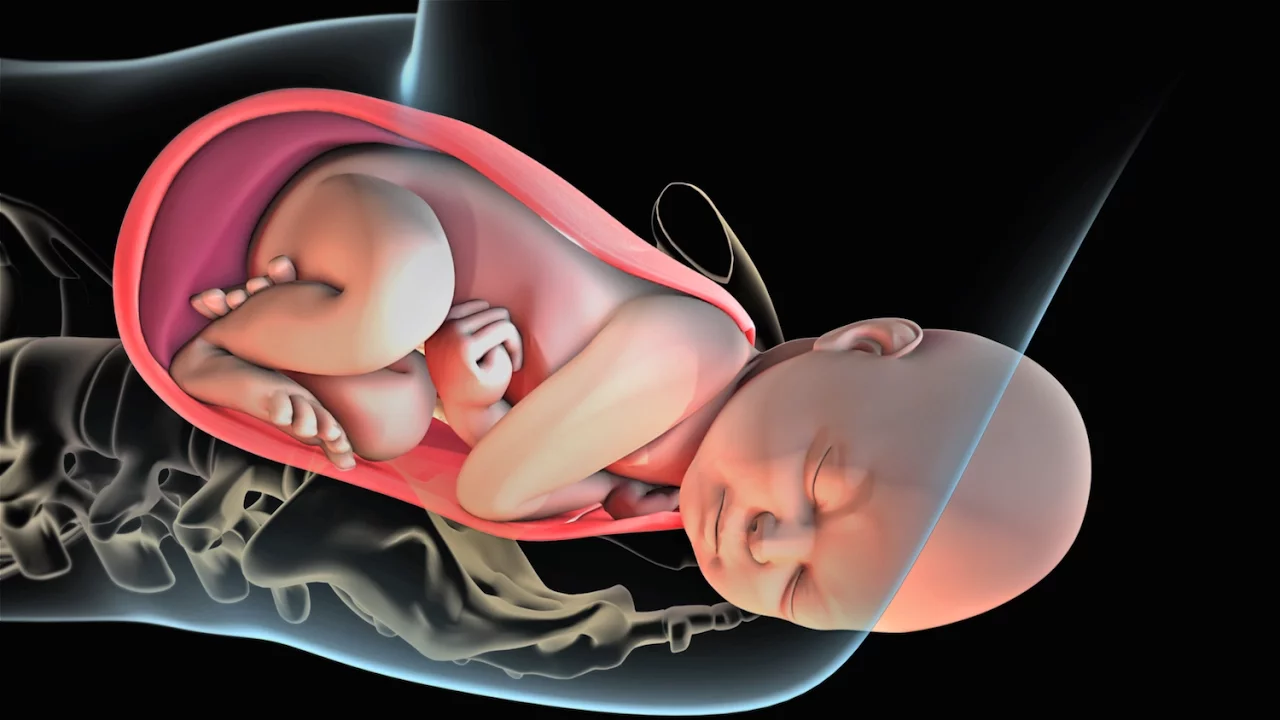
3:05
Stages of Labor and Vaginal Birth | Childbirth Animation
@nucleusmedicalmedia
52.1M views•2017-08-18
Related Study Plans & Knowledge Roadmaps
Structured learning paths in Medicine
medicine
Abnormal LFTs: Diagnostic Workup & Pathology
01Liver Anatomy and Basic Physiology
02Introduction to Liver Function Tests (LFTs)
03Hepatocellular vs. Cholestatic Patterns
+ 3 more learning modules
12h6 modules
Explore Roadmap
medicine
Analyzing Blood Smears: RBC, WBC & Platelets
01Introduction to Blood Components & Smear Preparation
02Normal Morphology of Blood Cells
03Erythrocyte Pathologies & Morphological Variants
+ 2 more learning modules
12h5 modules
Explore Roadmap
medicine
Mechanical Ventilation: Waveforms & Alarms
01Anatomy and Physiology of Breathing
02Introduction to Mechanical Ventilation & Core Modes
03Ventilator Settings and Waveform Interpretation
+ 2 more learning modules
12h5 modules
Explore Roadmap
medicine
Neuro Exam: Localization & Stroke Syndromes
01Foundations of Neuroanatomy and Vascular Supply
02The Neurological Examination: Step-by-Step
03Principles of Neurological Localization
+ 3 more learning modules
18h6 modules
Explore Roadmap