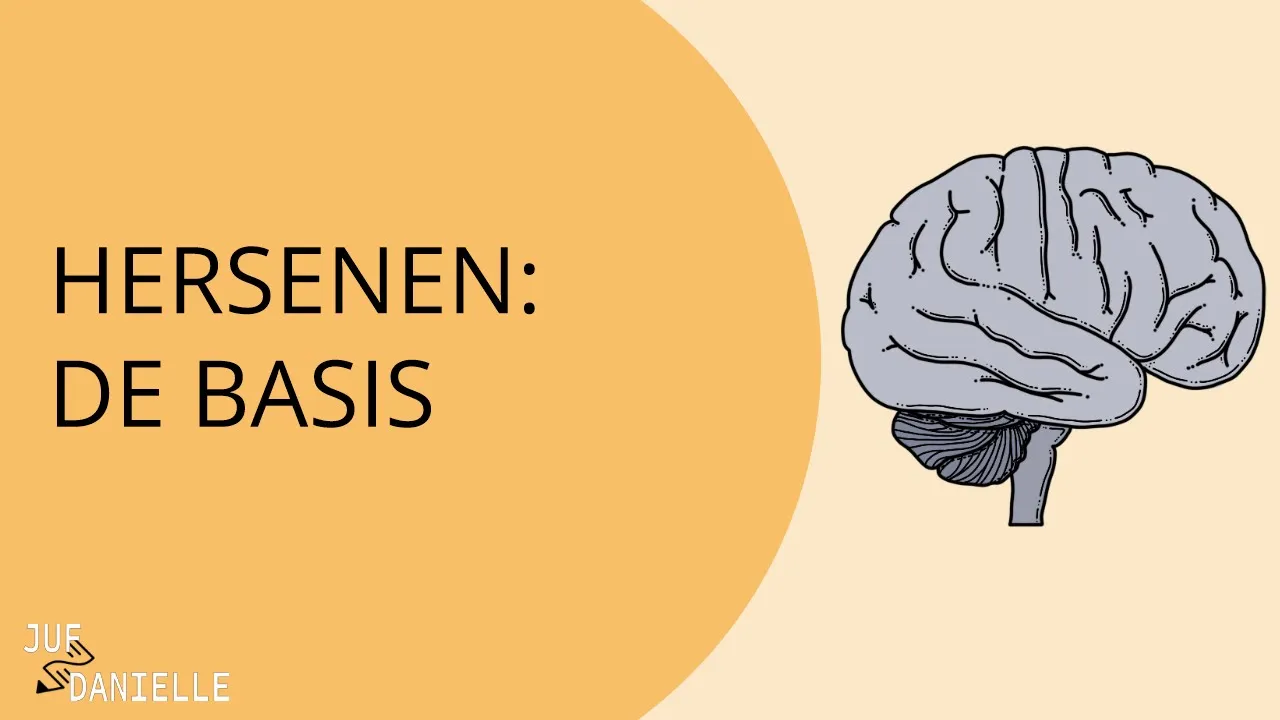
![20220210[ID] Neuroanatomi Dasar Part 01 Feat. dr. Ihsan](https://i.ytimg.com/vi/N1Cbg2w8EtY/maxresdefault.jpg)















Dementia behaviors result from a combination of three factors: (1) parts of the brain that are still working, (2) parts of the brain that are no longer working, and (3) caregiver behavior and environmental factors. Unlike normal aging, dementia is a progressive disease that destroys brain tissue, with at least two parts of the brain actively dying, one related to memory. The prefrontal cortex, which controls impulse control, decision-making, task execution, self-awareness, and perspective-taking, is often affected early in dementia, causing behaviors like inability to make decisions, getting stuck on tasks, or acting impulsively. The hippocampus, responsible for memory and navigation, deteriorates significantly, explaining memory loss and disorientation. Understanding these brain changes helps caregivers recognize that behaviors are symptoms of the disease, not intentional actions, and respond with empathy and appropriate support strategies.
Understanding Dementia Behaviors: Brain Science Explained
Added:all right well let's go ahead and get started because as i promised is 201 and we got lots to talk about so um for those of you who don't know me my name is kelly living cotton i work for promedica senior care i help organize the virtual events for our art and quartz product which includes the one that we're hosting today i hope that there'll be a time sometime soon where we can all get together in person but for right now we're going to have to go ahead and do the next best thing which is virtually so you get to see your little boxes like 3d prints like we are now really sad the pretty much always comes up for me um so um a lot taller than me in real life which you wouldn't know if we were just standing here on zoom but in fact rachel is significantly taller than me i don't remember about you whether you're taller or shorter but i know rachel's a lot taller oh i'm average so probably not but um i want to go ahead and let you know that today we're going to be utilizing the chat function of zoom because we have so many people joining us today the chat function is if you take your scroll down to the bottom of the screen it is in the middle of the screen with a little thought bubble around it just click on that and you'll see a white box that appears to the side we're going to be using that for the question and answer session will be at the end of the session today so that we could get as much information from tifa as possible then we'll do the question and answer just make sure that you have all panelists and attendees indicated at the bottom of the chat box not just a panelist or only we will see it not everybody um the question and answer will be open forum so we're going to try to get to as many as time will allow us to get to so if we don't get to your question i apologize in advance but what i will say is that this webinar will be recorded today so that if you do miss any portion of the webinar what we'll do is we'll send you an email a couple of days after the event with the link to the webinar so that you can rewind or stop or review any portion of today's webinar anytime you want um so let me go ahead and introduce our speaker today which is miss tifa snow is the world's leading advocate and educator in the field of dementia she's an occupational therapist with over 40 years of rich and very clinical and academic experience her knowledge about dementia led her to the development of the jim's dementia classification model and the positive approach to care training strategies her company positive reproach llc was founded in 2006 and offers person-centered training opportunities in the united states canada australia and the uk it's awesome uh tipa's user-friendly approaches provides guidance and leadership for professionals caregivers i mean she just presents information that is a very easy to understand she has many fans including me and so i love it every time she comes and talks to us but also joining us today from tiba's company is rachel volkers who is that way and she will be assisting chief of periodically throughout the seminar or webinar i'm sorry so without further ado let me not take any more of the time let me go ahead and uh introduce rachel and teba welcome thank you kelly hey everybody we are very glad to be with you even though it's sort of pretend but we're glad you're here and we're glad to be here so our topic for today is this question about why why do they do that i mean why does somebody living with dementia do that and it has a lot to do with a variety of things and i'm gonna cover some of the reasons things happen the way they do number one the number one reason i'm giving you a thumbs up is that parts of their brain still work so that's the good news is sometimes they do what they do because parts of their brain are still working take your index finger sometimes they do what they do because parts of their brain are not working so it's a combination of sometimes there are things that still work and there are things that are no longer working and that no longer working do this with your it comes and it goes and so what that means is when it's gone they can't and when it comes back online for a short window of time or maybe a while or maybe just a second suddenly they can and so this function of the brain working and not working that's sort of a hallmark of dementia because dementia is not something that like a stroke where you have a stroke and boom it's gone what happens is the wiring in the brain is sort of frizzy before it stops working and so it's sort of like the light that has that flicker going on and sometimes you can get it to work sometimes you can't there's a dimmer switch and so what this means is it's it put your hand up on your forehead if you want if you're not careful you will lose out you're not a loser but you will lose out on opportunities if you keep wanting what you can't have and you keep expecting what someone can't do if we get better at noticing what they still can do and when things are working or when they're not then we can make some changes because the third thing that quite honestly impacts why people do what they do take your middle finger and point it to you is us and how we behave what we say what we we think how we act how we we react how we respond to someone how we modify or change a situation so we make a big difference but it's in combination with what they've lost and what they still have that we can make a big difference and fortunately if we think it's all about them and us what we'll end up with is not a good relationship because it's a hit and miss sometimes now a couple other things that affect why people do what they do the environment where someone is who's around them what's going on there so we talk about the environment and that has to do with people and what's happening in the environment but also the physical environment in the sensory environment so what they see or what they don't see what they hear what they don't hear what's happening what's not happening the space is it familiar is it unfamiliar and then the last thing that makes a difference in why people frequently do what they do is time of day because it matters some of us are much better at one time a day than another and so that makes a difference but the other thing along with time of day is where where i think i am in a time of day so it's not just where i'm really in a time of day where do i think i am do i know where i am and that again goes back to brain what's working and what's not so i'm gonna dig into this a little bit more but right away i hope what you're getting is i can't give you uh they do this because period it means that it's a complicated situation so each individual who's living with dementia is going to look a little unique each kind of dementia is going to be a little different and each situation can vary so guess what we're going to have to be really flexible if we want to be supportive and we want to be able to handle things well and the problem is yikes sometimes we come into this with expectations based on who people used to be and we're having a hard time adapting and adjusting so what i'm going to do now is show you a few slides because sometimes it's helpful to take a look at information and i will share a little bit of slides i'm also going to share a couple of videos so what my goal for people is to help them understand normal versus not normal okay so that's the first step and notice i didn't say normal versus dementia i just said normal versus something that isn't so normal so normal aging as we get a little older we slow down now the amount of slowing down is about 0.01 percent to 0.1 per year so if i started slowing down at about age 25 which is about what happens we peak it's somewhere you're the fastest you will ever be your brain is the quickest you will ever your reaction times are the best they will ever be at about age 25 or so and after that we slow down a little bit now if we keep in shape it's a minimal slowdown but over the course of let's say 50 years which means if i was 25 what am i now let's see if y'all can do the math and i'm not going to give you the answer until y'all chip in so how old would i be if it had been 50 years and i started it 25 rachel what do we got this is where you have to chat the answer guys k said 70 oh again 75 75 there you go whoa math 101 good job so if i were 75 years old i may have changed up to 5 speed wise so if you compared me to how i was at 25 you would definitely notice at 75 whoa i'm a little slower i may be slower taking in data processing data doing things i'm a little slower in my thinking but the other thing that's reality is that i'm more likely to want to hesitate a little bit before i commit to doing something because over that 50 years i've had life and life teaches you whoa hang on take a look before you go through that stop sign well look a second time before you give somebody money be careful you may not want to get up on the ladder and get the leaves out of the glitter when you haven't made sure that somebody's around just in case i mean so you've learned a little caution with that 50 years of living people who don't learn any caution sometimes don't make it through 50 years but as we put together a 25 year old and a 75 year old what we can find is because our sense of time is a little bit different and how quickly we can do things we can have some conflict just over ah i mean come on grandma let's just get going and it's like don't push me i'll do it when i'm ready what that means is if we're to work with people even without dementia who are getting older we need to take a deep breath and pause so that they have that extra time when i want to have a conversation hey rachel yes i was wondering do you like something hot to drink during the winter or do you like something cold to drink well it depends it depends okay so that was an example of slowing down and and taking it easy hey rachel what do you want to drink because i can get you a hot drink or a cold drink and i just really want to know which one you'd rather have because whichever one now i don't have any soda but what i do have is i have some things that i could put ice in and again i'm not trying to be ornery about it but if my brain works really quick and your brain is not as quick we're at risk for having conflict i want to point out this is all normal aging though this is normal we also may find that as we get older it is much more challenging to be able to accurately come up with somebody's name quickly we know who they are we recognize them we can think often of the first letter of their name and it's like son of a gun what's the author of that book um oh shoot what was that and and so we find ourselves particularly names are our challenge and proper nouns also we have to hesitate it takes us much longer but one of the reasons we know that happens quite honestly is because we have more words in our vocabulary system than we've ever had in our life we keep gaining vocabulary we have more names more people more more details and we can't hold on to everything that's a reality check about getting older and it's not that we're not trying it's that it's harder for us to lay down new pathways that we can access again so it's called we get a little more forgetful in other words it's harder for us to get things to stick unless we make extra effort now when we make the extra effort we can get it to happen but it doesn't automatically stick like it did when we were 25.
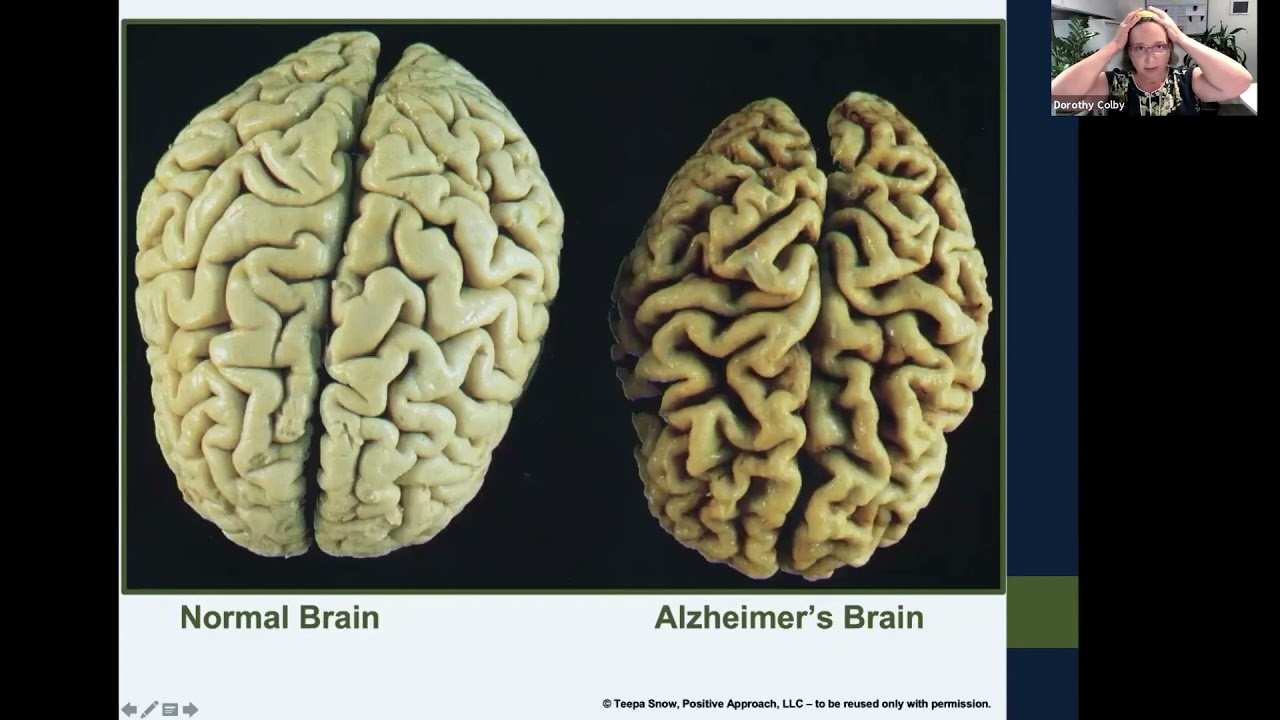
which is a little frustrating if you're trying to learn something new like a language or remembering what i wanted to get at the grocery store and what i needed to and then you get back home and you realize oh i totally forgot to stop by the gas station oh anybody ever done that on this call seeing as how i was just at the checkout line and went oh shoot breadcrumbs and i had just said to myself i need to remember to pick up breadcrumbs and i got to the checkout and i was just putting the card in when i went you didn't get breadcrumbs did you now that was just a conversation i had with myself but it's frustrating when that happens now not normal means that i'm not thinking things through like i used to so i my judgment may be different my thinking through i don't see why i shouldn't get up on the ladder i mean if i fall i fall if i break my neck i break my neck well what if you break your hip well i won't i mean it'll be fine and so i'm just not thinking things through i'm not processing the same i may not be able to do things the way i used to so i used to be able to drive the car and make left-hand turns with good judgment across two lines of oncoming traffic now i'm either cutting in front of people or i'm sitting there and i can't seem to get myself ready to go because i keep worrying about whether the car is coming too fast and so i go through three lights and i'm still not turning maybe i'm having trouble staying in my lane maybe i'm having i mean so you start to notice what is going on here this is different than she usually does stuff i either can't get going or once i get going on something i can't seem to let it go so it's called i either pay too much attention to something or i can't get my brain engaged in something so that could be that i'm sorting things sorting sorting sorting and you say come on let's have dinner no i've got to get this done and it's like well you've been working on it for two hours i know that just and so what you might also notice is what else about me what else might come up as a not normal aging phenomena i knew that word what did you notice besides that i was having a hard time letting go of sorting switching gears we're hearing anger yeah i have a hard time controlling emotion so my emotions may be on a short leash and so all of a sudden boom and it's like whoa but it may not be anger it could be um why didn't you call me i thought you were gonna call me i got really worried i thought you'd been in an accident you're thinking why would you think i was in an accident well because you didn't call i just forgot well why do you do this so in that case what did you notice it wasn't anger what emotion is that one worry or anxiety worry or anxiety yeah so you hear somebody's like whoa what is going on there i mean she worries about everything she's bringing up stuff it's like that's not even reasonable the combination of judgment and distress when i can't figure things out when things don't go the way i anticipate so we may also have the problem where i look at you and man i cannot think of where i know you from and yet you are in the very similar place where i usually see you doing what you usually do there and i am doing what i usually do there this isn't the case where somebody from the faith community shows up at work and you're like huh i know i know you but um what are you doing here and it takes i mean it's my brain is going whoa wrong place wrong person that's normal that's a little like whoa hang on here let me figure this out but it's really looking at you and thinking oh they hired somebody new at work she looks familiar huh have you have you worked here before tipa it's rachel we i mean we've worked together for a long time oh rachel you remember me yes yeah of course i do yeah yeah yeah yeah rachel uh-huh rachel yeah we've worked together for a long time what kind of stuff did you do well we did a lot of uh teaching stuff together oh teaching oh so you're a teacher well not as much as you oh well you know but your your desk cause you probably taught younger kids or something okay so what do you notice my brain is starting to do now so that's the other sort of thing that's not normal what did you notice i started doing they're filling in the blanks are filling in the gaps yeah and we call that confabulating my brain fills in the blank information with fake information it's not accurate but my brain says oh i bet i can explain that and so some people go that's i don't know what you're doing here i don't even know who you are and they become very standoffish but other people will go oh yeah and their brain says oh yeah she must be somebody you know but what i'm saying your brain goes that doesn't really make sense what is she talking about younger people we used to do role play on webinars and my brain is not able to take in and accurately get to the right data so the other um situ not start figment not figment the other um situation well the other situation that happens is when i go to find the whatchamacallit the things that you say you know what i'm talking about the things you say i can't find the one that ideas and so i i i sort of have to do another you know another thing and then it's sort of it's so it's not that bad at first except every except when then i get um either just shut up i get angry or i get anxious then i can't find words and you'll notice that i can get loud but i'm not necessarily making a lot of sense and the other not normal thing is i start get turning getting turned around about time um well that just well i just i just took a shower i just had one i think i must have dandruff and in fact you say no it's been like at least three weeks i think since you had a shower no i just took one so i mean it could be about immediate activities or it could be more i think i'm younger than i was or i could think that i just lose time so i think i took my pills this morning i think so i'm turned around on time now all of these things that i've just described do indicate something's not normal but they don't necessarily mean that the person has a form of dementia so dementia on the other hand it is not normal so it is not part of normal aging it is a disease process it is also more than just being forgetful being forgetful is normal having dementia that is not normal eventually if you do develop a dementia you will not be able to be independent um no matter how hard you try you will not be able to live independently eventually dementia will change pretty much your entire brain in some form or fashion in some way and it spreads through the brain so by by spreading through the brain it also changes how your body works how your brain runs your body what your body is going to be able to do because your body can only do what it does because your brain informs it and guides it and directs it we also know that dementia is not somebody somebody can control so although it sometimes feels like she's doing this on purpose in fact if it's dementia she's not doing it on purpose she's doing it because of what's working in her brain and what's not working in our brain and how we're doing things in the environment and what's what's going on time-wise so that's tricky but the other bad news is it's not going to be the same for every person so just because i've had an experience with my mom and then if my husband develops dementia if i'm expecting him to be like my mom i could be in for a real surprise and if i have my husband who has dementia and then i develop dementia it could be a very different dementia so this gets a little tricky and the reality is when somebody gets dementia they don't have a mental illness however if they get dementia they're more at risk for anxiety and depression but they also will tell you i will tell you that if they have anxiety or depression as a condition they're more likely to develop dementia than people who don't have mental health conditions and it is very real so what we know is it's really hard sometimes so there are four things that are true about every form of dementia that we know about number one at least two parts of your brain are actively dying and one of them will be somehow related to memory the second thing we know is that we can't fix it we can't cure it we can't make it go away and we can't even stop it so the third thing that's true is it's progressive it is going to progress now how fast and where it goes next in your brain vary by dementia and by situation ultimately dementia is a terminal illness it is more for sure than with any other health condition if nothing else takes you dementia will eventually kill you because it destroys so much of your brain that your body can't operate because your brain isn't telling it what to do and how to do it including things like breathing swallowing um sleeping waking the ability to fight infections the ability to move all those things are controlled by our brain so what i'm going to show you are some fairly significant pictures so what we're looking at are two men's brains and the man's the brain on your left is from a man who died in an accident with a perfectly healthy brain when he died now both of these men were in their late 70s 78 79 right in that ballpark they were the same age they actually had the same measurement around their skulls and they were the same they were the same physical size so if i say that your head is the same size you're the same age and you have the same body build what would you tend to think about the brains and we're looking at the surface the cortex the surface of the brain the gentleman over here died with a perfectly normal brain he was in an accident when he died this person died at the end of alzheimer's disease which is a particular type of dementia very common one what do you notice about the differences between the two brains what's different between the two so right off someone said the size the size and color smaller in gaps much smaller very much smaller cool so what do you notice is the same ah susan said the shape ah so the structures are still there but they don't look as healthy they look sort of shriveled up and you're absolutely accurate so what if i were to tell you that the brain over on the right hand side is only one third the size is the one over on the left how many of you would go well it's not that much smaller how many of you are surprised that it's only one-third the size given what you can see i mean it definitely looks smaller but it's one-third the original size by the time people die getting quite a few surprises and wows yeah so what happens is and i'm going to show you this the brain shrinks from the inside and from the outside so we're looking on the outside of the brain and how much it shrinks but it also shrinks on the inside because literally your brain cells are bodies with arms and legs and so many arms and legs i can't imitate that but what happens is when they develop dementia they start shriveling up shrinking up and dying now when they do that they literally pull away further from one another and so that's why you see this it looks like it's actually been dried out and in fact their brain cells that have all shrunken up but here's the part that's true one-third of your brain is still working it just so happens that one-third isn't enough to run you and so truly dementia is at this point the fifth leading cause of death for people over the age of 65.
but many people do not realize it's the 11th leading cause of death for all age groups if we put all the age groups together dementia is number 11 on the list of all things that could kill you dementia is right on up there for all ages and people quite young can die from dementia and people quite old from can die from dementia so what we want to do now i'm going to actually show you if we were to make a cut right across here like we were just sliced to put your hands on top of your your head a little bit like toward the front so i'm going to stand in profile so you can see and you slice down and now you take that front part of your brain and you pull it away so you're looking at the inside of your brain but the front part of your brain so this part right here only what we're going to do and this part right here is we are actually going to look at it from the inside now when you look at the top brain that's that healthy brain you'll see a lot of what's called white matter and gray matter white matter is the white looking stuff and the gray matter is the brown looking stuff and the white matter is the wiring things that wire parts of your brain together and wire your brain to your body and the dark colored gray matter are the storage units where you put things where you have the source storage units where stuff gets stored in your brain so you need storage units which is the gray and then you need white matter which is the wiring to get the information in and out so if you look at this brain up here and you look at this one down here what do you notice as really really changing we have no more wiring we have far less white matter little to no white matter yeah so if you don't have any wiring does it matter what you have in storage you're not going to get to it but if you have a little bit of wiring guess what can happen sometimes i can get to the storage unit but i may not be able to get something out now remember this is the very end of dementia so on average it's going to take 10 to 12 years to go from that fully functional all that white matter down to this is all that's left now depending on the type of dementia you have this part of your brain can be attacked early or it could be attacked later this part of your brain called the prefrontal cortex or the executive control center has six jobs six the very first job it has take your hands put them out and go whoa go ahead and say that this is the part of your brain that allows you to have impulse control it says don't eat that cookie remember you're diabetic don't say that that's mean tipa that's a yellow light pause it's the thing that allows me to be the person i want to be not to act impulsively so it allows me to control me and to present me to you as i want to be it allows me not to say things it keeps me from doing things it allows me to do things that might be uncomfortable but they're important to me the second thing that the front of my brain does so first is impulse control the second one take your hand put it to the very back of your brain that's where you put all your visual data that you take in called your occipital lobe take your hands touch your temples that's where you put everything that you hear or auditory data now take your hands and spread them over the top of your head spread them out way far this is all the sensory motor this is the body brain connection so what happens is this is the part of your brain you send all that data that you took in through vision hearing and sensation and movement and you send it to the front of your brain send it to the front and this part of your brain is what allows you to be reasonable logical and rational with all that data so i looked over and i saw this purple container now when you look at this purple container when i show it to you what what do you notice because that's what this this system is letting you do when i ask you this question the front of your brain is what is allowing you to understand what i said get you to look at this and when i say what did you notice your brain is now working on that information what do you come up with if people are noticing that it had liquid inside liquid in it now if you had the best guess what do you think this liquid might be people think it's water but what if what if what if i was selling like this and moving like that vodka you guys are thinking vodka or tequila yeah because we picked up a rum i guess but you can't smell it if you were closer to me now what happens in the front of your brain is your brain tries to make sense of the data and so being reasonable logical and rational now most of you would not first guess that what i have in this container is going to be vodka unless you know something about me that many people don't i mean not very likely it's hard to do webinars when you drink that much what's the more likely explanation for many people why would there be water in this so this is being logical and rational and you're thinking this through why would i have water in this container so laura said to drink from someone else had dry throat the way you are talking you get thirsty it helps your vocal cords hydrate why did i have it here versus somewhere else for this hour someone said maybe you're working out or you're trying to get your liquid in oh so i might have a plan for that yeah so this is why you all are using those prefrontal cortexes nice work third thing that the prefrontal cortex does for you so the first one was woe control impulses the second one was be logical and reasonable and think things through reach a conclusion that makes sense the third one make choices decide make a decision that's kissed and consistent with your values so make a choice decide so the ability to decide something to choose is handled by the prefrontal cortex so rachel asked me ask me a question etipa yeah what are you gonna fix for dinner for dinner for dinner well what do you want oh i don't know like i don't know you want to do fish or soup well i don't have any fish no fish nope how about soup are you fixing it i could well what kind are you gonna fix well do you like chicken do i like what chicken soup chicken soup i don't know what are you gonna what do you want so when okay so when it starts to feel like just pick or i want fish soup and you're like you don't even like fish so when i make decisions either very impulsively or i can't seem to make decisions i can't choose i just i get stuck i don't know what to do that speaks to problems in the prefrontal cortex i'm having trouble with decision making and a mature adult usually if they're intact and they're in good shape can can choose between five to eight alternatives and then if we get a little stressed we can pick from among three options and then it's either or and then i i don't care just do whatever you want because i get to a place where i can't decide or my decision doesn't make sense now not normal means i'm not doing it the way i used to dementia means when you look at my decision making it just seems like i just either can't decide i'm really stuck on deciding things or my decisions are so not what i've always done that you're just like oh what is going on here but understand it's not going to be static it could be sometimes and sometimes not so now all of a sudden i i'm not going to do that anymore so i'm a person who's always been very much into health and wellness and suddenly i'm eating bags of cookies and ho ho's and i'm not eating regular meals and if you complain about it it's none of your business i can do whatever i want uh you know what am i supposed to do i'm you know it doesn't matter anyway now what i just described could be dementia or it could be depression it's a little tricky here or it could be dementia plus depression and that's why having a health provider who's really skilled and knowledgeable can come in really handy because these things are not just always straightforward so let's go to the fourth thing that the front of your brain helps you with and runs for you so when you make a decision after you make the decision what happens next so i want to make soup for dinner what has to happen it turns out i have to initiate i have to get started i have to sequence i have to do the steps that need to be done so that i finish we have soup and then when i finish fixing the soup i move on to the next activity which is set the table i initiate setting the table i get the soup on the table and then i finish that and i say let's go eat dinner and i invite everybody to eat and and so we go from activity to activity and every one of them involves initiation sequencing finishing and then moving on to the next thing get started do it right finish it off and move on so if i'm starting to notice that somebody either doesn't initiate they're just not doing anything they're sitting in the chair they say they're going to do something but nothing happens they say they're going to get up they don't get up they say they're going to take a shower they don't take a shower they say they're going to change their clothes they say they're going to go and do something with the advanced directives they say they're going to do it they don't do it that signifies i've got something going on in the prefrontal or when i go to do something i'm not doing it right so rather than adding sugar i'm adding salt rather than doing all the steps and baking the cake i never turn the oven on i turn the oven on and i forget to turn it off at the end i put soup in the pot i put it on and then i walk away to go take a phone call because i never finished that sequence before i went to something else so this initiate sequence terminate and then transition go on to something else is one of the areas that frequently will notice wow what is going on here she is making what is she doing that's where we might notice some early signs of something not right but if you point it out by pointing out the flaws what you'll end up often with is an argument or a sense of distress rather than being curious huh so she went to make soup and she never put anything in the pot the pot bird and what i also noticed is when that happened she didn't worry about it so there's a judgment problem in addition and she got really angry when i said something about it it's like whoa what is going on here it's a combination but if we look at the prefrontal cortex realizing wow this is an area that's the last part of your brain to develop children don't have a very active prefrontal cortex they won't get that until their teenage years and even young adulthood is when we develop that and males are a little slower to develop in that area than females it's true i'm just saying don't get upset it's just real they get there it's just slower well some people never fully develop their prefrontal cortexes some of them you know so fifth skill in the prefrontal cortex and this one is actually really important and it's actually in a small part of your brain it's a very small section of brain look at yourself in the mirror like imagine you're looking at yourself in the mirror and admire yourself talent and skill i'm good at some things and it's good you think that because you should be it's good but then look at yourself and going yeah some things i'm not so good at yeah mostly we base it on what's happened in our past so things we've had happen before we we have a sense of whether i'm good at something or not but now what i want you to do is look at yourself and look at yourself in this situation where you are right now and you have to decide do am i good at this or do i need help do i think i can handle this or do i think i'm going to need assistance and it's called self-awareness and how accurate i am and it turns out that about half of everybody who gets dementia is not accurate in self-awareness they think they're fine when they actually need assistance and they think they need assistance and they're fine please i've got to have help tipa you can do this no i can't i'm going to fall so it could go either way either i think i need help when i don't or i think i don't need help when i actually do need help and the term when you're inaccurate is called anasagnosia the inability to be self-aware and it's one of the hallmarks for about half of everybody who gets dementia they tend to underestimate or overestimate and it makes it hard to provide the right support because they're not saying things at all the way we're seeing and it's not denial it's actually brain failure now fifty percent of people do have awareness but that awareness can be really scary and it can be really um distressing and so what we might see is even though i have awareness i may not want you involved i may not want it shared i may not want other people to know it or i may have awareness and i'm really aware um but people could take advantage of that so this isn't like either way is better it's just important to understand notice whether somebody seems to have self-awareness or whether they don't because we want to modify how we help based on what they can do now the last skill in the prefrontal cortex is the ability to see another person's point of view and figure out how to support them and get their point of view and understand why they're doing it and be able to work with them so unfortunately for many people that's one of the first skills that can get lost with this so if we look at this part of the brain and you think about those six things impulse control being logical and reasonable being able to make good choices and decisions based on values being able to get started do something the way you know you to do it finish it off and then move on and do something i mean just being able to get through life and then being accurate in your self-awareness i need help or i'm good to go and then being able to see other people's points of view how many situations do we run across do you think where those changes in brain function are causing a lot of frustration on both people's parts because what i expect to have happen to a mature for a mature adult you're just mom that doesn't make any sense rachel what are you talking about i mean we get real flustered and yet all it is is a symptom of the disease so i'm going to pause there for a second to see if anybody has any specific questions now this is the front part of the brain and unfortunately most dementias have trouble with the prefrontal cortex fairly early in the disease but it comes and it goes it happens and then it doesn't so i'll pause there just to see if anybody has any specific questions on that one even we did have one somebody asked do you still respect the person by asking or you do just do it for them when you ask them they just say i don't know whatever you want is okay i don't care yeah so if i say hey rachel would you rather have something hot or cold to drink and whatever whatever how about if we try something hot and you can let me know what you think of it after you try it okay good morning come on so are you liking the hot or would you rather have something cold that's fine it's fine okay cheers so in that case when the person really is struggling to make decisions what i'll do is i often present the options and say how about we try this and then when they've tried it sometimes when they have the sensory experience then they can choose yeah i like that or uh this wasn't i don't like this if they're still going along then i'm gonna let it go but i'll say well cheers because what i want them to do is drink whatever it is i don't care which we drink we just need to make sure you get hydrated and one of the realities is when you can't make decisions frequently you become inactive because you get immobilized because you can't make choices and you don't know how to get started then and so if they really don't seem to care they may be somebody who cares more about being connected than being right or picking something for yourself as long as you're okay with it i just want to make sure i'm still using language and i'm still offering things and i still how about we try this because i want to form a partnership because if i start taking over everything what can happen is she has nothing to do and then pretty soon i'm feeling overwhelmed and she's not doing much because i haven't figured out how to engage it's tricky though anything else rachel before i move on um lots of other things but i think maybe you should go on okay cool now take your fingers and put them at your temples like you're pushing right into your temples and then tip your hands upwards so your fingers are pointing down now i'm going to tell you if you were to take your right finger just your right not your left just your right and you were to shove it about an inch i don't want you doing that but if you'd shove in about an inch you would hit this area in the human brain so your finger would be right outside here this is your left this is your right temporal lobe this area deep inside is called the hippocampus and you have one on each side this is your right hippocampal area and it has three jobs it helps you learn new things and remember what you learn learn new things and remember what you learn it also helps you find your way go from here to there and then turn around and come back go from here to the grocery store to the gas station come back to your house go to church and the grocery store and come back home so it allows me to go from place to place it allows me to go from the living room to the bathroom to the kitchen back to the living room so it allows me to find my way it also helps me keep up tap your wrist how much time has gone by since how long has it been since so it helps you keep up with time how long has it been since i slept how long has it been since i ate how long has it been since i went to the bathroom how long has it been since i've seen a good friend how long has it been since i was 15 years old how long since and so if you notice what happens to this chunk of brain take a look at all the wiring in this area and that narrow passage out it's this little triangle in here and all this storage unit all this storage take a look at what's left by the end what do you notice is really different what's happened he said flattening the big hole disconnected very little connectivity it's gone it's completely deteriorated yeah look at all that wiring oh my heavens look at this massive amount of wiring and if you notice it's about this trunk of brain now is only one-third the size that was originally was this is the what's called a ventricle this is a little bit of space where you have fluid in your brain that cleans your brain look at how big that hole has gotten and this thing that we're calling we're looking at is called atrophy so it's your brain being destroyed by a form of dementia so rachel what what are we going to have what are we going to have for tonight for dinner for yeah i think to eat or something else to treat it no i don't need to eat to eat oh to eat yeah to eat yeah to eat yeah you hungry or thirsty i don't know you don't know hey tipa yeah drink oh oh a what drink drink yeah okay oh uh drink write down look look look down yeah you see purple or purple yeah yeah pick it up pick it up here there you go cheers cheers do you do i drink it drink it yeah okay now i'm gonna pause because i was i was simulating someone who's pretty far along in dementia or has a particular type of dementia that robs you of the ability to connect information so what did you notice rachel did to support me because part of how i live will now depend on rachel i can't be independent anymore i can't remember things i don't learn new things well but i know whether or not i like rachel i do know whether or not i trust rachel in this moment i know whether or not i want to be with rachel and what i can do frequently is copy rachel but i don't understand a lot of what rachel says to me and i couldn't even for sure know that when i picked this up i should do this until rachel showed me will i be able to think find the bathroom on my own will i plan enough time that i can get there before i need to use the bathroom will i be noticing so many things about myself like oh my bladder is getting really full i had that full i've i had almost all this water in the last two hours boy that's a lot of logical thinking paying attention to data and being able to then remember and keep up with time and then find my way to the space and the place that i need to find so by late in this disease is it now pretty clear why somebody's not going to be able to be independent and is going to need pretty much 24 7 guidance or assistance now it's not like when i'm asleep i need you right over top of me but i may need you to be close by because i could sleep maybe an hour and i think i slept all night and so i'm getting up but i'm not safe because i don't have good balance and coordination oh boy now here's another part of the brain and this part of your brain put your hand heels of your hands to your temples and now take your right one and put it down for a minute because what we're looking at is your left temporal lobe and we haven't cut into it too much we just took it away from the rest of your brain so this is where it connects to the other parts of your brain that hippocampal kind of areas in this mix here but this area right here this chunk of brain that used to look like this it used to be fat and juicy and full of tissue this is all that's left of it this whole section over here is now reduced to just this this is where you have vocabulary the words comprehension ability to understand the words and speech production the ability to say the words so vocabulary words comprehension ability to get the words and understand them and then the ability to say the words produce them and this is how much of your brain was devoted to that and this is how much you have left at the end of of just about every dementia that there is so i'm going to pause there for a second and i'm wondering what you're thinking as you look at the change in language capacity as you think about that and look at that what does that make you think and and what's your reaction to that with your happy little prefrontal cortexes and your visual skills what are you thinking so somebody asked when the person died could they speak at all it's interesting because there's a little tiny bit of tissue left occasionally some people can sometimes it's only a word sometimes it might be a whole sentence interestingly enough there are sustained skills which i'm going to show you in a second other feedback for us so if not i'm going to show you this part of the brain these are still in the temporal lobes this is the left temporal lobe this chunk of tissue up here what do you notice about it this is sort of interesting this is the one part of the brain that we don't see a lot of destruction of brain tissue what do you notice about it look at the size of it over here and then look at the size of it over here what's interesting didn't really change did it that's your ability to hear sound so the brain's ability to hear sound is actually not affected by the disease the wiring across the middle of the brain is affected so i can't tell where the sound is coming from and i don't know what the sound means but i still hear as well as i ever heard now if i had a hearing problem before i got dementia or i develop a hearing problem that's not my dementia i can hear really well so sometimes shut up quit yelling at me it's too loud get me out of here i can get overwhelmed by sound and i don't always know which conversation is meant for me and who's talking to whom in a group and so sometimes in a larger group i can't take it anymore sometimes when the environment gets sort of busy i get overwhelmed sometimes i misunderstand and think the tv is is a conversation i'm supposed to be having with someone sometimes i hear someone else's conversation and think i'm supposed to be involved in it sometimes i miss information not because of hearing but because of attention because i have a hard time paying attention because i can't tell what's supposed to be mine and what's supposed to be somebody else's so restaurants can be a really frustrating place for somebody living with dementia because there's foreground noise and background noise and people living with dementia have a hard time sorting it out so sometimes they just get anxious depressed or angry and they want to get out i'm not i don't want to stay here anymore i don't i don't want to go or they can really enjoy it but they don't spend much time eating because they're socializing because it's taking everything they have to be social so now what we're going to do is take a cut from top to bottom slice right down through top to bottom if you look at this part of your brain up at the top is the map of your body on the brain map of your body and it's sensation in and movement out sensation in and movement out so if you look at that red oval and you look at the one down below what do you sensation in and movement out what does that tell you about the person's ability to move and know what's going on all over their body from the very beginning when they don't have to mention to the very end when they have a lot of dementia what does that tell you when you look at the brain and you're starting to understand white matter and gray matter what are you thinking jennifer just said wow it's like nothing is left of the lower one yeah so if you look at the little ventricles look at how huge they are remember when i said your brain is down to one third its original size and i said it shrinks from the inside and the outside this is the inside shrinking and that wiring this is one side of your body talking to the other this is also your body and your brain communicating with each other which is why i can fall break a hip and i might be able to walk on it you would not be able to walk on a broken hip i could i might not understand what's going on but i might not like how something feels and yet i keep doing something and it's not good for me to do it but i just like the movement i liked that movement and so i may do it over and over including trying to get up to move when i'm not safe to move because i don't have good balance there are also parts of my body that stay really sensitive and some parts of my body i hardly am aware of where it stays really sensitive is right around here right around the tip of my nose my lips the front of my mouth the tips of these three fingers stay pretty sensitive but the other parts of me i may not oh armpits can be really sensitive genitalia and in my groin oh oh ow and the toes and the sole front sole part of my feet can be really sensitive heels not so much so there are some parts of my body i might hurt and not even notice i can run into things i can throw my arm out and not realize i've hurt myself and yet i can be very interested at picking at things or messing with things and so you see me doing these things and you're thinking oh my gosh and you try to use logic and language to get me to stop rather than go huh so i wonder what would happen if i put a lot of lotion on and then took a sports sock turned it outside inside out and put it on and gave her something to pick at like a men's sports or a tube sock and now i've got all these little things i can pick out and pick at and by putting lotion on it keeps my skin from having the hairs move so much so there's all kinds of ways once we start recognizing wow they do what they do because of a combination of what's missing and what's still there so i like to do things with my fingers but i'm not necessarily aware that what i'm doing is risky or dangerous or problematic now you remember that vocabulary comprehension speech production that's your orange circle look at all that wiring and storage remember when we were looking at the outside this is what it looks like on the inside and this bottom one that's all that's left that's all we have that little tiny bit and what that means is if i say to you stand up and come with me not a lot going on there because i'm missing some wiring especially trying to get your body to do what i just asked it to on the other hand this place over here in the right hand side of the brain the right temporal lobe that's where rhythm is that's where all the rhythm related stuff is and so forbidden words are over there every forbidden word you've ever learned swear words sex talk racial cultural slurs ugly words shut up you're an idiot you fat pig all those things are still going to be stored over there because we kept them out of the regular vocabulary section we didn't want them in regular vocabulary we put them over here in this when you're upset when you're scared when you're angry when something surprises you yeah they're still there now with lack of impulse control and lack of other vocabulary you may hear more of them from somebody who you would never have heard that before the second thing however is that you will also hear back and forth back and forth chit chat people can often chit chat or do a little simple conversation and even a back and forth as long as it's turn taking they can sometimes keep up with that or arguing arguing is also a preserved skill because it's no i didn't yes you did no i did not yes you did back and forth back and forth y'all been there then we have the rhythm of speech both the rhythm but also the rhythm of a question tone of voice those kind of things so what we know is if there's a change in frequency intensity or volume it indicates distress or frequency please please please so we're really good at using rhythm to signal i need help or no no no no signal i don't want something so not so much the exact words but how i say the words but also how you say things to me i can pick up on i may not get the words but i got the attitude so you go ah sit down well unless i'm real compliant guess what i'm going to do not sitting down you're not the boss of me so recognizing wow man that chunk of brain is damaged but it still works a whole lot better than the other one and then what we have is the gift and the blessing in this area music poetry prayer and counting music poetry prayer and counting tend to be preserved some aspect of that music poetry prayer and or counting it's very common for somebody living with dementia to still have some of those abilities and so it means that if i use what they have sometimes i stir the pot and they are actually pretty skillful at some stuff and then the very last thing is automatic rhythmic movement so people can often rock or hum or dance better than they can do a planned action so important to have a handle on so the final part of the brain i'm going to show you is the back part and this is where vision is now what happens with dementia is your vision field collapses down it goes from here to here to here to here and then it's just hard for me to stay focused externally so how much data i can take in but also how quickly i pick up on things visual field but also depth perception will be affected my ability to notice objects my ability to recognize and how to know how to use objects will be affected so what does that mean well what did rachel do when she wanted me to take a drink what'd she do to help me she showed me she demonstrated she might also do some things where she might actually use her hand with my hand if we were together so i'm going to pause here because we are believe it or not we're almost out of time and i could spend more time we could talk some more because there's more to learn about dementia for sure but why do they do what they do well because their brains are dying why do they do what they do well because some parts of the brain still work why do they do what they do well because what we do makes a difference and sometimes we want to change the environment and sometimes we need to think about how we're spending time and sometimes we need to be flexible because sometimes it works and sometimes it doesn't so we're going to open it up for some questions because we have a few minutes that we have for questions so i'm going to turn it over for just a second here to kelly to see so she can field some of these questions yep um one of them is why does my loved one regularly do the opposite i asked to pick up a foot and he pressed his heart into the ground or let go of this and he holds it tighter yeah so one of the things that can happen is if i say what i want you to do is let go of something and i try to take it away what i've just done is i've double messaged you because i said let go but what i when i gave it a little pull movement in your hand stimulates what's called a grasp reflex so if i do anything to try to get him to and i'm touching it what i'm saying is this is a really good thing and the person is going yeah and it's mine so if you instead go hey rachel here you go and i offer her something else when she has something in her hand and notice my hand is down that she could lay her thing down and i'm gonna give her this it's called the artist substitution not subtraction so we also want to think about if they i say pick up your foot and they're pushing down i automatically because of my background i automatically start thinking louis body disease because lewy body has a has a feature where when i want to do something with my body opposite is what actually happens it's like ah how can you know when i say pick your foot up he pushes it to the floor it's the miswiring and lewy body gets deep inside the brain and affects the wiring in a major way and then five minutes later it's fine it's like give me a break do you have any suggestions for her she says it's the same person that has trouble with undressing yeah so one of the things to think about doing is breaking it down into small pieces and rather than making so many verbal requests sort of going here you go and show him a new shirt but not with enhanced reach and then say right here and i will say that fine motor dexterity is one of the first skills bilateral is one of the hardest things for people with lewy body often to be able to do particularly on themselves where they can't actually see well what they're doing so we have a technique called hand underhand to get started and usually you only have to do the first button with their hands underneath so you actually your hands underneath theirs and your fingers are doing it but their hands are laying on top and so you do a button and then all of a sudden their brain goes oh i know this and it just continues on its way and finishes it off but you may want to think about getting up with us we do have some videos that we have of how to support people particularly with louis body because it is a unique dementia saying the least uh my mother has become paranoid and thinks her caregivers and i are stealing her money her purse she also hides things including the remote and other items is this typical yeah because what happens is i'm afraid people will take stuff so what do i do when i'm afraid people will take stuff i hide stuff why do i hide stuff because i want people to take stuff what do i forget where i hit it so when i can't find the thing i was looking for guess what happened somebody hit it it wasn't me because i would remember if i hit it i didn't somebody came in here and took it so what we want to start thinking about is a couple of things number one do we need a monitoring system so we can observe where she might put it but when i do go to looking for i said oh so your remote is missing well that's not good so oh you're afraid one of us took your time so when somebody came in and took your purse that's not all right that shouldn't be happening oh tell you what before we call the police i'm wondering if i should look around and see if maybe somebody put it up maybe they hit it somewhere can i can i take a look real quick before we make a call because i want to make a call and then find out it was actually hidden away somewhere well you could look but i don't think you're going to find it so what we want to be responsible for is thinking hmm immediate recall problems fear of others taking things this is a person who wants to be in control needs to be in control is fearing loss of control and can't keep up with what just happened and what's happened recently so that's someone that more important than ever that we start to establish a sense of she needs to be in control if we try to get her to understand that we didn't take it she must have hit it all we do is make her not trust us more and it's really hard sometimes so we may actually want to think about wow so somebody took your purse i hate that so now tell you what let's so tell me more about it tell me more about it invites them to talk about it and although that's probably the last thing you want to do letting them talk about the missing thing and then saying tell you what let's take a look around here before we make a phone call just in case and if we find it nobody says i told you you hit it you got to let go of it and you got to say oh good i am so glad we came across it man but it takes practice and it takes actually some skill development and unfortunately guess what people don't get trained when they get the diagnosis they just get the diagnosis but we're beginning to understand how important it is for family members and staff to get the training deep training that they need when somebody's living with dementia and a lot of our art and course facilities are doing virtual dementia support groups so you can meet other caregivers who have faced similar challenges and get what time tested tips they might have our communities also deal with similar issues with our residents and they can lend a little help too but i want to thank everybody for joining us today i do want to add that a few days after the webinar we will send an email to all the registrants with the link for the webinar uh tpsnow does have an event that she does virtually called ask tipa i think it's wednesdays at 8 o'clock but if i if i'm right but i will also put information about that when we email everybody too so um if you have additional questions that we didn't get to today that maybe you could ask them on one of the wednesday sessions so i want to thank rachel for helping a lot of people today everybody who's out there in the cyber world i hope you stay healthy until the next time that we see you uh i learned a ton of information today and i just i think we helped a lot of people thank you so much you guys are so welcome thank you all right take care everyone stay healthy bye
Up Next

Maintaining Cognitive Function & Brain Health: Science-Based Strategies
@FVRLibraries
168 views•2024-02-23

Graphic Medicine: Comics for Collaborative Healthcare Communication
@nationalpatientadvocate
189 views•2023-12-04

Neuroanatomy: Central and Peripheral Nervous System Divisions Explained
@AKLECTURES
136.2K views•2014-09-20
Stages of Labor and Vaginal Birth | Childbirth Animation
@nucleusmedicalmedia
52.1M views•2017-08-18
Related Study Plans & Knowledge Roadmaps
Structured learning paths in Medicine