






















Cognitive decline and dementia can be significantly prevented or delayed through six pillars of brain health: regular exercise (aerobic and resistance training), a nutrient-rich diet (such as the Ketoflex 123 diet emphasizing omega-3s, flavonoids, and B vitamins), social engagement, building cognitive reserve through novel activities, quality sleep, and regular health monitoring. Key biological determinants of brain health include cerebral blood flow, low oxidative stress and inflammation, proper blood-brain barrier function, amyloid beta clearance, adequate growth factors (BDNF, IGF-1), mitochondrial integrity, and autophagy to clear senescent cells. Supplements like CoQ10, omega-3 fatty acids, magnesium-L-threonate, and herbs such as ginkgo biloba and bacopa monnieri may support brain function when used appropriately alongside lifestyle interventions.
Maintaining Cognitive Function & Brain Health: Science-Based Strategies
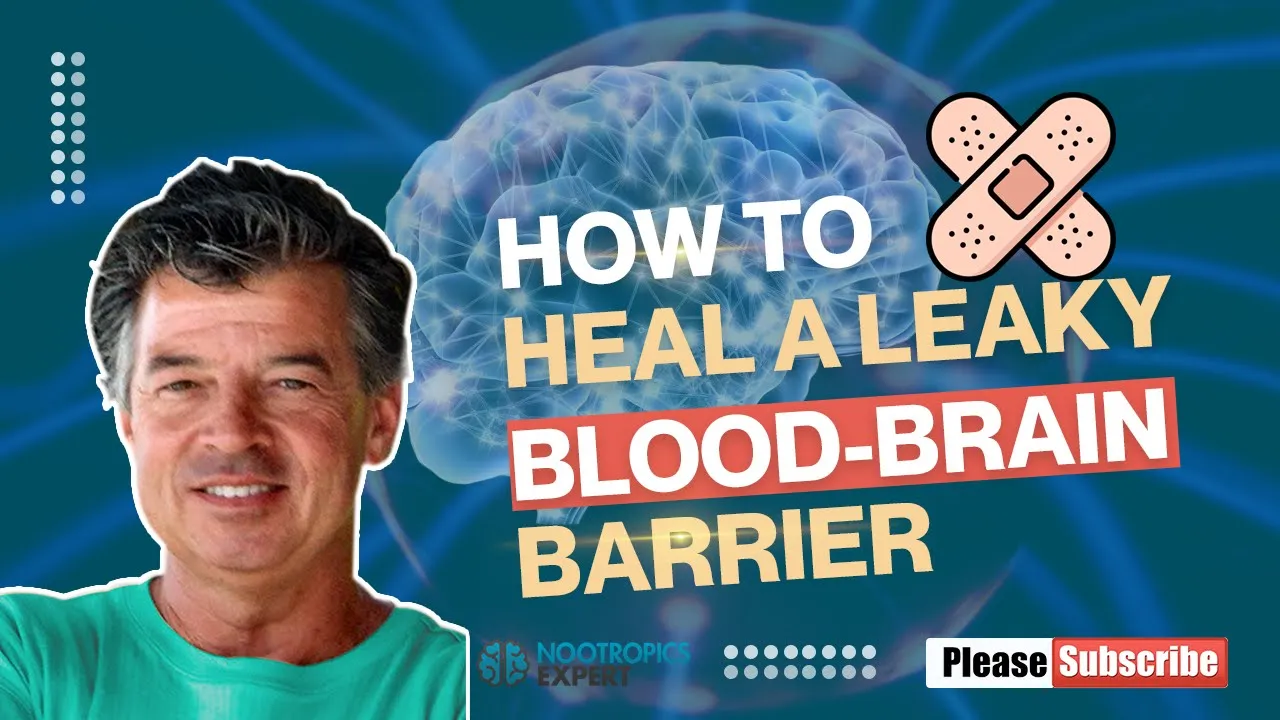
Added:okay um so welcome everybody uh my name is zo I am the branch manager here at the wugo branch uh for Fort Vancouver Regional libraries um thanks so much for joining us tonight for our um maintaining uh cognitive function and brain health um I'm going to ask that everyone um if you are not already muted if you will go ahead and mute your eles for the presentation um we're going to save questions till afterwards um you're welcome to type something in the chat and I will kind of monitor that um but we do want to save all the questions um until the end if there's time um again we are recording this and it will be put up on our website um it'll go out for closed captioning um and so it'll give it a week or so and then it will show up on the website so if there's something you missed or you want to rewatch it or you want to take a look at some of the slides again um we will have those available um for you um okay and I think that's all I have to say so I am going to hand it over to Dr cesil Cox so welcome and thank you hi everybody thanks Zoe uh I'm Cecilia Cox I'm a naturopathic physician and I'm uh really excited to talk to you today about optimal brain health and function um let's see here I need to be able to forward my slides Zoe there it is okay so currently I work at Ripple Wellness Ripple Wellness is a multimodality health clinic that is located in waso Washington they offer naturopathic medicine acupuncture massage nutritional counseling yoga breath work mental health counseling um I will be at Ripple until June 1st this year and then I will be taking some time off and starting a clinic again outside of Ripple uh in October and uh if you are interested in being on the Ripple Wellness um mailing list or if you want notification about my upcoming Clinic I am going to ask you to please put your email in the chat box and we will get in touch with you okay so today's high the highlights of today's talk are going to be the determinance of brain health and the degeneration of your brain um six pillars of brain health um we're going to talk about the things that you can do right now to prevent cognitive decline and how to stay sharp we're going to talk about some testing options and markers that are important to keep track of uh to optimize your brain health and we're going to talk about supplements and herbs and what works and why the information that I provide for you today is for educational purposes only please don't substitute use this for professional medical advice talk to your doctor if you want to try any of the supplements I mentioned or if you want to partake in exercise or uh any of the other activities that I'll be talking about so in my clinic um you know I often have people who come in who have a family history of dementia and they're concerned about their own future risks and they want to know what they can do I also have mo more than often uh people coming in with complaints of and not feeling as sharp as they used to and maybe having some brain fog losing words and they want to know if this is maybe the beginning of dementia early or if this is something else so uh they want to know what they can do and um so in order to really talk about brain health and function we really need to know what's happening in the brain and what happens when your brain is aging uh one of the things that happens is that the volume of the brain declines and this starts early on 30s 40s midlife and the parts of the brain that decline are really um or Shrink are really your prefrontal cortex and your hippocampus and both those are regions that are involved in complex uh mental tasks and in learning there are also more Global changes to uh the nerves generally in your brain to the my sheets and the axons and to blood flow and to the communication between your neurons the good news is that neurogenesis or the formation of new nerves in your brain happens throughout life that was not always thought to be the case um it wasn't that long ago that people would think thought that um you know you had a certain amount of brain cells and that was it but it turns out you can make new neurons and then you can promote stem cells to differentiate um the other part is that neuroplasticity continues throughout your life and neuroplasticity really is the ability of your brain to change in both structure and function in response to experiences that you have stimuli or even injuries so the brain health is one thing cognition is what we normally think about when we think about good brain health and cognition really includes all forms of knowing and awareness and perceiving and conceiving remembering judging basically being aware that you are alive and making your own decisions uh cognitive Health can be maintained and the loss of Health fun uh you know brain function and health and even development of Alzheimer's disease can be prevented or significantly delayed and um worldwide there is a pretty uh good consensus on the fact that for 40% or more cases of dementia can be prevented to me that's astounding so I really want to know and I hopefully everybody would want to know you know how we can do that how can we slow things down how can we prevent dementias in the United States right now um there are or as of 2022 there was 6.5 million cases of Alzheimer's disease Alzheimer's disease uh makees up about 60 to 70% of um dementias there are other forms of dementias of course there's vascular dementias there are um there's Louis body dementia frontal temporal dementia and you know what is just mild cognitive uh impairments or something that we call kind of associate with uh aging um so you know what drives the loss and the damage of neurons and the consequent loss of function well there's a decrease in circulation there's oxidative stress and inflammation the blood brain barrier can become compromised there's a buildup of amalo beta and Tow Tangles and I know amalo beta and Tow Tangles are what people normally associate with dementias or Alzheimer's disease in in particular um but lots of other fact factors play in there's a decrease in growth factors as well your mitochondria um get damaged or die off and I'll explain a little bit about that and then there's a buildup of senescent cells or cells that are kind of useless and damaging um and of course mental health plays a large role in cognition and brain health but that is a a very large subject and and I think a future lecture would be uh what we need for that subject so let's see if I could just figure out how to forward here without hesitation that would be great um so you know given that then the determinance of good brain health these are not all of them but it's a good good amount um is really to have good cerebral blood flow to have low levels of oxidative stress and inflammation we need to have a blood brain barrier that functions well we need to clear out amalo beta buildup and prevent the formation of to Tangles if we can we need to you know have sufficient growth factors and uh there are things that we can do to promote the brain uh the growth factors um so more on that later um we need to have good mitochondrial integrity and we need to have clearance of these senescent cells or useless cells and active autoag so failure to support any of these determinants really drives the loss of neurons and um you know that could be one or many of them the more places that we can add in support and prevention the better off we are we really are looking at raising the bottom line here raising our basine so that if things happen and you will age so that will happen but um there could be other insults as well so the more the healthier we are to start off the better off we are so that's prevention prevention prevention and um it's it's a mantra that I like to talk about uh and mention all the time so let's go through these determinants one by one um cerebral blood flow this is a picture of the blood flow in your brain look at all the arteries and the micro then the capillaries in there it is amazing so the blood flow really decreases naturally with age because of stiffening of arteries and we do get some plaque buildup but if you have for example high cholesterol levels high levels of inflammation and these for glycoproteins that can deposit in your arteries which are the result of high blood sugar levels those all add to dysfunction of these blood vessels and uh then these uh blood vessels basically don't Supply nutrition and oxygen to those parts of the brain and the neurons around that blood vessel don't do so well say for instance you have a stroke or and you have uh you know no blood flow to an area of the brain that part of the brain basically dies um so it's good to have a lot of reserves and a good Baseline to start with um on an MRI you can actually see small vessel disease they show up as white matter lesions and these white matter lesions really uh white matter in your brain it plays a crucial role in just the connections between the neurons they really make up what are called axons and these axons are wrapped up in myin which is like a insulator for those axons and um you know without the myin and without the axon functioning well there the transmission of uh messages between your neurons is is greatly uh slowed down uh this is a picture of a neuron you have the cell body on top that would be gray matter then you have the axon so the message has to go from the body through the max axon to the other neurons and that axon is wrapped up in white matter and it's this white matter lesion that we can see on an MRI this white sheet around the axon is really made by another cell in your brain called an oligo dendrite and um so we need to take care of them as well and and when you have low blood flow the myelin sheath gets damaged it needs a lot of nutrition okay so then the second determinant is really oxidative stress oxidative stress or the formation of free radicals is perfectly normal it happens in all metabolically active tissues and your brain is a very highly metabolically active organ when there's an imbalance between oxidative stress and and our endogenous antioxidant systems then we have uh damage that can occur to your DNA to the proteins and to the lipids in your brain um this is a picture of um basically the things that can cause reactive oxygen species so we already talked about metabolism but then you have the stressors from the outside that also come in bad food pollution heavy metals viruses bacteria all those add to the reactive oxygen species or oxidative stress and then they go to form um these U well they damage your lipids and proteins and DNA and it causes cell death what we can do is we can augment the antioxidant systems that we already have by eating well by taking in antioxidant Foods um and we can suppl with antioxidants as well and of course exercise and several other things can be helpful this is a picture of some of the molecules that causes oxidative stress and the antioxidants that we normally have in our body under physiological conditions this is imbalanced it's it's nicely controlled but when there's additional oxidative stress like we just talked about then this little H Bal this goes into to inflammation there's too much oxidative stress and we create inflammation and inflammation is another determinant of brain health so the brain has its own little immune system it's isolated basically from the rest of your body the immune cells in your brain are called microa and when the brain is healthy these microa are roaming around in your brain and B basically cleaning up debris taking out some Arial stuff maybe some fungus taking care of some proteins you know taking care of dead neurons and just cleaning up household duties but when there's something that activate the immune system in your brain or causes inflammation then these cells actually change and take on a completely different role and they're no longer doing their housekeeping jobs so then energy production can slow in the brain um you can you know have symptoms that look like brain fog slow mental speed slow recall and what I call low brain endurance and I think we all have experienced some of this when we have been sick our brains just we're just have brain fog we call it and so that's you know a high likelihood of this this is what's happening in your brain um and then you know the triggers for this inflammation like I mentioned could be that bacteria viruses uh endogenous proteins iron overload even um cyto or these uh inflammatory Messengers that some of our senescent cells can put out um you know something like a stroke or um a TBI AA traumatic brain injury can all set this into motion so there can be acute inflammation everything gets cleared up everything goes well and you're back to normal but then you can have chronic inflammation and like a sustained activation of of this immune system which then can recruit immune cells from outside the brain which shouldn't really be there and now you're setting yourself up for this um chronic inflammation that's hard to turn off and it is this type of inflammation that's normally associated with neurogen diseases and um you know chronic inflammation happens even with the Aged brain alone the increase in pro-inflammatory cyto kindes goes up so whatever we can do you know to promote Better Health and to provide anti-inflammatory compounds to ourselves would be beneficial other causes of chronic neuroinflammation could be something like autoimmunity um or spinal cord injuries or toxic metabolites this is a picture I love this picture it's uh those microa the immune system in your brain under homeostasis or normal circumstances um they look beautiful they uh do immune surveillance and they support your neurons but when they're activated they actually change they produce um Pro and anti-inflammatory cyto kindes and they increase their phytosis meaning they can eat more stuff they are better Pacman and they can clean up so this can be neuroprotective in acute instances but neurotoxic if it's chronic um so uh the blood bloodb brain barrier is another determinant of brain health and the blood brain barrier is a semi-permeable and extremely selective barrier that separates the blood from the brain's extracellular fluid um it has it's very specialized your nowhere else in your body is this structure seen you have your uh capillary here your blood vessel it's surrounded by a pooy and then surrounded Again by something called estoc sites which are also found in your brain their type of neuron and these uh are allow for certain things to get into your brain and certain things to get out of your brain and um this brain or blood brain barrier is something that for example medications have to overcome they actually have to get across this bloodb brain barrier and that also goes for suppl M ments they also have to cross the bloodb brain barrier a good example for that is for example magnesium the Magnesium that crosses the bloodb brain barrier is in the form of l38 not the other forms so this is a very selective membrane but your blood brain barrier can become leaky from inflammation for examples and other triggers like gut disbiosis viral infections throughout the body environmental uh exposures medications can cause your bloodb brain barrier to become leaky stress can do it and autoimmune diseases can do it and there are others but this is a definitely a good list so when the blood brain brain barrier becomes leaky it lets things in that shouldn't be there it also promotes the production of amid beta the you know and also impairs the transport of amid beta out of the brain um so a leaky blood brain barrier plays a role in neurological and psychiatric disorders including Alzheimer's uh and depression but also schizophrenia and also Parkinson's disease um so again some of the possible signs of a leaky bloodb brain barrier are slowed thinking or lack of focus low energy and anxiety but also depression and headaches and neuropathy can be a sign of a leaky blood brain barrier um amalo beta we are always you know this is building up in our brain but our brain should be able to clear out most of it and um the clearance is critical to normal function when there's a buildup of amalo beta it initiates the formation of something called to Tangles inside the neuron and Tow Tangles when those build up in the neuron that neuron is destroyed and no longer functioning um you know when we think of Alzheimer's disease Focus has been on amalo beta and to Tangles for a very long time but the question is is this the cause of Alzheimer's disease or is this something we see down the line as a result of other things and there are a lot of medication studies on medications that Target amalo beta and they have to date failed to work well and they've been pulled off and Studies have been stopped so obviously there's a whole lot more to Alzheimer's disease or dementia than the buildup of amalo beta and T Tangles however they are involved this is a picture of um this is the the neuron with the T Tangles inside and this is the beta ameloid in here so um then another determinant of good brain health are are growth factors bdnf igf1 and human growth factor bdnf is one of the most studied neurotropins in the healthy and the diseased brain there's a large body of evidence that says that bdnf or brain derived neurotropic Factor plays a big role in maintaining healthy neurons survival of the neurons neuroplasticity and even neurotransmitter regulation so patients with psychiatric and neurodegenerative disorders often have low bdnf levels bdnf is also crucial in addition to something called aetl choline which is a neurotransmitter not a growth factor um to long-term potentiation or the formation of long-term memory this is a picture of how stress and infection can affect your microa and your asides which then reduce the levels of bdnf if bdnf is allowed to attach to the neuron there are intracellular signaling Pathways that promotes plasticity growth and survival of neurons then we have igf1 or insulin growth factor one and growth hormone both of these regulate development of functions of cells throughout our body but as we get older there is a big decrease in this and an alteration in tissue structure and this is also the fact in the brain good news is we can increase these uh growth growth factors through deep and restorative sleep and intermittent fasting and exercise and and supplements and diet and we'll talk more about that later mitochondrial function and health is another really big determinant of brain health mitochondria are little organel that are present in almost all of our cells and they are what generate energy within that cell um without mitochondria you really don't generate much energy at all and a mitochondria also involved in other tasks like signaling and they can also signal a cell to kill itself it can also uh if they are damaged cause a cell to go into cell arrest or growth arrest the mitochondria you know we have like I said the brain is a highly metabolically active organ and it has a lot of mitochondria in there mitochondria can be damaged um through aging and stress and illness and other factors that increase inflammation in the brain in general and these mitochondria can stop functioning well but they can also uh exude or put out uh these signals that damage the rest of the brain so the disruption in the mitochondria then can lead to these ccent cells or these cells that just sit around and aren't functional at all and as I mentioned with aging the amount of ccent cells tends to grow sessen cells are cells that are in irreversible growth and they're associated with both disease and aging and so now there's a lot of research out there in the anti-aging industry and things like that how can we get rid of these senescent cells when they're sitting in between normal cells I always think of it as a you know you get a basket of strawberries and there's one bad strawberry in that basket and it just kind of destroys the strawberries around it well that's what senescent cells do basically they put out all these um signaling molecules and it damages the cells around it so how do we pick these out and get rid of them and so there are medications and supplements that can do this there there research on this there are a couple of cenotic formulas they're called that are have been developed um in the supplement industry um and there are only a couple of companies really that sell them then the other part of you know how do we prevent ccent cells really autoag is one of the mechanisms that we have besides keeping our brains healthy in general autoag is something that happens it's basically essential to cell survival and good function autoag is the ability of the cell to take damag things within it um to take little parts of virus uses and bacteria and to uh basically destroy it and reuse it or recycle it um and autophagy uh happens when the body is under a little bit of stress so for example through intermittent fasting um a better way to look at this really is in this way first of all this is just a picture of a normal cell and a senescent cell uh those ccent cells they won't die they don't kill themselves they just sit there and they're damaging but this below here is a picture of one of the methods of Phagocytosis so your cells amazing as they are they form these little vesicles around these damaged organel they fuse with something called the lome the lysosome breaks the things inside the cells into their components and then the cell can use that to for nutrients and so it's a great way to have a cell survive and function better a a cell that's full of uh debris and non-functioning organs they they function but they don't function well eventually there's so much damage that it goes into syence or it dies so now that we know all these determinant of the brain health we need mitochondrial Health low oxidation inflammation and so on what can we do what can we do now to start building that base that healthy base and build resilience uh towards what might be coming down the road I mean we can't live in a bubble we're going to be exposed to things um we age we have stress we have illness those are all parts of life so what can we do to build better base for ourselves so um there are six pillars of brain health and you can look anywhere all Mayo Clinic and you know all the different universities or uh where they have medical schools they all have these writeups and they all pretty much use these six pillars of brain health so what are they they should come as No Ex surprise because they're generally what you need to stay healthy uh you know with throughout your body but one pillar one is exercise there is nothing you can do that is better for you than exercise hands down for for your brain for General Health for whatever it is you don't have to be an athlete you just have to move when you look at all the blue zones in the world the one thing that you see is that people are active they're not necessarily out exercising but they are active in their Gardens they they walk and and uh you know but we have exercise that we can utilize and uh leverage a healthy diet is of course you know very important to brain Health social engagement is another pillar uh good cognitive itive reserve and neuronal connections is another pillar high quality sleep and Recovery is one and then of course you have to have good health and you know seeing your doctor regularly assessing your health status that is another pillar so on top of these pillars we can build a you know a really resilient brain and and of course I think there's a seventh pillar and that's mental health but again requires really a lecture all on its own so why is exercise good for your brain well it increases the size of your hippocampus and other parts of the brain that are involved in memory and learning it stimulates the release of growth factors bdnf igf1 hormon uh human growth hormone that we talked about earlier it increases circulation and can promote the formation of new blood vessels in the brain it increases the abundance and the survival of brain cells so it's involved in neurogenesis it increases serotonin levels reduces depression reduces inflammation and it increases the number of mitochondria which we've just talked about or so critical to the brain to brain function and and then you know on top of all that there's a direct connection between physical toughness and mental toughness um and you know life can be hard sometimes and we need to be mentally tough and exercise can be one of the ways where that you can use to improve your mental toughness um so what how long and what kind of exercise should you be participating in and basically aerobic exercise five times a week 30 minutes at a time is recommended but even twice weekly has been shown to be beneficial to to brain function then we have resistance training which improves several asp aspects of cognition and there's a direct correlation between grip string and cognition uh and dementia and also LIF span um there's marked improvement in memory and memory related tasks when you do resistance training uh a couple of times two to three times a week is enough there are also other types of exercises that confer additional benefits you know high intensity training and things like that but I'm not going to talk so much about that these are just general recommendations for aerobic and resistance training um this is really a composite of 20 students uh on your left there is a picture of the students taking the test after they've been sitting quietly on the right of same students taking the same test when after they've been out for a 20 minute walk so as you can see the you know the function of the brain is a lot better after you've been active this is another picture of how physical activity affects your brain health it increases bdnf and blood flow it's antioxidant it increases plasticity of the brain increases white matter Integrity brain volume and functional connections then of course uh there's the diet the second pillar that we mentioned and um you know maintaining a healthy diet so food and nutritional uh and nutrition are essential basically for for brain health uh drivers of cognitive decline including all the parameters that we've talked about oxidation inflammation leaky BBB mitochondrial dun dysfunction all these are influenced by your your diet um you know you can leverage your diet to improve and optimize brain health and I'm not just talking about prevention of you know Alzheimer's disease and dementia but also day-to-day functioning of a of your brain one of the diets that has been proposed as a really good uh diet for prevention of Alzheimer's disease but also in general you know brain health is the ketoflex 123 diet this diet has been promoted by Dr breson Who is the AL author of a book called ending Alzheimer disease and the diet has also been adopted adopted by The Amos Institute of brain function of optimal brain function Dr Amos is a a neuroscientist and a psychiatrist um that has has been um involved in um uh that has been involved in you know lots of research has written plenty of books I'm going to go grab my um I have to go grab my charger just a minute it would be highly embarrassing to lose you all okay all right so uh micronutrients that are good for the brain flavonoids they're anti-inflammatory and antioxidant support blood function increases bdnf essential fatty acids are really important because they are integral to the neuronal cell membranes and also the mitochondrial cell membranes um they're involved in synthesis of uh brain neurotransmitters as well and you know studies show that people with a low omega-3 index uh have an increased risk of dementia um B vitamins are also really important to brain function folic acid vitamins B6 and 12 reduce levels of homocystine homocysteine is a toxic amino acid that's linked to an increase in Alzheimer's disease and stroke um it's an inflammatory marker that can be tested in your blood adequate intake of folate and b12 are also important for the myin sheath and B1 is really important for maintaining uh what's called a nerves membrane potential and proper conduction through your nerves uh in the brain um B1 can be depleted by heavy alcohol intake for example and there is actually a disease called corov Dementia or Madness that has is linked or is caused by a B1 deficiency and has been seen in people who are heavy alcoholics long term deficiencies and selected B vitamins have also been linked to things like depression and anxiety um this is just a slide that you can look at on your own it just Bas basically tells you a little bit about common dietary flavonoids and where you can find them and then of course other important nutrients include minerals antioxidants such as cutan and lcarnitine lcarnitine is interesting because it's like a little bust that shuttles fatty acids into your mitochondria so that your mitochondria can use it for energy production CoQ10 is a great antioxidants we we make it in our bodies and the same pathway actually that makes cholesterol um it's an important part for ATP or energy production and it's an important uh antioxidants and we have all our vitamins that are both fat soluble and we have water soluble uh vitamins and they are uh you know work on different parts and different parts of your cell and your body amino acids like tryptophan tyrosine and phenyalanine are important in the brain um because they uh can cause changes in things like sleep and appetite and pituitary hormone secretion even blood pressure um and then of course your brain uses glucose for um its preferred uh food you can also use ketones and everybody has heard about the Ketone diet and are really actually very good for your um for your brain and when we go back to let's see here ketoflex diet um that they talk about intermittent fasting which promotes ketosis and they talk about fasting or eating within a 12h hour window or less during the day and to stop eating 3 hours before bed because those 3 hours plus your bedtime of fasting uh dur during that time you'll form ketones and ketones are nice and anti-inflammatory for your brain and your brain can actually use ketones for energy along with glucose it cannot really use anything else um okay let's move on here let's see where was I okay yeah this I love this picture because it shows that there are receptors for vitamins on your neurons and um and then you can look at this yourself if you want to um but there are signaling Cascades that then go on to promote the health of the neuron this is a case study that I pulled from Spectre cell Laboratories and this was the case of a 44 year-old female who was complaining of memory deficits um she didn't have any chronic uh illnesses really she had a lot of pain and she was treated for that um but she had no increase in headaches she didn't really have any neurological symptoms um but she had memory deficit and at some point even had difficulty in like she forgot how to spell things or how to write certain words so her physici ordered a nutrition panel for her and found several nutritional deficiencies corrected for these nutritional deficiencies and within six months she no longer had these deficits now in her case we can look at her medication list and go H because a lot of medications rob you of certain nut nutrients so you know n nutrients being as important as they are to your brain you know we we really want to know where we stand here you should be okay with a healthy diet but for people who have you know unexplained memory deficits who are on multiple medications or who might have gi um distress like IBS or IBD or are in proton pump inhibitors and aren't absorbing necessarily uh the nutrients from their Foods it's a good idea to check your nutrition status and I have um a list of blood tests later on that we can talk about more about this shout out to the gut of course because uh your gut produces more than 30 hormones and signaling molecules um that influence a lot of functions including brain function um some of these molecules get into your uh circulation and they go up to the brain and actually cross over the bloodb brain barrier and others act more locally so the kind of end terminals of your vagus nerve in your gut they can affect directly the vagus nerve and then that vagus nerve can transmit messages directly up to your brain from that so um in addition to making all these hormones and signaling molecules that can serve us um you know they you can also have gut disbiosis and um with that there is an increase in these lipopolysaccharides which are basically just me like partial membranes of bacteria and such and with gut disbiosis you also have an increase in inflammation um overall in your body and that can cause blood brain barrier permeability uh so it's important to pay attention to your gut health and a healthy diet lots of fiber um low stress exercise many ways to do this this is is just a picture of your brain how it influences our digestion and then again how our digestion can in turn influence the brain um I love this cartoon because I think most of us know what we're supposed to do uh but then our heart or habits or whatever you want to call it um fight that little you have to fight with that you know but we have you we have a prefrontal cortex we have cognition and we can use that to change our habits and to change our neuronal patterns and um you know get to the point where these habits that are good for us uh become just another thing that we do we don't even have to think about it um another one of the pillars of uh brain health is staying socially connected socializing actually stimulates attention and memory and then strengthens your neuronal Networks um you you know you're just out there laughing and having a good time and being with friends but your brain is hard at work while you're doing this um you know being socially active can be stressful for some people so uh but you know withdrawing from social life is really a risk factor for dementia and really all cause mortality lots of studies on the fact that social isolation leads to earlier death and earlier onset of cognitive decline um then another thing that we can you know build as a pillar for you know PR preserving our brain is to build reserves and cognitive reserves brain reserves really refers to the structural part of our brain the number of neurons we have and the milon sheet that we have and the blood flow that we have whereas cognitive reserves it re really refers to how efficiently we make use of that brain Reserve so um the cognitive reserves can be things like our education literacy occupational attainments uh leisure activities Hobbies things like that and those individuals with higher cognitive reserves are thought to a be able to accomplish more for any given level of brain Reserve so it's like money in the back in order so think of it this way if you have one road to go somewhere that road gets down damage you can't get anywhere if you have several roads to get somewhere one gets damaged you still have all the rest of these roads to get you to where you need to go it's the same thing in the brain you build up cognitive reserve and brain Reserve so that if something happens you've got plenty other options um in order to build cognitive and brain reserves you really need new and novel activ ities so if you're an analytical person try something like arts or dancing or you know something that that requires a different way of using your brain if you are a very artistic p uh person and you don't like a lot of analytical things you know sit down and try to do some of those tasks learn a new language play games uh you just have to get out of your comfort zone in order to build cognitive Reserves and doing this even promotes the health of the oligo dender sites that build the mileage sheets that we talked about earlier so uh lots of benefits there this is a picture U of A person with low reserves and a person with high reserves and it takes longer first of all to start the decline and when you do start the decline um it you know the onset of AD neuropathology comes on a lot later or incidents of dementia comes on a lot later um then a pillar another pillar is sleep of course you know uh everybody knows that sleep is important to overall health and mental function but there are processes that happen at night that don't happen when in the daylight hours or when we are awake that have profound in um profound effects on our our U brain health and cognitive Fitness it's the time when we clear out our amalo plaques for example I found this very interesting there is a system in our brain called a glymphatic system and this system really wasn't discovered until 2010 2012 so it's a relatively new discovery but it's a system outside of our circulatory system that promotes clearance of amalo beta metabolites and even brings in nutrients to the brain uh the what I find uh you know interesting about sleep and cognitive function is that this system doesn't it's basically disengaged when we're awake and only active when we're sleeping this is a picture of that system um that you can take a look at if you want to um and you know speaking about sleep and how important it is when we talk about when people come in complaining of insomnia we have to look at all the factors that play in and we always talk about about sleep hygiene as the first thing so are you avoiding alcohol four to 6 hours before bed are you avoiding electronics at least an hour uh do you have a cold and dark bedroom our body temperature is supposed to drop 1 to 3 degrees when we're sleeping if we are fighting against that natural process by wrapping ourselves up in super warm covers and a cozy bed and pajamas and night cap you know all the stuff then you know you your body is constantly trying to cool you down so you then you sweat and you wake up um of course there are times in our lives during like menopause and things that you can't really control that very much but most of the time you can help out keep it dark and cool in your bedroom establish a bedtime routine and you know something like reading a book or taking a bath and then you know look at your sleeping situation are there two-legged or four-legged animals in your bed and I I find it interesting a lot of people that come in with insomnia when we start talking about it they have a dog or a cat or something like that that disrupts their sleep all night long and if this goes on for long enough it will have a negative effect on your cognition and even on your ability to just function the next day cognitively so um you know think about it um get rid of those little um obstacles to good sleep or at least do your best I know it's nice to have your pet in your bed but you get about an inch to sleep on uh and they move around all the time then maybe it's time to think about putting their bed next to your bed and not in your bed um then you know if you've done all the things sleep hygiene is good you do all that then and you still have sleep problems then you need to assess your overall health status consider uh medications are you taking some medications that might be affecting your sleep uh if you're have anxiety or depression or you're extremely stressed seek mental health counseling try hypnosis um assess your stress levels at work see what you can move around so that your life is more manageable and then consider your circadian rhythm you know getting up at the same time going to bed at the same time getting into daylight as soon as you can when you wake up you know get have a dark uh you know room so you can promote melatonin uh production and sometimes or oftentimes I'll have to send people in for a sleep study and I love this I always think about this like you know going in for an in-house sleep study they hook you up to all these wires and then they just tell you to sleep normally and I never understood how you could get a good study from that but but that's how it's done other ways to rest would be through mindfulness and meditation and spiritual practices and research shows that people who meditate about 30 minutes a day for eight weeks have an increase in the brain matter that is associated with memories a self sense of self and empathy but also a reduction in the gray matter that is associated with anxiety and stress and meditation doesn't there are many ways to meditate and it doesn't have to be so hard and you can work your way up to 30 minutes you know sometimes running or walking in nature can be meditative uh it's it's not like you have to sit with your legs crossed and you know chant M that is not necessarily the only way to meditate there are many ways to do it um you know mindfulness is a state of active open attention to the present so when people come in and they have memory issues I always think about focus and in our days uh we are so busy and um we have our brain is full of the things we should do have not done need to do um and we're not really staying focused on the task at hand and you know that does not allow for good memories to form and I always think about this when I'm with my grandson um and I want to make the most of it and um I I clear my mind I really do when all these things come in from the outside and you know I should be doing this I need to be doing that it there's it's useless I don't want I'm not going to be doing it I'm going to be with my grandson I want to enjoy it so getting training yourself to really observe what your thoughts are doing and stopping all that just you know observing it is enough to help you stop letting all these extra thoughts come in and it's the same at night at night you're in bed you're going to be sleeping there is nothing you can do about the things that you know you have no control over while you're in bed so training your brain to kind of get rid of this uh mindful uh noise that we have is a good way to keep good cognitive function and to have daily good cognitive function um I want to talk about hormesis just briefly because we talked about autoag and how a little stress can be good for autophagy and hormesis really is a small physical stressor that upregulates your body's natural defenses and abilities to do things well um small stressors the easiest ones to implement would be things like um intermittent fasting uh super cold showers uh high-intensity interval training not for everybody but those are distressors that can be good stressors and that can increase autoag and help us clear out those um damaged things within the cell so little bit of stress is okay a lot of stress not okay I want you to consult your physician if you considering sauna or epoxy training or or you know interval training or anything like that um that not it's not suitable for everyone Okay so we've talked about the determinance of brain health we've talked about the six pillars upon which we can rest you know and have a good Baseline for whatever might come our way now I'm going to switch gears a little bit and talk about the various tests so that is another pillar like see your position regularly and know your health status so the blood test that I recommend would be an advanced cholesterol panel regularly pcps test your cholesterol but not uh to the degree that I like to test them and that they should be tested uh we need to know what your LDL looks like is it dense uh is it small is it oxidized we need to know what your APO B levels are and your l PA levels all those things are risk factors that are associated with cardiovascular disease and dementia alike and you know other diseases as well you want to check your inflammation markers we talked about uh homosysteine hscrp is another inflammation marker if you have a family history of Dementia or Alzheimer's disease you can get the apoe genotype uh tested you can test yourself as a genetic test um and apoe there are four variants that we know of 1 two 3 and four and APO E4 is the one that's associated with dementia um you should be checking your blood sugar levels through hemoglobin A1c check your liver and uh your um kidney function check your CBC you shouldn't have anemia or too many red blood cells or too few platelets or too many platelets um fertin is another good thing to check because iron overload is detrimental to the brain but too little iron you don't get a good amounts of oxygen transferred to the brain um you can test your insulin growth factors it's not done very often uh get your nutrition tested generally the primary care providers and your insurance company will only cover a few of those um but you can order tests and pay for them out of pocket you don't have to do this annually but if you have certain illnesses it's or even if you're just generally interested in your nutrition levels um I use neutraal it's an excellent test it uses blood and urine to evaluate for your nutrition very very broad evaluation uh make sure you check your thyroid hormones and your sex hormones both you know all of these hormones are really important also to brain health um there is a test you can get for cyto kindes which are these inflammatory SE signaling molecules they're not done very often but in some cases they can be done and then food sensitivity and food allergy tests can be done because we've talked about how important gut health is to brain health to reduce overall inflammation to keep a good blood brain barrier um this is a a slide on apoe that you can look at and why apoe is important why apoe4 is tied to Alzheimer's disease um you can look at this on your own and if you're interested there are also stool tests that you can do for gut health your microbiome can be assessed you can get a comprehensive functional test um and you can get a test for inflammation called Cal protectin and you can even check uh for leaky uh leaky gut um permeability or a leaky gut uh through zulin um urine tests that are available um there are you can test uh your heavy metal burdens through urine and you can test uh microt toxins through urine every day we ingest microt toxins they're found in all the grains anything that's stored think about all the transport of grains on big ships and whatever there's going to be fungi there's going to be microt toxins in what we eat so uh I always you know think that a variety of foods is good because if you eat one thing all the time you're getting the same Mico toxin over and over and over and over again and these can build up and cause problems neurological problems and a myriad of symptoms that really are um you know can be hard to kind of figure out organic acid testing is another way to test uh for metabolites and for nutritional deficiencies you can also check your hormones through urine and you can also check your cortisol levels through urine interestingly enough High cortisol levels causes a reduction in bdnf then we have salivary testing you can test your cortisol also in Sal in um in saliva and then of course you have all the a lot of genetic tests that uses a cheek swab and there are multiple uh genetic tests that you can do and there are many reasons for running genetic tests so it's something that you'll want to discuss in detail with your practitioner if you're interested in that um other assessments there are functional MRIs there are MRIs with volumetric there's actually a place in in Portland that does this insurance doesn't like to cover it even though both MRI with volumetrics and amalo pet scans have been approved by the FDA for evaluation of dementias um they're not covered by your insurance companies but they are available then there are cognitive assessments that can be done and this usually happens once you hit 65 they'll be hitting you with these cognitive tests when you go in at least once a year uh to your primary care provider lier there are many of these cognitive assessments and if you need broader cognitive assessments say there is a a suspicion that you have early uh early signs of dementia there are additional tests that you can do then there's a coronary calcium score if you have plaque buildup in your coronary arteries or even in your uh cored arteries chances are you have some calcium build up in your brain as well the hearing and vision testing is important because actually loss of hearing has been tied to earlier uh cognitive decline do a sleep study if you're not sleeping well know your BMI and get your blood pressure checked regularly then so that was blood tests urine test stool tests all with the thought in mind that either you figure out what's going on and why you're having memory deficits or you monitor for prevention Which is far more important by the time someone has signs and symptoms of dementia the process has been ongoing for 15 years 10 years at least so this is something you want to do on you know continually the six pillars of Health you know which includes uh you know regular testing of your parameters and uh you know talk to your doctor about this you know push the button a little bit you know you you are the one that decides what happens to your health and so you know with a little bit of push some doctors are willing to maybe do some additional testing for you otherwise see an ND see a functional practitioner and get these blood tests done so switching over to brain boosting supplements woohoo um so CoQ10 you can supplement with CoQ10 as we age these things get we make less of it if you are on a Statin you make less of it so CoQ10 improves mitochondrial function and is a powerful antioxidant 200 to 400 milligrams per day is perfectly safe you can even 50 milligrams a day for some people um acetal lcarnitine is another neuroprotective supplement we also this you get from meat actually and we we make it but again lower levels as we age it's neuroprotective it's also heart protective uh it helps maintain good M mitochondrial function then we have alphal lipoic acid which is a powerful antioxidant and is active you know fat soluble so it actually works with your neurons then you have CDP choline which is a phospholipid That's essential to brain health I think this is one of the more important things to supplement with if especially if you've had um you know a concussion or something like that or a stroke or uh other neurological conditions CDP choline also just for General brain health then you have your omega-3 fatty acids I always recommend omega-3 fatty acids there are actually receptors on neurons for DHA that's how important it is to your brain and so uh um let's see the other part of the Omega the EPA diffuses uh without receptors into the brain but DHA actually has receptors um you know it prevents oxidation oxidative stress anti-inflammatory and it forms something called protectant that help protect your neurons and um then you have torine um toine is uh kind of like an it is an amino acid we make torine uh we can eat it get it through food um and you can supplement with it it's important for um mood even and for appetite regulation uh so it's a really important uh has really important functions in your brain it's also antioxidant improves energy improves neurogenesis then we have magnesium al3 inate which I mentioned earlier is the type of magnesium that crosses the bloodb brain barrier magnesium is involved in up to like 300 enzymatic reactions and it is necessary for the proper functioning of your brain and nervous system and there are studies out there that show that people I think this is a study people were 70 years or 75 I can't remember exactly um that took magnesium Linate for a certain amount of time and they had improved cognition across the board I take magnesium l38 it helps with my sleep too then there's creatine creatine most of the time we think about creatine we think about muscle you know bodybuilders and things like that but creatine is essential in your brain um it's essential if you had a concussion or M traumatic brain injury or something like that it eases the symptoms of depression and a lot of people now are saying that taking you know five grams of creatine daily improves cognition and mood and is helpful regardless of age um then you have b vitamins like we talked about earlier and the importance of them for methylation um for neurochemicals for signaling uh and then we have NAD plus which is kind of on the market nadh NAD plus and nadh is just another um energy molecule basically and it's big in the anti-aging uh industry I use NAD plus before I work out and it helps me um with my energy when I in my workouts I love aex anthon aex anthon is capable of crossing the blood brain barrier which we talked about it's really important to know which antioxidants cross and which do not uh as the Anon does it's what makes the red color in salmon for example and in all crustations that's ASX anthon that does that it's one of the strongest antioxidants in nature you only need 6 to 12 milligrams per day this has been around for a while but it's kind of become more popular lately again in the um in the in the supplement industry then we have bile acids or um tudca and most of the time we think about bile acids as you know helping us digest fats but bile acids are also have important functions throughout the body and actually has been studied for um Alzheimer's disease and there are some favorable outcomes of those studies so uh it's anti-inflammatory anti-apoptotic antioxidant um and then we have aigin aigin is not a common one that you see out there but it's found in chamomile artichoke passion flour it's procognitive uh neuroprotective it can help people who are on opioids to help it helps prevent the the need for more and more so it prevents that kind of building up of Tolerance um it's also helpful for um misfolding of proteins then you have neuros silk only a couple of companies that sell this very new on the market it basically is b b amid blocking it increases bdnf and it decreases intracellular calcium I don't want to go into uh kind of the details and the biochemistry of all of this we don't have time um but intracellular calcium levels are important uh and then we have green tea derivatives for example and there are multiple more but this is a really good list and of of tried true and proven through studies to be effective supplements then you have herbs like gko and always use that when there is a need for extra blood flow um and um vascular dementias in particular uh can be helped by this then there's lion Ms Lion's man a picture of that is down here it's a really funky looking little mushroom um it has special compounds that stimulate the growth of of neurons then you have hoine a which is Chinese Club m and I believe this second picture here is picture of that um and that basically increases acetal choline which is a neurotransmitter that is necessary for forming memories then you have boba boba monary long-term use of this has been um tied to improved cognitive performance it also increases Gaba and modulate serotonin and helps nerve transmission Rosemary amazing herb it's hard to find this kind of a a source that crosses the bloodb brain barrier but when it does it's excellent It's antioxidant it's also anti- tumorogenic generally uh anti notive so it decreases pain and it can um help with anxiety and sleep then you have ar straggas ar straggas is what we call an adaptogenic herb um but preclinical stud studies uh suggest that it may preserve learning and memory memory and I've actually found additional studies on an extract of estragos called estragos side 4 uh and in that it actually can reduce the buildup of plaque in arteries so it's hard to find I think there's only one supplement company that makes it uh aagide for that is but you can take aragos and estragos is really good for you know stress and uh for adaptation to stress so um overall just a great herb there are so nobody wants to take a million supplements so of course use the pillars as your main focus and then supplement as needed and that can change with illness it can change with age it can change with you know whether you have nutritional deficits or don't eat certain things and what your diet looks like uh if you on a ketogenic diet you need certain supplements if you are on a vegan diet you need certain supplements so you know kind of help your doctor can help you kind of maneuver that and so that you're taking what you need and getting what you need there are combinations of things that are found in various um you know Brands Ultra brain by energy blueprint Labs uh the neurological formula that is by intelligent neutraceuticals my company um then we have cenotic formulas um through life extension and then you have formulas for Focus support through ntic Naturals and there are a Mirad of these on the market so um not you don't have to take every everything for your brain separately you can combine it into one supplement um always think about your medications when it comes to brain health uh there are certain medications that have been tied to dementia one of them is anticholinergics this is a broad kind of a category of medications but they're usually they can be used to treat incontinence and depression muscle spasms even allergies um you can buy some of these over the counter so watch what you're taking uh hypnotics have certainly been tied to uh dementia uh those would be benzo diip beines like Xanax or ambian for sleep or orexin drugs for Sleep proton pump inhibitors have also been shown to cause proteins like uh beta amid plaques to build up in addition to that proton pump inhibitors prevent absorption of certain nutrients so if you're on a proton pump inhibitor and you have no choice to be but to be on one and then you know make sure that you are um supplementing with things whether it's be a B12 injections or taking extra oral B12 um you know and and talk to your doctor about that pain medications they have been associated with with whether it's a cause or a result of it we just don't know because people with pain have uh increased risk of dementia and people with pain use pain medications so it's a little hard to tease that out then you have anti-choicers of course um that you know alter really the structure of the brain and are definitely tied to um cognitive decline so you know building resilience through you know the six pillars supplementation if you need to and you know kind of concentrating and looking at all those determinants of brain health that we looked at is a great thing resilience also means you know going with the flow as things change as things happen in your life not letting that one thing kind of put you back and make you depressed and not want to do all the other things that you can do we need to be flexible one of my patients has a friend who said aging was like playing a game of wacko you whack some something comes up and you whack it then something else comes up and you whack it so you basically just have to be res learn how to be a little bit resilient um you are stronger than you think there are a lot of myths about aging that we kind of get wrapped up in oh I'm getting older so you know I won't think as well that does not have to be the case you can still move find a way to do it um you can still socialize find a way to do it um you know you're stronger and more resilient than you think um there are some great books out there and some wonderful podcasts that I have listened to and read and there's a list of them here so please you know seek them out I always feel like if you need to make changes you need motivation to make those changes understanding in my mind is motivation listening to people who are you know really up toate on these things and who interview people who are inspiring um all those things help us make changes less difficult and sometimes we just need to make some changes and so you know make use of all these tools around it and seek out the People The Physicians the friends the books the podcast that will help you get to the point where you need to be I appreciate your attention today I know we've gone a little bit over not a little bit quite a lot over 14 minutes over but it's been a lot of fun to go through this with you is a lot of information but I hope that you can take some nuggets from this apply them to your life and improve your cognitive health so with that I am done and if there are any questions please let me know but with all the things that we've been through it's a little bit hard to keep up but you will have a recording and I hope that you can go back and look at this and then you know do some research on your own um to find additional uh you know answers and suggestions thank you so so much uh for all this information tons of great information um this recording will be posted on uh Fort Vancouver Regional libraryies website um it give us a few days like I said we're going to do some close captioning um but we'll get it out there and you'll have access to all that information um so again thank you everyone for joining us thank you Dr Cox it was a pleasure um have a good night everyone
Up Next

Resistance and Resilience in Alzheimer's Disease: Mechanisms
@DouglasResearch
158 views•2023-03-24
ADHD Brain Differences: Executive Function and Neurotransmitters
@trace-elements
102.9K views•2022-01-31

Neuroanatomy: Central and Peripheral Nervous System Divisions Explained
@AKLECTURES
136.2K views•2014-09-20
Stages of Labor and Vaginal Birth | Childbirth Animation
@nucleusmedicalmedia
52.1M views•2017-08-18
Related Study Plans & Knowledge Roadmaps
Structured learning paths in Medicine