













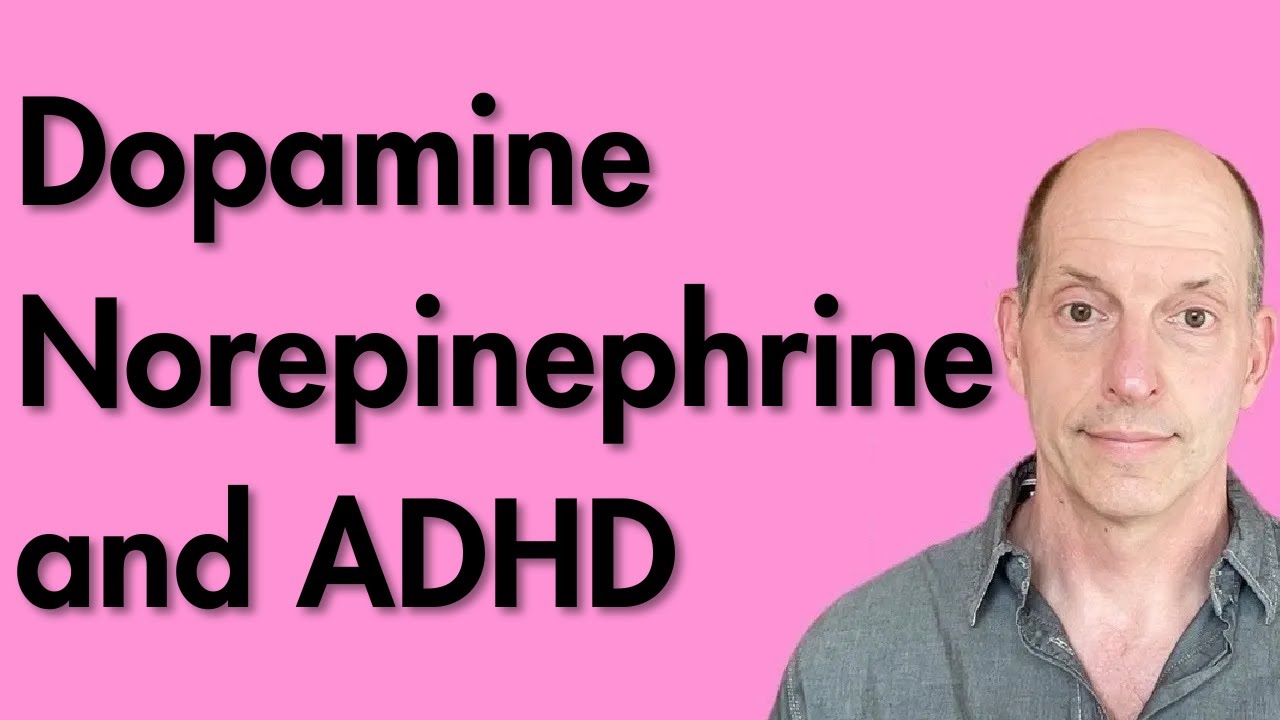

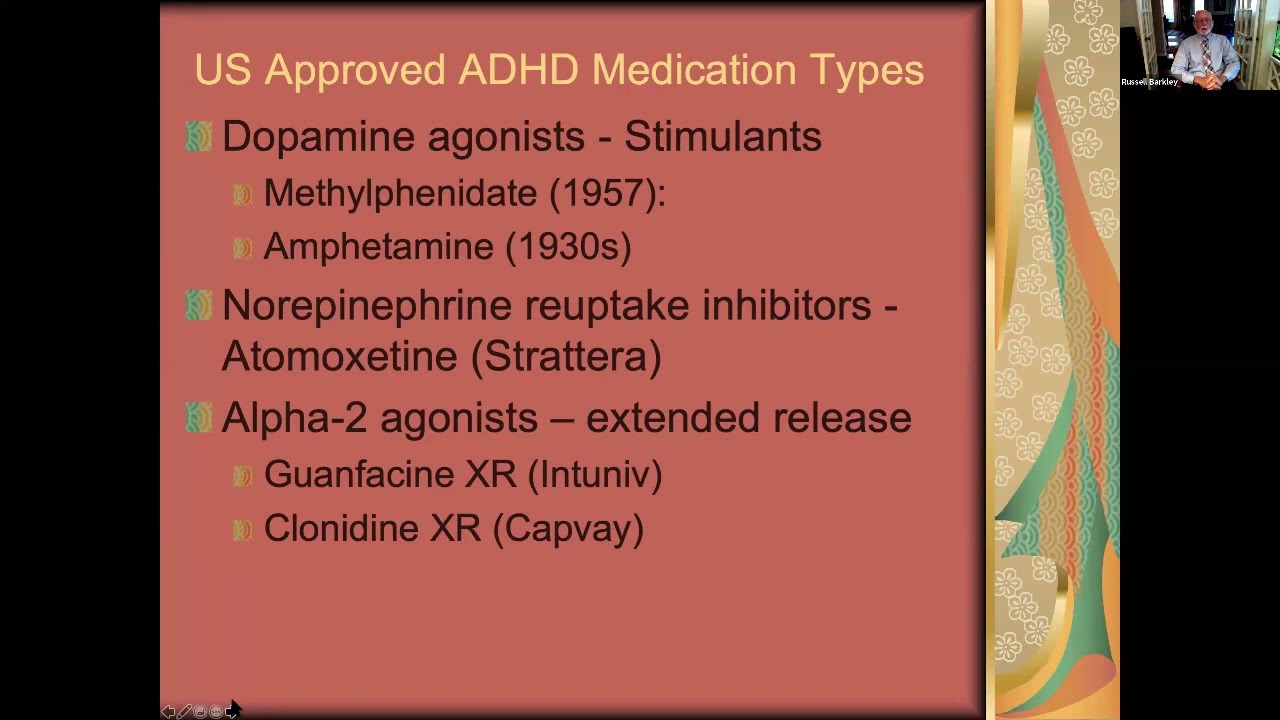






ADHD is a neurodevelopmental disorder characterized by differences in brain chemistry and structure, specifically involving lower levels of dopamine and norepinephrine neurotransmitters, along with structural differences in the frontal lobe circuitry that affects executive functioning, attention, and impulse control; the condition is largely inherited, with approximately 40-50% of parents of affected individuals also having ADHD, though exact causes remain complex and multifactorial.
ADHD Brain Differences: Executive Function and Neurotransmitters
Added:Basic neuroanatomy, specifically the structure and function of the prefrontal cortex, which is responsible for self-regulation.
The fundamentals of synaptic transmission, including how neurotransmitters are released, received, and reabsorbed (reuptake) by neurons.
An introductory understanding of executive functions, such as working memory, cognitive flexibility, and inhibitory control.
The baseline roles of dopamine (reward and motivation) and norepinephrine (alertness and attention) in the healthy brain.
The pharmacological mechanisms of ADHD medications, distinguishing how stimulants and non-stimulants alter synaptic dopamine and norepinephrine levels.
Behavioral and environmental scaffolding strategies that support executive function deficits in educational and workplace settings.
The neurobiological basis of co-occurring conditions (comorbidities) such as anxiety, depression, and autism spectrum disorder.
The concept of neuroplasticity and how long-term interventions (both medical and behavioral) can shape neural pathways in ADHD brains.
102.9K views3.6Klikes8:53Original Release: 2022-01-31
Hello and welcome back to Seeker+! The show where we take one topic and really hyperfocus on it. I’m your host Julian Huguet and if you’re anything like me you’re very online.
You’re constantly bouncing between YouTube and Twitter or TikTok or Twitch or any number of sites and apps, and heck I wouldn’t be surprised if you’ve already clicked on something else while this episode plays in the background. It’s OK, it’s why we made an audio-focused show, I’m not offended. But on a lot of these other sites you may have noticed, as I have, that there seems to be a growing conversation about ADHD, or Attention-Deficit/Hyperactivity Disorder. You may know it better as ADD, although today the hyperactivity component is included in the name. Suddenly though it seems like people with the condition are coming out of the woodwork and talking about how it’s affected their lives in some surprising ways.
You may even be starting to wonder, as you flick from one app to the next, that you yourself may have ADHD. I know I certainly did. So that’s what I’ve chosen to focus on today: ADHD. What is it? What is it like to have it? And how is it diagnosed and treated? Of course any talk about ADHD is going to involve a lot of discussion about the brain, which is a really complex thing. Understatement of the year. Now I’m no expert on brains, I by no means wrote the book on them. But I do know two people who did. Dr. Alison Caldwell has a Ph.D in Neuroscience and Micah Caldwell has a masters in Clinical Mental Health Counseling.
Together they run the YouTube channel Neuro Transmissions, and a while ago they sent me a copy of their book called Brains Explained. This isn’t an endorsement by the way, that’s what my Amazon review is for. But If anyone was going to explain the brain to me, well I figured it would be them. So let’s start off with a simple question for Micah. What is ADHD? It's a complicated question to start off with, but I'll try my best. ADHD can come in a few different flavors. Typically, when we think of ADHD, we think of someone who's hyperactive. Someone who's just all over the place, but ADHD is a disorder, a diagnosis that describes someone who struggles with executive functioning, and with attention, typically to the degree that it causes pretty significant disruption to daily life. That last bit is important, the significant disruption to daily life. To someone without ADHD, these symptoms don’t sound unusual. I mean who doesn’t have trouble focusing from time to time? What kid doesn’t have too much energy, amiright Alie? I know that a big part of the conversation on ADHD is that it's not real, that it's like not a real thing.
And it's just an excuse to over-medicate little Jimmy, so he will sit still in class. And it's a challenge to push against that, because it is a real thing. There are real measurable differences in people with ADHD, in their brains and in their behavior. So people with ADHD aren’t just particularly inattentive and/or hyperactive, their brains are empirically different compared to people without ADHD. So the thing with ADHD and a lot of these kinds of behavioral conditions is that they tend to be super complicated. So it's really hard to pinpoint something that can be like, "Oh yeah, there's this one gene that causes ADHD." We know from genetic studies that look at sort of the overall genome, that people with ADHD tend to have differences in genes involved in dopaminergic signaling, as well as in norepinephrine signaling. So these are two major neurotransmitters in the brain.
Dopamine is often thought of as like the reward neurotransmitter, but it's actually involved in a lot of different processes. In particular, it's involved in things like motivation, and impulse control, and movement control. So you can see how that would relate to ADHD, and then norepinephrine is involved in all kinds of things, including attention, focus.
So another one that you can see how that would be involved. To recap, people with ADHD appear to be low on two important chemicals in their brains, dopamine and norepinephrine. But their brains might not just fire differently, they could as the kids say it today, be built different.
Particularly there appear to be differences in the circuitry that connects the front of their brains to other parts of it. The frontal lobe by the way is incredibly important. I mean what part of the brain isn’t I guess, but the front of your brain handles, among other things, like voluntary movement, expressive language, and high level executive functions like the ability to plan, organize, and control impulses. So it has to do with how your executive processing system is handling and coping with information. They basically saw this decrease in activation, which indicates that there's a decrease in the circuit that controls movement, that helps you control your ability to like stop movement. So now, you can understand the hyperactivity thing a little bit better. Okay, so far so good, I think I’m keeping up with a neuroscientist, which I’ll admit I’m a bit surprised by that. But what causes these differences in the brains of people with ADHD? There are some popular views that it’s a consequence of sugary diets, too much TV, or that the parents are to blame or something like that. Research though doesn’t back that up and instead it looks like ADHD is largely inherited. According to Dr. Thomas Brown, a clinical psychologist who runs an ADHD clinic in Los Angeles, 1 in 4 people with ADHD have a parent who also has it, whether the parent knows it or not. A 2016 study found that that could actually be a lot more common with around 40% of mothers and 50% of fathers having it. So… okay yeah technically in a roundabout way you could say the parents are responsible. Dr. Brown also says the other 3 out of 4 people likely have another relative like a sibling, aunt, uncle, or grandparent with it. I was reading that, at least one study has been done, where they knocked out a gene involved in dopaminergic signaling in zebra fish, and it caused hyperactivity behavior in the zebra fish. So we basically gave zebra fish the zebra fish equivalent of ADHD, just by knocking out this gene. Ok so they were hyperactive, but how could they tell if the fish couldn’t pay attention? Obviously they put them in a school. Alright fish puns aside, this study had me hooked. But of course, like all things brain, it’s not so simple. ADHD isn’t linked to just one gene that can be flipped like a switch, and it doesn’t appear to be solely related to the DNA passed down from your relatives.
Researchers are exploring possible environmental factors as well.If your birthing parent experiences a measles infection during pregnancy, that can lead to ADHD-like symptoms. There's actually a big study that just came out recently, that freaked out a lot of people of reproductive age, because it showed that any consumption of caffeine, not even just like one cup of coffee a day, but any consumption of caffeine during pregnancy is linked to increased risk of ADHD. Now before you go swearing off coffee, this is one study, and there have been other studies that have found no link between caffeine consumption and ADHD risk. Like Alie mentioned, the exact causes and risk factors associated with disorders like ADHD can be very difficult to point to definitively. What we’ve talked about so far is our best understanding based on current research. Consider this your regular reminder that science is a process. But now that we’ve established how we think ADHD works inside the brain, the next step is to look at how it works outside the brain. That is to say, how do these neurological differences manifest themselves as symptoms? What makes the symptoms rise to the level where ADHD is considered a disorder? And how might they be related to or conflated with the symptoms of other disorders? We’ll get to that in our next episode. Thanks again to Alie and Micah Caldwell for being our expert guests. What do you all think of these brainy topics?
Do they tickle you right in the amygdala and are there others you’d like to see us cover?
Maybe we can convince Alie and Micah to come back. Of course you can always find them over on their Neuro Transmissions channel, and you can always find me here! I’ll see you for our next episode on ADHD here on Seeker+.
Up Next

12:54
Peak vs Plateau Pressure: Dynamic and Static Compliance Explained
@RespiratoryCoach
41.3K views•2020-04-11

14:39
Coagulation Cascade: Understanding Blood Clotting (Part 1)
@khanacademymedicine
1.3M views•2014-08-18

10:28
Neuroanatomy: Central and Peripheral Nervous System Divisions Explained
@AKLECTURES
136.2K views•2014-09-20
3:05
Stages of Labor and Vaginal Birth | Childbirth Animation
@nucleusmedicalmedia
52.1M views•2017-08-18
Related Study Plans & Knowledge Roadmaps
Structured learning paths in Medicine
medicine
Abnormal LFTs: Diagnostic Workup & Pathology
01Liver Anatomy and Basic Physiology
02Introduction to Liver Function Tests (LFTs)
03Hepatocellular vs. Cholestatic Patterns
+ 3 more learning modules
12h6 modules
Explore Roadmap
medicine
Analyzing Blood Smears: RBC, WBC & Platelets
01Introduction to Blood Components & Smear Preparation
02Normal Morphology of Blood Cells
03Erythrocyte Pathologies & Morphological Variants
+ 2 more learning modules
12h5 modules
Explore Roadmap
medicine
Mechanical Ventilation: Waveforms & Alarms
01Anatomy and Physiology of Breathing
02Introduction to Mechanical Ventilation & Core Modes
03Ventilator Settings and Waveform Interpretation
+ 2 more learning modules
12h5 modules
Explore Roadmap
medicine
Neuro Exam: Localization & Stroke Syndromes
01Foundations of Neuroanatomy and Vascular Supply
02The Neurological Examination: Step-by-Step
03Principles of Neurological Localization
+ 3 more learning modules
18h6 modules
Explore Roadmap