








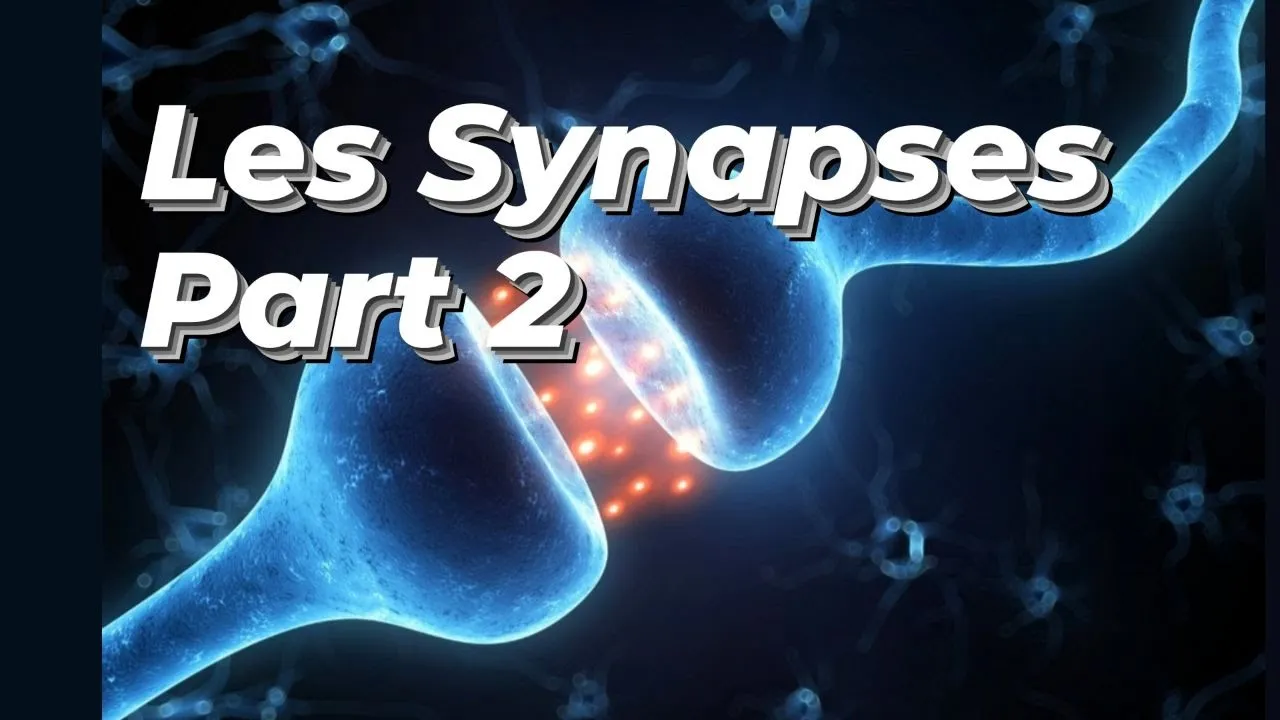

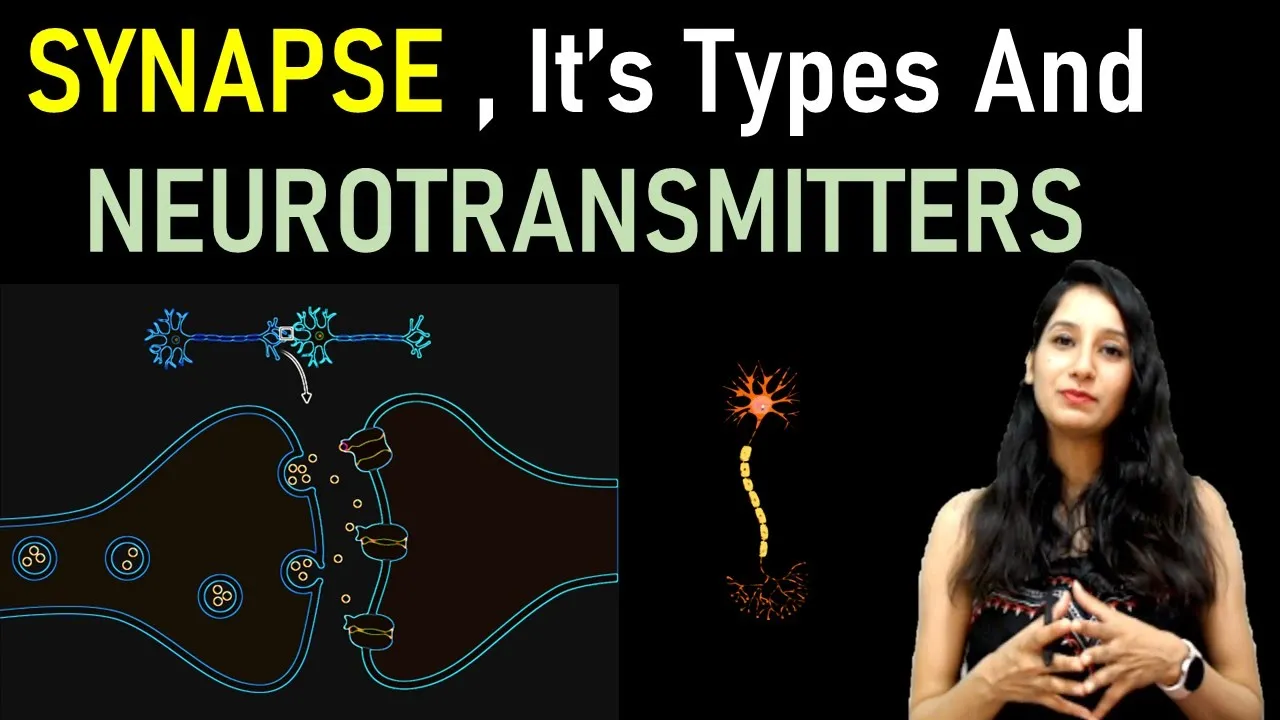
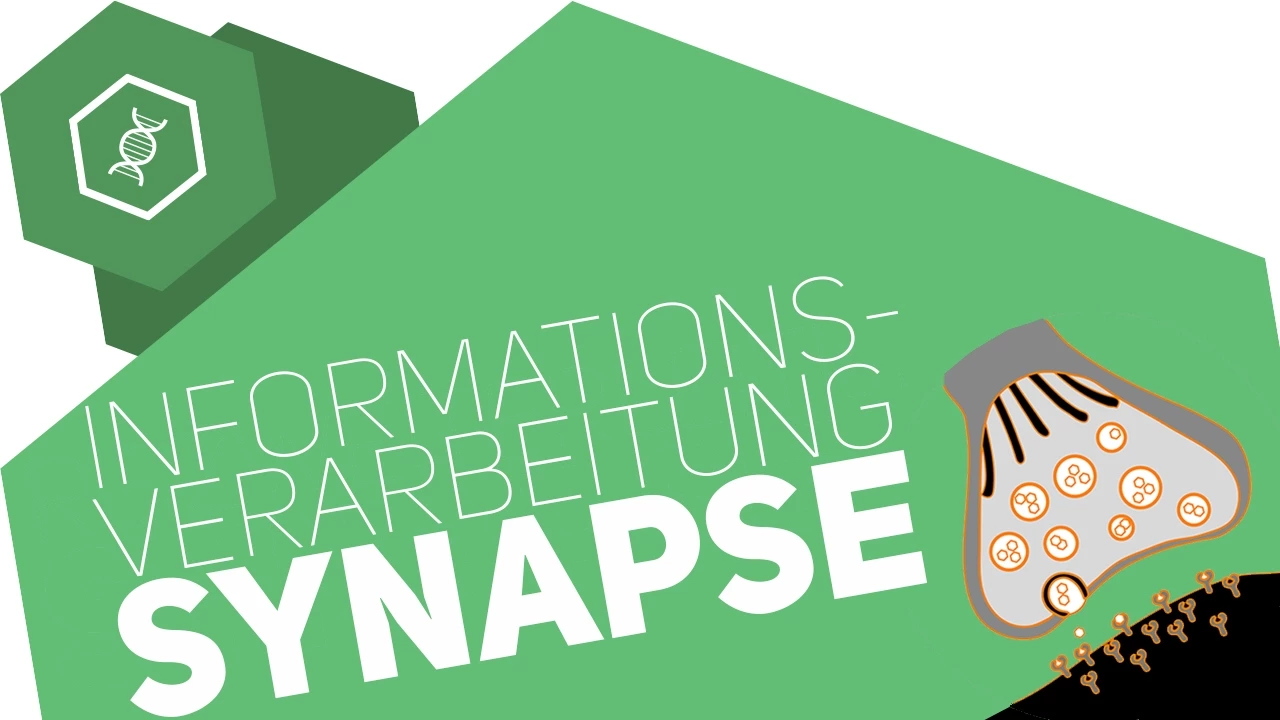







Synaptic transmission is the process by which neurons communicate with each other across the synaptic cleft; it begins when an action potential reaches the presynaptic neuron's axon terminal, triggering voltage-gated calcium channels to open and release neurotransmitters stored in synaptic vesicles through exocytosis, which then diffuse across the synaptic gap to bind to receptors on the postsynaptic neuron, potentially generating a new action potential in the receiving neuron.
Synaptic Transmission Explained: How Neurons Communicate
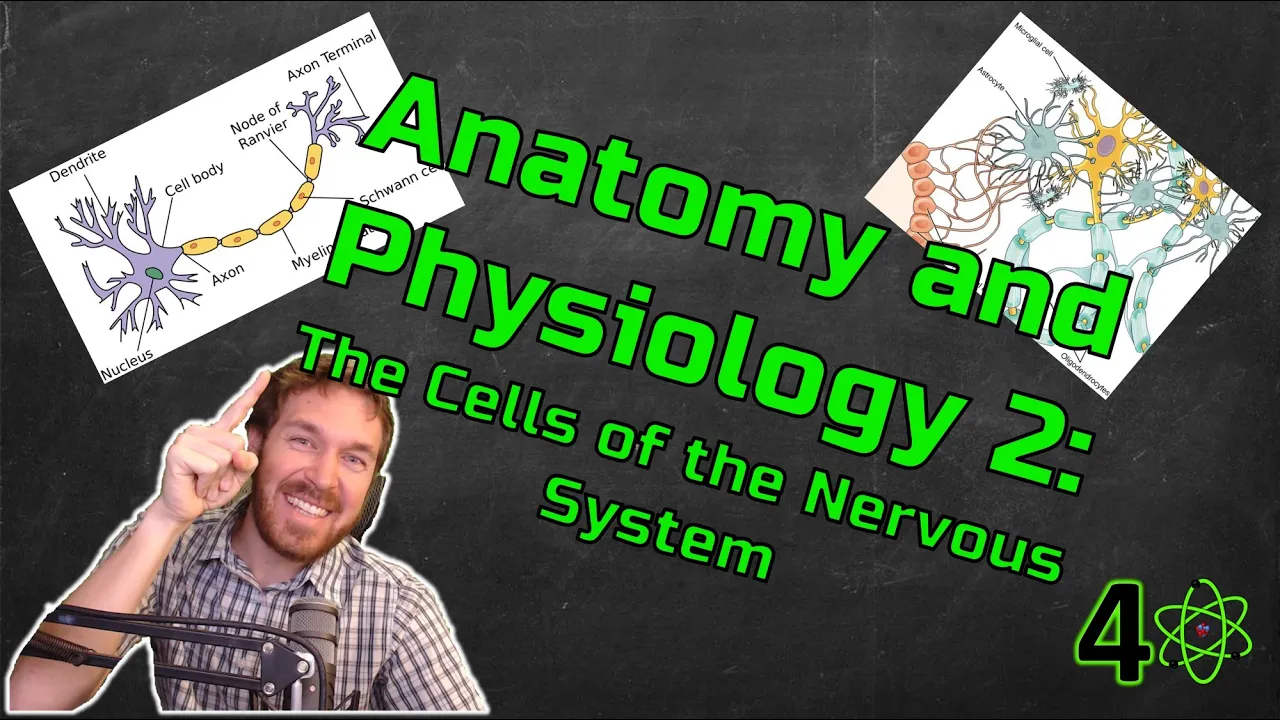
Added:Basic anatomy of a neuron, including the dendrites, cell body (soma), axon, and axon terminals.
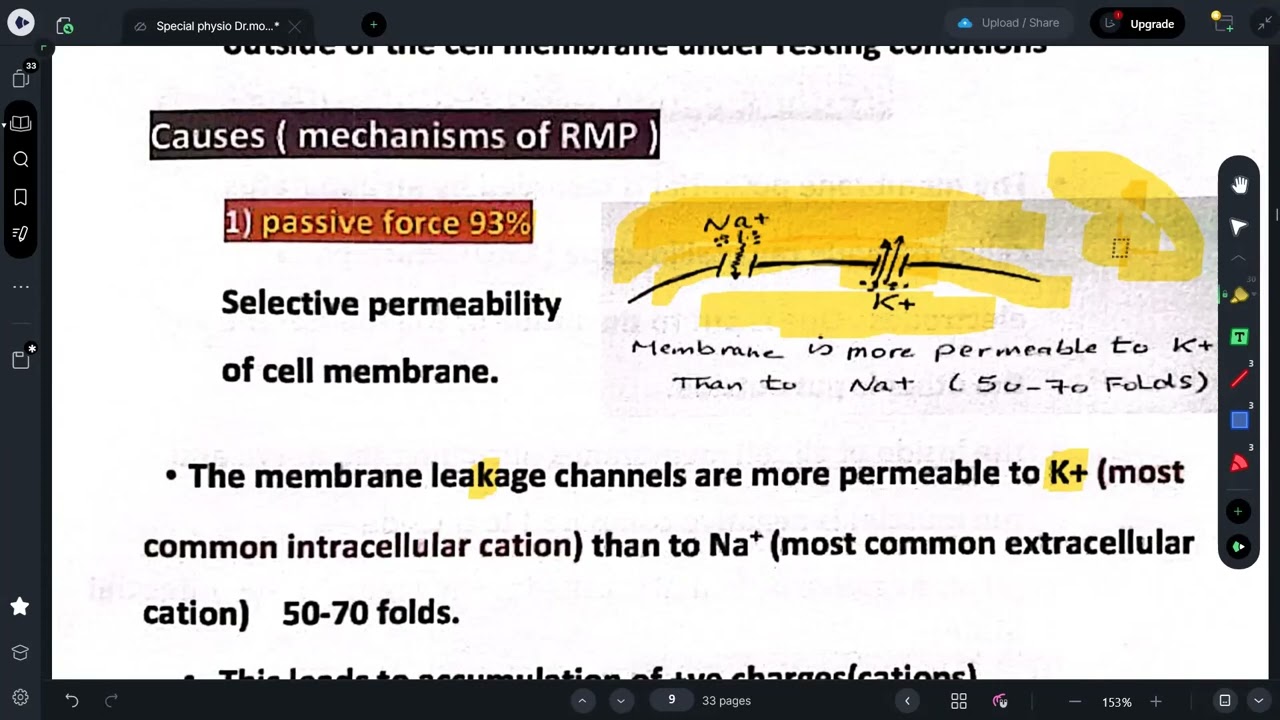
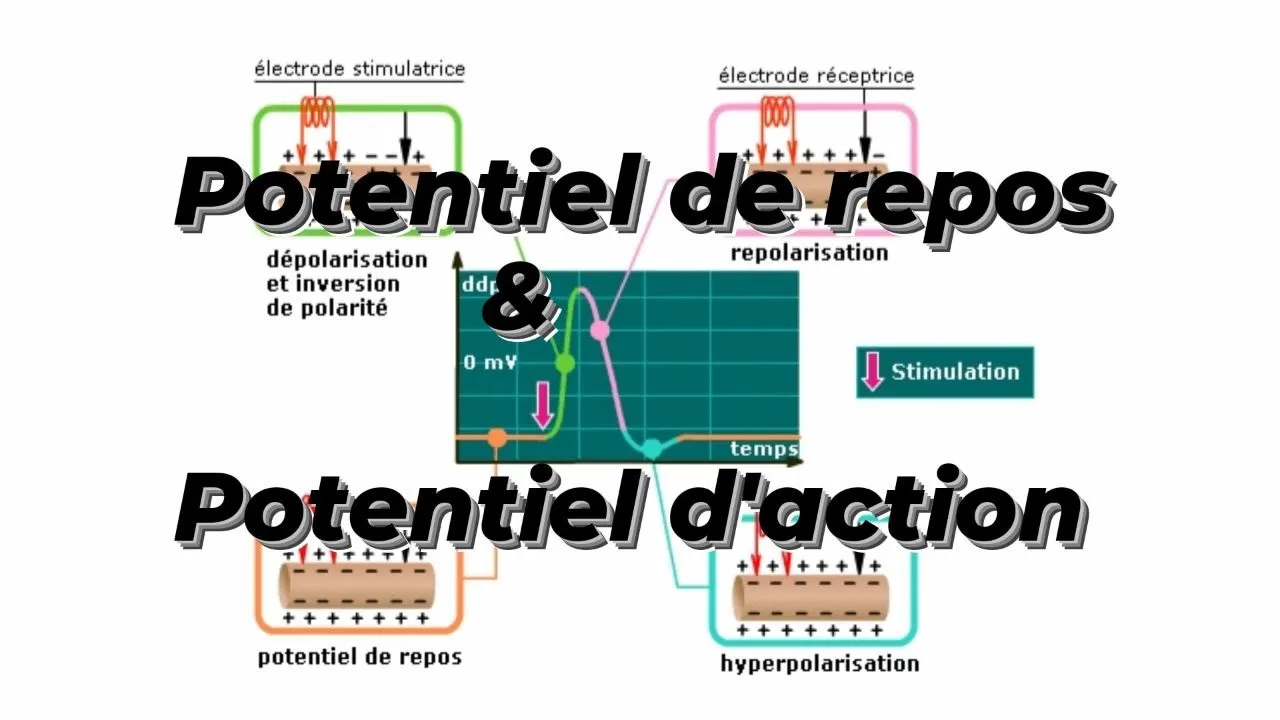
The concept of resting membrane potential and how sodium and potassium ions establish electrical charge differences.
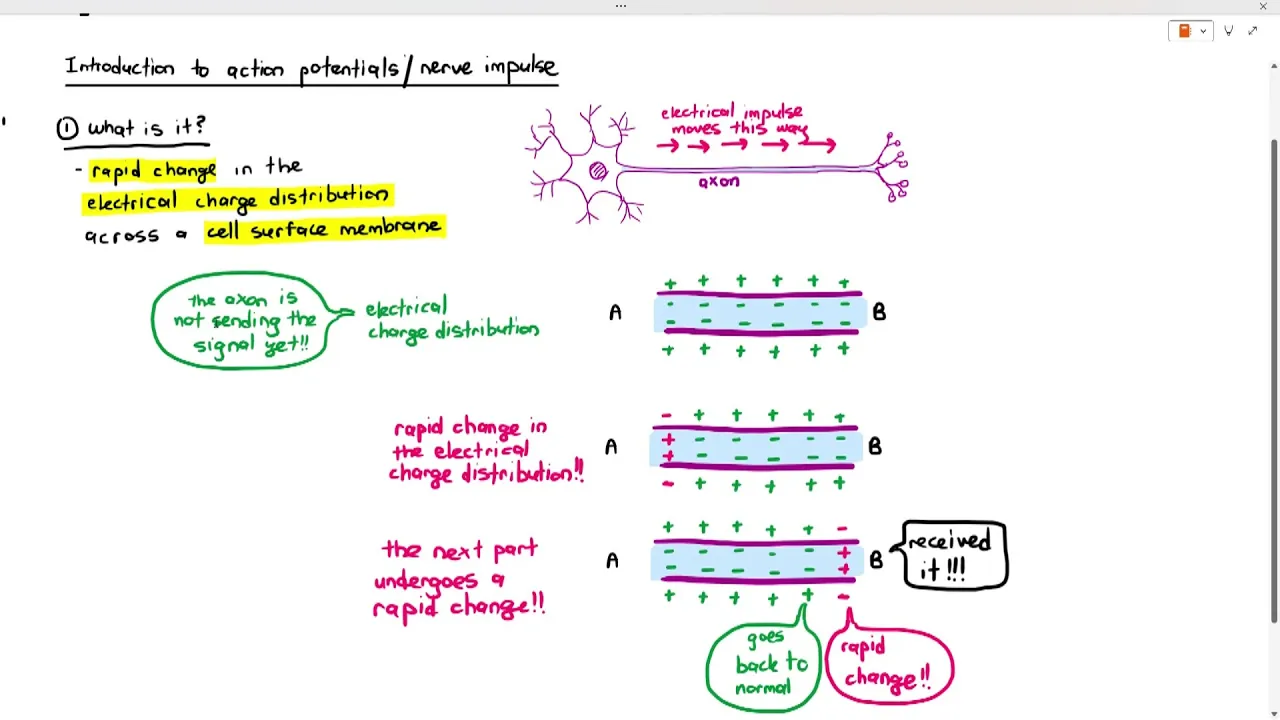
The fundamental mechanism of an action potential and how an electrical impulse propagates along an axon.
The basic distinction between electrical signaling within a neuron and chemical signaling between neurons.
The functional difference between ionotropic (ligand-gated) and metabotropic (G-protein coupled) neurotransmitter receptors.
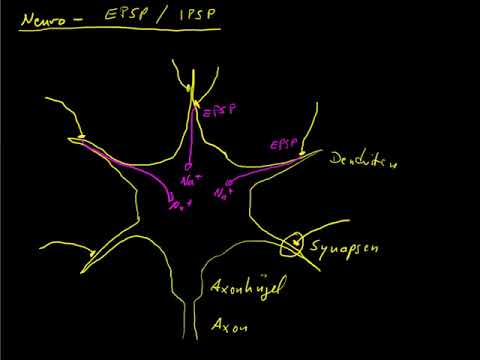
How excitatory (EPSPs) and inhibitory (IPSPs) postsynaptic potentials undergo temporal and spatial summation to determine cell firing.
Neuropharmacology: How psychoactive substances, toxins, and therapeutic medications (like SSRIs) modulate synaptic transmission and reuptake.
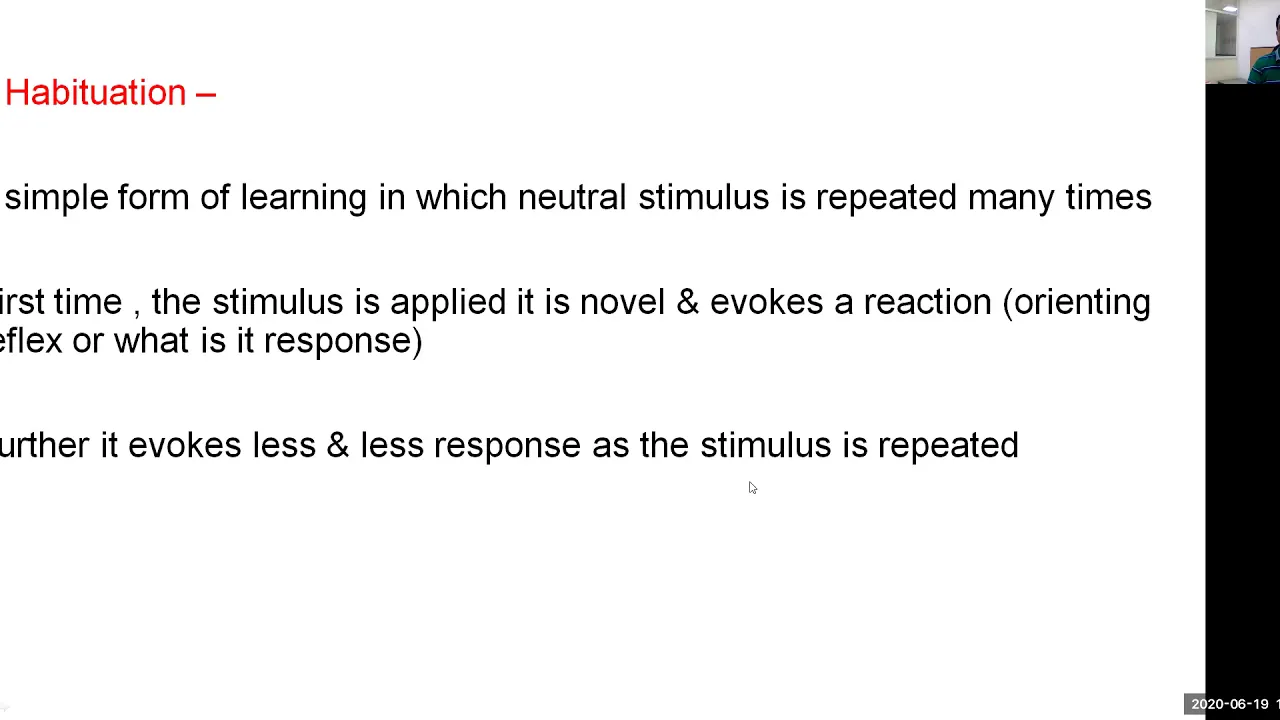
The cellular mechanisms of learning and memory, specifically synaptic plasticity, Long-Term Potentiation (LTP), and Long-Term Depression (LTD).
147.6K views5.8Klikes12:56Original Release: 2024-04-22
all right guys welcome to psych explained in this video we're going to take a deep dive into synaptic transmission that is to say how one individual cell or neuron communicates and passes its information to another cell or neuron now the way that you and I communicate and pass information is through spoken words but the way cells communicate is through chemical messages and electrical signals and those messages can be excitatory we're going to increase the likehood that the cell is going to fire think about a green light or these messages can be inhibitory in which we want to decrease the likelihood that the next cell is going to fire think about a red light now before we go over the process of a synaptic transmission let's first actually understand what parts we are looking at now up here I have two neurons and neurons are typically made up of the same part we have our dendrites think about our little tree branches our Soma our cell body and then the axon that's going to take the signal away from the Soma and you'll notice with these two neurons is there's a tiny space in between them that tiny space is represented right here this where the message is going to travel over jump over and then communicate with the next neuron so what is this part going to be this part we're going to label as the pre the pre what pre synaptic neuron okay pre synaptic neuron pre because it is before it's going to initiate that process and everything about what part we're talking about we're talking about the end of the first neuron called the axon terminal axon terminal or you might call it the synaptic bulb right there's so many names for it and if this is the pre synaptic neuron what are we going to call this one this is going to be the post synaptic neuron right it's kind of coming afterwards it's going to receive the information right so instead of pre we have the post synaptic neuron all right and what part of a neuron is this going to be well this is going to be these tiny little tree branches these are the dendrites these receive the message so we go from the accent terminal we jump over the synaptic C onto the dendrites okay so there's some parts that we are actually looking at now another thing to pay attention to is I have all these little negative lines here what do those refer to this is the idea that before a neuron fires it is negatively charged on the inside okay so we're negatively charged on the inside and positively charged on the outside and we can actually visualize this in a graph right we can objectively measure how negative it is and right now and we'll kind of come back to this graph a neuron is at70 Mt what is it -70 MTS this is the resting potential or we'll say the resting membrane potential okay so that's kind of where we're at right now now how does a neuron actually fire we have to start with an electrical charge right we need some charge to go down the neuron and reach the end do we know what that charge is called well if you're thinking and I'll write in here an action potential action potential then you're right right an Act Right In other words every neuron has the potential to Fire and this is the charge that's going to travel down the length of the neuron now how do we actually get an actra potential to fire well there has to be some sort of stimulation right it could be air in my face it could be light hitting the cones and rods and starting a signal um it could be interal like my brain having a thought right we need some sort of stimulation and when that stimulation occurs what's going to happen is the cell is going to start to become a little more positive okay just a little more positive okay and here's the magic number if this cell has enough stimulation okay and it reaches this magic number - 55 this is called the threshold potential so this is the threshold I like to call this the point of no return okay very important number is that if if this neuron reaches this number okay what's going to happen what's going to happen is something with these gated channels is going to change okay and all these are colorcoded so we can see them together up here we have voltage gated sodium channels channels because they things go through them um sodium because we have sodium ions on the outside gated because they open and close and it mostly responds to where opens based on the voltage right the membrane potential if it reaches ne5 what's going to happen is these sodium uh gated channels are going to open up and what's going to happen all the sodium is going to start to come inside okay and why does that matter they are so positive that they're actually going to change the voltage inside the neuron and it's going become extra positive and this area right here where you can say has become depolarized right it's become so positive that we come back to our chart it's actually gone up to negative sorry positive 40 right it becomes so positive it's G up to positive 40 and once again what is this we can say the neuron or at least this part of it has become depolarized okay now I do have an extra video another video on the entire action potential process I'll put the link above if you want to take a look at but this is kind of just a nice brief overview so what's going to happen well the next thing that's going to happen is that this is going to talk to the next voltage gated sodium Channel and this one's going to open up what's going to happen we have more sodium going to enter the cell okay we have more sodium what that's going to do it's going to be more positive okay and you get the idea and then we talk to the next one and this one's going to open up and we have more sodium entering the cell okay we have more sodium okay and now we have all this positive um sodium and positively charged um cell right so this is basically what an action potential is it is this kind of depolarizing wave that travels the length of the neuron okay we'll talk about kind of what happens after a cell has become depolarized now what's going to happen next okay once this reaches right we have 55 55 55 it's next going to talk to a different voltage gated Channel what is this one it is calcium okay so we go from sodium to calcium and this is where kind of the magic happens okay so once again I'll put it here we at 55 we reach our threshold this is going to open up our calcium CH our calci our calcium channels and the calcium is going to enter the cell and what's the calcium going to do what it's going to do is going to bind um to the proteins the membrane of these little circles do we know what those circles are called These are called the synaptic vesicles okay and why are these so special these contain think about these like bags they contain all the chemical messages called neurotransmitters tightly packed together so here we have a cetto Coline aceta Coline affects our muscles it affects learning memory it affects a lot of things okay so we have all the calcium coming in it's going to dock on these uh vesicles right here just like this I'm going to keep going we have more vesicles over here I got to keep make sure I get all of them there we go we got another one here okay so what is this going to do well the calcium is going to cause a chemical change in the membrane and the protein of these vesicles okay what's that going to do it's going to make all these vesicles drop down okay it's going to push them all down towards the membrane of our prap neuron okay so they're all going to come this way okay the second thing it's going to do and the kind this is where the magic happens is that it's going to cause these vesicles to fuse with the membrane of the synaptic neuron the Press synaptic neuron it's almost going to become one and this is going to cross out and it's going to look something like this right this is kind of cool right it's fusing together the pro prot are fusing together okay there we go and why is that so important because now all the neurotransmitters can be released into the synaptic CFT right the gap between two neurons we have all the see a Coline maybe I'm lifting weights I know my muscles aren't that big but we're lifting weights and all these are coming out here okay so there we go we have our cetto Coline and by the way the process of releasing all these neurotransmitters into the synapse do we know that's called is called EXO EXO what cytosis I know science s science man the everything is so complex right all these big names but we have exot exocytosis the release of the chemical message from the pre into the Gap okay so what happens next well all of these neurotransmitters have to go somewhere okay and some of them if we're very lucky and these are excitatory they are going to bind or dock themselves on the receptors of the next post synaptic neuron and these are chemical voltage we're going to call these Lian gate andine channels and the difference between chemical and voltage gated challenge uh channels is these open based off of the voltage these open based on The Binding of chemicals okay so what happens when it docks it's going to open okay the Lian is going to open the receptors are going to open and what's going to happen the same thing up here we're going to have our sodium enter the cell it's a same process okay what's going to happen when that enters it's going to become super positive you get the idea it's the same idea we have a docking here we have a docking here all the Lian receptors are going to open and all the sodium is going to travel down okay we're going to make this super positive again okay down here down here I got one more just kind of floating around okay I got there and so it's going to start the process all over again we're now de polarizing the next cell and guess what we just caused we just caused another action potential Isn't that cool we just cause another depolarization if this is excitatory and we're going to continue that process again and again and again okay now it is important to know not every neurotransmitter is going to dock itself right on the receptor some of them are going to well you know some of them are going to go away some of them are going to break apart but some of them which is kind of cool are going to to recycle themselves through these transporter proteins and what I mean by that is some of them are going to get reabsorbed reabsorbed by the original neuron and get repackaged in vesicle how cool is that right it's like um we have such efficient cells it's recycling it's like well I'm not going to use you I'll use you again for a later date by the way do we know what this process is called when we reabsorb this process is called reuptake reuptake Okay so we've reabsorbed we're all reabsorbing and we're going to be repackaged into a vesicle to be reused for another day so let's go over this process again we'll number it so we know exactly what we're talking about first in order for a synaptic transmission to occur we need an action potential okay so that's number one I'm right here number one an action potential right the kind of influx of sodium um the cell very positive so after the voltage gate of sodium channels open we now have number two we activate the voltage gated calcium channels and those can run in as well those are going to dock or bind themselves to kind of these uh vesicles right the proteins it's going to open up and we're going to have exocytosis we're going to release the neurotransmitters they're going to diffuse across the Clift and then they're going to bind number four to The receptors on the post synaptic neuron so we go from an action potential all those gates are opening to the release of calcium diffusion um all those NE transmits are going be released we're docking and we start another action potential now after that let's return here everything has to return to normal we can't just always be excited so then what's going to happen is and I don't have a nester labeled here but po potassium is going to exit the cell which is going to cause repolarization and we go back down okay we go repolarizing and I'll write that here we got repolarization okay so we're back repolarized um we're back to negative on the inside and positive on the outside and we actually become so negative we we go past it and we turn to our resting membrane potential all right guys thanks for watching I really hope you learned something don't forget to like the video subscribe leave a comment below I'll see you next time
Up Next

14:37
Long-Term Potentiation & Depression Explained
@iriebluetooth
84.1K views•2014-05-14
21:55
Deciphering Neural Circuits Controlling Anorexia in Mice | Richard Palmiter
@AllenInstitute
2.3K views•2011-10-10
17:53
Hippocampus and Memory: Formation, Consolidation, Spatial Navigation
@PsychExplained
143.9K views•2021-03-24
13:03
How Exercise Benefits Your Brain: Science Explained
@TED
11.4M views•2018-03-21
Related Study Plans & Knowledge Roadmaps
Structured learning paths in Neuroscience
neuroscience
Appetite Regulation: Brain Circuits & Hormones
01Foundations of Endocrinology and Brain Anatomy
02Introduction to Energy Homeostasis
03Peripheral Signals: Leptin, Ghrelin, and Insulin
+ 2 more learning modules
14h5 modules
Explore Roadmap
neuroscience
Neuroeconomics: Value, Risk & Brain Mechanisms
01Foundations of Neuroscience and Brain Anatomy
02Introduction to Neuroeconomics and Subjective Value
03Dopaminergic Prediction Errors & Reinforcement Learning
+ 3 more learning modules
18h6 modules
Explore Roadmap
neuroscience
Spatial Navigation: Cells, Grids & Brain Maps
01Foundations of Brain Anatomy and Memory
02Place Cells and Head-Direction Cells
03Grid Cells: The Brain's Coordinate System
+ 2 more learning modules
12h5 modules
Explore Roadmap
neuroscience
BCIs: Neural Decoding & Prosthetic Control
01Neuroscience Foundations: How the Brain Signals Intent
02Signal Acquisition: Recording the Brain's Activity
03Neural Decoding: Translating Brain Waves into Data
+ 2 more learning modules
25h5 modules
Explore Roadmap