








![[아침마당] 혹시 나도 치매인가? 나이먹을수록 심해지는 건망증.. 치매는 이렇게 예방해야합니다. | KBS 2011.12.08](https://i.ytimg.com/vi_webp/irJcGPBfq6A/maxresdefault.webp)

![[방송 다시보기] 720회(20.01.01) 신년기획 시간을 거스른 사람들, 슈퍼에이저](https://i.ytimg.com/vi/FOO2Tq6zSB8/maxresdefault.jpg)


![이 음식 절대 먹지 마세요!! 세균과 독소가 신경세포를 파괴한다! [루게릭 3편 중에서]](https://i.ytimg.com/vi_webp/eMX1QFi5-W4/maxresdefault.webp)


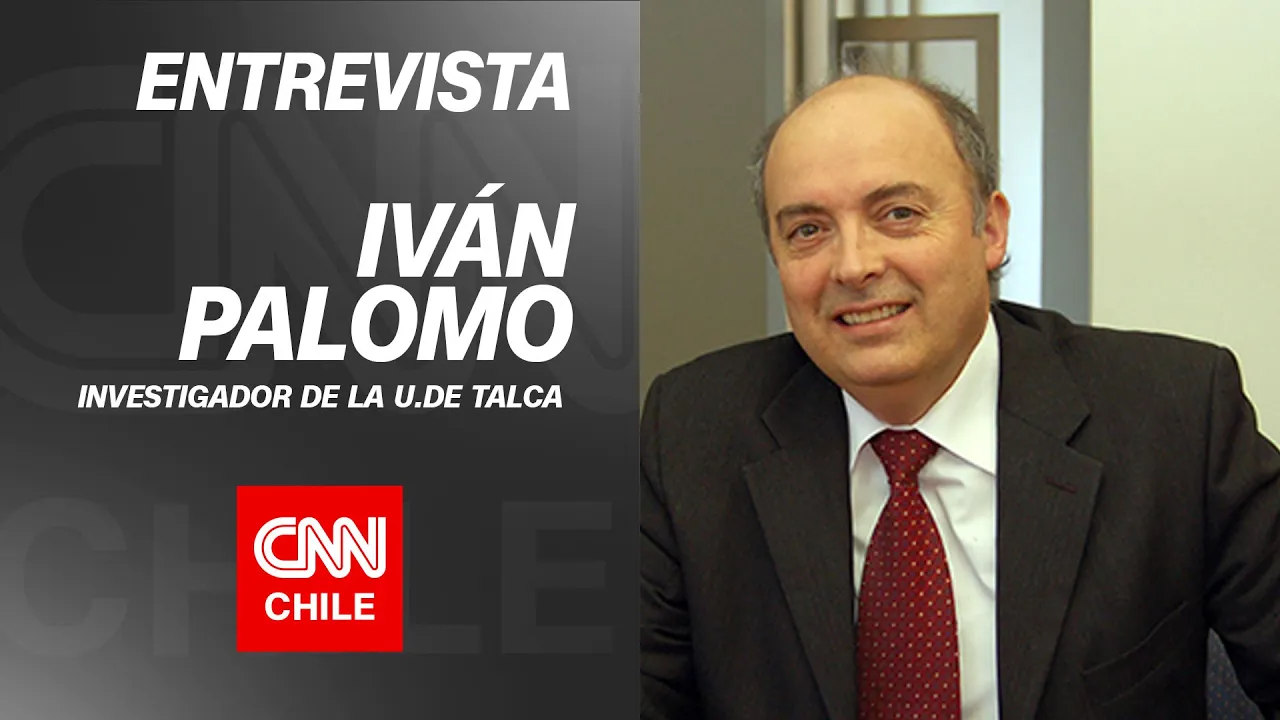






Alzheimer's disease is not an inevitable consequence of aging but a specific disease with multiple contributing factors, and while current pharmaceutical approaches have largely failed (with amyloid-targeting drugs failing 99.6% of clinical trials), lifestyle interventions such as regular exercise, mental stimulation, stress reduction, and a Mediterranean diet can significantly reduce individual risk and potentially delay or prevent the onset of dementia by promoting neurogenesis and protecting brain health.
Alzheimer's Disease: Risk, Prevention, and the Power of Lifestyle Choices
Added:Understanding the basic neurobiology of the human brain, including the function of neurons, synapses, and neurotransmitters.
The clinical distinction between normal brain aging, Mild Cognitive Impairment (MCI), and clinical dementia.
The primary pathological hallmarks of Alzheimer's disease, specifically the accumulation of amyloid-beta plaques and tau tangles.
The difference between non-modifiable risk factors (such as the APOE-e4 genetic variant and age) and modifiable lifestyle risk factors.
The concept of 'cognitive reserve' and 'brain plasticity,' exploring how intellectual enrichment and physical activity structurally alter the brain.
The role of the gut-brain axis and chronic systemic inflammation in accelerating or mitigating neurodegenerative diseases.
Analyzing public health policies and community-level interventions designed to promote preventative lifestyle habits for aging populations.
Advanced clinical trials and emerging pharmacotherapies (such as monoclonal antibodies) and how they interface with preventative lifestyle protocols.
155.7K views2.2Klikes58:44Original Release: 2019-02-24
[Music] what was it where did it come from so if what I've told you sounds like an asteroid about to hit the Earth's surface and would kill a hundred million people in 20 50 100 million people will have Alzheimer's disease it's a fatal disease I tell you gentlemen science is agreed that unless something is done and done quickly man as the dominant species of life on Earth would be extinct the reality is if we don't find a way to prevent our sunders disease we are going to see in most of the cities of the world demanded people wandering the streets enjoy the terror but it would be a terrible place it would be like the medieval times it's the worst worst plague that we can imagine we know we've only got about 40 years to solve this problem or we've all had it now we need to launch a very concerted effort something like Manhattan Project [Music] we interrupt this bleak forecast to bring you a CNN special report from over 30 years ago senior medical correspondent Jean Carper in this special report we examine the nature of that disease known as senility what causes it and some of the very real possibilities for curing it Shakespeare called it our seventh age of second childishness known as senility but Shakespeare was wrong doctors now know that senility is not an inevitable consequence of Aging it's a specific disease with a specific cause and therefore a possible cure they fully expect to conquer it and we're quite certain it will certainly I've no doubts about it I could maybe say in a decade or so for centuries scientists did not investigate senility because they thought it was utterly hopeless until a doctor named a Louis Alzheimer came along in 1906 dr. Alzheimer did autopsies he found strange brain damage this peculiar kind of brain damage is now known as Alzheimer's disease many now believe that if they can cure Alzheimer's disease they will solve the age-old mystery of senility they've learned more about this disease in the last few years than in our entire human history namely that it is a disease and that someday in the near future they will be able to conquer it Jean Carper CNN Washington Here I am today 30-some years later I'm now in my 80s hey doctor thanks for calling me back tell me a little bit more about the about the study yeah thirty years later I'm still on the Alzheimer's story but now it's a lot more scary I'm old in my prime for getting Alzheimer's and other dementia and the world is in a panic over predictions that Alzheimer's will be a demographic apocalypse by 2050 with more than a hundred and thirty-five million people projected to have dementia it feels to me like we're living in a long-running science fiction horror disaster movie I suppose I have to say I'm obsessed about Alzheimer's I'm always reading the latest studies I run off to conferences to meet experts from all over the world listening in on their sessions when I can getting invited to their homes even into an autopsy room I've met so many researchers I sometimes refer to myself as an Alzheimer's researcher groupie of course I'm also always asking them about myself trying to find out how to avoid Alzheimer's obviously I'm under journalistic cover a health reporter for 50 years columns articles CNN 24 books one about the brain another about Alzheimer's now I'm doing my first documentary maybe I'm so passionate about this because when I think back on it I was one of the media people at that time who became part of the propaganda machine to sell Alzheimer's to the public now it has become a household word of fear and terror and dread yes in the last 30 years it's the worst possible thing I think anybody can imagine and the most terrifying yeah really well you know how scared I've been I was born January 3rd 1932 in Ashley Ohio it's a small town all my ancestors were farmers my father and my mother I was the first child then a brother two sisters and another brother dad bought our house during the Depression I was a happy child with a neighborhood of kids to play with but what I loved most was going to the movies at the Strand Theatre I was about 7 when I saw the 1931 classic Frankenstein afterward I had terrible nightmares I still remember lying in the dark and my upstairs bedroom paralyzed with fear I could hear the Frankenstein monster come up the stairs and down the hall and stop right outside my bedroom door and I'd wake up screaming of course the child had nightmares eventually stopped then a very odd thing happened about a year before my 80th birthday I began having nightmares again this time the monster was not Frankenstein I was in a crowd of people all wearing shrouds like in the Middle Ages the Black Death then I would see dr. Alzheimer calling to me he would tilt my head back like he was looking for something inside my brain and whisper yes you are one of my chosen and then I would wake up in a panic absolutely terrified that I was dying it is a lot more scary than when I was a child because I know this nightmare could become real what all of you who will be 80 years or older by 2050 please raise your hand the good news is if you make it that far you know that's wonderful the bad news is one out of every two of you who raised your hands will have Alzheimer's disease [Music] the Alzheimer's story begins at the turn of the 20th century in this magnificent mental asylum called the castle of the insane this is where a young psychiatrist met a 51 year old demented patient the doctors colleagues named her affliction Alzheimer's disease it was extremely rare never mentioned in his obituaries and its importance seemed destined to be buried with him then about 60 years later Alzheimer's disease was resurrected it happened at the National Institutes of Health in the late 1970s solvin khachaturian came to NIH to become chief architect of a plan to put alzheimer's disease on the map the the entity the phenomena of dementia was known it's been known since the ancient Greeks knew about it and Shakespeare wrote about it in as you like but the scientific medical community did not consider it a disease that considered as part of the natural consequence of Aging but aging wasn't a very sexy topic it was not that was part of the problem Alzheimer's is sexy and exciting now it is but at that time it was not that it was not known it was not called Alzheimer's disease it was called senility so one of the tasks in making it exciting was to change the terminology to change the term from dementia from senility get the word senility out of the lexicon I call it Alzheimer's disease all of a sudden there's this new disease that no one had heard of before so really it was it was a matter of renaming a phenomena that had been going on for a long time would you say then you were quite a Salesman selling absolutely that was my role was to be a cheerleader salesman I my job was to develop a national program to put Alzheimer's research brain aging on the map the marketing of Alzheimer's also called raising awareness spread all around the world over a hundred countries now have Alzheimer's associations how successful would you say your salesmanship was at selling Alzheimer's disease to the public and the Congress and in fact the whole world old well I I did not realize how successful I was being or in fact I was often very frustrated that wasn't going enough wouldn't you say that the idea is a major change in the way we view senility and dementia only 30 years that's true that that's it's a very dramatic change giving it a name giving it a face saying that it's a disease that we're working towards treatment became a rewarding in itself that you were providing some degree of hope from the beginning fear became part of legitimizing Alzheimer's you've got to show that this causes real suffering the claim that it it destroys the self hood of people and that the cruelest thing is that people go on living and living you know just a hollow shell and so forth I mean this is extremely radically stigmatizing language that starts to create much much more fear around these symptoms that's the kind of fear that that's that that this campaign this strategy to put Alzheimer's on the map generates which disease are you most afraid of a new survey by the Marist Institute ask people that question and the number one response was Alzheimer's disease it's pretty terrible people are really deteriorate it gets really bad I think it's tragic I think it's a terrible disease my mom died from it Night of the Living Dead could actually be seen today as a portrait of how we view Alzheimer's patients it's academics its scholars and it's people in the medical profession when they speak of people with Alzheimer's they talk about people living in the Twilight they talk about the undead they are referencing it in a way that it invokes in us without it being specifically mentioned the image of a zombie we're dehumanizing them we are marginalizing them and we're making it easy to treat them as if they're already dead when they're not and we'd like to segregate the people who are stigmatized you're gonna see more suicides as a result of the incipient fear of being labeled an Alzheimers person in the coming years in fact the suicide levels are already going up with the older baby boomers a very distinguished lawyer in his mid to late 80s and we used to consult him and he came through hundred percent and he shot himself clearly he was not incapacitated part of that was due to one of his relatives had Alzheimers and you know this genetic destiny that's crowding people now more and more is affecting people's judgment at a very early and premature time I think should be pretty easy to tell if you have Alzheimer's right if your brain is normal or abnormal lawn white has the facts about that for 20 years he was chief investigator of the Honolulu Asian aging study we have now looked at 852 brains of the individuals in the study so what we basically asked was did we get it right only truly about a third of them were absolutely right on perfect diagnosis another third basically yes there were the Alzheimer changes there was something else there was a major contributor and then the final third had something completely different in their brain so what that means is that as hard as we tried somewhere only between a third and a half were we really right on if I give a brain of a ninety five year old to a pathologist and say based on what you see under the microscope will this person be demented or not they have only a 50/50 chance of being right which means you can flip the coin you don't have to do the autopsy so if Alzheimer's is only one third to one half of our dementia epidemic shouldn't we worry about all the other monsters trumping through our aging brains we're just calling it Alzheimer's when it's some other form of dementia the epidemic we're facing it's not just pure Alzheimer's disease we've used the term Alzheimer's when we really mean dementia in general Peter Nelson has done hundreds of brain autopsies and he's alarmed that Alzheimer's is routinely misdiagnosed it's actually true that dementia keeps going up it's just not Alzheimer's disease in the oldest old Alzheimer's pathology actually goes down with age it really starts to ramp up at age 65 or 70 and then history has an exponential growth then by 90 or 95 is leveling off or decreasing the people that are 95 year old have less Alzheimer type pathology than people that are 85 years old a good 20% of people will have zero Alzheimer's disease at the very end of the aging spectrum so it's incorrect to say that if you live old enough you will get Alzheimer's disease what is called Alzheimer's disease is actually a hodgepodge of different diseases the most common dementia at any age is mixed dementia and how much of it is Alzheimer's 40% Alzheimer's 30% cerebral vascular 20% hippocampus Carosa is 10% dlb dementia with Lewy bodies surprisingly non Alzheimer's pathology seems more destructive dr. K was ranked for common brain pathologies on their likelihood of giving you dementia Alzheimer's was the lowest having Alzheimer's pathology doubled your likelihood of having dementia but everything else was 4 to 17 times the likelihood choose between one of those give me Alzheimer's over hippocampal sclerosis much better odds I would be loath to say that people shouldn't care about Alzheimer's disease what is I think inappropriate is that they don't care about anything else so what if we had a cure for Alzheimer's tomorrow how much difference would it make be treating that forty percent of people so we'd still be left with 60% of our dementia epidemic yeah that old familiar tune of there's just one big Alzheimer's monster haunting our aging brains is beginning to sound more like [Music] would you want to know how likely you are to ever have Alzheimer's the person I'm most eager to talk to about that is dr. Margaret Locke she spent 10 years analyzing the medical genetic social political and historical aspects of Alzheimer's in her book titled the Alzheimer conundrum the majority of us when we want to know what's going to happen in the future or when we want to account for what has happened in the past would go to fortune tellers or soothsayers or shamans or Oracle's and so on it's a form of divination it seems to me that the idea of running to get genetic tests to predict whether you're going to get a disease or not is like getting a form of divination I I think that this is what we're playing with here that we cannot with any certainty predict who among us is likely to get Alzheimer's I didn't confess immediately that before meeting dr. Locke I had been dabbling in divination I've had a couple of MRIs to measure the shrinkage in my brain a PET scan to detect Alzheimer's plaque in my brain consulted a psychic and a card reader but I did tell dr. Locke that I carry the number one gene for old-age Alzheimer's called a Poe II for most old people with Alzheimer's do carry the apoe4 gene and it causes Alzheimer's plaque in aging brains doubling my chances of dementia but it's not a doomsday gene as many as 50% of those people will never get outs homers it depends on all sorts of things like your diet your lifelong diet and lifestyle but it also depends on other things that we don't understand we simply don't know enough to be able to predict do you know whether or not you have in a belief or I don't I haven't had any of that testing I've noticed that Alzheimer's researchers seem oddly uninterested in testing themselves do you know if you haven't I believe I don't you don't have I don't know I don't know why don't you why no nothing is determined by the genes that are active in old age Alzheimer's this is not a genetic disease is Alzheimer's hereditary what's the kind of quick answer to that yes time out both of them are right they're talking about different types of Alzheimer's most people are not aware that there are two forms young and old age young or early onset Alzheimer's is nearly always determined by genes old age Alzheimer's is not early being what age usually it's 40s or going into the 50s this is not the same disease as Alzheimer's at age 65 or 70 or 80 or 90 no and it's very rare yes it is rare the estimates vary but it's something like between and 5% of people who become labeled as Alzheimer's have the early onset the glorious Rita Hayworth was the first poster child for old-age Alzheimer's even though she was stricken in her mid 50s most novels on dementia are about rare more dramatic young age Alzheimer's dr. Locke showed me a novel titled still Alice a best-seller made into a movie she praises it as an authentic portrayal of a woman diagnosed with early onset Alzheimer's at age 50 who dies within a year but dr. Locke worries that it could needlessly alarm elderly people there should have been some preface to say that this is a rare condition this is not what happens to most people and here's an incredible genetics mystery even having identical genes is not enough to predict old age Alzheimer's we did a study of identical twins two men who together they went to college together to become chemical engineers they died in their late 70s within a few years of each other and one of the Twins had florid Alzheimer's disease the other twin had the brain a brain that looked like the brain of a 40 year old the twin that had Alzheimer's disease had spent his career up to his elbows in DDT we suspect very strongly that the exposure to DDT altered the epigenetics of the one twins so that he got Alzheimer's disease epigenetics it means everything you do everything that happens to you switches your genes on and off affecting whether you get Alzheimer's dementia and other diseases so clearly the genes you're born with are not deaf to me exactly your genes are not your destiny your destiny is determined by the kind of life that you lived after reading your book I decided that I would verify the other things that good the divination of predicting so I had my tarot cards read your shuffle one last time when you say a little meditation in the head I don't think that you have Alzheimer's and I don't think that you'll have it the page is always the harbinger of good news no Alzheimers I went to a psychic I have the major gene for Alzheimer's and old age you won't get it no we've been waiting for a silver bullet to cure Alzheimer's for over 30 years what happened there was a lot of excitement in the field about finding a drug because we didn't really have any drugs before that in the mid 1980s Peter white house pioneered research leading to Alzheimer's drugs like exelon and aricept for 20 years he was a loyal soldier for the idea that Alzheimer's is a treatable disease then white house went AWOL very publicly he wrote a controversial book called the myth of Alzheimer's arguing that old-age Alzheimer's is not a disease what we have now is in my opinion a fixation and a fantasy that we can cure what people call Alzheimer's which I believe is just a number of forms of severe brain aging in the early 80s we we really had high hopes for what became heiress excellent Reza dined the drugs that are currently approved by the FDA I we talked to our doctor he told us prescription aricept is the only treatment proven effective for all stages of Alzheimer's but they were very disappointed what percentage of the people who take these drugs would you say are actually have any kind of improvement 1020 percent at most and that when they when there are effects they're small effects usually there's been a complete shift in the way we're trying to treat the disease now we are no longer trying to treat the symptoms of the disease we're trying now to develop treatments that will attack the disease process slow it stop it reverse it and how successful they haven't been successful so far tens of billions of dollars if not more maybe a hundred billion dollars have been spent on trying to cure Alzheimer's it is increasingly clear that that's not working there is no drug that effectively works to stop the progress of this disease how can you cure something if you don't even know what causes it we still don't know what it is or where it comes from but there's something there that can't be true after more than a hundred years somebody must know what causes Alzheimer's disease well that's the million-dollar question ya know nobody understands why this disease begins what causes Alzheimer's we don't know that's my short answer what is the main factor driving Alzheimer's age I don't know why I wish I did I think that's Nobel Prize material what causes Alzheimer's, we don't know enough yet and basically to plan a war when you don't know the strategy of what you do is foolish since scientists aren't sure what causes Alzheimer's they come up with a theory and try to prove it for about 25 years we've tested Alzheimer's drugs using the theory that is caused by a brain protein called amyloid beta the stuff in plex I couldn't wait to meet John Hardy a prime author of this theory he's a very smart man he set out the major hypothesis which essentially said that the plaques are the cause dr. hardy is known for his casual attire self-assurance joking and obvious brilliance I first interviewed him at his son's apartment in Philadelphia you're the brains behind this whole thing aren't you the amyloid Theory well one of the brains perhaps it's a theory yes it's it's a theory exactly it's a theory it's an unproven theory it's a guess it's I would put it a little bit stronger than saying it's a guess the amyloid Theory came out in the early 90s inciting a flood of anti-amyloid drugs to treat old age Alzheimer's the recent failure rate was ninety nine point six percent the man who drummed up millions at NIH to study amyloid now says he's lost faith clearly amyloid is part of the story but it's not the whole story this has created this scientific orthodoxy it's like the Nicean Crete do you know the Nicene Creed I believe in the Father the Son and Holy Ghost but the true believers in the amyloid theory still dominate Alzheimer's research and they've already begun the boldest experiment ever they're giving anti-amyloid drugs no longer to cure Alzheimer's but to prevent it it's all based on a radical new concept called preclinical Alzheimer's it means that brain plaque builds up for decades before causing any symptoms of dementia if true then why not try the drugs earlier to stop the plaque buildup and prevent dementia before it starts so that's absolutely correct that about a third of individuals over the age of 65 have a head full of amyloid it's just that the amyloid starts 10 or 20 years before you get dementia dr. Sperling is now going where others have never tread she is conducting the first large-scale drug experiment to try to prevent old age Alzheimer's how much money do you have for these studies oh my goodness it's well over a hundred million dollar study and and probably significantly more than that during the three and a half-year tests patients from ages 65 to 85 get infusions of antibodies to try to suck amyloid out of their brains and reduce its build-up and this doesn't mean we cure Alzheimer's disease it means that people can live into their 80s and 90s and hundred and die out ballroom-dancing instead of in a nursing home suffering from Alzheimer's disease at the same time a large study in Colombia is trying to prevent early age inherited Alzheimer's by giving similar anti-amyloid drugs so the fact that it didn't act as a treatment does not mean that it won't act as a preventive that's what I think the hazard in that is that we don't know whether the amyloid changes are the culprit or not ultimately we have to be really careful removing Amalie from normal people may actually cause them become demented sooner or cause Heather abnormalities would you want to take a drug that took amyloid out of your brain not necessarily how likely are these drugs to stop or slow Alzheimer's on a scale of one to ten uh well I would say eight or nine in the early onset and let's say six in the late onset I would pretty their aunts treaty for how likely do you think that we are going to have a magic pill that is going to eradicate Alzheimer's disease less than 1% by the time the study comes up with some answers I'll be in my late 80s still not really knowing how likely I am to get Alzheimer's Christopher Roe says a PET scan for brain amyloid will tell me if you have a positive scan with the amyloid and you don't have memory problems yet a 10 to 15 or more years away and if you have no amboy in your brain at the age of 81 I think it means you'll never get out timers disease but he warns me to expect the worst if your IT it's over 80% of people who carry the I 4 will have amyloid plaques in their brain so I can wait for an autopsy or I can find out now I decide to go for the brain scan that was kind of brave of you to do that I must say that I would not have done that I would not have had a scam you don't really want to know whether how much Emily might have in your brain no I would not want to know the grand high-tech Oracle of Delphi for Alzheimer's is a special PET scan invented by Chet Mathis and Bill clunk at the University of Pittsburgh we're trying to do the same pathology basically that dr. Alzheimer did except we're trying to do it in living people have you to use the PET scan on your own brains no so here I am nervously waiting to surrender my brain to Eli Lilly's newly fda-approved PET scans it's really a big deal because for years and years the only way that you could ever find out if a person had Alzheimer's plaque in their brain is if you got a dead brain at autopsy chopped it up and then put it under a microscope this is the very first time ever that they can do a scan that finds how much Alzheimer's type plaque you have in your brain with just the scan in a living brain in this case my brain not so sure why I ever said I really want to know this [Music] hey every three minutes or thirty seconds left three minutes and 30 seconds the die is cast there's no going back now we'll know in a few hours how much black I really have on my brain how close I am to Alzheimer's while we're waiting I should tell you about a parallel universe where dementia researchers talk about more than genes and plaques and tangles and drug cures here they're excited about how lifestyle and environment affect your chances of dementia I found out about neurologists Majeed fatu II in a medical journal I'm not trying to cure Alzheimer's disease my goal is to cure people's fear of Alzheimer's disease I was in his Baltimore office in a flash doctor fitori checked my neurological status I love dancing well you know I learned the jitterbug in the forties I'm just don't did we good now I'm gonna give you something a little bit more difficult okay I was awfully nervous about the short-term memory test I'm going to give you a long list of words we just see how they remember hug cow lion tiger 10th hotel wait cow and horse did I say cow in horse your memory is excellent your cognitive abilities are really superior amazing yes really yes absolutely next I got a special kind of EEG test it was normal they look funny you look like you were about to be sent out into space now the cardiac fitness test I thought I'd do okay on it since I do get a lot of exercise all right are you ready to get started you got 96% of your complete maximum so whatever you need to stop let me know I was totally shocked by the results and your one hundred eighty two percent see occasionally someone is 100 percent hundred ten percent I think the highest have seen is have a twenty percent I'm the highest you've seen yeah you're the highest fitness person we've seen here yes and that explains why your memory is so good well that was definitely the highlight of the day I would love for people to stop worrying with Alzheimer's and get out there improve their fitness and from their sleep no reduce obesity improve their cholesterol improve blood flow to the brain all the things that have been shown to be good for the brain most important dr. fitori says is stop your brain from shrinking the bad news people develop memory loss with aging because their memory part of the brain called hippocampus shrinks by about one percent every two years after it's 50 that's why they have memory loss the good news you can absolutely reduce the shrinkage in hippocampus with your lifestyle choices people should forget about Alzheimer disease and instead they should focus on things they can do to make their brains bigger and stronger and to prevent Alzheimer's disease in the first place yes like making your hippocampus into a stem cell lab to grow gazillions of new brain cells [Music] the man to ask about that is Fred rusty gage at the dawn of the third millennium gage walked into history with a Eureka moment right out of The Twilight Zone gage found that you're not stuck with a number of brain cells you're born with you constantly give birth to baby stem cells in your hippocampus if nourished they survive and grow into fully functioning neurons enlarging your brain this lifelong process is called neurogenesis there's somewhere between seven hundred and a thousand new cells being born every day it was quite exciting it was actually quite exciting gage first discovered neurogenesis in mice he put one group of mice in Disneyland cages with exercise wheels and toys he put other mice in small bear cages with little chance for stimulation after a month the non stimulated mice had 300,000 neurons the Disneyland mice had 50,000 more the most famous proof of human neurogenesis was found in London taxi drivers London cabbies must pass a rigorous test called the knowledge but what do you have to learn everything around 25,000 streets and 20,000 landmarks restaurants cinemas theaters embassies post offices police stations prisons stop dr. Elinor McGuire did brain scans to measure the hippocampus of London cabbies before and after they learned the knowledge in one study she scanned 79 men who were just starting to learn the knowledge and then again three to four years later we saw an enlarged posterior hippocampus we're looking at changes in the order of maybe 10% have you had your own hippocampus measure and I haven't I'm very very claustrophobic you know about the study about the thing at the campus of the brain grows bigger when I've heard of the hippocampus yes my wife gave a speech once and said I'm okay my husband's got a big hippocampus so if you have a bigger River campus your memory is better and you reduce your risk of dementia late in life the things that shrink your upper campus are obesity diabetes hypertension insomnia sleep apnea stress concussion and then more of these you have the more your brain will shrivel away so what do we do to stimulate neurogenesis and get more brain cells the things that make your brain bigger are exercise stress reduction meditation and a Mediterranean diet vigorous walking swimming any of these kinds of exercise should be adequate to increase blood flow and increase the proliferation cells every day I do some running exercises play squash periodically and constantly expose your brain to something new we think of it in analogously would be traveling to new countries learning a new language learning a new video game you can indeed turn the clock back when it comes to brain aging I was definitely up for having a younger brain you have done all the right things that I recommend to my patients dr. fitori suggests that I keep doing what I have been doing but he had even more suggestions there's no limit on how much we can improve our brain and our brain capacity he ordered a special MRI to see how much my brain and hippocampus have shrunk the idea is I'll come back for another MRI to see if it grows bigger after several months of intensively following dr filiz advice I also got blood tests for nutritional deficiencies I was alarmed to find a b12 deficiency one of the worst for the brain and I now get regular shots to correct it this is great my blood did have exceptionally high omega threes this is for meeting salmon that's what puts all these omega-3s in your blood studies show that people with high omega-3 tend to have a bigger hippocampus and also people who eat blueberries I generally eat a cup a day and then a cup of coffee in the morning lots of fruits and vegetables olive oil a little red wine and no red meat I'm making more trips to the dog park and especially ramping up the exercise exercise is the best way for you to grow new brain cells I began playing the Xbox I got a big kick out of bossing doctor fitori suggested I might like juggling ok I rounded up a few friends the fact is that there are brand new studies out showing that older people who learn to juggle actually increase the size of their brain sort of I think people need to take personal responsibility on whether or not they develop dementia up to 80% of late-life cognitive decline has to do with your lifestyle choices dr. Christine Yaffe is a five-star general among the investigators of lifestyle and dementia I asked her which lifestyle factors make you most prone to dementia clinical depression could as much as double one's risk of having dementia and the reason this is important of course is that depression can be treated sleep is a new risk factor things like insomnia not being able to fall asleep or waking up in the middle of the night people who have undiagnosed and untreated sleep apnea experienced up to 18 percent shrinkage in the cortex and memory parts of the brain obesity is another very important risk factor people who are overweight or obese have brains that are eight or sixteen years older in midlife high blood pressure leads to increases of dementia both vascular and Alzheimer's the important things are to stay active so physically active mentally active and to be very aware that the things that are involved for heart disease the things you want to do to protect your heart are the same things you want to do to protect your brain even personality traits relate to dementia one is neuroticism which is the tendency to worry and be anxious and depressed and higher levels of neuroticism predict faster car you don't worry the more the more you're going to have something to worry about good now there's another personality trait called conscientiousness and this one the more the better so conscientious people they follow rules and regulations they delay gratification and pursuit of long-term goals it is related to slower to cognitive decline and less chance of becoming demented there's a third one called purpose in life and purpose in life refers to individuals who see purpose and what they're doing they have a larger plan they decline less cognitively than two people with low purpose in life of course I took the personality tests I came out low in neuroticism high in conscientiousness and purpose in life have you taken these personality tests yourself of course not I think purpose in life matters my purpose in life is doing this document I sometimes seriously wonder if the detriment to my brain from the stress is outweighing the benefits of the mental stimuli I contacted a top expert about relieving stress with meditation meditation lowers cortisol levels in the blood cortisol is a hormone that comes from the adrenal gland in response to stress and it kills memory cells by the millions so stress leads the cognitive decline that's the answer right there you just prevent stress and with meditation we've been studying a meditation from the yoga this type of work called Cureton kriya it only takes 12 minutes and so you could see structural changes on their brain scan as a result of doing meditation for 12 minutes a day for eight weeks it lit up like a Christmas tree that's just amazing you have to show me how to do this okay there are four sounds each time you say the sound with me singing it you're gonna be touching the thumb to each finger in sequence so it's uh you know it's good before you have the coffee to sit and tune in to yourself you do the cured in Korea and build yourself a great brain and I won't get Alzheimer's totally not I hope not you won't get Alzheimer's yes even though I have the major gene for Alzheimer's you will negate that gene with Curt and Chris you own the gig that gene with cancer yes well - that's what happens you negate that gene that's it I think I'm negating the Jane everything that you're doing yeah yeah this documentary began with grim predictions of an Alzheimer's and dementia epidemic the warnings continue to be alarming [Music] people think there will be a doomsday scenario in which everybody rolls dementia and a wall falls apart but how credible are these predictions the numbers that are flashed around we have no idea that's just you just pull that out of the air and predictions like that used deliberately to try and scare us all into action of one kind or another well they're intended to raise money and a doom scenario a scary scenario helps to raise money then it's often said that anybody can get Alzheimer's or dementia that it chooses its victims randomly democratically without distinction for sex color ethnicity socioeconomic status in reality it is decidedly prejudiced dr. Kenneth longa is a leading expert on who's likely to get dementia surprisingly he says it's strongly tied to race and socioeconomic factors the risk of dementia for a white person was 10% for Hispanic person about 17% and for other race about 18% about 12% for women compared to about 9% for men education is a powerful deterrent to dementia every year of additional education that through life seems to improve your cognitive reserve and decrease your dementia risk a high school dropout is two and a half times more apt to have dementia than someone who attends college how much money you make influences your odds of dementia if your family earns under fifteen thousand a year you're four and a half times more apt to have dementia than somebody in a family earning seventy five thousand or more that's right yep there is one prediction everybody agrees on the number of old people is dramatically rising there's about 600 million people who are 65 and older now and that's gonna rise to almost 1.5 billion by 2050 the number of people with dementia we think almost definitely will be rising over the next 40 years simply because there are more elderly people the thinking about the epidemic is that everyone will be at higher and higher risk then came an amazing surprise new studies showing that your own individual chances of dementia and Alzheimer's are not going up they're going down all we ever hear mostly is how it's all going up it's rising dramatically it's gonna be the end of the world we're going to have all this that's going down so a 75 year old today we think has a lower risk of dementia than a 75 year old did 20 years ago here in the United States how much lower in the 20 24 percent or 25 percent relative decrease because there'll be so many more people at risk because of the larges we might have more correct that's it individually this is amazing that our own particular individual risk is going down that's what people really want to know that's right I think individuals that's what they they care most about it's also happening in other affluent countries England it's a reduction of around 20 percent were you surprised I was surprised yes the Netherlands and that estimate was that we had a 25% risk reduction Sweden that the incidence of dementia is decreasing at a rate of 3% a year 30% a decade in Boston the dementia rates of people in the Framingham Heart Study dropped dramatically over the last three decades a reduction of 22 percent 38 percent and 44 percent and most striking MRI scans show that today's elderly brains are larger with less disease brain atrophy had less small vessel pathology so their brains actually looked younger healthy our brains are looking younger that right so the this 75 is the new 65 for for brains how could this be in the middle of a predicted epidemic and astonishing reversal in our old age dementia rates now what that means is that lifestyle has made a huge impact we can delay the onset of symptoms by 1020 years it is possible to move shakespeare's seventh decade to eighth or ninth or tenth decade our changing lifestyle is changing our brains and postponing the onset of dementia now it's time to find out what my brain scan shows am I going to be very upset well what what upsets you okay it says normal animated brain that scan what does that mean that means there's no evidence of Alzheimer's disease what you're disappointed wait a minute I just want to understand before I get too excited about this are you saying that I took this PET scan to look for amyloid plaque in my brain which is what the scan shows and you didn't find very much there's no evidence of plaque in your brain I am 80 years old I have an app oe4 Jane how is it possible that I do not have a lot of amyloid plaque in my brain well presumably you also have protective genes as well that are keeping the amyloid level low or undetectable you Valerie you know there's evidence that physical exercise social engagement mental activity can neutralize the effects of apoe4 can we and you'll reverse the the positive bra amyloid scans so I do do a lot of that you may be just fighting it off well it may be either genetic or you know your your lifestyle I'm amazed good job good job you've been doing something right yes our dementia epidemic is still on the horizon but it doesn't look as big or personally terrifying as predicted so we have not found a pharmaceutical atomic bomb to end dementia but our silent underground war that virtually nobody knew existed has been remarkably successful me I'm just still trying every day to make my brain bigger but I haven't yet had the nerve to have another MRI measurement done to see if it is maybe in a few months and I've enrolled in a new a Polly for study to find out whether it is jeans or lifestyle apparently keeping my brain somewhat safer still even though I'm unlikely to get Alzheimer's I know there are many other monsters waiting out there but I never dream about dr. Alzheimer anymore [Music]
Up Next

16:56
Motivational Interviewing Core Skills: OARS in Clinical Practice
@HeartFoundationAust
290.2K views•2012-02-21

48:47
Graphic Medicine: Comics for Collaborative Healthcare Communication
@nationalpatientadvocate
189 views•2023-12-04

10:28
Neuroanatomy: Central and Peripheral Nervous System Divisions Explained
@AKLECTURES
136.2K views•2014-09-20
3:05
Stages of Labor and Vaginal Birth | Childbirth Animation
@nucleusmedicalmedia
52.1M views•2017-08-18
Related Study Plans & Knowledge Roadmaps
Structured learning paths in Medicine
medicine
Abnormal LFTs: Diagnostic Workup & Pathology
01Liver Anatomy and Basic Physiology
02Introduction to Liver Function Tests (LFTs)
03Hepatocellular vs. Cholestatic Patterns
+ 3 more learning modules
12h6 modules
Explore Roadmap
medicine
Analyzing Blood Smears: RBC, WBC & Platelets
01Introduction to Blood Components & Smear Preparation
02Normal Morphology of Blood Cells
03Erythrocyte Pathologies & Morphological Variants
+ 2 more learning modules
12h5 modules
Explore Roadmap
medicine
Mechanical Ventilation: Waveforms & Alarms
01Anatomy and Physiology of Breathing
02Introduction to Mechanical Ventilation & Core Modes
03Ventilator Settings and Waveform Interpretation
+ 2 more learning modules
12h5 modules
Explore Roadmap
medicine
Neuro Exam: Localization & Stroke Syndromes
01Foundations of Neuroanatomy and Vascular Supply
02The Neurological Examination: Step-by-Step
03Principles of Neurological Localization
+ 3 more learning modules
18h6 modules
Explore Roadmap