












![Motivational Interviewing [MI]](https://i.ytimg.com/vi/oyePSkoO0qs/maxresdefault.jpg)
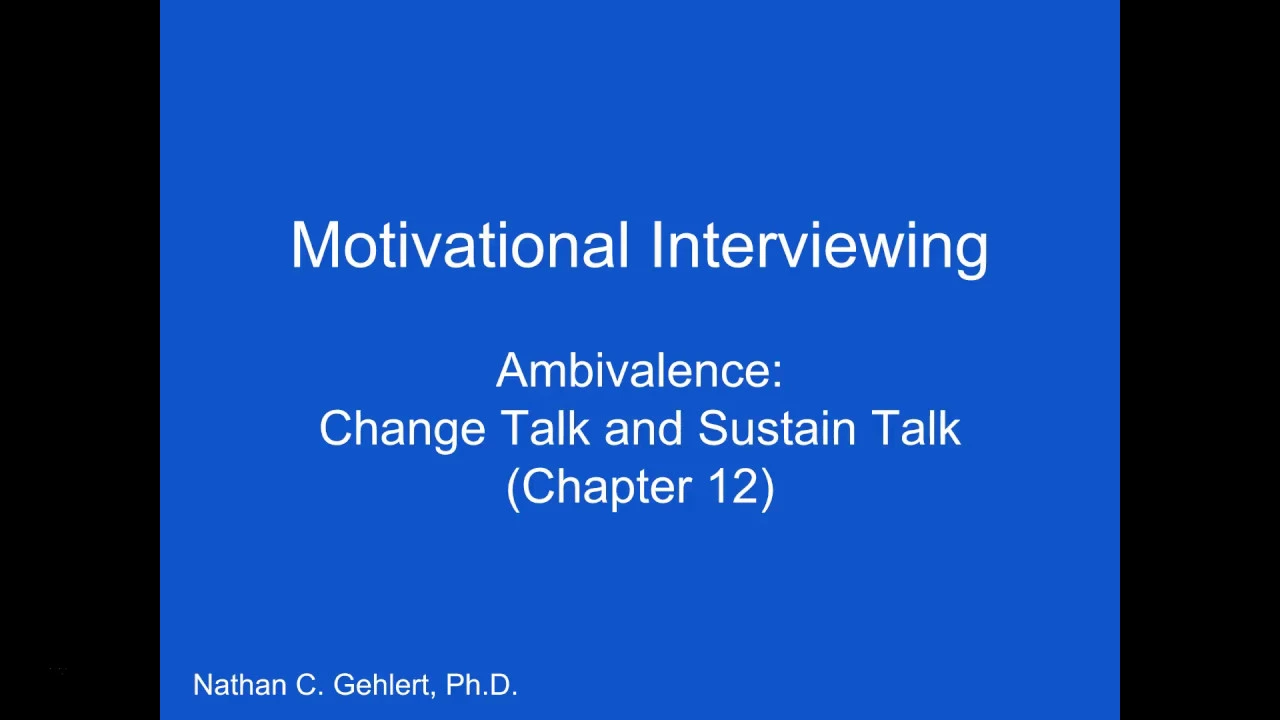


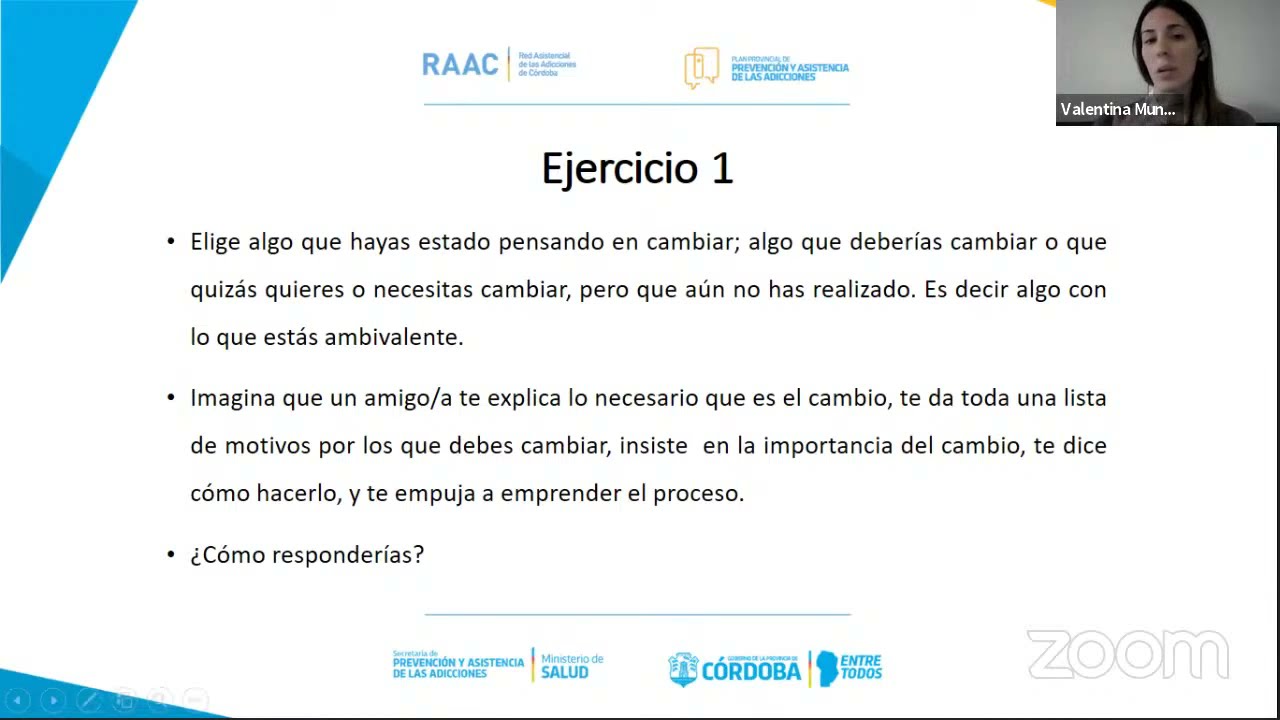





The OARS framework (Open questions, Affirmations, Reflections, Summaries) represents four core clinician skills used in motivational interviewing to evoke and strengthen client-generated change talk. Open questions encourage clients to express their own arguments for change; affirmations validate personal strengths and efforts to build self-efficacy; reflections help clients explore their perspectives and ambivalence by reflecting back their statements; and summaries consolidate the client's own reasoning for change. These skills work together to help clients articulate their desire, ability, reasons, and need for change, ultimately supporting commitment to health behavior modifications.
Motivational Interviewing Core Skills: OARS in Clinical Practice
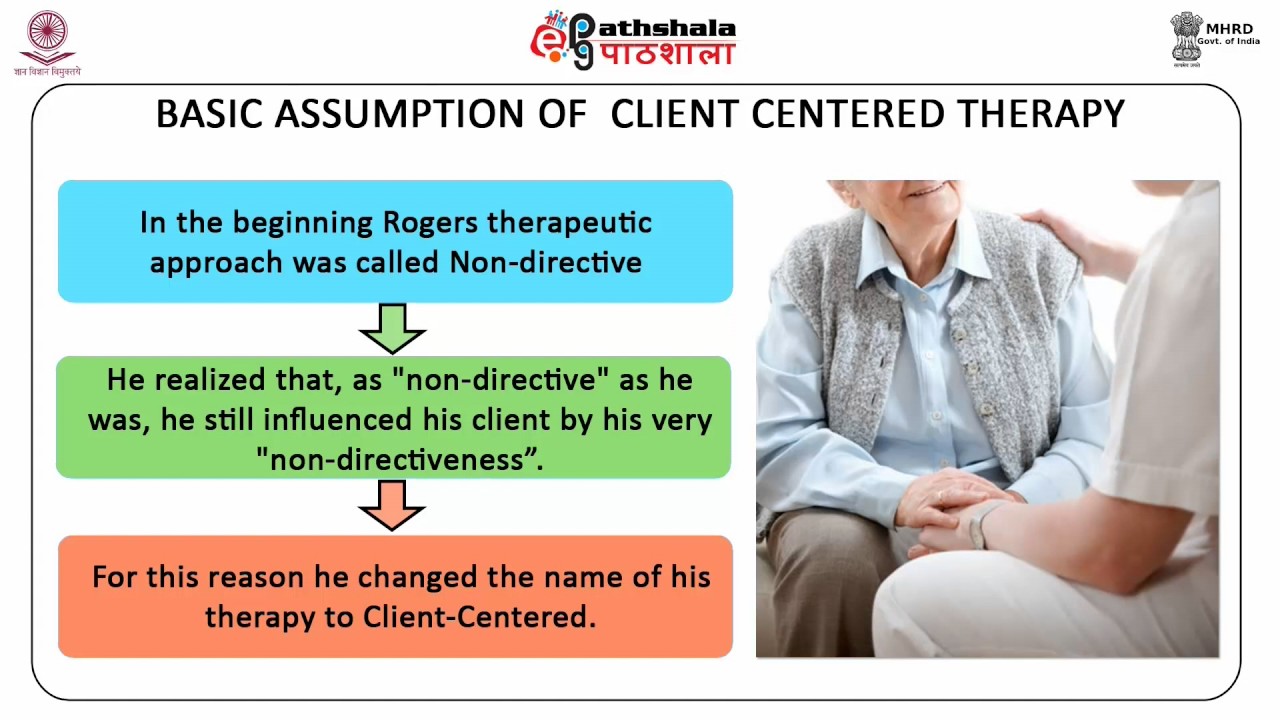
Added:The fundamental principles of Carl Rogers' client-centered therapy, emphasizing empathy, congruence, and unconditional positive regard.
The Transtheoretical Model (Stages of Change), specifically how individuals progress through stages like precontemplation, contemplation, and preparation.
The concept of clinical ambivalence, understanding why clients experience conflicting motivations regarding behavioral change.
Basic therapeutic communication techniques, including the difference between active listening and directive advice-giving.
Advanced strategies for identifying, reinforcing, and eliciting 'Change Talk' (DARN-CAT) versus managing 'Sustain Talk'.
The four sequential processes of Motivational Interviewing: Engaging, Focusing, Evoking, and Planning.
Techniques for 'rolling with resistance' and resolving discord in the therapeutic relationship when a client is highly defensive.
Application of the Motivational Interviewing Treatment Integrity (MITI) coding system to evaluate and self-assess clinical fidelity.
290.2K views1.9Klikes16:56Original Release: 2012-02-21
that's the client Side Of The Ledger that's sort of what they're doing or the sorts of things they're saying during the motivational interview and during during that interaction the the change talk the sustained talk and ultimately the commitment language that's what they're doing so now we'll just go on and talk a little bit about what we are doing what our contribution is to that interaction and the good news here is that there are probably um four core skills that we bring to a motivational interview that will be things that you already do things that you already are skilled at and and work with you know a lot it's more about how to use those core skills in the context of of change talk and evoking change talk and dealing with sustained talk and and ultimately also rolling with resistance so these will be um four things that that you're very familiar with already the first is asking open questions so we're really wanting to make sure that when we um uh are asking questions we're asking questions that are open because that's evocative that evokes from the person um their arguments for change rather than closed questions or or yes no type questions uh which are less likely to to evoke from the from the client or patient so we're wanting to ask open questions that that opens them up to to offering Arguments for change secondly we're wanting to to affirm people we want to affirm them in terms of their their personal qualities their strengths um their efforts and their intentions um and that's a bit about supporting self-efficacy you know we're wanting to affirm people so that they start to feel more confident that they can do it thirdly we're needing to use Reflections um basically uh a big part of of the the motivational diving approach is to be able to reflect what the person says how they feel what things mean to them so using Reflections um to to keep the the uh interaction going and then finally um summarizing uh drawing together every now and then the person's own perspective of change so through a motivation view people might say certain things along the way which are kind of a bit about change and Arguments for Change and every now and then we kind of pull them together into summaries and and sort of offer it back one of the things one of the quotes I like is um we know what we believe when we hear what we say and so a big part of a motivational interview is helping people to say the things the arguments and so on for change and then hearing that back to themselves um saying back to them the things that they've said so that they become more and more familiar with perhaps what they believe I'll just give you a few examples of open questions affirmations and Reflections just to to have a sense of of what that's about but um so for example with open questions one of the things really that that we use with open questions is simply asking questions the answer to which is change talk because we're wanting to help to get the person talking about change and and creating that flow so for example um you know what would you like to change about your lifestyle or what would you like to change about your diet or your exercise um that's a desire for change type question if we ask what they'd like to do then they'll start to talk about what they'd like to do um secondly you know a question like if you did decide to make this change how would you go about it that's an ability for change talk question that's asking them about what they might do um to make this change uh another useful question is you know something like what are the three best reasons for making this change so that asks them about reasons for change talk gets them talking about reasons so so tell us a bit more about kind of what you'd like to do with with your food choices I guess I'd like to be not making those massive you know ghost through drive-thru and um that that's that's one part of it and I'd really like to be to fuel my body um to basically give myself the good stuff so that I get through the days okay um yeah rather than your crashing and burning sort of thing if you were to do it more how how could you go about it what what could you do do you think to to actually do some more exercise in your life well I'd like to be able to enjoy it MH um so finding something enjoyable will be important would be enjoy yeah that's very much so finding something too that's probably not going to cause me a great deal of angst physically in terms of need quite a useful uh question to ask with respect to to need change talk is on a scale of 0 to 100 how important is it for you to make this change starts to get them thinking about how important it is but there's a really important um follow-up question and that is why are you at that number and not zero if you ask why are you at that number and not 100 they start to tell you all the thing all the reasons why it's not important to them but if you ask why you at that number and not zero they to elaborate on the importance on the need and start to talk more and more about um even if they were 30 out of 100 if you ask why are you at that number not zero they start to talk more about what makes it important to them and then finally I guess a commitment question is is even something you know at some point in the conversation when you feel like you've explored um desire ability reason and need you might ask a question along the lines of you know so what do you think you will do asking them to to offer you what that commitment might be and what the change might be what do you think you will do there are some other questions or questioning strategies that are useful as well one of the very common ones that people often know about and sort of almost equate to motivation is something called the decisional balance the decisional balance is is where you ask um you know what are the good things for example about smoking and then later you ask what are the less good things about smoking so you know sort of asking both sides of of um the ambivalence it's interesting because if you ask what are the good things about say smoking the person will start to tell you all about the good things about smoking and you know that basically represents sort of sustained talk that's kind of starts to um uh they start to talk about the reasons why they they wouldn't change but it seems to be useful to do that for a couple of reasons one is um it accepts and validates that there is that side of the the ambivalence sometime like for a smoker for example if you sit down and and you do ask them that question you might be the first person who's actually been willing to you know find out about that side and and is willing to to sort of respect that side of of the the behavior for them um everyone else in their life is sort of nagging them to stop here's someone who's asking them tell me what's good about it what what is it that keeps you in there the second reason to ask that question as well I think is it gives you some hints that you can put in the back of your mind for later when you're trying to work out an action plan you know so when we're trying to work out a change plan um if smoking is the thing they do during the day to help them relax at work then that tells us that the action plan might need to include something that helps them to relax at work because if they're going to not no longer have this the smoking then um we need to replace it with an alternative so that question helps to um accept and validate the person and their ambivalence and also gives us some clues for an action plan later but then of course we move on to so what are the less good things about smoking uh and on and probably we would tend to to spend a bit more time um asking them about that quite commonly in a motivational interview you would be asking about for more elaboration so it is important to just be asking people to elaborate you know can you tell me more about such and such that that's probably important um question to to help evoke more of the the change talk and ultimately commitment and asking for examples as well I I mentioned that um on a scale of 0 to 100 question you can ask that's called sort of like a change ruler and you can ask that kind of a question for how important it is but also how confident the person feels it's quite nice sometimes to to find out from people you know how important is it for them versus how confident are they because one or other of those two might be the barrier of change it might be really important to them but they're kind of low in confidence or alternatively it might be they might feel like oh that'd be easy to do but I just don't think I need to so it's often useful using change rulers to disentangle those two and and lastly too in terms of questioning strategies it's useful to to find out about people's goals and values you know like what um what are your goals or or what sort of what what's important to you as as a person or a father or a husband or a worker and um you know then how does that fit with drinking or how does that fit with some of your lifestyle um and and behaviors so those are some examples of of the the questions then we have the affirmations and there's just a couple of points that I'd make about affirmations that that's this notion of of statements from the clinician that affirm the patients strengths resources intentions their attempts um their achievements as well as change Talk itself it's often useful to affirm the change talk affirm the things people say sounds like you've thought a lot about the reasons why you would make this change that's like a an affirmation to the change Talk itself but um it's important to to keep in mind a few things for example affirmations need to be done genuinely you're not sort of wanting to make up an a affirmation just for the sake of it is is the clinician you're wanting to offer it as something genuine well the good side of that is is that you I mean you will know a lot about it that sounds like you probably know a lot of the facts around I suppose eating and what healthy choices are and and all that sort of stuff tell me a bit about that what what would you see as being the healthy way to go the healthier way to go um well I think it it is getting that that that little bit more structure and and and various times for breaks and and bring in that more fruit and the grains and and those sort of areas actually into the meals rather than the the overly processed foods MH um so there's a sort of is that what did that evoking you that that that it birth um yeah I sort of looked at my life and went okay so where am I sort of compared to a lot of people and I felt quite good where I was um very felt very um upset about my weight that was a big big upset and that's been the weight's been something I've carried through all my adult life yeah okay um pretty much and I come from a family that sort of that has said well once you hit 25 that's it everyone just goes up in the weight and there's no hope um right yeah and it was a little bit scary because I had an uncle who had a cardiac arrest at 34 okay so suddenly 30 seems a lot closer to 34 and you know thinking oh dear yeah one piece of what you're saying there though that that stands out for me is that that reaching 30 and stopping and thinking about your life there was a lot to feel good about with your life as well yeah tell tell me a bit about that the things that you have achieved or have had success it needs to be done respectfully and pitched at a level that sort of fits with the patient themselves some people appreciate a more enthusiastic kind of oh wow so you've you've reduced your cigarettes by one that's great and another person might prefer something more subtle you know like okay good start right let's move on to the next thing so um trying to pitch affirmations at the right level for the the person is important and and also the other point with affirmations is it's useful to make them kind of situationally or behaviorally specific so rather than saying you know you're a really great father the problem with that is sometimes that will evoke sort of um you know negative selft talk from the person they might say oh yeah but I wasn't so great last Saturday was I when I so instead of something really General like that it's useful to affirm people specifically so um last Saturday when you turned up to Little Johnny's soccer match and you were there for his um when he scored that goal that was you being a really great father so something more specific to to help to to to um you know create that that positive effect and that that supporting the self-efficacy so we've got open questions and affirmations and the third thing I was just going to mention um a bit more on as well is is this notion of the reflection and in fact the importance of Reflections so um if motivational interviewing was a car it's actually Reflections that are the engine the word motivational interviewing sort of sounds like it's about questions it sounds like it's about asking questions and interviewing the person but actually we're more likely to be doing these Reflections we're more likely to be um either doing Simple Reflections which is kind of just saying back to the person what they've just said to you or more complex Reflections where we try to arrive at a bit of a hunch or a bit of a hypothesis about what the person really is feeling or what they meaning and offer that back to them so rather than asking questions we're using these reflective statements to help people to keep thinking about their perspective on change and help people to keep thinking about their ambivalence and ultimately moving towards towards change Carl Rogers who is a sort of a very well-known psychologist that developed client centered therapy one of his quotes is um Reflections are more than a repetition they're a revelation and that's what we want to create with these Reflections we want to offer people something um something to them from what they've said where they go yes that's exactly how I feel about this and as a clinician you can kind of sort of feel pretty good about that and you know like whatever but all you're doing is you're just saying back to them the things that they've just told you perhaps with a couple of hunches or hypotheses about how they feel or what it means yes it sounds a little bit like um exercise really fits with sort of who you are or how you see yourself um exercise is a part of who you've been in your life and and it's a part of what's allowed you to feel happy confident effective um and some of those things are a little I didn't realize it earlier you know you're right I didn't realize that earlier in my life but now that I'm sort of yeah I I sort of I can feel the effects now yes in the reverse in the reverse yeah in the reverse effect yeah yeah yeah and those are some pretty powerful reasons because there's you know um now that uh there's some there's some time now in your life where you're wanting to be happy and effective and you've got things that you what you want to do yeah well I'm I'm a single guy and uh I guess that uh you know we have more time perhaps at night when you know you'd uh I'd grab a book and or sit down and uh perhaps even want to see my favorite show on TV um but you get to thinking you know you know perhaps I should be you know doing a bit of exercise yeah okay but um following through on that and actually you know I say just following through on it that's definitely the preference but yep the following through I sort of fall down there and fall into that old trap of a well I'll just go there it'll yeah it'll be something it's food yes and you've identified that habit bit to it as well yeah um in fact it sounds like you you've sort of identified a little bit that that to change some of this will be about you know kind of changing habits as well that'll be part of the challenge
Up Next
3:58
Anatomical Planes & Axes of Motion Explained
@madmed
35.5K views•2019-01-18

48:47
Graphic Medicine: Comics for Collaborative Healthcare Communication
@nationalpatientadvocate
189 views•2023-12-04

10:28
Neuroanatomy: Central and Peripheral Nervous System Divisions Explained
@AKLECTURES
136.2K views•2014-09-20

3:05
Stages of Labor and Vaginal Birth | Childbirth Animation
@nucleusmedicalmedia
52.1M views•2017-08-18
Related Study Plans & Knowledge Roadmaps
Structured learning paths in Medicine
medicine
Abnormal LFTs: Diagnostic Workup & Pathology
01Liver Anatomy and Basic Physiology
02Introduction to Liver Function Tests (LFTs)
03Hepatocellular vs. Cholestatic Patterns
+ 3 more learning modules
12h6 modules
Explore Roadmap
medicine
Analyzing Blood Smears: RBC, WBC & Platelets
01Introduction to Blood Components & Smear Preparation
02Normal Morphology of Blood Cells
03Erythrocyte Pathologies & Morphological Variants
+ 2 more learning modules
12h5 modules
Explore Roadmap
medicine
Mechanical Ventilation: Waveforms & Alarms
01Anatomy and Physiology of Breathing
02Introduction to Mechanical Ventilation & Core Modes
03Ventilator Settings and Waveform Interpretation
+ 2 more learning modules
12h5 modules
Explore Roadmap
medicine
Neuro Exam: Localization & Stroke Syndromes
01Foundations of Neuroanatomy and Vascular Supply
02The Neurological Examination: Step-by-Step
03Principles of Neurological Localization
+ 3 more learning modules
18h6 modules
Explore Roadmap