

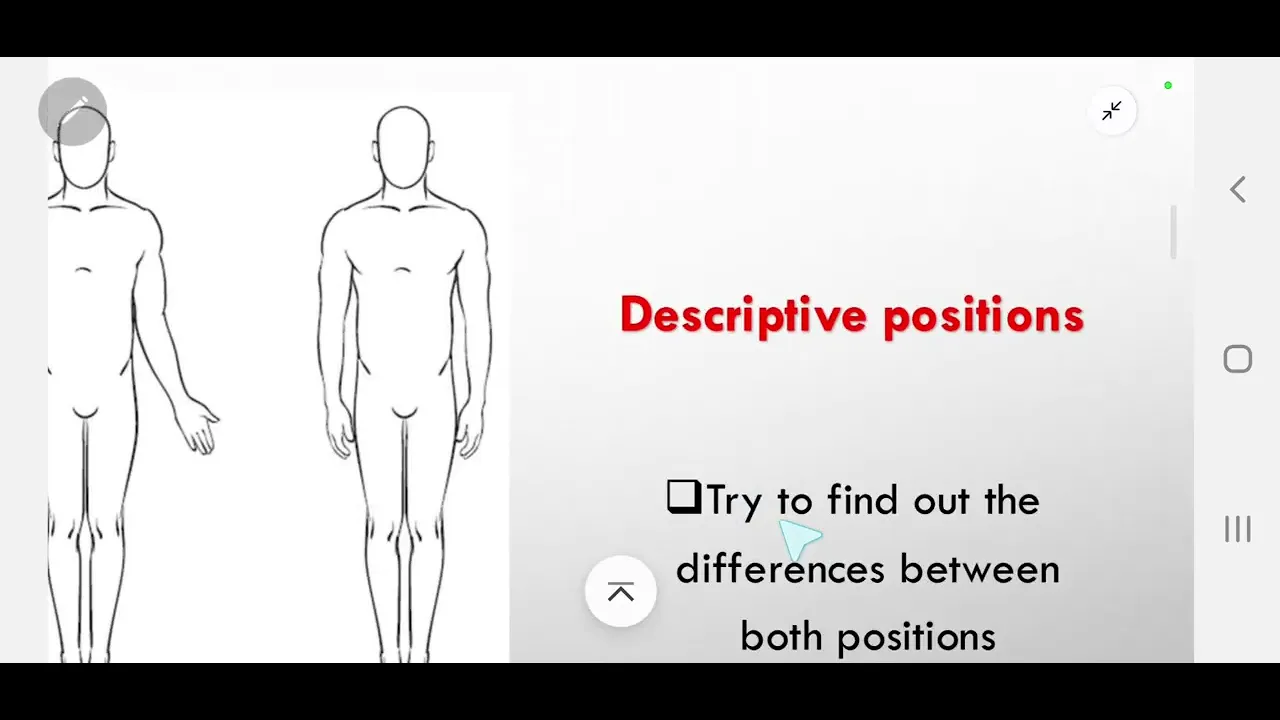
![Anatomical Position and Directional Terms [Anatomy MADE EASY]](https://i.ytimg.com/vi/t6-ueqFK1IE/maxresdefault.jpg)








![[PDF] Introduction to 3-Dimensional Geometry | Class 11 | Exercise 12.1 | Q. 1 to 3 | Elements Maths](https://i.ytimg.com/vi_webp/DD_fC3rYqdo/sddefault.webp)













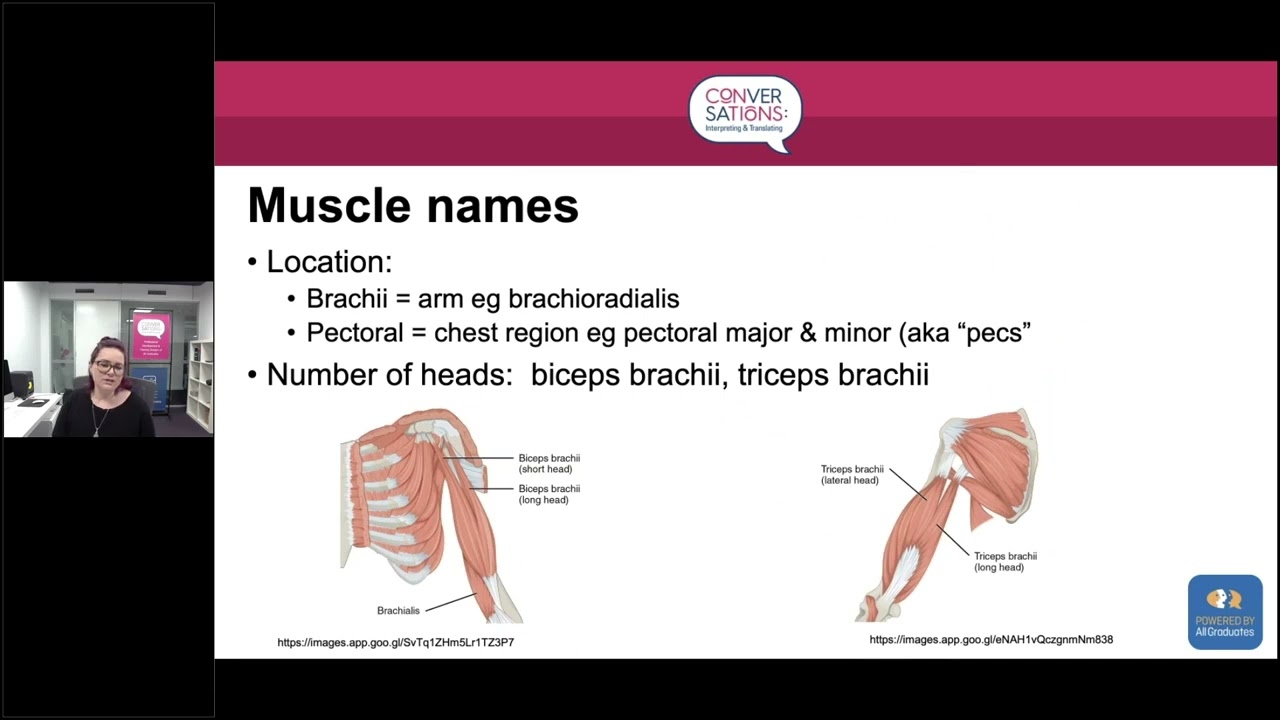
This video explains the three fundamental planes of anatomical motion (sagittal, coronal, and transverse) and their corresponding axes: flexion/extension occurs in the sagittal plane around a transverse axis, rotation occurs in the transverse plane around a vertical axis, and sidebending occurs in the coronal plane around an anterior-posterior axis.
Anatomical Planes & Axes of Motion Explained
Added:Understanding of the Standard Anatomical Position as the universal baseline for medical reference.
Familiarity with basic directional terminology (e.g., superior/inferior, anterior/posterior, medial/lateral).
Basic knowledge of the musculoskeletal system, specifically how muscles cross joints to produce movement.
Fundamental geometric concepts of 3D space, including the relationship between 2D planes and their perpendicular axes.
Analysis of complex, multi-planar joint movements such as circumduction, pronation/supination, and inversion/eversion.
Application of biomechanical principles to analyze compound exercises and athletic movements (e.g., the gait cycle or a squat).
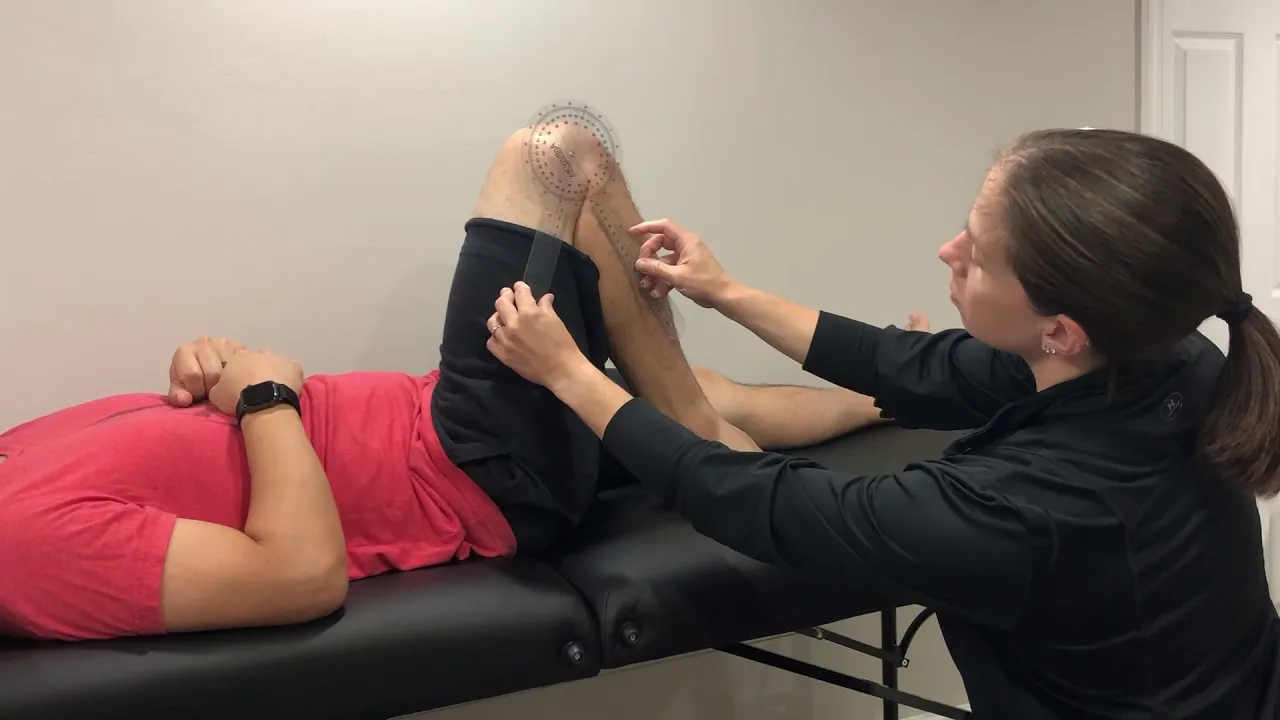
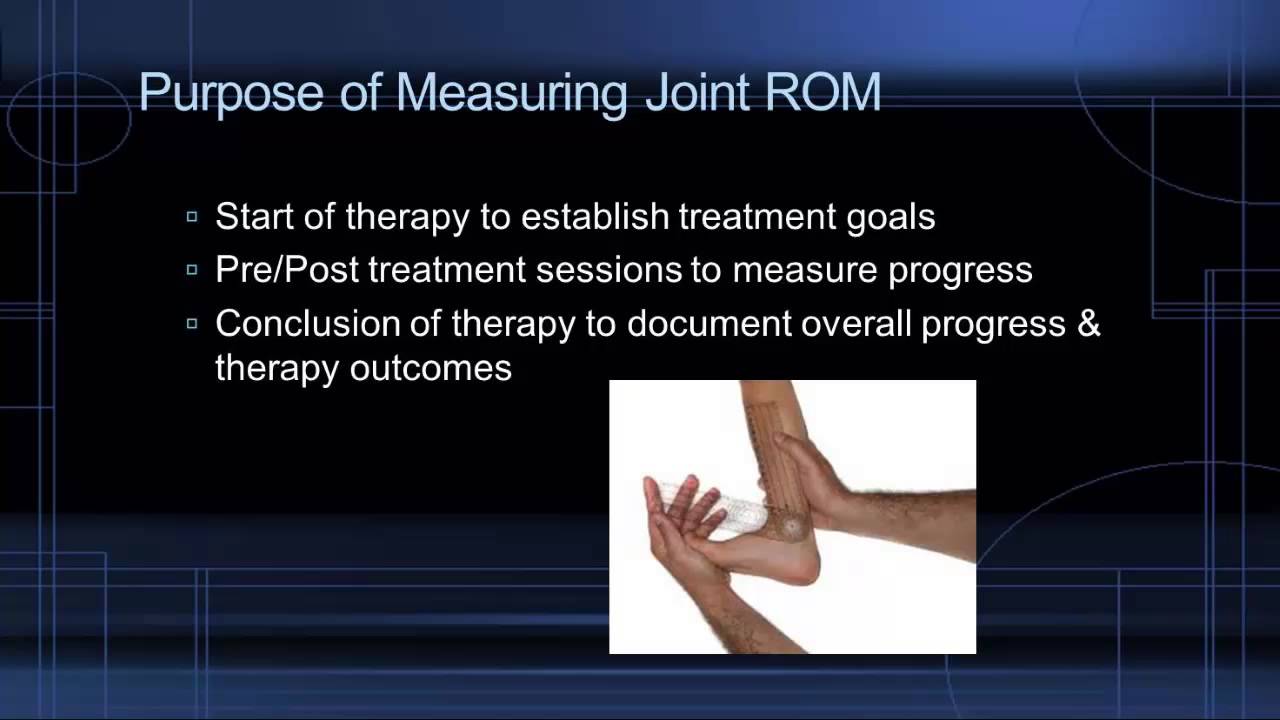
Introduction to goniometry and the clinical assessment of joint Range of Motion (ROM).
Understanding pathomechanics, or how abnormal movement patterns across anatomical planes contribute to common musculoskeletal injuries.
35.5K views1.2Klikes3:58Original Release: 2019-01-18
I will always keep my videos here free the only thing that asks from you is to LIKE and subscribe to my page and also check me out on patreon thank you so much we're going to be talking about a couple different motions their access and the plains that they move in and it this will become hopefully pretty apparent when we when we see this motion right here so if you look at flexion that's basically flexing forward and when you're straightening your back that's called extension now when we're talking about planes we're talking about either transverse coronal or sagittal planes let's take the sagittal plane for example the only motion that you can make in this plane is either going forward aka flexing or going backwards aka extending if you side bend or you rotate you're no longer making that motion within this plane you can either move forward or you can move backwards well one we're talking about axis what we mean is what is the motion moving around not what is the direction of the motion but what is the motion moving around in this case if we put a bar for example straight down the middle and then we have flexion or extension we know that this person is moving around this bar in this case flexion and extension will move around a transverse axis and a sagittal plane again here we see this is moving around a transverse axis right here and it's moving in the direction of a sagittal plane we're also going to be discussing rotation as you can see here you're basically twisting your body either to the right or to the left let's pretend there's a pole in the middle of the person hopefully not real life but you know when this person rotates it's going to move around this bar either to the right or to the left we'll call that a vertical axis but what plane is this moving in what is the actual plane of motion in this case the plane is going to be the transverse plane when this person rotates to the right or rotates to the left they are doing it within the available area of a transverse plane so in this case rotation has the vertical axis and a transverse plane now again it might make sense to you pretty easily it might not in any case all you need to know is a simple chart rotation has a vertical axis and a transverse plane and we're also gonna be discussing side bending which we see here side bending one way and side bending back towards the other way if you had a pole going straight through this person or a rod which I hope that doesn't actually happen but we can see that if the person side bends this way or if they side Bend this other way it's basically going around this rod therefore for side bending what we have for access we call an AP axis AP stands for anterior posterior axis now what is the plane of motion when your side bending to the left and right the available plane that this person has to use is going to be this one right here so when this person goes this way or they go the other way they're going within this plane so let's complete our chart here for side bending we're going to have this anterior posterior axis and we have this coronal plane
Up Next
21:17
Hip Unilateral Stance Biomechanics | Joint Forces Explained
@MovementScience8
24.2K views•2021-02-09

48:47
Graphic Medicine: Comics for Collaborative Healthcare Communication
@nationalpatientadvocate
189 views•2023-12-04

10:28
Neuroanatomy: Central and Peripheral Nervous System Divisions Explained
@AKLECTURES
136.2K views•2014-09-20
3:05
Stages of Labor and Vaginal Birth | Childbirth Animation
@nucleusmedicalmedia
52.1M views•2017-08-18
Related Study Plans & Knowledge Roadmaps
Structured learning paths in Medicine
medicine
Abnormal LFTs: Diagnostic Workup & Pathology
01Liver Anatomy and Basic Physiology
02Introduction to Liver Function Tests (LFTs)
03Hepatocellular vs. Cholestatic Patterns
+ 3 more learning modules
12h6 modules
Explore Roadmap
medicine
Analyzing Blood Smears: RBC, WBC & Platelets
01Introduction to Blood Components & Smear Preparation
02Normal Morphology of Blood Cells
03Erythrocyte Pathologies & Morphological Variants
+ 2 more learning modules
12h5 modules
Explore Roadmap
medicine
Mechanical Ventilation: Waveforms & Alarms
01Anatomy and Physiology of Breathing
02Introduction to Mechanical Ventilation & Core Modes
03Ventilator Settings and Waveform Interpretation
+ 2 more learning modules
12h5 modules
Explore Roadmap
medicine
Neuro Exam: Localization & Stroke Syndromes
01Foundations of Neuroanatomy and Vascular Supply
02The Neurological Examination: Step-by-Step
03Principles of Neurological Localization
+ 3 more learning modules
18h6 modules
Explore Roadmap