















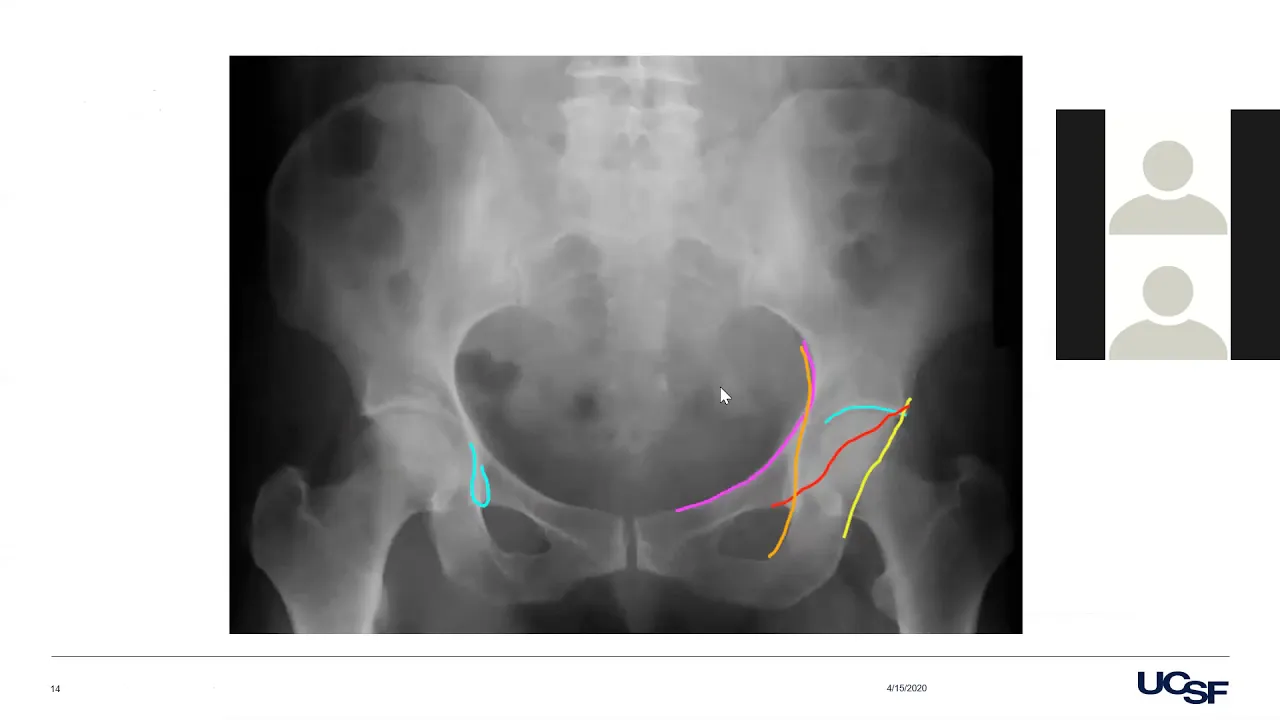

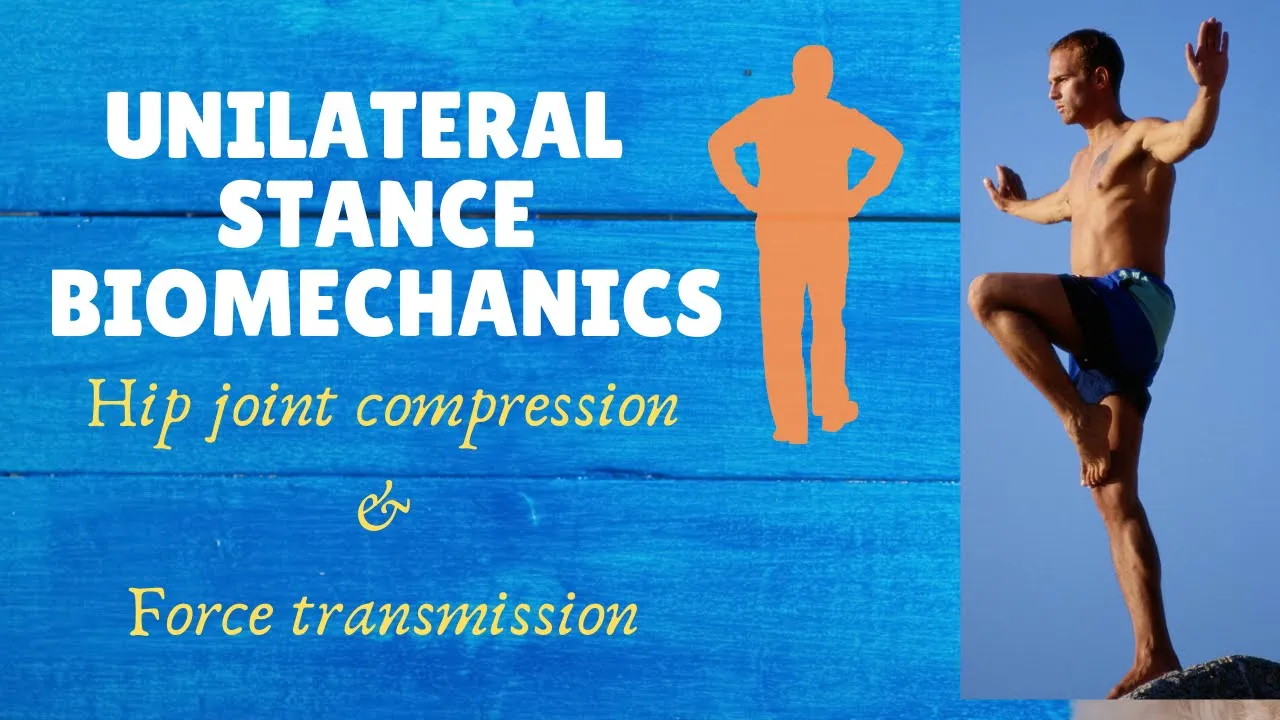


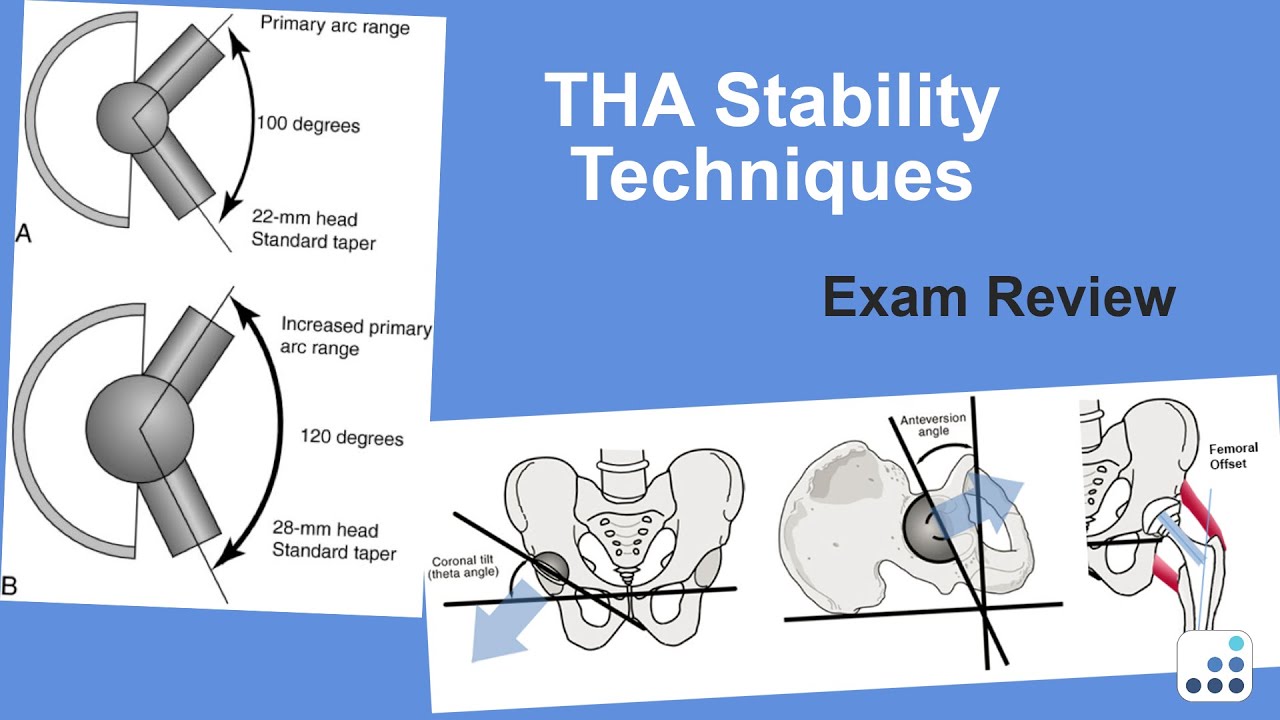

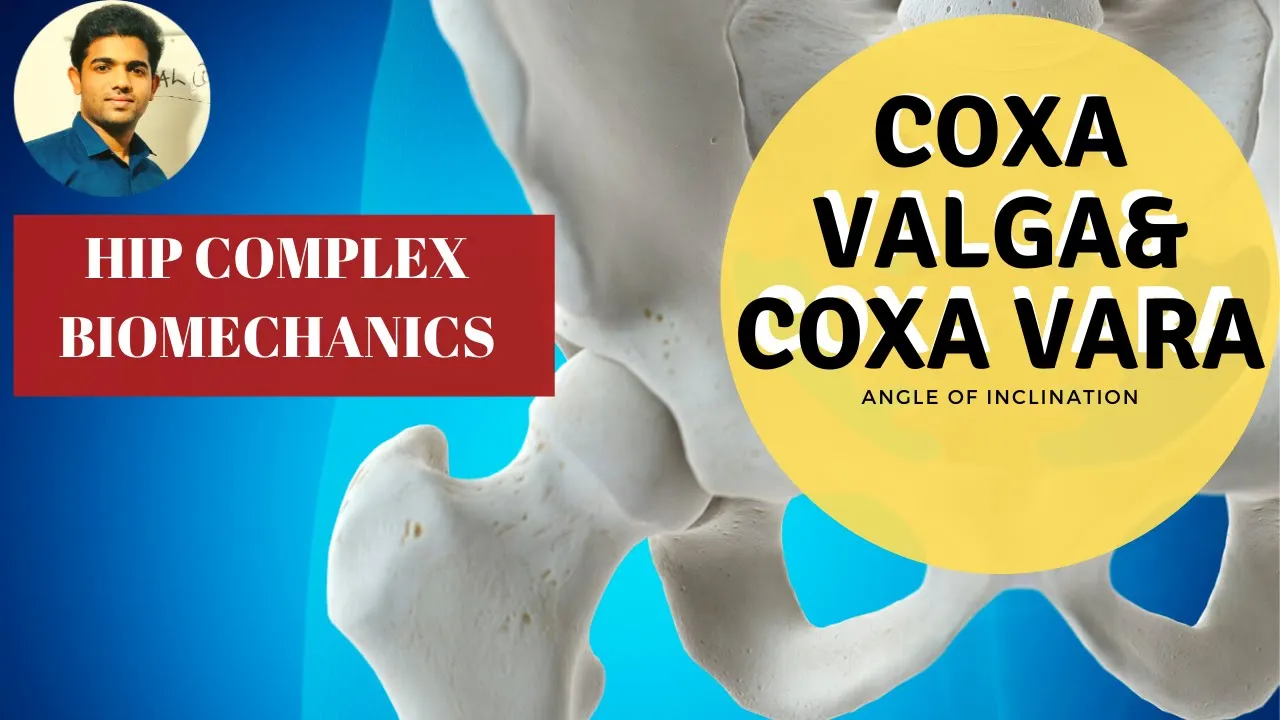

In unilateral stance, the hip joint experiences compressive forces of approximately 5/6 of body weight plus an adduction torque that must be counteracted by abductor muscles; these forces can be reduced through weight loss (most effective, as 1kg reduction reduces hip compression by 3kg), compensatory lateral trunk lean (reduces torque by approximately 50% by decreasing the moment arm and reducing abductor pain), or cane use (contralateral cane provides better force reduction than ipsilateral cane due to its longer moment arm and counter-torque effect).
Hip Unilateral Stance Biomechanics | Joint Forces Explained
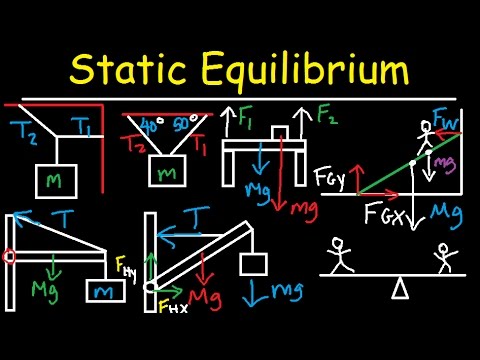
Added:Basic principles of static equilibrium, including torque (moments), force vectors, and lever systems.
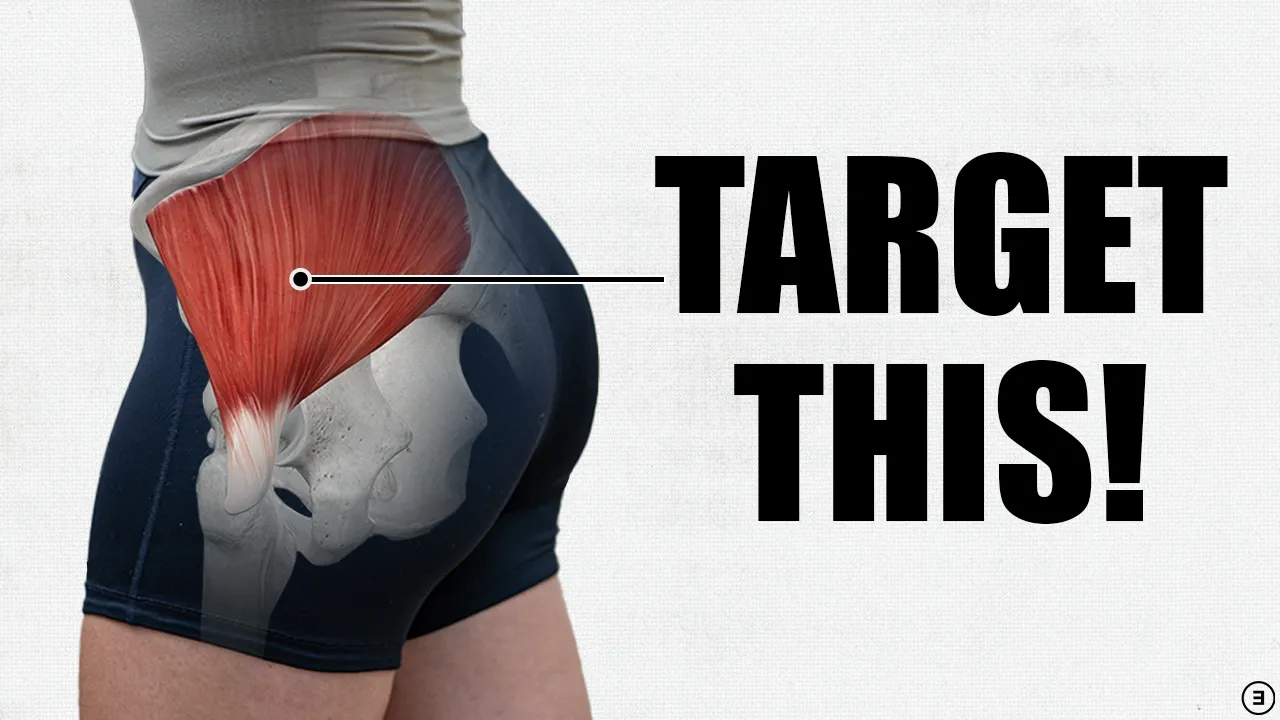
Anatomy of the pelvis and hip joint, particularly the structural role and insertion points of the hip abductor muscles (e.g., gluteus medius).
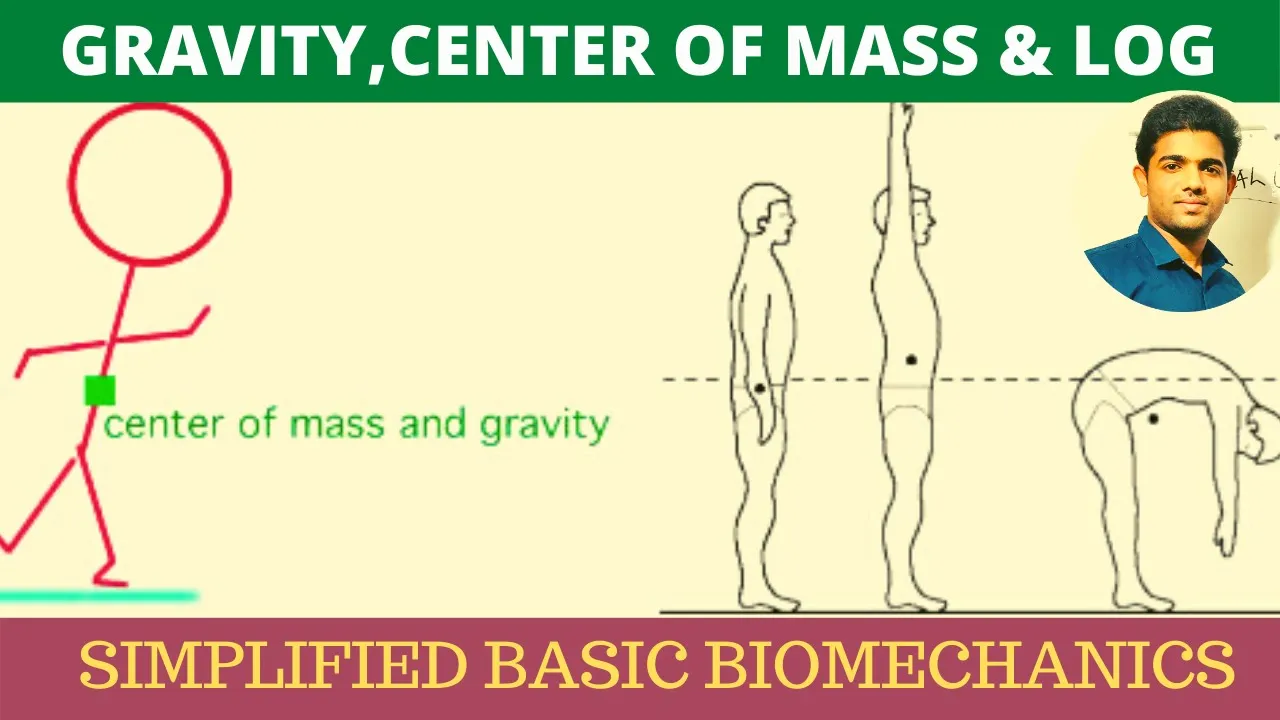
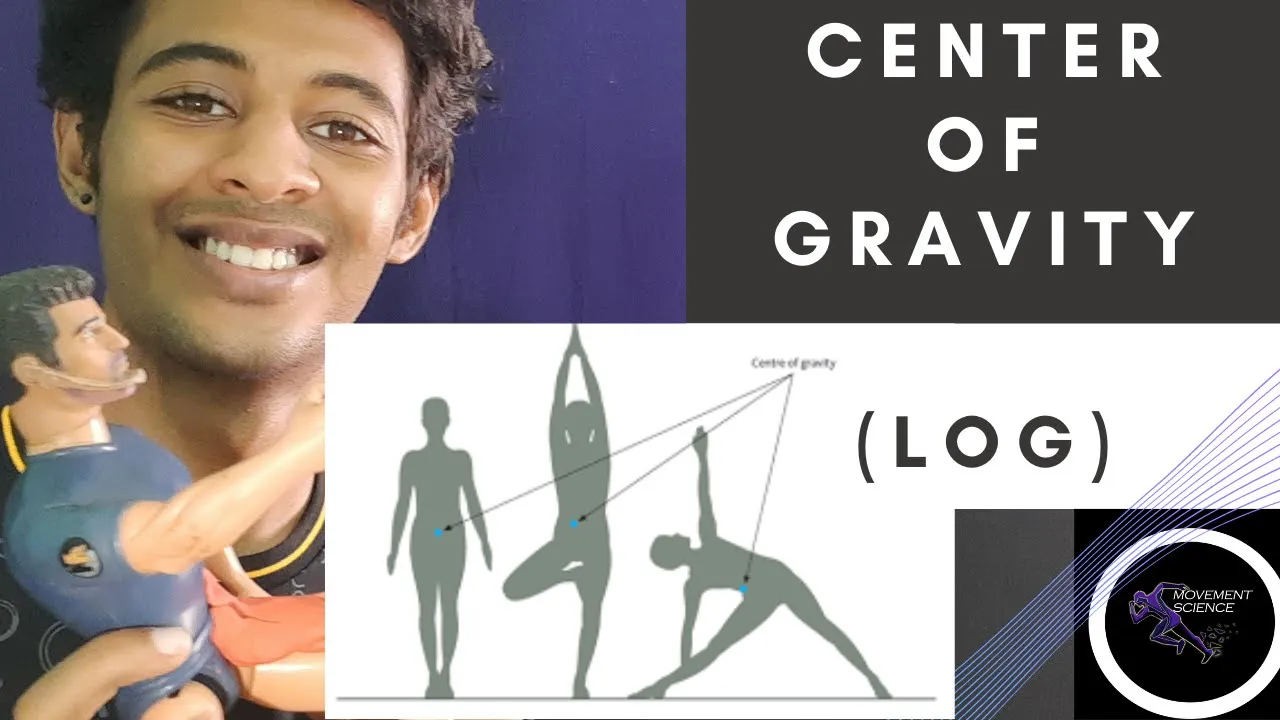
The concept of the body's Center of Mass (COM) and how the line of gravity shifts during bilateral versus unilateral weight-bearing.
Understanding Ground Reaction Force (GRF) and how external forces act upon the human skeletal frame during stance.
Analysis of Trendelenburg gait and the mechanical compensation strategies employed by patients with hip pathology.
The clinical and biomechanical rationale behind contralateral versus ipsilateral cane placement for joint unloading.
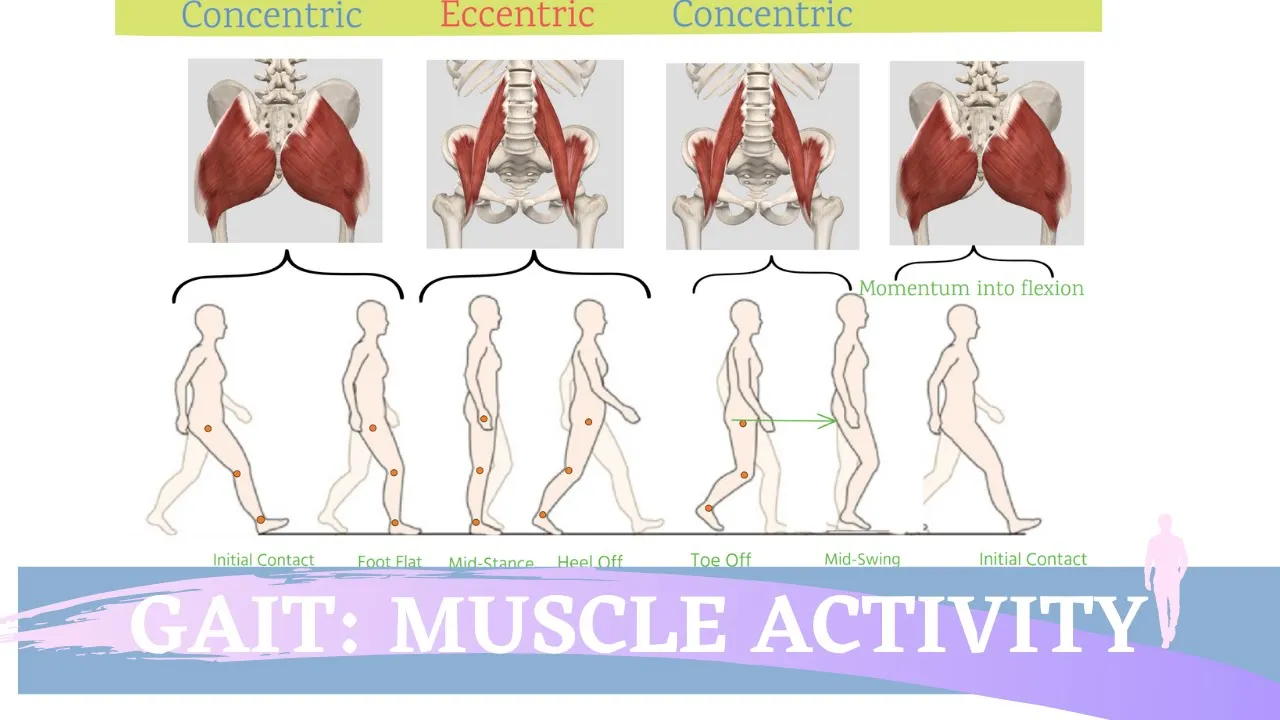
Dynamic hip joint kinetics, transitioning from static unilateral stance analysis to active gait cycle and running biomechanics.
The implications of joint reaction forces on Total Hip Arthroplasty (THA) design, specifically how femoral offset affects abductor muscle efficiency.
24.2K views681likes21:17Original Release: 2021-02-09
hello guys this is adeb welcome to my channel movement science where i simplify biomechanics and lot of auto topics with joe so if you are new to this channel consider subscribing also check me out on instagram where i post pictures of my notes and also put out daily mcqs with which you can brush up your biomechanics the reference time for all the topics that i am going to cover will be mentioned out in the description so check that out and let's get started [Music] in this video we are going to talk about the unilateral stance of the hip joint last video was about the bilateral stance where we got the basics right so now in this video we will be talking about the unilateral stance how the force is distributed and then we will see how to reduce the force in the hip joint in unilateral stance okay what are the different techniques and which is the best technique so with that let's start with the topic so before we go into the calculation of the forces i first want you to understand the diagram over here and see what are the forces that are acting in this diagram so that we understand what are the types of forces that are acting over here so starting with the h80 over here that is the head arm and trunk we discussed about in the last video that is coming straight from top which is passing through your center of gravity right and this purple line over here is the h80 movement arm that is from the axis of the hip joint to the perpendicular force that is the moment arm right so torque equals force into momentum as we discussed in the last part so i'll write it down over here torque equals your force or w that is weight into your moment arm right so this is the moment arm for the weight over here and that is the torque that is created over here and then the second part is the abductor force now we'll keep this aside for now when we come to the lateral lean we'll talk about this in more depth and there is the abduction momentum that is formed over here i'll talk about this in a while okay so let's start with the main compression that is seen at the hip joint so that is right hip joint compression is seen and this force at the right hip is divided into two parts that is your two third of the body weight okay and if you want to measure this force on the right hip how do you calculate it it is the two third of the body weight that is your h80 we discussed in the last part and then apart from the hat in unilateral stance you will also count for the other leg right in bilateral stance you weren't counting for that but now since you are in a unilateral stance this will also add on to the h80 that will be your one-sixth of the body weight how two-third is the whole body right so one third was given to your legs if you remember right so out of that one third if you divide the one third into half that is one leg that will be your one sixth of the body weight that is your other limb so if you add all of this weight that is the your body weight plus weight of your leg it will be 5 6 of your body weight right almost whole your body weight except the one part that is your other leg right the weight bearing so 5 6 of the body weight is the total weight that you will be having on your right hip so if you are clear till here let's go on to the next part that is there are two types of forces that are seen at the hip joint there is the compressive force of the gravity that we see that we discussed over here but then there is also another force that is the torque at the body weight now what is this torque torque is a turning force that we talked about in our last videos too right so that is the weight into momentum that i was talking about so there is an adduction torque that is present at the hip joint what do i mean by this so this is your femur right and this is your pelvis over here so what happens is when the weight is coming from top the pelvis will tend to fall down now this is prevented by your abductors on the other side which cause abduction of your femur right abduction of your femur they basically maintain this angle between your pelvis and your femur so to prevent the collapse of the pelvis downward your abductors on these on this side they'll be activated and they'll keep the hip joint in the right place right so the adduction torque is counterbalanced by your hip abductor activity the hip abductors on this side they'll activate and they'll maintain this position so there is a second for that is the turning force or the torque that is seen at your hip joint so there is a compressive force and then there is a torque force this torque force is created by your abductors which prevent collapse of your pelvis simple so the total forces if we see at the hip joint will be the compressive forces that is the 5 6 of the body weight and also that there will be the abduction torque that will be created by your abductors so these are the forces that we see at the weight bearing hip joint in a unilateral stance okay so till now we are clear about what are the forces that are seen in the hip joint now let us see how to reduce these forces on the hip joint in unilateral stance you can reduce this forces by three ways you can do it by weight loss you can do it by compensatory lateral lean of the trunk you will bend your trunk slightly laterally or you can do it by the k that is use of a stick on the ipsilateral meaning same side or contralateral meaning opposite side so talking about the weight loss compression at the hip joint is three times the body weight if we see this calculation over here basically what it will get us to is that when there is a compression at the hip joint the compression force if we measure it it will be three times your body weight okay so this three times your body weight has an interesting way to look at it as in if you reduce your body weight by one kg it will be multiplied into three times right so if you reduce one kg of weight it will reduce the weight on your hip joint or the pressure on your hip joint by three times so that's a big advantage we have to reduce the forces on the hip joint that is by weight loss okay so weight loss is pretty simple right you reduce one kg it will be multiplied with three times and it's much more efficient way of reducing the weight or the compression on the hip joint going to the next part there is a compensatory lean of the lateral trunk now this is where things can get a little tricky but don't worry i've tried to made it as simple as possible so the torque we are talking about of the hip joint over here is very important concept first for that we need to understand what torque really is so if you take this pen and if i fix this point at the pen and then hit this pen over here it will go around like this right if i hit it like this it will go around but if with the same force if i hit the pen over here it won't go as much far why is this this is because your moment arm is reduced over here so basically torque is that is the turning force is equal to the force that i am applying which is constant into the moment arm that is the distance from the axis right so this is the basic concept of the torque now with compensatory lean what we do is we basically change the moment arm over here so the lateral line helps to reduce the dr that is your momentum let's look at this so this is where we come back to this diagram again so this is the momentum that i was talking about right torque into weight which is constant het into the momentum so with the lateral lean what do we do we reduce this momentum we try to reduce the momentum let's see how so if you take jo over here this is your axis right axis that we talked about over here and from the axis this is the distance right from here till here this is a distance and the h80 is coming straight down from here that's why we take the perpendicular distance from your axis okay so now what is happening is now with the lateral lean of the trunk your job will try to lean his trunk slightly on the lateral side so with the lateral lean of the trunk what will happen this force that i was talking about won't be like this the gravity is going still straight through it so as the lateral lean keeps increasing this force that was going like this will keep coming closer right will be closer the center of gravity will start coming closer to your axis from here h80 will start going slightly more closer to the axis of the hip joint so with this that was over here as you start moving like this to the lateral side the trunk lateral flexion the line of gravity will keep coming closer and as it comes closer the moment arm over here will be reduced right so this is how your lateral lean of the trunk brings the line of gravity closer to the axis of rotation and helps you reduce the momentum so i hope it's clear how your lateral lean of the trunk helps to reduce the momentum so now joe has a question over here why not bend completely so basically what he's saying is why shouldn't i bend completely like this till your line of gravity is passing right through the axis of rotation and what will happen the momentum will turn into zero right so here's a question over here that why not bend completely and make the moment arm zero so that the torque will become zero if if i make the momentum 0 0 into whatever the weight is the torque will become 0 right so it's sorted there is no torque at the hip joint at all so there will be very less force at the hip joint but there is an exception over here this position is very high in energy demand it requires lot of energy demand and there will be also excessive wear and tear of your lumbar spine just imagine you walking like this throughout the day what will happen first of all it's lot of energy for your other muscles of the trunk to hold this position and on the other hand there will be also excessive wear and tear at your lumbar spine just to help your hip joint you'll be creating lot of other problems in your body so it's not feasible at all right so this is why lateral trunk bending excessively is not the best idea so till now what have you understood that the torque at the hip joint can be reduced by either reducing the weight that is weight loss or you can also reduce it by compensatory lateral lean that is acting on the momentum but you can't do it completely because if you make the torque 0 that is not the best position to be in because of the excessive wear and tear of the lumbar spine and also high energy demand but however reducing dr that is your moment arm can help you reduce the weight on your right hip significantly that is around 50 percent of the weight can be reduced on the joint with this method and also there will be reduced pain in the arthritic patients and also patients with painful hip abductors now here this painful hip abductors is a very important line let me explain you how painful hip abductors can be helped by compensatory lateral lean so for that we'll have to go back to the diagram okay so over here to understand how hip abductors will be less painful we'll have to understand the concept of abduction versus the gravity okay so if you take your hip joint over here this is the femur and this is your pelvis what happens basically is when you are standing in your unilateral stance the pelvis will always tend to fall down because of the gravity right but what is the thing that keeps it up it is your abductor muscles simple so now this downward movement or the rotatory moment of your pelvis is your adduction talk right because adduction is occurring so this adduction torque is equal to the weight into your moment arm correct which is the momentum over here the 10 centimeter long moment arm that we are discussing from the h80 so that is your first adduction talk that we are talking about and then to counterbalance this to prevent the falling of the pelvis what is happening your abductors are working that is your abductor activity i had mentioned over here right so your abductors are working so the hat force is countered by your abductor force which is produced by your abductor muscles right this so the w over here would be your abductor muscle force and the moment arm over here would be the distance from your axis of the hip joint to the attachment of your abductor muscles right so that would be 5 centimeters so the moment arm over here is 5 centimeter okay so this is the abductor torque that is force of the abductors into five centimeters and adduction torque will be force of the h80 into 10 centimeters so if you see the gravity has a big advantage over here because the momentum is very big so your abductor muscles has to fight a weight which is multiplied into 10 times because the momentum is 10 centimeters now with lateral lean what will happen when your job will go for lateral lean this 10 centimeter of your moment arm will be reduced to around 5 centimeter it can be reduced significantly and this 10 centimeter when it becomes 5 centimeter it will be much more easier for your abductors to fight this force that is created by a gravity to fight the torque that is created by the gravity because momentum with lateral lean will be reduced and overall torque will be reduced hence your abductors will have to create much more lesser torque to fight to keep the pelvis in the right position right so this is how lateral lean of the trunk will reduce the pain in the hip abductors okay so that's how painful hip abductors will be helped by the less load on them due to the lateral trunk lean hence this compensation is very commonly seen in unilateral stance of the hip joint so now this was about the compensatory lateral lean now let's move on to the next method of reducing the pressure on the hip joint that is with the use of gain on the contralateral or ipsilateral side okay so coming to the last part of the video the contra lateral versus the ipc letter that can use and we will see which is the better version so obviously over here the contralateral is a better way of using the cane compared to the epsilon and we'll see why so first let's start with the ipsilateral side when you are holding it on the same side the forces will be reducing so there is reduction forces that pass through your hip joint because the cane is taking some of the weight right simple enough if you're holding the cane over here the cane will be taking some of the h80 that is coming and will be transmitting it to the ground hence hip won't have to take that much force it is it has less energy expenditure but the forces are still greater than the compensatory lean what do i mean by this when you are using compensatory lean the reduction of forces is by 50 percent right but over here it's not that effective the structural stress reduction can take place and approximately 15 percent of the body weight can be transmitted through your cane so that's all the 15 percent body weight will be transmitted it is not as effective as your compensatory length right so that takes us to the other side that is the contralateral side when you are holding the cane on the other side it is definitely better now why is it better it's the same cane that you're using right it's nothing different it's just on the opposite side so how does it help so it takes up weight that is same weight that we were talking about but it also provides a strong counter torque from the opposite side so now over here when you're transmitting weight from the other side again if you see this is the axis and this is the force that is the cane is putting from the ground so what is happening the momentum if you see of the cane it's way further away from your pelvis right this was the momentum of your h80 that is coming but cane is taking up force from the body and this will help to increase the moment arm so much more because it's so much farther away from your hip joint right so this torque from the opposite side will be way higher because of its high momentum so this is why it is much more effective in taking up the weight so that's the basic giveaway of the contralateral use of the cane compared to the ipsilateral now there are some studies and many research done in this area which are not that clinically relevant but still it's important for us to have an idea about so i try to condense it down to few lines so that you have a slight understanding about it so there was discrepancy seen in the calculation and the actual value so if you calculate all the forces will get a value right but the actual value that you measure at the hip prosthesis so there was difference between them and this difference was quite high so how is it so that when we calculate something uh it is a certain value but when we actually check what is the value over there it's very different now this was attributed to the latissimus dorsi activity on the other side so when the latissimus dorsi is activating over here because you are pushing the cane down right so that is depression of the shoulder and with depression of the shoulder there will be latissimus dorsi activity over here so when that is happening that will create some amount of compression at the hip joint which adds to the compressive forces over here so this is why there was some discrepancy that was seen in the calculations which is which has been proposed at the research level so with that we finish up this topic what did we cover in this topic we saw unilateral stance what are the forces that are there that is the 5 6 of the body weight which is a compressive force and also there is the abduction torque this is the total forces that are present at the hip joint then we saw how these forces can be reduced by weight loss then by competitory lean lateral lean of the trunk and then the k news what did we see in the compensatory lien we saw that this is a method where you try to reduce the moment arm which will put less stress on your painful abductors and also the hip joint also joe had an argument that why not reduce the moment arm totally to zero so that the whole torque becomes zero but that is not possible because of the high energy demand and also excessive wear and tear of the lumbar spine so that was a compensatory lean technique then we went to the cane right ipsilateral and contralateral side on ipsilateral side we saw that it's helpful it reduces the force by 15 around that much but it is not as effective as contralateral side because contralateral side the cane is way away from the axis of rotation because of which it is able to produce much more higher counter torque which helps to reduce the forces on the hip joint right then we also saw about the discrepancy in the value and which was attributed to activity of the latissimus dorsi causing some compression at the hip joint so with that we finish off the topic that's all for today guys thank you for watching if you like my content please share it with your friends don't forget to hit that subscribe button and please like the video as it really helps me out and also let me know in the comment section what other videos you would like me to cover and see you soon in the next video
Up Next

68:15
Gait Analysis in Clinical Practice: Kinematics and Kinetics Basics
@orthoTV
2.7K views•2022-02-13

48:47
Graphic Medicine: Comics for Collaborative Healthcare Communication
@nationalpatientadvocate
189 views•2023-12-04

10:28
Neuroanatomy: Central and Peripheral Nervous System Divisions Explained
@AKLECTURES
136.2K views•2014-09-20
3:05
Stages of Labor and Vaginal Birth | Childbirth Animation
@nucleusmedicalmedia
52.1M views•2017-08-18
Related Study Plans & Knowledge Roadmaps
Structured learning paths in Medicine
medicine
Abnormal LFTs: Diagnostic Workup & Pathology
01Liver Anatomy and Basic Physiology
02Introduction to Liver Function Tests (LFTs)
03Hepatocellular vs. Cholestatic Patterns
+ 3 more learning modules
12h6 modules
Explore Roadmap
medicine
Analyzing Blood Smears: RBC, WBC & Platelets
01Introduction to Blood Components & Smear Preparation
02Normal Morphology of Blood Cells
03Erythrocyte Pathologies & Morphological Variants
+ 2 more learning modules
12h5 modules
Explore Roadmap
medicine
Mechanical Ventilation: Waveforms & Alarms
01Anatomy and Physiology of Breathing
02Introduction to Mechanical Ventilation & Core Modes
03Ventilator Settings and Waveform Interpretation
+ 2 more learning modules
12h5 modules
Explore Roadmap
medicine
Neuro Exam: Localization & Stroke Syndromes
01Foundations of Neuroanatomy and Vascular Supply
02The Neurological Examination: Step-by-Step
03Principles of Neurological Localization
+ 3 more learning modules
18h6 modules
Explore Roadmap