
![[한국인재교육원]재활트레이너 준비단계 기초해부학(Basic anatomy) Part B](https://i.ytimg.com/vi/DnnHR0o8_j4/sddefault.jpg?sqp=-oaymwEmCIAFEOAD8quKqQMa8AEB-AHOBYAC4AOKAgwIABABGFkgZShPMA8=&rs=AOn4CLCrfDaLBFrIqGA1xVLt118JU-Q_BA)


















![PodChatLive: Episode 3 with Chris Bishop [Gait analysis]](https://i.ytimg.com/vi_webp/ZsCZdorLa_E/maxresdefault.webp)



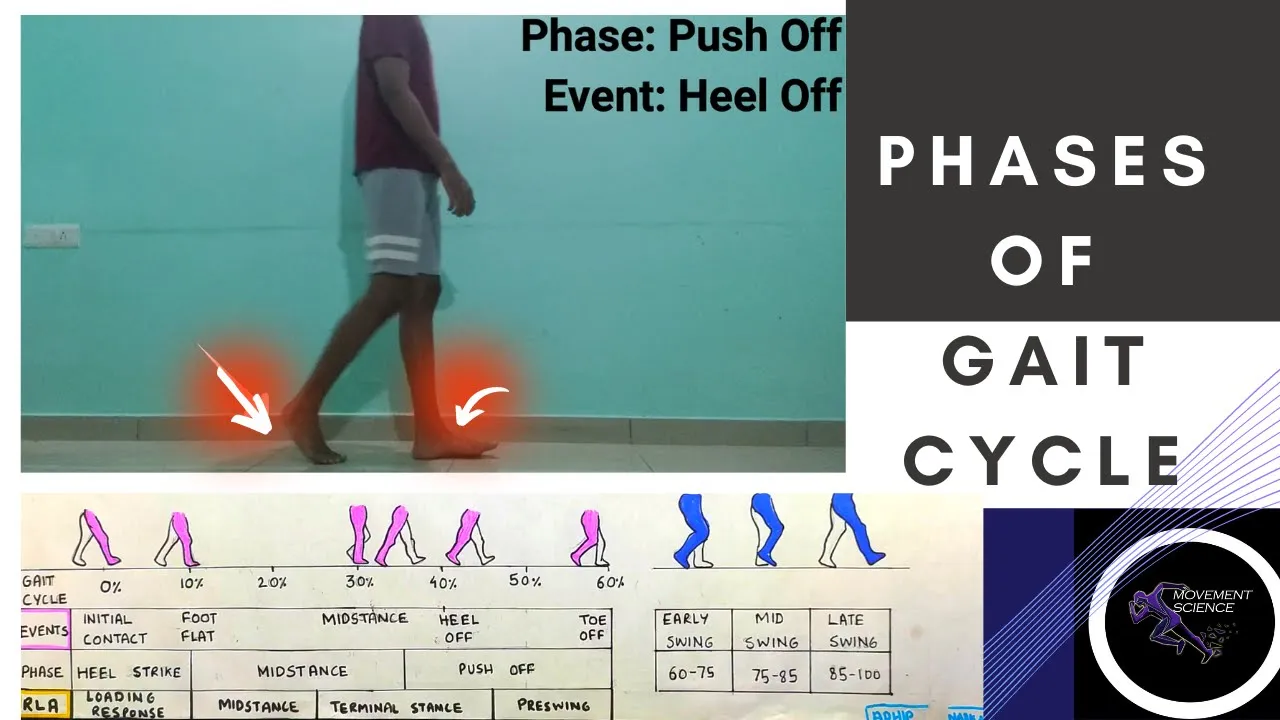
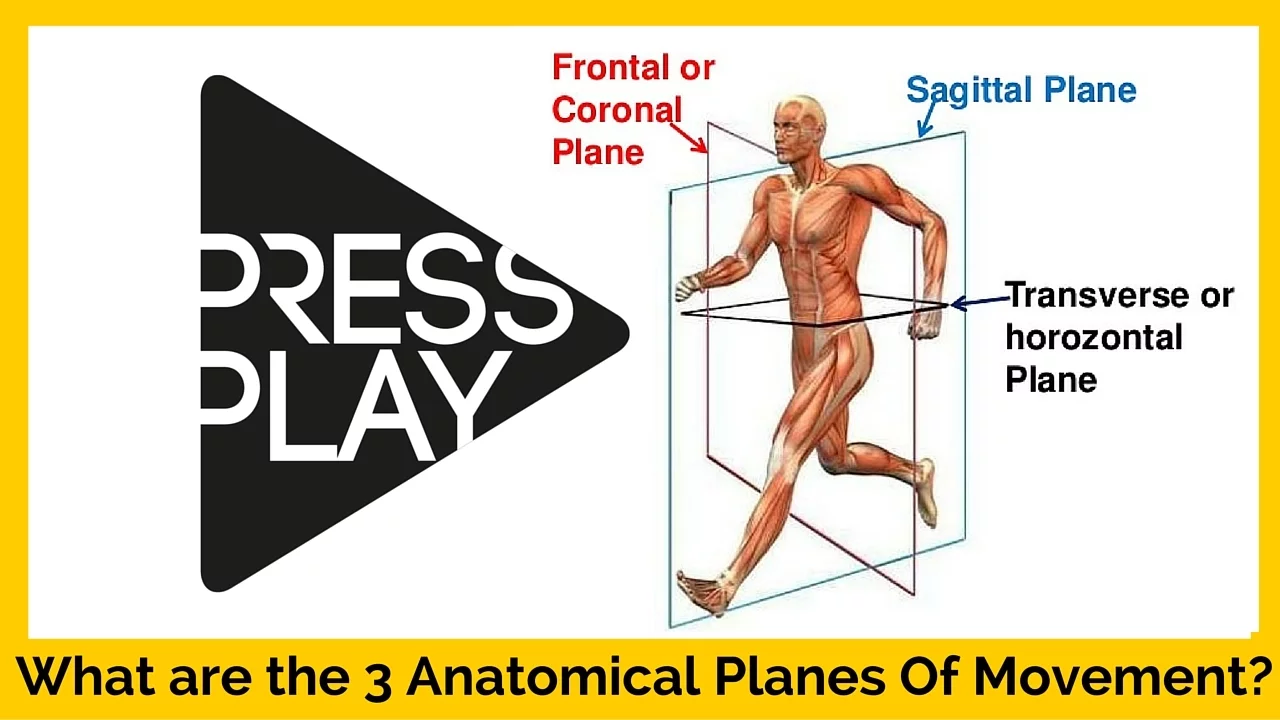
Gait analysis is a systematic method for measuring, describing, and assessing human locomotion, divided into two main components: kinematics (the geometry of movement, including joint angular displacements and dynamic alignment in sagittal, coronal, and transverse planes) and kinetics (the physics of movement, involving internal and external moments, power generation, and absorption). Kinematics describes how body segments move during walking, while kinetics explains how forces and moments drive those movements. Key concepts include muscle contraction types (concentric: shortening to generate power; eccentric: lengthening under tension to absorb energy; isometric: maintaining tension without length change), the ankle's three rockers during stance phase, and the A2 power burst at terminal stance which generates approximately 50% of walking power. Understanding both kinematic patterns and kinetic forces is essential for clinical decision-making in orthopedics, rehabilitation, and sports performance optimization.
Gait Analysis in Clinical Practice: Kinematics and Kinetics Basics
Added:in five four three two one we are now live hi uh good evening this is dr jan sarpath from bangalore welcome to this case discussion session uh on movement analysis uh this is a initial effort uh which is being made by a bunch of professionals uh dr and others to try and spread the message and knowledge about 3d gait analysis in india at the moment it's a nascent field and we feel that having interested professionals talking interacting about cases and sharing knowledge will go a long way in trying to promote understanding and use of 3d gait analysis the numbers of 3d gate labs in india are increasing quite rapidly and i think in sync with the numbers of gate labs i think we also need to improve the academic efforts and the teaching efforts so that enough numbers of professionals across the board you know orthopedic surgeons therapists rehabilitation professionals and engineers are all brought together on a single forum and hopefully this case discussion session and a whatsapp group that is associated with this with this particular group we will eventually move on to forming forming a movement analysis society of india so that is the eventual aim and to continue promoting and spreading the knowledge so i invite dr nagda who is who himself has a gate lab in mumbai jupiter gate lab and he's a good friend and a sound mind in terms of movement analysis so over to you thoroughly we'll be moderating the session for today absolutely thanks for allowing to moderate uh the first session of this society whom we named as masi and masi's movement analysis society of india this is the first time we're all meeting together and you know gate is also about temporo special parameters so we've started on time which is the temporal uh definition and special because uh you know people have joined from all over india and people also are watching this on ortho tv and will continue to watch this program uh you know people from india and all over the world so that's the special part of this program we have two uh sort of players in this double wicket tournament uh dr jayant sampat and who are going to sort of do the batting for next hour or so and we have four hours here uh we have two talks uh one each by chastal and jan and then this is followed by a case discussion a focus case discussion uh again by chasma and dr james uh to introduce today's speakers giant i would call as of moment analysis in india he's inspired a lot of people i'm sure nobody has expired because of that but inspiration is definitely that and he has his own lab called bimra in bangalore uh he was trained in uk uh in fields of pediatric orthopedics cerebral palsy and gate analysis and he brought his wisdom back to india so that's giant for you just now got hold uh was trained in india uh was trained at wadi and then she went to uh south korea for further interest where she trained with professor kim on for cerebral palsy and gait analysis and has many awards to a credit uh she's been uh also has presented and researched extensively on gate in cerebral palsy so we have uh the two sort of a specialist speaker here who are part of the massive family and for the first talk i am going to invite dr chasto please share your screen and i want to say that we have two parts of gate analysis kinematics and kinetics kinematics is like uh geometry of gate analysis and kinetics is like physics of gate analysis so chastal will take you first through the angles and then giant will take you through the forces into subsequent talks people who are on the zoom platforms if you want to ask questions type in the chat box or unmute and ask a question people who are watching this on ortho tv you can uh sort of type in in the question box or you can whatsapp to me your questions on nine eight two zero three two nine triple eight i'm going to repeat my number nine eight two zero three please start the game thank you yes thank you so much for that humble uh introduction sir and it's uh it's a real privilege to be part of this group and have worked with you and inspired by the uh jan sir dhiren sir and thank you so much sir for this intro as well so like sir mentioned that the gate analysis has two parts that is the kinematics and the kinetics and i'll be talking about the kinematic part today so basically gate analysis is a systematic measurement a description and assessment of the quantities of human locomotion so basically it calculates and kind of describes the joint movements the forces and during the walk process so the kinematics basically includes the joint angular displacements and the movement and the dynamic alignment the kinetics include the power force and the joint moments created so how does this help so if by doing a gate analysis or studying the locomotion pattern normal pattern or maybe even in a pathological condition or in a sports person for better performance it helps to pick up any deviation from the normal pattern it helps us in decision making in terms of therapy in terms of change of any particular shoe orthosis or for surgical planning as well and most important it helps us to quantify the results of our intervention uh whatever it may be so so basically like i said so when the person is moving from one point to other the move the coordinated movements of the upper limb and lower limb are kind of studied and that is the study of motion and we study this in terms of three parameters that is the distance time and speed and that's how we describe the motion and various body segments and join create different motions so if suppose it's a asymmetric involvement there might be different motions and hence this kinematics helps us to understand all of this and it basically records the gate pattern and helps us to see or go back and review and give more time which would not otherwise be possible in a basic limit so that's how the kinematics helps us so kinetics which dr jensen will be talking is basically the study of forces during this particular motion and so how does the kinematic or the temporal parameter actually look like so basically if we see the kinematic part so it is uh it provides us like a special information of the linear as well as any angular displacement and what is happening at the level of pelvis so if you see the top line it is the pelvis and what is happening to the hip the knee level and the ankle level and these segments are studied in three planes so three planes are if i look at it in vertical fashion this is the sagittal plane this is the coronal plane and this is the transverse plane now each lab or the system of motion analysis could vary or could change the way the reports are obtained but since today we are going to be doing the case discussion i prefer to explain it in this pattern so we can follow the case discussion same with this pattern of report so apart from this the gate kinematics also helps us to understand so apart from this the gate kinematics also helps us to understand if there is what are the timings of the gate cycle here so what you see these lines dividing the line below this side is the stand space and the line this side is the swing face now because this child is a hemi or an asymmetric type we see the divisions are at two different points if it was a diplogic child the lines would be together also along with this it helps us to get the shape and the magnitude of the graphs so we get to know what the shape of the graph is is it a linear thing what kind of bumps are there are the bumps or the peaks reduced and what are the magnitudes are they at the level of the peak or are they decreased and also it helps us to understand the range of motion which is on which is all already plotted on this graph and it helps us to know the specific events at which this particular movements are happening so like if we know the phases or the events of the gate cycle the initial contact the loading response and so on so that helps us to correlate these particular changes with those events so that's how the kinematic is depicted in this slide and the image okay so that was it and like i said the event so initially if we go back we used to have different terminology and that terminology was real strike loading response which has now changed to initial contact loading response and different type of terminology so we'll be going through the normal gait cycle and phases of gait cycle in the next session today we will focus just on what is happening with the kinematic and how things are happening with each segment and how they are working so before i move to each of the graph pattern we need to understand one thing very easily and the therapists are very much more better in understanding these terminologies as compared to an orthopedic surgeon because they they study each and everything in terms of the concentric and eccentric action or the isometric action even their exercises are named by such words which initially i still never understand unless until i started learning the biomechanics so concentric if you look at this this is the stance phase and the below is the swing phase and the concentric word means there is shortening of that particular muscle and that helps in generating power or helps in accelerating of that particular movement eccentric is lengthening under tension and they are basically decelerator that is they reduce the speed or the action they work as shock absorber in that particular mode when at that point the muscle is working and isometric are the ones who neither lengthen nor contract they remain in a tension without any change in the length and they work as stabilizers so here after i'll be just using the three of these terminologies and not talking about what it is actually do so coming to the kinematics we'll start from digital to proximal i'll start with the foot and angle graphs so this is how in the graph so this is a gate analysis of a normal patient so this is an adult i think a young adolescent with the normal gate graphs and if you see the gray part is what is the normal the red is and i'll explain you these things so um okay so let's start with the ankle and foot so we come here so if we look at the stance space for the ankle and foot graph the stance space is the ankle rockers what we know as and if you look at this these rockers are one two and three and what the graph depicts here is one here there is two in the mid strands and three just before the pre-swing before the heal off okay so these are the three ankle rockers and how do they work so the first angle rocker that is the initial contact which we label as is mainly uh due to it comprises mainly because of uh the initial contact is to initiate the first contact of the foot that is one and the first rocker is what any actually depicts with the initial contact and it happens because there is an eccentric contraction of the tibialis anterior muscle here so there's an uh eccentric contraction causing this this particular movement and when we look at this this can be like at least a five to ten degrees of three to five degrees of dorsiflexion or it might change or vary from individual to individual and from here it causes slight lowering of the foot till we get the flat feet in the next phase that is the loading response and then in the loading response if you have a look the next part here or the one here so from the anterior now the eccentric contraction has gone posteriorly in the gastro soleus and this is basically to absorb the forces here so the plantar flexion kind of the plantar flexor lemons it absorbs the force so that the foot can land uh without any sudden jerk or a slap so in case there is a foot drop then we see that this movement might not work here particularly and in this case the feet might just slap or have a circumduction for clearance so since this is normal it's very easy to understand that because this is having a eccentric contraction we are able to get this particular initial contact very well here so coming to the next part that is the loading response which kind of coincide with the second rocker here and if you look at this part so from here to here it's the second rocker which is a continuation of loading response and further continued towards the mid stance so what happens in this particular two phases so here as the feet lowers the body tries to advance forward so the body vector advances and if you see here basically like i mentioned the muscle here are in eccentric contraction the hams and the gastroc they remain without any particular tension there and what we look at further the third rocker or the terminal stance which is happening so the mid strands and these are they continue in that particular phase as the body advances forward and the next part is the terminal stance where we see now there is a slight plantar flexion which happened after the lowering and then there was a flat feet and at this particular point now we need to prepare for the push-off or advancement or the point where the heel will be pulled off before the pre-swing so this is here where the first time the power is generated because of the concentric contraction or shortening of the gastro soleus and here this power generation causes us to give this forward movement as well as do the heal off and move forward during this particular phase so what happens in the swing case further that there is if we look at this then the swing phase is the second arch where the plantar flexion has come first was here and then the plantar flexion is again so if you look at these this is the plantar flexion and dorsiflexion so this is the second time where the plantar flexion has happened and then this also initiates the knee flexion so there will be an initial which causes the knee flexion to initiate so with the heel off the knee suddenly flexes forward and if you look at this then there is the say the mid or the initial swing which is again the sec now it is moving towards dorsiflexion so the initial from pre-swing we are going to the mid swing or the initial swing and then the mid and terminal swing part and these are the second phase where the dorsiflexion is going to happen and here we are going to have a foot clearance and a lower limb advancement i got the mind can we have mute for everyone else yeah so now these this was how it looks in the sagittal pattern and if we look at the coronal pattern or the uh foot progression that is the transverse plane the rotation pattern so in the coronal plane we see two activities that is the inversion inversion and again different labs will have different terminologies like adduction abduction based on how the report system is how it actually works the it's a small range of movement so it's a range of movement from 0 to 10 degrees in each of the plane and what actually causes about these inversion eversion is the subtalar joint movement and these movements if you see they occur both in the stance and the swing phase so the aversion here if you look at this point here which is the explanatory thing so the inversion and so from initial contact till the loading response here there is a and there is a peak again at mid stance followed by just pre-swing it again goes back into eversion so this particular point so when there is uh so when there is a heal off here it kind of causes the feet there is a heal off and if the foot is in a drop position in order to clear and move forward here at this particular point apart from the subtalar joint the metatarsals and the metatarsal phalangeal joint and the toes uh the they come into action and they prevent the foot kind of slapping or dragging and help in clearance and prepare the feet again for an initial contact back so the apart from subtala joined the other joints involved they work in the pre and swing phase here so if we look at uh the rotational plane so at the ankle level again very little movements are happening and they are again secondary to what is happening at the subteller joint level so whenever the ankle is so this is at initial contact and this is at loading response and further if you see a very small movement happens at the ankle level in this plane and major movement happens in the sagittal plane so that is a much more important graph but it is important to understand here that during the dorsiflexion or progression of the leg the subteller joint goes into little rotatory strain and this the entire um function of the subtalar joint here is to decrease decrease whatever rotatory strain is happening and in that process the methyl joint in order to prevent the shock absorption or they start working in the terminal zone but when we see here when the subteller joint goes into eversion apart from the toes the tibia also or the calcaneus and the tibia start rotating so the calcaneus tends to rotate laterally and the law in action with the long axis of the tibia and the tibia will tend to rotate internally so as from the initial contact we move ahead towards loading response here so we see that the calcaneum tends to rotate outward and the tibia goes more of into internal and then we see this particular thing which is going into abduction here or eversion and that's how we have a progression angle which goes externally and tends to remain external throughout with slight changes again at pre-swing to prepare for the initial contact which are again ah being worked by the metatarsal metatarsophallinial joints as well so from the ankle joint the next part will be the knee joint so again in the knee joint graph unlike the ankle where there were different uh movements and more movements in the sagittal plane same with the near there is a larger number of larger range of movement in the sagittal plane that is between around minus 5 or minus 15 to 70 or 60 degrees what this is 60 but the graphs are plotted between minus 15 to 60 again based on 70 based on the individuals and in the transverse plane and coronal plane very fine rotatory or adduction abduction movements happen and many a time this graph the knee adduction graph is considered as the representative graph to understand if our markers are rightly placed or not and if the gate cycle is a representative cycle or not so if this graph is not right then the gate cycle or the gate trials have to be repeated in order to do the entire analysis again okay so let's look at the stance phase quickly so if we see that the knee graph is a quite easy graph and very um i mean easier for us to understand as well as compared to the ankle where they were plantar flexes as well as the dorsiflexors working at different level and the ankle rockers making things little difficult so your the knee flexion usually started starts at around 5 degrees and there are studies which say that it can be into slight patients can have or normal individuals can also have hyper extension or up to five degree flexion so they begin with either hyper extension zero flexion or five degree flexion and then from an initial contact at this particular point there is it goes and in the loading response there is rapid flexion of the knee so this is uh then at this particular point you see that the quadriceps is not the one which is causing this and the quadriceps remains totally uh neutral throughout the face although the quadriceps is the major muscle acting at the knee level in terms of causing knee extension but it doesn't work at all entire during this particular movement and it remains in an isometric state so at that particular point from here to the mid uh to the mid stance it goes into slight extension again and then it is preparing for the pre-swing so this is the point where there is sudden second wave of flexion at the terminal swing because now it is going to flex much more higher in order to clear to clear from the ground and move ahead and also because now this point is where the double support is happening and the other foot has come in contact so the moment the other foot touches this foot gets a chance to clear and suddenly goes in flexion rapid flexion so that it can advance and move ahead okay so now coming to the mid stance and the terminal stance part of the knee so these are just completion of the uh earlier phase from low from clearance and they basically stabilize the weight when shifting from one leg to the other and preparing for the pre-swing phase again and at the end of the terminal stance here the knee flexion begins suddenly started flexing you look here and so now at this particular point we go to the swing face yeah yeah so these are the swing this this was the stance muscle action and we go to the swing one so you're in the swing part there is as i said that because there is sudden flexion here and it leads to around 40 degrees of flexion so if you see from here it goes around to 40 to 60 degrees of flexion and it kind of unloads so even at this particular point the uh so here again the rectus doesn't work what works is basically the uh just some part of vasa they work it's not the entire rectus femoris which is working but what is important here is the source which goes into a concentric contraction so the hip flexion here is more important and it goes into a consent the hip flexors go into a concentric contraction and thereby moving ahead so at the initial swing the mid swing and then the terminal swing here we are just preparing for the swing phase here we are preparing for the advancement and it is still advancing and then it is preparing for the stance as we go ahead so that is what are the events happening here particularly and the like i mentioned so the quadriceps was always kind of working as a stabilizer and what helps us to move ahead was in the loading response what we saw before is the tibia which advances over the ankle so that is the thing which causes the leg to advance ahead and at some point of time here there is the short head of the biceps memories which also causes slight knee flexions although it's not visible here but that is at one point of time it works along with the hip flexors and in the terminal swing again there is full knee extension which we see here so the knee is in full extension and in order we had seen how the foot is in order to remain up and not going to sudden slapping or down how the metatarsal joints and other things have worked during the swing phase and the foot foot what we discussed before okay so coming next to the hip joint drafts and yeah so these joints what how i mentioned is we had very small little movements and the major movements are happening in here and because the joint is very much stabilized by the quadriceps and the hams very spine movements happen and we don't discuss either of this unless there are if there's a major mile alignment in terms of femur and tibia then yes we need to know the knee rotation before having any sort of intervention done so now the last two graphs are the hip joint and the pelvis so if we look at the hip grafts in the sagittal plane we see that there is so so in the hip joints we see that initially it starts with a flexion which is around 30 degrees of the flex the at the initial contact the hip is at around 30 degrees of flexion which is the functional position at the initial contact so we don't walk with more flexion or less flexion but it just goes up to 30 degrees of function and in the loading response again the sagittal and the coronal plane movements happen and only when the other limb has kind of pushed off then all three plane movements happen when we look at the hip joint here particularly so yeah sorry [Music] so again the hip muscles they have particularly two functions one is to decelerate the activities and second is to restrain much of forward movement of the body during this entire gait cycle here and what is working constantly is the gluteus works here in terms of the contraction and helps us to prevent further much more forward movement like i said it will restrain the forward movement and keep here the hip extensors are very important and they try to control and help with the movements here and we see it goes back into around same degree of 30 to 40 degrees of flexion thus preparing again for the initial contact with the same amount of flexion and lastly the pelvic joint graph so if we look at each of these so this is in sagittal plane and this is the coronal and this is the rotation while these don't match with it the yeah these are matching the rotation and this is the sagittal and this is the oblique one so in the sagittal plane again there's a fine movement possible of around four degrees and it is basically controlled by the hams and the the hams and the rectus muscle when it comes to what kind of tilt it is and particularly in the pre-swing phase if the rectus is into contraction or if the hamstring has a large i mean a large knee fft then there are chances that we might have some abnormal bumps in this particular graph and if the hamstrings are very much contracted then these are posterior tilts and these this works basically because the pelvis doesn't move as such the role of the pelvis here is to just keep the trunk stable so it is just trying to keep the trunk stable and whichever muscles are acting in whichever pattern or they are contracted or weak in that particular area it will show a tilt for the pelvic obliquity again it might change if there is a limb length discrepancy or if there are adductor weakness so basically it's more of hip extensors and the abductors which control the pelvis and they kind of stabilize and balance so these two movements happen and in case of there is a limb length discrepancy there could be an obliquity and pelvic rotation occurs in correlation with the hip or in correlation with the knee in order to maintain a normal foot progression angle the pelvis could either retract or protract and normally it's just 10 degrees but further in the case we'll see that in hemiplegics or asymmetric die how this retraction or protraction is much more as compared to this small little movement which is possible yeah so apart from this we need to understand that there has to be stability of the foot in stance there has to be a very good foot clearance what we learned before from the graphs and there has to be appropriate swing face pre-positioning of the foot just uh like we mentioned how every time after the swing there is a pre-positioning for the stance as well as same for the swing as well there has to be good temporospatial parameters and particularly step length is important and the gate has to be an energy conserving gate so with this graphs we always try to explain the parameters in this context if the gate is normal or is it not normal so that's it thank you so much that was really clear lucid and uh extensive and she covered not just the changes in ankle knee hip and pelvis the angles during the gait cycle in all the three planes she also told us about what muscles uh work and i'm sure this is the basics absolute basics of learning the gate and what my suggestion is to the delegates who are watching this is you have to draw your own graphs memorize it because only when you know what a normal graph you will know what is abnormal though when we see a get analysis reports the reference graphs are always there but it's important to you know go through each phase and if even if someone wakes you up at night 2 a.m and asks you what happens to the ankle in the early swing pre-swing phase you should be able to answer that just i'm going to ask you a question is that when we see the graphs for right and left side they come on the same timeline although we know that the initial contact on the right and initial contact on the left does not come at the same time so you know in terms of the angles would you prefer both the phases being superimposed in a way they actually show the timeline of gate uh study or you prefer them coming one on to another so i'm going to ask you and then i would also request uh comments from jayanth on that and if anyone wants to comment they can answer so uh yeah so like sir mentioned and i said that looking at the knee adduction graph we need to do multiple trials so every child undergoes 10 trials and they are kind of graphed as right side one graph and left side one and later they are superimposed so for an ease to understand and see yes the superimposed graphs are good like a quick look but in case there is asymmetric child or hemi it would always be good to turn another page and go through the right side first and the left side again so and the reports always give us three pages so i think we have data and it can be used the way we want based depending on the child again is it more helpful to know in real time how the two legs are moving or artificially because the way the two initial contacts of the two lower limbs are superimposed on the graphs it almost looks like the patient is hopping but that's not the way we have a reciprocal gate [Music] but the two lower limbs the left and right lower limbs move independently of one another except at the pelvis so at the pelvis both the uh right and left limbs interact with one another because it's a single segment so you will have what happens on the right side will show on the left side and what happens on the left will show on the right but otherwise the two limbs move pretty independent of one another so it's just a gate analysis convention that we have the two initial contacts superimposed otherwise it will be really confusing for us to actually understand how the two legs are moving if they are sort of um not only the two are if they are exactly separated temporarily by the normal whatever is the separation of the two initial contacts then it has to look really messy and i do that there are programs software programs by which you can separate the two initial contacts and look at them in real time um but it becomes very very confusing so i think the current convention is is uh is a compromise but sometimes you have to it'll it'll make you think and as we go into more advanced gate analysis i will show some examples of how the the the right length is influencing the left hemi pelvis and the left leg is influencing the right hemi pelvis so once you start to understand these complex interactions then real understanding of human gait comes from that so i think that's a very relevant point so just now thanks for the wonderful talk uh there are no other questions at present now i'm sure people will have more and more questions as we go along but with this i want to keep it engaged and want to request jayan uh to teach us a very complex topic you know so it's easy to understand kinematics equally difficult it is to understand the kinetics and giant makes it really simple so over to you uh for this so thank you so first of all i'd like to thank uh dr dhirel ganjwala i have with his permission taken some of his stick graphs which are really useful for understanding gate and i'm very happy that dr dhiran is part of this talk with us so kinematics that jason all talked about is about how things move kinetics is about how things work and we use something called inverse dynamics and the newton euler equations and dynamics is basically the the physics of if i apply a one newton force to an object how far will that object move so that is dynamics so inverse dynamics is if a one kilogram object moved by one meter which is what we see on the kinematics is we actually see the movement of that object then we can also work out by inversing the equation how much force should have acted on that body so that is the way we actually look at or calculate forces in a gate lab so we are seeing the body moving we know the weight of the body and we know the direction of movement how fast it's moving and the acceleration of that segment and based on that we can calculate what force should have acted and that is how we get the uh the kinetics natural forces and that's why it's called inverse dynamics so we have to pay homage to these four european gentlemen from the 19th century who did all of the physics and the mathematics by which we are able to do gate analysis today that's newton euler hamilton etc so human gait needs four things a control system which is the brain and the spinal cord and energy source which is atp we have the levers which are bones and joints and a lever is nothing but a simple machine that converts forces into rotation and we have forces and forces are called moments in the body because all the forces in the body act about some axis so there is because all the joints are movements about axes so we don't call them forces we call them moments and there are two types of moments we have internal movements and external movements internal movements are those forces that are generated by the body at external moments are the ground reaction force mainly or other forces that act on the body and in in kinetics typically we look at internal moments so uh we have to understand this concept of the ground reaction force which is based on newton's third law um and it basically says that every action has a equivalent opposite reaction ground reaction force is the force that the ground applies to your body in order to keep you on the surface of the earth we take this for granted because the ground reaction force on planet earth is exactly equal to the force we are applying to the ground but if we look at certain um unusual situations we'll understand the true nature of ground reaction force so there is one situation where the body weight is more than the ground reaction force yeah um could anyone tell me what is a situation where body weight is greater than drought reaction force anyone on the zone platform can unmute yourself and have a go during running uh no so that also every time you land the the mother earth is applying an equal and opposite force to you so you're moving ahead walking in the swimming pool yeah try walking on water so when you're trying to walk on water what will happen is because surface tension of water is not enough to support your body weight your body weight is going to go more than ground reaction force and you will sink or jump it would be walking on moon or mars you know that is the other one yeah walking on moon is when the ground reaction forces more than the body weight right right so because your body weight is 1 6 the body weight on earth so your uh body weight is less but the ground reaction force because your muscle power is the same on moon so you're applying a much greater force to the ground so you will you will actually start to jump much higher on the moon applying the same amount of force that you would apply on earth so neil armstrong is someone who has experienced that particular effect so there are various components of kinetics and it's important to understand so we have forces which i said are actually called moments in the body and force times perpendicular distance from the point of application of the force to the center of the joint is is basically the definition of moment so we have internal and moment external movements which i spoke about and we also have flexion and extension movements so flexion and extension movements are very easy to understand if [Music] the flexors are mainly causing the force generation it's called a flexion movement and if it's causing an extension of the joint then it is called a extension movement so the other important concept we need to understand is power and power is work done in unit time and this is also f times d but remember that this is a capital d so capital d is displacement yeah so this so that is distance perpendicular distance is small d capital d in physics is perpendicular this is the displacement of the object and in the human body displacements are angular displacements yeah it's an angular displacement so we calculate it in radians or arc degrees so we calculated radians and then we multiply that by the force which is in newtons and it is per unit time so f times capital d is work done and f time cap f times capital d in unit time is power so we have two types of power uh changes one is power generation and the other is power absorption so when there is no movement there is no power so if you push against a wall yeah you are applying a force yeah but if the wall is not moving no work is being done so if there is no movement of a joint however much the muscles may be acting and generating force unless the joint moves there is no power which is generated and greater the angular velocity the faster a joint moves the more power that is generated so these are all basic physics concepts that we need to understand so giant i'm just going to interrupt so if a joint is arthrodisc the work done is zero or if joint is not allowed to move because of an orthosis you apply an orthosis the work done at the angle of power generation is zero is zero absolutely so by definition if you have a afo on an ankle there will be absolutely no power generated even though the plantar flexors and dorsiflexor muscles are working there is no power that is generated for power generation you need movement that is why stiff joints are not good joints that is why my you know joint stiffness is never considered good for gate because you are not generating any power so i will just show two situations this is my son who is throwing a ball so he is throwing the ball so here the let's look at the movement and the force so he's throwing the ball in this direction and he is applying the force in the same direction so when movement and force are in the same direction it is called power generation so the second one is catching a ball so here the movement of the ball is in this direction and the force that he is applying is in the opposite direction and this is called power absorption so this is a very simple way of understanding whether power generation is happening or our absorption is happening so let's go back to the graphs again which um charsanal has just introduced us to i will explain these graphs so this is basically the sagittal plane graphs at the hip the knee and the ankle yeah so these are kinematic graphs and these are normal normal graphs you can see that the red then green lines are exactly following the the normal gray band so this is a normal graph so that that line is the division between swing phase and stance phase you can see that the line is exactly at 60 percent so let's just see what what is happening and understand kinetics so if you take that particular part of the ankle kinematic so that's basically the third rocker when there is the rapid plantar flexion of the ankle yeah there is rapid plantar flexion of the ankle here and at the same time because there is concentric action of the calf muscles you are getting a big ankle movement and this is a plantar flexion movement so when you have a plantar flexion movement and a plantar flexion movement both are in the same direction you get a massive amount of power generation and this is called the a2 burst and this particular power is the main motor for human walking so that is why in comparison to all the other power generations you can see how much of power is being generated during the third rocker of gate at the ankle let's look at another situation so here again we are looking at pre swing at the knee yeah so the knee is flexing getting ready for swing so it is still in the stance phase but it's getting ready for swing and the knee is flexing up to 40 degrees as chasnel mentioned before the foot actually leaves the ground so this is pre-swing so the knee is flexing and you can see at the same point that there is an extensor moment so the reason you have an extensive moment at this point is basically to break that action and to control that action so whenever you have knee flexion yeah the movement is knee flexion but the force is an extensor moment so when they are both of them are in opposite directions you can see that there is power absorption at the knee yeah so when you have movement and movement in the same direction there is power generation and when you have movement and moment in opposite directions you have power absorption so these are all basic concepts that i thought i would introduce so let's look at just just one more clarification when you have movement and movement in same direction it is concentric contraction and when they are in the opposite direction it is an eccentric yes so typically power absorption happens during during eccentric contraction so they are all controlling movements whereas power generation movements are basically concentric contractions now that's when the body is propelled forwards so let's look at an example at mid stance so this is a period of energy conservation when the there is hip extension happening because of the gluteus maximus extending the hip the knee is also progressively extending but this is happening passively yeah and the ankle is also passively dossi flexing under the control of the eccentric contraction of soleus so this is mid-stance of gate so these are diran's very nice illustrations that shows how the knee is extending the hip is the the knee is extending the hip is extending and the ankle is passively dorsiflexing so there is concentric contraction of the soleus and the ground reaction force is anterior to the knee and the ground reaction force basically pushes the knee back so not much work is happening at this time is what i'm trying to show and if you look at the power graphs you can see that there is hardly any power generation or absorption happening either at the knee the ankle or the hip so there is hardly anything going on because this is a period of energy conservation which is in mid-stance compare that to pre-swing which is a period of propulsion when the hip is flexing the knee is flexing so at this point the opposite leg has reached the ground the epsilon limb is getting ready for swing and the gastroceleus propels the body at the time of push-off and this accounts for 50 of repulsive force and this is the point at which you can see that there is power generation at the hip because there is a flexor moment at the hip the hip is still flexing and therefore you get power generation here at the hip and at the ankle as we previously saw the ankle is plantar flexing there is a plant deflection movement and you get this huge a2 power burst at the knee nothing much happens because the knee is basically to do with energy conservation most of the power generation happens at the ankle about 50 percent of power generation happens at the ankle about 30 percent of power generation happens at the hip the knee acts as a um as a trader of power between the hip and the ankle then just go back to the last slide yes sorry to interrupt but this is important question one more one more back one more yeah so if you see here you know the the magnitude of ankle power generation if you see on the graph seems to be much more than at the hip so so is this proportionate or it is just to accommodate the graph that these scales are applied so because many time people get confused and this feel that lot of power is being generated at ankle and little is generated at the hip looking at these graphs so would you like to clarify that no the the scale is the same if you see the the ankle is in watts per kilogram and you can see that the scaling of the all three are the same so these are proportionate amounts of power that are generated at three joints right yeah um so um so this is uh the the scales are proportionate so but that is a relevant point so you need to really watch the scales so because the hip controls you know it is kg it is watts per kg per kg the power produce is less but the ankle controls only the foot and that's why that ankle burst appears to be much more than so it appears that foot is ankle is doing much more work than the hip but it's not so ah you mean oh you mean in in terms of absolute values so much yes obviously obviously because the helios is a much healer source and the gluteus maximus are like three times the size of uh you know the the gastrocnemius so because they have to carry larger loads absolutely absolutely so that's true so the absolute amounts of power that is done by these muscles is uh is is greater but the proportionate contribution that they make so they're all the the sizes of these muscles have have through evolution and by nature they've all been determined to be exactly right for the human body for the human anthropometry these muscles are all of the right size and one more question from the audience i'm sorry to interrupt you but you know we you spoke about a2 power burst if there is an a2 power bus there has to be also a one power button so what is it that can you just a1 is here and it's a very small ankle power generation and that happens at this point where you get plant deflection and then dorsiflexion so when you get that little change in the movement this a1 happens because a1 will become more significant and in a normal person a1 is hardly noticeable but when you have a four-year-old child who is walking with significant spasticity and an ankle equinox you will get a double bump at the angle so um and we will look at cases uh when we discuss the kinematics the kinetics of uh you know uh young children who are walking with a very bouncy gate uh you know children with diplegia you'll see that they have two big bursts two big ankle bursts the first one is when they land and then there is a a contraction because of spasticity of the calf and then they'll get one power burst and then they'll go into dorsiflexion again and then you'll get the second power burst so that becomes more um obvious when we have pathology yeah please thanks for that great so um so like i said that is the double bump ankle so the double bump ankle per ankle pattern is when you have skin excuse me we'll discuss these cases as we go forward we have something called a knee extensor movement pattern where the knee extensors dominate in order to keep your body uh from going into crouch so this happens in patients who have crouch pain and you also have a knee flexor movement pattern where you have some children who are in recover where the knee flexors are working more and generating more flexor power in order to keep in order to control that excessive hyperextension of the knee so these are all common ankle kinetic patterns i mean kinetic moment patterns that excuse me that we see in our clinical practice so kinetics helps to explain the kinematics so we helps to understand which are the dominant muscle groups that are active and what the ground reaction force is doing at any point of time and treatment that will best normalize the kinetics will improve the gait efficiency maximally so it helps us to explain the gate pattern and it also gives us some kind of target that we should be aiming towards so that gate efficiency is normalized so thank you thank you you know typical giant style and we saw excellent uh graphics from dr dhiranganjwala here so it's a difficult topic but i feel uh you know looking at kinematics kinetics and kinematics again and again in a normal patient and in pathological situation so repetition helps us to understand them better and what's going to help people is to repeatedly watching these videos these two videos to understand these things any any questions from the audience here so jay i just wanted to ask you one question that you know many times people just look at kinematics and disregard the kinetics so you know in which clinical situations kinetics become you know really tell you about decision making in cerebral palsy how how do you use them yeah so it is good in any gate lab for us to go through everything all the modalities in every case so this is some kind of discipline that we need to that we need to cultivate within the within all the gate lab groups so that when you discuss a case you do it in a very very systematic manner history physical examination 2d videos kinematics kinetics and emg so and as many modalities as are available for a particular patient all of those modalities should be discussed whether it is of relevance in a particular case so it is not it is not if there is no a priori assumption that kinetics will really help us in one case or it will not help us in another case you really don't know when it will help you so you must do it in every single case and try and make sense of the data and a lot of times when the data doesn't make sense that's when real understanding happens so we start to question um why this particular movement is happening or why this muscle is acting and that gives us ideas as to why the abnormality is happening in the first place so it is just done as i don't think there is a ready-made answer to that the answer to it is just do the all the modalities in every case and analyze and understand and explain every single moment in the graph so every single movement in every single graph has to be logically explained and it has to be correlated with the history and the physical exam so you have to do that and what i have is a thick box in my mind so i tick tick tick tick tick everything ticks then i say okay then i'm on the right track if there are the fewer the ticks there are then i know okay there's a problem then where's the problem is the problem in my data is my marker position not correct or there's some other issue so usually we find in nine out of ten cases everything just adds up beautifully so when you have a child walking in crouch gate you will see a deflexor pattern when you have hyperextension gate you will see any extensor pattern so it all works out beautifully but you do have those cases where it doesn't match up and that's when we really need to start looking very closely at whatever assumptions we have made and i that i feel is the is the value of gate analysis so one technical questions for small kids or kids who kind of have jump gate or slow walking kids with crouch many times both the footings come on the force plate so how do we use that data because that completely becomes invalid so any particular thing so what you can do is just take one of the feet so there will be so there will be a brief instant of time when only one foot will be on the first platform yeah so you can select only that portion of the gait cycle and label that as you know right lower limb and then ignore for that particular gate cycle ignore the left side when the left comes comes into contact with the same force plate just ignore that that particular part of the data and then in another gate cycle you take the the left uh so don't try to do left and right kinetics in the same gauge cycle so do it from two different gauge cycles and because we do summations of multiple gate trials uh from three or four different or maybe six seven different gate trials when you get the summative data across gate trials it becomes the system is able to uh you know use the kinetics for the right lower limb from one trial and kinetics for the left lower limb so the system is able to match that so that's the way we have been doing it okay so i wanted to uh contribute something here um uh so i was uh doing the uh i studied acl subjects gate and what i noticed that uh answering teresa's question that in those cases the kinematics comes to normal after rehab but there is a very specific kinetic uh uh normalcy the kinetic normalcy does not occur there is a specific evidence of quadriceps avoidance which we can pick from uh your kinetics only so in those cases looking only at kinematics does not help and the compensations basically occur in kinetics where quadriceps is not working so much so and hams with co-contraction is aiding so i got these in the graphs when i was doing my uh study on the acl subject just wanted to put a contribution here so whenever you have instability this is going to happen another situation where this is going to happen is pain when you have an antarctic gate you get decrease in power generation because the the force becomes less you know the ground reaction force also becomes less on a painful limb because the muscles are individual so i mean there are lots of complex kinetic gait patterns that have been described which we will discuss in the sessions going forward but because this is an introductory session i thought we will just get our terminologies uh with regard to kingdom kinematics and kinetics so that everything is on everyone is on the same page so i want to just put an open question to everyone who's present on the zoom uh those who have a gate lab you know i just want those who have a gate lab with a force plate just write yes in your chat box and those who have gate labs without force please write no in the chat box and let's see what is the answer this quickly to answer yes and i'm going through the chat box here let me see more answers expected yeah yes yes yes yes yeah so i think most of the people who are answering thankfully you know everyone has gone for a gate lamp you know with with with the four splits and kinetics are as important as kinematics though they are difficult to understand uh but you know and as we go along you know see studying more cases and discussing more cases i think these issues will become more common to all of us and also kinetics is a very good indicator that you have you have actually corrected the gate pattern and it also tells you how much extent you have corrected the gate pattern and in cerebral palsy particularly the knee should be very quiet the quieter than b on the kinetics on the power graphs the the more efficient the gate pattern right so if you get wide power generations and absorptions at the knee then it's an eccentric either power generation or absorption which should not be happening yeah it should be very one one question a lot of time uh therapists ask and in fact people have sent me cases for get analysis uh saying that you know this patient has weakness of this muscle uh so can kinetic uh show you weakness in a particular muscle for example in crouch gate if quadricep uh mechanism is weak or in know or there is less uh you know work generated by uh glute glute uh soleus or gastrocnemius you know will your kinetic gate analysis be able to show that because we see it we don't represent individual muscles right in kinetics so we all we are looking at is very crudely we have said knee extensor and knee flexor but we know that there are situations during normal gait when the hamstring works to extend the knee because it's a closed chain kinetic because when the foot is in contact with the ground the hamstring is actually working to extend the knee so the hamstring is actually a knee extensor so for purposes of ease of understanding and convention we are dividing the the moment into an extension moment and reflection moment um but in in in real time in real situations the situation is not so simple so it's not so if you get someone who is in excessive knee flexion you will naturally get a knee extensor and an excessive knee extensor movement to try and hold them up against gravity so you'll see a knee extensor movement pattern um and if they lose that battle they'll sit down right they can't stand up anymore the only way you can stand up in knee flexion is to increase your extensor moment significantly to three times of normal so so in short kinetics is all about the joints and moments around those joints it has nothing to do with muscle power it doesn't have to be something which is very simple concept we want to share with everybody so it's uh it's seven zero six i think uh uh very interesting session thanks jayanthan uh what we're gonna do is uh you know if there are no further questions uh we are going to stop here this question um [Music] and jen will have a case discussion session in march we'll announce the dates and uh i hope you have liked this session uh those who are watching this on ortho tv if you are associated with the gate lab or you are interested in a deep study of the gate lab or becoming associated with the massive association please you can write to giant or me or just null or you can just drop a comment on on uh you know on ortho tv with this session uh and you know we can include you in the in the zoom group uh where actually the live sessions are going so you know with this with permission from everybody we would close this session and we would meet next month again same day same time thank you very much great thank you thank you thanks bye so
Up Next

Understanding Prions and Protein Misfolding Diseases
@AKLECTURES
143.5K views•2015-01-30

Graphic Medicine: Comics for Collaborative Healthcare Communication
@nationalpatientadvocate
189 views•2023-12-04

Neuroanatomy: Central and Peripheral Nervous System Divisions Explained
@AKLECTURES
136.2K views•2014-09-20
Stages of Labor and Vaginal Birth | Childbirth Animation
@nucleusmedicalmedia
52.1M views•2017-08-18
Related Study Plans & Knowledge Roadmaps
Structured learning paths in Medicine