



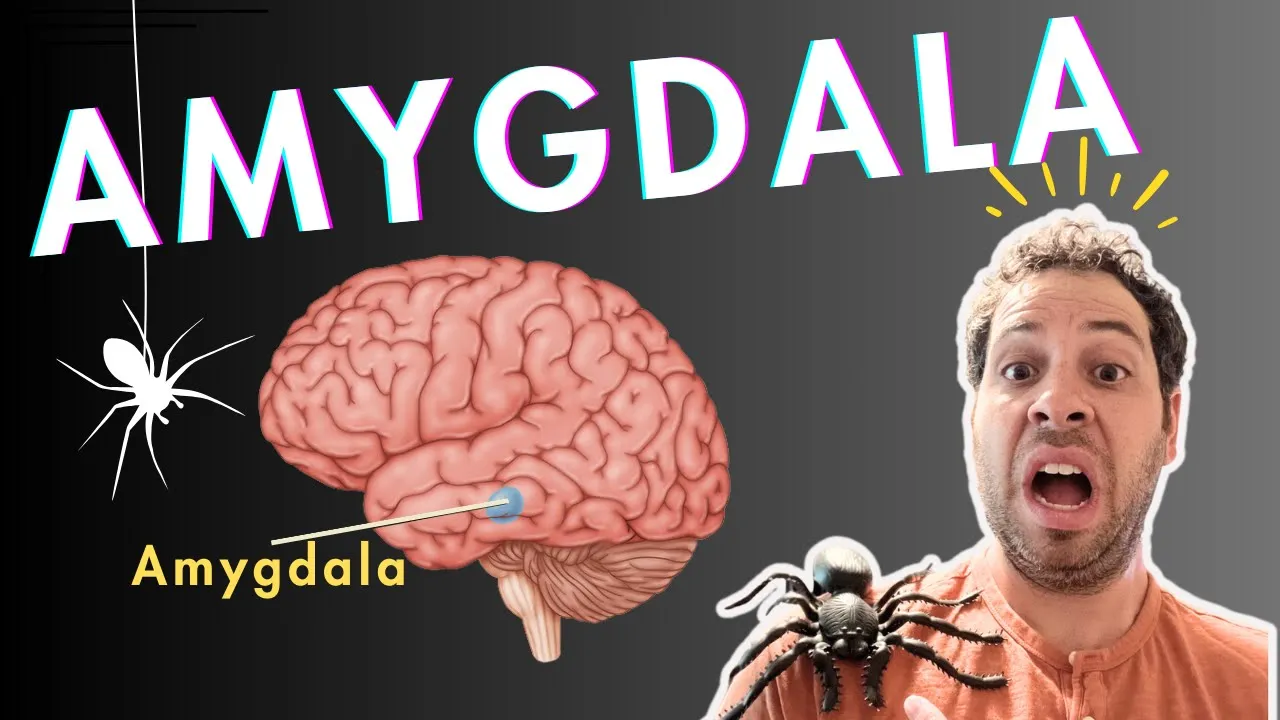















Fear is encoded in the amygdala, a brain region conserved across mammals, through a neural pathway where sensory information travels from the thalamus to activate fear responses before conscious awareness; fear disorders like PTSD arise from hyperactivation of this amygdala-based fear reflex, which can be treated through extinction learning—where repeated exposure to fear cues without reinforcement creates new inhibitory memories—and this process can be enhanced pharmacologically by targeting molecular mechanisms such as NMDA receptors, improving the efficacy of exposure-based psychotherapy for fear-related disorders.
Neuroscience of Fear and PTSD: Rewiring the Brain's Amygdala
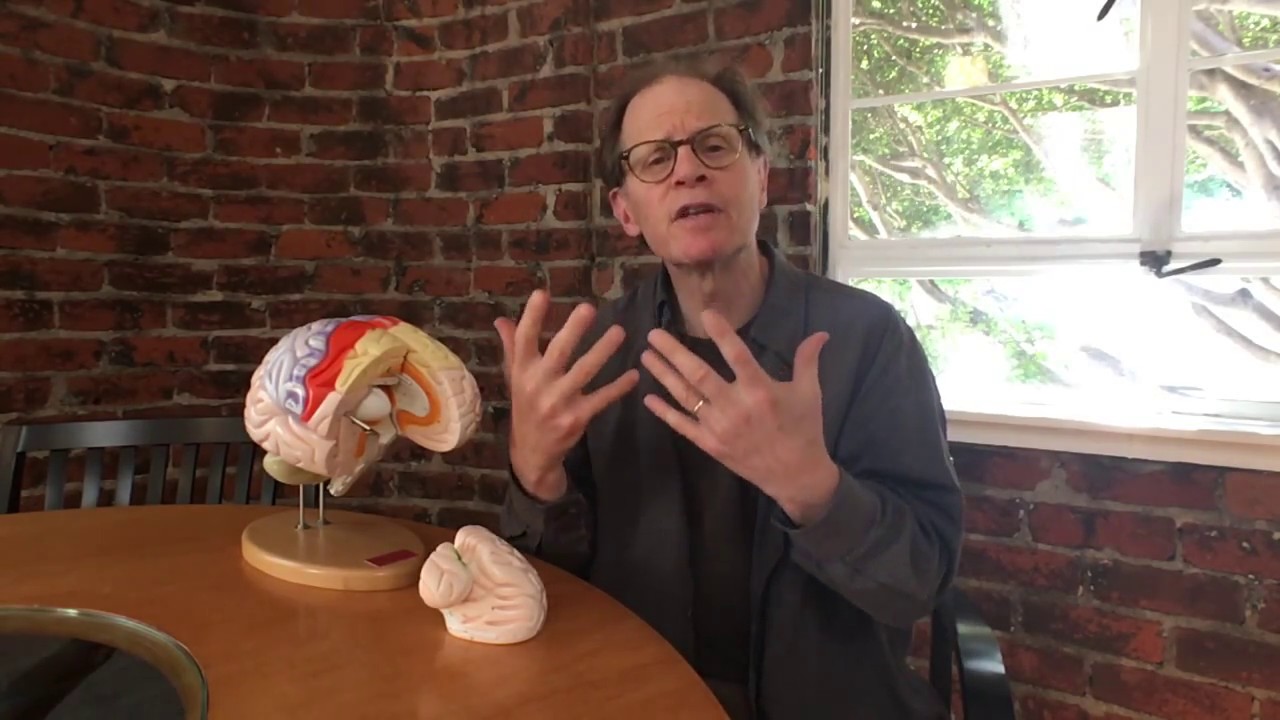
Added:Basic brain anatomy, specifically the location and primary functions of the limbic system, prefrontal cortex, and hippocampus.
The concept of Classical Conditioning (Pavlovian conditioning), particularly how a neutral stimulus can become associated with a fear response.
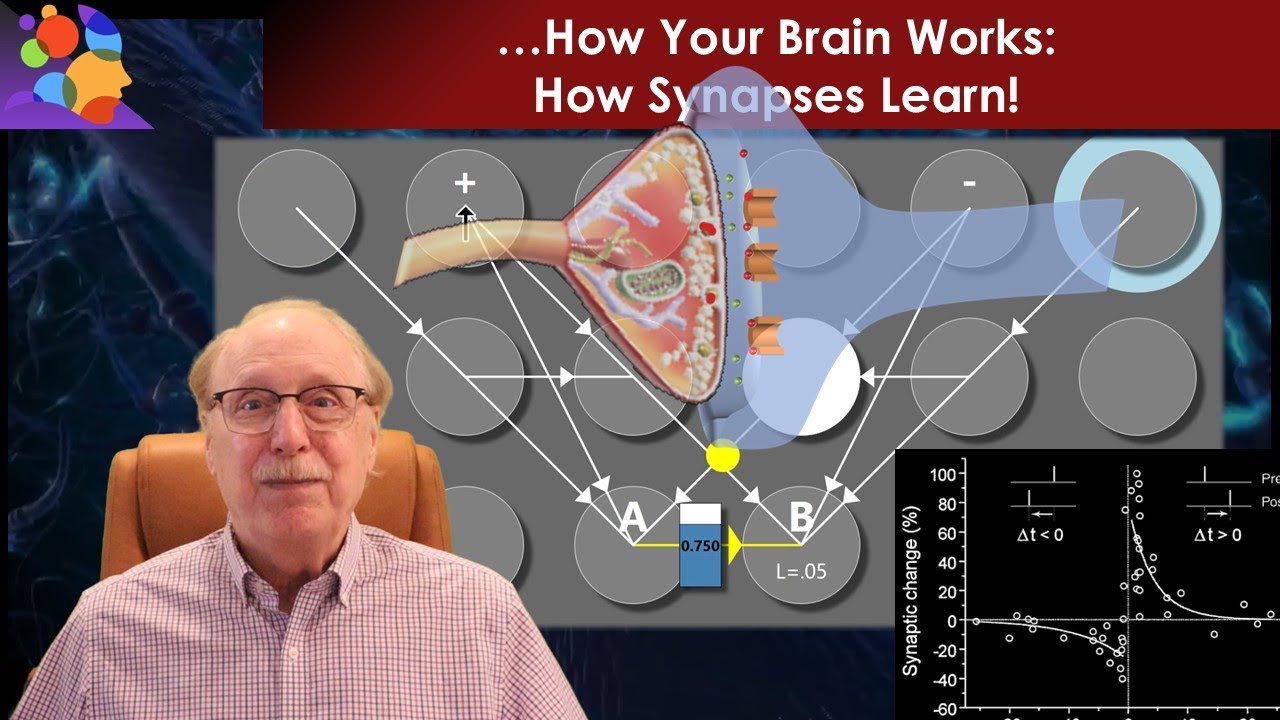
The fundamentals of synaptic plasticity, including how neural connections strengthen or weaken over time (Hebbian learning).
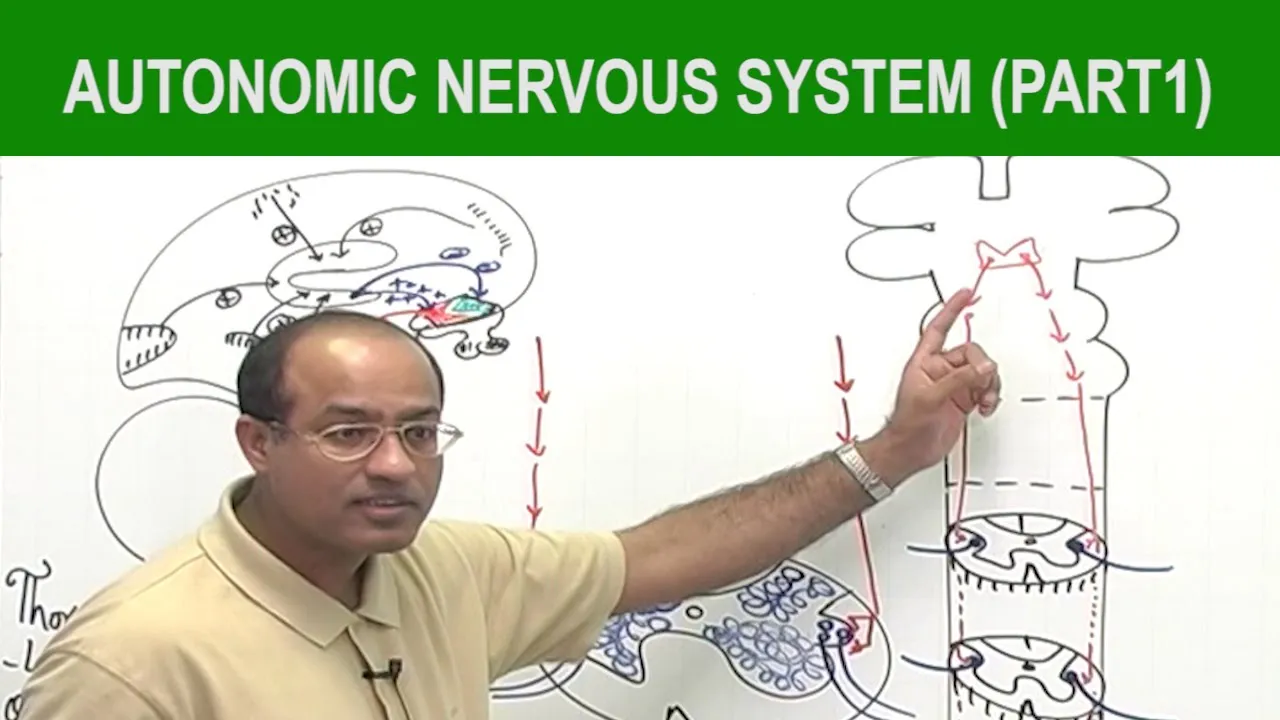
The physiological mechanics of the Autonomic Nervous System, specifically the activation of the sympathetic 'fight-or-flight' response.
The neurobiology of fear extinction and how the prefrontal cortex actively inhibits amygdala-driven fear responses.
Clinical applications of neuroplasticity in treating trauma, such as Exposure Therapy, Cognitive Behavioral Therapy (CBT), and EMDR.
The role of memory reconsolidation interference, including the use of pharmacological agents like beta-blockers (e.g., propranolol) to weaken traumatic memories.
Emerging research in translational psychiatry, including MDMA-assisted psychotherapy and deep brain stimulation (DBS) for treatment-resistant PTSD.
136.6K views1.4Klikes19:18Original Release: 2012-11-13
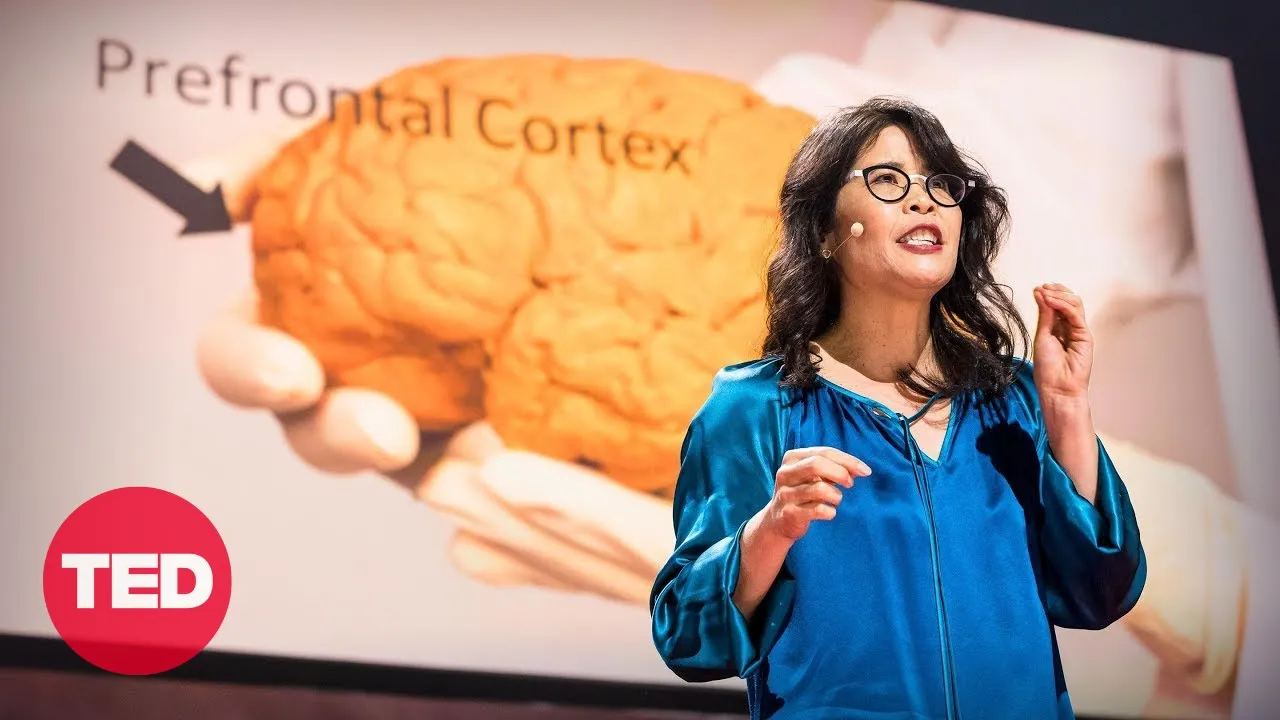
Carrie wrestler spends a lot of time looking into the mind his work focuses on the genetic and behavioral processes that underly PTSD post-traumatic stress disorder lots of research going on right here in Atlanta around that with the goal of understanding fear at the molecular level all the way down to where it exists in the cells and so today he's going to give us a peak into some of that research and where some of our fears May lie and how we may actually be able to overcome them he's going to present to us some of the research that he's done in the Neuroscience of emotion please welcome Carrie wrestler is fear what is fear is fear what was faced by our ancestors when fleeing a predator or prey that Str struggle for life or death the fight or flight response is fear being afraid scared of a snake or a spider in the modern age is fear fear of heights fear of flying even fear of germs can fear even be more Insidious such as fear of rejection fear of social environments experiencing fearful and traumatic memories in a haunting way with post-traumatic stress disorder even fear of fear in panic disorder today I'm going to talk about how the brain encodes fear how this can go Ary in fear fear disorders and severe anxiety disorders and how the new Neuroscience of understanding emotion and fear can help us to inhibit and transcend fear in our daily lives fear lives in a part of the brain called the amydala the amydala is about 2 inches inside of the ears what's so fascinating about the amydala and processing of fear is the same brain region as conserved across all mammals down to the lowest mice and most vertebrates and the experience that we fear the basic root of fear reflex that we have during these experiences of fear that we as humans have is not so different than that of a mouse and so it's allowed us as a field to advance our understanding of behavior specifically the Neuroscience of fear more so I would argue than almost any other Neuroscience of behavior because of this conservation jolu made this classic figure showing how fear works at the most basic level when we see an image that even in its most cursory way reminds us of a fearful stimulus it activates the sensory representation in the eyes and then the first Way Station in the brain called the thalamus the thalamus then sends this information to much higher brain cortical areas that lead to the conscious awareness of fear or the conscious awareness more specifically of the visual image but hundreds of milliseconds before we're consciously aware of it the thalamus also this Midway Station sends a signal to this amydala which activates this whole hardwired reflex of fear survival responding an experience that probably most of us have had is something like walking through a park walking through the woods enjoying a nice pleasant day and then all of a sudden there's a snake your heart's pounding your chest is up and down you're breathing you're sweating you have to escape and only after all that seemingly is already happened and time is slowed down do you realize it was merely a stick what has happened is that your body has activated this fight ORF flight response before you can consciously be aware of what's happened and that's going on every day in people with severe anxiety disorders and fear Related Disorders the cues of the world that activate fear are activating this basic primitive reflex before you can control it this is what your brain looks like on fear it's a functional magnetic resonance imaging of fearful versus neutral faces and this has been basic finding has been replicated across the world the amydala is hyperactivated when a fearful stimulus has occurred and what find and this is worked by amid Atkin at Stanford is that across post-traumatic stress disorder social anxiety disorder specific phobias the amydala is hyperactivated hyper sensitive in these disorders the root of fear of these disorders we can think of with the term a panic attack and with a panic attack people will have an experience where their heart is racing their chest is pounding they can't catch their breath they're sweating they have to get away they feel like they're going to die and panic attacks happen in all of these anxiety disorders in panic disorder it seems like the fear comes out of the blue and in many ways it's fear of fear itself after the first panic attack which is often at a time of high stress or depression or trauma one will associate the experience of fear with the bodily reminders that occurred with the fear reaction so the next time their stomach is upset or their heart is racing they're afraid they're going to have another attack it becomes a fear of the fear itself with phobias if you're afraid of a spider and a big spider lands on you you're scared to death we don't call it a panic attack but it's actually the same symptoms and similarly with trauma and post-traumatic stress disorder activations of the trauma memories activate the same set of symptoms the reason this is particularly interesting and again these are the symptoms that we're talking about chest race chest breathing up and down heart racing stress hormones the cortisol fight or flight adrenaline response stomach upset heavy breathing startle response freezing social avoidance Decades of work by psychologists have identified that all of these symptoms are the cinon of panic symptoms but separately Decades of work by neuroscientists have identified that this exact same set of symptoms in mice and men are the result of the hardwired Freer reflex of the amydala specifically if you activate the amydala chemically or electrically that leads to Downstream brain activation of multiple regions that lead to this exact same set of symptoms therefore it doesn't have to be confusing anymore what these symptoms are they're specifically the Primitive fear reflex activated by the amydala and the question can then become what's different between those who have fear disorders and those who don't why is the amydala differentially activated in these people what we focus on is post-traumatic stress disorder we generally think about PTSD as a disorder related to combat and Military that's where the name first came from but we now know that it occurs in times of terrorism times of trauma interpersonal violence motor vehicle accidents and other experiences of life or death situations why do some people following a severe trauma have high risk for PTSD whereas others seem to be at low risk or after any severe experience or trauma one thing we know is that there seems to be a differential sensitivity the amydala comes to the time of the trauma with a different set of backgrounds a different biology part of that's genetic we think that 30 to 40% of the differential risk for those who have PTSD and other fear Related Disorders is genetically mediated based on twin studies we also know that a history of environmental stress and Trauma can raise the stakes at the time of trauma exposure we know that how the learning event occurs how many traumas one has had differentially sensitizes the amigdala and sensitizes the stress response and we also know that what happens in the aftermath of trauma the time at which this new fear memory goes from being um a labile state to a a more permanent state is very important we heard early about Alzheimer's disease and most of us think about learning and memory with relationship to explicit declarative new memories but it's important to know that there's a parallel memory system that's the emotional memory system and we form new memories through this emotional memory system and disorders of fear can be thought of as disorders of overlearning these fear memories so one example of differential stress response or differential susceptibility is this example of a nature and nurture or Gene by environment interaction what binder and Bradley and colleagues found was that increasing rates of child abuse is associated with increased PTSD symptoms following an adult trauma what's so interesting was that a specific Gene related to the stress response differentiates people who are at much more risk for child abuse related adult PTSD versus those who seem to be resilient it seems that even though they've had many many trauma exposures they're still relatively resilient this stress related Gene differentially Associates with amydala activation as shown by herir colleagues when they look at the those same fearful faces so what this tells us is that nature and nurture are combining to lead to differential sensitivity for risk after a traumatic experience that genetic and other biological components are interacting with the severe trauma of the world around us to change our brain and within the brain through this differential amigdala responding leads to different sensitivity and exposure and responses to stress what we're really interested Ed in is how we can transcend this how we can inhibit fear and get on with our lives one way of thinking about this comes back to the idea of consolidation that memories aren't permanent immediately an example of this is after a head injury or a seizure people often have a period of Amnesia where they don't remember hours to days before that event what that and many other Studies have told us is that new memories are not formed immediately whether they're in a transient State before they become permanent and that molecular changes at the cell level in this brain are happening in the minutes and hours after a new memory has been formed what it suggests is if we can identify and there's great progress being made in this area if we can identify the molecular components of that one could come up with new treatments in the emergency department or on the battlefield in the minutes and hours after a trauma to prevent the overwhelming memory formation that becomes postraumatic stress disorder don't get me wrong we don't want Amnesia we want to be able to maintain a EXP explicit declarative memory of a bad thing that happened but we don't want the overwhelming black hole of emotional memory that comes with the nightmares the flashbacks the inability to function but another way of thinking about how we can interfere with chronic fear chronic fear disorders in PTSD is learning to inhibit them those who develop PTSD after a trauma they send tend to after multiple nightmares intrusive memories flashbacks sensitize it seems doc that every time I have this experience it gets worse and worse and worse and worse in contrast those who recover tend to inhibit the fear a term that Pavlov over a hundred years ago in Russia termed Extinction let me talk about Extinction for a minute pavlovian condition and you're probably mostly familiar with is the idea identified by Pavlov in the late 1800s most of us are familiar with the repetitive conditioning where he'd ring a bell um give food to a dog the dog would salivate and over time you'd ring the bell and you would get the saliva you didn't need the unconditioned food anymore a lesser known conditioning that he also discovered is called fear conditioning you could take an animal give a mild foot shock at the time of the Bell do that a few times and after that when you rang the bell the animal was afraid and you could have all these quantitative measures of fear what he then showed was if you expose the animal to the Bell over and over again but with no reinforcers eventually he wouldn't be afraid of it anymore but what a lot of work has now shown is that that is a new learning process you're not forgetting and you're not erasing that original memory and that process is called Extinction diminished fear with repeated exposure over time what's particularly exciting about that is the best worked out empirical therapies for fear disorders and PTSD is exposure-based psychotherapy and we think that this exposure based Psychotherapy relies upon this neural mechanism of Extinction so how does Extinction work and by understanding it can we improve and Target our specific treatments for fear Related Disorders here's a model of how we think the process of fear work works this yellow blob we can think of it as a cell or a neuron within the amydala and it's receiving this information both of the mild shock but also of the bell in this pavlovian metaphor when the bell rings and the shock happens the amydala activates the fear flight ORF flight reflex during this period of consolidation the Bell alone is enough to activate the fear reflex however if the Bell is now rung over and over and over again but with no reinforcers eventually we learn to inhibit that the same memory Trace is existent but that's inhibited now so now that fear cannot be expressed what we now know is this is an active learning process and if we can enhance that learning process we can make exposure therapy and emotional learning work better this is an experiment by Michael Davis where they explicitly showed that they looked at a drug um that specifically activated What's called the nmda receptor in the brain the nmda receptor in the brain it's like the brain's learning molecule it's like an and gate for neurons and cells what they showed is if they trained rats to be afraid so that they had equal levels of fear in the red bars and then they extinguished them they gave them 60 lights lights what they had been trade to be afraid of but in the absence of any reinforcers and then tested them again they were now no longer afraid they learned to inhibit that fear in a contrasting experimental group they gave had a equal group of afraid rats but now they gave this nmda blocker this learning molecule blocker and then they tested them again afterwards after the 60 lights and they were just as afraid as ever before this experiment showed that animals and humans we now know require an active learning process at the molecular level to learn to inhibit fear so what we reasoned was could we flip this on its head and enhance the learning process by enhancing this molecule so in this experiment again and in that other experiment as well it was given both within the whole body as well as specifically within the amigdala in this one we showed rats were equally afraid and now instead of a full 60 lights we only wanted to partially extinguish them to see if we could improve it make it work better so we gave them 30 lights that were not reinforced and then tested them again there was some Savings of fear but there was a significant deficit now they're now not as afraid as they were before but in a comparison group if we give a drug that enhances the nmda receptor functioning they start afraid we now only give them 30 lights this partial Extinction but we give it with the drug whether we give it through the whole body or only in the amydala they're now much much less afraid we can enhance the process of emotional learning through enhancing the synaptic molecular Machinery of learning in memory why this is so exciting is this particular nmda receptor drug had previously been used as a tuberculosis agent and so it was freely available to use in humans safely how do you study Extinction in humans in a controlled way well one way is exposure-based talk therapy but that's complicated Barbara Roth bomb skip Rizo and colleagues had had developed in the 90s a mechanism using virtual reality exposure therapy and in this particular um method they would have people who were deathly afraid of heights they'd wear this virtual goggles go up 19 fls walk out on these catwalks hold onto the bars and look down at the lobby below now this is 90s Graphics it looks like a bad video game but what's interesting is that if you're afraid of heights so if you're not afraid of heights that's about what it is it's a bad video game if you are afraid of heights people get deathly um immersed in it and after two or three fours they get nauseous and they're sweating and they have to take the helmet off so you have to work them up slowly what Barbara had shown was after six to eight sessions of about an hour each with this therapy people would get much much better they could go up these floors so we did the same study we did in rats in humans we only did two sessions with two pills over the whole study they were all exposed to the heights they gave either Placebo control or the nmda activator they had two sessions and then they came back a month or three months later and what we found was just like in rats if they received Placebo they had a very only modest reduction of fear despite the floors but if they received the drug they had much much less fear even up to the 19th floor it worked as well with these two sessions as if they had had six to eight sessions we were able to show that we could improve the emotional learning in humans just like we did in rats based on the Neuroscience of emotional learning since this period this has been replicated about eight times throughout the world um studies in Boston and Australia looking at social anxiety disorders where people would have exposure to extemporaneous speaking for example and if they received the nmda drug they got better faster similarly the fears and obsess Ive compulsive disorder in Boston and Pennsylvania they got better faster at Yale they showed that they could increase Panic responses by exposing people to the inter receptive emotional response of panic and in the Netherlands with um a study of refractory PTSD if they were refractory they seem to get better faster so all of these suggests that this may not be the way specifically the way to go with a drug but it's the first time that I'm aware of where the specific understanding of a neural mechanism of behavior has been used to Target specifically the molecular approaches to making emotional learning working better so how do we transcend fear we started with a millennia of ancestors in which fear was needed for survival but we're now in a society in which fear as often causes harm as it does good through our Neurosis through our anxieties through our fear and how Society can control us through fear as well but we're also at a point where we have neuroscience and we can understand how the brain works and how the brain encodes emotion and we Now understand how the amydala and the parts of the brain the cortex parts of the brain that control the amydala can be used to regulate fear and specifically by understanding the molecular components of fear and by using these animal approaches to understanding the Neuroscience of emotion and transcending the Neuroscience of emotion we can eventually tame our fears thank you very much thank you so you you showed us our our brain on fear when you first started and uh does this cause any sort of permanent brain damage as people are continually exposed to this and the brain is is acting in that manner well of course we evolve to be afraid and not afraid all the time in a flexible way and what we Define as health is not not being afraid it's being able to healthfully flexibly move back and forth from a state of fear to non-fear and disease we think is when you can't flexibly shift and when you're stuck in that state of constant hypervigilance hyperarousal looking for fear everywhere around you so we were earlier we looked at at Alzheimer's and the possibility of of of prevention Would we not then be looking at prevention in this case in other words use of that particular drug therapy for people before they actually had the right I think that's a great idea by understanding who is most at risk the same way we understood in the mild cognitive mild impairment case with Alzheimer's whether it's who's at most at risk because of their biological genetic predisposition or because of their prior trauma histories of course ideally we would prevent child abuse but if we but um in lack of being able to stop Wars and stop that at a medical level by understanding those who are mostly at risk I think we can then intervene and prevent thanks so much for sharing that appreciate it
Up Next
21:56
Investigating Circuits of Conditioned Fear | Greg Quirk
@MichiganEngineering
1.9K views•2016-06-20

51:37
Neural Circuits of Fear and Avoidance | Prefrontal Control | Webinar
@Labroots
1.1K views•2017-03-24
11:35
Heart-Brain Connections: Science of Interoception and Empathy
@TEDx
24.2K views•2018-01-23
13:03
How Exercise Benefits Your Brain: Science Explained
@TED
11.4M views•2018-03-21
Related Study Plans & Knowledge Roadmaps
Structured learning paths in Neuroscience
neuroscience
Fear Circuits: Amygdala, Context & Extinction
01Introduction to Brain Anatomy & Neurobiology
02Fundamentals of Fear Conditioning & the Amygdala
03Microcircuits of Threat Processing and Defense Responses
+ 2 more learning modules
12h5 modules
Explore Roadmap
neuroscience
Appetite Regulation: Brain Circuits & Hormones
01Foundations of Endocrinology and Brain Anatomy
02Introduction to Energy Homeostasis
03Peripheral Signals: Leptin, Ghrelin, and Insulin
+ 2 more learning modules
14h5 modules
Explore Roadmap
neuroscience
Neuroeconomics: Value, Risk & Brain Mechanisms
01Foundations of Neuroscience and Brain Anatomy
02Introduction to Neuroeconomics and Subjective Value
03Dopaminergic Prediction Errors & Reinforcement Learning
+ 3 more learning modules
18h6 modules
Explore Roadmap
neuroscience
Spatial Navigation: Cells, Grids & Brain Maps
01Foundations of Brain Anatomy and Memory
02Place Cells and Head-Direction Cells
03Grid Cells: The Brain's Coordinate System
+ 2 more learning modules
12h5 modules
Explore Roadmap