



















Our hearts continuously send signals to our brains, creating a dynamic coupling where internal bodily sensations (interoception) shape our emotional experiences; research shows that individuals with higher interoceptive accuracy experience emotions more intensely, and remarkably, our hearts can also synchronize with others' emotional states, allowing us to physiologically 'feel' what others feel, which has implications for understanding conditions like autism and developing interventions for anxiety.
Heart-Brain Connections: Science of Interoception and Empathy
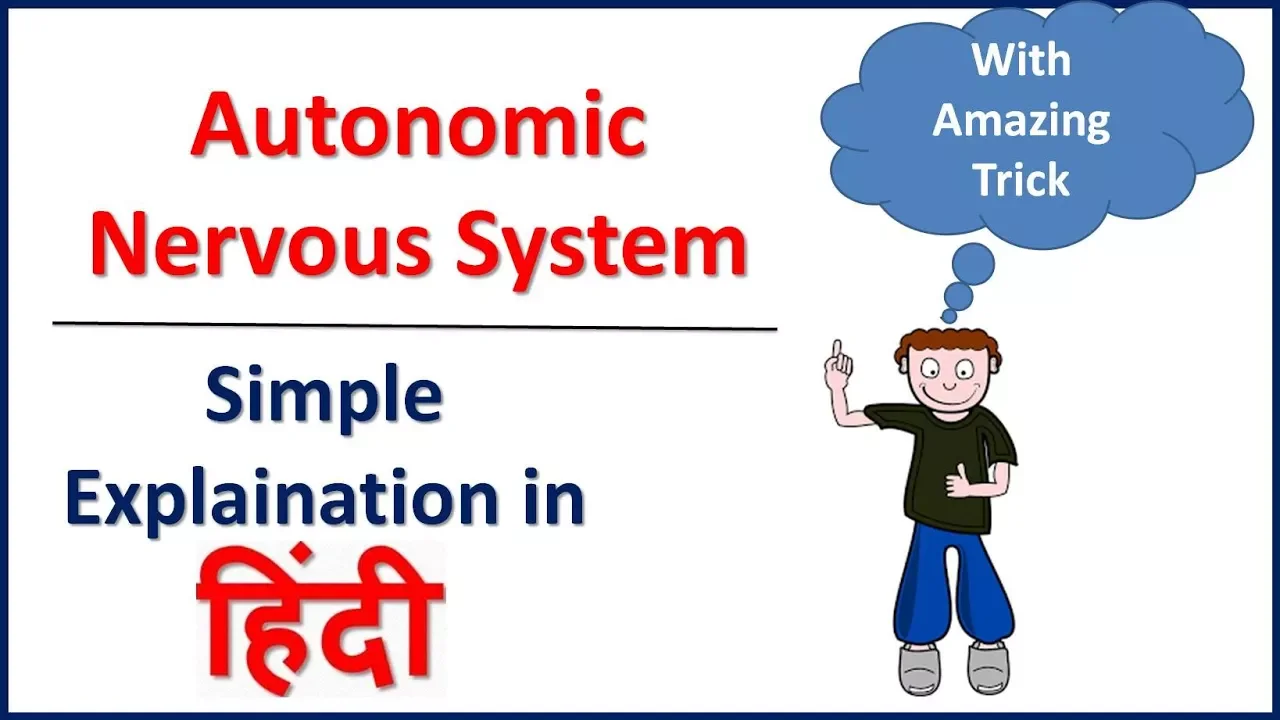
Added:The basic structure and function of the Autonomic Nervous System (ANS), specifically how the sympathetic and parasympathetic branches regulate heart rate.
The core concept of interoception, defined as the brain's perception and integration of physiological signals originating from inside the body.
Fundamental neuroanatomy, particularly the roles of the insular cortex (insula) and the anterior cingulate cortex (ACC) in processing internal sensations.
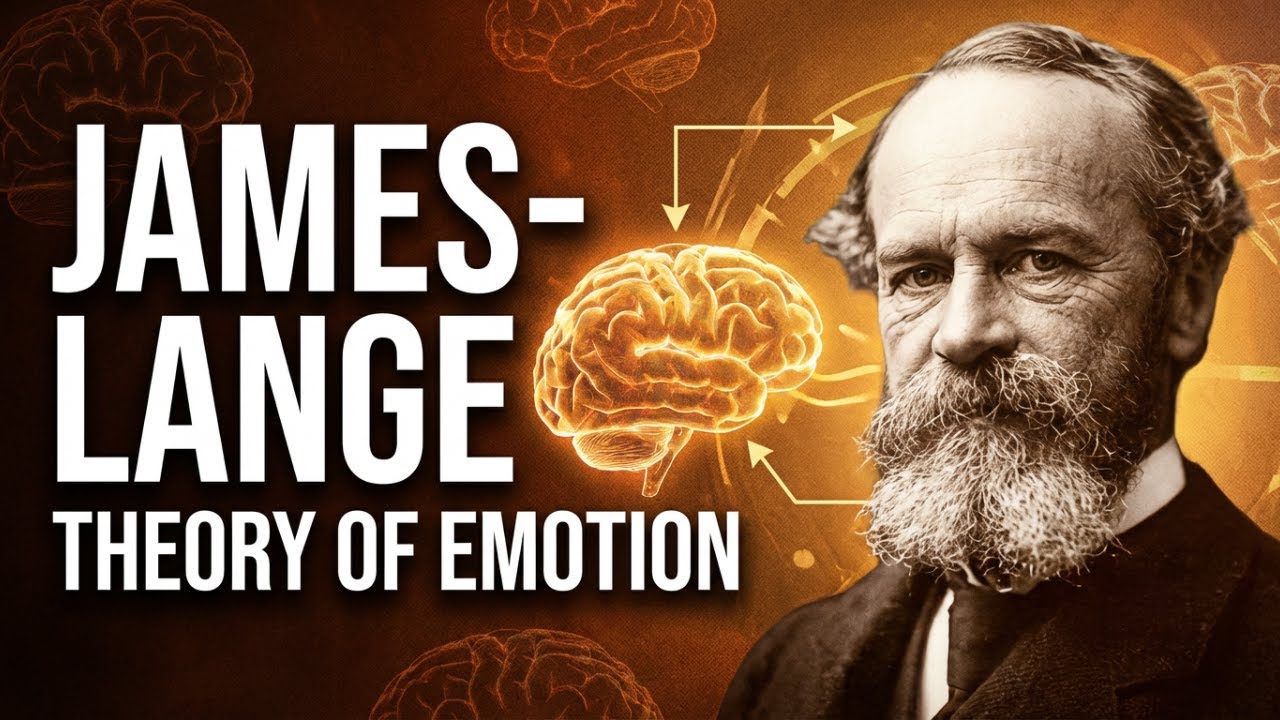
Historical psychological theories of emotion, such as the James-Lange theory, which propose that physiological arousal precedes emotional experience.
Clinical implications of interoceptive dysfunction, such as its role in anxiety disorders, depression, eating disorders, and alexithymia.
Advanced social neuroscience topics, including the link between bodily resonance, mirror neurons, and the cognitive versus affective components of empathy.
Heart Rate Variability (HRV) biofeedback and its practical application as a therapeutic tool for emotional regulation and autonomic conditioning.
Somatic therapies and mindfulness-based interventions (like MBSR) that leverage bodily awareness to restructure emotional cognitive processing.
24.2K views334likes11:35Original Release: 2018-01-23
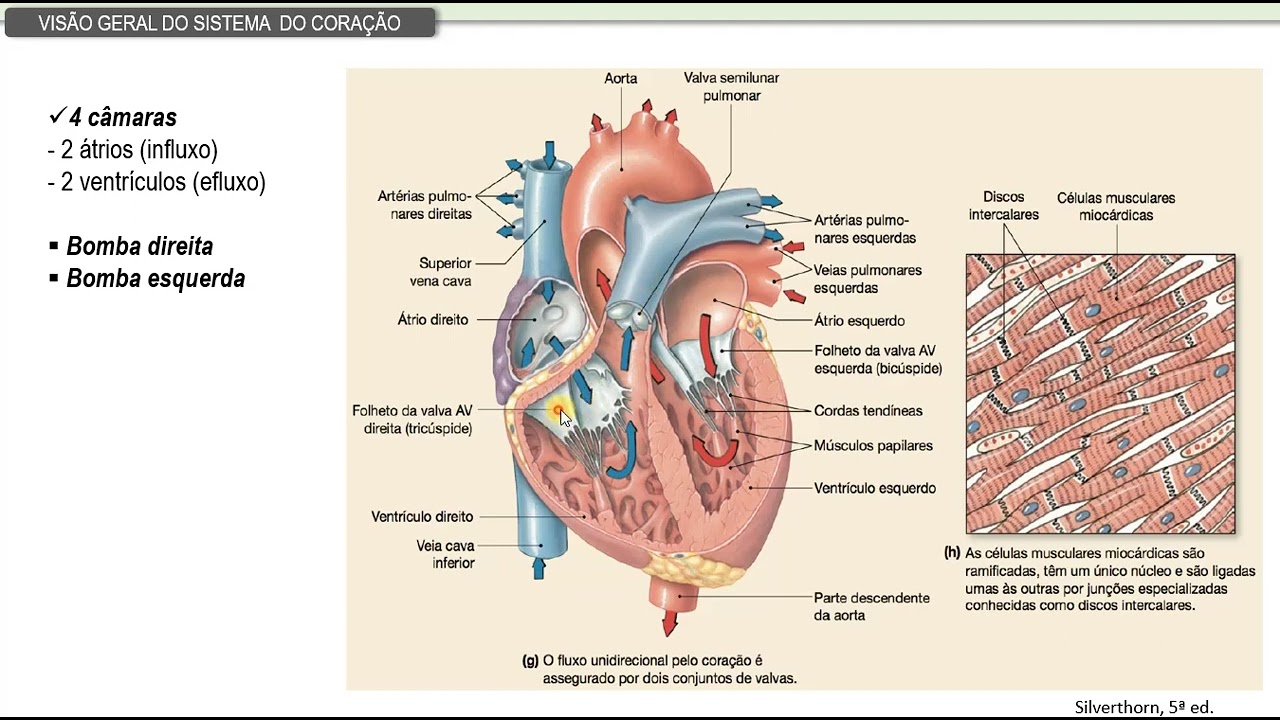
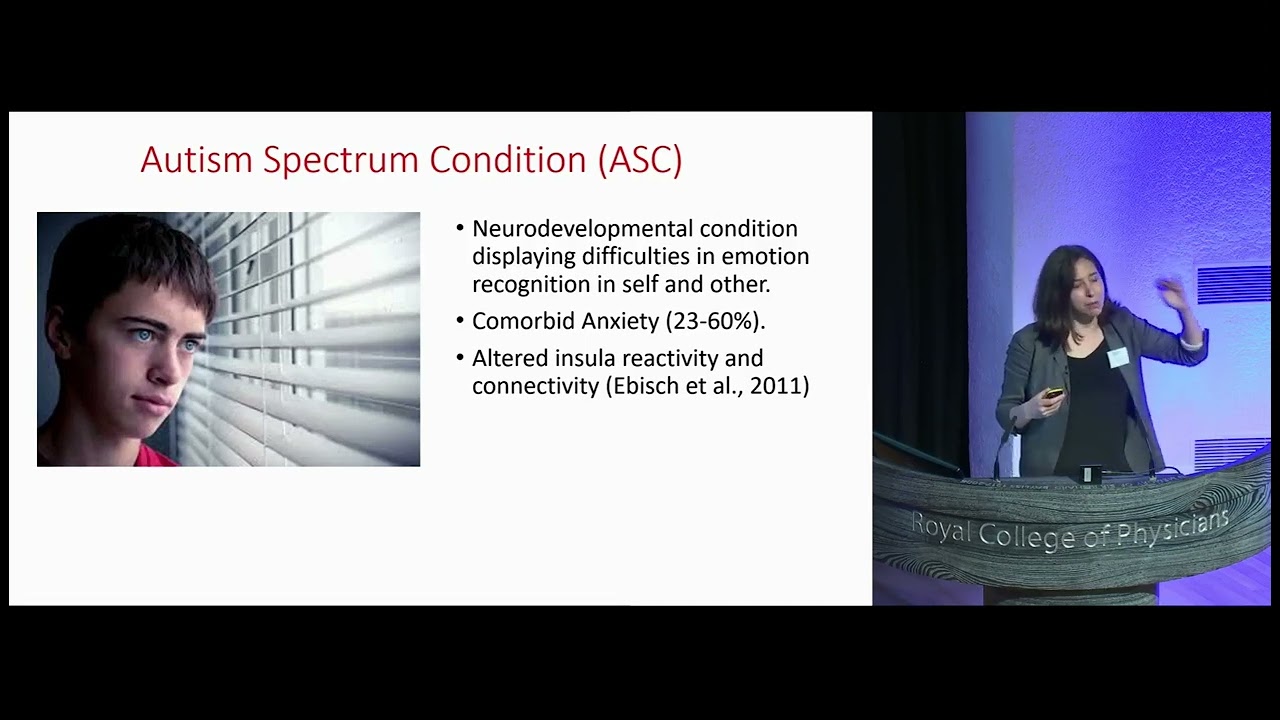
[Music] [Applause] so everytime our heart beats it sends a signal to your brain and this is what I think is so amazing about the complexity of our brain that it's responding to the outside while it's also responding to your hidden thoughts and then simultaneously it also has represented in its activity the moment-to-moment fluctuations and signals that are coming from your internal visceral organs so as you sit here listening your brain is activating with each heartbeat and it's not just your heart you have represented in the neural activity of your brain signals from the other organs as well so you also have for example the slow wave of the stomach also being represented in your brains right now thus our minds and our bodies are intrinsically and dynamically coupled our thoughts feelings and behaviors are shaped by imparts the internal signals that arise from our body and this is important because the signals from our body are informative our hearts do not just beat regularly and in fact our hearts have these beautiful patterns of activation and flutters and curves of increasing and decreasing activity and these different signatures are associated of different states for example if you're sitting here waiting in anticipation then your heart does this classic slowing down and this will happen when you're waiting at the traffic lights and other day-to-day activities and you also have these patterns of acceleration and the acceleration curves that occur with different emotional states and if you model these cardiac changes and brain and see which areas are Co activated you have areas involved in a motion that corrective a with changes in the heart and this helps observe this there that our feelings derived from this dynamic relationship between brain and body and our senses thus fall into different categories you have X reception which is sense in the outside world and this occurs through traditional senses such as sight and also touch these can be contrasted from the proprioception which is sensing the position of your body and space and this too then can be contrasted to interception which is sensing the inside world such as your internal visceral organs such as your heartbeats and if you were to come to my lab then I would sit you down and I would test how accurately you can detect when your heart is beating and we can do this with different tests for example I will attach the pulse oximeter your finger and I might simply get you to count the number of heartbeats while you're at rest and see how accurate you are or I might play you tones and sync an outer sync with your heart and see how well you can make these super nasty judgments and these are classic happy detection tests but my work shows and that people don't necessarily have insight into how good or poor they are so you might think you're guessing on every trial but actually you might be performing perfectly at these tasks and thus we can characterize individual differences in interceptive accuracy and interoceptive awareness and then see how these individual differences they're map on to the way in which you experience emotion and the role of the body in emotion has long been known William James in 1884 theorized that it's the sensing of internal bodily sensations that gives rise to emotional experience that you're not afraid because you you run or you're afraid it's the act of running which gives rise to the sense of fear because it's the feeling of the pounding of your heart which gives rise to this feeling of fear and we were able to look at this in the lab doing experiments to test the way in which the detection of sensations might increase your emotion so those individuals who are more interceptive Li accurate willful emotions of a greater intensity and as modern-day Nero scientists were also able to look at the nearest circuitry in the brain that underlie this so if I put you in a scanner and get you to focus on your heart then you'll see you activated this area called the anterior insula and the degree to which this is activated predicts how good you are at detecting your heart so the more intercepted lis accurate you are the more activity you have in this particular region and if I also get you to be emotional in the scanner and see which areas are underlying emotion processing in general you also have this area activated and in a conjunction analysis of both emotion processing and cardiac monitoring particularly shows up this area giving rise to the idea that this area is integrating bodily signals to give rise to the experience of emotion thus our hearts are able to guide our emotional experiences detecting these signals can influence the intensity with which we experience emotions but what I really want to speak to you about today is the fact that our hearts tell us not just about how we're feeling but our hearts can also be informative about how other people around us are also feeling so for example in this particular experiment by conv Ling cartel they monitored the hearts of people who are undergoing particular rituals in this case a firewalking ritual where people need to walk over burning embers and coals and they monitored the heart of the person undergoing this and then they also monitored the hearts of all taneous lis to a relative or a spouse or unrelated observer and what they were able to see that for the related person or the person marry to the individual in question undergoing this you have these beautiful trappings of heart rate that happen between the individual and the related observer thus the cardiac changes that were occurring in the person going over the burning embers and coals were also expressed in the observer and it's not just our hearts that can represent the states of other it can also happen in other physiological signatures such as the eyes and one of my favorite experiments by Neil Harrison and he really was they monitored the eyes of people and they also got people to look at faces and these faces depicted all their formations happy and sad and then they manipulated the pupil size of the faces and they found that small pupil size was particularly associated with sad faces and if a sad face had a smaller pupil size then people judged those faces of sadder but then what I think is so beautiful is that when they were monitoring the pupil size of the observer their own pupil size got smaller as well and this happens specifically sad faces thus this physiological signature is sadness which is a smaller pupil size then happens in the observer such that they're not just saying or feeling sad for the person that seemed to embody and feel that feeling themselves their body is adopting the physiological signature of sadness such that they experience it too and in our search to understand these mechanisms are underlie emotion we can see how maybe populations and individuals who process emotions slightly differently may have different channels of information and a lot of my work at present is working with people with autistic spectrum conditions and people with autism and can have trouble sometimes understanding their own emotion and the emotions of others and my work where these individuals show that they're also impaired in their capacity to really detect internal bodily signals such as their heartbeats we're focusing on this gives you part the story which has potentially this is the mechanism through which a motion processing is potentially impaired in these individuals but it's only part of the story and actually if you monitor their body and monitor their body while other people are experience emotions or pain then people with autism have a body response which shares the emotions with others so for example buit all didn't experiments where people um had pain stimuli applied to them and people watch this occur and people with autism had an embodied skin conductance response that the represented pain of the other person in them so that they were having an embodied empathetic response but not being able to detect these signals accurately also comes with a cost so some of our work is also looking at anxiety and showing their errors and interceptive processing predicts higher anxiety symptomatology but we're working now to create software platforms to make people more introspectively accurate such as heart rate and heart rate a clinical and we're giving people tours to be more precise in detecting their internal bodily signals and showing that this can increase the accuracy and also potentially decrease their anxiety so your heart is a wonderful thing if you perceive it accurately it can help you have lower anxiety levels providing you just notice it's your heart and this precision of detecting internal bodily signals can also help you experience motions more intensely but the thing that I really want to stress today is that your heart can inform you not only about your own emotions but also about the emotions of those people around you that our hearts and our bodies can represent other people's joy less than fear within ourselves so in the search for utopia and in trying to understand how we build communities I believe that we build communities by building bonds between people and one of the ways this can happen is through our physiological signals representing the emotions of others so pay attention to your heart it will help tell you how you're feeling will help you experience at other people as well thank you [Applause]
Up Next

11:16
Temporal Discounting: How Brain Pathways Shape Decision-Making
@SeriousScience
4.9K views•2015-10-29
21:55
Deciphering Neural Circuits Controlling Anorexia in Mice | Richard Palmiter
@AllenInstitute
2.3K views•2011-10-10
12:33
Neuroeconomics of Simple Choice | Antonio Rangel | TEDxCaltech
@TEDx
41.8K views•2013-02-19
13:03
How Exercise Benefits Your Brain: Science Explained
@TED
11.4M views•2018-03-21
Related Study Plans & Knowledge Roadmaps
Structured learning paths in Neuroscience
neuroscience
Appetite Regulation: Brain Circuits & Hormones
01Foundations of Endocrinology and Brain Anatomy
02Introduction to Energy Homeostasis
03Peripheral Signals: Leptin, Ghrelin, and Insulin
+ 2 more learning modules
14h5 modules
Explore Roadmap
neuroscience
Neuroeconomics: Value, Risk & Brain Mechanisms
01Foundations of Neuroscience and Brain Anatomy
02Introduction to Neuroeconomics and Subjective Value
03Dopaminergic Prediction Errors & Reinforcement Learning
+ 3 more learning modules
18h6 modules
Explore Roadmap
neuroscience
Spatial Navigation: Cells, Grids & Brain Maps
01Foundations of Brain Anatomy and Memory
02Place Cells and Head-Direction Cells
03Grid Cells: The Brain's Coordinate System
+ 2 more learning modules
12h5 modules
Explore Roadmap
neuroscience
BCIs: Neural Decoding & Prosthetic Control
01Neuroscience Foundations: How the Brain Signals Intent
02Signal Acquisition: Recording the Brain's Activity
03Neural Decoding: Translating Brain Waves into Data
+ 2 more learning modules
25h5 modules
Explore Roadmap