











![[행동경제학과 국제개발협력] 제7장: 시간 선호 (신버전)](https://i.ytimg.com/vi/HCB-4Et3iCQ/maxresdefault.jpg)


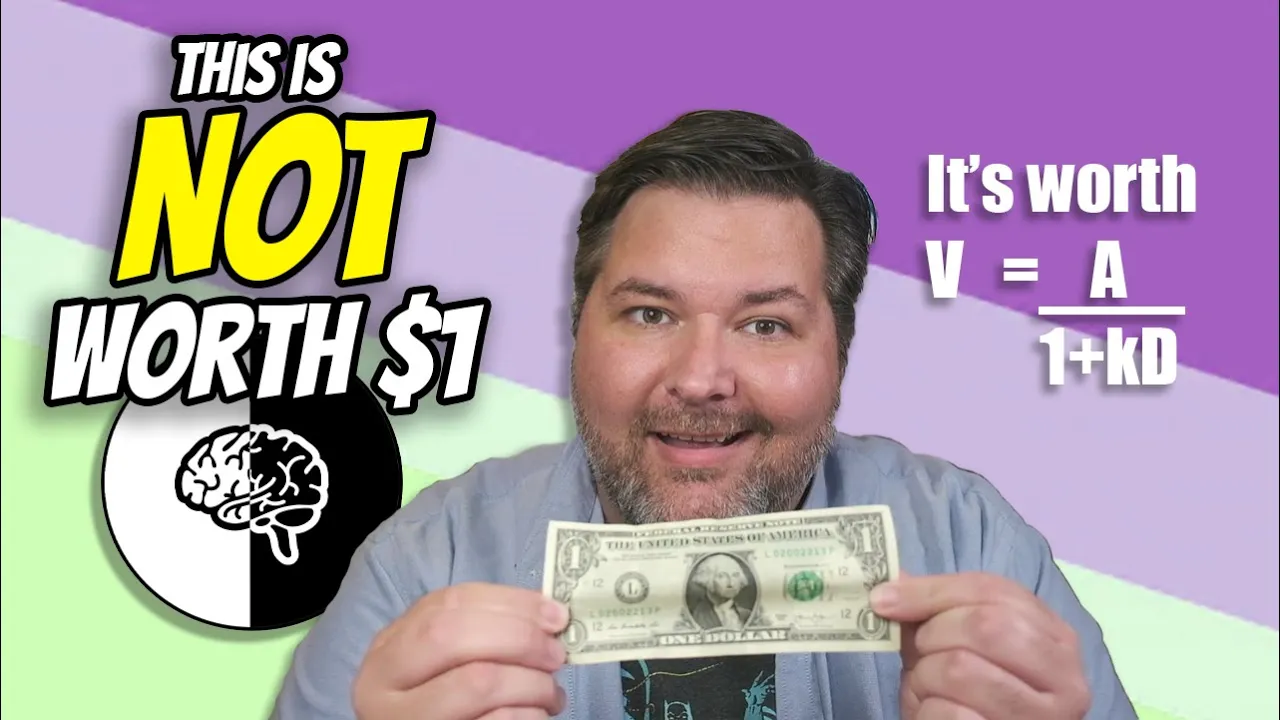




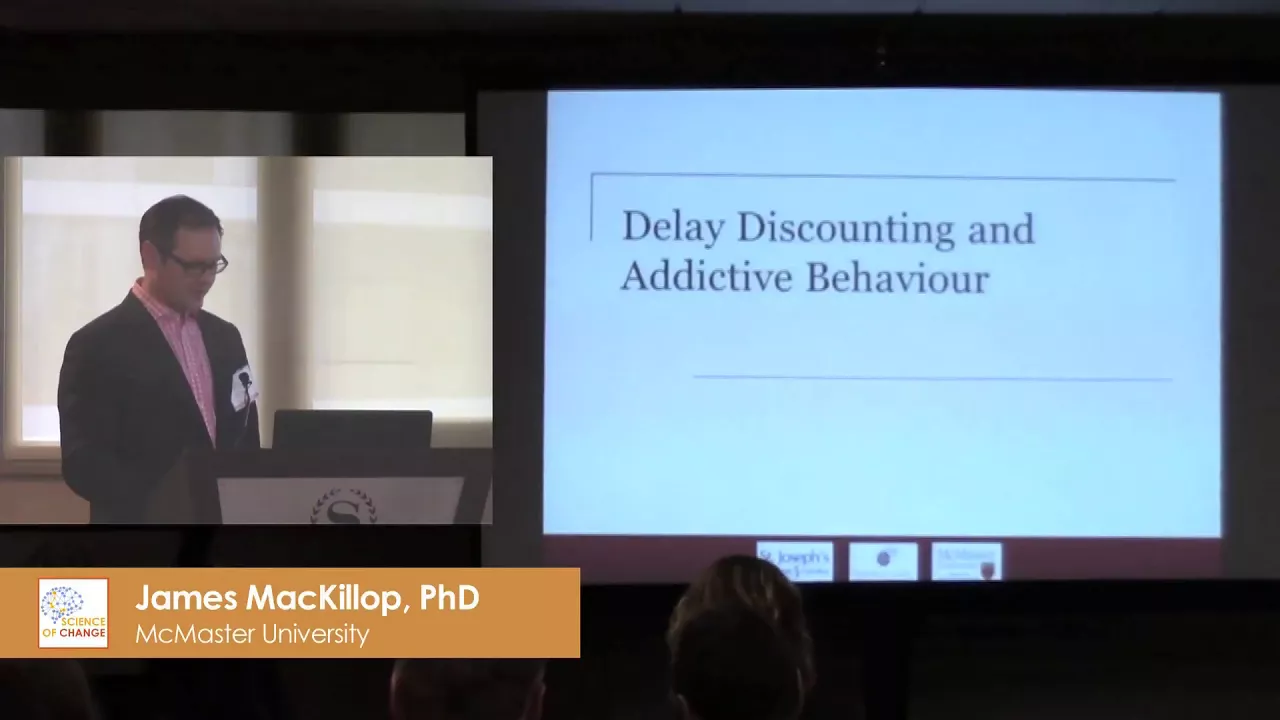





Temporal discounting—the tendency to prefer immediate rewards over larger future rewards—is explained by the dual systems model, which identifies two competing brain systems: an automatic, dopamine-driven affective system that responds to immediate temptations, and a deliberative prefrontal cortex system that evaluates long-term consequences; neuroscience research using brain imaging and transcranial magnetic stimulation has demonstrated that manipulating these systems affects decision-making, with prefrontal cortex disruption increasing impulsivity and dopamine system activation reducing patience for delayed gratification.
Temporal Discounting: How Brain Pathways Shape Decision-Making
Added:Basic neuroanatomy of the reward system, specifically the distinction between the prefrontal cortex (cognitive control) and the limbic system (emotion and immediate reward).
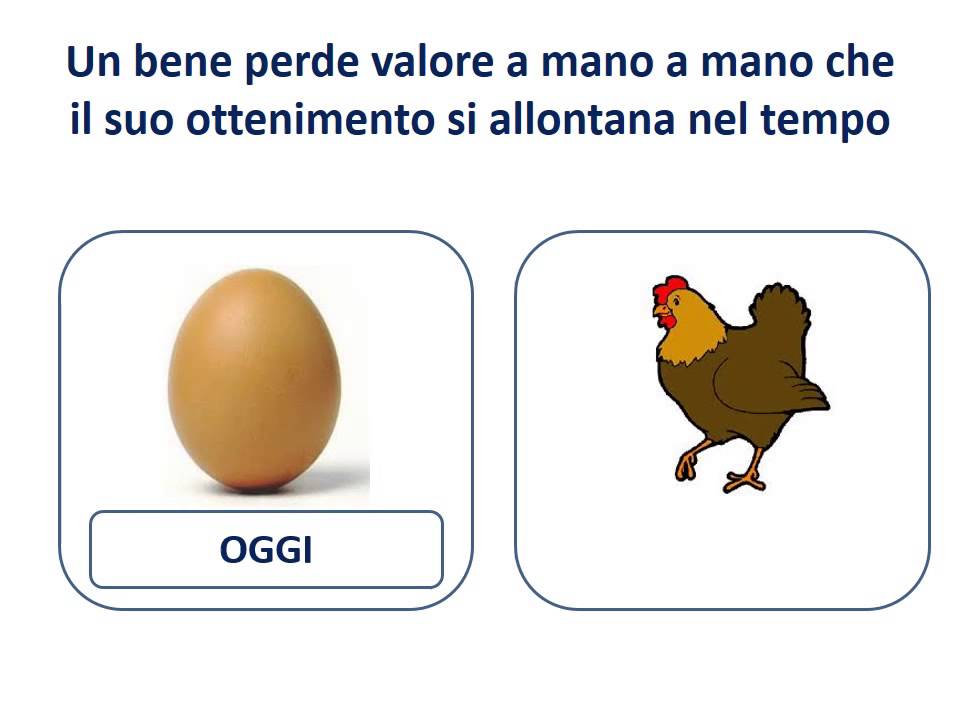
The fundamental concept of temporal (or delay) discounting, which is the tendency to value smaller, immediate rewards over larger, delayed rewards.
Dual-process theory in psychology, particularly the distinction between rapid, emotional decision-making (System 1) and slow, analytical reasoning (System 2).
The role of dopamine as a neurotransmitter in signaling reward anticipation and reinforcement learning.
Mathematical modeling of delay discounting, specifically comparing exponential discounting models with hyperbolic discounting models.
Neuroeconomic applications, exploring how temporal discounting dynamics influence consumer behavior, public policy, and long-term financial planning.
Clinical implications of aberrant discounting rates, such as its correlation with substance abuse, ADHD, gambling addiction, and obesity.
Behavioral interventions and self-regulation techniques, such as episodic future thinking and pre-commitment strategies, designed to counteract impulsivity.
4.9K views87likes11:16Original Release: 2015-10-29
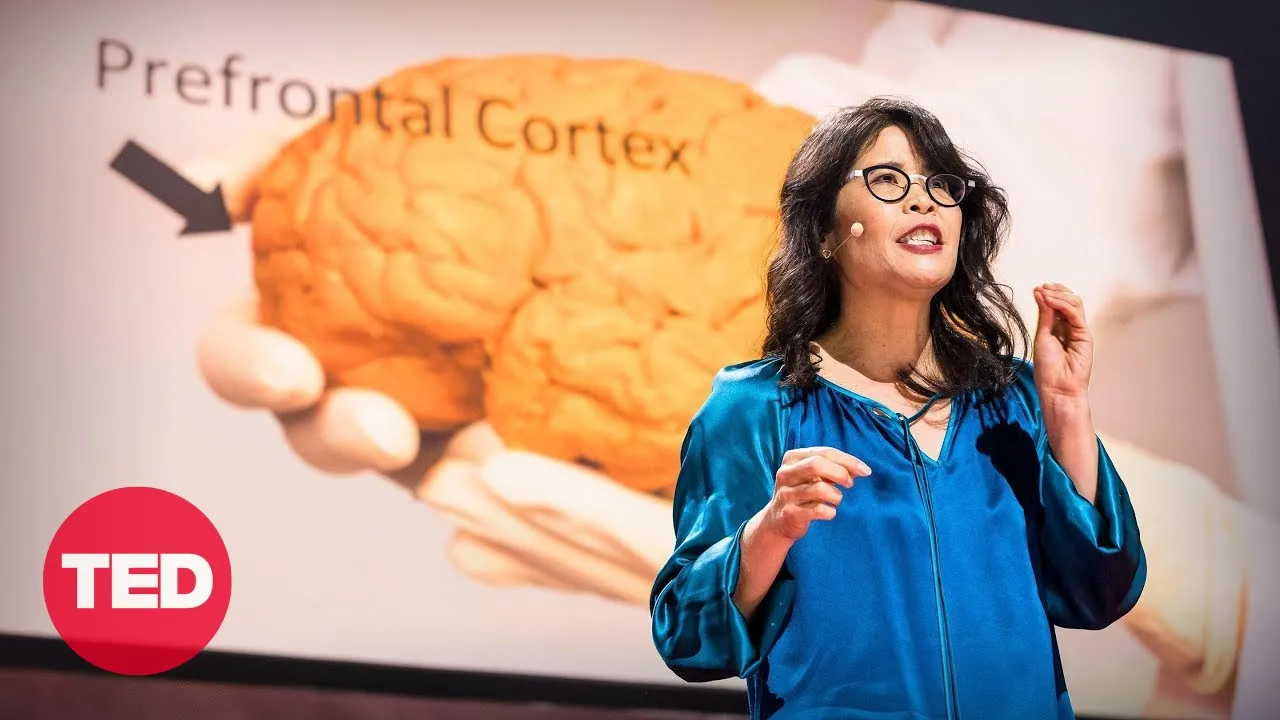
[Music] there's a classic problem in human behavior it has the title of time discounting but it's it's just a really common problem and this idea this term time discounting doesn't do justice to how intuitive it is and it really has to do with how you evaluate the future and how you make choices about things that that that um you can receive now or at some later point in the future so this it's called time discounting because if I offer you something you like but I say you have to wait a week for it then it's not worth as much to you as as receiving it right now and and the degree to which you don't like it as much this Prospect of a future outcome it the the that degree by which the value is reduced as a function of delay is called time discounting that process of devaluation is called time discounting I'm just kinding is really a kind of a fascinating ages old problem trying to understand how we do it because there there's some fundamental problem that we have so the the the classic problem is you know the fact that you're your preferences for things distributed across time changes as a function of the progression of time so you can have very wholeheartedly believe that you wish to behave in a Far Side manner to be very healthy to save your money and do everything that your mother told you you should do but then as soon as the pro the ability Temptations arise to violate those preferences we have a tendency we have this sort of internal conflict that leads us to all too often succumb to the Temptation and violate our your better intentions so this is this is really the fundamental question in time discounting is how is it that we evaluate things across time that leads to these time dependent preference reversals that make us want to do one thing but then only to violate our best wishes when when The Temptations arise one one way of of um thinking about this this question that's been around um in Psychology um philosophy economics for a long time is by positing that we actually have many different motivations that our behavior is driven by many independent considerations and we have different ways of evaluating the world and that because we have these different styles of evaluating the world that sometimes they Le they can they can conflict and and this is sort of the classic um take on how time discounting works which is that we have an ability to formulate long-term plans and think about things in very abstract fashion and generate our best wishes best desires but we also have this ability to evaluate the world see something as a very attractive desirable good generate emotions and high motivation to achieve it but it's it seems fundamentally different one is very deliberative in nature where you think and plan and reason the other is driven by the here and now the presence of something that seems very repetitive and and satisfying and so this has been a long an old idea is it's called the a dual selves model of um of time discounting or or preferences and uh there's been a you know a lot of interest for really hundreds of years in this in this notion um and it's just it's hard it's been hard to test um because it it makes a lot of sense but you you start trying to it's hard to pull apart these separate selves and study them independently this is where Neuroscience has really um really contributed because if there really are these sort of multiple cell then maybe that their their physical instantiation in the brain should also be different um and we know that the brain kind of functions this way for example we know that the visual system from our eye back the projections back from our eye back to the brain have many independent Pathways that communicate qualitatively different information about the visual world and that get put together in our visual cortex to solve different kinds of problems like identifying what we're looking at figuring out how it's moving and how we should interact with it all these different types of ways we interact with our visual world are processed along different different parallel streams and this is leads to this sort of fundamental notion about the way the brain functions which is that information is processed along these parallel Pathways where you're extracting different types of information about the world to behave um based on different types of goals that that may be relevant to you so this notion about the brain that the brain works in this parallel distributed fashion um corresponds nicely to um this dual selves idea where maybe the are different different Pathways within this different ways of evaluating the world one that's more affective or emotional in nature and another is more deliberative in nature and they give rise to these different ways of evaluating the future that lead to conflict these and these preference reversals so um Neuroscience has been trying to test this and and um it turns out that there are systems in the brain networks of of brain areas that interact to control behavior that roughly correspond to this idea of this order more affective and more deliberative kind of system so for the affective system um this really seems to correspond to these this basic old evolutionary system that's driv that's driven by this that releases this neurotransmitter dopamine so the dop system we know is um associated with emotions so if you activate the dopemine system then you have there's positive arousal and positive emotions that correspond to that it has basic motivational properties so if you this activated a system you there's is strongly associated with a sense of motivation for seeking whatever is available in your environment and it sort of functions is in this relatively automatic fashion where dopamine is released to Signal the value of things in your world through direct Association so when you see something in the world it triggers the doping system in this automatic fashion to release amount of doping that's that corresponds to how valuable that that that thing is and so you there's sort of this automatic very highly motivational emotional system that's triggered by this it cues in the world to to drive your behavior to seek those those outcomes okay so that's the dopy system so that kind of corresponds to the sort of more automatic affective kind of system and then we also know that there's another system in the brain that's dependent on something completely different which is the prefrontal cortex and the prefrontal cortex we know a lot about largely because of of lesions so if you have a stroke that causes damage to your prefontal cortex then you sort of selectively lose lose the ability to formulate abstract goals and guide your behavior on the basis of those goals one of the consequences of of damage to this region is called environmental dependency syndrome so um it's it's a really sort of fascinating set of problems um what what what characterizes it is that your behavior becomes really dependent on exactly what's directly in front of you um and you have and and these patients have an inability to to guide their behavior sort of more flexibly based on sort of um abstract goals one of my favorite um discussions of this was by this um French physician named lar me who um wrote this beautiful paper in the 80s where he took pre patients with pre damage the prefontal cortex to his house and then he just wrote about what they did in his house and one one of the one patient for example he was showing him around his house you know showing just giving him a tour showing him all the rooms and when he got to the the bedroom he saw the bed and the automatic response when he saw the bed was to take off his clothes and climb into the bed and this is not the appropriate response at your doctor's house but he was this is the Environmental dependency syndrome he wasn't able to maintain this abstract goal which is oh I need to be hosp you gracious and a nice guest I need to not do my automatic response of climbing into the bed so this sort of this ability to sort of abstractly plan structure your behavior in accord with abstract goals this really corresponds to this more deliberative kind of system so so so you have this beautiful correspondence between old theories in in Psychology and philosophy and then new ideas about different brain systems and how they interact and what's really happened over the past 15 years now is sort of putting these two things together using functional brain Imaging in people to see whether these two systems are actually in competition when when people are making choices about about rewards over in the future whether activity in one system or the other determines the choice whether you can bias activity in one way or the other by manipulating these systems and um really trying to put together a sort of a dynamical you know dynamical systems model about how Choice arrives out of the interaction of qualitatively different systems and and the the work has really been incredibly successful so we have this ability to take a what's called a trans creating a magnetic stimulator you can put it over the prefrontal cortex and kind of shut it down for a little while you zap zap somebody for about 10 minutes and then the prefrontal cortex doesn't work so well for the next 10 minutes and if you do that then you shut down this deliberative system and people become much more impulsive and they have the much harder time waiting to receive future rewards you can also give drugs that directly act um facilitate the the um the dopamine system so there are number of drugs out there they're used clinically all the time but if you give them to normal patients then it turns out that you activate this more affective system and people become more impulsive and then you can study brain activity disorder as people are normally behaving and you can do a pretty good job of predicting when they're going to be impatient and when they're going to be not when they're going to be patient when they're going to stick with their long-term goals versus succumb and eat the chocolate cake even though they really should eat the salad and um you could you start predicting this kind of behavior so this has been one big advance and Neuroscience is using brain Imaging to attack fundamental old age-old questions about how it is that our Behavior can get these sort of strange properties where we have the inability to sort of maintain preferences through time and we kick ourselves for behaving in ways that we know we're going to regret and we can put this together now in sort of a dynamical way to understand really the the Dynamics of brain activity that give rise to these patterns of behavior [Music] [Music]
Up Next

64:10
Casey et al. (2011): Neural Correlates of Delayed Gratification
@bethandance6409
1.8K views•2018-07-24
21:55
Deciphering Neural Circuits Controlling Anorexia in Mice | Richard Palmiter
@AllenInstitute
2.3K views•2011-10-10

4:10
Vagus Nerve (CN X): Anatomy, Nuclei & Functions Explained
@Alilamedicalmedia
305.2K views•2022-10-31
13:03
How Exercise Benefits Your Brain: Science Explained
@TED
11.4M views•2018-03-21
Related Study Plans & Knowledge Roadmaps
Structured learning paths in Neuroscience
neuroscience
Appetite Regulation: Brain Circuits & Hormones
01Foundations of Endocrinology and Brain Anatomy
02Introduction to Energy Homeostasis
03Peripheral Signals: Leptin, Ghrelin, and Insulin
+ 2 more learning modules
14h5 modules
Explore Roadmap
neuroscience
Neuroeconomics: Value, Risk & Brain Mechanisms
01Foundations of Neuroscience and Brain Anatomy
02Introduction to Neuroeconomics and Subjective Value
03Dopaminergic Prediction Errors & Reinforcement Learning
+ 3 more learning modules
18h6 modules
Explore Roadmap
neuroscience
Spatial Navigation: Cells, Grids & Brain Maps
01Foundations of Brain Anatomy and Memory
02Place Cells and Head-Direction Cells
03Grid Cells: The Brain's Coordinate System
+ 2 more learning modules
12h5 modules
Explore Roadmap
neuroscience
BCIs: Neural Decoding & Prosthetic Control
01Neuroscience Foundations: How the Brain Signals Intent
02Signal Acquisition: Recording the Brain's Activity
03Neural Decoding: Translating Brain Waves into Data
+ 2 more learning modules
25h5 modules
Explore Roadmap