













![Conferencias Virtuales sobre Educación de la mentalidad [03/08/2024]](https://i.ytimg.com/vi/qoVugYU0qA4/maxresdefault.jpg)
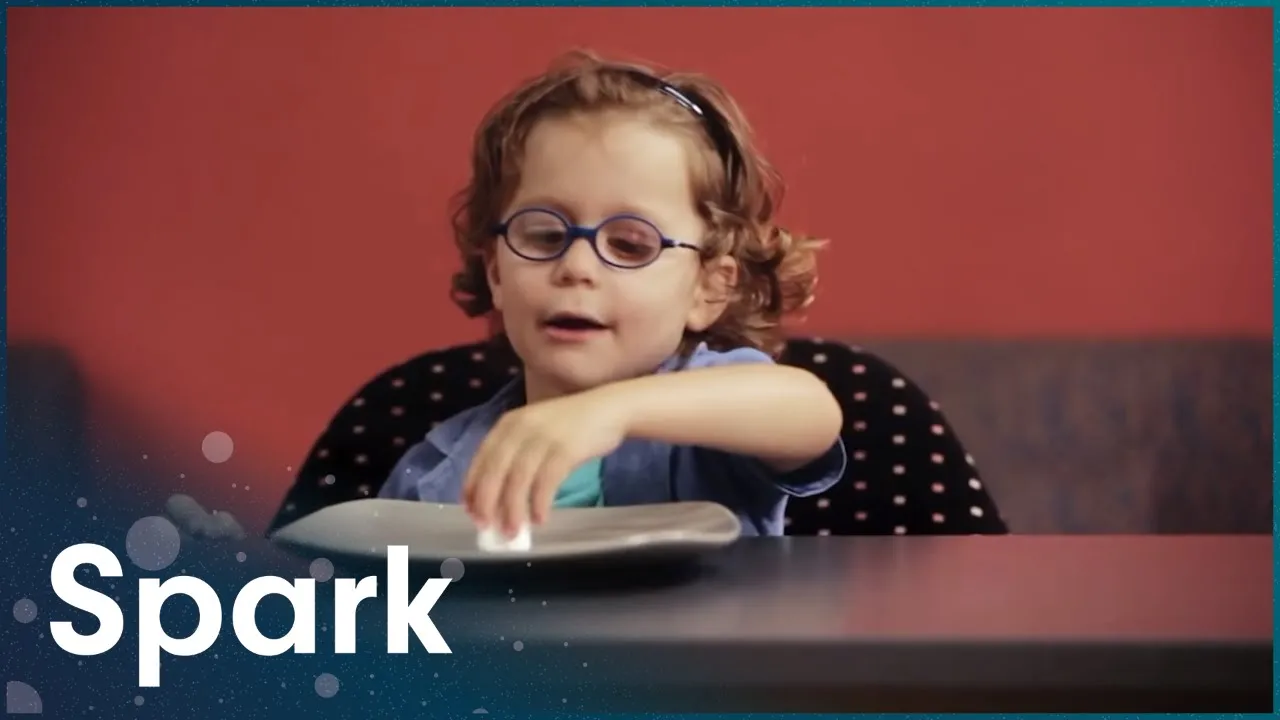





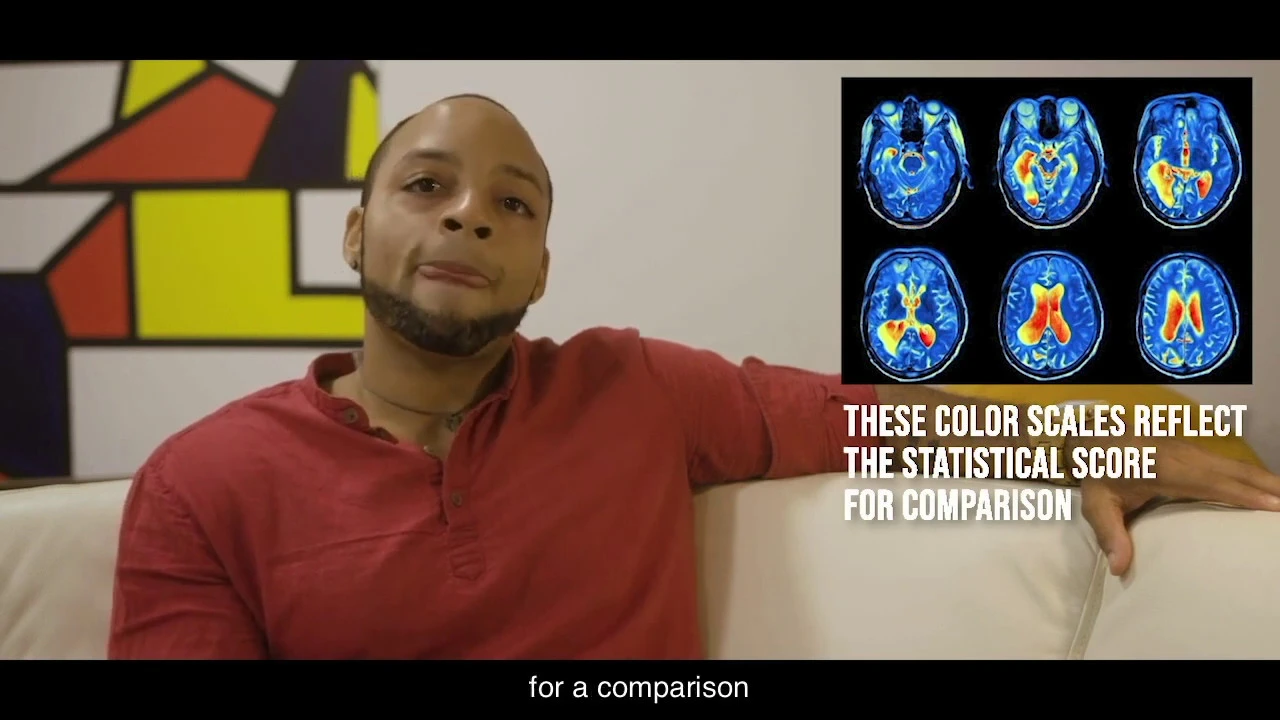
The Casey et al. (2011) study demonstrates that the ability to delay gratification, measured in childhood using the marshmallow task, predicts impulse control abilities in adulthood, with high delayers showing greater activity in the right inferior frontal gyrus (a cool system involved in cognitive control) and low delayers showing exaggerated activity in the ventral striatum (a hot system involved in reward processing) when faced with emotionally appealing stimuli like happy faces.
Casey et al. (2011): Neural Correlates of Delayed Gratification
Added:The concept of delayed gratification and the original 'Marshmallow Test' longitudinal study design by Walter Mischel.
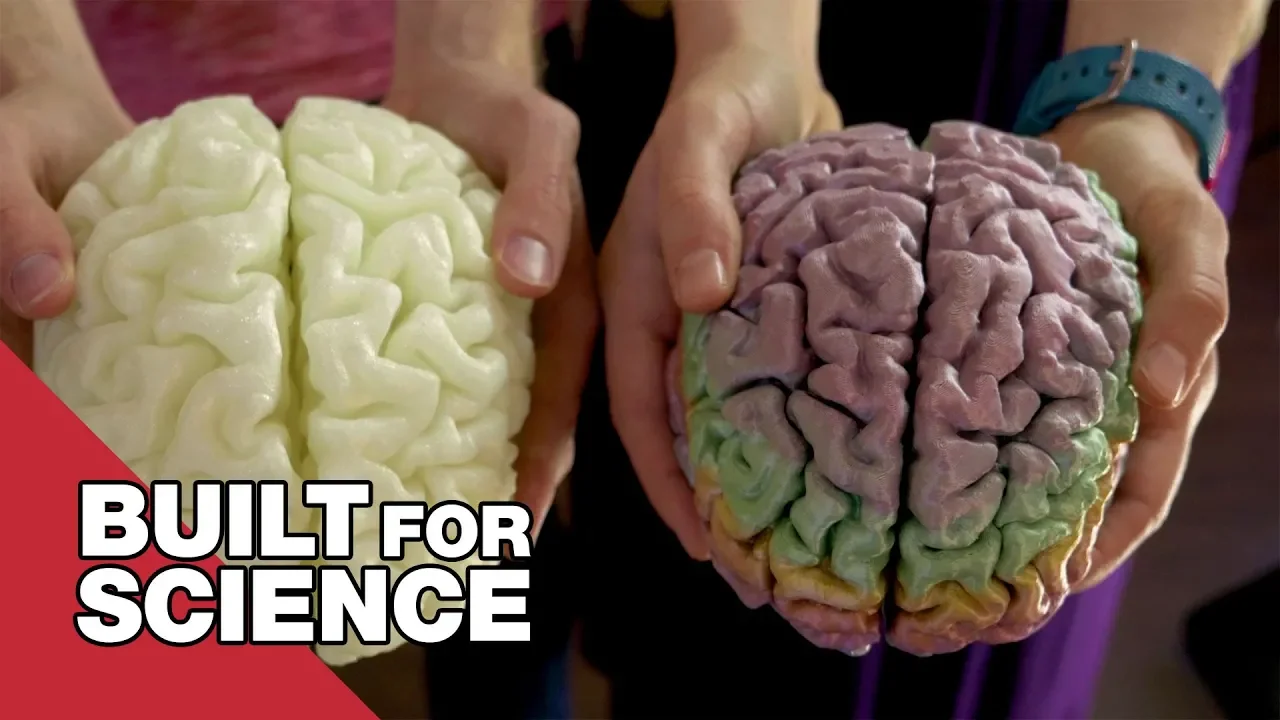
Basic neuroanatomy, specifically the contrasting functions of the prefrontal cortex (associated with cognitive control) and the ventral striatum (associated with reward processing).
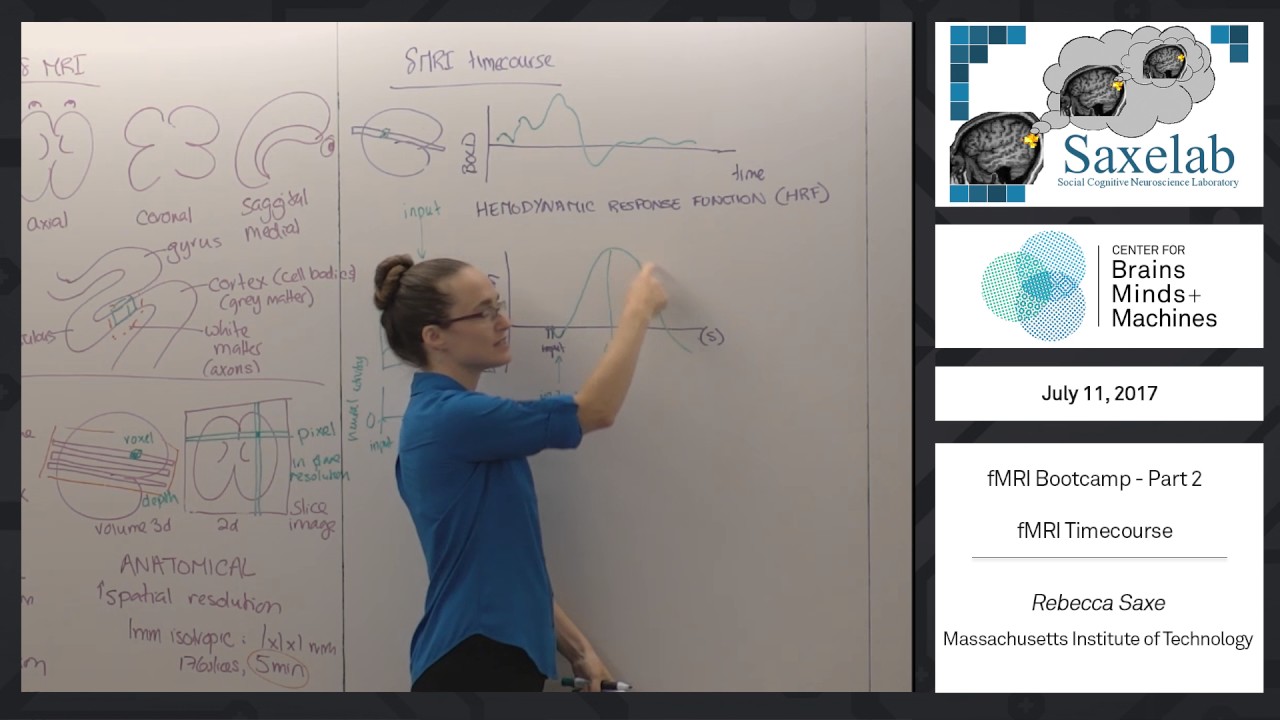
Fundamentals of functional Magnetic Resonance Imaging (fMRI) as a tool for measuring neural activity during cognitive tasks.
The theoretical framework of 'hot' (emotional/implicit) and 'cool' (rational/explicit) cognitive control systems.
The modern critiques and replication attempts of the Marshmallow Test, focusing on the confounding effects of socioeconomic status and trust.
Clinical and real-world implications of low self-control, including vulnerability to addiction, obesity, and poor financial decision-making.
Neuroplasticity and cognitive interventions: exploring whether delayed gratification can be trained or improved over time.
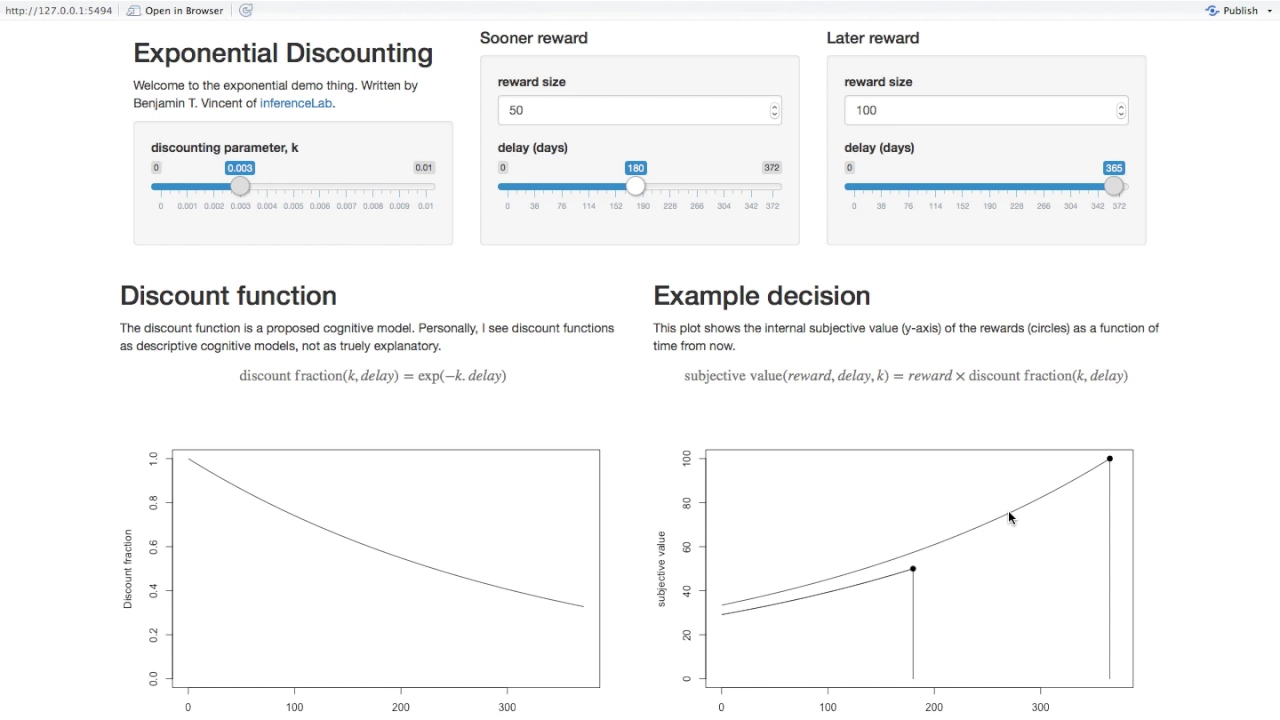
Advanced models of temporal discounting (how the subjective value of a reward decreases as the delay to receiving it increases).
1.8K views19likes1:04:10Original Release: 2018-07-24
okay so the study in this video is by KCl so remember more than three researchers it's al and it's done in 2011 okay so as you can see it from the pictures on the slide it's looking at brain structures but you can also see on that side we've got a picture of some marshmallows so this study is looking at something called delayed gratification okay so delayed gratification is about if you can wait for something in order to get a big reward later on so if you are quite good saving up your money so instead of like going to McDonald's for lunch or treating yourself to a new handbag or to address and things like that every day or every week you don't spend that money and you save that money up and then you buy yourself something really good like a ticket to a festival or a holiday okay so if you're quite good at doing that you're quite good at delaying your gratification so instead of looking for immediate gratification which would be buying the reward right now you save up the money and you delay that reward till later on when you can get a bigger reward okay so what the study is looking at is the neural correlates of delayed gratification so it's looking if there is a specific part of your brain that is related to whether you can or cannot delay your gratification okay so we need to think about why in this turday we refuse to give into temptation or why we give into temptation okay now the idea is that you have an ability to resist temptation in favor of long term goals and that is essential for individual societal and economic success so in other words if you don't forget going out and partying and getting all that pleasure all that gratification now from socializing and drinking and all the other things then you won't reach your long-term so if you go to university you can spend all your time with your friends and going out you're not going to get that degree in the end whereas sometimes you might think well I've been out this week I bet stay in for this weekend and stood it because I've got an assignment doing and without that assignment you're not gonna get that degree okay so you delay your gratification because you're thinking well once I've done the assignment I'll go out next weekend instead okay so you're delaying that gratification I'll have a really good time next weekend but this weekend I need to do this first okay and same for like things like economic success if you spend all of your money straight away you're never gonna save up therefore you're never going to be able to buy a house or buy a car or any anything else that would make you an economic success okay so the idea is that a looming situations can diminish your control and what serves is an alluring situation that reduces the capacity of control your impulses changes as a function of age so in other words when you are quite young what you see is alluring so what is quite tempting to you so whenever we talk about a low being we mean tempting whenever it's when you're a child something that's quite tempting to you is probably not tempting to you as an adult so I could put a marshmallow or a cookie in front of a very small child and they would fan are quite hard to resist whereas you as teenagers if I put a marshmallow in front of you and said just wait 10 minutes and if you've still not eating it I'll give you another one that's probably quite easy for you to do because what you find tempting now is probably very different ok now your ability to delay gratification depends on your cognitive control so sometimes we have coping strategies cognitive strategies that we use to help us delay gratification okay and there appears to be these differences in between the strategies that individuals use ok so it might be like distracting yourself or looking away things like that so I'm gonna play this little video and I'll play again in Lesson and actually I'll just play in lesson no no no go and so I'll play this little video and it's great video about delayed gratification okay so you can see some of the things that the kids are doing to prevent them from actually eating the marshmallows or just having a taste looking away [Music] okay so you can see a particulate the end of that video like how it's quite difficult for a child to you know resist that temptation for a child to delay gratification okay so like you saw the boy right at the end there and everything and then stopping so it's really difficult and for a small child worries it's probably quite easy thank you as an adult okay so the idea is that you've got hot and cool stimuli okay so all this is still going in the background there's quite a lot of background information for this today so you've got hot and cool stimuli so cool stimuli are things which we find to be quite neutral so they're not appealing but they're not unappealing we don't feel anything towards them okay whereas hot stimuli things that are appealing and tempting tools so the look of the marshmallow the texture of the marshmallow the smell the taste and they would all be hot stimuli okay now one way in which people make themselves able to resist temptation is by cooling so instead of looking at the marshmallow we don't think it's hot properties like its taste and its texture and texture and its smell what we might think about the cold properties like its shape or we might liken it to something else a picture it like a cloud rather than like a marshmallow okay and that's known as cooling so that's just an example of one of these cognitive strategies that we can use to resist temptation okay so the theory is and as we already know from other studies we've looked at that parts of your brain are related to particular things so and some studies have demonstrated that a part of your brain called the inferior frontal gyrus is crucial in interpreting facial expressions and determining emotional responses to that expression so if you see somebody walking towards you and they look really angry your emotional response might be to feel a bit scared okay so it's your fear frontal gyrus that's helping you determine that emotion so interpret that expression and also determine the response there's also a correlation between avoiding risky behavior and greater excitation in that inferior frontal gyrus so if you scan somebody's brain while they're avoiding a risky behaviour so they're not engaged in always taking behavior that area of the brain appears to be quite active so that suggests that perhaps that area of the brain is making that decision to avoid that risk okay so to do with emotions and risk and making decisions okay now if we look at these pictures all right to just think about how you feel okay and same with these ones okay the sort of thing known as emotional contagion so it's kind of looking at how emotions can spread from one person to another so when you see somebody smiling or somebody happy you feel happy if you see one of your friends crying and upset you're gonna feel upset and you might feel like you're gonna cry even though it's not really affecting you but you're upset because they're upset and same when you sort of with a group of friends and you might be like giddy friends and then you start getting really giddy even though you're not a giddy person and the same thing when it happens to come across things like and riots and football hooliganism and things like that a group of people can affect your behavior and all the people can affect your behavior and that's to do with that emotional contagion which is related to that inferior frontal gyrus so determining the correct response so if you with and they're crying the correct response but that inferior frontal gyrus determines is that that's really upsetting and a new feel upset okay so you've got some different brain systems involved in delaying gratification okay so Metcalf and Mitchell propose that there's core systems and hot systems in the brain when it comes to self-control so cool systems are to do with cognitive control okay so for example your inferior frontal gyrus would be a cool system it's found in your prefrontal cortex and so it is responsible for controlling those saws controlling your emotions making decisions resisting temptation so it's quite log like logical and related to control so it's a cool system and then you've got hot systems so hot systems are related to desires and emotions okay so they map the emotional brain regions these regions like control democracy can rewards and these are more active when you're faced with tempting stimuli so you've got an area in your brain which forms part of your limbic system called the ventral striatum and that's a hot system so it's seeking out reward it's quite a primitive emotional part of the brain okay so there's a little diagram of where some of these parts are okay so the ventral striatum so this is your limbic system here so all these sort of colored parts here your limbic system okay so within this you can find your ventral striatum okay so there we go there's a ventral striatum in that limbic system so it's been found that the ventral striatum facilitates and bounces motivation with higher and lower level functions okay so it is in inhibiting ones behavior in a complex social situation this region has been found to be in the region of the basal ganglia neural circuit most associated with rewards okay so you can see that this blue structure is your basal ganglia okay I'm part of that basal ganglia never got as your basal ganglia this time in purple part of that basal ganglia there is your ventral striatum okay and your bays are going to that neural circuit is to do with getting rewards so we think that I've been to Australia must be related to reward seeking perhaps instant gratification okay so if we look at brain images that provide evidence for dissociative brain systems related to immediate / long-term choice behavior so dissociable essentially meaning separate so you've got separate brain systems for getting immediate gratification and then you've got another separate brain system for long-term choice behavior perhaps delaying gratification thinking if I don't eat this right now I'm gonna get something really good afterwards okay now imaging has shown that your inferior frontal gyrus in your prefrontal cortex is involved in resolving interference among completing actions okay it's about cognitive control and delaying reward so when you're deciding whether to do something or not do something so for example whether to go not go this cool system which is your inferior frontal gyrus is decided okay is it time to go or is it time to not go where is your limbic system where you find your ventral striatum is associated with rewards immediate choices it's a hot system so those are your dissociative brain areas in two separate brain areas to do with long-term choices which is your inferior frontal gyrus and immediate choices which is your ventral striatum ok so there's just a little analogy for you so your inferior frontal gyrus is like the fat controller he's deciding and whether you get a reward or whether you delay it so whether you think okay stop hang on okay now you can go or whether or not to go all or whether to just go ahead and then the eventual striatum is that Thomas the Tank Engine so it just was the go-go-go chug along all the time get our reward get it right now okay now the tasks that they completed in this I call go or no-go to us or go don't go tasks and so there's a couple of examples that we can look at okay so in a goat don't go task or a go/no-go task you are deciding whether to do something or not do something whether to go or not go okay so this is just a little example of what one might look like okay so when you see a plain green dot you supposed to click on it if you see a pattern dot is supposed to ignore it okay so when you see one stimuli so a stimuli is like an object that's supposed to arouse something in you so when you see one stimuli you are to go do something perform certain action in this case click and when you see a different stimuli you're supposed to ignore it not go okay so let's have a go so I'm looking okay Oh plain green dots on clicking and there it's measured my time through Tommy to make that decision okay looking bang green dot click tell me a bit longer that time see there so that was a no galaxy shouldn't have gone on that one and because I clicked on it that's incorrect why was that's correct okay again so that should know go stimuli it's a lot to click again not to click and not to cook okay so then you get some kind of results okay so it's a lot so there we go so we've got a table of results and so this would show me where I fall so you can have a go at this if you want and on the PowerPoint and see what your resort is and how that fits in with all the people so that's my result there so I was ninety two point three one percent corrects because I got one run and my score is not the fastest but not the slowest okay so kind of generally in the middle all right so what these tests do is tell you what your ability to control your impulses is like okay so if you can control your impulses when you got shown that green dot you won't have clicked on it I mean you would have clicked on it if you were because your brain is telling you to go characters right thing to do but when you show on the pattern dot if you can control your impulses you wouldn't go if you struggle to control your impulses you would have clicked on it so sometimes I clicked on it sometimes I didn't but there's always a bit of human error okay so in some they use green dots in some so in cases student they use different faces okay so it might be that you and click on and face is that a plane that show no emotion what you don't click on ones that do okay so other studies have shown that if you do a delay of gratification tasks in childhood similar to that marshmallow task which is a traditional delay of gratification tasks then that can predict the efficiency with which the same child and will perform on cognitive tasks of impulse control so go/no-go tasks is adolescents a teenagers and young adults okay so this is what the study relates to okay so those who are preschoolers don't mind scrub in law school but just girls all over this just to help us understand the study a little bit later on so the other studies show that those who are preschoolers and direct our attention towards the rewarding aspects so focusing on and cookies which are perhaps the hot aspects had more difficulties suppressing inappropriate actions so that's not eating them okay so these are known as low delayers it says there they're not able to resist temptation where is the low temptation focused counterparts not focused on the cooler aspects and therefore they are called hog delay as they're more able to resist that temptation okay also these strategies could be learned and help children who struggle to resist delay gratification do so later on okay these findings suggests that performance in these tasks may predict the capacity and in adulthood to control your thoughts in your actions okay and the ability to do so conveyed by the potency of interfering information okay so in other words if we can find out if you're a high or low delay as a child if you can control your impulses that child or not then that also might tell us in an adult how much self-control you have okay so likewise a learning or social context can diminish self-control so the more realistic something is the more tempting we might find it so we're gonna find a face that shows some kind of emotion like laughter or anger more leering more tempting than a completely neutral face okay so Casey stood it so the aim of this today was to build on previous research and to assess whether delay of gratification in childhood predicts impulse control abilities and sensitivity active or looming or social cues like happy faces at the behavioral and neural level when participants are in their forties so they're adults so in other words we're getting people as children to do it delay of gratification tasks see if they can control their impulses and then we're measuring them as an adult to see if they can control their impulses or not and also to see whether that behavior has a neural correlate if there's a particular part of the brain which demonstrates that now the alluring qualities of targets in an impulse control task are manipulated to examine behavioral behavioral and neural correlates of delayed gratification using an fMRI machine a functional magnetic resonance imaging machine ok so that's your aim on that side ok so it's looking at the behavioral aspects so whether they go or don't go whether they control their impulses or not and it's also looking at the neural correlate so is there a particular part of the brain that is responsible for whether they decide to go or not go so method is a quasi experiment and your IV is naturally occurring so we find out first whether this participant is a high delay or a low delay and that's naturally occurring we didn't give somebody the position of hardware or low delay we did a test to find that out so it's naturally occurring and the dependent variable is their performance on the impulse control tasks so these are reaction time on the task so I got measured by my reaction time also got measured by accuracy so remember I was 92% accurate and the performance on these tasks and is measured alongside also that imaging results in it the second experiment okay so also there is some element of self-report so and the participants complete self control sales at one point well two points in this study in the twenties in their thirties and this makes it a repeated measures design okay so this still is a bit complicated because it may seem well it's an independent measures design because you're either a high delay or a low delay not both and that's kind of right to an extent however because they are participating in lots of different tasks this is counted as a repeated measures design so it's important that you know that this is a repeated measures design and you can explain why okay so they are looking at doing these self-report scales at age 20 and age 30 and then they're doing some hot tasks and some cool tasks we're supposed to go or not go and therefore because they're repeating things is a repeated measures design because they're repeating the tasks it's a repeated measures design this is a longitudinal study so it followed participants from the age of four and into their twenties and the thirties and some of them it followed until they were in their 40s okay now there's quite a lot of information when it comes to sample so they started off with five hundred and sixty to four year old pupils okay these are from Stanford Bing nursery school and they completed an original delay of gratification tasks in the late 60s and early 70s and in which they're given a cookie and us to delay that gratification or to get second cookie okay so that's the original sample that we've got now when they're in their 20s so in the early 1990s 155 of these were asked to complete well all of them were asked to complete self-control scales 155 participants actually did complete the self-control scales so they rated themselves on their ability to control their impulses and then again the same scale sent out when they were in the thirties and 135 of these were returned so you can see this sample is getting smaller and smaller then what they did was they wanted to conduct an experiment no okay so there's two experiments in this today the original delay of gratification task that marshmallow one doesn't count that is what he's done to categorize the individuals as high or low delayers so if you're ever asked about experiment one that is not what you talked about okay once they've got these hundred eighty-five people they look through them because they want people who are above or below average in the original delay of gratification performance and above or below average in their self-report measures okay so they'll look through these hundred eighty-five responses to find those people they find that 117 of them are suitable so they contact 117 people to ask if they want to take part in experiment 159 of them agreed to take part in the longitudinal behavioral student so experiment 1 so there's 23 males 36 females yes you need to know all of this sample okay so if you can ask the experiment one sample it is that 5923 males 30 60 ml of the 170 you asked to take part agreed to participate in the longitudinal behavioral study okay so in experiment one those big steel HIDA layers 12 ml 22 a female 27 low delayers eye level male 16 with female okay so if you get asked for the sample in experiment one all of this information is what you need all this right here in these last two bullet points okay now in experiment 2 they asked those 59 to come back 27 so 13 females 14 females did they agreed to be part of a functional in Europe imaging study okay and now 15 of these were high delays 5 male and female and 11 low delays seven male for seeing them so then one 41 year old man is excluded from all the analyses because his performance and was quite poor so how they did whether somebody's performance is poorer honor is there calculate the standard deviation and then if somebody is generally like two and a half or two standard deviations away from the mean that considered an abnormality or an anomaly okay so this man was an anomaly he was an incredible loss or he was over two and a half deviations out and so he was removed from the analysis okay I said that resorts for experiment to him based on the performance of 26 participants so we can see here our sample is changed from 562 255 130 517 5927 and then 26 so this samples got quite small so this is called attrition okay so this sample the subject term attrition so people have dropped out of our study at each stage okay and some of them have dropped houses are moving they're not taking part so some of them didn't send the self-control scales some of them didn't want to come to be a part of experiment to some of experiment one some of them were in experiment one but didn't want to become part of the experiment - now this might bias the sample in a in a way okay so we can think about why I drove in next lesson when we evaluated boys worth bearing in mind that this sample might end up being bias okay so in experiment one okay so this is experiment one where you've got you 59 participants okay so this tested where the individuals who were less able to delay gratification as children and young adults in their forties showed less impulse control when given hot and cool cues okay so there's two versions of experiment 1 so the first version and is a cool version and the second is a hot version so the 59 participants do it a go/no-go task okay so in the cool version of the go no-go task they're shown neutral faces okay where one sex would be go that's the target stimulus and one would be no-go the non-target stimulus so it might be that I'm sure these images so neutral male and female faces on trial one female is go so every time I see a neutral female face I'm supposed to click and they're every time I see a male face that's no girl that's mine on target so I'm not supposed to click OK and then trial - it might be the opposite or it might be the same so I'm supposed to click on male faces but not female faces okay now before the onset of each run a screen appeared email indicating which stimulus kateri served as the target so a screen would appear say on this trial female is gone click on female ignore male or the other way around participants are instructed to respond as quickly and accurately as possible each face appeared for 500 milliseconds and is followed by a one-second inter stimulus interval so it's shown for 500 milliseconds and then there's a one-second gap with for the next quarter now you might say that's not very fast but we're wanting to get instant reactions we're not wanting to find when you've looked at a photo and you've thought about it what is your reaction for wanting to see whether you can immediately control the impulse or not control the impulse to click so a total of 160 trials were presented per run in a pseudo randomized order okay so sued or randomized and is like on countdown which survives a picture of countdown there it doesn't mean that it's completely random so it's not like pulling the photos out of a hat and but it means that a computer em system essentialists or computer formula like an algorithm decides which pictures are presented when okay so it's pseudo randomized so it's kind of randomized what randomized by a computer that is using an algorithm so it's not entirely random because the computer is making a decision but the researcher isn't making the decision okay so the task was a 2x2 factorial design so there's the trial type so whether you're supposed to go or not go and whether it's male or female so you're gonna have some times males were supposed to go so how many times you did it so how accurately where and how many times for males you were not supposed to go so how accurate you were there what your reaction time was there so that's kind of what your table blue lies we call that a 2x2 factorial design we measure the accuracy so we measure the accuracy and so the percentage correct and the reaction times okay and we've got some four runs so male female and trial-type gold no go and then the hot version of this task still use male and female faces and but it use faces which were happy or fearful and this time happy and fearful served as the stimuli so happy faces would be go and fearful faces will be no go or fearful faces will be go and happy faces will be no go okay so these tasks were presented using a program that laptop computer sent to the participants at home so experiment one was done in the participants own home if you agree to take part i send you a pre-programmed laptop and you do it on there okay so you have to kind of think well how does that impact things like ecological validity so because doing it in your own home it essentially is more realistic but then the task is it very realistic so that be lower in mundane realism may be bought then you've also got more extraneous variables because you know think about if you're doing it and there's a delivery india got somebody knocking at the door so that's all going to affect your results okay so in experiment 2 then so experiments to they use an fMRI scanner to analyze those neural correlates so while you are deciding to go or not go is there a part of your brain which is related to that decision so it was anticipated that low delayers would show diminished activity in the right prefrontal cortex so remember your prefrontal cortex is where you find your ventra your inferior frontal gyrus sorry and amplified activity in your ventral striatum compared to high delay that's what we think we're going to so remember we've got 27 participants who consented to take part and they are completing only this time a hot version so the happy and fearful faith is it's pretty much the same as the hot version in experiment one the only differences is the number of trials that apparatus and the timing what the task is generally very similar okay so they're not finding anything from that cool version so they're just going to use the hot version okay so here's how it was wrong so each face stimulus was presented to 500 milliseconds again and this time though it's gotten triggered into trial interval okay so in between each trial there's going to be a gap what that gap isn't going to be the same it's going to range from 2 to 14 and a half seconds and the mean is 5.2 seconds and that's purely just because of things like the logistics of the fact that you doing it in an fMRI scanner you're not just doing it in your own home and a laptop this time so a total of 48 trials were presented in a pseudo randomized order again there's 5 gold City no-go and in total imaging data is recorded for 26 no-go trials and 70 gold trials for each expression ok so when you've done 35 go trials you might find that data bags those gold trials and for you are happy faces and then taste battle for fearful faces so somebody else is gonna do the opposite so you end up with 70 go altogether for each expression and 26 no-go for each expression ok so the task was viewable by a rear projection screen and so you're lying in your my scanner so this is what your breath on the rice it looks like if nobody's seen once he a lie down and you head goes in it basically and and the task is viewable on this projection screen so this is what your faces will be displayed and then you've got a neuro 5 button response pad your screen pad puts a response pad so you're lying in your fMRI scanner you press that that's gonna measure your reaction times and also yet accuracy okay so one participant was excluded because they were excessively poor on the task okay so we've got 26 results so this ends up being a two by two by two group linear mixed effects model okay and so those factors of trial-type and emotion and group okay so we're gonna have an analysis which is within subjects and between subjects so within subjects is basically you've repeated measures part and you're between subjects in two independent measures part and again this is what makes it repeated measures because you're comparing one person's go score against their no go score and then you're also comparing that person's happy score against they're fearful score whether that's go or no go and then you're comparing the scores of the high delay is against the scores of the low delayers okay so this is what makes it the repeated measures this part okay so that's what's known as a two by two by two group linear mixed effects model okay and all of this stuff is becomes important when it comes to statistical analysis and picking starts tests okay so you're going to end up with eight pieces of information for each okay so what they used in experiment one they used an ANOVA okay so experiment one uses in an over to and do the statistical analysis now an ANOVA and you don't need to know how to conduct but it's useful to know a bit of information about it so I'm just going to play a little bit of this video and okay so this is your within grapes pop okay so that's kind of what's happening so we've got this analysis like you said of the different groups so I can there look at that go score there no girls score um happy score and they're fearful score but then I can also put all those scores together and I can look at their desk or as low delayers and I could then compare their score to those who are high delayers okay so that's why he's chosen to do and an over there like it ykc so rather a shows ensue and an over and because she's trying to find that kind of analysis of variance between groups and and as a group okay so you don't really need to know about how to conduct an anova not something that you will learn at university if you pick psychology but what this anova tells us is it gives us a statistic for that data so you need to be able to analyze those statistics okay so and I know that gives us an ethnologist all you is two point two to three okay um what we do is we look at that we also get given a p-value now the p-value symbolizes probabilities it will learn about all this when we do start tests but probability is telling us their likelihood that this figure here is significant so in other words this is the probability that what we found that is a fluke is due to chance okay so we're saying that the probability of this being a fluke is less than or equal to not point one so in other words it's less than or equal to 10% so there's a 10% or less chance that this what we're finding here in this study is a bit of a fluke okay so 90% chance it isn't a fluke but 10% chance it is a fluke okay all right so that was for the effect of the group and so comparing the high dollars and the low delayers and this is the group in the task okay so and you also need to be able to use these and significant tables so you need to be able to interpret those okay and that helps us decide whether it's significant or not so what this is actually telling us this figure but we'll learn how to do that okay now when it comes to reaction time so remember an experiment when they're not inside the scanner there was no effect of the delay group on the reaction times and on the go trials whatsoever so writing this out in your notes is an important finding okay and there's some other videos there about a lot of stats that you might wanna so it just tells you a little bit more about stats tests we p-value is what critical values are okay so it's useful in helping you understand these starts tests so I'd go back to the PowerPoint and I'd watch those videos so when it comes to accuracy in experiment one participants were found to have be highly accurate on all go trials regardless of whether they were cool or hot so when they're supposed to click more often than not participants do click okay so they've not 100% correct but remember there's always going to be some element of human error there okay so they've got ninety-nine point eight percent correct on core tasks and 99.5 on hot tasks okay so that doesn't matter whether there are a low delay or a high delay they performed with accurate on the go trials - when the meant to go they do go okay but with the no-go trials it is much more variable so in other words there's there's difference between the groups so the low delayers commits more false alarms then the high delays so when you're not meant to click we're finding that low delayers are clicking more than high Dalia's when they're not minty okay so low delays and high delays performed comparable on the cool task but on but the low delay is trended towards performing more poorly on the hot task than the high delay so in other words on the cool task we're not finding a very significant difference it's quite comparable the very fairly similar and but on the hot task there is a difference between the high delays and the cult and the low delayers when it comes to that no go okay so this is why in experiments who we didn't bother using that cool task because it's a waste of our time to repeat that task well we've not found anything was not found a difference between the two groups okay so we think that the hot tasks are harder because they're more appealing so the more appealing something is if you are a low delay the harder it is to resist it okay so overall therefore on the go no-go task it produced more differences between the delay groups only in the presence of emotional hot cues so individuals who as a group have more difficulty delaying gratification age for low delayers show more difficulty as adults in suppressing those responses to happy faces than high delays okay so low delayers have more false alarms so they couldn't really suppress their ventral striatum and it could be that your inferior frontal gyrus is more prevalent in HIDA layers so it's more active but we don't know that yet not done the brains gun but that's what we can assume at this point what with what we know about the brain areas okay so that's what the fMRI is for so what we can assume from this is your high delayers I've got more activity in your inferior frontal gyrus and your low delays and your ventral straight and that's what we're assuming this fMRI is now going to tell us but we're not we're only seeing that on the no-go trials when we're not meant to go when I'm supposed to control our impulses because on the gold trials we've got comparable results we're both fairly accurate because both the eventual striatum onion inferior frontal gyrus are going to be telling you to go anyway so that's why we don't see a difference there okay now with experiment 2 we do a paired samples t-test ok so again and I'm just going to show you a bit of a clip of the video about what t-test is okay so this is what this test is showing us okay so obviously we know we have to do it starts test around actually it's significant because looking at mean isn't enough but what this test is telling us is looking at between groups so looking at at high delayers versus low delayers so the variance between those the difference between the high dollars and other layers comparing it to the variance within groups so on the go trials and the no go Charles or on the happy versus fearful faces okay so what essentially this test is telling us is that the to delay groups or high versus low did not differ significantly in reactions hand-on go trials okay so looking at high versus low variance and comparing it on gold versus no-go and the gold trials there's no significant difference okay so this is an important finding okay and they're telling us the probability level again there okay now accuracy overall accuracy rates for the hot trials and for the go no-go work uniform is high on the gold trial so again on the go we're getting like ninety eight point two percent correct hits okay but on the no go we've suddenly got a twelve point four false alarm rate okay so now on the no-go it's time to look at the two groups so the difference is between the two delay groups are consistent with the observed differences in the hot task on experiment one solo delay is just like an experiment one on the hot version are committing more false alarms than the hyda layers okay so they're less accurate and now when it comes to the brain imaging results okay so on the brain imaging results we're finding that gold versus no-go trials I to fight two differential regions of the brain okay so which regions of the brain are to do with cognitive control so the right inferior frontal gyrus is involved accurately it's involved in accurately holding that withholding that response so it's in control of whether you go or you don't go so it might be that it's more developed in people who are haidle is so high delayers show more activity in that right inferior frontal gyrus went actively and accurately withholding a response on a no go trial okay now compared with those high delays the low delayers had diminished recruitment of that inferior frontal gyrus so that they're not using it as much as a tidal areas okay so there's less activity in that inferior frontal gyrus on a noble trial okay and also the more likely to make errors so the ventral striatum demonstrates a significant difference in recruitment between high and low delayers so this is a reward related region of the brain and it's showing a three-way interruption of group and trial and emotion okay so when they're shown a happy no go trial as a loader layer there is more activity compared to high delays so if they're shown a happy face which they are not meant to click on and they're a low delay er they're going to show much more activity in that ventral striatum compared to if they are old a high delay being shown that happy face but they're not meant to click on so what this is suggesting is that because this is three-way interruption it might mean that when the stimuli is really alluring self-aware and happy faces quite alluring like we want to respond to them in somewhere that's something that's hard for us to resist as human beings so if you are a load of it you're already struggle to control your impulses so then when you see that face it's quite alluring and you're being told you can't respond to it you struggle to do so so your ventral striatum is quite pushy and wanting to do that where he's in a hide earlier it isn't so this shows that the prefrontal cortex differentiates between go and no-go trials to a greater extent in HIDA layers okay so the ventral striatum showed exaggerated recruitment in low delayers so interest rates and floor active and low delayers inferior frontal gyrus more active in HIDA layers when it comes to no-go trials okay so there's a few conclusions that we can come to you there so first once the sensitivity to environmental hot cues like happy a smiling face plays a significant role in an individual's ability to suppress actions towards alluring cues so that we saw if it's a happy face that you're not meant to click on it's really difficult for some people to control and suppress their impulses resistance to temptation as measured originally by a delayed gratification task is a relatively stable is that a relatively stable individual different sorry and that predicts reliable biases in frontal straight or circuit trees that integrate motivational and control processes so in other words it's a stable biological difference so it's an individual difference it's a difference there's a difference between you is a high delay and you is a low tire and that is a stable biological difference so you've got one brain area that's more active when you're trying to control your impulses and you've got another that's more active when you're being given something that you should control your impulses for and that is going to be stable throughout your life so as a child or as an adult you are going to struggle to control those impulses because that brain area is always going to be the most active for you that's what it's saying okay the capacity to resist temptation varies by context the more tempting the choice for the individual the more predictive are the individual differences in people's ability to regulate behavior so if you can't control your impulses then you've got less activity in that inferior frontal gyrus so if you are a low delay we can essentially predict your ability to resist temptation in future because we know that ventral striatum is gonna be pushing to get the rewards basically and behavioral correlates of delay ability are a function and only a cognitive control but also of the compelling nature of stimuli that must be suppressed so not just that we can control our car control but that because it differs depending on how like alluring something is as well so compared to the hack face and the fearful faces and the hot stimuli and the cool stimuli and also individual so at the age of four have difficulty delaying gratification and who continued to show reduced self control abilities have more difficulty as adults in suppressing responses to positive social cues so happy faces smiling faces than those who don't okay so quite a few things that all right so there's your reference so again you need to be able to learn how to write out reference and we're going to evaluate this today in the next lesson okay we've already mentioned a few different parts they're things like [Music] types of data gathered you can think about and also I think it's a realistic task when they're meals and we've mentioned that and when it's done sample if that's bias or its barrel that in mind because we're gonna evaluate technics I sent and recut this today so this is quite a complex today and you need to make sure that you have got really thorough thorough notes on this study as well as all the background information I will be checking those notes next lesson before we go on to evaluate okay
Up Next

25:20
The Neuroscience of Mental Fatigue and Motivation
@senseofmindshow
37.7K views•2024-06-17
21:55
Deciphering Neural Circuits Controlling Anorexia in Mice | Richard Palmiter
@AllenInstitute
2.3K views•2011-10-10

4:10
Vagus Nerve (CN X): Anatomy, Nuclei & Functions Explained
@Alilamedicalmedia
305.2K views•2022-10-31
13:03
How Exercise Benefits Your Brain: Science Explained
@TED
11.4M views•2018-03-21
Related Study Plans & Knowledge Roadmaps
Structured learning paths in Neuroscience
neuroscience
Appetite Regulation: Brain Circuits & Hormones
01Foundations of Endocrinology and Brain Anatomy
02Introduction to Energy Homeostasis
03Peripheral Signals: Leptin, Ghrelin, and Insulin
+ 2 more learning modules
14h5 modules
Explore Roadmap
neuroscience
Neuroeconomics: Value, Risk & Brain Mechanisms
01Foundations of Neuroscience and Brain Anatomy
02Introduction to Neuroeconomics and Subjective Value
03Dopaminergic Prediction Errors & Reinforcement Learning
+ 3 more learning modules
18h6 modules
Explore Roadmap
neuroscience
Spatial Navigation: Cells, Grids & Brain Maps
01Foundations of Brain Anatomy and Memory
02Place Cells and Head-Direction Cells
03Grid Cells: The Brain's Coordinate System
+ 2 more learning modules
12h5 modules
Explore Roadmap
neuroscience
BCIs: Neural Decoding & Prosthetic Control
01Neuroscience Foundations: How the Brain Signals Intent
02Signal Acquisition: Recording the Brain's Activity
03Neural Decoding: Translating Brain Waves into Data
+ 2 more learning modules
25h5 modules
Explore Roadmap