






![식단을 해도 좋아지지 않는다면 바꿔야 하는 것 | 닥터라이블리 2부 - 당독소, 현미 비소, 농약, 과불화화합물 [EN/KR]](https://i.ytimg.com/vi/CoOWq9b5BSQ/maxresdefault.jpg)














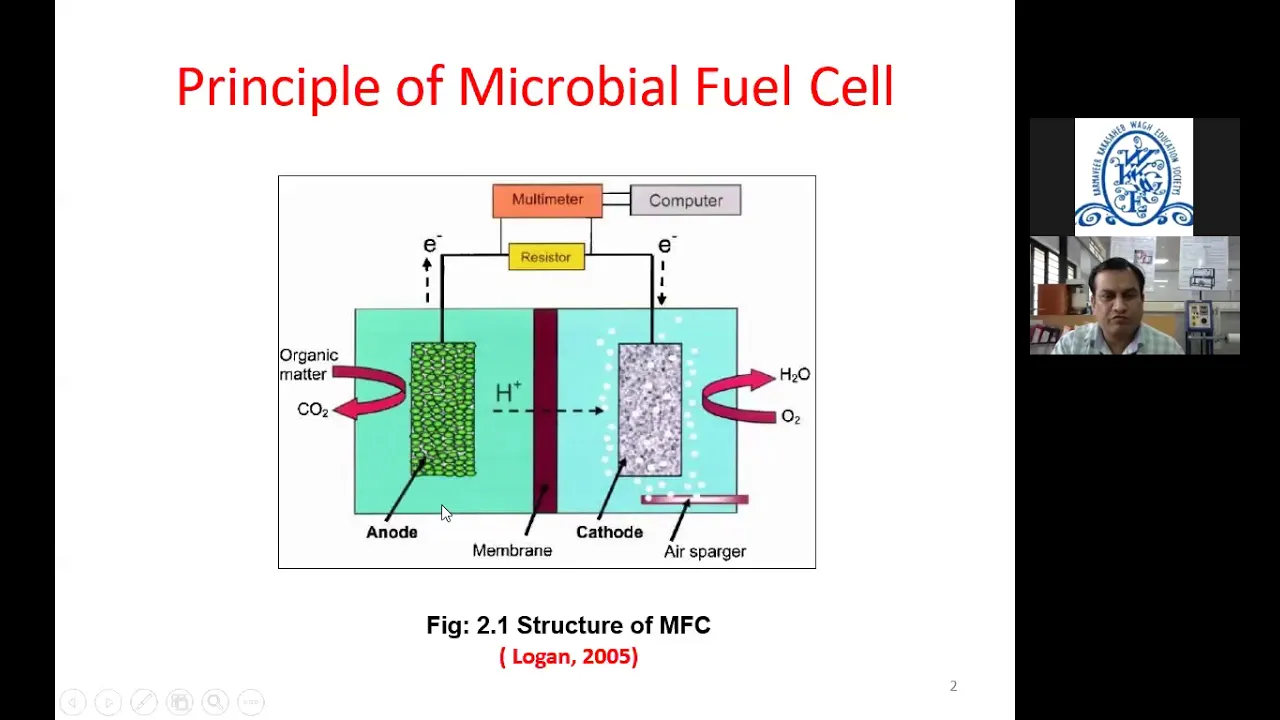







Bioremediation is a waste management technique that uses naturally occurring organisms to break down hazardous substances into less toxic or non-toxic substances, classified as in-situ (treating contaminated material at the site) or ex-situ (removing material for treatment elsewhere). Key types include phytoremediation (using plants to extract or degrade contaminants through mechanisms like active transport, translocation, and chelation), micro-remediation (using fungi and their enzymes to degrade persistent pollutants and accumulate heavy metals), and biosorption (using bacterial biomass to sorb metallic ions from wastewater). Essential factors for successful bioremediation include suitable microbial populations, adequate oxygen, appropriate soil moisture (50-70%), nutrients, optimal temperature (0-40°C), and pH (6.5-7.5). Advantages include being a natural process, producing harmless residues (CO2, water, biomass), enabling complete destruction of contaminants, and allowing on-site treatment without major disruption. However, limitations include being restricted to biodegradable compounds, potential toxicity of degradation products, high specificity requirements, regulatory uncertainty, and difficulty in defining remediation endpoints.
Bioremediation: Types, Applications, and Future Prospects
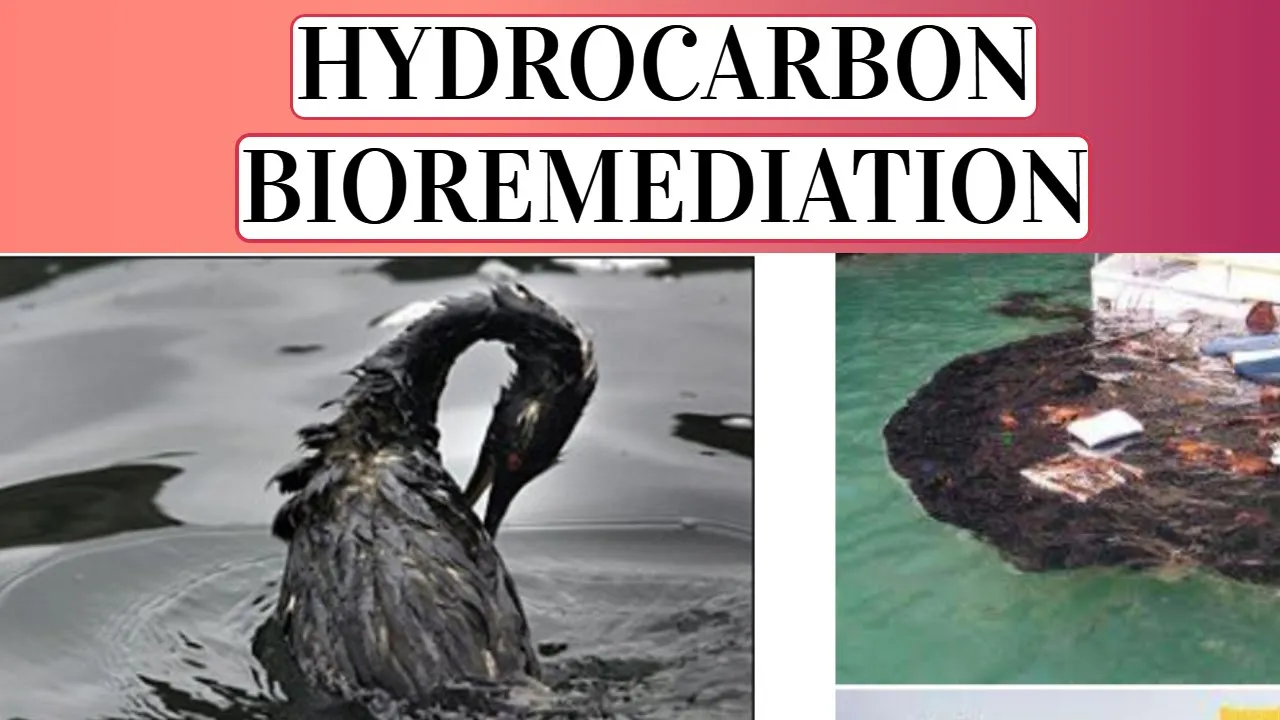
Added:[Music] today in this module we are going to talk about bioremediation we all know that earth is a beautiful place to live in with beautiful nature around but in course of time because of construction sites industrialization advancement in technologies and basically because of human interference nature is getting polluted now now to eradicate this pollution bioremediation comes into picture bioremediation is a waste management technique which involves the use of biological organisms to remove or neutralize the pollutants from a contaminated site so in this module we'll be learning what is bio remediation the types of bio remediation its advances and the disadvantages of bio remediation bio remediation is a waste management technique that involves the use of organisms to remove or neutralize politics from a contaminated site bio remediation is a treatment that uses naturally occurring organisms to break down hazardous substances into less toxic or non tuks toxic substances technologies can be generally classified as in situ or ex situ in in situ by remediation involves treating the contaminated material at the site while éxito involves the removal of contaminated material to be treated elsewhere recent advancements have also proven successful via the addition of mashed pro microbe strains to the medium to enhance the resident micro populations ability to break down contaminants microorganisms used to perform the function of bio remediation are known as bio me ray mediators bio remediation can occur on its own in nature or can be spurred via addition of fertilizers or the enhancement of bioavailability within the medium bio venting bio leaching bioreactor bio augmentation composting by your stimulation land farming phytoremediation & rizzo filtration are all examples of bio remediation technique technologies on the basis of removal and transportation of waste bioremediation technology can be classified as in situ and éxito in in-situ bio remediation involves treatment of contaminated material at the same site while xe2 involves complete removal of the contaminant material from one side and it's transferred to another side where it has been treated using biological agents in the comparison of both methods it was found that the rate of biodegradation and consistency of process outcome differs between in situ and XE 2 methods with the need for excavation of contaminated samples for treatment the cost of XE 2 bioremediation is a relatively high as compared to in situ in in situ and XE 2 both the rate bio remediation methods depends essentially on microbial metabolism however so far in-situ methods are preferred over XE 2 for ecological restoration of contaminated soil water and environment types of bio remediation phytoremediation the three main steps in inorganic ions port in the simplest pathways are active transport of metals across route membranes entry of metals into symplast during translocation from route to shoot an chelation and sequestration of metals into specific compartments in the leaves phytoremediation the use of plants to remove or degrade can termination from soils and surface waters has been proposed as a cheap sustainable effective and environmentally friendly alternative to conventional remediation technologies plants use solar energy to extract chemicals from the soil and to deposit them in the above-ground part of their bodies or to convert them to a less toxic form these plants can then be harvested and treated removing the pollutants and I didn't fight or remediate err would have high tolerance to the pollutant the ability to either degrade or concentrate the contaminate tent at high levels in the biomass extensive root systems the capacity to absorb large amounts of water from the soil and fast growth rates and high levels of biomass phytoremediation of heavy metals from the environment serves as an excellent example of the process of plan facilitated bio remediation and its role in removing environmental stress the ideal type of fighter a mediator is a species that creates a large biomass grows quickly and has extensive root system and must be easily cultivated and harvested for example the plants like philosophy and Rasik agencia now let's talk about the mechanism of phytoremediation the entry of heavy metals into the plant system is a complex process and involves both the epital astok and symplastic pathways we had talked about the three main steps in inorganic iron transport in the symplastic pathways that is the active transport of metals across the root membranes entry of metals into symplast during translocation from root to shoot and chelation and sequestration of metals into specific compartments in the leaves chelation of metals within the plant allows the xylem loading and transport as well as for sequestration these mechanisms involve many metal specific chelator that is ligands and organic as many of which have only begun to be studied or have not yet been characterized the role of chelators in hyper accumulation is to form complexes with heavy ions this can serve the function of aiding in transport or it can be the terminus of the iron leading to sequestration in the chute of the plant metallothionein x' and fighter Chileans are two classes of chi laters involved in metal accumulation different organic acids and legends have been found in associated with various metals in distinct parts of different plants for example in philosophy most zinc in roots was associated with histidine while in shoots it was associated with organic acids in theless P cadmium in the leaves was found to be bound with sulfur ligands in a rabbit OPS's zinc was mostly stored in the vacuoles of miso fills while in philosophy it was in the vacuoles of epidermal cells there are several drawbacks and the advantages of phyto remediations there are several advantages of phyto extraction the cost of fighter attraction is fairly low when compared to conventional methods another benefit is that contaminant is permanently removed from the soil in addition the amount of waste material that must be disposed off is substantially decreased and in some cases the contaminant can be recycled from the contaminated plant biomass the use of hypo accumulator species is limited by a slow growth shallow root system and small biomass production there are several factors limiting the extent of metal fighter extraction including metal bioavailability within the rhizosphere rate of metal uptake by roots proportion of metals within the roots rate of xylem loading and translocation to chutes cellular tolerance to toxic metals the drawbacks of phytoremediation depending on the growing conditions required by the plant the phytoremediation process is dependent on it tolerance of the plant to the pollutant affect the success for remediation contaminants collected in sensing tissues may be released back into the environment in certain seasons time taken to remediate sites far exceeds that of other technologies contaminant solubility may be increased leading to greater environmental damage and the possibility of leaching may occur next we'll be talking about micro remediation remediation through fungi is also called micro remediation micro remediation tools refer to the mushrooms and their enzymes due to have winged ability to degrade a wide variety of environmentally persistent pollutants transformed industrial and a growing dust will waste into products the mushroom and other fungi process possesses enzymatic machinery for the degradation of waste for politics and can be applied for a wide variety of politics however mushrooms basidiomycetes fungi are becoming more popular nowadays for remediation purposes because it is not only a remediation tool but also provide mycelium or fooding bodies as a source of protein fungi breaks down most contaminants into non-toxic by products but just act like dynamic accumulators with heavy metals oyster mushrooms are also powerful absorbers of macro mercury and cadmium their mycelium channels mercury from the group up into the mushroom itself enzymes from the fungal mycelium are able to cleave certain atoms like chlorine of larger molecules and then the bond between hydrogen and carbon bacteria can help to further degrade these component compounds into final products including carbon dioxide water and potentially with him fungi have also proven useful in remediation of heavy metals such as lead and cadmium these metals are already at their simplest state and are not degraded further fungi can extract them from the soil or water and accumulate them in their tissues mushroom fruit bodies attracted in numeral flies & insects and the previously contaminated soil became its own life-sustaining habitat in this slide we can see the plant species and fungal spores used in the bio remediation process of the heavy metals in this slide we can see that the mushroom species are able to degrade polymers such as plastics the biodegrade the bio degradation mechanism is very complex the reason is the influence of other biochemical systems and interactions of lignin no lytic enzymes with cytochrome p450 mono oxygenase system hydroxyl radicals and the level of hydrogen peroxide which was produced by the mushroom so this table shows the role of mushroom in the grey degradation of politics this table shows the plant species and fungal spores which are used in the bio remediation process of the heavy metals heavy metals like cadmium nickel zinc lead cadmium copper can be bio remediated with the help of these plant species and fungus the removal of metals or politics from the environment by bacteria is called BIOS option BIOS option is considered as an alternative to the remediation of industrial effluents as well as the recovery of metals present in F bias option is a process based on the sorption of metallic ions or pollutants from effluent by life or dried biomass which often exhibits a marked tolerance towards metals and other advanced impact BIOS option can be defined as the ability of biological materials to accumulate heavy metals from wastewater through metabolically mediated or physio chemically pathways of uptake the idea of using biomass as a tool in environment cleanup has been around since the early 19th when Arden and Lockett discovered certain types of living bacteria cultures were capable of recovering nitrogen and phosphorus from rossovich when it was mixed in an aeration tank this discovery became known as the activated sludge process which is structured around the concept of bioaccumulation and is still widely used in wastewater treatment plants today it wasn't until the late 1970s when scientists noticed the sequester a characteristic in dead biomass which resulted in a shift in research from bioaccumulation to BIOS option in this table we can see the microorganisms used for bile sorption of heavy metals the microorganisms like bacillus Pseudomonas zou Clea psycho vectors and corrala Aspergillus play rotors these are the common microorganisms which help in BIOS option of these chemicals like zinc copper nickel lead and Mercury the essential factors for microbial bioremediation are microbial population the desired conditions are suitable kinds of organisms that can biodegrade all the contaminants then oxygen enough oxygen is there should be there to support Arabic biodegradation water soil moisture should be from 50 to 70 percent of the water holding capacity of the soil the nutrients nutrients like nitrogen phosphorus sulfur and other nutrients to support good microbial growth should be their optimum temperature which is almost zero to 40 degree centigrade for the growth of microbes and the pH the best ranges from six point five to seven point five advantages of bioremediation bioremediation is a natural process and is therefore perceived as an acceptable waste treatment process for contaminated material such as soil microbes able to degrade the contaminant increase in numbers when the contaminant is present when the contaminant is degraded the biodegrade population declines the residues for the treatment are usually harmless products and include carbon dioxide water and cell biomass by remediation is useful for the complete destruction of a wide variety of contaminants that are considered hazardous and can be transformed to harmless products this eliminates the chance of future liability associated with treatment and disposal of contaminated material instead of transferring contaminants from one environmental medium to another for example from land to water or air the complete destruction of target pollutants is possible bioremediation can often be carried out on site often without causing a major disruption of normal activities this also eliminates the need to transport quantities of waste off-site and the potential threats to human health and the environment that can rise during transportation bioremediation can prove less cancer than other technologies that are used for cleanup of hazardous waste last we'll be talking about the disadvantages of bioremediation bioremediation is limited to those compounds that are biodegradable only not all compounds are susceptible to rapid and complete degradation next is there are some concerns that the products of bio degradation may be more persistent or toxic than the parent compound next as the biological processes are often highly specific important site factors required for success includes the presence of metabolically capable microbial populations suitable environmental growth conditions and appropriate levels of nutrients and contaminants research is needed to develop an engineer bioremediation technologies that are appropriate for sites with complex mixtures of contaminants that are also evenly dispersed in the environment regulatory uncertainty remains regarding acceptable performance criteria for remediation there is no accepted definition of clean evaluating performance of bio remediation is difficult and there are no acceptable endpoints for bio remediation treatments to summarize we can say that bio remediation is a natural process of eradicating the pollutants from contaminated sites so it is a less expensive technique and the residues after the bio remediation are less harmful for human mankind so it should be extensively used by humans you
Up Next

Phytomining Gold with Brassica juncea: A Sustainable Mining Guide
@Broadscience
2.8K views•2025-05-13
Microbial Degradation and Upcycling of PET Plastic | Research Talk
@appliedmicrobiology
1.5K views•2021-10-18

Microbial Degradation of Plastics: Biodegradation Pathways & Sustainability
@majeedhammad
2.9K views•2021-04-11

CRISPR and Genetic Engineering: How Gene Editing Works and Why It Matters
@kurzgesagt
30.5M views•2016-08-10
Related Study Plans & Knowledge Roadmaps
Structured learning paths in Biotechnology