




















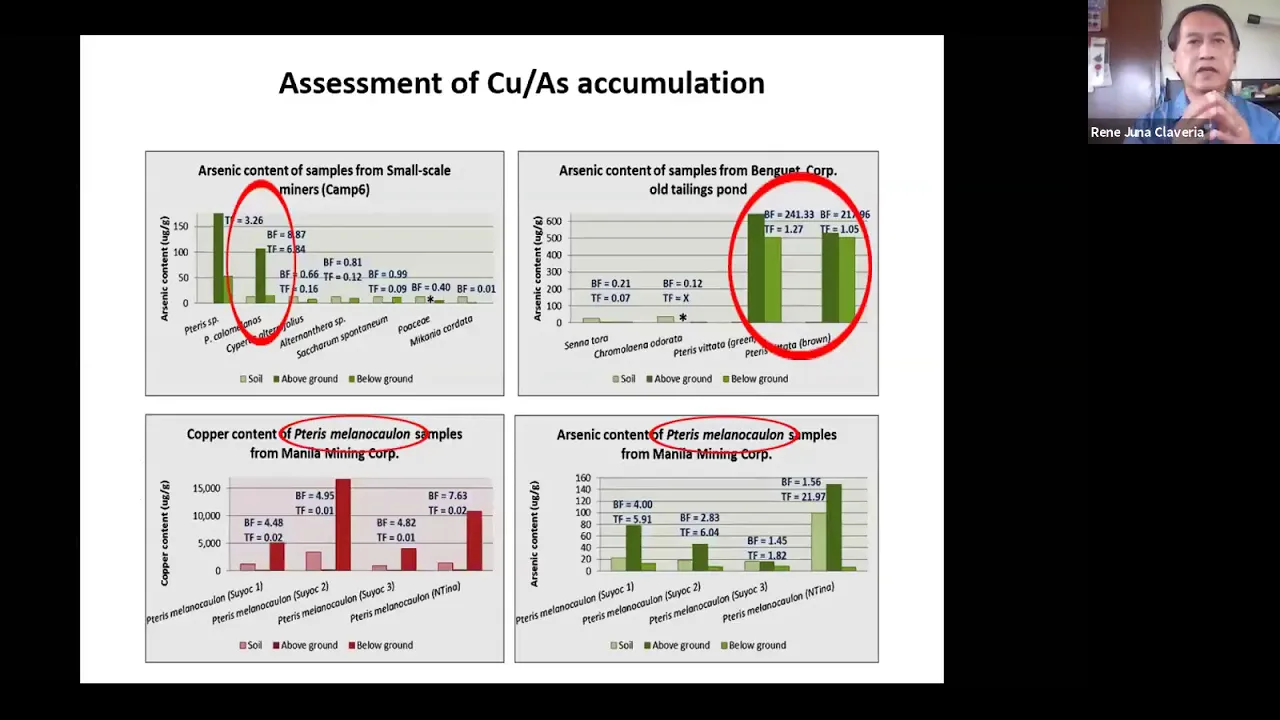


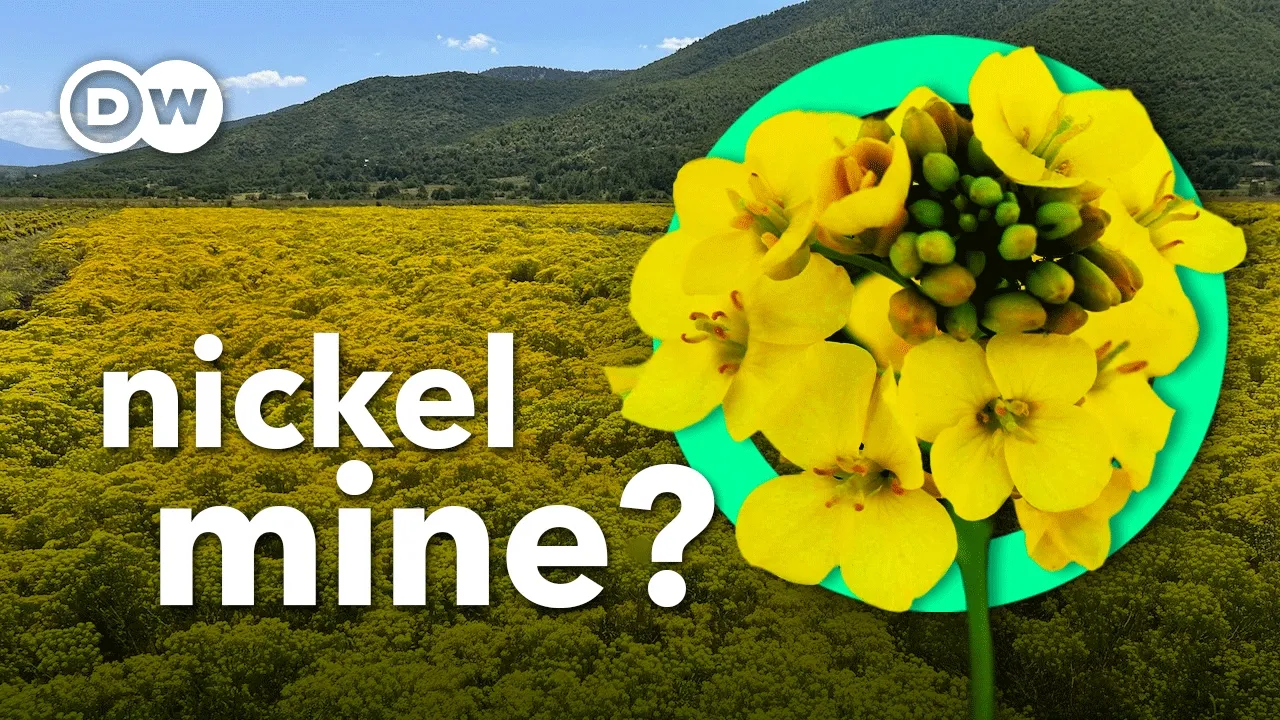
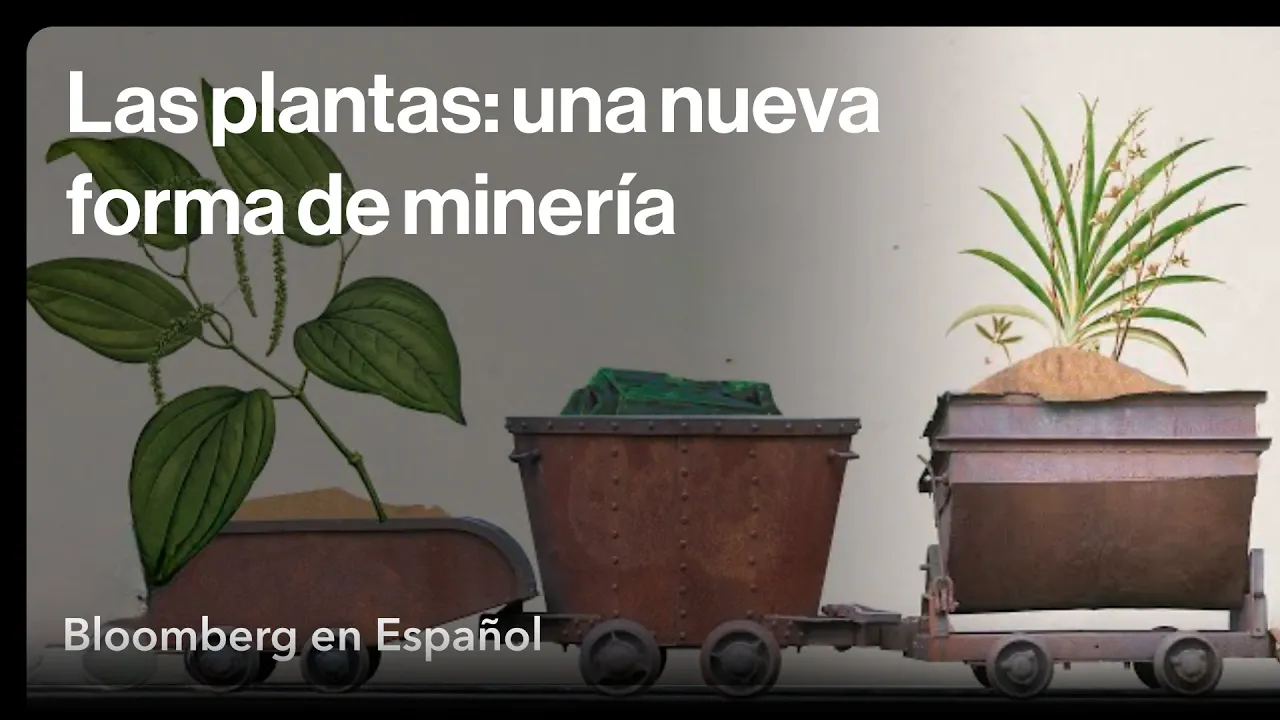
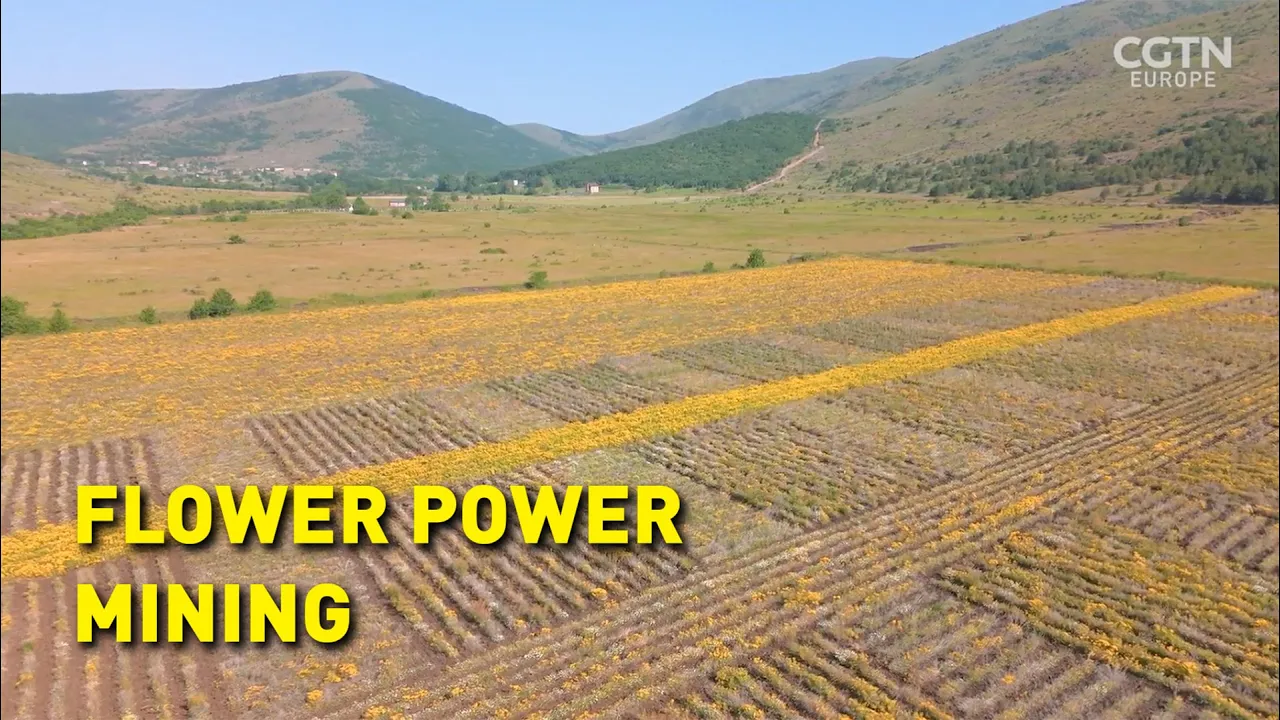
Phytomining is an eco-friendly method of extracting gold from soil using Brassica juncea (Indian mustard), a hyperaccumulator plant that absorbs gold when soil is treated with ammonium thiocyanate to make the metal bioavailable; the plants concentrate gold in their tissues, which can then be recovered by burning the biomass and processing the resulting ash, offering a sustainable alternative to traditional destructive mining methods.
Phytomining Gold with Brassica juncea: A Sustainable Mining Guide
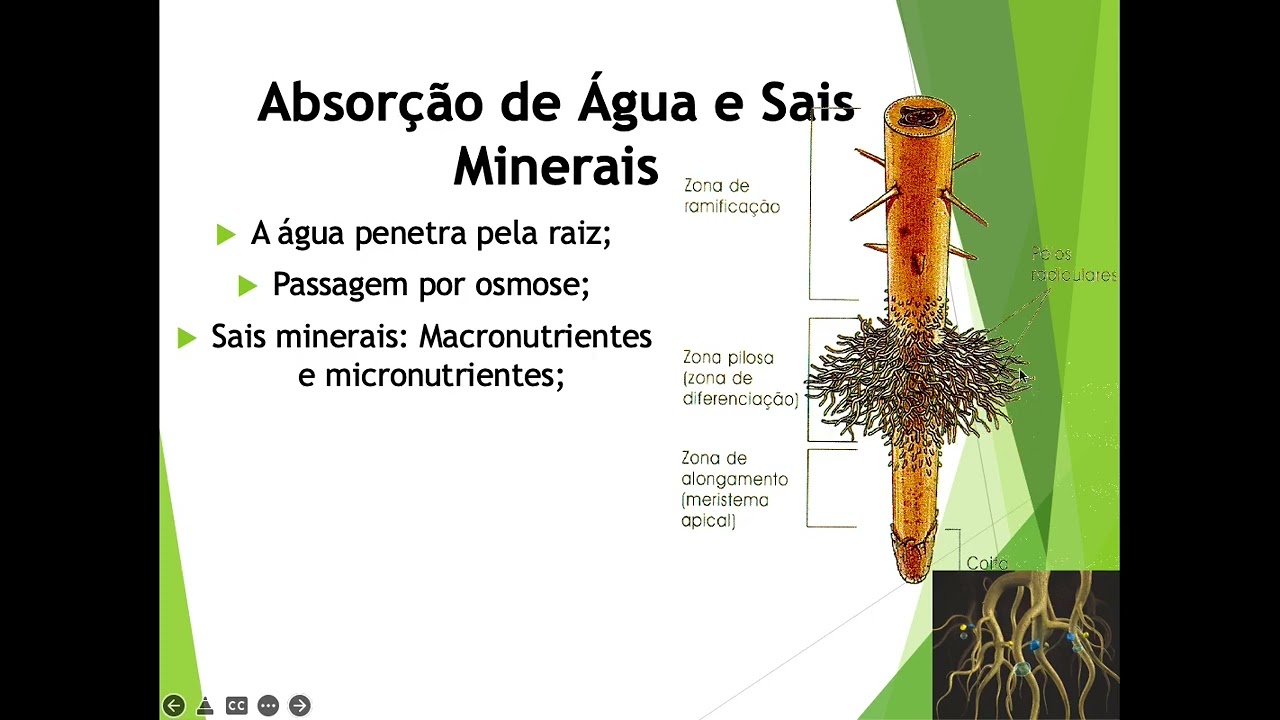
Added:Fundamental plant physiology, specifically how roots absorb water and dissolved minerals from the soil via the xylem.
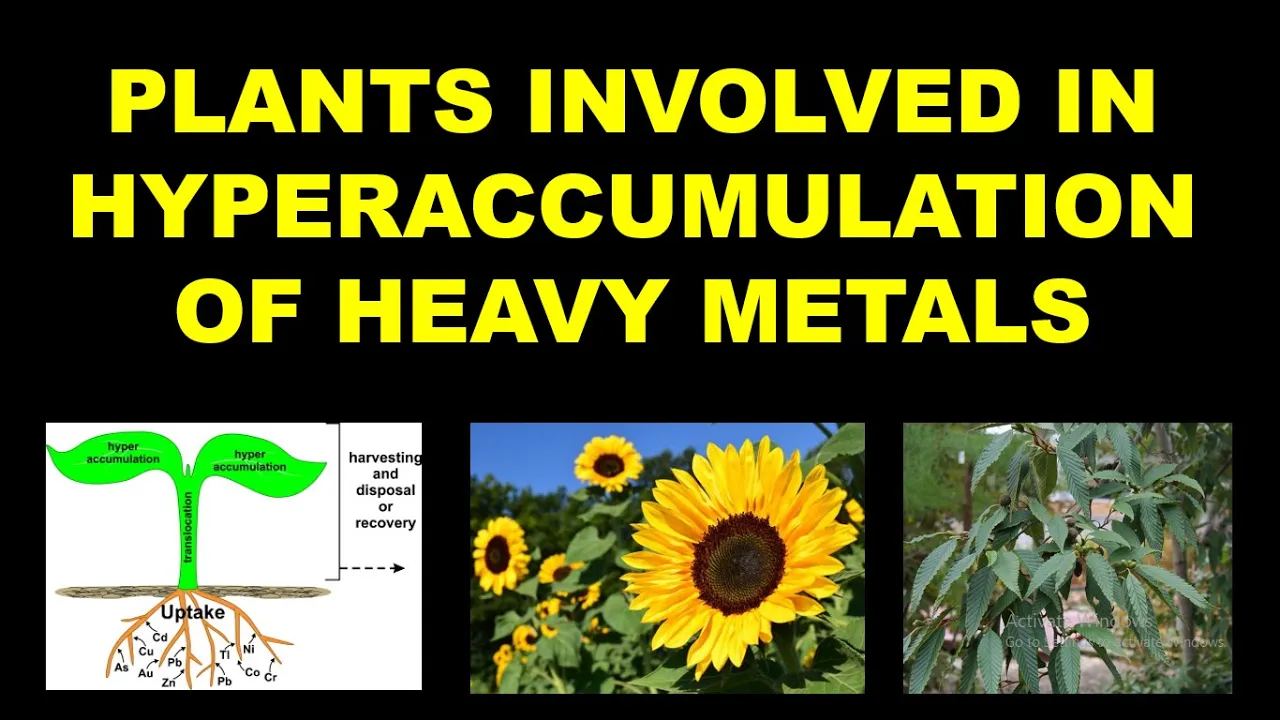
The concept of phytoremediation and metal hyperaccumulation, where specific plants naturally uptake and tolerate high concentrations of heavy metals.
Basic soil chemistry, including metal bioavailability, solubility, and how soil pH affects nutrient and metal uptake.
An understanding of conventional gold mining techniques (like cyanidation) and their ecological footprint.
Methods for bio-recovery, such as extracting and purifying gold from harvested plant biomass (ashing, smelting, or hydrometallurgy).
Genetic engineering and biotechnology approaches to enhance the metal accumulation capacity and biomass of Brassica juncea.
The economic feasibility, scalability, and lifecycle analysis of commercial phytomining compared to traditional mining.
Application of phytomining to other valuable or critical metals, such as nickel, cobalt, and rare earth elements.
2.8K views48likes8:43Original Release: 2025-05-13
Imagine a plant that doesn't just survive in toxic soil, but thrives in it pulling precious metal from the earth with nothing but roots and sunlight.
Sounds like science fiction. Welcome to the world of phytoamining. And meet Brasica Junia, your leafy gold prospector. Today we're diving deep into how this humble plant is changing the gold mining game. This isn't your typical mining operation with pickaxes and explosives. No, this is green, quiet, and astonishingly elegant. This is the full guide to mining gold using brassica junia, the Indian mustard. Gold in the dirt. First, let's understand the problem. Traditional gold mining is not just destructive, it's wildly inefficient. You often need to move tons of earth, use cyanide or mercury, and leave behind toxic landscapes. But there's a secret. Trace amounts of gold are everywhere. In tailings, in soil, even in sewage sludge. Recovering these microscopic flakes of gold is a nightmare with conventional methods. But nature has a different way and it involves plants. This is where phitamining comes in. Certain plants have evolved the ability to draw metals from the soil, nickel, cobalt, cadmium, and yes, even gold. They're called hyperaccumulators. But gold is tricky.
It's not bioavailable in most forms, meaning plants can't just slurp it up like water unless we help. Meet the mustard, brassica junia or Indian mustard is no ordinary plant. It grows fast. It's hardy. It has deep roots. And most importantly, under the right conditions, it can absorb gold from the soil. In fact, experiments across the world from Australia to India have shown that when soil is enriched with gold complexes. Brassica junia can extract it and store it in its leaves and stems.
But there's a catch. Gold doesn't just sit around in forms plants can absorb.
It's usually bound to quartz or locked in sulfide ores. So, we need to make gold bioavailable.
Making gold soluble. Before planting anything, the soil needs preparation. Scientists use a technique called chemical mobilization. One popular approach, ammonium thiocyanate, a mild leeching agent that binds with gold and turns it into a soluble complex. By carefully adding this agent to the goldbearing soil such as mine tailings, we make the metal accessible. It's a bit like turning gold dust into gold soup. This is done with strict care, often in controlled plots to prevent contamination of surrounding ecosystems. Once the soil is primed, it's planting time. Cultivating a crop of gold. Sewing brassica junia is easy.
Think of it as planting leafy greens.
Seeds are broadcast over the prepared area and the plants are watered and left to grow under sunlight. Within 4 to 8 weeks, the plants reach maturity. During this time, they suck up the gold complexes which accumulate in their tissues, especially in the leaves.
Sometimes a second treatment of the leeching agent is applied midway through the growth cycle to enhance uptake.
Researchers have also experimented with adding sulfur and selenium to help with metal mobilization and plant metabolism.
But the real beauty lies in the harvest.
Harvest and burn. When the mustard crop is ready, it's harvested just like any agricultural plant cut at the stem, collected in bundles. But don't compost it. These leaves are golden. The biomass is dried and incinerated at high temperatures. This process burns away the organic material and leaves behind ash black powdery and rich in metals.
The gold concentration in the ash can be up to 100 times higher than in the original soil. From here, traditional gold extraction methods take over. Often this involves smelting or chemical treatment to recover pure gold from the ash matrix. This process is far less toxic and energyintensive than traditional gold mining. No dynamite, no cyanide pools, just plants, fire and chemistry. Real world success stories.
In 2016, a group of researchers at the Ciro in Australia demonstrated phyamining with brasica junia using gold laced soil from old mines. In India, experiments in Andra Pradesh showed that Indian mustard could absorb up to 57 mg of gold per kg of dry biomass under ideal conditions. And perhaps most famously, researchers have explored using mustard to extract gold from electronic waste and urban soils near landfills. The results promising, especially as e-waste becomes one of the fastest growing global waste streams.
Scaling it up, vitamin isn't yet mainstream, but it's growing. One hectare of mustard crop on goldrich soil can yield between 5 to 10 gram of gold.
Not a fortune, but highly valuable when applied to waste remediation. Now imagine a thousand hectares of abandoned mine tailings turned into fields of green. Not only do you get gold, but the process also detoxifies the soil. This dual benefit environmental cleanup and metal recovery is what makes phitamining so exciting.
Companies and universities are now exploring pilot scale farms and even genetically enhanced mustard variants that can tolerate more metal and accumulate even higher yields. Is it viable? Let's be clear. Phyamining won't replace largecale industrial mining yet.
But for recovering gold from waste, from old tailings, and from urban soils, it's a lowcost, low impact option. It's also scalable for developing countries where mining waste poses health risks, but where industrial extraction isn't feasible. Plus, it can be paired with carbon farming and soil regeneration, creating a circular model for eco mining. DIY gold farming. Can you try this at home? Not exactly. You need access to goldrich soil, safe chemicals, and proper burn facilities. But in academic or regulated industrial settings, it's already being tested.
Some startups are even looking at rooftop or urban phyamining growing mustard in contaminated soil zones and cities to pull out trace metals over several cycles. But for now, it's still mostly in research labs and controlled sites. The future of green mining.
Imagine a world where the future of mining doesn't lie in blasting mountains, but in planting fields. Where mustard crops aren't just for oil or food, but for reclaiming gold and cleaning the earth. Phyamining with brassica junia is a brilliant example of biomimicry of using nature's own tools to solve human problems. And we're only scratching the surface. With better breeding, synthetic biology, and more efficient leeching agents, the yields will only improve. So, next time you see a field of mustard swaying in the wind, just remember, you might be looking at a farm of gold. Thanks for watching. If you found this video insightful, leave a like and tell us in the comments. Would you invest in green gold mining? And if you want more deep dives into the science reshaping our planet, don't forget to subscribe to Broadchense.
Until next time, keep digging with plants.
Up Next

4:01
PETase Enzyme: Biodegradation of PET Plastic Explained
@AstroCryptic
1.5K views•2020-03-29
20:32
Microbial Degradation and Upcycling of PET Plastic | Research Talk
@appliedmicrobiology
1.5K views•2021-10-18
23:33
Microbial Degradation of Plastics: Biodegradation Pathways & Sustainability
@majeedhammad
2.9K views•2021-04-11

16:04
CRISPR and Genetic Engineering: How Gene Editing Works and Why It Matters
@kurzgesagt
30.5M views•2016-08-10
Related Study Plans & Knowledge Roadmaps
Structured learning paths in Biotechnology
biotechnology
PETase Evolution: Library Design & Kinetics
01Foundations of Enzymes and Plastic Biodegradation
02Recombinant Protein Expression in E. coli
03Directed Evolution and Mutant Library Generation
+ 3 more learning modules
36h6 modules
Explore Roadmap
biotechnology
AAV Production: Transfection, Prep & qPCR
01Introduction to Gene Therapy and AAV Biology
02Mammalian Cell Culture: Suspension HEK293 Cells
03Upstream Bioprocessing: Triple-Transfection Optimization
+ 2 more learning modules
18h5 modules
Explore Roadmap
biotechnology
Building Gut-on-a-Chip: PDMS, Cells & TEER
01Foundations of Microfluidics and Gut Anatomy
02Cleanroom Fabrication & PDMS Soft Lithography
03Epithelial Cell Culture and On-Chip Seeding
+ 2 more learning modules
26h5 modules
Explore Roadmap
biotechnology
Optimizing CFPS: E. coli Extract & Yield
01Fundamentals of Molecular Biology and Translation
02Introduction to Cell-Free Protein Synthesis (CFPS)
03Preparing E. coli Crude Lysate (The Extract)
+ 2 more learning modules
19h5 modules
Explore Roadmap