



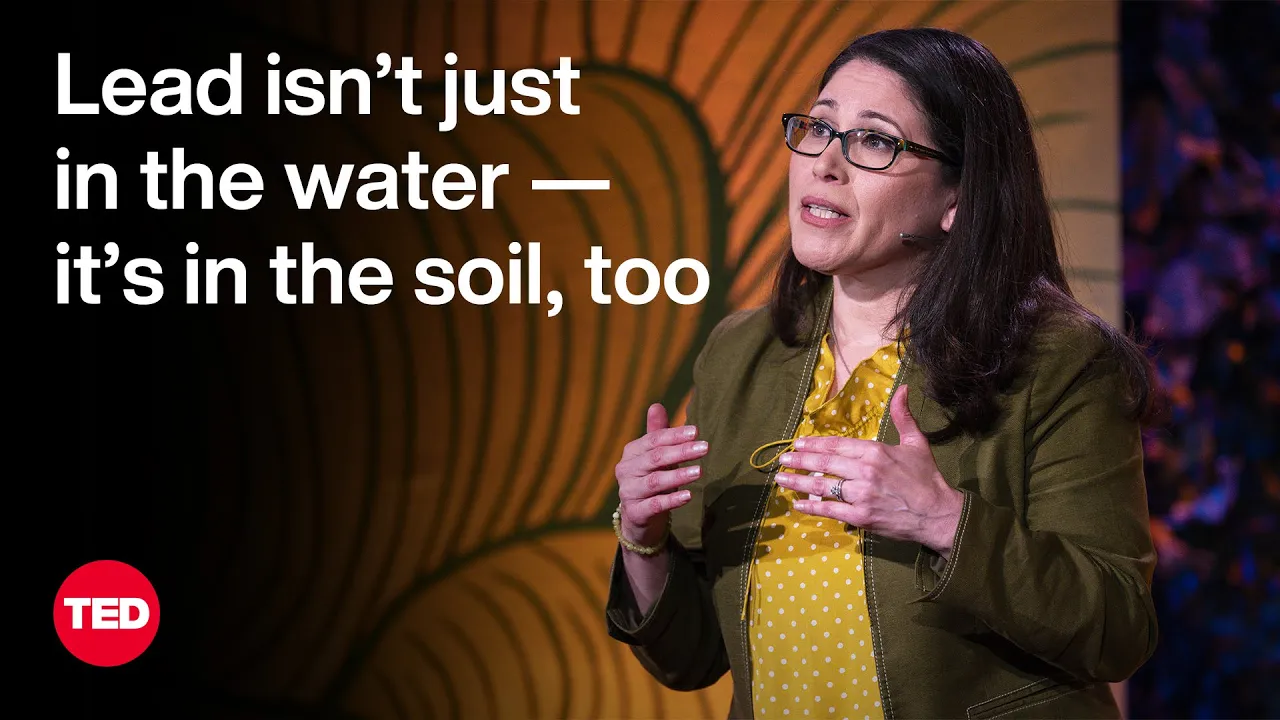














Urban soils in major Australian cities like Melbourne, Sydney, and Brisbane contain elevated levels of anthropogenic trace metals, primarily lead, with contamination sources including historical leaded gasoline emissions, mining operations, and lead-based paint from older homes; however, practical solutions such as raised beds with imported soil, mulching, and washing produce enable safe urban food production while minimizing health risks, as demonstrated by the VeggieSafe citizen science program that has tested over 22,000 soil samples nationwide.
Urban Agriculture & Trace Metal Contaminants in Soil
Added:Basic understanding of heavy metals (specifically lead) and their neurological and physiological toxicity to humans.
An introduction to soil composition and how trace elements physically and chemically bind to soil particles.
Awareness of historical urban pollution sources, including leaded paint, leaded gasoline, and industrial waste emissions.
The concept of bioaccumulation, explaining how contaminants move up the food chain from soil to plants, poultry, and bees.
Soil remediation and mitigation techniques, such as phytoremediation (using plants to extract contaminants) or applying soil amendments like phosphorus.
Safe urban agricultural design, including the construction of raised beds, the use of geotextile barriers, and soil-less growing systems like hydroponics.
Advanced environmental toxicology, specifically exploring the difference between total soil metal concentration and its actual bioavailability to plants and animals.
Public policy, zoning laws, and environmental protection standards (such as EPA thresholds) that regulate community gardens and urban farming initiatives.
297 views6likes1:21:50Original Release: 2021-11-23
well good afternoon and welcome to everyone joining us online i'm professor john for zachary and it's my privilege to be dean of the faculty of veterinary agricultural sciences here at the university of melbourne it's a great pleasure to introduce this afternoon's event which is the 30th memorial gw lipa lecture this is an annual event that celebrates the life and work of soil scientist geoffrey lieber in the audience i know we have members of the public staff students alumni industry experts supporters and members of the agricultural science community and i thank you all for being here and i hope that you'll join in the discussion later i'd like to thank members of soil science australia who the university of melbourne has proudly partnered with in presenting this event since its inception in 1992 in keeping with this afternoon's theme it's appropriate that we reflect on the stewardship of the lands that we are on by the traditional owners and custodians it's their stewardship over tens of thousands of years that has endowed us here in australia with wonderful plants animals and landscapes i acknowledge that we're injury people as the traditional owners and custodians of the land i am on and i pay respects to their elders and their families and i'd also like to acknowledge the role of indigenous knowledge in our academy today's lecture will be given by the recently appointed chief environmental scientist of the environmental protection authority victoria professor mark taylor this lecture has the great title urban agriculture and anthropogenic trace metal contaminants from the backyards of melbourne to broken hill professor taylor was previously at macquarie university sydney his research expertise covers environmental contamination in aerosols dust sediment soil and water and their potential risks to human health much of his work has focused on mining and smelting emissions and depositions contamination in urban environments and more recently assessment of atmospheric trace metal emissions from wildfires this research includes analysis of blood lead levels in children firefighter chemical exposures trace metals in wine honey garden produce household dusts and drinking water in today's lecture professor taylor will discuss why we need to measure urban contaminants and how we can empower citizens to act perhaps we'll also hear how he intends to apply his learnings in environmental contamination and environmental health in his new role as environmental protection authority victoria's chief environmental scientist i'd like to extend a very warm welcome to this year's leaper lecturer professor mark taylor mark thank you very much and thank you everybody for inviting me to the 30th annual lecture 30th annual leap of lecture i am um grateful for the invite and i hope i can share some of the learnings that i've had about urban agricultural soil with the participants today first of all i'm speaking from dara country in sydney i pay my respects to first nations people past present and future and um i look forward to sharing my work with all people across the country so the title of my talk today uh covers some of the work that i've done um at macquarie university with many students many staff and many colleagues from other countries and also in australia and so i pay um i pay my thanks to them and my gratitude to their incredible hard work in helping bring some of these findings to light so um what i'm going to do is i'll first of all cover just a little bit about my current role and explain at the bit of context there uh in my new role as a chief environmental scientist in this new role um working for environment protection authority in victoria the main aim is to capture and develop scientific knowledge to support our regulated decision making including our new and only one in australia general environmental duty which essentially means every person in victoria has a responsibility to reduce environment and human health harm from pollution waste i'll also continue building and strengthening the science capacity capability epa so that we can give the best evidence-based decisions to support victorians as a whole and another aspect of this new role for me is in the communication of epa science and that's not just to industry or to government it also includes all of our stakeholders including community members there are several areas of immediate focus one of which it's a very live topic at present given that yesterday the uh the parliamentary inquiry report was handed down on air quality and that forms an important part of our work at epa and it's an important thrust of some of the work that we're doing at the moment in terms of determining what needs to be done next and why particularly in regard to greenhouse gases but also air pollution there's a significant amount of work in regards to the west gate tunnel and that relates obviously the pfas um that may or may not be present in the spoil and what happens to that spoil and of course um there's a significant amount of work in the latrobe valley where there's you know ongoing questions around air quality and addressing those and also the used lead acid battery plant which has been proposed for the community or in the community down there so in terms of moving from macquarie to the epa here's just a sort of a a a board of all of the people that i'm working with currently uh including at the top my uh researchers dr cynthia eisley who's just about to go to adelaide and dr tony morrison we're working on a suite of projects which are funded both you know largely externally and internally these projects on a run-out basis for me given the fact that i've moved to macquarie some of them are funded well beyond the the uh the lifetime of this year so into 2022 and supporting those projects are a suite of students and staff the two uh staff members i have at the moment um in addition to tony and cynthia are cara miss cara fry who runs my uh laboratory at macquarie university she runs the the veggie safe and does save programs that i'm going to talk about today and max also contributes to that work through his work on the veggie safe program and have a suite of other students that are also working on a range of projects and and these nearly all focus on environmental contamination human health outcomes of some kind or other we have some major projects which are still being funded uh i'm working with dr robin gazarowski on a clinical pay fast study that's a study which looks at the removal of pfas from firefighters and we've looked at a cohort from melbourne which was the metropolitan fire brigade which is now fire rescue victoria and um that study is now out to review in jama network open and essentially what we did there we looked at phlebotomy the giving of blood to remove and reduce pfas levels in firefighters the other project that we have related to pfas is one of remediation that's used in phone fractionation which is really essentially aerating groundwater to cause the pay fast to rise to the surface where it's effectively skimmed off i have another ongoing arc project uh sorry i should say the pfast project on phone fractionation is funded uh it's an arc uh project and the clinical study was funded by fire rescue victoria or metropolitan fire brigade as it was i have another project with dr professor simon griffiths which looks at leading sparrows and using sparrows as a biomarker and we've collected a significant amount of very interesting data from broken hill i'm not going to talk about that today that works ongoing and i have another project with colleagues in france and new caledonia looking at the emissions and depositions and human health risks associated with nickel mining um in and around numer and so um why are we interested in contaminants well contaminants are my best friend and i've spent a significant amount of time looking at contaminants whether organic contaminants or inorganic contaminants through in a range of matrices as mentioned previously by john we've looked at honey and wine we've also looked at drinking water we've got birds as biomarkers and i'll talk a little bit about birds today and we've done we've done measurements um in garden soil uh wildfire ash both the ash in the in the trees and also the atmospheric uh concentrations of ash and we've done significant number of studies looking at blood lead exposes in children our focus has largely been on uh broken hill where we have access to a significant cohort of data extending over 25 years and we've published a few studies uh out of broken hill you know using that data and i think it's probably fair to say that is the longest and most dense human health and environmental record that we know of in australia and that we've been able to publish and it's produced some really very interesting insights and then we've also looked at other environmental biomarkers such as lichens and used lichens which have been stored in herbaria extending back over 150 years or so in melbourne to try and reconstruct atmospheric chemistry over time with a focus looking at trace elements so why i always start like like this and i have my youngest son here james on the right hand side because he's doing what all children do he's picking up a toy he's putting that toy in his mouth and if that toy was contaminated by uh dust or um yeah dust-borne contaminants he would be ingesting those and that is the primary route of exposure children are also exposed through eating of soil it's called pica and people can also be exposed by growing vegetables in contaminated soil children are our greatest concern because of their higher absorption of trace metals their greater hand to mouth activity and in particular many of the toxicants that we find in that as you will see as i took go through my talk that we find in our gardens for example and in our homes contain neurotoxic chemicals the primary one of concern is lead and that's associated with significant adverse neurocognitive and behavioral outcomes in children if people want to have a look at um my broken hill 25-year lead study there's a short video that i created and that will get to five minute video i'll give you an insight into the importance and the significance of trace metal emissions and depositions and what that means for people so moving on to our gardens well i think it's probably fair to say that agriculture typically is a large industrialized activity but we've seen a significant shift in the last decade or so towards people producing their own food this study which came out in 2014 from the australian institute by poppy wise showed that more than 50 of australians are producing some form of food in their backyard and it's grown since then on top of just producing straight food there are now more than 30 000 beekeepers in australia the very vast majority of those have more less than 50 hives which mean they're small producers and many of those small producers have behind in their back garden like i do i have three in addition there's a significant number of people who were keeping chickens in their yards and they keep their chickens not only for sort of pleasure having chickens and the sense of being close to food production but for the production and consumption of the eggs that those chickens will lay so the question that i asked myself along with my colleagues some years ago 2013 or so when we started our veggie safe program is are the urban soils fit for purpose and is the produce safe to eat now we had an inkling that urban soils were probably contaminated we didn't know the extent or the footprint or what the primary contaminant was but we were asked this question frequently by the public and we needed to answer that question so that people would have a better understanding about whether it is okay for them to produce food in their gardens so we set about on a program to try and answer that question for the public and i'll talk a bit about the outcomes of that program and the benefits so in terms of um what's in the urban environment i think it's pretty clear that um lead is the primary contaminant and and there are a number of other metals as well which it might depending where you are it could be cadmium it can be zinc it could be copper it can be arsenic but it turns out as you will see in the data that i shall present that led is the contaminant of most significance and there are a range of sources of lead that we find in our urban environment old buildings as you can see on the top left the emissions from the tailpipes of cars when we use leaded gasoline over the seven decades from 1932 to 2002 emissions from mining or smelting operations and this is an image from broken hill and at the bottom here you can see a little triangular cone and i turn that affectionately the cone of lead and in the video i gave you showed you before the link to the youtube video which we published in in the study and atmos atmospheric environment 2017 you can see dust blowing off that cone since we identified that work the um the broken hill environmental lead program i've worked to get rid of that with the the mining company perilla to get rid of that cone to reduce dust emissions firing ranges are also known to cause significant contamination at the site and off the site and of course we have the issue of you know recycled uh recycled soil or even manufactured soil which may or may not contain contaminants and as a result of all of those things we have a significant number of contaminants in different locations in our gardens that may pose a harm to human health and the question that we asked ourselves is how do we answer that question otherwise is there significant harm is it safe to produce food in that garden and you know where you know what are the causes of association with those risks so we started a program called veggie safe in 2013 i started this program with my uh former colleague now professor damian gore and the program's being run largely by graduate students undergraduate and graduate students is funded entirely by public donations so when you submit a soil sample we ask for a donation and um the premise of this program really is unlike most epidemiological type studies it was to work with and for the community to answer that basic question which was are our soils contaminated and is the food safe to eat typically we know when people do a large-scale study they work on the community but we decided to flip that because we wanted to support the community in answering this question in the knowledge that we would get usable data that we could publish for our scientific credibility and our scientific academic purpose but at the same time we were able to answer the question for the public about where it's safe to eat is it safe to produce food and you know what should we be concerned about and ultimately what we can do about it so a quick overview a very short overview of the program this the website is available here it's available at 360dustanalysis.com and when you go on that website you'll come to two landing pages one will be for veggiesafe which is for people who want to submit their garden soils and the other one is for dust soap where people submit their vacuum bag dust and i'm live in the talk on the veggie safe program today i'll talk a little bit very briefly about dust safe but because we're interested in urban gardens veggie safe is the program that i'm going to talk about and the outcomes that we've measured so how does this program work well people basically send in their garden soil and the pictures that you can see these three pictures you can see on the right these are the packets that we've received post the covet period so even though i was working at the epa i didn't go into the university my staff are still working they were able to go in at the end of the coded period into macquarie university and collect all the package that had accumulated over three months and of course i think it's well accepted that because people are spending more time at home they decided to do more gardening and more cleaning and became more aware that the possible risk of contamination their garden soils and we saw that in the samples that we received there was three trolley falls and it took several days to clear and process these samples so since 2013 when we started this program we've received more than 22 000 samples from australian households right across the nation predominantly in the most populated areas that means we've received soils from over ten thousand over five thousand homes um and that means we've benefited more than ten thousand australia individual australians who are living in those homes when people send the soil we collect a bit of data about the location of where the soil was collected in the garden the age of the home and the construction of the home and just a few additional bits and pieces of information and that allows us to interrogate the information and the relationships that we see between you know garden soil and potential sources of contamination we specifically asked people when they send their soil to us to send us two samples from their veggie packs because we really wanted to analyze what the trace metal concentrations were in people's gut in people's vegetable patches as their wider gardens and so how do we analyze this it's a significant number of samples we couldn't afford to do it through icpms because it's just too costly there's too many samples there's too much preparation and and the university kindly supported the program with the um with the purchase of an xrf and then we subsequently got got a a a newer one in 2017 and there's an example of an xrf down here we use the olympus instrument for that work and we analyze the soil as is as is received so we don't sieve it we don't dry it we don't do any preparation we analyze it through the bag and we've done some work in our latest publication which came out in 2021 the environment international to look at the efficacy of that and what the limitations may be i won't go into too much detail but i'll just show you a couple of um diagrams here from two studies on the left hand side is a study which came out just a couple of days ago by my master student max gillings on broken hill and where we looked at outdoor soil on the road and also in people's gardens and what max did there he said the soil to 180 microns and he compared it to the bulk soil that's the measurement of soil in the field versus sift saw that it prepared in the lab and you can see the relationships for the trace metal shown are excellent in particular it's worth noting that the relationship between the bulk measurement of lead and the actual you know more traditionally more detailed uh prepared soil uh that's been sieved and dried etc and cooked is a very strong relationship of 0.92 and then on the right hand side we've actually got the veggie safe data that we analyzed compared to prepared more prepared soil that was prepared as part of another manuscript produced by another former student of mine dr marek rulian and again if we look at you know what will ultimately be the target element we can see the relationship between the vegetative data which is that soil measured in the bag versus saved and prepared soil and this store was simply prepared to 500 microns because of uh you know time and uh effort required to prepare so many soil samples there's over 500 we can see we had a pretty strong relationship of 0.81 between in situ in the bag versus more prepared dried soil samples so the upshot of all of that is the use of an xrf which is you know allows cheap multiple uh and rapid assessment of soils it's efficacious it works it's reliable it's robust it can be benchmarked to more sort of standard measurements and we've done some work comparing xrf data to also icpms data so we're confident in the outcomes so in terms of uh our national guard and trace metal uh data set this summarizes it's actually not the full data set it's the data set that we cut for the publication from where this image came from which is environment international just over 17 000 samples but the distribution is largely the same in the updated version of 22 000 plus samples and you can see most of the samples come from the populated areas of southeast australia very few from inland australia as you would expect this very small population and indeed it turns out there's actually very likely to be very little little contaminant risk from anthropogenic sources and you can see there's a very dense coverage in sydney melbourne and less so in brisbane and the other major state cap and so sydney and brisbane are the places where we received the most samples for this program so when people send the soils you know what do they receive and how do they understand whether there's a risk or not in their gardens for producing um whether the gardens are fit based upon the national guidelines that's the national soil guidelines for their fit for producing food well they get a summer report as you can see on the right hand side we benchmark our data to australian and global standards and in fact we've just changed it just to show australian standards because it became too confusing because different countries around the world have different standards because they have different exposure and risk factors built into their modelling they also provide participants with links to further information in regard what to do next and i think most importantly one of the things i'm really proud of i've worked with a colleague professor gabe philippelli indianapolis university the data that we produce from this program all of it every single every single measurement gets uploaded to mapmyenvironment.com what i should say is that when the data goes up onto mapmyenvironment.com it's double jittered which means each time you go into the system to look at the data the dot point moves slightly so you can't actually identify what the specific locations of that site and that allows you know for privacy of the people who submitted their samples to be protected so the question is whose song meets australian guidelines you know where are the problems what are those problems and there's been a few stories in the media in regard to you know the risks of urban agriculture and what that might mean and you can see there's a couple of you know i would say the first one from sydney morning held rather sensational sydney's toxic footprint the silver's most at risk risk from lead contamination and i think the second half that's fine the first one's probably a little bit exaggerated um and i can explain that later why i think that's the case um although it doesn't mean to say that we don't need to do anything about it and there was a story more recently um i think it was in in may in the age talking about specifically melbourne suburbs where there's too much lead in the veggie gardens and i'll show some of the data so what do we do when we look at the data what does it tell us about what the relationships are spatially and um and in terms of the construction of people's homes so what we've done here we've combined the house age and external painted surfaces to understand and the distance from the from the city centers to try and understand that sort of spatial distribution so if we look at the top diagram what this does this captures the relationship between city center distance from the city center and soil lead concentration the concentration for all the other elements that we measure there's actually eight of them that we measure in the trace in the veggie save program they're all captured in the supplementary of the paper uh in environment international which came out in march i think it was this year but you can see that most of the contaminants and most of the risk occurs in the first 10 kilometers of all of the cbds and when we go to the the graphs at the bottom um what you can see here is the different colored lines the green line represents painted the red line represents unpainted and you can see it's a sort of a this is the age at the bottom older age on the left younger age on the right and lead concentration on the y-axis and you can see very clearly if the house a house is old and it's painted it's likely that their soil contamination is going to exceed the australian guideline for residential homes which is 300 milligrams per kilogram and that's indicated in both of these graphs by this dashed line and so we can start to see how some of the factors proximity to the city uh a property age and whether it's painted or not is an important factor in understanding whether or not your home is likely to be contaminated with soil above the australian guideline for residential properties so the data that we collect the metadata that we play allows us to understand what the differences are in people's gardens uh in terms of local example location and also the association between soil trace metal concentration and building material so if we look on the left hand side of the graph here what this does this looks at the location of the samples and the concentration and what we can see fortunately vegetable gardens are the lowest of all of the samples that we've received has a mean of 173 and drip lines as we've thought and known about before soil samples taken underneath the drip line of a property are typically the most contaminated so the logical recommendation will be please don't grow veggies in your drip line in the soil and of course this occurs because on many older homes we might have used lead paint um either on the building itself or on the guttering or it could be lead flashing and that water's you know containing or the or dust or paint flex for example containing elevated concentrations of lead because of course we use lead in informally used to use lead in lead-based paint that's um flaked off and is collected in the soils underneath the drip line it is quite surprising though that the veggie gardens are 173 which is um significantly higher than typical background natural background which is about 30 milligrams per kilogram and it indicates that you know the soil in our vegetable gardens is higher than what it would be under natural conditions so if we go to the right hand diagram we can look therefore here at the relationship between building material and soil lead concentrations and what we have here we've been able to unpick the relationship between the materials used at the property and what that might mean in terms of soil lead concentrations so what we can see here is that the homes which are of the most risk very clearly uh are timber homes which are which have a mean of 279 milligrams per kilogram there's quite a spread that's followed by metal homes and buildings that are made of fibro they tend to have the lowest concentrations so if we were to sort of unravel all of that we would say homes closest to the city homes which are aged homes which are painted and homes which are constructed of timber those are the four factors which one could clearly associate with the greatest risk of them being lead contaminated and having a soil concentration which exceeds the australian guideline for residential homes which is 300 milligrams per kilogram so when we look at the information i'll just take a little drink of my tea when we look at what that spatial distribution means in terms of uh you know where where that occurs we then what we've done then we've plotted the data according to statistical area 3 which is a standardized australian bureau of statistics geographic area it's not subject to change like council areas are and we've plot we've done it for all the make the three major cities in the study brisbane melbourne sydney and here i present for you because you know we're in melbourne and you know i'm talking largely probably to a melbourne based audience i make an assumption there so i'm sorry i'm wrong but we can say uh the footprint is very similar to what we'd see in sydney that the highest soils occur closest to the city center and as we can see as the shading increases towards darker brown that that shows the increased number of homes in each of those geographic areas that would exceed the standard which is uh 300 milligrams per kilogram so what we did then once we knew that data we then separated the data just to look at the information that related to vegetables only and sorry vegetable gardens only to try and understand what that might mean in terms of risk and cynthia eisley my postdoc she undertook some modelling here to look at the predicted concentration in vegetables we looked at we used standard modelling we didn't measure the vegetables uh we measured the soil but we just didn't have the capacity and that's another piece of work that would be really useful to you know to go back and corroborate this modeling we use the nephem uh the nepa model to calculate what the potential uptake would be for different types of vegetables and what we found was the um the vegetables that were most affected were leafy vegetables and the analysis of the what we figured out was when we did all this analysis the concentration that would produce exceedences of the food standard for lead and that was the uh contaminant of most concern as you can see when you look at these little ticks here exceeds the food standard for australia or the who fao standard maximum permissible limits the only the only little triangles that appear are on the uh or on the on the lead graph all the other elements were below the levels of concern and then when we look at what that means in terms of people's gardens when we look at their veggies we seem to have lost mark but he did tell me he was on a satellite link and he might cut out so i guess that's what's happened there mark sorry i'm am i okay yep yep your satellite that just went over um okay disturb your uh which one do anything okay all right terrific and so what we can say i'll just repeat that so i know we've caught that overall the average was twenty percent of all the vegetable gardens that we analyzed exceeded the so the soil standard of the standard that we calculated that was safe to produce food which was 270 milligrams per kilogram in sydney it was 31 and in melbourne and brisbane it was 19.
so um when we look at what that means in terms of the distribution the footprint is very similar it's very similar to the soil lead concentrations and here you can see maps of sydney melbourne brisbane and you can see that the constant the gardens that are most likely to exceed the concentration that's safe for the food production focus largely but not entirely around the city's senses and so you know recommendations get the soil tested use raised bed and bring in imported soil it's pretty sort of basic and simple solution and the veggie safe program focuses on really enabling you know home gardeners who want to produce food to produce food in a safe clean green way so we you know we focus not on on you've got to close this practice down but to provide solutions and so moving on from soil um later on in 2016 or so i i sort of thought about doing some work around honey i'd seen a program in germany where people had looked at honey as a biomarker or as a pollution market in a in a german airport and that sat me for a long time and we did a series of work um looking at um honey and trace metals in honey and as it happened when we did that work when we were trying to look whether we can use trace metals to indicate the source of honey a geographic source of honey we discovered inadvertently that about nearly 20 of australian honeys turned out to not be authentic but that wasn't the purpose of the study and that's not really what i'm going to talk about now but i just show a couple of uh pages on the 3rd of october from the sydney morning herald and the age and and this is my fantastic now post-op student with another colleague of mine charting zhao who did all of the work and was involved in making this study happen and i'm proud to say this is the only time i think i'll ever make page one with kylie minogue that great melbourne icon and so um we set about trying to understand what's you know do we see contaminants in honey and you know we know what the footprint is in cities we had a pretty good idea by 2016 what that was looking like we hadn't published but we had a pretty good idea we published our first study the next year on the veggie safe data and so um what we did we went out and we worked with um urban beekeepers again an extension of ourselves citizen science work we collaborated with you know the backyard beekeepers in order to collect information on both european bees and um native bees tetragnolia carbonara which is a very common australian native bay and produces a lot less honey and here's a a summary from uh a paper in environmental pollution in 2018 and we've published some more stuff as you can see there's a link here to a paper in environmental science and technology which looks at um trace metals in bees in european bees and if you look at those studies what you'll see is i'm very proud to say that xiao tang and i was on the paper with her as a supervisor we're the first people to be used led ice published lead isotopic compositions on uh honey and honey bees and so that's fantastic outcome but perhaps more more fantastic is is the data and what we can see on the on the left hand graph is an image comparing european and native honeybees and actually they're pretty similar they're not that much different and what you can see here is the bees contain in the order of around about 100 micrograms or 100 parts per billion 100 micrograms per kilogram uh sorry of lead just maybe a little bit more in certain cases they're not too dissimilar the australian native being brown the european um in green and then when we go then look at you know the question is you know and the question that was raised as part of this but uh and it was a question raised by the urban beehive company in sydney and dog said to me the first question that we get asked because we make honey we produce honey in the urban area of sydney is the honey clean and that's the question that we actually sought to answer how and that's in order to answer that question we had to ascertain that the honey was authentic and that's how ultimately we found out that some money wasn't that didn't affect um the beehives honey it was more commercial honeys but what we were able to show that as you can see on the right hand graph is the um the concentrations in the honey were about 10 times lower than what it was in the bee and that basically means the bees take all you know they take the hit in terms of contaminants and the honey is pretty clean in fact you know 10 uh 10 micrograms per kilogram or 10 parts per billion that was very close to the national measurement of institutes limits of reporting and then so i and then took that idea that concept and i took it to me and some of you may have been to new caledonia and some of you may be into me and some of you may have seen even seen the nickel smelter in the mirror and i had a sabbatical there in 2019 and i did a study working with local beekeepers to measure point source contamination from the smelter on these and we focused on nickel not on lead and we didn't measure lead but there's basically you know very very very low levels of lead in the environment when we publish this well i've done a poster publishing publication here i haven't had time to write it up yet and that's a something on my homework list as it were and so what you can see in these two graphs on the right that there is a clear measurable decline in the concentration of both live and dead bees uh with distance from the smelter and we can also see there's a clear distance decline with respect to the concentrations of nickel and honey with distance from the smelter but if you look carefully at the grass you can see as before it's about an order of magnitude less in the bees than what it is so in the honey than what it is in ibiza so nickel in the environment begs light is the same as lead and what this tells us is fortunately the the produce that we're producing in our gardens is largely trace metal clean if we're producing uh honey but the upshot is we can use the bees as a biomarker to trace trace metal contaminants in and around the environment and a piece of work which is i think cara's name's been uh cut off here but she's on the next slide but this is from um cara fry who's just completing a master of research we did another study in sydney where we collected information on land use and also soil and dust deposition concentrations and bees and we can see in both cases quite a clear relationship between soil and dust deposition and and and trace metals in this case lead trace metal concentrations in bees and so that really that just sort of confirms what we knew already but part of this study um cairo decided to look at anti-microbial resistance with professor michael gilling providing his guiding hand and mccoy is at macquarie university to do the um anti-marijuana resistance in the babies and so for those that don't know and this is not my area of expertise this is cara's work the antimicrobial resistance process really works like this so on the left hand diagram you have what's called the amr train the integrands at the front actors act as a train carriage and attached to which are the gene cassettes and these may include antimicrobial resistance targets such as antibiotic resistance mercury resistance copper resistance and other trace metal resistance and so that's how this is identified and so what we did we had 18 hives right across sydney and we looked at those hives and we took bees from each of those hives and we i say cara i always say we but really kyra did all the work she analyzed those bodies for the presence of anti-micro resistance genes and what you can see here is in these graphs is the dashed line relates to the average number uh that uh the average number of positives across each eye for each of these different aspects mercury integrands antimicrobial resistance and copper resistance and these are samples that we collected right across sydney so i think what the takeaway is from this work is that bees are a great um indicator of trace metal contaminants and they're a great reflector of um the prevailing land use but and perhaps more concerning that the data shows by analysis of the base and some of them in you know in raw areas that anti-microbial resistance genes and also other trace metal resistance genes they're absolutely prevalent irrespective of what environment we're living in and i think we're all be aware that ami is a significant concern because it's proliferate use in agriculture and also in humans and that's obviously now escaped into the environment and now we're seeing the consequences in other biomarkers so the next bit of work that we undertook we started this effort some time ago and it took a while to kick off and and i had some initial help from um phoebe peterson and dr harvey to get this going and then it's since been taken over by uh my student sarah who's here on the right hand side of this image and we decide to look at backyard chickens and eggs we want to know are they trace metal clean and as you would probably all know that more people now are keeping chickens in their yards than they were before people enjoy it it's kind of fun thing to do they also get some food if they've got young kids it helps them understand food production but the question that we asked ourselves given the knowledge that we had are the soil safe for birds and eggs and so we set about to answer that question so we did that in two ways we went out and sarah collected soil data at people's homes she measured feed she measured water she measured um the blood in chickens and then she collected eggs from the chickens that would sample the blood from and we've analyzed the the trace metal concentrations in all of those i think in total there's 55 locations that we visit across sydney and i'll present summary of the results that we found so far so really the aim is to keep blood lead below 20 micrograms per deciliter which is so you know which is no observed effect level in humans we say we like to keep the blood lead below five micrograms per deciliter and uh the vet that we originally work is alex frozen wax he told me that birds are pretty tolerant to lead exposure but it's significantly higher than what we'd normally apply in people and the other aim is can we keep egg lead below 100 micrograms per kilogram which is the who fao maximum permissible limit for lead and so and again i'm focusing on lead because this turns out to be the element of concern we we established this early on it's the element which is most prevalent in people's yards it's the element which is that was prevalent in the eggs based on the grass and the data by sarah as you can see on the left hand side the sort of three questions or two questions that we might want to ask ourselves if the purpose was to retain chicken blood lead levels less than 20 micrograms per deciliter would need to be less than 143 milligrams per kilogram that's significantly that's nearly half of what the concentration would need to be for veggie gardens which we established at about 270 which is just under the australian guideline of 300.
the next question is if the purpose is to produce extra consumption a soil concentration of less than 96 milligrams per kilogram is required to keep egg levels below 100 micrograms per kilogram that's extremely low that's more than three times lower than the australian hill guideline thus when you reprocess the data and look at what the relationships mean acceptable maximum levels um the acceptable maximum levels because blood lead must be low um as a little type aware that's my fault for arithmetic it must be less than 17.7 micrograms per deciliter in blood to ensure egg lead does not exceed 100 micrograms per kilogram i should correct that so what that basically means is the concentrations that we find present in people's yards in many places are significantly elevated with respect to protecting chickens from unnecessary exposure and so that those chickens have a low enough blood lead level to produce eggs that we can eat which is the whole purpose largely for people who keep eggs that keep chickens in their yard and then the question we then asked ourselves well do we produce eggs in our yard and eat those which is what the intent is when you keep chickens and that's what you know that's what the move is people you know permaculture and producing their own food um or do we go and buy commercial links and here sarah's summarized some of the data and the boxes in brown are domestic eggs the con trace metal concentrations on the y-axis and the different elements are on the x and the blue boxes which are much more clearly seen on zinc they are the concentrations that you would find in commercial eggs and in all cases it is extremely clear that trace metal clean eggs are commercial eggs not back yard eggs and so it's a very interesting point if you're interested in producing clean eggs which are trace metal low in trace metal concentrations commercial eggs may be the way to go and so we took the data on silent and and we then transformed the latest latest cut of the data more than 7000 samples from sydney knowing what the average soil concentration was per statistical area and we worked out what the footprint of was of areas where the soil exceeded the chicken safe chicken egg safe ultimately egg safe production level of 96 milligrams per kilogram and this graph here shows you the outcome of that analysis the dots in the middle relate to the main residential soil concentration for each statistical area and the brown footprint gives you the the dark brown footprint gives you the area where the soil lead exceeds 96 milligrams per kilogram where it's the modeling shows you will result in producing an egg concentration which exceeds wo who you know fao standards the maximum permissible limits and we use that because there's no australian standard there's only the food basket survey and then the lighter lighter brown area is the area that you can see which is trace metal clean so we can see you know looking at soil looking at vegetable patches looking at bees and then looking at chickens we can see there are different concentrations and thresholds and different effects from trace metals in backyards about safety and acceptability of producing food in each of those locations and so then the question arises well this is now moving from melbourne up to broken hill and the most recent study which i think came out this week it was out in proofs but it came out finally this week by max gillings my another emre student of mine uh study that we've been working at broken hill for some time and this looks at the relationship between outdoor and indoor and we had it uh match samples here and we've seen sort of similar sort of stories from sydney in a couple of studies and other locations but this is a really exquisite study that max collects a lot of really useful data and the data uh this data story is also supplemented by blood lead levels that we have from the cohort of information uh that we have from from broken hill and that goes in that relationship is in significant detail in the publication but i'm just going to focus here on the yards and what the yards mean for homes so on the left-hand diagram we can see soil lead concentration and the pattern is very similar to zinc and other mine related contaminants we can see that there is a clear distance decline whether you're looking at front yard soils or house dust with distance from the mining operations that's precisely what you would anticipate particularly when you know that the mining operations and indeed there's not one mining operation i've ever found that does not have off-site impacts it just doesn't exist and what you can say that there's a clear distance decline but what's interesting is that the concentrations are significantly different in the house dust versus the front yard soil particularly with distance from the mining operations and this is captured with a box plot on the right hand side and um you can see that what is outdoors gets indoors and what gets indoors is very hard to get out and we know the stuff that is indoors is coming from outdoors because we did led isotopic composition analysis on samples of the house dust indoors and it matched not only the outdoor samples but also its matches very closely the lead isotopic composition of the ore which is extracted at broken hill and we know that that shifts as well with distance from the mining operations as it's diluted by natural background materials so when we take all the information what do we get well we need to have clean soil for clean food we recommend that people should get their soils tested use raised beds use mulching and provide clean sand pits for children so that they're not accidentally contaminating or exposing themselves you need to determine based upon your soil analysis if your garden is suitable for keeping chickens people need to leave the shoes outside so they don't migrate outdoors to indoors and of course washing vegetables we should always wash our vegetables but that's particularly a concern when you're living in the inner city um and carrying on gardening our program is designed for people to carry on gardening not to scare the living daylights of them so they don't carry a garden because the benefits of gardening even in places and such as inner cities far outweighs the trace metal risk and i can say that because we went and we modeled the relationship in broken hill between soil lead concentration and blood lead and brian golson did something very similar in sydney and it about a thousand i think off the top of my head a thousand milligrams per kilogram of soil lead concentration equates to 1.2 micrograms per deciliter of blood lead and the average blood lead of australians of kids under five is one or less than one based on some recent data that's in the general major cities not in broken hill for example and um the threshold for intervention according to the national medical research council is five micrograms so my point being you have to very contaminate soil to really start worrying that my kids are gonna get leaded from soil only so we've then gone on i'm running out of time here we then gone and assessed uh assessed our work and i won't dwell much on this but we've gone out and we've asked people who participate in our program do you like it do you learn from it did you get any benefit from this and we can see you know just i capture it here this paper's gone out for a review and environmental science and policy but one when one young child was so excited she now wants to become an environmental scientist you know and that's just fantastic outcome most people understood science more they took action to reduce the contaminants which is the diagram up here on the left hand side you know the places that were contaminated match up to places where there was intervention undertaken we've published our data it's all available on the veggie safe stuff you can find it on google scholar and it will take you to its open access you can look at those studies but perhaps more importantly you can go to mapmyenvironment.com and look at trace metal contaminants not only in australia but around multiple places around the world both in soil and dust and it allows you to understand you know what your data is compared to other neighbouring people and here's just a summary map from melbourne on the left-hand side this is from my environment that's all the sample points a cut of the sample points with a concentration of lead shown and on the right that's the indoor dust from the dust safe program we've published a lot of our studies in order to a lot of those studies whether it's on indoor dust or nickel smelters or bees or dust in broken hill they've had a component of those have been citizen scientists who've either supplied samples or given access to gardens and bees such as in new caledonia for example or in sydney and it's been a fantastic experience both for us and the partners we've shared the results and we've usually been quite interested in the results and some you know as you can see their interaction shows that many of them have taken intervention activities pursuant to the evidence that we've provided so moving forward and i won't dwell too much on this but um in my new role as the chief environmental scientist at epa we have a significant um effort in the citizen science area we're just about to get uh all being well we're get some new equipment that's going to allow us to do analysis um at the epa and we're in the process of building a new program that we hope to be able to announce in the new year it's the same basis of what we've done at macquarie the developed way partnership improve scientific literacy and education and engage people in their environment so that they can understand contaminants and take interventive action so this is my very last slide there is fantastic number of opportunities with respect to soil contamination whether it's research teaching or employment opportunities toxic contaminants they're persistent prevalent and problematic and the levels of concern are typically being driven lower as we understand more we are clear that this needs to be dealt with it can be a pragmatic it doesn't have to be dig the whole place up and start again we have pragmatic solutions which is what we offer through the veggie sage program collecting good clear strong data can stimulate individual and regulatory action to take interventions and we've had success with broken hill and mount isa and uh port perry in that regard before more so for university types it provides endless opportunities for interesting and engaging research work for building knowledge and careers and understanding their linkedin concern the nexus between human health and the environment and ultimately the objective of all of our work and all the work that i've done and the work that i will do as a chief environmental scientist is to produce better outcomes for both people and the environment and on that on 60 minutes and after might have gone over i and we'll open to apologize thank you mark and indeed we will take questions i just wanted to say that was fascinating and i'm going to get my garden soil tested all right we have quite a few questions can i just remind everybody that if you've got questions you could put them in the q a and uh we will go through a few and let's start with amber kerwin and uh we're gonna try opening microphones so people can ask that question directly and if not i will read out the question amber are you there john um there's a lot of people that have joined as amber cohen so that's actually not the names of the people so those ones we need to treat we're not sure who they are um because they joined under my name as the link unfortunately so if you are able to um we'll just ask that anonymously to mark anything that's linked on amber's name right okay they're mostly going to come up as amber are they well they certainly are i'm so popular today some do some don't that means i'll probably have to read them all out um actually well interesting some do some don't um okay well look let's let let me let me um read one out and get mark answering it and then we'll sort this out so the the first um person that's put a question in mark says wonderful talk excellent thank you for sharing the work is the distance from the cd from the cbd effect of lead in garden soils confounded by house age i think you did address that very old houses houses close to the city probably still standing whereas houses further from the city perhaps our farms are more likely to have been knocked down and rebuilt as the city has expanded um i think he did address that but is there an actual issue about actually knocking down houses and releasing lead as well as old houses yes painted yeah i think that's a fair question and yes the answer is we have it it's well established that you know lead dust will have collected in people's ceilings and in the wall cavities and that can generate lead contaminated dust when a house is pulled down or renovation works are undertaken but overall if you look at the overall picture the overall picture is that there are four key elements age of house proximity to the city timber construction and painting and if you think about what you know the many of our older homes in australia they were timber homes and they were painted in order to preserve the wood and so yes of course older homes that you know and a good case an example may be police stations which are them themselves are quite old but they're often not necessarily located in city centers there was some work done recently that showed that they were full of um asbestos and both led because of their age and so yes there are always anomalies but the data that i provided is on you know sort of the the overall picture of what we see but if you have an old home out of the city and it's uh been painted it's likely that that paint at least some of that paint that the deeper layers will be lead-based and you need to think about you know when you do renovation and typically you can the painters and decorators association have you know they do training for lead abatement but you need to find a painter who's specifically trained in lead abatement and that usually means you know shielding off the area so it doesn't go into your neighbors or it doesn't go into the soil it's the same thing like when you're dealing with asbestos you enclose the area you remove it and clean up afterwards thank you well the next one um is about a manure and i'll extend it to sort of bags of compost but so the next question says well what about manure and vegetable gardens um i suppose thinking about your chickens that accumulated uh heavy metals in their eggs then you could also argue that perhaps um animals such as cattle might accumulate heavy metals and might that might be represented in the manure and then you use bags of manure on your garden on your vegetable garden should we we've heard about them and should we be worried about manure and uh composts yeah so it's a good you raise a very good question and it's a piece of work that i never got around to do but it's a piece of work that needs to be done i and we've discussed that actually recently the epa should we go around and sample soil and potting mix that is available and manufactured soil so a lot of the salt i mean soil takes thousands of years to produce as you will know and so often we produce what's called manufactured soil which is recovered elements from from waste and i think some of that unfortunately is probably a bit contaminated and we've got some anecdotal information that indicates that is the case and of course there's a reuse of biosolids on agricultural lands in and you know we have to do something with all this waste and we need a beneficial reuse of it and so there are strict limits around metal trace metal concentrations allowable and i can't reel them off the top of my head because i don't have have them in my head allowable in in agricultural wastes or human waste which then reused for agricultural production i think if i was to summarily summarily answer your question i think overall i would say probably the answer is no but there's nothing wrong with getting if you've got a new veggie garden getting those soils retested because there is some anecdotal evidence that some of that salt it's repurposed from different sites blended and mixed and so you know soil doesn't come from nowhere so we just i think the answer the answer is it's probably not a huge risk but i think there are cases where the soil concentrations would exceed acceptable levels and you know we're only measuring for trace metals here okay thank you let me go to gregory ball if gregory is there and uh if you are there gregory can you you could ask your question live by muting your microphone you've got a couple of questions here gregory okay maybe not uh so i can see that gregory gregory you just have to unmute you can ask a question if you can hear me yeah we can hear you particular food crops that do not absorb much lead from the soil for example what about leafy green vegetables such as silver beet that many people would grow in the garden i think i got that i think look if you in one of the slides and it's in the data in brief paper it is true they they absorb actually relatively small amounts of light from the song but it the more it's all the best available data and the standard nepa model that the leafy greens are the ones which are likely to absorb the greatest concentrations of trace metals and the modeling showed that it was the leafy greens that were most at risk from soil trace metal contamination fruiting veg or fruit trees carry on forget about it don't worry about it it's not a level of concern but you know the primary concern revolves around uh leafy greens and you know there is some research that shows you know vegetables grown in the ground as well such as carrots and potatoes that they too can acquire trace metal contaminants just you know largely by virtue of a physical contact does that help answer your question yes gregory you had another question would you like to ask that um are there any harmful trace metals absorbed by foods grown in freshly crushed assault soil some people may use that as this import that is a soil in which to grow a vegetable's house also it's one of the topics being discussed um in regards uh for um absorbing carbon dioxide from the atmosphere in the future more crops might be growing in crushed assault um i'll be honest i don't know the answer that i think it depends you know depends upon the particle size and it depends upon what the trace metals are of concern we analyzed if i remember the list arsenic cadmium chromium copper manganese nickel lead zinc they're the elements that we focused on we did do murky originally but a portable xrf isn't adequate really for measuring mercury let alone some of the other ones it's less good but leads fine and it's the element of most concern in in garden so with respect to basal soils i don't know it would need greenhouse kind of greenhouse um studies to ascertain what that is and against a range of plants you could do a proxy by going to look at basalt rich soils um and there are a few of those quite a few locations around australia where that's the case and then figure out what elements you need to target based upon the concentrations in the soil okay thank you good um anita lawrence are you there um okay let me ask anita's question um yeah i don't see it coming on as australians are encouraged to move towards a more plant-based diet are you planning to model the impacts on contaminants how about the impact of imported food rice milk has been shown to have high arsenic um yeah i suppose that might be a question about what's the epa going to do about things like imported foods or measuring contaminants in foods well i think that's and i hate to say this it sounds like i'm just doing a flick pass but that's not the in the epa's bucket food safety sits you know that would be more department of health and it probably sit at a federal level um with food standards australia there is quite a bit of work and interest though with um our national laboratory the national measurement institute they've got significant interest in uh food and trace metal concentrations and that works ongoing in different areas but it's not really that doesn't fall within the the remit of the environment protection authority but i acknowledge independent of that i acknowledge that uh the presence of arsenic in in several foodstuffs is an element of concern particularly in organic art not organic which we gain fish okay thank you changing the topic a little bit not what you talked about but probably of interest to some people and follows on from what you were talking about how about um removing heavy metal contaminants such as lead from soils can this be done and i'm aware that there are various bacteria and things or it might take up these heavy metals would you like to i'll give a answer to that question yeah look there are different ways of doing this and one of them is you know people have often touted uh fight uh phyto remediation growing plants to suck up the the metals and then you know getting rid of the plants but you know ultimately it doesn't really go anywhere it ends up going a landfill and so you're really just transferring the problem unfortunately but i guess it gets it out of the urban environment so i mean the other way that people can you know remediate their yards they can add phosphorus they can have people have looked at adding um fish bones which is that contains calcium and phosphorus to help bind the lead in the garden soil but i think what i would say to people is that's all highly complicated you can do that you can even dig up your whole garden and replace it with clean soil it's just invasive it's not very practical and what we focus on in this program is practical solutions for you know mums and dad gardeners that they can do something easily cheaply you know even creating a sandpit or a raised bed creates a feature in the garden and you know provides a focus for home food production now most of the uses in the garden you know growing decorative plants and trees and things it's it's it's not a significant it's not a real concern just mulching the areas in between those raise bed keep your grass nice and long and you know and you can carry on enjoying your garden you know we're not really recommended in any way shape or form that people hold us bowlers dig up the front yard it's costly it's not real practical and it's probably not really necessary okay here's a interesting one uh jose you there would you like to ask your question if you just unmute you should be able to ask your question if not i'll read it out okay this isn't working terribly well but this is a different um uh different way of looking at this and the question is could some contaminants be useful like copper and zinc and i might include selenium there i mean some soils are known to be low in selenium and that can be poor for health for example and so you know should we that there is presumably a level of these kinds of uh elements in soils which is actually healthy and sometimes if they're too low it's unhealthy so can they can they be useful i think the and simple answer is yes you know zinc is a macronutrient as is copper and a variety of other elements and including manganese as well at a certain concentrations and um the australian the nephilim guidelines which are designed for a range of scenarios residential gardens at the bottom right through to industrial locations they're designed for human health the human health investigation levels they're not agricultural investigation levels per se however we took those guidelines the australian hr guidelines and then looked at those right what does that mean for contaminants which we know that have significantly prevalent and that's how we do we do you know of course the xrf will collect a range of i forget how many trace metals 30 40 trace metals but you know some are better than others the heavier that they are the more accurate the data is but you can correct for all of that but we focused on the ones that were typical common anthropogenic contaminants you know lead zinc copper you know arsenic cadmium they're very common and they're all toxic but you know particularly at height you know zinc less so but you know particularly high high levels and so i accept that comment yes some of them will be relevant and some of them are needed at minimum levels but i think the concentration for zinc and soils for hil a which is residential gardens very high 7 400 so there's not many soils but other than probably around a mineralized ore body that are going to be more than 7 400 so you know the concentrations that are present actually in soils in most cases will be probably adequate for for production and indeed you know you can easily add um amendments to the soil to improve their productivity okay thank you here's another one uh this one is asking about different limits and the question is why is the lead limit in soil so high at 300 milligrams per kilogram well for copper it's only 100 milligrams per kilogram um and copper's not as toxic as lead copper's not 100 um i forget now i'd have to go and look it up it's not and i should know this it's terrible i've forgotten it's not a hundred arsenic's a hundred uh chromium is a hundred but chromium is based on hexavalent chromium um let it let me just talk about the lead because i know about that the the level of 300 milligrams per kilogram was originally set based upon a blood lead level of 10 micrograms per deciliter for my the memory looking at the nephilim they revisited that and they based it on 7.5 micrograms per deciliter as a threshold and they've reviewed it all and they decided they didn't need to reduce it the nephilim also assumes that the lead is only 50 bioavailable so that means only 150 milligrams per kilogram which you know that's kind of a a way of addressing some of those issues however the work that we've done as i said myself and professor brian golson shows very clear that soil on its own is not a significant contributor to blood lead exposure and we've looked at i think it's more than i forget exactly a number more than six thousand samples in matched soil and blood samples in broken hill and brian used a smaller number but he came out with a similar relationship between soil concentration and blood leader outcomes and in both and they were very similar there was point two difference between them i see point zero two difference and so the point being is that it's um the evidence is pretty clear that soil unless you're eating it which is very rare is not a major contributor to human health risk it's the dust that the soil produces that's the concern i hope that answers the question um mark a last question perhaps and uh this one from me and i was interested in the bees and just turning to bees um i noticed in your study of bees that uh if you got close to the smelter you were talking about um it seem to be quite close to the smelter a lot of dead bees so um don't do these high levels of uh metals in these uh bees to die or you know is it perhaps inhibiting their immune systems and then they get some infections and die there's a lot of concern about the health of bees around the world yeah that's a really good question and um a colleague of mine uh professor um andy barron he's kind of he's been looking specifically the neurotoxicity of metals on bees and it's just like humans it does interfere with the the bees ability to make decisions about where to forage and how long to forage and send the messages back as part of this study what we wanted to know is you know we we looked at the association between it's in the esnt study the association between bees and dead bees and live beads and we were able to show that the bees accumulate the trace metals as they age we didn't ask the question that you're asking does it cause them to die and i think the answer is possibly but we don't really know that in our particular studies but what we can show is that and the reason why we did this is we can show that dead bees contain more than live beads and the purpose of that is to show very clearly that the bees are human because the bees live in the winter they live longer but in the summer they may live you know about four weeks or something four to six weeks max because they're busy foraging but we wanted to show that the bees were a biomarker they were collecting contaminants going around in the natural environment and by looking at live and dead bees that's why we did that analogy and so um that's i hope that answers your question i don't i think the evidence is that the toxicity certainly toxicity of organic chemicals neonicotinoids is bad for bees and it now appears through some preliminary research that's come out in a few places that manganese and lead and arsenic also cause similar adverse neurotoxic outcomes in bees but the we just collected so in that study in yamia i collected dead bees i had a programmer where i collected them in front of the hive i collected the dead bees at the same time i went back and analyzed for live bees and in fact i think other bees just once i think i got them i took them one sampled them once i took the live baits each week but i averaged them for the hive of because they were all dead bees over that period of time over the four week period that we're sampling and you know purpose being is to demonstrate that the bees accumulate trace metals with age does that help answer your questions to summit half answer your question it does it sort of heads in that direction it's an interesting issue b health um one we have to take seriously i think yeah well unfortunately we don't have a room out here which is the worst thing that we could get that's right yes well although you know we that's uh that's luck i think to a large extent and uh may well arrive here soon but uh yeah okay mark thank you very much for um your presentation today and i thought that was really interesting and informative and i'd like to thank you i'd like to thank everybody who asked questions today as well i'm sorry you didn't get to ask them personally i think we have a bit of work to do there on opening up our microphones in the way that uh we deal with the questions i've been asked to draw your attention to the veggiesafe website mark i gave you the address for that and it's also in the chat where you can read more about the uh the way you can have your soil analyzed so you can send your soil in mark thanks so much uh thank you very much taking part uh in the um and forgiving the 30th memorial libra lecture i'd like to hand over now to samantha grover who's president of the victorian branch of soil science australia samantha you're on mute you're on mute thanks john on behalf of the victorian branch of soil science australia i would sincerely like to thank both mark and john soil science australia is really delighted to co-present the lipa lecture with the university of melbourne as part of the dean's lecture series and thank you john for sharing and moderating the many questions that mark's talk generated mark thank you so much for being our 30th leaper speaker it's a it's a um leaper was a very um influential and um engaging character and so big shoes to fill and you have definitely done that with this talk this year there's been an enormous number of additional questions in the chat that we couldn't get to today and i think the work that you've shared on soils locally and up in broken hill the links between where we live and some of the um things that people are really enjoying doing with growing vegetables and chickens and thinking about backyard honeys obviously really topical to see i think it's fair to say that your team at veggie safe is likely to be flooded with additional soil samples sent from today's audience um john mentioned he's going to be sending his soils and i certainly will be as well thank you so much thank you very much indeed i really appreciate being the speaker on the 30th anniversary of the leap electrics in honor and also welcome um victorians are really delighted to welcome you and we look forward to getting more involved um in the citizen science work that the epa victoria is going to be launching early next year thank you well well let's talk about it then when get it through we will we will and we'll certainly share that with our members i just want to alert those of you who are in the audience who are soil science society members that we have got another few events coming up soon you can join either online or in person the federal and state annual general meetings of soil science australia they're both going to be held at the university of melbourne on the 7th of december so i hope to see some of you there and if you're a member or if you're not a member of soil science australia there's an opportunity to get involved in the world soils day bake off you can include some of your own produce from your garden if you're feeling creative or your eggs and have a look in the chat to see the link to the world soils day bake off for those of you who aren't very fixated on the 5th of december as world soils day i would just remind you that world soils day is close but any time between now and then you can create a cake either um soil soil themed cake or particularly um focusing in on this year's topic around salinization and halting the salinization of our soils and share a photo of your soil themed cake on social media and there'll be a number of judges and there's a number of different categories so get baking and hope to see you at a soil science society event soon thanks thank you bye
Up Next
8:12
Phytoremediation: Poplar Trees Cleaning Up Wastewater Pollutants
@SciShow
124.5K views•2025-05-21
62:52
HUMUS sapiens: Open Soil Research & DIY Ecology | 36C3 Talk
@mediacccde
1.7K views•2019-12-29
14:30
Microplastics Everywhere: How Plastic Impacts Our Lives
@TEDx
100.9K views•2018-05-08
10:28
Ice Stupa Artificial Glaciers: Solving Ladakh's Water Crisis
@SonamWangchuk66
3.2M views•2015-05-03
Related Study Plans & Knowledge Roadmaps
Structured learning paths in Environmental Science
environmental-science
Phytoremediation: Soil Clean-Up & Plant Biology
01Introduction to Soil Contamination & Heavy Metals
02Plant Anatomy and Nutrient Transport Basics
03Biological Mechanisms of Hyperaccumulation
+ 3 more learning modules
16h6 modules
Explore Roadmap
environmental-science
Ocean Noise: Cetacean Impacts & Mitigation
01Fundamentals of Underwater Acoustics
02Marine Mammal Bioacoustics
03Anthropogenic Noise: Shipping & Seismic Surveying
+ 2 more learning modules
16h5 modules
Explore Roadmap
environmental-science
Road Ecology: Corridors, Overpasses & Fencing
01Foundations of Habitat Fragmentation and Carnivore Ecology
02The Road Barrier: Ecological Impacts of Transport Infrastructure
03Principles of Ecological Corridors and Connectivity Mapping
+ 3 more learning modules
14h6 modules
Explore Roadmap
environmental-science
Ocean Acidification: Kelp Buffering & Shellfish
01Fundamentals of Ocean Chemistry & pH
02Chemical Pathways of Coastal Acidification
03Bivalve Physiology & Calcification Under Stress
+ 2 more learning modules
18h5 modules
Explore Roadmap