






















Water moves from the endodermis into the xylem through active transport of sodium ions by carrier proteins, which lowers the water potential in the xylem and drives water movement via osmosis; once in the xylem, water is transported upward against gravity through two main mechanisms: root pressure (positive pressure generated as water enters root cells, pushing water upward to small heights) and transpiration pull (negative pressure created by water evaporation from leaves, which pulls water upward through the xylem).
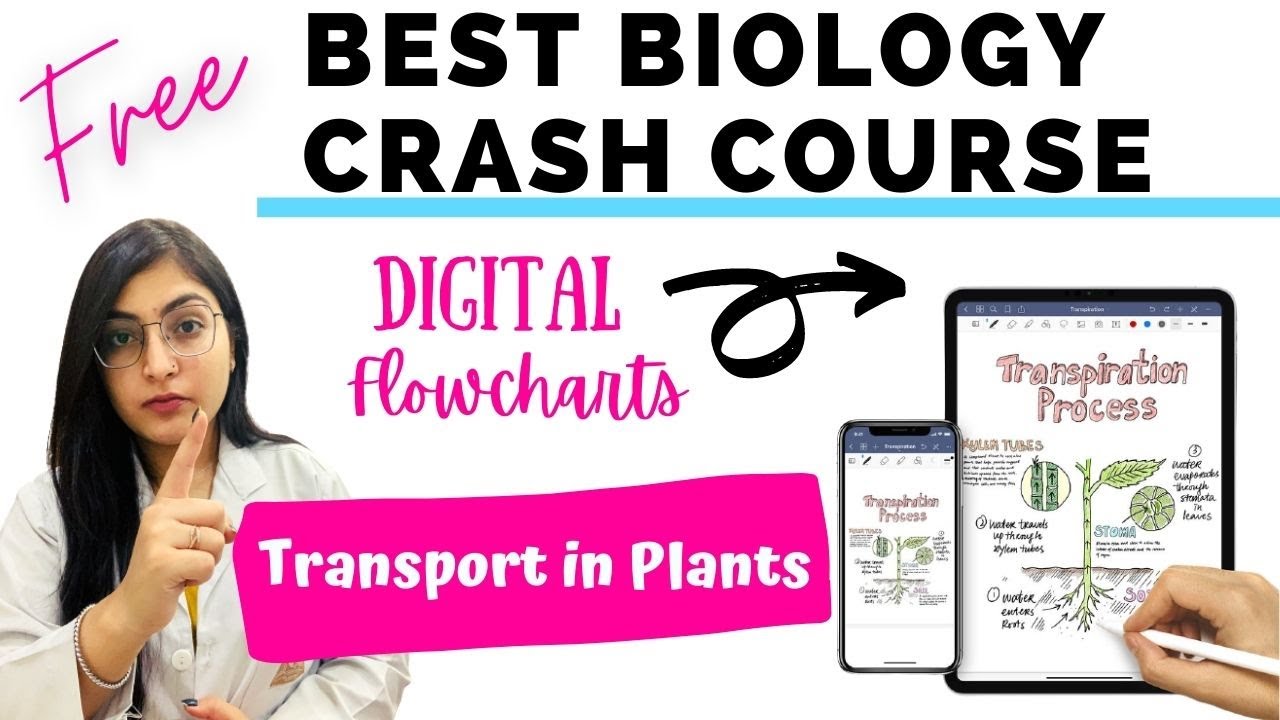
Xylem Transport in Plants: Endodermis to Xylem | CBSE Class 11 Biology
Added:Basic anatomy of a plant root, including the epidermis, cortex, endodermis, Casparian strip, and vascular bundle (xylem and phloem).
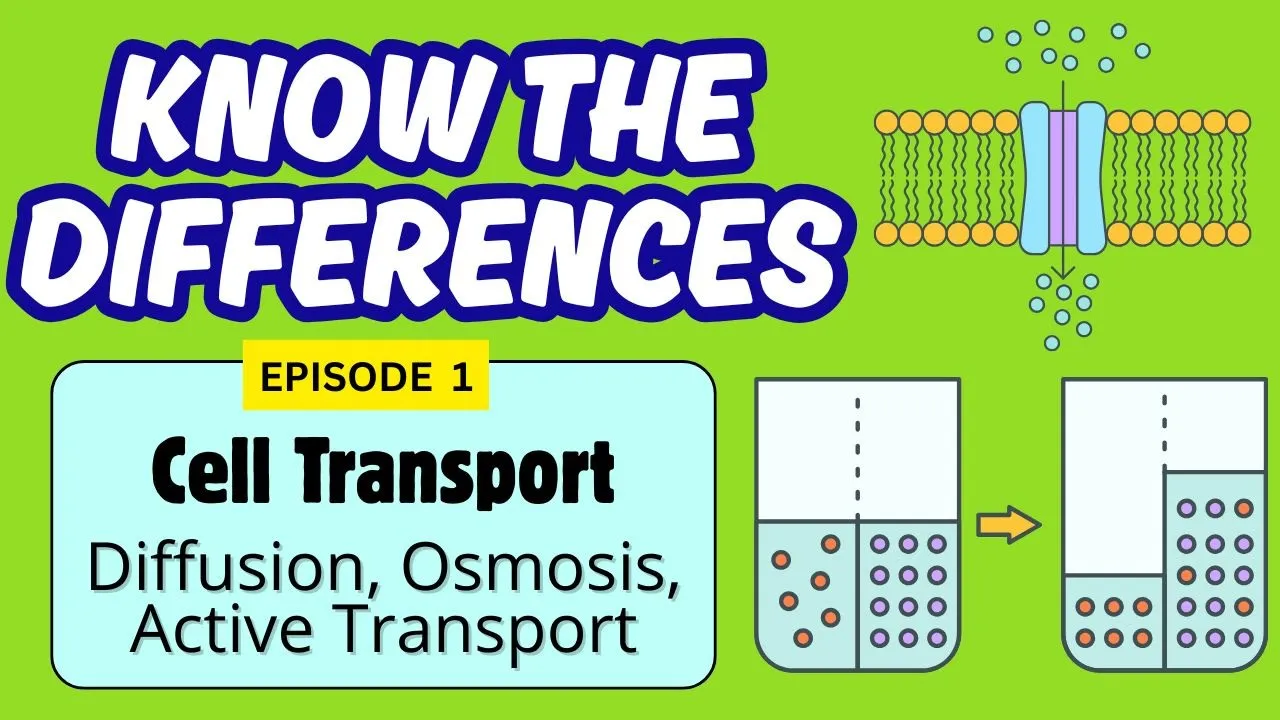
The distinction between passive transport (osmosis, diffusion) and active transport (requiring ATP against a concentration gradient).
The apoplastic and symplastic pathways of water and solute movement through plant tissues.
The concept of water potential and solute potential, and how they govern the direction of water movement.
The Cohesion-Tension Theory and Transpiration Pull, which explain how water ascends to the tops of tall trees beyond the limits of root pressure.
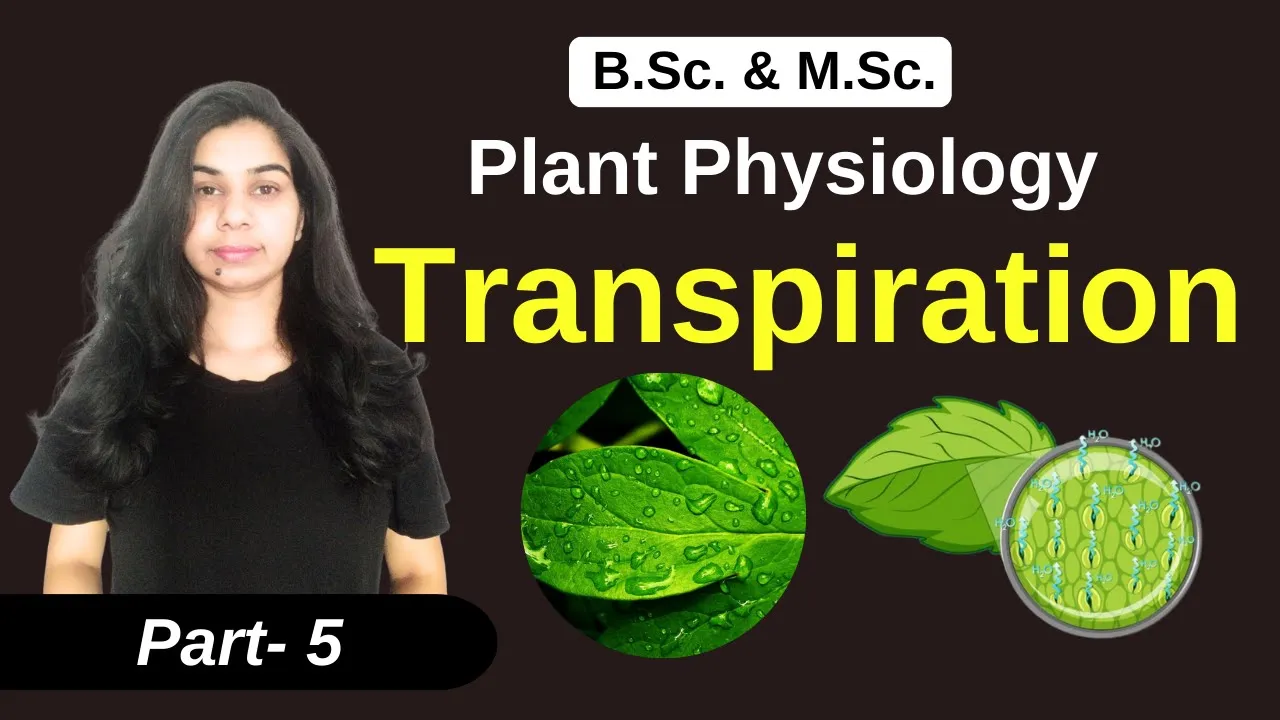
The mechanism of transpiration and how stomatal opening and closing regulate water loss and transport rate.
Physiological phenomena driven by root pressure, such as guttation (exudation of liquid droplets) and bleeding in plants.
A comparison with phloem translocation, specifically the pressure-flow (mass-flow) hypothesis for transporting organic solutes.
47.6K views284likes6:29Original Release: 2015-01-16
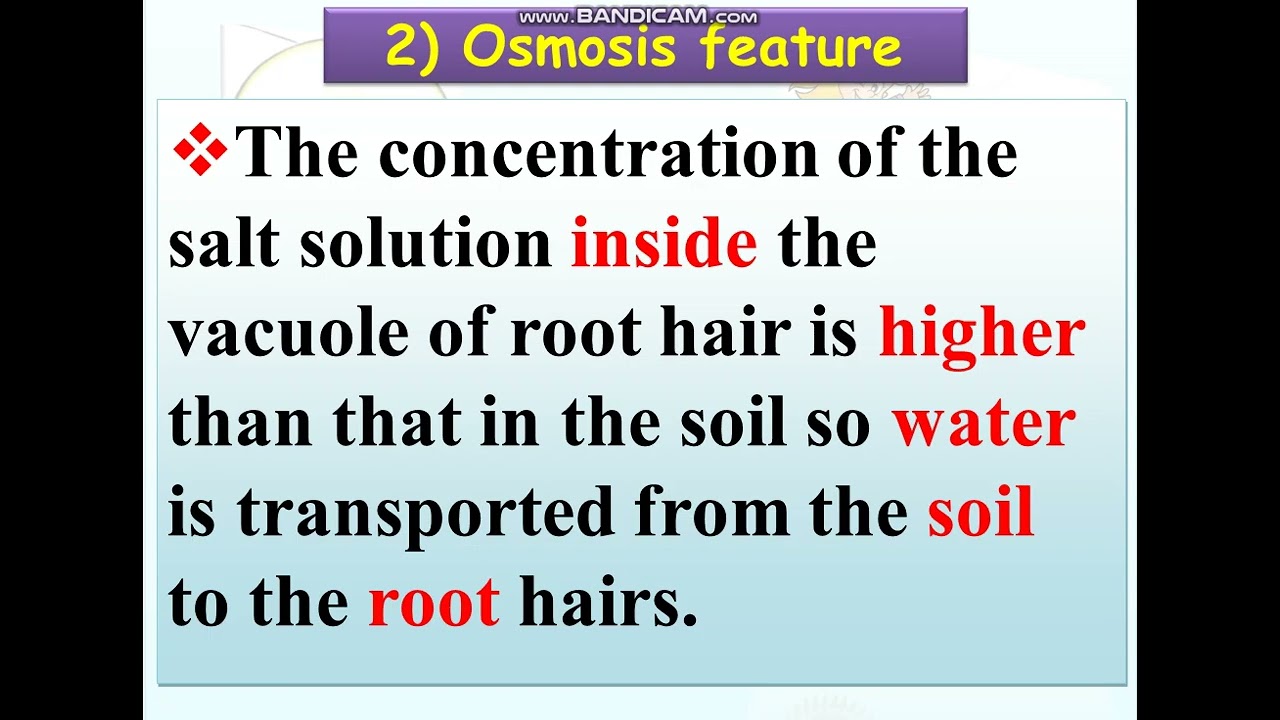
Hello friends this video on transport in Plants part 14 is brought to you by exam.com no more fear from exam so transport of water from endodermis into xylm so now let us see how is water transported from endodermis to xylm now here active transport of sodium ions by carrier proteins take place into zym now let us try to understand it in a very simple way let us suppose this is your endodermis and this is xym so now the question is how water will enter from endodermis to xylm now what happens is that in the endodermis there are many ions for example the sodium ions are present in the endodermis so these sodium ions are carried from endodermis into xylm by active transport so this sodium ions are carried by active transport what does that mean that means here the concentration of sodium ions is less the concentration of sodium ion is more here but still by applying some energy they are being transported from endodermis to xylm so that xylm has more and more of sodium ions now as these ions enter into xym what happens solute potential will become more negative correct because the solute concentration will increase so the solute potential will become more negative as a result the water potential will decrease so here the water potential will decrease so therefore when you talk about the movement of water or when you talk about diffusion or osmosis so water will start moving from endodermis to xylm so the water movement of from endodermis to xylm is totally governed by this active transport of ions by the carrier proteins into xylm so here you can see first the water is absorbed from the soil by the root hair from root hair it can follow either the simp plastic pathway or the apoplastic pathway in simp plastic pathway it moves through the cytoplasm of cells and it reaches the xym finally like this whereas an apoplastic it passes through the cell walls and reaches the endodermis and from the endodermis so these structures are xylm so here you see these structures are xylm so from there it enters into xylm so water potential decreases in xylm now as We Know by the concept of Osmosis that water moves from area of high water potential towards low water potential therefore water moves by passive transport down the potential gradient now water moves by passive transport because they are moving along the concentration gradient so they do not need any external energy so water moves by passive transport but the ions that is the sodium ions were transported by active transport so this is how water will reach the xylm now once the water has reached the xylm now the challenge is how xylm will take this water up against the gravitational force so one small help will be done by the water potential because we saw that the water potential decreases as we go up the tree but that is not strong enough to govern uh the movement upward movement in big plants so there has to be some mechanisms which will enable water to move up so now we have understood how water is absorbed by root hairs from root hairs it will get into the deeper layers of roots from there it will get into the xylm of root but from xylm of root it has to move to xylm of stem and xylm of leaves so that has to be governed by some mechanism which will help water to move upward so let us look at those mechanisms which will help water move up the plant from The Roots so there are two mechanisms which together make this possible so what are they first is root pressure and the second is transpiration pull so these two together help water move in the upward Direction against the gravitational pull so now we will talk about root pressure and transpiration pool in detail one by one so let us start our discussion with root pressure so what is root pressure now it is a positive pressure that is developed in Roots due to water being transported into them now as I said when the root hairs absorb water what happens from the soil so water moves from the soil inside the roots now it is that same phenomenon where more and what more water enters inside a cell and the cell starts swelling up that is one scenario so when more and more water start centering inside the root the water will develop a pressure inside the root and that pressure is known as root pressure so it is a positive pressure and it is responsible for pushing water up to Small Heights now when more and more water inside enter inside the roots they will exert a pressure and because of that pressure water will tend to move upwards and this is how water will move again when when the water will move to this region too much of water has entered here so pressure will be created because of that water will be forced to move up again wherever it moves more water comes in so pressure is created and that is how water keeps on moving upwards and that is how root pressure enables water to move up but this root pressure is able to control the movement only up to smaller Heights and not to to a very bigger Heights so that is why we have another concept of transpiration pull so that contributes mostly for upward movement of water root pressure just contributes a little bit towards upward movement of water it is just that it it adds up with transpiration pull to enable water to move upwards thank you please visit www. exam.com to watch more videos attempt free online test get free study material find tutors and mentors thank you once again
Up Next

2:38
How Metal-Hoarding Plants Extract Nickel from Soil
@MinuteEarth
1.1M views•2020-12-21

39:12
Taste Matters: Why We Like the Food We Do | Professor John Prescott
@smagforlivet-video
409 views•2015-12-07

5:35
Enteric Nervous System Explained: The Gut's Brain | Neurobiology Lecture
@alumniu6029
438 views•2018-09-12
7:08
Bacteriophages: Earth's Deadliest Killers and Future Antibiotics
@kurzgesagt
34.6M views•2018-05-13
Related Study Plans & Knowledge Roadmaps
Structured learning paths in Biology
biology
Analyzing Animal Venoms: Genetics & Pharma
01Molecular Biology & Physiology Foundations
02Venom Evolution & Toxin Gene Recruitment
03Neurotoxins & Ion Channel Pharmacology
+ 2 more learning modules
18h5 modules
Explore Roadmap
biology
RNAi: Biogenesis, RISC & Gene Silencing
01Molecular Biology Foundations: DNA to Protein
02Introduction to RNA Interference (RNAi)
03Molecular Biogenesis of miRNA and siRNA
+ 2 more learning modules
10h5 modules
Explore Roadmap
biology
Mycorrhizae: Signaling, Biophysics & Ecology
01Foundations of Mycorrhizal Symbiosis
02Molecular Signaling and Root Colonization
03Biophysics and Bioenergetics of Nutrient Exchange
+ 1 more learning modules
11h4 modules
Explore Roadmap
biology
Circadian Clocks: TTFL, SCN & Periphery
01Foundations of Molecular Biology & Gene Expression
02Introduction to Chronobiology and Actograms
03The Core TTFL: Molecular Architecture of the Clock
+ 3 more learning modules
14h6 modules
Explore Roadmap