Navy sonar operations can cause significant harm to whales and dolphins, including extreme avoidance behaviors, strandings, and internal injuries; these effects occur because the intense, loud sounds create painful and stressful conditions that drive marine mammals toward shore, disrupting their normal diving and foraging patterns.
Understanding Navy Sonar's Impact on Marine Mammals
Added:Deep Dive
The physics of underwater acoustics, including how sound propagates, attenuates, and travels faster in water than in air.
Physics of Underwater Sound: Sound Propagation & Acoustic Telemetry
13.6K
This section establishes the core physics governing underwater sound. Sound in water results from molecular collisions creating alternating dense and rarefied regions, propagating signals with minimal energy loss. The speed of sound depends on material properties—approximately 330 m/s in air versus five times faster in water. Absorption follows frequency-dependent patterns, with 20 dB/km typical in water. Refraction occurs when sound encounters layers with different sound speeds, such as temperature inversions near the ocean surface that bend sound rays back toward listeners. The deep ocean exhibits a characteristic sound channel where warm surface water slows sound while increasing pressure raises sound speed, creating a lens-shaped profile that traps low-frequency sounds for hundreds or thousands of kilometers. These fundamental principles enable understanding of how sound propagates, refracts, and attenuates in marine environments.
Click to watch →
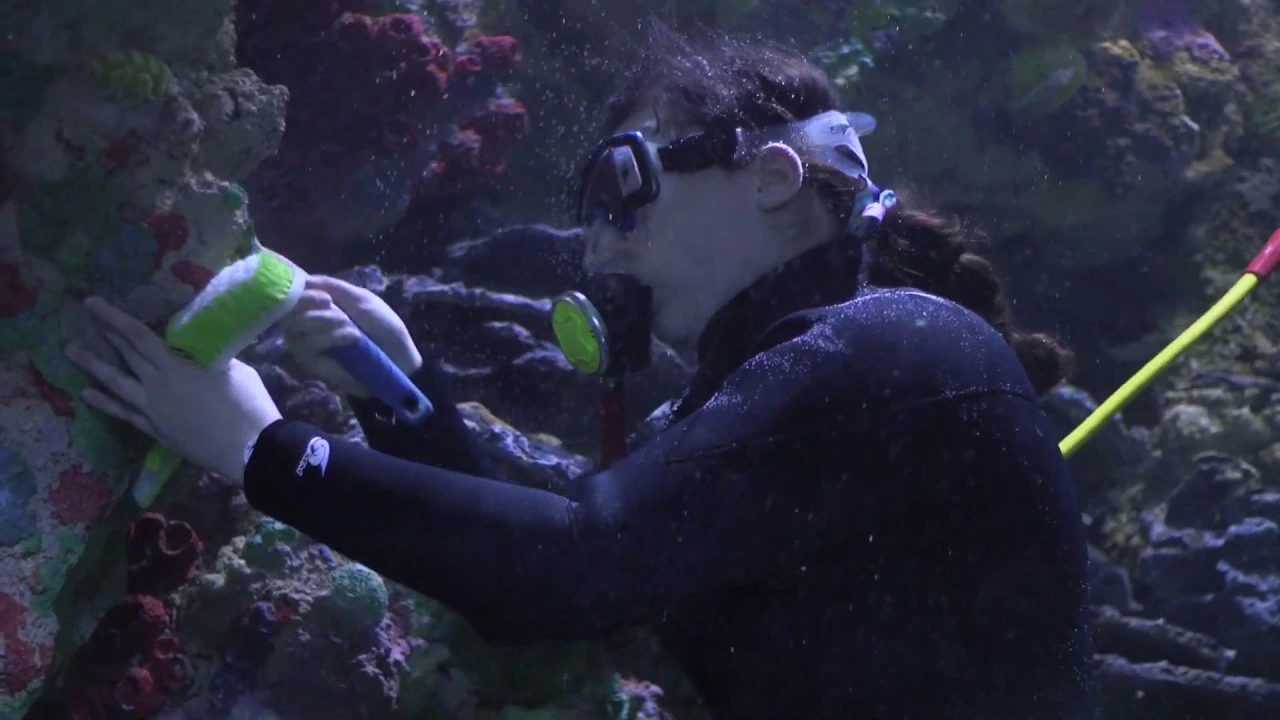
How Sound Travels Underwater | Physics & Marine Life
45.5K
Sound travels at different speeds through different states of matter due to molecular density differences. In air, sound moves at 343 m/s; in water at 1481 m/s (over four times faster); and in diamond at 12,000 m/s. Water's higher density allows faster sound transmission. Underwater sounds are louder but lack directional clarity because sound reaches both ears simultaneously, eliminating the time difference used for localization in air. The water-air boundary reflects sound waves, making underwater sounds harder to hear above water. Sound speed in oceans depends on pressure and temperature—shallow waters have faster sound speeds than deep oceans where pressure increases and temperature decreases.
Click to watch →

Колебания, волны, устойчивость, Коновалов В. П. 25.03.2021г.
245
Sound propagates much faster in water (approximately 1500 m/s) than in air (approximately 330 m/s) due to water's higher density and incompressibility. Additionally, sound attenuation in water is much lower than in air, allowing sound to travel much farther distances underwater. This is why aquatic organisms have evolved sophisticated hearing systems and why underwater communication is more efficient than in air.
Click to watch →

Underwater Acoustics
28K
Sound travels through water as longitudinal waves with oscillating water molecules exchanging energy. Unlike radio or light, sound propagates effectively over kilometers underwater. Sound is analyzed using ray paths connecting sources to receivers. Refraction occurs when sound crosses boundaries between regions of different sound speeds, always bending toward lower sound speed values. A sound channel forms where sound speed reaches minimum depth, trapping sound in horizontal propagation. Understanding these principles is essential for predicting how sound will travel between any underwater source and receiver.
Click to watch →
The Future of Oceans lecture series - Did You Hear That? The Physics of Sound
162
Sound travels much faster underwater (1,500 m/s) than in air (343 m/s). This dramatic difference affects how we perceive underwater sounds. When scuba divers enter water, sounds seem to come from inside their heads because the faster sound speed causes sounds to arrive at both ears almost simultaneously regardless of actual direction. This is why underwater communication requires visual cues or specialized equipment—sounds don't provide directional information as they do in air.
Click to watch →
Deep Dive
The biological mechanism of echolocation (biosonar) used by cetaceans (whales and dolphins) for navigation, foraging, and social communication.

Echolocation in Cetaceans | How Whales & Dolphins Use Sound to Navigate & Hunt ?
125
Echolocation is a biological sonar system used by toothed whales (odontocetes) such as dolphins, porpoises, and sperm whales to navigate and hunt in the ocean. The process involves emitting short, sharp clicks that travel through water, bounce off objects like fish or rocks, and return as echoes that the brain processes to determine the object's shape, size, distance, speed, and movement. This system allows whales to see in complete darkness and murky waters where visual cues are unavailable. The sounds are produced using specialized structures like the melon (a fatty organ in the forehead) and nasal passages, with clicks lasting less than 1 millisecond and used for echolocation, while whistles serve communication purposes.
Click to watch →

Morgan Martin | Whale and Dolphin Behavior, Communication and Echolocation
666
Cetaceans (whales, dolphins, and porpoises) use echolocation, a biological sonar system, to navigate and hunt underwater by producing clicks that bounce off objects and return echoes to their jawbones, allowing them to detect prey and obstacles in the dark ocean environment where vision is limited; they also communicate through whistles (some species have unique signature whistles for individual identification) and burst pulses (rapid sequences of clicks), with sound traveling approximately 4.5 times faster underwater than in air, making it the primary sensory modality for these marine mammals.
Click to watch →

Morgan J. Martin | Whale and Dolphin Behavior, Communication and Echolocation
534
Cetaceans (whales, dolphins, and porpoises) are highly social marine mammals that rely on sound for survival since sunlight cannot penetrate deep ocean waters; tooth whales use echolocation by emitting high-frequency clicks (often ultrasonic, above human hearing range) that bounce off objects to navigate and hunt prey, while they also communicate using distinct whistles and burst pulses of sound.
Click to watch →

Echolocation BBOC407 Biology for CSE, VTU, Sonar and Navigation Systems
1K
Echolocation is a sophisticated biological navigation system used by bats and dolphins. Bats emit high-frequency sound waves through their mouth or nose, which travel through air and reflect off objects, returning as echoes detected by highly sensitive ears. Dolphins produce click sounds using specialized phonic lips, direct these sounds through the melon (an organ in the forehead acting as an acoustic lens), and receive echoes via the lower jaw and middle ear. Both species analyze time delay and frequency changes in echoes to determine object location, size, shape, and texture. Bats operate in air with frequencies of 20-200 kHz, while dolphins operate in water with frequencies of 40-150 kHz. Both have specialized anatomical adaptations: bats have large complex ears for detecting minute differences in echo timing and frequency, while dolphins have a melon for focusing sound waves and a conduction system in the lower jaw for receiving echoes.
Click to watch →

สัตว์โบราณและสัตว์สมัยใหม่ 7 ชนิดที่ไม่เกี่ยวข้องกันเลยแต่ดูคล้ายกันมาก
155.1K
Echolocation is a biological sonar system used by bats and whales to navigate and hunt in darkness. Animals emit high-frequency sounds (ultrasound) that bounce off objects and return as echoes. Bats use their mouths or noses to produce sounds and listen for returning echoes, with some species capable of detecting objects as small as 0.5mm apart. Whales generate sounds by forcing air through nasal passages, creating vibrations in a specialized fatty organ called the melon, which focuses and directs the sound waves. Whales receive echoes through their lower jaws and around their ears.
Click to watch →
Deep Dive
The fundamental difference between active and passive sonar systems, particularly the high-intensity frequencies used in military operations.
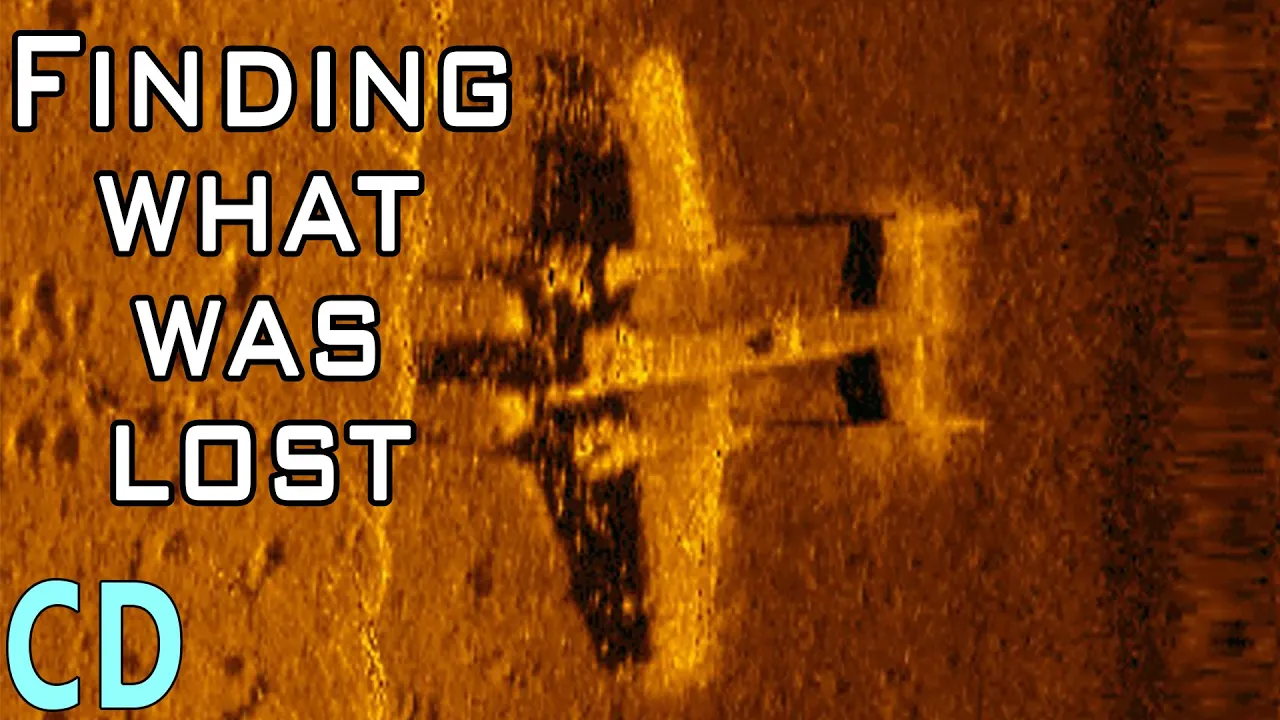
How Sonar is revealing the secrets of the sea, lakes and rivers.
112.3K
There are two main types of sonar systems: Active and Passive. Active sonar sends out a signal and listens for the return echo, making it useful for surface ships trying to find submarines. However, active sonar acts as a massive beacon that can be detected hundreds or thousands of kilometers away, making it unsuitable for submarines trying to remain undetectable. Passive sonar simply listens without emitting signals, making it the preferred method for submarines to detect other vessels, submarines, and approaching torpedoes.
Click to watch →
The New Stealth Submarines Explained (Quick Guide)
147.8K
Sonar operates in two fundamental modes: active and passive. Active sonar involves a transmitter sending sound waves into the ocean, which bounce off objects (such as submarines) and return as echoes that are detected by receivers. Passive sonar, in contrast, involves only listening to sounds emitted by targets without transmitting any signals. During World War II, passive sonar became particularly important during the Battle of the Atlantic, where submarines relied on detecting enemy vessels through their own noise signatures rather than emitting detectable signals.
Click to watch →

SOSUS: The Secret Weapon That Bankrupted the Soviet Union
110.3K
Active sonar emits sound pulses and listens for echoes, while passive sonar only listens for sounds made by targets. In the 1978 incident, the Americans used active sonar (described as a loud metallic thrum that felt like a physical blow) after tracking the Soviet submarine for three days using passive methods. This demonstrated that even silent submarines could be located and targeted if their acoustic signatures were detected.
Click to watch →
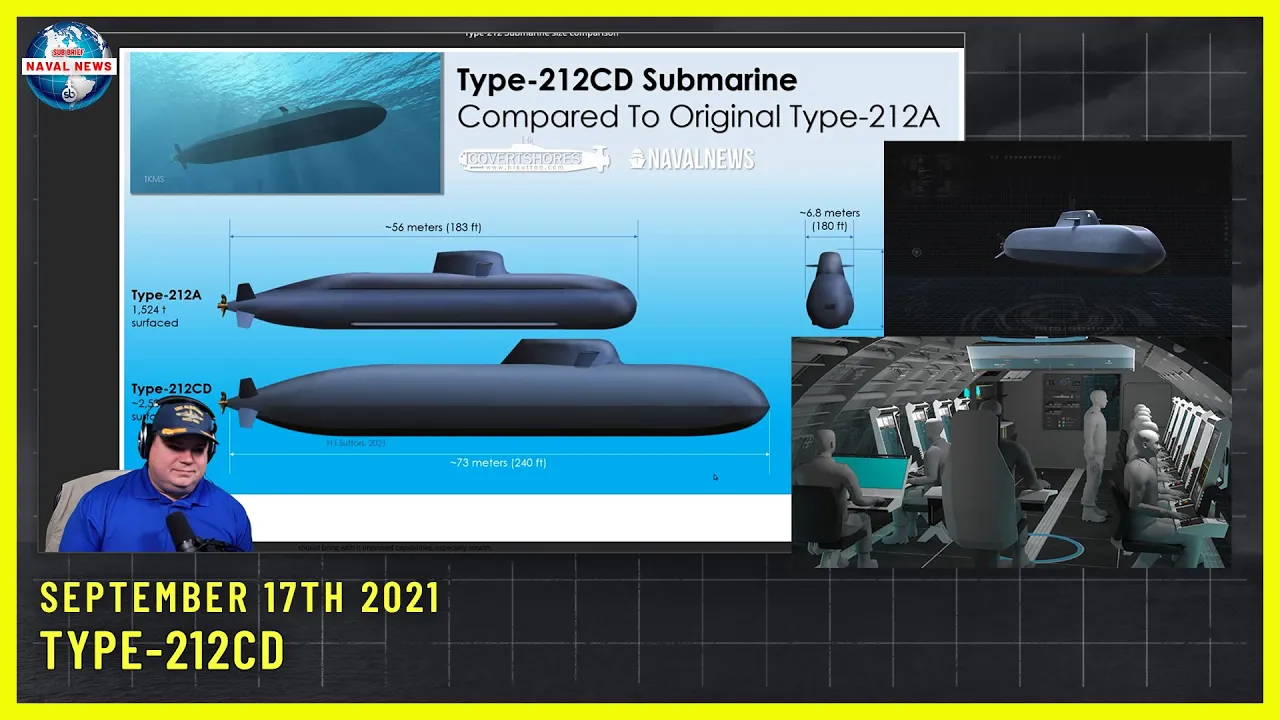
New German and Norwegian Type-212CD
147.8K
Sonar warfare operates in two basic modes: active and passive. Active sonar involves broadcasting noise and listening for echoes that bounce off submarines, while passive sonar simply listens for sounds emitted by other submarines such as pumps, engines, or water flow over surfaces. Historically, passive sonar has been dominant because it doesn't reveal the predator's position. However, as submarines have become quieter, the effectiveness of passive sonar has decreased for detecting the quietest submarines, making active sonar increasingly necessary. Being invisible to active sonar provides a significant tactical advantage, which is why modern submarine design focuses heavily on stealth against active sonar detection.
Click to watch →

FINALLY: Submarine & Anti-Submarine Warfare In DCS (Naval Battle 95) | DCS
122K
Sonar detection operates on fundamentally different principles depending on whether it is passive or active mode. Passive sonar listens for sounds generated by targets without emitting any signal, making it stealthier but requiring targets to be within specific range thresholds based on their speed—the faster a target moves, the easier it is to detect. Active sonar emits pings that bounce off objects regardless of their movement, providing immediate detection within a shorter 5-nautical-mile range with 100% certainty. Passive sonar requires the helicopter to hover below 50 feet in a stationary position for several seconds to take measurements, while active sonar provides instant fixes but reveals the submarine's position immediately, allowing it to take evasive action.
Click to watch →
Deep Dive
Basic marine ecology concepts, specifically the sensitivity of marine mammals to anthropogenic (human-made) disturbances in their habitats.
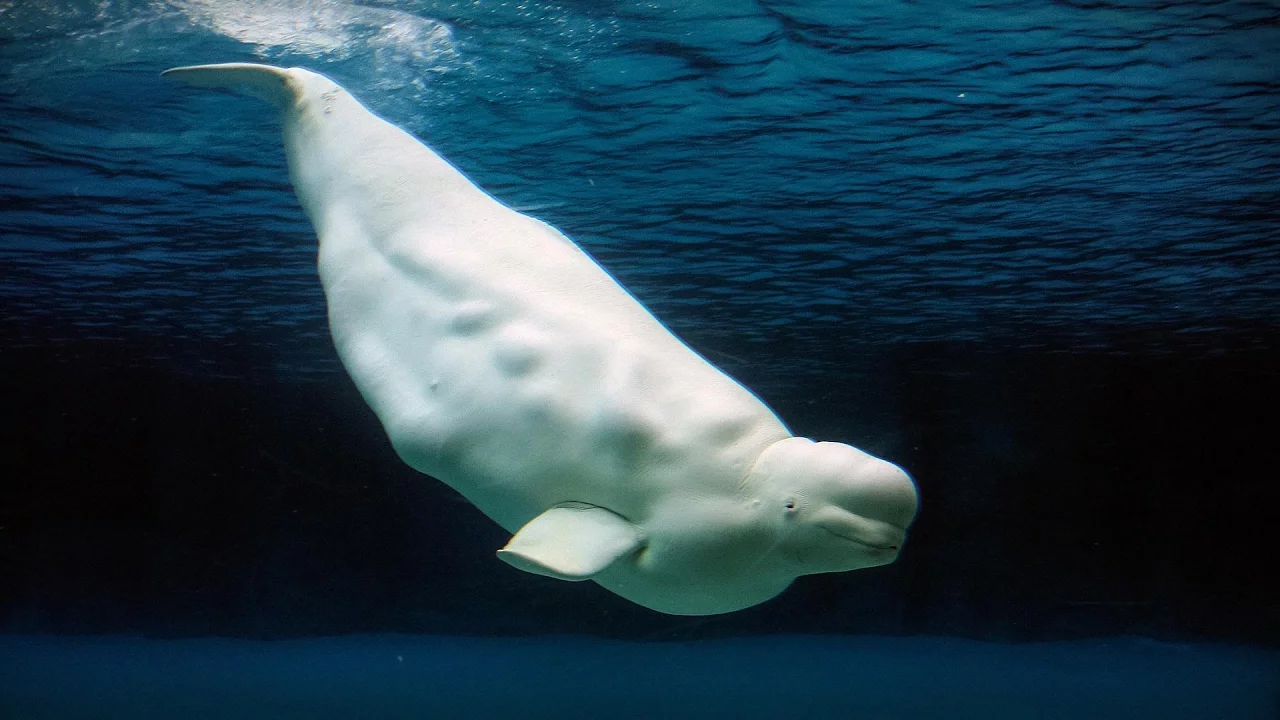
How human noise affects ocean habitats | Kate Stafford
90.5K
Arctic marine mammals have evolved to rely on natural sounds from other animals and sea ice, which are vital to their survival. The new sounds introduced by human activities are loud and alien compared to the sounds they have evolved with. This represents a degradation of their acoustic habitat, similar to moving animals from a quiet countryside into a busy city during rush hour. Unlike physical habitat changes, acoustic habitat changes cannot be escaped by marine mammals, creating a unique conservation challenge.
Click to watch →

The Year of the Sea Lecture Series: The Acoustic World of Marine Mammals
584
Marine mammals exhibit consistent behavioral changes near noise sources: decreased distance between group members, increased swimming speed, changes in direction away from noise, and reduced foraging probability. Marine mammals typically hear approaching vessels long before humans see them, meaning behavioral changes often occur before observation. Masking occurs when increased background noise prevents detection of crucial sounds including mating calls, offspring calls, prey sounds, and predator warnings. Anthropogenic noise dramatically reduces communication ranges—North Atlantic right whales have experienced 65% reduction in communication space, while other species show up to 87% reduction. Industrial whaling killed nearly 2.9 million whales over 100 years, with sperm whales potentially reduced to one-third of initial population size and blue whales depleted by up to 90%. Combined with reduced communication space from noise, these factors threaten population recovery for endangered species like North Atlantic right whales (down to approximately 430 individuals, with only about 100 breeding females).
Click to watch →

🦭De la TIERRA al MAR: TODOS los mamíferos marinos 🐋
12.8K
Marine mammals are relict megafauna that escaped Pleistocene extinctions but have been severely affected by human activity in the last 500 years. The first human-induced extinction was the giant sirenian Hydrodamalis gigas. Marine mammals share characteristics that made Pleistocene megafauna vulnerable: low birth rates, large offspring, long reproductive intervals, and high maternal investment. Most critically, they occupy the top of the food chain, accumulating contaminants in their bodies. This risk is amplified by their long lifespans. The survival of marine mammals depends on society and governments taking action to prevent both killing and ocean pollution, as current threats from pollution will increase as human population and economies grow.
Click to watch →
Sentinels of the Sea | Episode 2: Wildlife Disturbance and Behavior Change
305
Marine mammal disturbance, which affects approximately 30% of rescued animals at the Marine Mammal Center, occurs when humans or dogs approach sick or injured marine mammals too closely, causing significant stress that diverts energy from healing, separates mother-pup pairs, and can worsen existing health conditions; effective solutions involve community education about maintaining safe viewing distances (such as staying 150 feet away), understanding that well-intentioned 'wildlife protector' behaviors often cause more harm than good, and directing concerned citizens to contact expert hotlines rather than attempting direct intervention.
Click to watch →
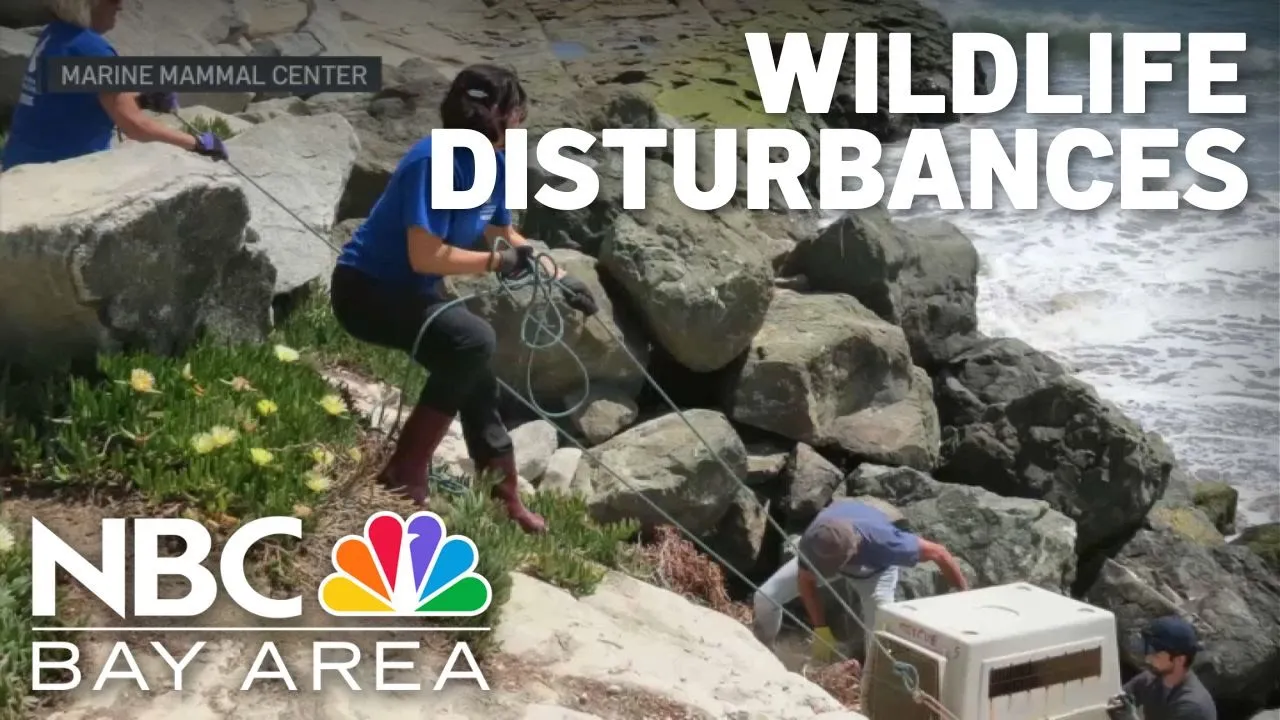
Marine Mammal Center concerned over rising rate of wildlife disturbances
1.1K
Human and dog interactions are a major cause of marine mammal distress, with 25% of rescued marine mammals at the Marine Mammal Center suffering from human or dog disturbances; to protect wildlife, people should maintain a safe distance of at least 150 feet, use camera zoom instead of approaching, keep pets leashed, and call professionals rather than attempting to help or photograph animals.
Click to watch →
Prerequisite Knowledge
- Concept 01The physics of underwater acoustics, including how sound propagates, attenuates, and travels faster in water than in air.
- Concept 02The biological mechanism of echolocation (biosonar) used by cetaceans (whales and dolphins) for navigation, foraging, and social communication.
- Concept 03The fundamental difference between active and passive sonar systems, particularly the high-intensity frequencies used in military operations.
- Concept 04Basic marine ecology concepts, specifically the sensitivity of marine mammals to anthropogenic (human-made) disturbances in their habitats.
Subsequent Learning
- Step 01Environmental law frameworks and regulatory acts, such as the Marine Mammal Protection Act (MMPA) and the National Environmental Policy Act (NEPA).
- Step 02The physiological pathology of acoustic trauma in marine mammals, including decompression sickness-like symptoms and auditory tissue damage.
- Step 03Technological and operational mitigation strategies, such as geographical exclusion zones, seasonal sonar bans, and passive acoustic monitoring (PAM).
- Step 04The broader scope of global ocean noise pollution, including the cumulative impacts of commercial shipping, seismic airgun testing, and offshore construction.
Whale Avoidance
Safe Practice
Whale Avoidance
0:05Playing Section
- 1
Killer whales near shore evaded sonar sounds, altering their behavior.
- 2
Avoidance extended up to fifteen miles from the naval vessel's path.
- 3
Beaked whales stranded due to extreme escape from intense noise.
National Security Imperatives and Navy Mitigation Protocols
An alternative perspective emphasizes the critical role of active sonar in national security, particularly for detecting increasingly quiet foreign submarines. Proponents of this view, including the U.S. Navy, argue that restricting sonar training poses a severe risk to national defense capabilities. Furthermore, they contend that the Navy already implements rigorous environmental mitigation measures, such as using trained marine mammal lookouts, establishing safety exclusion zones, and powering down sonar when animals are detected nearby. This perspective also highlights that scientific uncertainty remains regarding the exact causal mechanisms of sonar-induced strandings, and points out that military sonar represents a minor fraction of overall human-generated ocean noise compared to commercial shipping, which faces far fewer operational restrictions.
Deep Dive
Environmental law frameworks and regulatory acts, such as the Marine Mammal Protection Act (MMPA) and the National Environmental Policy Act (NEPA).
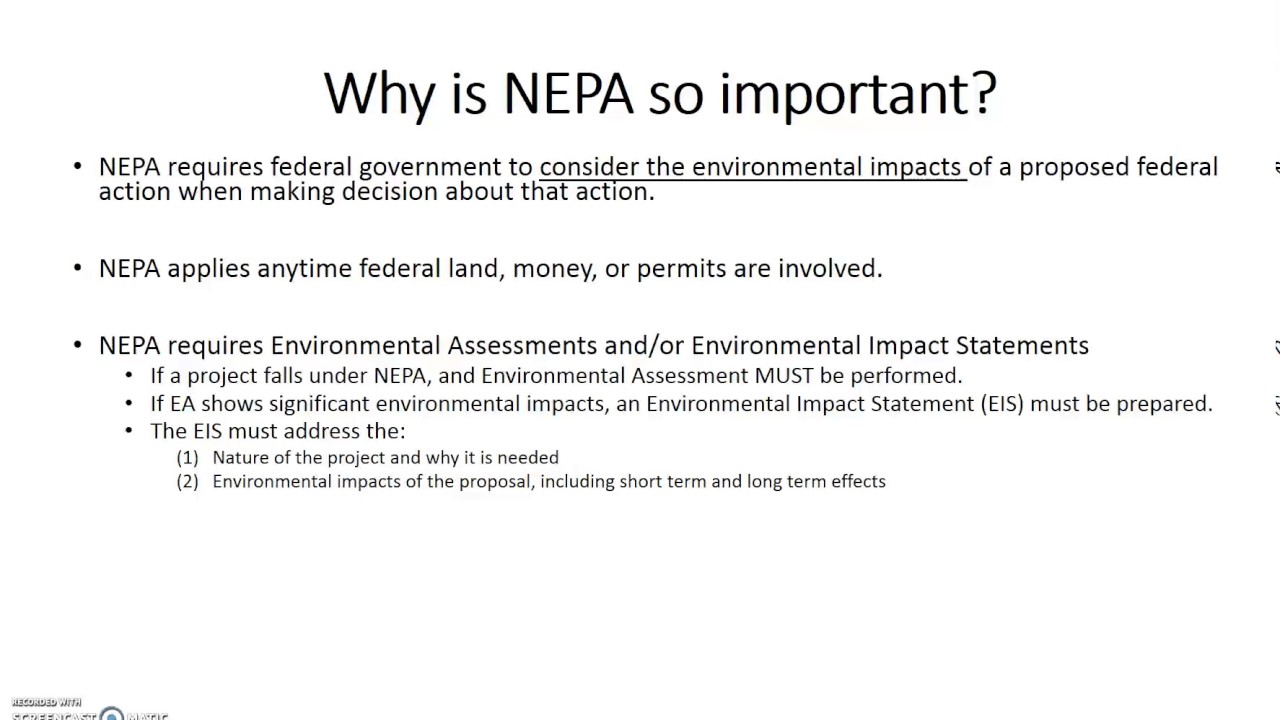
NEPA
414
The National Environmental Policy Act (NEPA), signed by President Nixon on January 1, 1970, is considered the United States' most important environmental law and the first environmental legislation of the 1970s. NEPA requires the federal government to consider environmental impacts of proposed federal actions when making decisions. It applies anytime federal land, money, or permits are involved, covering approximately one-third of U.S. land and most large-scale projects using federal funding. Many states have modeled their own environmental laws on NEPA. The law established the Council on Environmental Quality (CEQ) as the principal environmental policy advisor to the president, overseeing federal agencies' NEPA implementation and reporting annually on environmental conditions.
Click to watch →

What is the National Environmental Policy Act (NEPA)?
10.9K
The National Environmental Policy Act (NEPA), signed by President Nixon on January 1, 1970, is the cornerstone of federal environmental law that gives Americans a powerful voice in shaping government decisions affecting their health, well-being, and environment; it requires federal agencies to notify the public about projects that may impact communities, disclose comprehensive impacts including environmental, economic, social, and cultural factors, and consider reasonable alternatives before making decisions, thereby ensuring informed public participation in democratic decision-making processes.
Click to watch →

Will Trump's Alligator Alcatraz Get SHUT DOWN?
26.5K
NEPA requires federal agencies to prepare an Environmental Impact Statement (EIS) before undertaking any major federal action that significantly affects the human environment. Often described as the 'Magna Carta of America's environmental laws,' NEPA predates other major environmental statutes like the Endangered Species Act and Clean Water Act. It serves as a foundational bedrock law providing safeguards to prevent irretrievable commitment of resources to projects that may cause significant environmental harm.
Click to watch →

NEPA, ESA and Fundamentals of Environmental Law (ELI Summer School, 2021)
1.8K
The National Environmental Policy Act (NEPA), enacted in 1970 as the 'Magna Carta' of environmental law, establishes a national policy requiring federal agencies to evaluate environmental impacts through Environmental Impact Statements (EIS) and Environmental Assessments (EA), while the Endangered Species Act (ESA), enacted in 1973 as the 'pit bull' of environmental law, protects imperiled species and their habitats through a listing process and consultation requirements. Together, these statutes form the foundational framework of U.S. environmental law, with NEPA focusing on procedural requirements for environmental review and ESA providing substantive protections for biodiversity.
Click to watch →

Learning to Love the Orca with Jason Colby (HoH Podcast – Ep, 64)
101
The Marine Mammal Protection Act of 1972 was a landmark piece of environmental legislation that took an ecological approach to marine mammal conservation. In 1970, eight whale species were listed as endangered, and in 1971, Washington State passed legislation regulating marine mammal treatment. The MMPA was extraordinarily forward-looking, influenced similar legislation in Australia and New Zealand, and injected federal oversight into how marine mammals were treated. This legislation represented a sea change in conservation thinking, moving from exploitation to protection, and demonstrates how collective political action can drive environmental change.
Click to watch →
Deep Dive
The physiological pathology of acoustic trauma in marine mammals, including decompression sickness-like symptoms and auditory tissue damage.

ENT 051 a Acoustic Trauma Impluse Noise Hearing loss
5.5K
Acoustic trauma causes cascading mechanical damage throughout the auditory system. Initial impact creates pressure waves that rupture the Reissner's membrane and destroy hair cells in the organ of Corti. Fluid mixing between perilymph and endolymph disrupts normal cochlear function. Severe blasts can extend damage to the tympanic membrane and ossicles, causing conductive hearing loss. The critical distinction from temporary threshold shift is that acoustic trauma involves permanent structural damage without prior warning signs. Understanding this pathophysiology explains why impulse noise at 140+ dB causes irreversible hearing impairment through direct mechanical destruction of auditory structures.
Click to watch →

Mermaids The Body Found
220.8K
This segment details the discovery that Navy sonar was causing catastrophic internal injuries to marine mammals. Researchers found that whales had suffered major internal trauma, with blood visible coming from their ears - something never seen before. The internal organs hadn't collapsed as expected from suffocation; instead, they showed signs of blunt force trauma with circular lesions in every sample. Dr. McCormick developed the theory that very powerful ultra-low frequency sound waves could be weaponized, slamming into living tissue with incredible speed and force. This 'sonic blast' was different from previous sonar that merely scared whales into shallows - it seemed to kill them on impact. The hydrophone recordings captured the sequence: whale vocalizations, sonar priming, a moment of silence, and then the devastating sonic blast.
Click to watch →
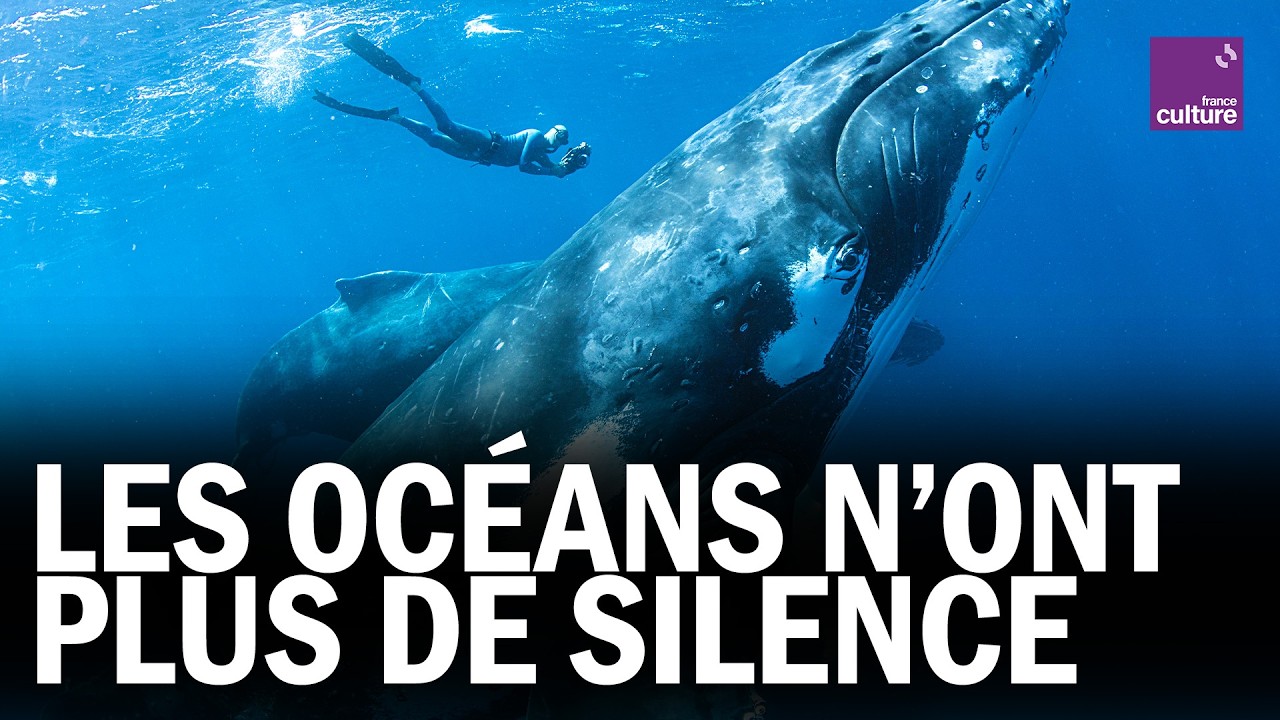
LA vie sous-marine BOULEVERSÉE par les BRUITS HUMAINS
237
Marine mammals can suffer internal injuries from extremely loud underwater sounds, including hemorrhages in the brain and damage to auditory structures. These injuries are often not visible externally, making diagnosis difficult. Autopsies of stranded animals have revealed these internal injuries, confirming that acoustic trauma can cause severe and sometimes fatal damage. Marine mammals have evolved sophisticated diving physiology that allows them to control heart rate, oxygen intake, and ascent rates to avoid decompression sickness. However, when exposed to extremely loud sounds, they experience panic responses that disrupt this carefully regulated physiology.
Click to watch →
The Year of the Sea Lecture Series: The Acoustic World of Marine Mammals
584
Mid-frequency active sonar used by Navy vessels causes symptoms similar to decompression sickness in beaked whales, which are among the deepest diving marine mammals (nearly 2 kilometers). Beaked whales repeatedly strand themselves a few hours to days after naval exercises using this sonar technology, showing consistent internal injuries characteristic of decompression-related trauma.
Click to watch →

【ゆっくり解説】近年、解明された海の謎6選【Part2】
165.4K
Decompression sickness is a disease that affects scuba divers, occurring when nitrogen dissolved in body tissues forms bubbles during rapid ascent. While humans and other marine mammals can develop this condition, some marine mammals like sperm whales can dive to depths of 200 meters or more and perform multiple short dives without developing decompression sickness. In 2012, researchers at Scripps Oceanography Institute discovered that sperm whales prevent decompression sickness by intentionally collapsing their lungs during deep dives. Using instruments to measure oxygen partial pressure, they found that sperm whales' lung oxygen levels drop dramatically at depths around 25 meters. This is an intentional physiological response to prevent nitrogen from dissolving into the bloodstream. The whales store the expelled air in the upper respiratory tract and gradually return it to the lungs during ascent, allowing oxygen to be distributed throughout the body.
Click to watch →
Deep Dive
Technological and operational mitigation strategies, such as geographical exclusion zones, seasonal sonar bans, and passive acoustic monitoring (PAM).
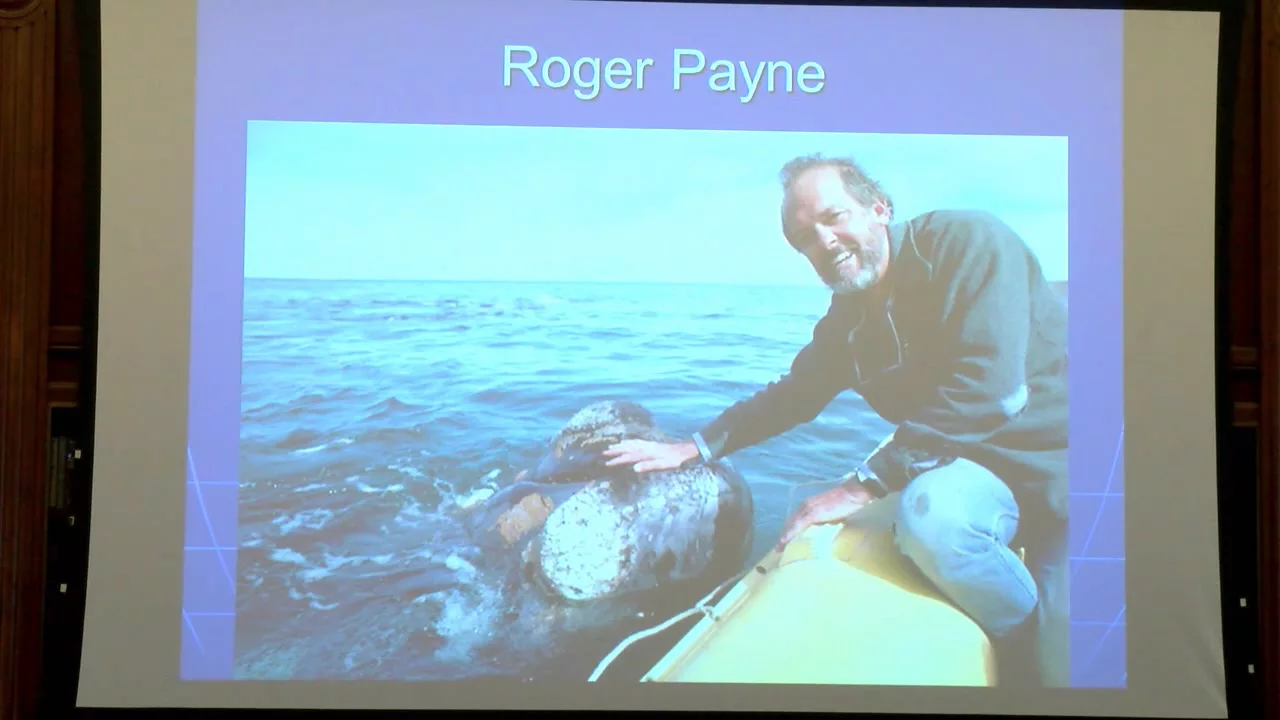
EMC Chair 2015 | Joshua Horwitz: How the Navy can save Marine Mammals from Sonar Sound
262
Resolution strategies include geographic/seasonal exclusions for naval exercises, expanded simulation training to reduce actual sonar deployments, and sharing passive acoustic monitoring technology with commercial shipping to prevent ship strikes. The Navy's satellite telemetry partnerships with oil companies offer pathways to reduce seismic survey noise. Unlike persistent pollutants, sound pollution reverses immediately when sources cease. The Navy's unique technological expertise positions it to lead ocean noise reduction efforts, transforming its environmental reputation while advancing national security objectives through innovation and collaboration.
Click to watch →

PAM and Mitigation Techniques with Ashley Noseworthy
642
Passive Acoustic Monitoring (PAM) is a technique that uses underwater hydrophones to detect marine mammals by listening for their unique acoustic signatures, serving as a critical mitigation tool during industrial activities like seismic surveys; in Canada, PAM is regulated under the Statement of Canadian Practice, which outlines when and how it should be implemented based on factors like species presence, visibility conditions, and project type, with shutdown requirements triggered when Schedule 1 endangered species (such as blue whales, North Atlantic right whales, leatherback and loggerhead turtles) are detected within the 500-meter mitigation zone.
Click to watch →

Marine mammals and sonar
624
US law requires procedures for minimizing the impact of active sonar operations. Mitigation measures include not operating at nighttime, avoiding specific sensitive ocean areas, slow ramp-up of signal intensity to warn whales, air cover to search for mammals, not operating when whales are known to be within certain ranges, civilian observers using fish finders to detect whales, large safety margins for exposure levels, and not operating when dolphins are bow-riding. The maximum sound exposure level recommended by Southall et al. is 215 dB re 1 μPa²s for hearing damage prevention. Maximum sound pressure level for behavioral effects depends on context. Much legal and media conflict centers on determining what type of mitigation is sufficient, as civilian agencies without military or scientific background may implement measures that compromise training effectiveness.
Click to watch →

AES 2013 - Gary Isaksen, ExxonMobil, United States
103
Sound mitigation measures include time and space restrictions during feeding/breeding/migration periods, soft start technology for gradual sound introduction, marine fauna observers during daylight hours, and passive acoustic monitoring during nighttime operations. Since 2006, a joint industry program has funded approximately $6 million annually to universities worldwide for Arctic research. This industry-government partnership model addresses marine mammal protection, sound impact assessment, and environmental monitoring, with results publicly available through sonomarinlife.org.
Click to watch →
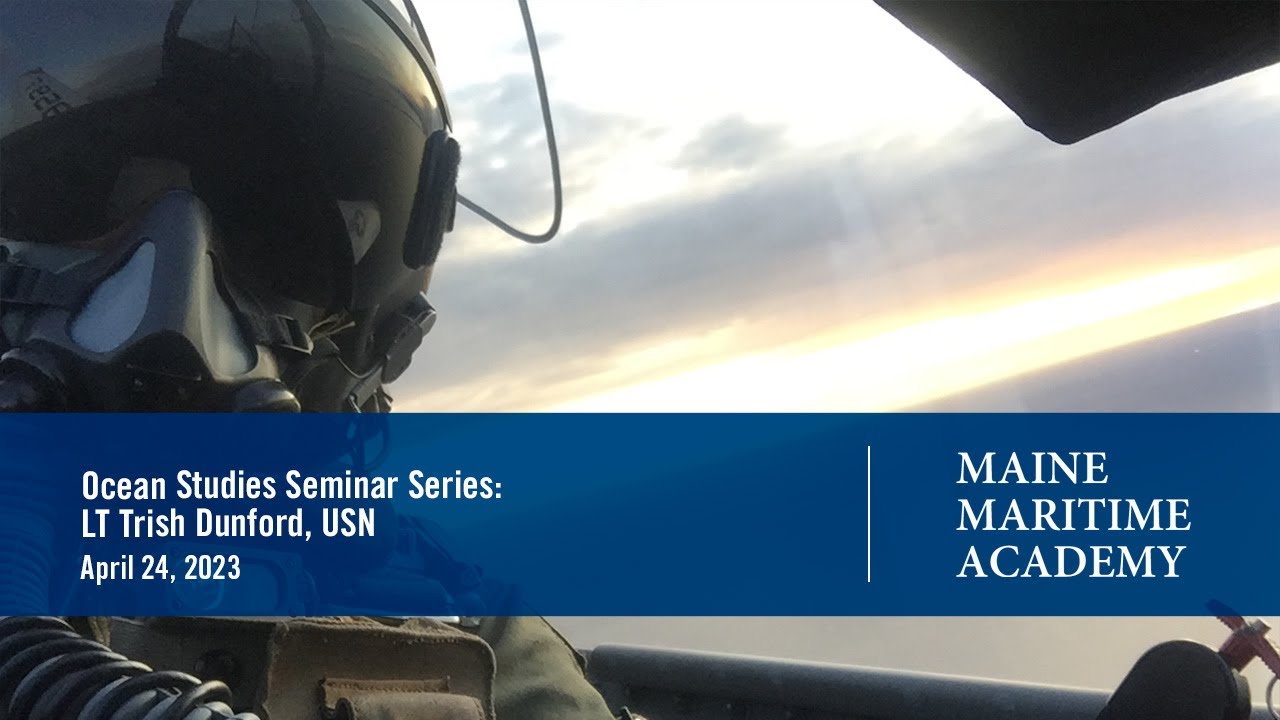
Ocean Studies Seminar - LT Trish Dunford, USN
173
Before deploying active sonar buoys, naval aircraft conduct mammal mitigation procedures to protect marine mammals. Operators drop passive sonobuoys (designated as 53 Foxtrot) in the target area and monitor for 15-30 minutes for any mammal traffic. If mammal activity is detected, the timer restarts and monitoring continues until the area is cleared of marine mammals. This protocol ensures that sonar operations do not harm marine life while still allowing effective submarine detection when no mammals are present.
Click to watch →
Deep Dive
The broader scope of global ocean noise pollution, including the cumulative impacts of commercial shipping, seismic airgun testing, and offshore construction.

Brandon Southall Keynote - Measuring and Assessing Noise Impacts on Marine Mammals
100
The field is moving from assessing acute effects of individual activities to understanding chronic or interactive effects on much larger time and space scales. Commercial shipping noise is the predominant form of sound energy in the ocean—lower level but distributed over much wider areas. Research funded by BP modeled cumulative exposures in Cook Inlet, Alaska, where multiple activities occur simultaneously, creating composite sound maps accounting for multiple kinds of exposures. This represents a significant advancement in understanding that noise impacts may accumulate over time and space, affecting populations in ways that single-event assessments cannot capture.
Click to watch →

Bilim insanları 11.000 metre bir mikrofon indirdi — kimse bunu beklemiyordu
102
The environmental acoustic baseline of the Pacific Ocean has been elevated to unprecedented levels by 150 years of industrial maritime traffic. This represents a cumulative effect from multiple sources: shipping traffic, naval exercises, seismic exploration operations, and industrial coastal noise. Each source individually is manageable, but collectively they create a rising acoustic background that has fundamentally altered the ocean's acoustic environment. This represents a new geological-scale phenomenon in ocean acoustics.
Click to watch →

The OCEAN Is Hiding a Sound Channel That Travels 15,000 Miles — Feynman's Warning
1.5K
Modern oceans are filled with noise from commercial shipping (60,000 vessels), seismic surveys, military sonar, and construction. Background noise has increased 10-12 dB over 50 years—a 16-fold increase in acoustic power. This acoustic smog masks whale communication, potentially halving effective communication ranges for some species and impairing their ability to find mates.
Click to watch →

World News | ख़बरें विदेश की | 22 February 2026 | Donald Trump | venezuela news | America #dblive
176.4K
According to experts, there are three primary sources of ocean noise pollution: (1) Commercial shipping vessels, with approximately 200,000 ships worldwide whose engines and propellers create noise that travels hundreds of kilometers underwater; (2) Oil and gas exploration activities that use powerful air guns that can damage marine animals' hearing; (3) Port construction and naval sonar systems that add to the underwater noise pollution.
Click to watch →

Colloque au Sénat "Nous avec les animaux?" (1/2)
215
Marine noise pollution comes from two main sources: continuous ambient noise from commercial shipping (90% of global freight) and impulsive noise from construction, military sonars, and seismic surveys. The global shipping fleet has nearly doubled in the past 20 years, increasing noise pollution significantly.
Click to watch →
Whale Avoidance
Safe Practice
Whale Avoidance
0:05- 1
Killer whales near shore evaded sonar sounds, altering their behavior.
- 2
Avoidance extended up to fifteen miles from the naval vessel's path.
- 3
Beaked whales stranded due to extreme escape from intense noise.
National Security Imperatives and Navy Mitigation Protocols
An alternative perspective emphasizes the critical role of active sonar in national security, particularly for detecting increasingly quiet foreign submarines. Proponents of this view, including the U.S. Navy, argue that restricting sonar training poses a severe risk to national defense capabilities. Furthermore, they contend that the Navy already implements rigorous environmental mitigation measures, such as using trained marine mammal lookouts, establishing safety exclusion zones, and powering down sonar when animals are detected nearby. This perspective also highlights that scientific uncertainty remains regarding the exact causal mechanisms of sonar-induced strandings, and points out that military sonar represents a minor fraction of overall human-generated ocean noise compared to commercial shipping, which faces far fewer operational restrictions.
The physics of underwater acoustics, including how sound propagates, attenuates, and travels faster in water than in air.
The biological mechanism of echolocation (biosonar) used by cetaceans (whales and dolphins) for navigation, foraging, and social communication.
The fundamental difference between active and passive sonar systems, particularly the high-intensity frequencies used in military operations.
Basic marine ecology concepts, specifically the sensitivity of marine mammals to anthropogenic (human-made) disturbances in their habitats.
Environmental law frameworks and regulatory acts, such as the Marine Mammal Protection Act (MMPA) and the National Environmental Policy Act (NEPA).
The physiological pathology of acoustic trauma in marine mammals, including decompression sickness-like symptoms and auditory tissue damage.
Technological and operational mitigation strategies, such as geographical exclusion zones, seasonal sonar bans, and passive acoustic monitoring (PAM).
The broader scope of global ocean noise pollution, including the cumulative impacts of commercial shipping, seismic airgun testing, and offshore construction.
77.3K views342likes2:49@EarthjusticeOrgOriginal Release: 2007-11-19
Well we saw a destroyer on the horizon, coming towards harrow straight, and actually before we even saw it, we heard it. [Navy Sonar] And then we saw the local j-pod Killer whales, crowded up against the shore, and also moving north away from the vessel.
For an extended period of time, these whales stayed near the surface. They didn't go diving and forging as they had been prior to the ship showing up.
They also came very close to shore. They just kept changing direction all the time, as if they were seeking some direction that would be out of this sound field.
We were seeing extreme eversion or avoidance of the sounds, by the porpoises and whales at twelve to fifteen miles from the ship.
I was present in the Bahamas in March 2000, when we had a study population of beaked whales who mysteriously began swimming ashore and scramming on the beach, all within a few hour period. There had been a sonar excercise in the area, and that they maybe ultimately admitted that they were the probable cause of these strandings.
Seems as though it may have been just an extreme avoidance or eversion behavior. That whales are just trying to get away from this incrediby loud scary sound, and painful sound.
They went to the beach and had a lot of problems with their vascular system and hemorrhaging. The navy needs these systems, so what they need to learn is when and where to practice.
You know they have to practice nuclear weapon delivery too, but you don't do it downtown in populated areas with people or wildlife.
So first of all they have to learn when and where, and we can help them do that.
When they actually are going to conduct an exercise that they ramp up gradually, giving whatever animals - they will try to avoid the sound - so give them a chance to get out of the area.
Up Next
2:05
Ocean Noise Pollution: How Military Sonar Affects Whales | Sonic Sea
@NRDCflix
163.4K views•2016-02-19

12:54
Triumph of Orthodoxy Icon: Byzantine Art & History Explained
@BenCallan
2.1K views•2024-08-06

9:49
FastAPI vs Flask vs Django: Choosing the Right Python Web Framework
@TechWithTim
302.5K views•2024-05-26

1:42
Game of Thrones Opening Credits: A Cinematic Analysis
@gameofthrones
46.3M views•2011-04-18
Related Study Plans & Knowledge Roadmaps
Structured learning paths in General & Interdisciplinary Studies
general-studies
Elevator Engineering: History, Physics & Cities
01From Hoists to Safety Brakes: The Dawn of Vertical Lift
02Hydraulic vs. Traction: The Engineering Physics of Elevators
03Modern Speed, Safety, and Algorithms
+ 2 more learning modules
12h5 modules
Explore Roadmap
general-studies
Rubber: Material Science, History & Geopolitics
01Origins of Natural Rubber & Mesoamerican History
02The Chemistry of Natural Rubber & Vulcanization
03The Geopolitics of the Rubber Boom & Colonization
+ 2 more learning modules
12h5 modules
Explore Roadmap
general-studies
Containerization: Evolution, Logistics & Trade
01Ancient Trade & Bulk Cargo: Amphorae to Barrels
02The Industrial Revolution & Cardboard Packaging
03The Containerization Revolution: Malcom McLean
+ 2 more learning modules
12h5 modules
Explore Roadmap
general-studies
Textile Tech: Evolution, Labor & Global Impact
01Pre-Industrial Textiles: Handloom & Cottage Industry
02Mechanization: The Spinning Jenny to the Power Loom
03The Factory System & Global Labor Transformation
+ 2 more learning modules
10h5 modules
Explore Roadmap