














The Salish Sea, a 16,000-17,000 square kilometer inland sea spanning Washington State and British Columbia, exemplifies how geological forces, freshwater inputs, and marine ecosystems create a highly interconnected environment where over 6,000 invertebrate species, 172 bird species, and numerous mammals depend on each other; this ecosystem's health is threatened by human activities including underwater noise pollution, plastic contamination, and habitat destruction, making community awareness, education, and stewardship essential for its preservation.
Dr. Joe Gaydos Explores the Salish Sea Ecosystem
Added:Understanding the basic definition of an estuary and the ecological characteristics of inland seas.
Fundamental concepts of marine food webs, trophic cascades, and the role of keystone species.
Basic knowledge of glacial geology and how glaciation shapes coastal geography and marine basins.
Introductory principles of conservation biology, including biodiversity loss, habitat fragmentation, and anthropogenic impacts.
The 'One Health' model, exploring the intersection of wildlife health, human health, and environmental integrity.
Transboundary environmental policy, specifically how the United States and Canada co-manage the shared waters of the Salish Sea.
In-depth study of the Southern Resident Killer Whales (SRKWs) population dynamics, acoustic pollution, and chinook salmon dependency.
The design and efficacy of Marine Protected Areas (MPAs) and active habitat restoration techniques like kelp forest and eelgrass recovery.
152 views2likes53:25Original Release: 2022-06-08
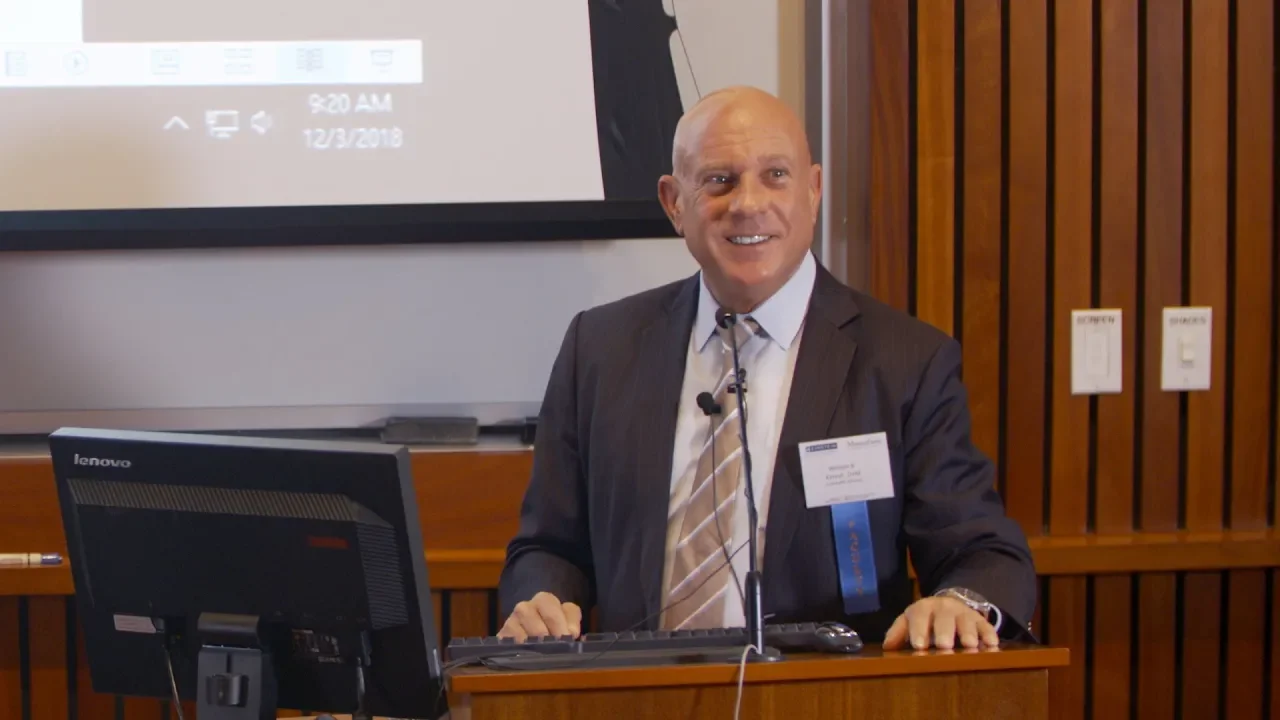
thank you so much mary thank you mary and thank you susan it's a real honor to be here tonight and um i'll give a presentation and then happy to answer questions at the end so i'm going to do a screen share and susan if you could just let me know um give me the thumbs up are you seeing my my main screen here not my speaker notes yes i am wonderful okay great um so tonight we're going to talk about the salish sea but before we dive into this ecosystem this 16 or 17 000 square kilometer inland sea i want to step back a little bit tomorrow is world ocean day i know you probably all have that on your calendar this is where just at the beginning of the un uh decade of the ocean and so i'm going to take a step back to the pacific ocean the largest of the oceans on earth and you can see in the upper corner there you see the sailor sea we're just a very small part of the whole global ocean and when we think of the salish sea and we think about lumi island right here lummy island like the salishes to the pacific is just one really small part of the entire uh 17 000 square kilometer inland sea it's a special place it's a beautiful place it's the center of your lives and what we're talking about tonight but i just want to kind of put you as a part of a small thing that's a bigger thing and part of or even a bigger thing and it just i think it just helps our awareness i'll step back a little bit and take you really far away from long island i'll take you back to the appalachian mountains um i my mom and my dad both were born in the appalachian mountains of west virginia and pennsylvania and um i was born a little white kid there and so it's kind of how did this kid get from uh the east coast of the united states out here and it's it's a long story i won't bore you with the whole thing but but basically after i got out of vet school i married this beautiful woman and we moved to zimbabwe and i worked for the philadelphia zoo when i was over there i worked on lions and i worked on rhinoceros and the plan was to have some kids and let them be feral and never have to buy shoes for them um but sometimes life changes and takes different turns and about 20 years ago we found ourselves here on orcas island as as your neighbor and admittingly at that time i knew so little about the ocean let alone the sailor sea the whole process was a real experience i'm still not certain why they hired me i'm super glad that they did um but you know when i moved in i remember going on a beach walk and telling my wife i saw all these different species of starfish those are all the same species they just come in different colors right and i couldn't have told you that this was a long fin sculpt and i couldn't even scuba dive when i first took this job i wouldn't have told you which one is the coral and encrusting algae and which one is the juvenile dungeness crab it's pretty obvious the orange one is the crab there but i love this place i love the interface between uh rural places you know watching a green lane being eaten by a great blue heron to cityscapes in this interface that the whole area had between the ocean and people and cities and rural areas and and at that time the sailor sea was not even named right it wasn't until 2009 when the name was adopted by washington and british columbia and uh in the united states in canada in honor of the coast salish people that mary just gave us a lovely introduction to um and when we think of the ocean audrey would would be uh mad at me if i didn't tell you things really start with the rocks right they start with the geology i'm a biologist audrey is a geologist the whole story starts with the rocks and so when it comes to this area basically just go to the beach and you'll see on the beach every single different type of rock in color that's going to tell you that the gothic tales of these cataclysmic fires uh deep inside of the earth the breakup of all of these old continents the birth of new oceans erupting volcanoes rivers of glacial ice and you know a new landscape that kind of came into this area and it was really just about the last 1.8 million years these series of events of glaciers growing in and then receding back that really shaped the final touches of this place these kind of ice sculpted you know circ basins the valleys the fjords the topography and when we talk about the salish we and i'm going to get into that a little bit more but we're really talking about the connection from the top of the mountains to the bottom of the ocean and it's the geology that shapes all of that right it's the rocks that are on the shoreline that provide the stability for something like this gooseneck barnacle or it's the rocks at the base of the ocean that provide the habitat for this jeweled top snell and these orange cup corals yes i'm sorry to interrupt you we can't see and you're not in presentation mode it's just a different version of speaker of speaker mode sorry about that well tell me more about that so let me just uh come out of that for a second and so you're not seeing my slides we're seeing your slides but they the next one is to the position to the right so the way we had done it before oh yeah you've seen it in the speaker mode so let's do this um let's just do this and is that getting better for you um i don't see your screen all right let's do this then we'll go from there and i don't mind if you see the the notes but it's better if you don't there we go all right is that better for you this is what live tv used to be like right yeah i think it was live tv that was like this and so anyway i'm glad you're at least seeing the images along the way because they are beautiful and i don't mind that you're seeing the new slides coming up but um and so basically what i want to do is i kind of want to start start you know talk about the geology but now i want to back up from the ocean into into the mountains and into the forest and a lot of times we have this somewhat arbitrary distinction between land and sea but i want to convince you that that interface is not as clear as we think it is and in fact it's the land and the then the rain water and the fresh water that really make this place so special and so all of the water that's coming from the mountains that surround all of us the force is really what provides this place uh the water the fresh water that makes this the estuary and so uh and if you kind of think about that connection salmon are definitely the best example for us to use you know it's the it's the food of the coast salish people where we live in the in the sailor sea is the southernmost latitude that we can still find all five species of native pacific salmon in addition to that we have steelhead which are sea run rainbow trout we have uh sea run cutthroat trout and then we have bull trout that actually come out into the marine water as well and the you know if you think of that and the role that the salmon play these salmon are born in the furthest reaches of these streams they go out sometimes as far as alaska out into the pacific ocean and then come back bringing those marine derived nutrients back into the region and and then feeding 138 different vertebrate species right and so these include things like the you know bald eagles they include things like bears they include species we don't think about like this american dipper american dippers never go to the ocean right they don't have a beach towel they don't have a beach umbrella they make their living in rivers and streams diving under water eating aquatic insects and they're also eating salmon eggs which is a big important part of their diet so they're eating nutrients that have come from in the center of that pacific ocean and brought all the way maybe back up that nook sac river uh close to where you live to feed them another example are marble murlets these are penguin-like birds of the northern hemisphere that can dive underwater using their wings to kind of fly underwater diving to depths of 45 or 50 feet deep but where do they nest they nest in old growth forests and so every morning they're leaving their nests they're going out there catching forage fish and then bringing it back and then you just have to step away to the uh to the satellite view to really see what's going on here and what you're seeing this kind of beautiful turquoise green hue is the freshet uh coming down from the fraser river and it's so profound it's pumping out as the snow is starting to melt now this type of year uh this time of year and pretty soon putting out 2.6 million gallons of water a second into the strait of georgia and and that water remember is more buoyant the fresh water is more buoyant than the sea water and so you can see it to the right here of the bowel this boat and that fresh water can be six to 33 feet deep it comes out it's very very oxygen rich it mixes with the water that's coming from the ocean open ocean that's very nutrient rich but oxygen poor hits the gulf islands it hits the san juan islands that turn acts like a big egg beater mixes it all up add in the sunlight and then you get the phytoplankton and the zooplankton that form the foundation of the ocean uh that lives around us and so you see all different types of plankton and i think you know the mistake i made when i first moved here it's cold it's dark and you don't expect colors you don't expect beautiful things you expect hues of brown but really you know mary will know this as a scuba diver but every color you can imagine that you can find on a tropical coral reef you can find in the salish sea you just occasionally have to bring some light with you to be able to see that and there are all these relationships so we have probably over 6 000 different invertebrates and the beauty of that is that that's kind of a number or species richness but the biodiversity comes from all of the interactions of those species and so you know this is a great one you can kind of dive down and on the tentacles of that anemone you see the black and white sea fleas there similar sort of a thing you're looking at this crimson anemone and you kind of dive down and what do you see is this beautiful uh shrimp this candy stripe shrimp that's just gorgeous candy stripe because it's just so sweet and just like the anemone nemo uh the fish living the clownfish living with the anemone in the disney movie you know there's a symbiotic relationship that's going on here that beautiful candy stripe shrimp is taking care of the crimson anemone it's keeping other shrimp away that would attack the anemone the anemone is protecting the shrimp from being eaten by fish because the anemone has stinging cells and then the the shrimp is benefiting from material that are not completely ingested into the anemone so all of these relationships are happening uh some of them symbiotic some of them predator prey and this is when a lot of people look at this and they think this is really predator prey you know we're kind of trained to think of a falcon coming down and taking a western sandpiper off the beach or thompson's gazelle being taken down by a cheetah but you know what's happening here is this leather star is approaching to eat this anemone right and i'll just give you a little video here and narrate it and so the anemone is not going to just take this it builds itself up reaches over and you know with its tentacles stings that and then pulls away right must get away now if that sea star had a head it's saying gosh i've got a headache and the anemone doesn't have any eyes so it's thinking like gotta get away from that starfish right actually doesn't get very far away but that's okay it's you know it's getting out of the the prey position and just when you think you've seen everything that copper rockfish comes into view to remind you that there's always something more to see or to learn about and just like all of these different interactions all of these different colors another one another type of interaction that we see is this mimicry and so you're looking at the world's largest barnacle a giant barnacle that we have here surrounded by all of these strawberry anemones and coming out are the serie or the feet or fingers of that barnacle that are coming out to catch plankton to feed that barnacle and then when you look at that so when that barnacle dies there are certain fish that will go in and hide in that barnacle ones like this grunt sculpin and if you look at the pectoral fins or the tailspins of that grunt sculpin they're shaped just like the siri of the barnacle right all of these things have evolved together to make this really beautiful complex relationship and what that's really what makes this place unique now we want to learn the names of everything we want to know who our neighbors are and who we live with but sometimes i'm thinking you know step back just a little bit right that sure that's a northern kelp crab that's probably a western gall glock a swing gall hybrid but like sometimes it's better to just look at the image and see what you're thinking you know that goal is going to eat that crap right that crab knows that and what's that crab doing it's got one little pincher it's reaching up to that gall saying come on you know i'm going to give you everything i got look what it's doing with this other hand it's it doesn't have fingers but if it did it'd be giving in the middle one and be like giving the bird the bird right there right and so these are all the interactions that make this place so beautiful and when you're looking at these animals you learn about them you learn that this gull is a generalist it will generally eat anything it can put into its mouth and even some things it can't fit into its mouth right other birds you know we have 172 different species of birds that use the sailor sea ones like this rhinoceros chocolate is a specialist it specializes in diving underwater like that marbled murlet i talked about that nests in the old growth force flying underwater with its swings and catching small forage fish like the sandal ants you see here and it's beautiful because not only does it catch one it can come up and take a breath go down catch another one without losing the first one because they have little tiny barbs on the inside of their bill in their mouth that allow them to hold on to that fish open up their mouth and catch another one and so all of these things are happening simultaneously right so think about this image here you've got the rhinoceros oculus you've got the common mirrors they're diving common mirrors are diving almost 500 feet deep they're bringing those fish into a bait ball they're pushing it up to the surface the goals are coming in they can plunge dive maybe a foot or so to grab some stuff and then you have a humpback whale coming in you know 80 000 pounds of animal taking the whole ball of fish and then it all the cycle goes over and over again right and when you look the nuances the beauty of the stuff that's happening even these fish themselves right these sand lamps they don't have a swim bladder and so when there's not plankton for them to convert into fat and feed all these other fish and birds and mammals they dive into the sand and hide out in the sand as a safety area right i'm going to show you an image that was taken from a submarine that we brought out into the san juans a few years ago i want you to look at the right end of the screen and you see that fish just coming in and diving i'm going to do it one more time so you see it's coming in the top right corner it's just going into the sand wave and and it just hides itself in there and and these sand lamps are one of probably just about 11 or 12 different forage fish that we have here's another fish some of you may recognize it many of you probably won't this is called a spotted rat fish it kind of looks it's a chimera it looks like a couple different creatures tamed together it's beautiful has no economic value whatsoever only gets to about two feet long and but if you took all of the fish in the salish sea and bend them up by species and weighed them the highest biomass the highest mass of all of the fish would be ratfish a fish that we really don't know that much about right and we have giant fish we don't think of this place as a place of sharks but we are home and have been home to basking sharks this is the second largest fish in the world next to a whale shark they can grow to 30 feet long they're specialized they don't have teeth they're not like a great white that's going to pull you off your surfboard or something like that basically they're they're opening their mouth they're basking at the surface they're taking water through their gills at a rate something crazy of 132 000 gallons of water an hour and those gill rakers are taking out little tiny plankton copepods and other zooplankton that feed them and they were once so common in this area that they were a nuisance to people who were fishing for salmon and so fisheries and oceans canada actually created a program to try and annihilate them to get rid of them super sad a really fascinating book was written by scott wallace and brian gisborne on this um and but the beauty is that these fish are starting to come back and so the only thing crazier than this fish is is florian grano the guy who took this picture and i said lauren this was taken off of the west side of san juan in 2009. i said you're on that boat by yourself how did you know you could dive off that boat the current was going and get video and photographs of this whale shark and or of this basking shark and he said i'm not stupid joe i tied a rope to my foot i tied it to the boat and then i jumped overboard and i said well i guess your mom would be proud of that flooring right so big fish little fish and definitely the award for the cutest little fish in my mind goes to the pacific spiny lump sucker there's a lot of lump suckers in the world literally and figuratively and this is one that we have at the latin name describes it as a cute little sphere a little orb and um it doesn't swim well very tiny little fins but it has a beautiful suction cup modified highly modified pelvic fins that allow it to suck down and so when you see this thing this this fish uh happening let me see if i can get this to play for you here um so there you go so you see him so here he comes down a little bit of current sucks down right and that that gunnel is over there looking at him like what is going on you call yourself a fish and the little guy's like hey you better hold on we've got some current coming here right and so all of these different creatures i mean each one of these animals you could make almost an entire disney film out of these animals and then we also have a lot of species that depend on the salish but they don't spend their entire lives here okay as audrey wrote in the book she she is so beautiful she said species that make epic journeys that stitched continents together with a feathering of a million wings and basically this is almost a stone's throw from where you live this is just up at the delta port and at the delta port a really fascinating thing happens the fresh water that's coming out of the fraser river are bringing diatoms and those diatoms combined with these little tiny plankton diatoms from the ocean makes sort of a biofilm and many species like the dunlin western sandpiper they stop over on their migration some of them 000 kilometers going from peru to alaska to feed on not just the ins invertebrates that are in that mud but also on these little tiny biofilm made up of diatoms so a really important area for over 30 species of migratory birds that pass through here and then we have birds like the snowy owl that don't even come here every year but just periodically after they've had big you know huge lemming years up north and then there's not food then they'll come down and they'll be hunting in places like boundary bay skagit bay padilla bay places that are in your backyard spending the winter before they migrate back north and then mammals we probably have 38 different mammals that use the area this is a american mink i've studied mink before i've worked on mink i've been bitten by mink i never would have thought that the mink would do belly flops when they entered the water but thank goodness for phil green who was you know patient enough to realize that he might see something that he didn't expect right and many of these species like this stellar sea lion many of the mammals that make their living in the salish make it under water but still have to breathe air and so there's just fascinating stories you know how does a how does a harbor seal that can dive 1600 feet deep fish when all of the light disappears after a thousand feet deep well it's using its whiskers it's basically hunting by braille under the water right and then of course we've heard about the killer whales this is a fish eating southern resident killer whale we have nor we have northern residents also in the sailor sea we have a different eco-type we have the bigs or the transient killer whales that eat mammals and and these animals their teeth are impressive it's like a tyrannosaurus rex right you can see the interlocking teeth on this from this skull and then we have a third ecotype that a lot of people don't know about the offshore we always wondered why their teeth would be worn down to the gum but turns out that um some work by john ford and others at fisheries and oceans canada shows that they're actually shark specialists they make their living out of eating sharks and shark skin they have these plaque denticles it's like sandpaper actually sharkskin was the first sandpaper before modern technology made the type of sandpaper that we used today and you know it's important for us to remember that no matter what eco type of killer whale we're talking about or other situation that we have that everything that we do actually affects all of these animals right so we know that the killer whales southern resident killer whales and other uh killer whale eco types in the area you know they they are not visual animals they're acoustic animals right they live in a world of a blind person maybe like stevie wonder right they are listening they're communicating together they're using echolocation and our vessel traffic us being on the water that noise actually reduces their ability to echolocate and find scarce fish and also reduces their ability to communicate with each other they do the same thing that you or i would do at a loud cocktail party they speak slower and hold their syllables longer right just because that noise and just a paper that came out by rob williams and some others about a year ago looked at the interface between underwater noise and the us and the canadian endangered species act and so they got together a group of lawyers and a group of biologists specializing in acoustics and they think probably at this point we have enough noise underwater in the sailor sea that we should be thinking about it like we do pollution right where that level has reached a point where it's negatively impacting and probably not just whales we know that it can impact fish and there have been recent studies coming out showing that underwater noise can even impact invertebrates and so it's something that we're just being aware of that we really need to be paying better attention to just like the killer whales just like the birds just like everything we may exploit them differently but we also depend on these food resources right these gooey ducks that are being harvested commercially here our lives depend on the biological productivity of the salish sea even though we can get food from other parts of the world and things like that we are connected to where we live and this is a picture from your neighbors lummy island wild that's using reef nets to catch seafood in this area many of you may be part of their buyers club but our dependency and our relationship is really not just about extraction right even non-consumptive users of the salish sea are important you know scuba divers this is a scuba diving mecca and that we did a study a little while ago showing that cold water scuba diving has a multi-million dollar economic impact on the sale of sea and it takes money from places like cities into rural areas as well and so it's a tourist drive that benefits us economically just people wanting to go and see what we have right and and i think when i think about this place i like this picture that when you should tell to a lot because first thing you notice i notice in there is i notice that there are trees right this is taken to the mouth of the jordan river um on vancouver island just at the mouth of the sales sea and so it reminds us about the connection between the ocean and between land and reminds us about the interdependency and and those marriage lines that aren't really there and then the other thing you realize is people are making money off of trees they're harvesting trees and the salish does provide an economic incentive and then you see other people out there that are kayaking and people that are surfing and then you see them doing it all at the same time and what it reminds us is that there are a lot of resources here and if we can find ways to share them and respect the use that others have of them it's going to be a better place right we're going to be able to make this place work for all of us and take care of this place and so you go to places like new york you think of the skyline you go to places like vancouver or seattle you think of the shoreline right that's what defines us it's the sailor sea that view of the sailor sea the fish and and other things that invertebrates that come from the ocean that feed these people that's what makes us who we are in this area is our connection to this magnificent inland sea and we and we do have an obligation we we have an obligation to enjoy it and an obligation to take care of it i'll talk about that in a little bit more but this picture here this was taken by les passo at the vancouver sun and i put this picture up one time and i was talking about how these people were protesting the expansion of the kinder morgan pipeline and slave to chief maureen thomas pulled me aside afterwards she said joe we were not just there protesting this is slay water squamish musqueam actually multiple first nations that are together in this image she said we weren't just protesting we were protecting we're protecting our culture our resources and those are the same resources and overlap of that culture that goes with you as well and i think that's something that's profound for us to consider to think about and you know when when we started putting this together we always think what what is a healthy ecosystem what does that ecosystem look like what does that mean to us how will we know when we reach that and and our vision for this place is really that we live in a place where we know and we recognize our living marine resources better than we know our corporate logos and we watch and we monitor the ecosystem better than we watch and monitor the weather or the nasdaq or the dow jones industrial average and we work to restore it and protect it as if our lives and our livelihoods depend on it because really they do and like i said earlier you know this quote by e.b white arise in the morning torn between the desire to save the world and a desire to savor the world and that makes it hard to plan the day for sure but the take home message there is we actually probably have an obligation to do both to live in such a beautiful place and to not experience it and to not appreciate it would be a crime but also to not take care of it would be the crime as well so we really probably owe the salish a little bit of both in our time like that now let's think about this place i put this map up a little bit earlier and many of you have looked at the book you've lived on lummy island you've lived in the sailor sea you recognized the coast salish tribes we asked ourselves a few years back we said how many people know the sales seat because it's hard to take care of a place if you don't know what it's called right and i think you might be surprised i just published this paper last year but the the survey was done several years ago only five percent of people in washington state know the name salish c and so much better it is a little bit better in british columbia 14 and so that reminds us that even though we know and our friends know we do run in circles of like-minded people and not everybody knows and what that means when you don't know about a place then you don't aren't getting connected to it then you're not reaching out to protect it and that influences the way that that not just us but the way that everybody treats this place and that affects the result of this place remember i talked earlier about knowing and recognizing things better than our corporate logos and i think right now you're all probably even though it doesn't say it anywhere in that picture you're thinking oh seattle seahawks right well the seattle seahawks are clearly better known than the salish sea right but the the sale of sea provides us much much more right we need people to be aware of this area and to advocate for it and and just like the seahawks do a lot for us as a society the salish does even more right it provides us food it provides us weather it provides us our our you know our culture on who we are the economy will take care of the seahawks it will not take care of the sailor sea without a group of people who are advocating and taking for taking care of it and so the program i work for the cdoc society we're a science-based conservation group but we recognize that all the science in the world all that knowledge is not going to help us if we don't get it out to people that can use that in their day-to-day decisions and their voting decisions and things like that and that's really why we put this book out a few years ago uh si joula pacific northwest that's that's really why we put out a kids book you know people came to us and said hey what about the kids it turns out that fifth graders and some of you may be fifth grade teachers that's when they learn about ecosystems that's when they learn about trophic levels that's when they learn about all of these things but unfortunately a lot of those things that they learn they're getting examples from the serengeti or examples from the amazon they're not getting examples from the sales sea in places where they live and so we actually created uh an entire free curriculum fifth grade science curriculum on the sales sea uh and that's available online we have a junior c doctors site we've been training teachers to use that the other thing that we thought about when this kids book came out we were reminded that when you have problems with an ecosystem when that food becomes contaminated or that water becomes unswimmable a certain group of people usually the people that are disadvantaged are disproportionately infected people that don't read english people that don't understand the signs people that can't go and buy clams that were harvested in alaska right and we didn't really want this kids book to just be available to kids whose parents could afford twenty dollars and so when the kids book came out a couple years ago we actually had a campaign where people made an investment you could buy a book for a kid who couldn't afford a book and so tens of thousands of dollars worth of books later we've been giving these books out to tribal connect and title 1 schools this is a quote from a woman at western washington university who is running a program salmon in the skagit for farmworkers kids and i think we gave her 105 books or something like that and she said i can't even tell you how exciting this is it's a great teaching book and then the students who have so few books in their homes already some of them who live within 10 miles of the sailors their entire lives but have never been to the beach that made me really happy that you know not only were we getting kids excited about the sailor sea but also about reading and about taking those books home to their family and i went to visit them not long after we gave them these books at the summer school that they had and the highlight of my day was at the end of the day i was walking around signing books talking to kids about what they were doing and there was a young girl fifth grader who was working on the computer and i said hey tell me what you're working on she said i'm doing a little project to see if chemicals that we use in the fields can affect salmon i said oh that sounds very important i said well do they and she looked at me with the rolled eyes that only a fifth grade girl and as a father of three girls i can tell you this she said duh of course and i thought how beautiful is that right she comes from a family that does farmworker stuff and she is recognizing the relationship and the interconnectedness of all of the stuff that goes on there and that's also why we put together as mary said before with sailor c wild which is a youtube video series you can just google sales c wild and these are all for free kind of directed at kids but designed to be informative and fun and we just actually dropped a new one today on bald eagles and you can see me get bit by a bald eagle on that justin cox put together a pod of orcas podcasts so if you like listening to podcasts you can get that wherever you get your podcasts the first season was all about orcas but the new season is actually coming up and expanding about that and so many ways that you can connect with the stuff that we're doing there's a lot of overlap with the sorts of things that you're interested um with as well and so i just want to say thank you and then i think what i can do is stop the screen share and maybe we can open this up to some some q a and some discussion thanks so much thank you that was a wonderful presentation and the pictures are great thank you so much yeah i wonder if there are any questions in the audience that people might want to put into the chat i have one that i was thinking about as i was looking at all of those beautiful things what what do you feel like um are a few things that individuals can do who live in a place like like we do to help protect some of those beautiful places yeah and so you know when i think about a question like that there's things that we can do that um if everybody did would be better and there's a lot of times there's an opportunity for us to say like oh if we all planted a tree that would definitely go a long way towards dealing with with carbon in the atmosphere and reduction of carbon and and a lot of people will say that they'll say like joe that's not what we need to do we need to stop the biggest polluters we need to change away from our economy yeah we need to do that but right now just north of where you live uh denman island horby island you know very small land trust up there is planting thousands and thousands of trees because they recognize hey we got a role to play to reduce carbon and you know if everybody on earth planted six trees a year we could actually take care of some of the global issues associated with climate change so there are small things to do like planting trees that i think are very easy to do um if you all planted six trees each on lumi island and nobody else did anything would that help no but we got to start somewhere on that kind of stuff so i think you know addressing climate change is probably one of the largest threats that we face to to the sales seat right now the other thing that we can think a lot about is you know do you vote how do you vote who do you talk to about where you vote we had a very big push last legislative session to try and uh enact some laws that protected riparian habitat these are the trees the bushes the plants that grow along rivers rivers like the nook sack rivers like the skagit and and we needed to do that because to protect salmon to decrease temperatures in those streams was really important to protect contaminants from going into the streams and and that really didn't get through because um people said i don't want to lose farmland to do that and and so we we definitely don't want to be losing farmland to things like housing and stuff like that when we can do infill but protecting our streams in shoreline i think that's critical for our long-term uh ability to have salmon and have 138 different species that protect it so you know people need to pay attention to those sorts of things that are going on and and be able to reach feel comfortable reaching out so you know asking the question you're asking and then doing everything that you can do would be my answer susan that's a very good answer um i got a couple of comments saying that the talk was wonderful and it was great and then i had another question from sarah who says that this last week i was out at nia bay and discovered two octopuses trapped in a tide pool with a minus tide they were amazing to watch in their attempt to find deeper water who knew they'd travel out of the water should i have assisted them or remain a witness as i did yeah really good question sarah like when do we actually participate in what's going on and it sounds like what you did worked out well because you got to see that hey they're not afraid to move over land to get to a place you know they're they're not safe because they can be eaten by an eagle or something else at that time um and then i would say you know when you're comfortable i think that's okay to make an assistance i feel confident about intervening and assisting when it's something that we've done and so in the case and i didn't show these slides because sometimes they're gruesome but you know we have a lot of sea lions that are entangled in plastic packing straps it's very clear that that is a problem that we created and it's not an issue from the population level because we have a lot of sea lions but it is an animal welfare issue that we've caused that problem because that's our plastic out there and we probably owe it to those sentient animals who are as smart if not smarter than our dogs that we love so much to get that off of them and so i think you know in cases where you think that we've caused the problem i think it's worthwhile intervening never do anything that you don't think is safe obviously um are there certain things that uh come from humans that you seek show up a lot in animals like that like i know i came from michigan and we were all told to clip those little plastic six packs because they got found around a lot of the local birds are there other things like that that we should be thinking about well it's interesting we do see a lot of trash in animals and we had a gray whale a couple of years ago the cascadia research collective necropsy i mean it had sweatpants in it it had bags in it and things like that you know a lot of times stuff enters the ocean and we don't see it anymore kind of mysteriously disappears but that stuff you know does end up on the bottom of the ocean animals like gray whales that you know feed along the bottom do pick that stuff up i think our beaches are a lot cleaner than they used to be and so i think that that's an encouraging and that's a sign that people are paying more attention but you know just it's the the general stuff that goes in there as as scientists we're always learning new things you know wasn't long ago we learned that the copper from our metal brake pads was responsible for big salmon mortalities in urban areas like seattle urban streams and unfortunately people are switching now across the nation to ceramic brake pads and so that's brilliant just last year we realized that there was a compound from our tires that changes components after it's been run on a tire and that actually can can can kill salmon and so we don't have a solution to that yet and so you know everything i always think like everything we do on land either hurts or harms or hurts or helps things that we can do on the ocean and we have bigger buffer zones that's helping reduce contaminants that get in we cut down more trees and have less that's harming the things there so you know just thinking about our interactions i think is really important um i was also curious i know you said that there was a prize for the cutest fish do you have a particularly favorite marine creature that is a good question so i'm super lucky uh susan that i work on a lot of different animals right i can work on sea lions or mink or river otters or eagles and that and for me it's kind of weird but like whatever i'm working on i am so into that right at that point um i but i would lie to you if i i love octopus i think they're so fascinating and so different than all of us and but also like killer whales you know and next week we'll be going out to do some research there and just i'm just i think i'm like an 80d fifth grader i'm just like oh look at that oh look at that you know um are there any uh like questions you have for us as a as a group of people who live here who really care about all of these issues yeah i would like to so i read a book recently called hope matters and and it was really powerful for me because a lot of times when with the work that i do some days i'm very inspired because we're making positive change other days i'm very frustrated because i feel like we're not doing enough we're like the red queen just running to stay in place or whatever so i would be curious to know that as a group who cares and is interested and lives so close to the sailor sea you know do you feel hopeful and optimistic that you can do stuff to make the place better i don't know if anybody has comments on that yeah i'd be interested in hearing that too but while we wait for those for those to come in i did have another question about when will the new episodes of the pot of workers come out yeah so justin just did one and i don't know if i'm supposed to tell anybody i'm going to tell all of you anyway he actually interviewed the woman who wrote that book hope matters he was so happy when he got off the phone and after that podcast with her and so i think he's editing now and and i'd be surprised if it didn't come at the latest early july but sometime this month will be coming out yeah that's very cool yeah really exciting yeah yeah um so we're getting some answers now um people say yes i pick up garbage along any beach or road i walk along i wish everyone felt that their minor addition helps to add up something to add up to something greater yeah thank you to who whoever said that because i think that you know we can be negatively influenced by other people but a lot of times when somebody sees you picking up trash they're like yeah actually we need to take care of this place and and i think that that influences our heart and everything else that we do when we see ourselves as caretakers or stewards we think about it differently than just consumers or users and so just you know people seeing you do that reminds them of to check their relationship with the place where we live as well one other question that we had was [Music] i work with the heritage trust to educate others about marine debris prevention mary ross said that and then also that elizabeth says we have to have hope and joy because it costs us much more not to don't underestimate the impact we can have we can each have to eat sorry estimate the impact we can each make to ourselves our families or our communities oops i guess that was dawn yeah really really important dawn one time there's a guy that i like he's a great writer named carl safina and he's wrote a song for the blue ocean and a book about albatross written a bunch of really beautiful books and i was talking with him one time he was out here visiting and i was talking about the work that we did and i said you know we're just doing everything that we can see ourselves doing to make a difference and i said but carl i'll be honest with you sometimes um you feel like you could lose hope i said and you don't want to lose hope because and i just thought about it i didn't know what to say but he's really poetic he goes because then you're hopeless and nobody wants to be hopeless and i was like bam that is it carl nobody wants to be hopeless yeah there are a lot of comments coming through that same sentiment um you may know that the lumia island heritage trust and community volunteers just planted 400 trees that's warmed my heart right there yeah and they're thriving they're beautiful and those trees will be you know growing for hundreds of years is the beauty too so i i love that i did not know that yeah made my night and then we also have a question how would you recommend someone get started toward a career in wildlife conservation yeah and so um i get that a lot um and i asked that to a lot of people when i was growing up and when i was a kid too the thing that i think is important remember i'm a scientist um because i was just like a nerd as a kid and a geek and that and i love information and i love analysis and i love data just as important though science is no good if we don't communicate it and we you know people like justin cox who can do a podcast people like bob freel who can pull together sailor c wild people like carl safino who can write a book you know we all have different skill sets and so you know just because i'm a scientist i mean you should be a scientist you should be whatever your skill set and your your joy level dictates and so you know find what your gift is and then use that for the thing that you're passionate about i think is really the way to do that if you want to be a lawyer be a lawyer that advocates for you know climate change and and things like that you know that use use that skill set for for what you're interested in yeah there were a few other messages that came through just also uh answering your question um seeing volunteers at span and age range from toddlers to seniors working together to plant trees really give me hope for the future says mia i love that yeah i do too and uh faith says i have to have hope i love nature too much to throw out my hands and give up right right it's there it's resilient you know we just we just have to be backing it up and doing what we can to push it in the right direction there's also a question from leslie asking if it's possible to visit the cdoc location on orcas island yeah so we are we have a small office in west sound on orcas island it's not much to see we we have two boats that are in the dock in front of the office we have lab space at friday harbor labs and so you know we're we're a bunch of science geeks in you know in there with computers and dive tanks in the closet and things like that but if you're ever on orcas island please do call us and we love to have people stop in um and i'm also just getting a lot of messages saying um that your talk was really inspiring and thanking you for for being so inspiring and i want to make sure to relay that too yeah well thank you so much for that and thanks for having me i'm always inspired to talk to a group like yours because you know knowing that people are out there doing good stuff um pushing the you know conservation forward that makes my day they certainly gave us some beautiful visual images to make that effort concrete thank all of those photographers you know we there were 55 different photographers in the first book i can't remember how many in a second we looked at about 6 000 different images for that first book and it's just so rich there were so many images when we went back to the kids book a few years later we actually had a photo contest because we said if there's all these powerful images every year like we've got to find a way to share them so we had a sailor seat in focus photo contest a couple years ago yeah well i'm getting a lot of messages coming in saying that your enthusiasm is contagious that you're inspiring um is there any way that we can see that charming video of the huffing sea urchin again [Laughter] it's all just right there on youtube that's the beauty of that stuff is available for educating exciting people yeah well is it okay can we can we post that on ourselves yeah i'd love to share that that's a that's a great video yeah yeah yeah well i'm still seeing more thank yous i'm not seeing um a lot of more questions coming in so if you have questions maybe flip them off right now and um wonder i'm just this is such a wonderful presentation we're so so happy to have you really nice to connect with all of you it's been a while since i've been to lummy island uh my my wife does affordable housing and so sometimes she's over in that area but i think it's probably been 10 years since i've been to long island so well we should change that yeah next time we'll hopefully things will be better we'll make it in person yeah yeah well um i want to thank you again and um everybody is now saying we'd really love to host you awesome um and yes uh faith we will um put this recording up on our website and absolutely uh you can share it with other people that would be great and we would love to do that just to spread this message so thank you we were delighted to have you and thank you everybody who joined us yeah really really a joy so i look forward to being in touch with all of you thank you so much thank you
Up Next
13:03
Marine Noise Pollution Effects on Ocean Life
@TED
70.1K views•2020-04-16

15:54
Life in Biosphere 2: Sustainable Ecosystems & Human Survival
@TED
334.9K views•2009-06-16
14:30
Microplastics Everywhere: How Plastic Impacts Our Lives
@TEDx
100.9K views•2018-05-08
10:28
Ice Stupa Artificial Glaciers: Solving Ladakh's Water Crisis
@SonamWangchuk66
3.2M views•2015-05-03
Related Study Plans & Knowledge Roadmaps
Structured learning paths in Environmental Science
environmental-science
Ocean Noise: Cetacean Impacts & Mitigation
01Fundamentals of Underwater Acoustics
02Marine Mammal Bioacoustics
03Anthropogenic Noise: Shipping & Seismic Surveying
+ 2 more learning modules
16h5 modules
Explore Roadmap
environmental-science
Road Ecology: Corridors, Overpasses & Fencing
01Foundations of Habitat Fragmentation and Carnivore Ecology
02The Road Barrier: Ecological Impacts of Transport Infrastructure
03Principles of Ecological Corridors and Connectivity Mapping
+ 3 more learning modules
14h6 modules
Explore Roadmap
environmental-science
Ocean Acidification: Kelp Buffering & Shellfish
01Fundamentals of Ocean Chemistry & pH
02Chemical Pathways of Coastal Acidification
03Bivalve Physiology & Calcification Under Stress
+ 2 more learning modules
18h5 modules
Explore Roadmap
environmental-science
Ice Stupas: Glacial Retreat & Water Security
01Foundations of Glaciology & Mountain Hydrology
02Climate Change and Glacial Retreat Dynamics
03The Science of Ice Stupas & Artificial Glaciers
+ 2 more learning modules
14h5 modules
Explore Roadmap