

















Toroidal propellers, featuring a ring or donut-shaped blade design, represent a breakthrough in propulsion technology that can increase efficiency by up to 105% compared to traditional propellers, reduce noise significantly, and increase thrust while requiring no changes to existing infrastructure or engines—making them applicable to cargo ships, air taxis, and drones.
Toroidal Propellers: Redefining Marine and Aviation Efficiency
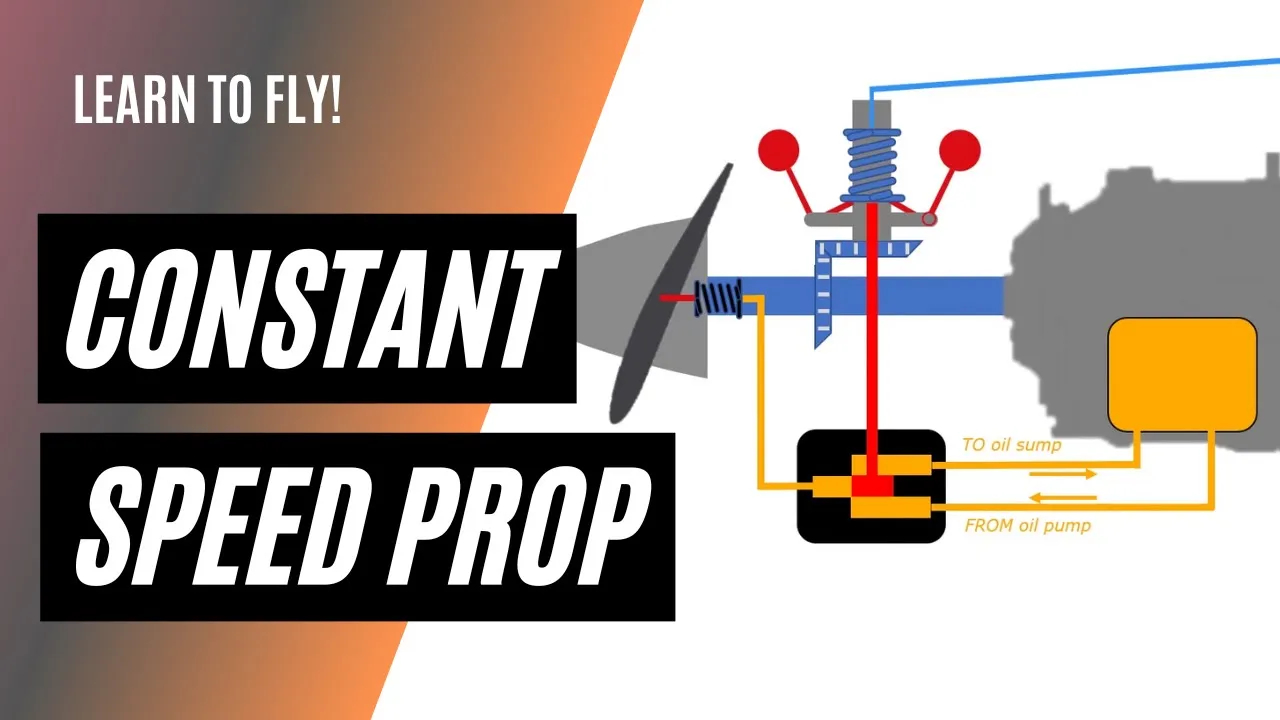
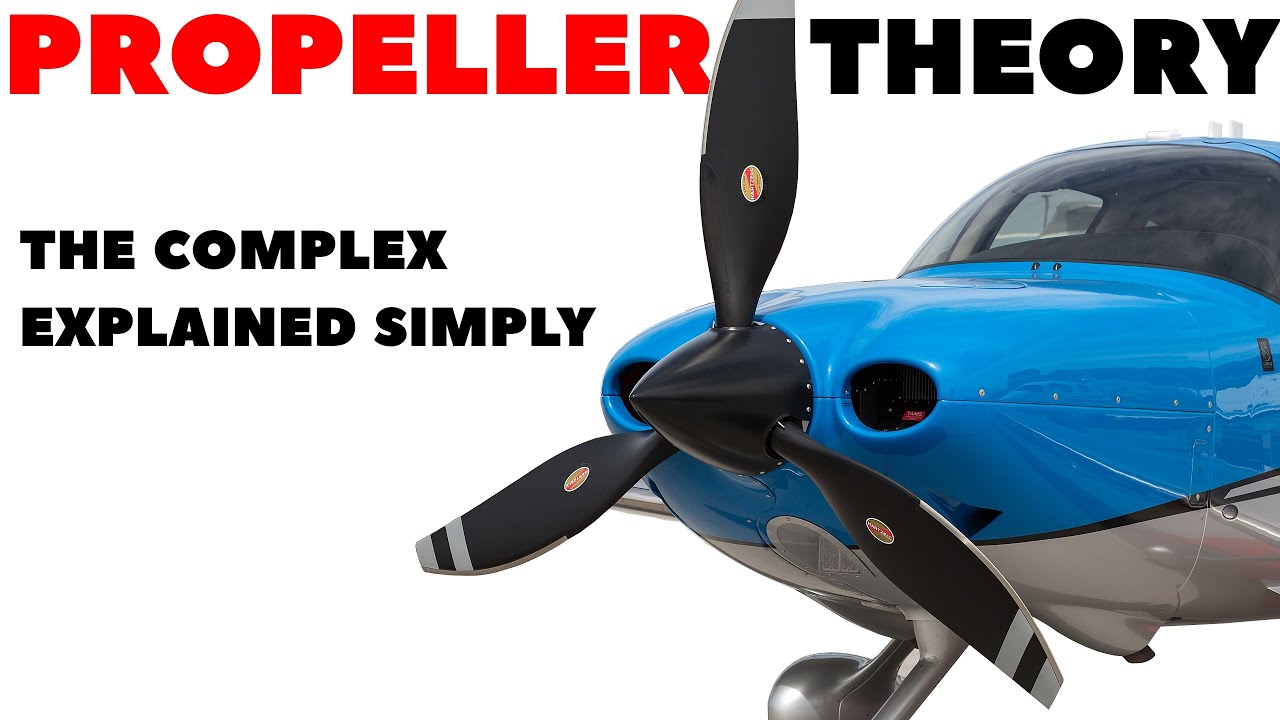
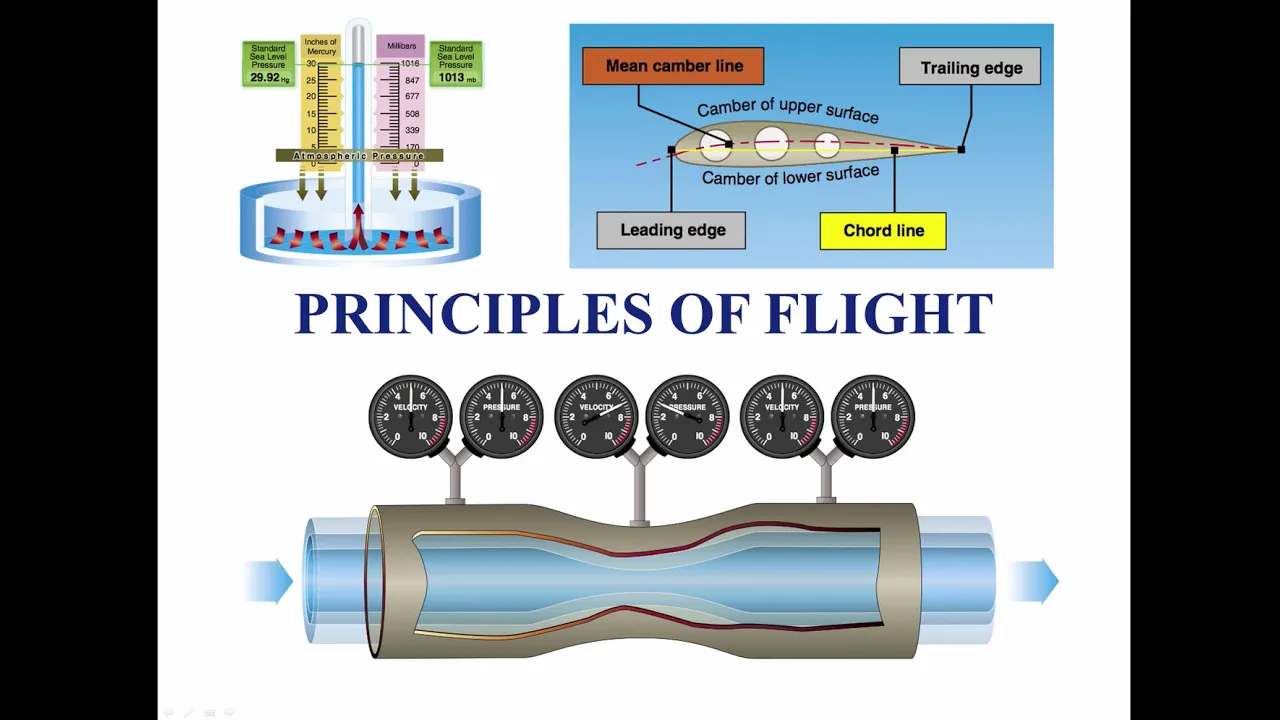
Added:Fundamentals of Propeller Theory: Understanding how traditional open-blade propellers generate thrust and lift through pressure differentials.
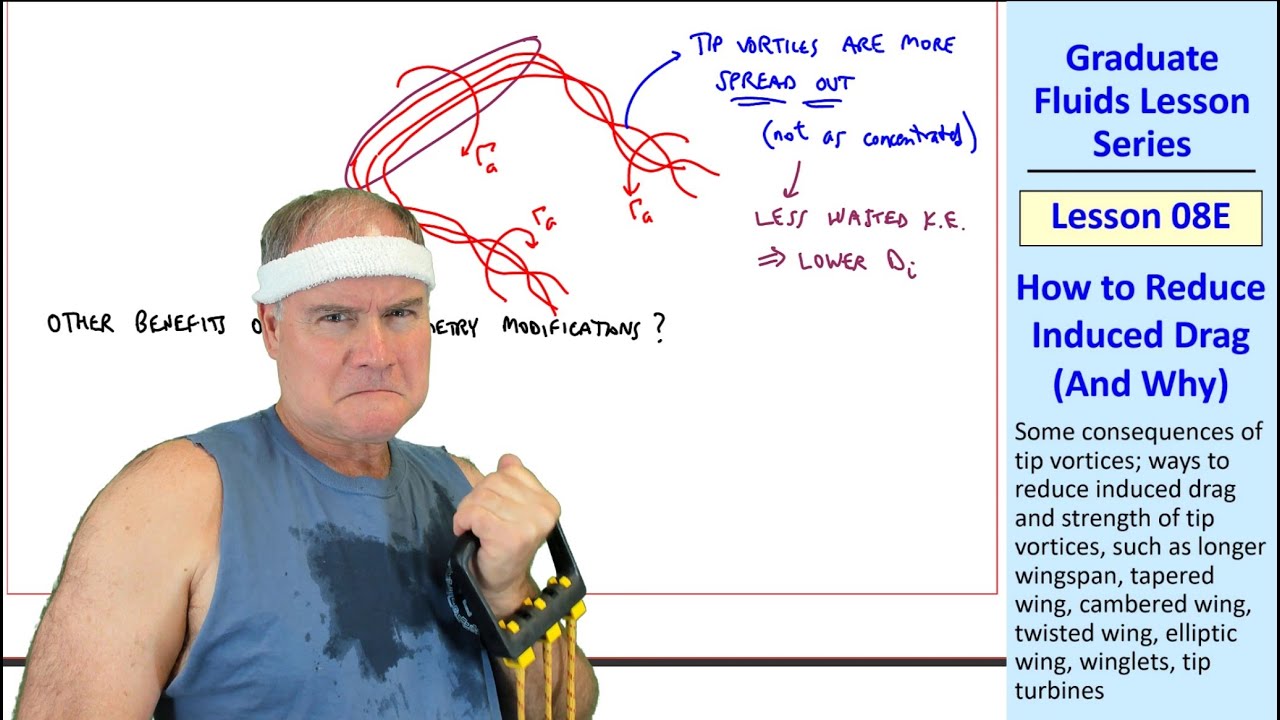
Fluid Dynamics and Tip Vortices: The concept of induced drag and turbulence generated at the tips of rotating blades, which reduces efficiency and increases noise.
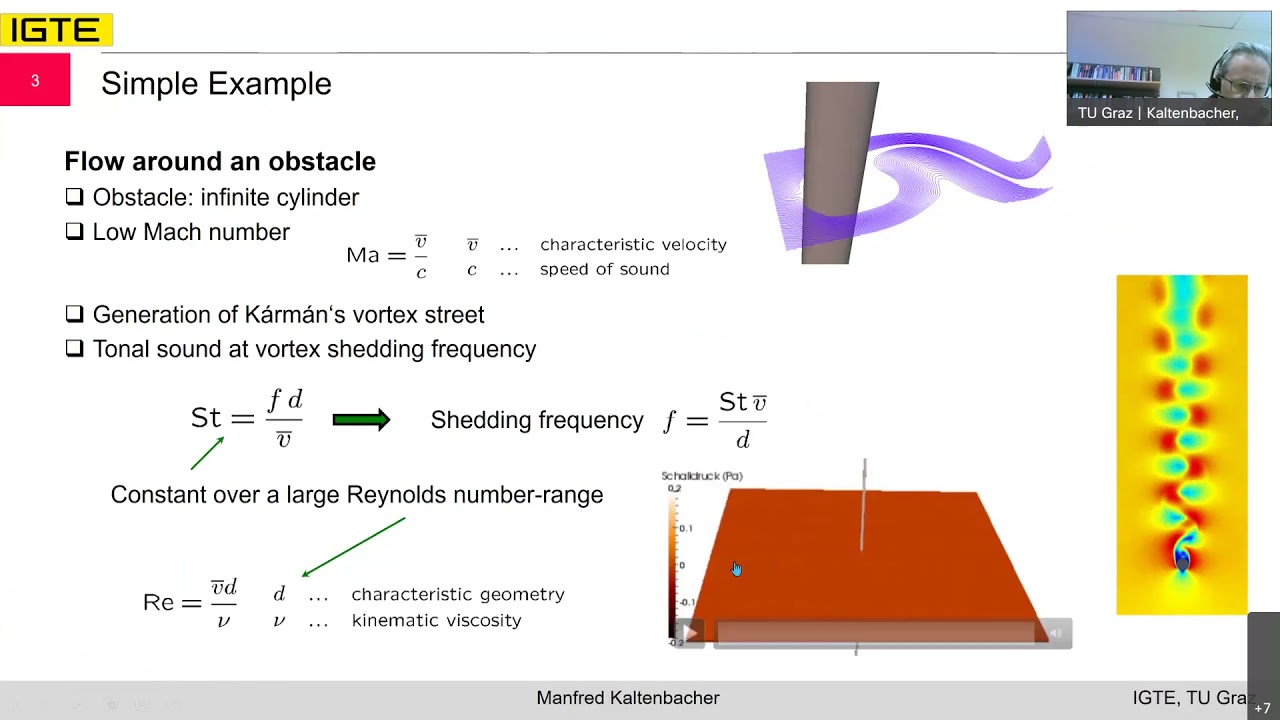
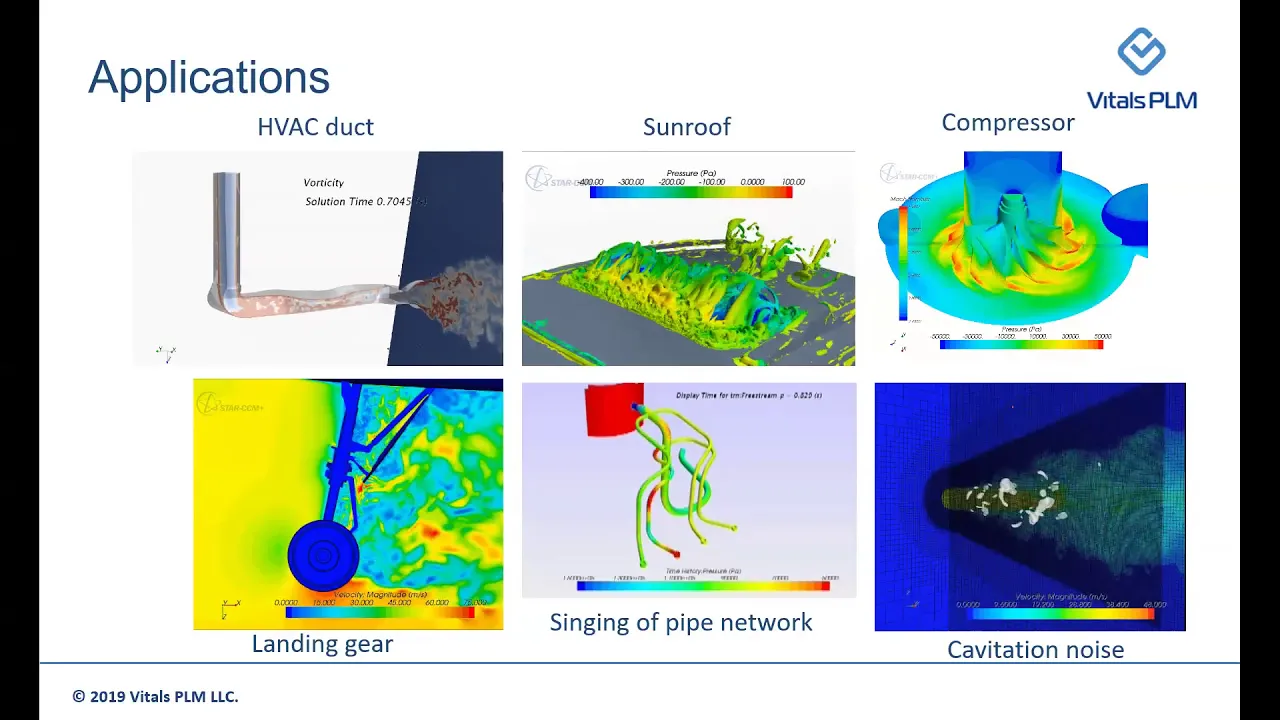
Basic Aeroacoustics: How fluid-structure interactions, particularly blade-vortex interactions, generate acoustic signatures in drones and marine vessels.
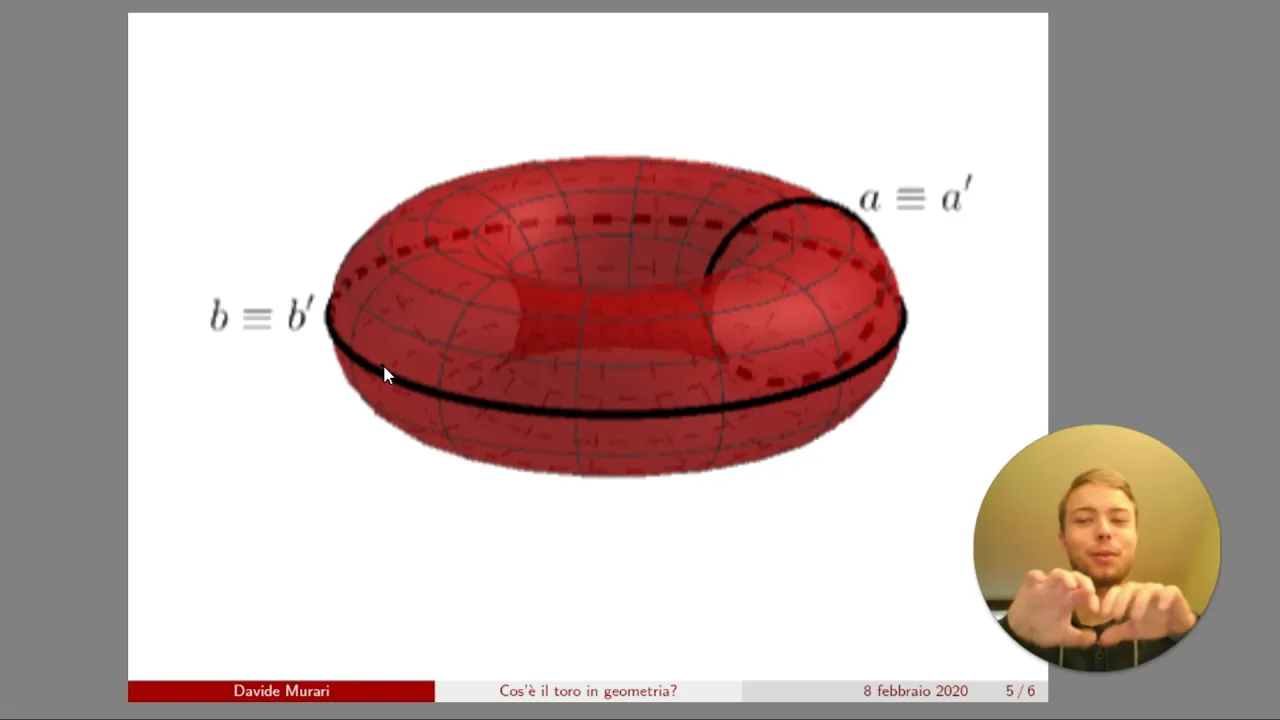
Geometric Concepts of Tori: Understanding the mathematical structure of a torus (a donut-shaped surface) and how closed-loop geometry differs from linear geometry.
Computational Fluid Dynamics (CFD) Modeling: Simulating complex fluid flows around closed-loop toroidal structures to optimize pitch, aspect ratios, and twist.
Advanced Manufacturing and Materials: Exploring additive manufacturing (3D printing) and composite materials required to fabricate complex, high-strength toroidal blade geometries.
Scalability and Structural Mechanics: Assessing the structural integrity and centrifugal stresses of scaling up toroidal designs for commercial aviation and massive cargo vessels.
Eco-Acoustic Impact and Regulatory Policy: Studying the ecological benefits of reduced marine noise on cetaceans and the integration of quieter drones in urban air mobility (UAM) frameworks.
454.8K views9.8Klikes16:09Original Release: 2023-04-13
this video is sponsored by Hoymiles engineers at MIT and a company out of Detroit Call sharrow engineering have made a breakthrough by creating the world's first toroidal propellers these Innovative propellers use a ring or donut shaped blade design that allows for greater Energy Efficiency reduced noise and increased thrust and I got hundreds of diy-ers on YouTube 3D printing their own but sadly almost all of them failed to get the results they expected especially for drones so is this design a real breakthrough is it even all that new and what could it do for the future of things like cargo ships across the Atlantic and Pacific air taxis and drones let's find out I'm Ricky and this is Two Bit da Vinci you might not know this about me but I'm a mechanical engineer and in mechanical engineering is not very common to see huge increases in performance in one model to another normally you'll see one or two percent increases now that's important because those add up over time to make internal combustion engines or DC motors better and better little by little now when you see huge improvements in just one change that is really rare and special that's why when I first heard about a new boat propeller design reported to be 105 more efficient that can improve a boat's fuel efficiency and top speed by as much as 46 and 27 respectively while at the same time operating much more smoothly and quietly I was definitely interested and you should be as well by the way since as I'll explain in today's video this can have a huge impact on our day-to-day lives even if we never as much as set foot on a boat boat propellers have been around for almost 200 years the first screw type propeller was allegedly invented all the way back in 1826 by Czech Austrian inventor called Joseph Russell and based on an Archimedes screw design that's more than 2200 years old but the more modern version with individual blades like the ones we see on most boats today was discovered by chance in 1835 by the English inventor Francis petite Smith according to one story Smith was testing a new screw propeller design by running a boat in some English canals when he broke off a piece of the propeller and to Smith surprised the broken propeller doubled the boat's previous speed from about 4 miles per hour to about eight Smith would later patent this accidental Discovery what is it about accidental discoveries that I just love like the discovery of rubber video in the description others also credit the American inventor John Erickson known for building the SS Monitor and the French inventor Frederick savall both of whom had already filed for separate patents for a similar screw propeller design around the same time Smith did but before we get back to that let me take a quick minute and tell you about our sponsor this week Hoy miles our solar system is finally up but I'm so excited in fact in a little over a week we've made 546 kilowatt hours of energy which is amazing with holy Mouse you have Micro inverters which means that each panel produces energy and goes into AC to feed your house the benefits of that is panel by panel monitoring as you can see here now later in the day like it is right now these four panels are facing west are producing more energy as you can see here on this graph than my other panels and also as you can see here on this graph four of the panels are not working I did it on purpose to show you the value of having panel by panel monitoring with hoi Mouse you have access to the panel by panel production as you can see here those four panels need to be fixed we'll take care of that in the coming weeks and by the next time we talk about this we'll have that sorted out so it's super easy to tell if your panels are all producing without panel by panel production you wouldn't know but just one sheer number also with toy models I was able to save thousands of dollars because I have a lot of four in one and two in one inverters in fact my 29 panels only require 10 Micro inverters and as a result I saved a ton of money so get the best benefits of micro inverters while also saving money sometimes even cheaper than a string inverter with Hoy miles links in the description huge thanks to Joy miles and you for supporting the show here's the crazy part after nearly two centuries of building better boats and propellers the overall design has remained pretty much the same as it did back in 1836. talk about nailing a great design that is until the appearance of the Toronto boat propeller the toroidal propeller is a new design invented by Gregory Cheryl and sold through his company Cheryl Marine the MX3 propeller for recreational boats has been very successful and has won multiple Awards including the 2020 and MMA Innovation award and the 2022 Marine power Innovation award from boating magazine and now it's even popular on YouTube amongst the boating community it all has to do with the MX props awesome performance which is backed by tons of real world data from all of Cheryl Marine's customers you see every time char Marine sells one of its props it sends a team down to install and validate its performance the most significant success was a client who installed MX props on a galleon 325 GTO with twin Mercury 400 horsepower outboard motors and saw the rotor efficiency increase from 38 to 78 percent at 4000 RPM that's an increase of 105 percent by the way propeller efficiency is a bit different from other efficiency metrics we've discussed before on this channel it measures how well the prop converts the motor's power into thrust which is what pushes the boat forward for example an efficiency of 50 means that if your motor is pumping out 300 horsepower or approximately 220 kilowatts the propeller is producing 110 kilonewtons of thrust or around 25 000 pounds of force although it obviously plays a role in it propeller efficiency doesn't refer to how well the energy in the fuel is converted into motion that's called fuel efficiency and is usually measured in miles per gallon what this 105 increase really means is that just by swapping the props your boat gets over twice as much thrust even though the motor is running at the same speed several Specialists from the Boating industry have also done their independent studies to review these props for example boat test evaluated a 57-foot catamaran Voodoo powered by a pair of 300 horsepower oxe diesel outboard engines and found that the props increased fuel efficiency by 46 from 0.72 miles per gallon to 1.05 miles per gallon now those numbers sound really low but remember these are boats are moving through the water it's a different ball game don't compare to cars that change is still really dramatic the props were also much quieter and vibrated less than the standard props they had before it if you're a boater besides spending much less on fuel this has the added benefit of being able to talk without yelling at each other at cruising speed something you could only experience with a closed cabin and less vibration also means more longevity for mechanical systems let's look at cost this is where things get interesting because Cheryl props are crazy expensive they cost 10 times as much as their arrivals running up around five thousand dollars each and if you have a boat that has twin engines well that's 10 grand just for propellers for reference the standard high quality propeller of the same size and Pitch costs only around 500 on Amazon the good news is that you can recover this investment quite quickly depending on how frequently you use your boat and the average fuel price let's take the voodoo catamaran as an example with its 46 improved fuel efficiency the boat's crew speed is 18 knots or 20.7 miles per hour and a typical recreational boat is used between 75 and 150 hours per year let's average that to 100 hours and so that'll be around 2070 miles every year at that speed fuel efficiency is around 1.05 miles per gallon for the MX props and 0.72 miles per gallon for the standard prop so you would consume 1971 gallons of fuel with the Cheryl MX and 2875 gallons with the standard propeller that means that the sharo prop saves you around 900 gallons of fuel every year and that's per boat with diesel prices at around four dollars per gallon that's 3 600 saved on fuel alone every single year so it only takes you around three years to get your money back and some marinas are selling diesel at five dollars and seventy cents per gallon so you could break even even quicker not too shabby the MX3 is a popular swap-on replacement for small recreational boats and the best thing is that you can buy them right now but Cheryl also designs bigger more complex Turtle props for the Boating manufacturers that aren't end users they have several different exotic designs on their patents two of which were translated into the NX series of propellers speaking of patents the YouTube channel xeroth recently made a video about Cheryl's propellers which we'll link to after this one you should definitely check it out where he correctly pointed out that the toroidal design may not really have even been share idea since there was a much older Australian patent from 1969 granted to David B sigin for an undulating flow promoting rotor that fits the description of a toroidal propeller but I found an even older patent from 1892 by an English inventor named Charles Myers who designed something that remarkably resembles the MX propellers with some variations and dimensions and other parameters but wait there's more in I guess that's cheesy all right I found another more recent patent from 2005 granted to Ronald r polacek that more closely resembles Cheryl's design it seems like the idea of a loop-shaped toroidal propeller wasn't really all that new when Cheryl patented it but what do you think sound off in the comments below we'll come back to the patents of it all when we talk about mit's propellers so definitely you don't want to miss that now I know a lot of you guys don't live under the water you don't own a boat you don't go boating on the weekends so you might be thinking what does all this have to do with me well it turns out a lot actually not just you but everyone the reason is simple these propellers have the potential to revolutionize the shipping industry according to the United Nations conference on trade and development ocean shipping accounts for 80 percent of World Trade and everything related to shipping has an important impact on things like inflation food availability and the international supply chain we made a recent video about the race for the Arctic where we covered how opening a sea route from the Atlantic to the Pacific Oceans through the Arctic Ocean could cut distances from Asia to Europe and the U.S by as much as 45 percent and reduce shipping times from 30 to just 18 days so if you haven't watched that video check it out next pretty interesting stuff now suppose we outfitted those cargo ships with these new propellers they'd have to be bigger of course but these propellers offer the chance to cut down those costs even further fuel costs represent 50 to 60 percent of the shipping industry's total operational cost increasing fuel efficiency then by close to 50 percent would cut the total shipping cost by around 25 to 30 sent shipping times would also be reduced both because of increased speed and increased total range with fewer stops along the way finally a boost in efficiency like these are exactly the type of progress we need to Electrify the shipping industry getting 30 to 50 more work out of the same electric motor would reduce the required energy storage capacity needed which means less batteries and this would all come from a simple swap-on replacement no new hardware infrastructure or anything else that's the part about this story that I think is the most fascinating so that's how Toronto propellers can be a game changer for Boat and Marine applications but what about other fluids like air in sharo's patents he states that their propeller design could work on all sorts of applications from boats to Subs to pumps to Turbo fans and even propellers for drones and other aircraft however this design is far from optimal for most of those applications this is moving through the air is very different from moving through water that's where the recently unveiled propeller design from MIT comes in according to one of their authors the idea came from looking at a way to make propellers quieter in their research they came across a ring-shaped wing that doesn't produce any tip vortices because well it doesn't have any wingtips these vortices cause the loss of thrust and they're responsible for much of the high-pitched noise associated with traditional propeller blades on drones and other unmanned aircraft so they had the idea to twist the ring-shaped wing into a sort of loop they call the toroidal propeller so kind of a similar design to sharo right yeah however in this case the propeller is 3D printed out of plastic not stainless steel thanks to this design the folks at MIT managed to produce a propeller that is significantly quieter than the three blade propellers commonly used on drones today tests showed that the Toronto propeller significantly reduces noise in the one to five kilohertz range which is where the high pitched buzzing sound you typically associate with drones comes from consequently these propellers have a deeper less annoying sound coming out of them at the same RP p.m noise reduction was the main goal for the team at MIT and everything points to success on that front however this wasn't the only advantage that these props possess according to MIT these props also produce more thrust though they don't State exactly how much more because of the rise of personal drones like we have and a lot of YouTubers have people have started to 3D print and try out their own variations and let's just say that the results have been all over the map but I personally believe that there's a good explanation Behind These mixed results the main reason is the design itself I mean actual CAD design with the correct dimensions and propeller profile not easy if you see any of the many YouTube videos out there where they make these props you'll notice a constant factor which is that most designs are simply circles extruded at an angle and joined on one end this will of course give you a design that looks very similar to mit's design but when it comes to aerodynamics especially at high speeds like the ones of a drone propeller the devils and the details we don't know how many iterations the team and I'm MIT went through to reach their final design but I'm willing to bet it was a lot more than what the DIY crowd managed to pull off especially considering that they have access to high level computation and simulation computers to be able to try out every little pitch and angle and perfect their design if you don't believe me consider that there is a reason why Cheryl's top of the line propellers require High Precision six axis CNC milling machines to get the shapes and the Finish just right and each propeller is optimized for each actual particular type of motor so it's not as simple to make or to just swap out you need the blades to be perfectly balanced you don't have high vibrations while in operation at high RPM typically 3D printing won't produce a well-balanced propeller every time and you might have to add counterweights or sand and do some final touches to get a good balanced design and finally there is a material Choice the importance of 3D printed materials can't be understated Johnny from Willett mod proved this quite effectively when he compared the results of a standard pla printed Turtle propeller with a copper silk pla version which was more flexible so I think the fact that John and others have managed to get good results with sub-optimal designs is really a measure of how promising this potential could be they could potentially power turboprop airplanes as well as Choppers and other vital airships like air taxis and cargo drones this is where I think the most impact will be the propellers are quieter but they're not quite enough for them to be undetectable by any means so apart from making the Drone fly experience more enjoyable for Pilots the noise reduction will be a much welcome addition to cities all around especially as the number of drones in the air are probably going to start to be on the rise but all that aside what I love most about this Toronto propeller is that it represents a step change in technology that has seen very little progress over the years and it doesn't involve a complete infrastructure overhaul right it's not like going from a gas car to an electric car that is a massive shift this is much simpler if we were able to innovate propellers something that's been stagnant for years there's no telling what other advances in mechanical engineering and design await us in the future especially with the rise of 3D printing rapid prototyping simulations being able to do a thousand different flights and optimized designs so quickly that combination of factors was never possible in engineering until now and it's going to leave some pretty epic stuff all right so if you like this video check out this one next I think you're going to also like until next week I'm Ricky thank you for watching
Up Next
3:54
Schlieren Knife-Edge Placement: Finding the Focal Point
@JoshTheEngineer
18.9K views•2017-10-02
30:32
Ultrasonic Transducers: Resonant Frequency Measurement and Horn Design
@imajeenyus42
229.9K views•2017-02-22

54:16
Polymer Environmental Degradation: Mechanisms & Stabilization
@iit
1.8K views•2012-07-10
33:39
How a Student's Question Saved a NYC Skyscraper from Collapse
@veritasium
22.8M views•2025-04-26
Related Study Plans & Knowledge Roadmaps
Structured learning paths in Engineering
engineering
Building Acoustic Levitators: Physics & Arduino
01The Physics of Sound and Standing Waves
02Piezoelectric Transducers and H-Bridge Drivers
03Arduino Programming: Generating 40 kHz Signals
+ 2 more learning modules
14h5 modules
Explore Roadmap
engineering
Building Peltier Cloud Chambers: Particle Tracks
01Cosmic Rays & Cloud Chamber Physics
02Thermoelectric Cooling (TEC) Fundamentals
03Custom Liquid-Cooling Loop Design
+ 2 more learning modules
18h5 modules
Explore Roadmap
engineering
Yagi-Uda Antennas: Modeling, Build & VNA Test
01Introduction to RF and Antenna Fundamentals
02Yagi-Uda Antenna Design Principles
03Antenna Modeling and Simulation in 4NEC2
+ 2 more learning modules
18h5 modules
Explore Roadmap
engineering
ECG Monitor Design: Op-Amps, Filters & Noise
01Electronics & Breadboard Basics
02Op-Amps and Instrumentation Amplifiers
03Bioelectricity and ECG Fundamentals
+ 2 more learning modules
18h5 modules
Explore Roadmap