










![Grundlagen des Fliegens (Flugzeug): Propeller [7/8]](https://i.ytimg.com/vi/uiFEAtd2gSQ/maxresdefault.jpg)







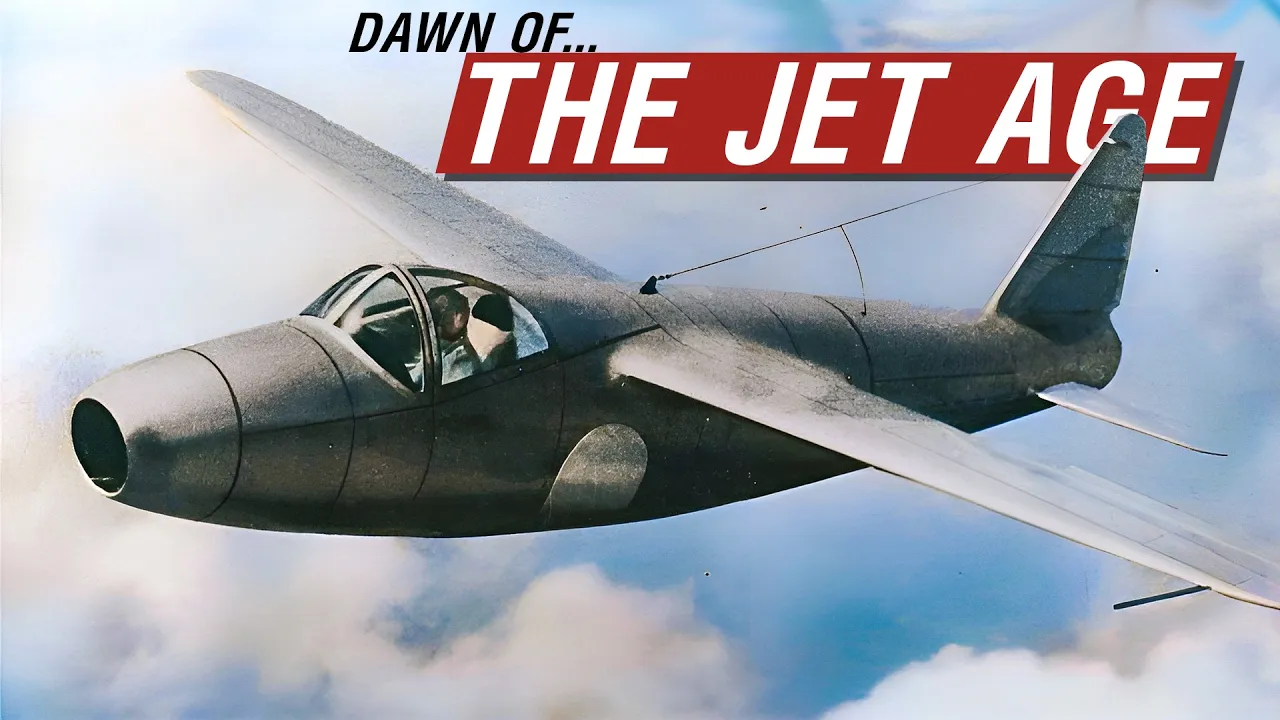
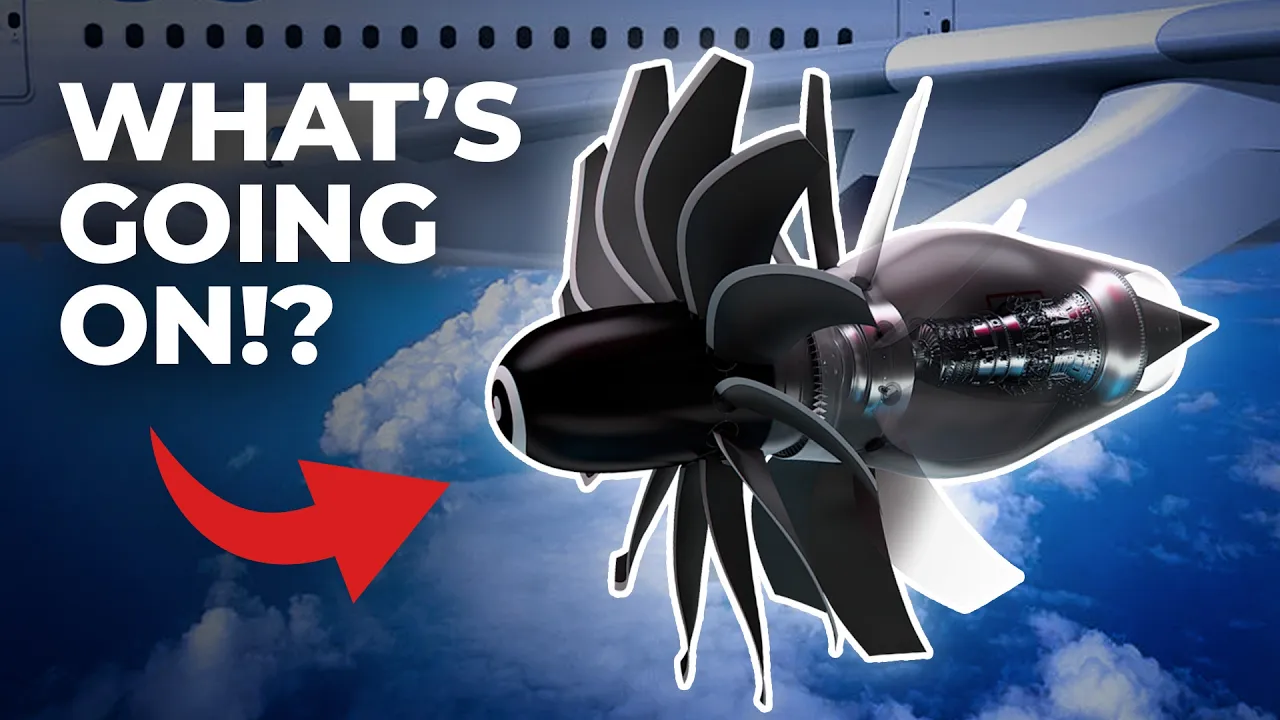


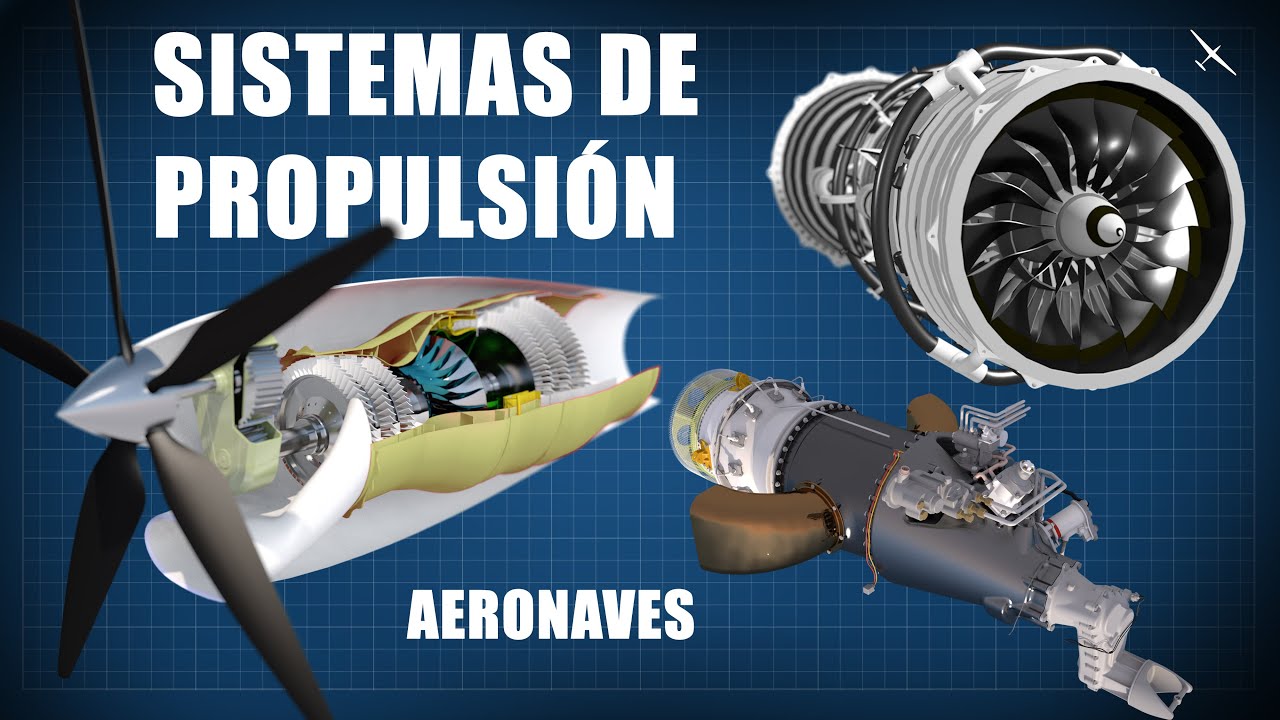

A propeller functions as a rotating airfoil that converts engine power into thrust by accelerating air backward, with its efficiency dependent on maintaining optimal blade angles and managing multiple stresses including centrifugal forces and aerodynamic loads; modern propeller design evolved from fixed-pitch configurations to variable-pitch and contra-rotating systems to maximize performance across different flight conditions while addressing challenges like torque effects, windmilling, and structural limitations.
The Propeller Explained: Aerodynamics and Aircraft Propulsion
Added:Bernoulli's Principle and its role in the generation of aerodynamic lift
Newton's Laws of Motion, particularly the action-reaction law (Third Law) applied to fluid dynamics
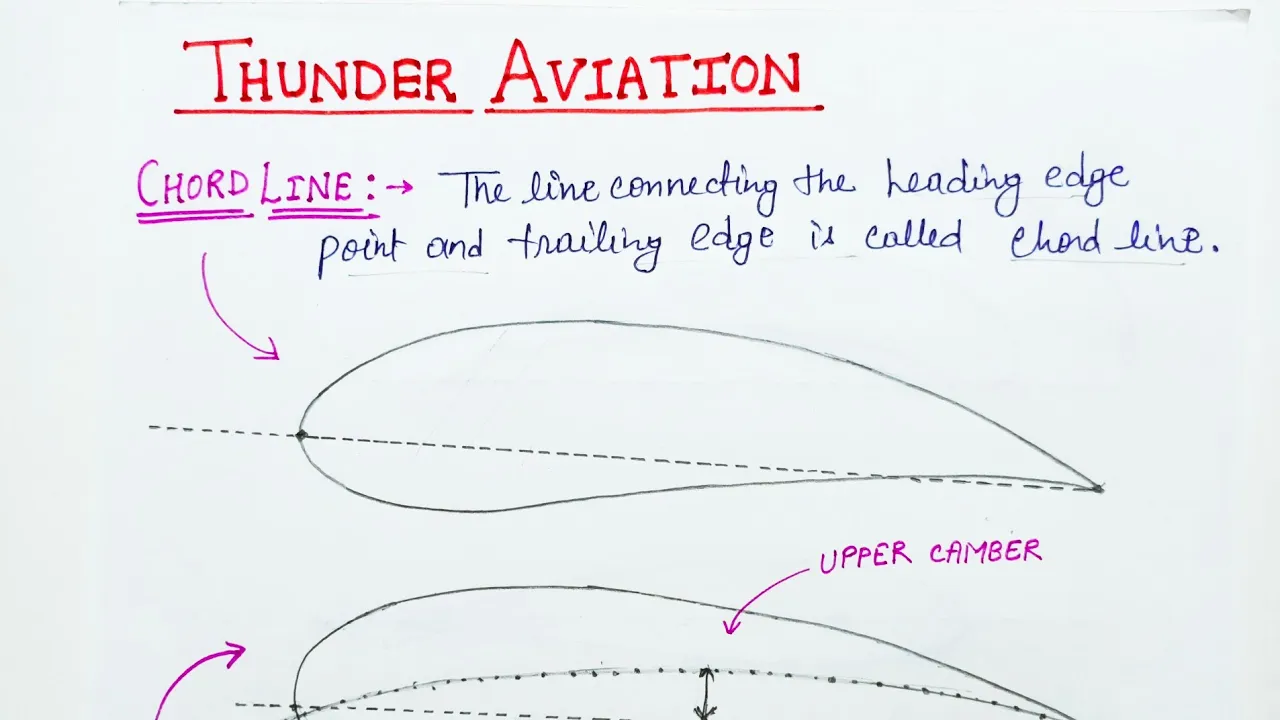
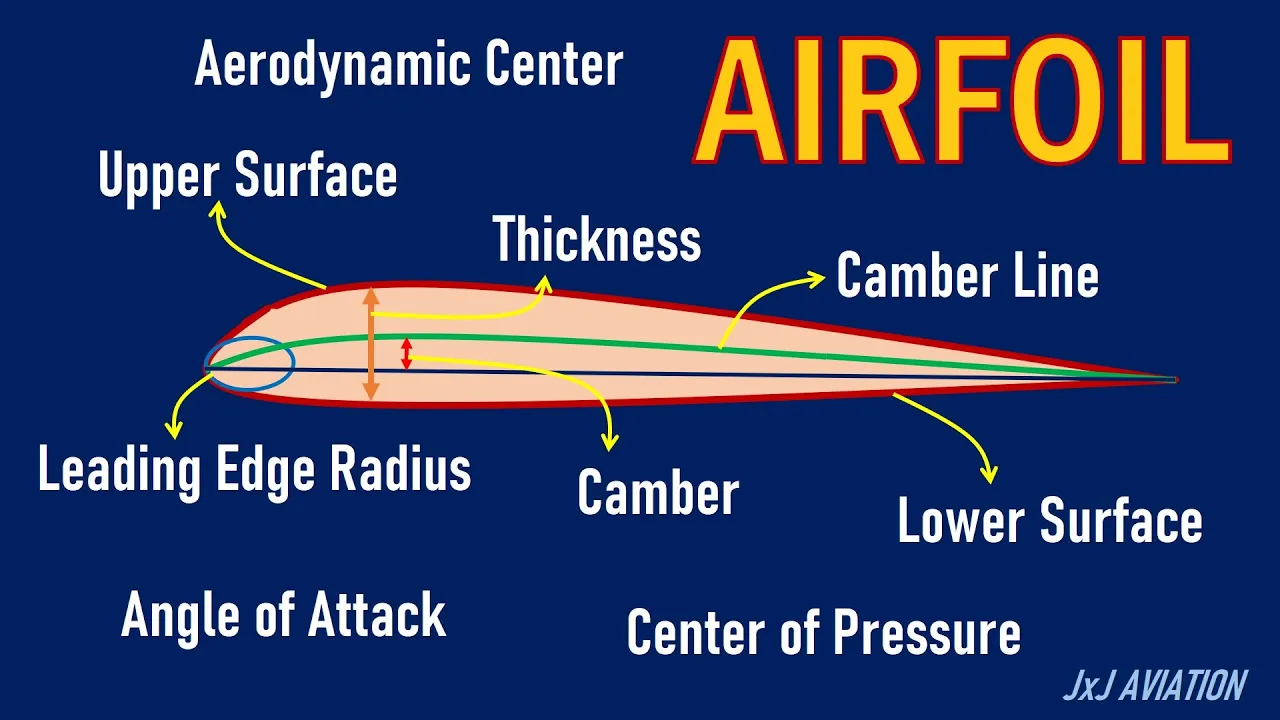
Basic airfoil geometry and key terms such as chord line, camber, angle of attack, and relative wind
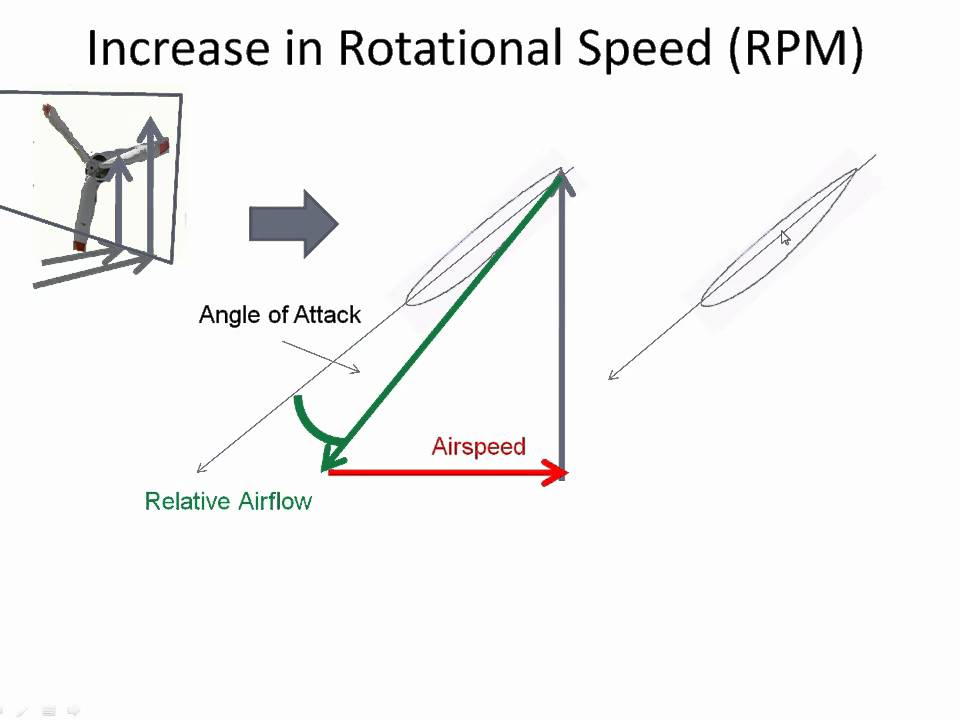
The concept of relative velocity, specifically how forward speed and rotational speed combine to create the effective airflow over a blade
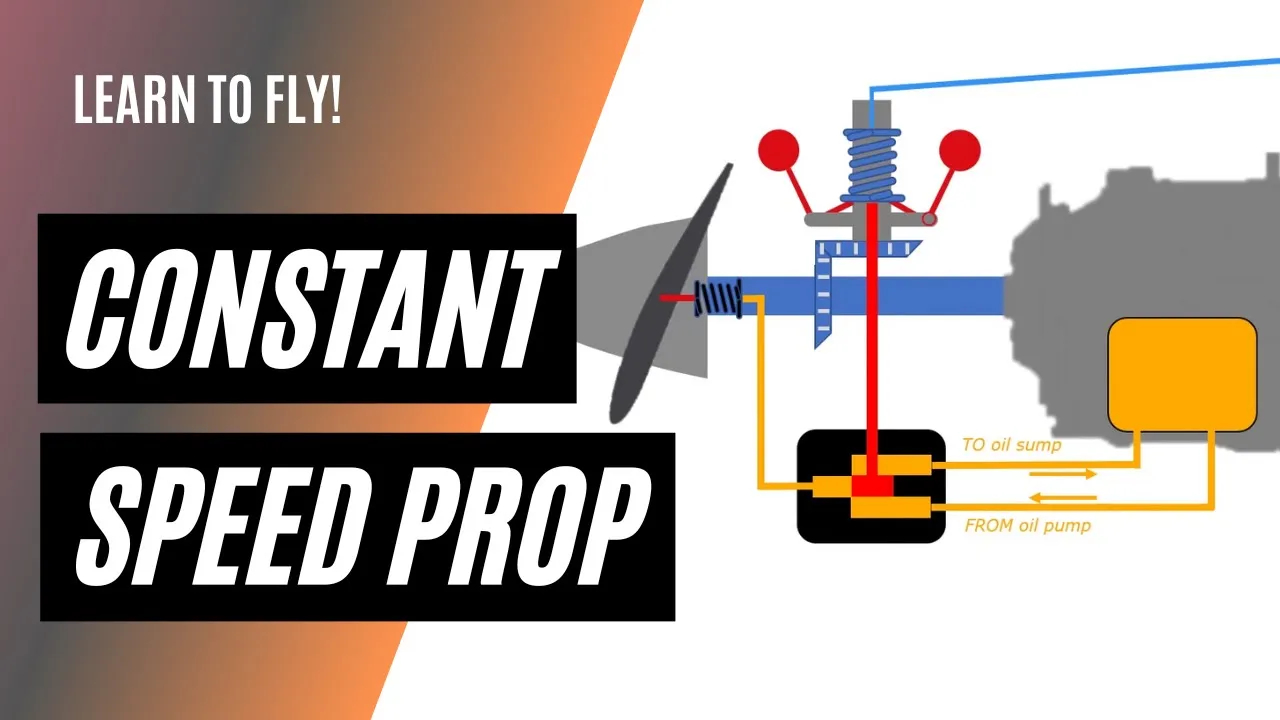
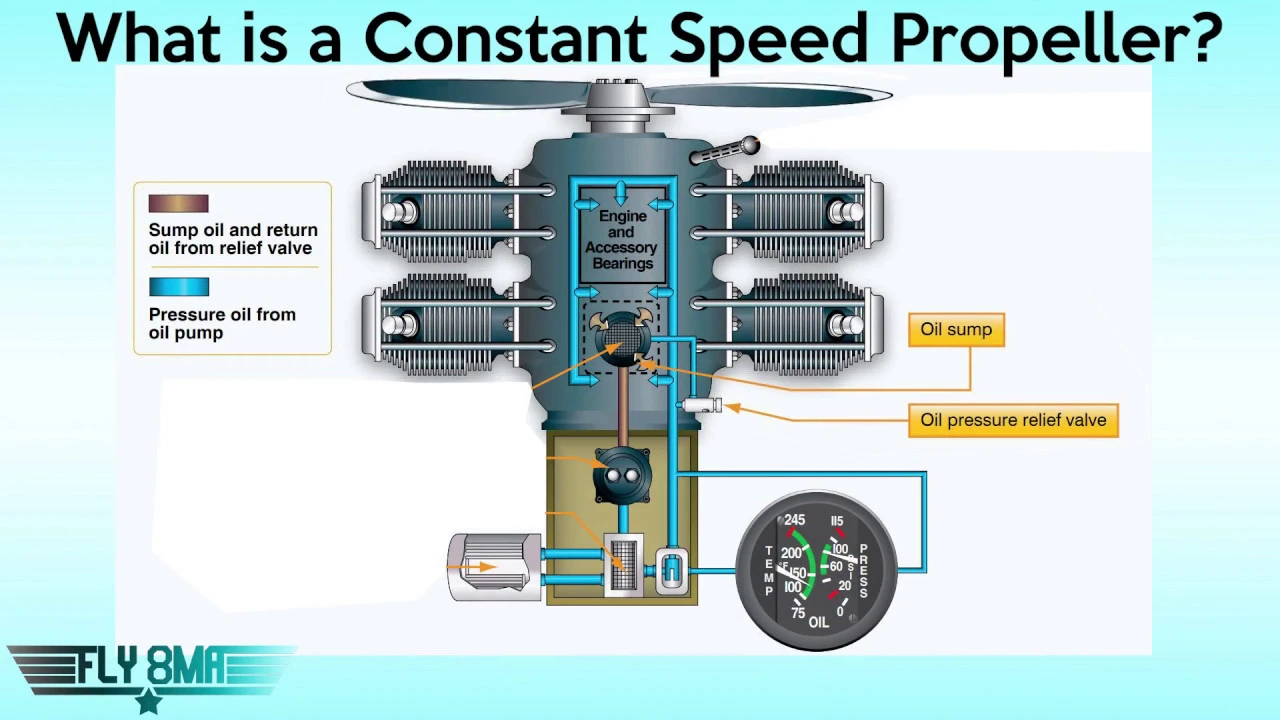
The mechanics and operation of constant-speed (variable-pitch) propeller systems and their governing units
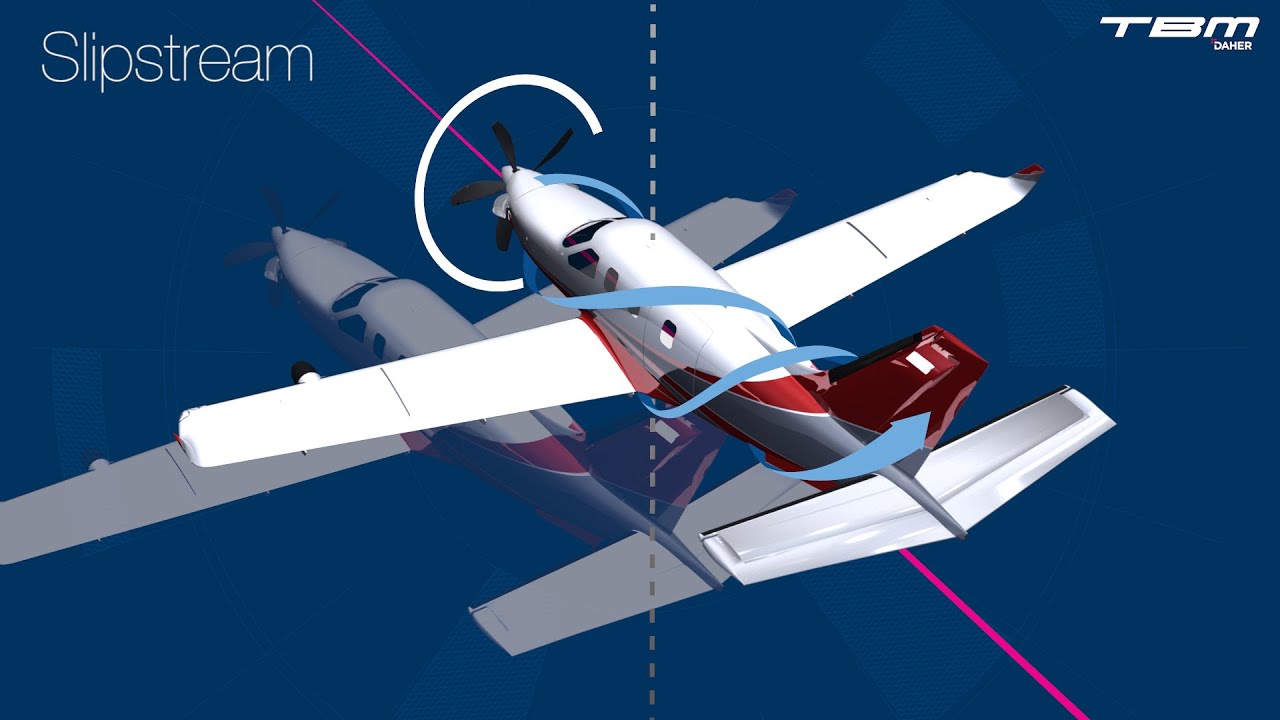
Aerodynamic left-turning tendencies in propeller-driven aircraft, including P-factor, torque reaction, spiraling slipstream, and gyroscopic precession
High-speed aerodynamic limitations of propellers, such as tip-speed compressibility, shockwave formation, and transonic drag
A comparative analysis of propulsion systems, examining the efficiency curves of turboprops, turbofans, and turbojets across different altitude and speed regimes
931.3K views14.6Klikes24:05Original Release: 2013-10-27
[Applause] powered flight born of the White Brothers genius and dedication it would change the world the secret of the W brother's success was that they appreciated that what made Wings produce lift could also be used to generate thrust [Applause] [Music] [Applause] [Music] the Pioneers flew by the seat of their pets as they sought a better understanding of aerodynamics and propellers of many shapes and sizes proliferated their development soon spurred by the desperate struggle for Airborne Supremacy in the Great War hold the b a the Anor was dying and asne the wreckage he lay he to the soing mechanics about him these last parting words he did [Applause] say you find in my stomach three spark are safe in my L my love the is in to my fingers the joystick has a propeller's efficiency is a measure of its effectiveness at converting engine power into propulsive thrust but how to achieve it how big should they be and how many blades should they have should they push pull or do both with peace came an insatiable demand for the speed comfort and the sheer excitement of air travel together with ambitious couplings of engines and propellers the Handley page 42 provided a regular and reliable service to the Empire the dornia dox 12 engines 12 propellers but still underpowered nevertheless it was the largest aircraft of its time impressive civilian Enterprise disrupted once again by global Military [Music] conflict demand for higher performance brought more power more blades and better pitch control like men propellers matured quickly Contra rotating systems finally came of age peace again and by the end of the 1940s all the basic technology of the propeller we know today had been [Music] introduced nowadays propellers are taken for granted but how do they work it's important to know because they produce effects that influence aircraft Behavior and the way we fly them remember that the right Brothers appreciated the the basis for propeller design was the same as for wings the subsonic aerrow foil when moving through the air it generates a total reaction which enables an aircraft to fly this is best explained by looking at it in terms of the lift produced by the arrow foil and the drag created by its resistance to the air if the angle of attack is increased more lift is generated but at the expense of increased drag maximum lift being produced at the point of stall a wing is usually at its most efficient at a relatively small angle of attack in very simple terms a propeller or air screw is really two or more rotating aerrow foils set to pull the propeller through the air in the same way as the thread of a screw pulls it into wood during flight its motion will comprise rotational velocity and forward velocity with the propeller stationary any forward velocity is that of the aircraft the true air speed but a rotating propeller accelerates air and produces the induced flow the sum of the T and the educed flow is the total inflow now the direction of the relative air flow can be plotted but we know that to work effectively Arrow foils have to be set at a small angle of attack the angle between the cord line and the plane of rotation is known as the blade angle or pitch of the propeller the rotational velocity at the blade tip is faster than near the Hub and if the pitch remained constant the angle of attack would increase towards the blade tip possibly causing it to stall so the blade is Twisted to maintain a constant angle of attack this is a fixed pitch propeller it generates a total reaction in in the same way as a wing we know that the amount of lift generated varies with the angle of attack it also varies with the speed of the air flow the faster the air flow the greater the lift and vice versa so in order to maintain level flight when Pilots alter an aircraft speed they also have to adjust the angle of attack to keep the lift constant and equal to the aircraft's weight but whereas the speed of the air flow over a wing aerrow foil is dictated by the speed of the aircraft the air flow over a propeller is governed by its rotational speed which is much faster than the forward velocity and virtually constant consequently changes of forward velocity have very little effect on the speed of the relative air flow what is affected by changes of forward velocity is the angle of attack and the consequent strength and direction of the total reaction produced remember that the total reaction produced by a wing Arrow foil can be resolved in terms of lift and drag and that the penalty for increased lift is increased drag with a propeller the total reaction is resolved as thrust the force needed to overcome the drag of the airframe and the propeller drag or Torque which balances the power output of the engine the penalty for increased thrust is increased torque when a propeller is turning at a constant speed and the aircraft is stationary the angle of attack is big and large amounts of thrust and torque are produced as the aircraft accelerates so the angle of attack decreases with a consequent loss of thrust and torque this continues until the reducing thrust equals the increasing airframe drag when the aircraft has reached its maximum speed the principal limitation of fixed pitch propellers is that there is only one speed at which they work at Peak efficiency this propeller is a fine pitch propeller giving good performance for takeoff and climbing but a relatively low maximum speed by increasing or coarsening the pitch the maximum speed can be increased but there are practical limits to the size of the blade angle that can be used since too large an angle might mean the propeller could be stalled when the aircraft is stationary or moving at low speeds torque would be high so RPM would be low and because the direction of the total reaction is further from the direction of flight less thrust would be produced and acceleration would be too slow for takeoff from normal air fields the pitch of this propeller is very coarse for the supermarine s6b was built to win the Schneider Trophy and speed was all that mattered but takeoff acceleration was very sluggish so like a duck it took to the water for a Runway of unlimited length [Music] during World War II propeller designers faced many problems as they strove to satisfy the requirement for Fighters with high-speed performance short takeoff runs and Rapid rates of climb the answers came quickly initially the Spitfires and Hurrican fixed pitch propellers were replaced by two pitch propellers fine pitch was selected to give a suitable angle of attack for takeoff and climb then changed to co pitch for cruising and high speed though Superior to fixed pitch there was still a large sector of the speed range where the propeller was not operating efficiently a further drawback to both fixed pitch and two- pitch propellers is that because their rotational velocity is governed not only by the power setting of the engine but also by the aircraft speed Pilots must be careful not to over rev engines in steep [Music] Dives this problem was eliminated in Spitfires and hurricanes by converting their two pitch propellers to variable pitch units shortly prior to the Battle of Britain [Music] this also shortened takeoff runs increased rates of climb significantly improved maneuverability and lifted their operational ceilings the introduction of variable pitch enabled the propeller to work close to its maximum efficiency over a wider speed range with a variable pitch propeller a constant speed unit automatically adjusts the blade angle to maintain a constant loading on the engine the selected propeller RPM Remains the Same regardless of engine power variations and air speed however a potential problem was created if the engine failed the rotational velocity would start to decrease and the constant speed unit would reduce the blade angle to try to maintain the RPM until the blade reached the fine pitch stop now the relative air flow strikes the forward surface of the blade creating a negative angle of attack and reversing the torque so that the propeller drives the engine this is known as wind Milling the decrease in performance it causes will reduce the gliding range and if the engine is damaged continuing to turn it could cause it to seize or even catch fire improvements to the variable pitch propeller enabled it to be feathered by turning it into a position of zero torque to stop the engine turning and minimize the [Applause] [Music] drag a tactical Landing the bulk of a Hercules brought to a halt in about 750 m and the pilot wasn't trying too hard [Music] reverse thrust a further development in Pitch control not only brought dramatic improvements in braking it also enabled aircraft to be reversed using their own power and made maneuvering on the ground far easier reverse thrust is produced by turning the blades past a flight find pitch limit to create a relatively large negative angle of attack but to return to World War II and another problem facing propeller designers how to develop them to absorb the ever increasing power outputs of the engines propellers must be able to absorb engine power otherwise they'll just spin faster to no effect the answer is to increase the area of Aero foil surface there are two ways of doing this firstly the diameter can be increased this enables an efficient High aspect ratio blade shape to be maintained but increases the tip velocity which is of critical importance since compressibility effects at transonic and supersonic speeds greatly increase drag which reduces the propellers efficiency another way is to increase the propeller's solidity which is the proportion of the propeller disc filled by the blades but increasing the cord reduces the blades aspect ratio and its efficiency so designers opted to increase solidity by adding more blades during late 1939 the spitfire's two-bladed propeller was replaced with a three-bladed model in 1942 came the mark 9 with its four-bladed propeller and the final Spitfire marks were equipped with five bladed propellers in common with many other fighters of the day which was the maximum number that could be to the hubs at that time but when still more powerful engines were developed the designer's solution was to use Contra rotating [Music] propellers the diameter of the b36 is propellers was a massive 19 ft because on load carrying aircraft larger propellers had to be used but the stresses that their blade routs can be enormous as much as 22 tons three principal stresses affect propellers and centrifugal force causes two of them the first is produced by the radial component which tries to tear the blades from The Hub and the second by the tangential component which tries to turn the blades to find the pitch the centrifugal twisting moment the third principal stress is generated by the total reaction which tries to turn the blades in the opposite direction the aerodynamic twisting moment which reduces the effect of the centrifugal twisting but if the propeller is windmilling this aerodynamic twisting will be reversed so at high speeds the combined stresses could overwhelm the pitch changing mechanism and make it impossible to feather the propeller propellers also affect the handling characteristics of aircraft on the ground particularly during the takeoff run when they produce effects that try to swing the aircraft to one side [Music] ignoring Crosswinds there are four causes for this but only two of them affect aircraft with nose wheel landing gear the first of these is produced by the torque reaction to the rotating propeller which tries to roll the aircraft in the opposite direction lifting the starboard wheel and forcing the Port wheel down consequently the rolling resistance of the Port wheel is greater than that of the starboard wheel and this imbalance creates a tendency for the aircraft to Y to Port until the wheels lift off the second cause of Swing during the takeoff run is produced by the propeller's spiraling slipstream and the resultant asymmetric air flow over the fin and Rudder this generates an aerodynamic Force which tends to drive the fin to starboard and the no to Port there are two more causes of Swing during a takeoff run but these only affect aircraft with a tail wheel obviously the RPM of an upgoing blade is the same as that of a downgoing blade and in level flight the distance they travel in half a revolution their relative air flows and their angles of attack will be equal but the beginning of the take takeoff run will be in a tail down attitude when the axis of rotation is no longer the same as the horizontal path of the aircraft this produces the asymmetric blade effect now the downgoing blade has to cover a greater distance than the upgoing blade in the same time so its relative air flow is faster similarly the angle of attack of the downgoing blade is greater than that of the upgoing blade therefore the down-going half of the propeller will be generating more thrust than the upgoing half which will tend to yure the aircraft Port until the tail wheel is raised and the propeller's axis of rotation is brought into line with the aircraft's horizontal path the second cause of Swing on takeoff exclusive to aircraft with a tail wheel is the gyroscopic effect the force applied to the propeller as the tail whe lifts off acts as though it is applied 90° in the direction of rotation and produces a swing to Port of course in aircraft whose propellers rotate in the opposite direction all these effects will be reversed and those fitted with cont rotating propellers will experience none at all [Applause] [Music] [Applause] [Music] [Applause] today propellers remain a very efficient means of aircraft propulsion and their performance is superior to Pure Jets or Turbo Jets at low subsonic speeds and medium altitudes the Advent of Composites has enabled lighter stronger blades with improved Aero foil sections to be manufactured nowadays propellers are not only used to produce thrust like these giant 21 ft diameter examples but also to absorb energy to generate electrical power wind farm propeller diameters can be as much as 60 M what next who can tell could those who believe that jet propulsion would sound the propeller's death nail have envisaged an aircraft like this with propellers producing lift for vertical takeoff then turn through 90° to provide thrust for conventional flight or like this the prop fan designed to satisfy the demand for greater fuel economy and reduced noise [Music] Footprints propellers are older than powered flight yet like the aircraft they Propel their development will continue to surprise spurred by the application of new [Music] technologies strangely since the birth of powered flight one question remains unresolved should propellers Push Pull or do both clearly the matter will be the subject for aerodynamic debate for years to come [Music] [Applause] [Music] oh [Music] [Applause] [Music]
Up Next

13:03
How to Make PVC Pipe Wind Turbine Blades: A DIY Guide
@livecheaply
254.8K views•2012-03-25
30:32
Ultrasonic Transducers: Resonant Frequency Measurement and Horn Design
@imajeenyus42
229.9K views•2017-02-22
54:16
Polymer Environmental Degradation: Mechanisms & Stabilization
@iit
1.8K views•2012-07-10
33:39
How a Student's Question Saved a NYC Skyscraper from Collapse
@veritasium
22.8M views•2025-04-26
Related Study Plans & Knowledge Roadmaps
Structured learning paths in Engineering
engineering
Building Acoustic Levitators: Physics & Arduino
01The Physics of Sound and Standing Waves
02Piezoelectric Transducers and H-Bridge Drivers
03Arduino Programming: Generating 40 kHz Signals
+ 2 more learning modules
14h5 modules
Explore Roadmap
engineering
Building Peltier Cloud Chambers: Particle Tracks
01Cosmic Rays & Cloud Chamber Physics
02Thermoelectric Cooling (TEC) Fundamentals
03Custom Liquid-Cooling Loop Design
+ 2 more learning modules
18h5 modules
Explore Roadmap
engineering
Yagi-Uda Antennas: Modeling, Build & VNA Test
01Introduction to RF and Antenna Fundamentals
02Yagi-Uda Antenna Design Principles
03Antenna Modeling and Simulation in 4NEC2
+ 2 more learning modules
18h5 modules
Explore Roadmap
engineering
ECG Monitor Design: Op-Amps, Filters & Noise
01Electronics & Breadboard Basics
02Op-Amps and Instrumentation Amplifiers
03Bioelectricity and ECG Fundamentals
+ 2 more learning modules
18h5 modules
Explore Roadmap