

![GEOMETRICAL OPTICS ( Gujarati Medium - Session 11 ) [JEE/NEET]](https://i.ytimg.com/vi/j8MXvpoHkJM/maxresdefault.jpg)







![Effects of Fluid Compressibility (1961) [Fluid Mechanics]](https://i.ytimg.com/vi/83uZla6yI4w/hqdefault.jpg?sqp=-oaymwEmCOADEOgC8quKqQMa8AEB-AHeAoAChgKKAgwIABABGGUgYShSMA8=&rs=AOn4CLAmO59tzwGXXViguDhtFXwJ8TDt3A)


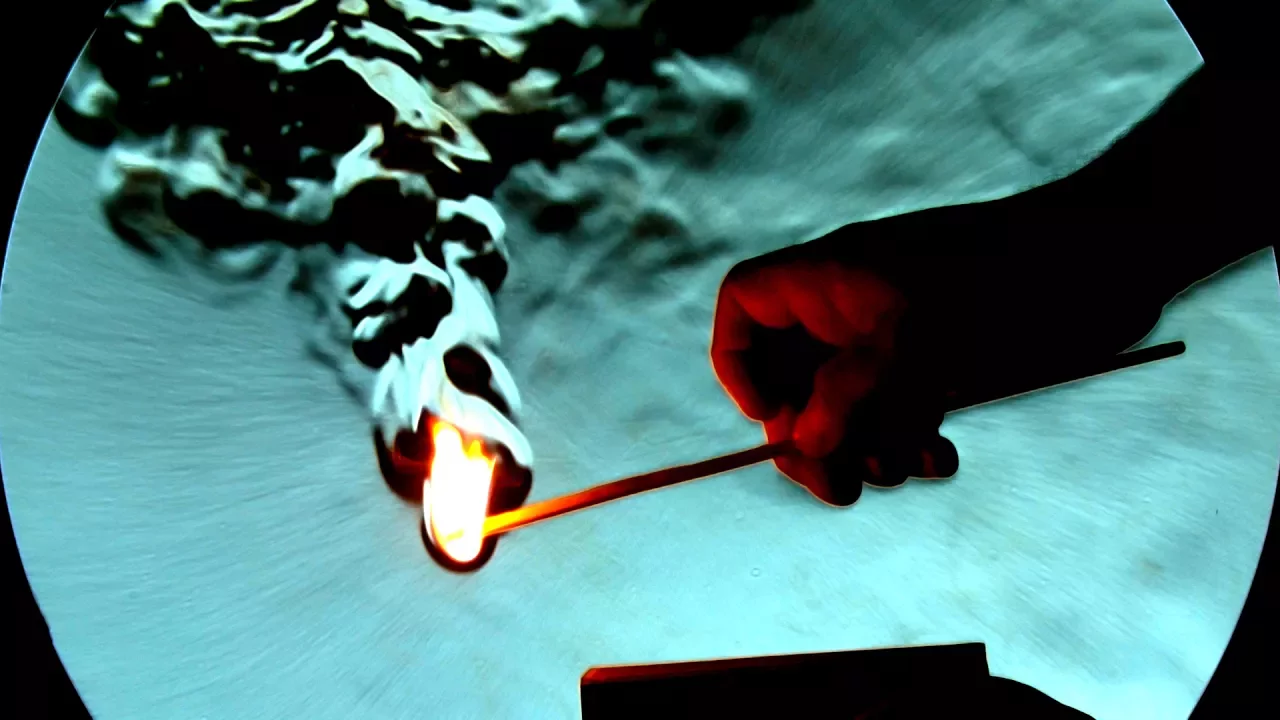

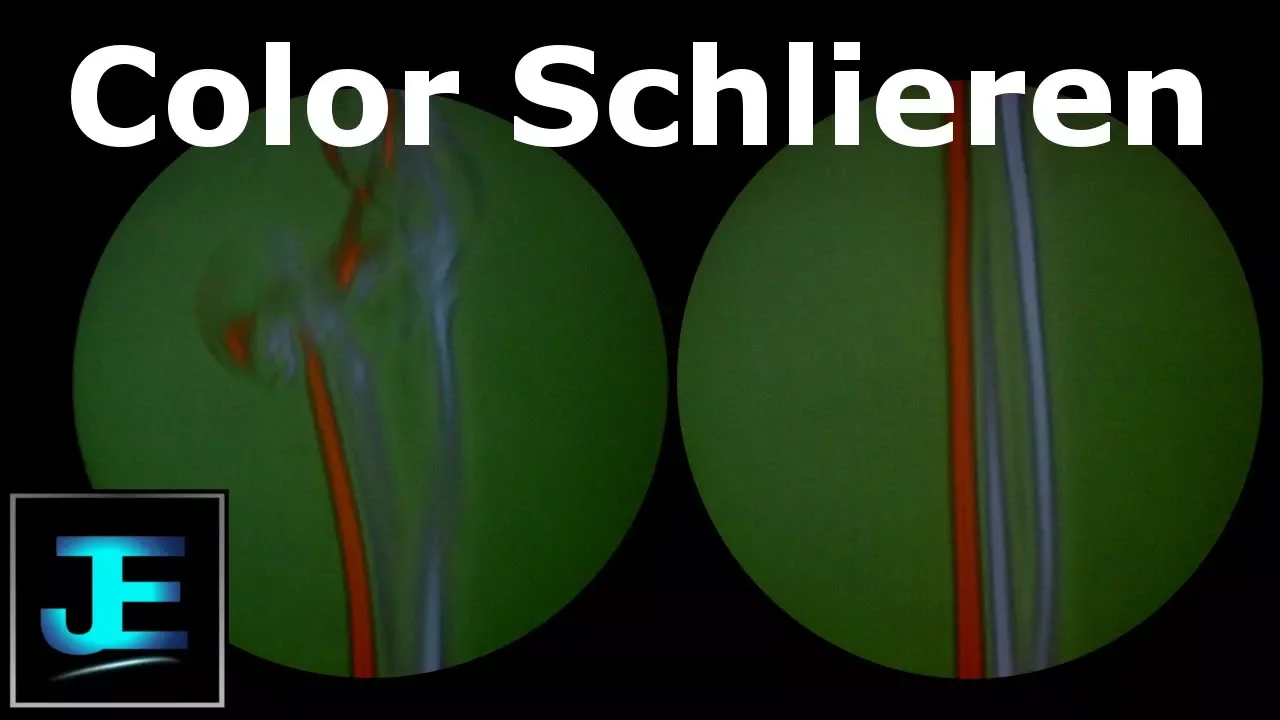

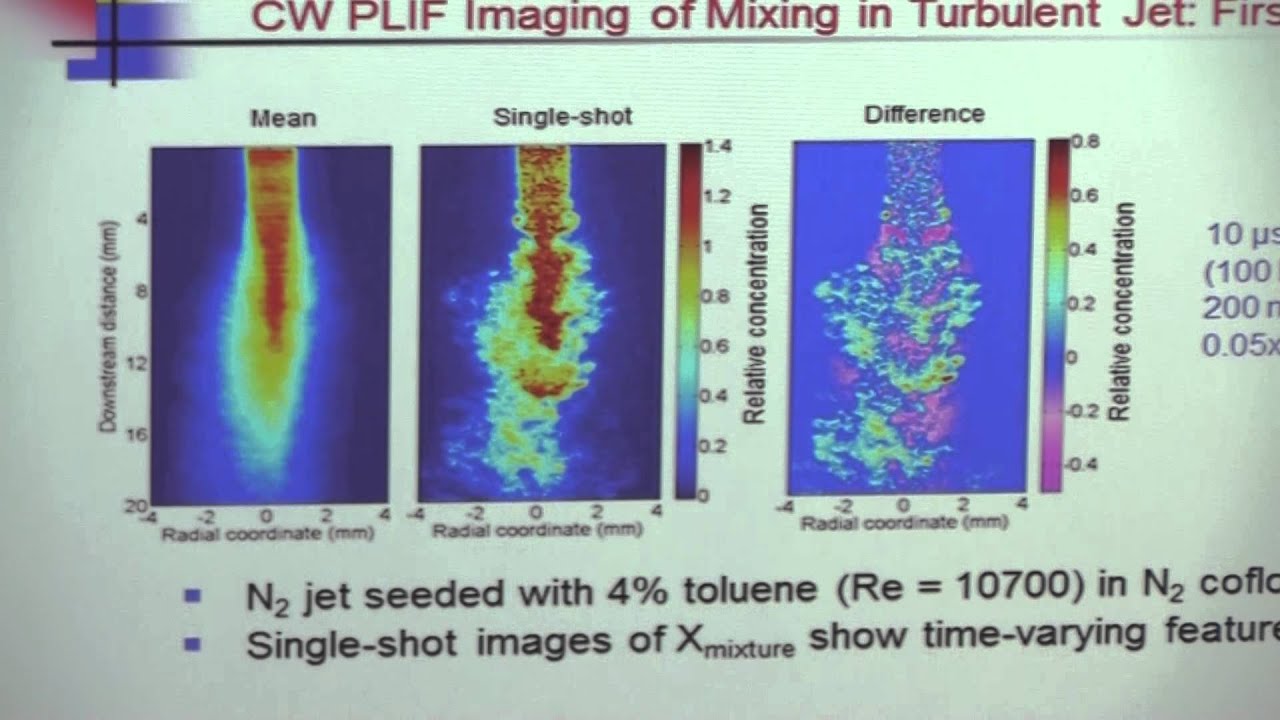




In a schlieren setup, the knife-edge must be positioned exactly at the focus point to achieve optimal visualization; when placed in front of the focus, darkness enters from one side, and when placed behind the focus, darkness enters from the opposite side, while at the precise focus point, inserting the knife-edge produces a uniform decrease in intensity across the entire mirror surface.
Schlieren Knife-Edge Placement: Finding the Focal Point
Added:Basic geometrical optics, including the concepts of focal length, light collimation, and how lenses or curved mirrors focus light.
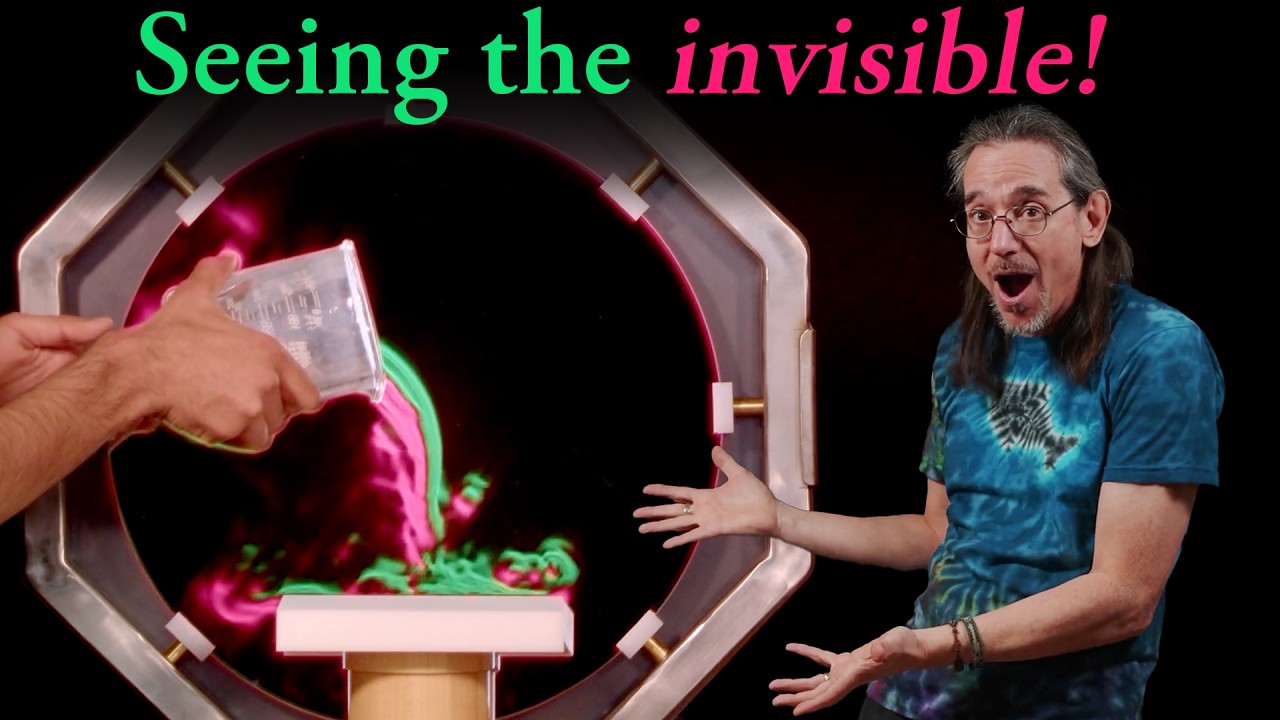
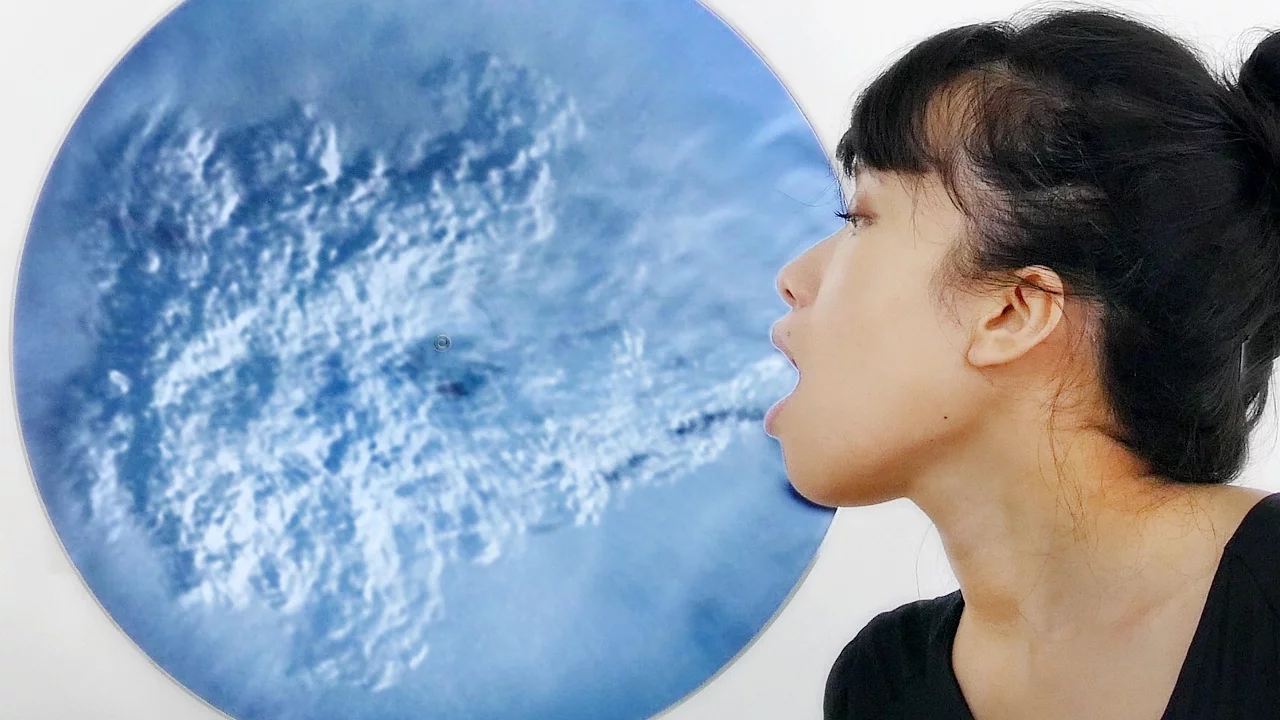
The fundamental working principle of a Schlieren imaging system and its main components (light source, mirrors/lenses, knife-edge, and camera).
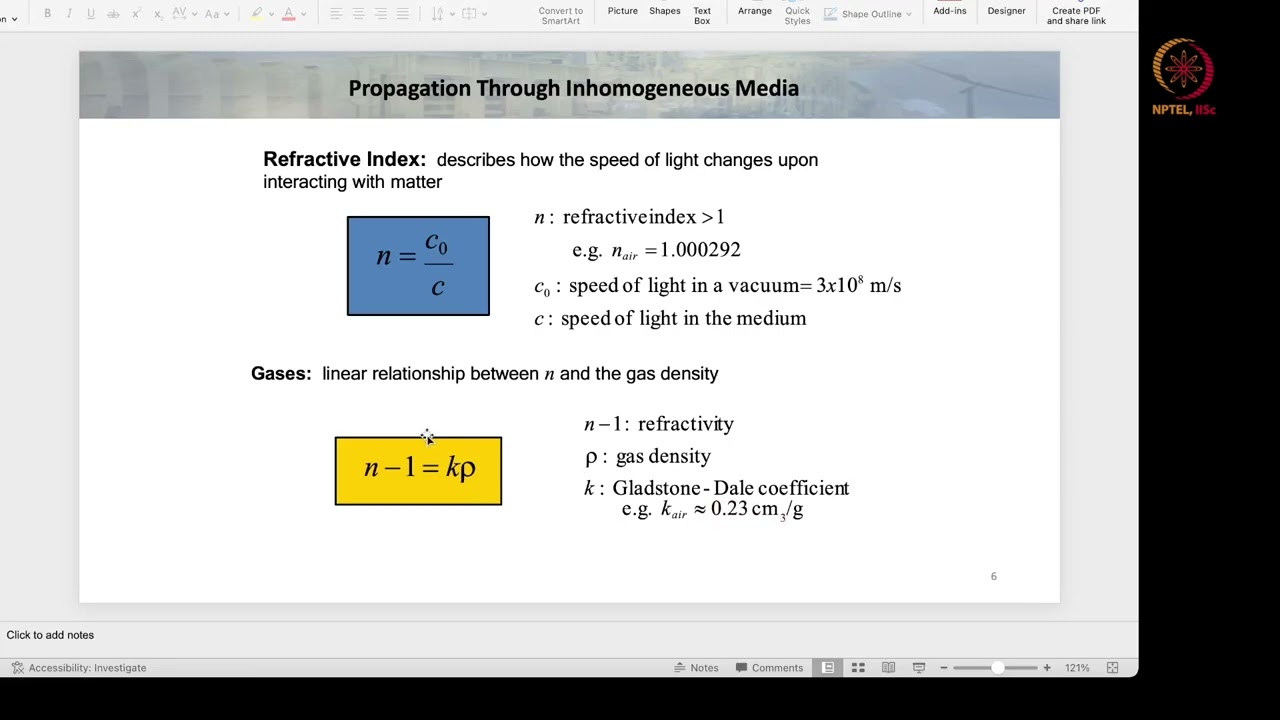
The physics of refractive index gradients and how variations in fluid density due to temperature or pressure bend light rays.
The purpose of a knife-edge in a Schlieren setup to selectively block refracted light to generate spatial contrast.
Quantitative Schlieren techniques, such as calibrating the system to measure precise fluid density, temperature, or pressure gradients.
Advanced variations of the technique, including Color Schlieren, Background Oriented Schlieren (BOS), and Shadowgraphy.
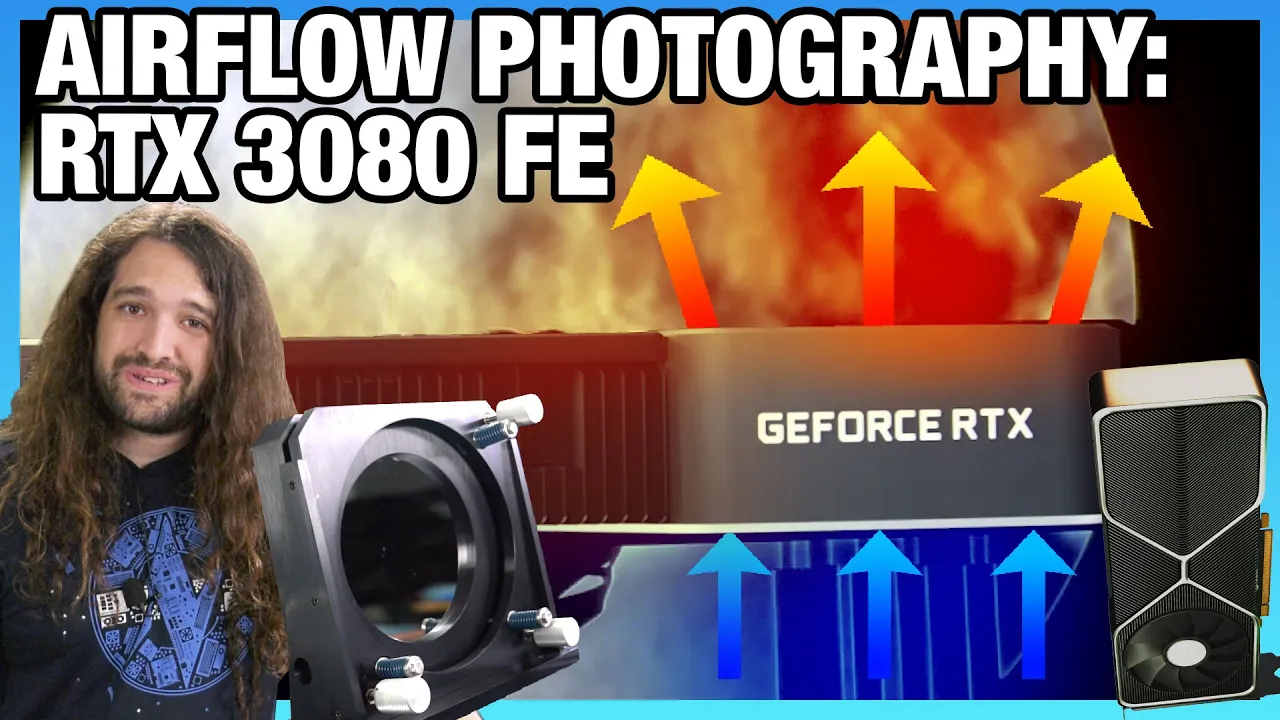
Practical aerodynamic and thermodynamic applications, such as visualizing supersonic shockwaves, boundary layers, thermal plumes, and combustion processes.
Sensitivity optimization and digital image processing methods to enhance image contrast and analyze Schlieren video data quantitatively.
18.9K views447likes3:54Original Release: 2017-10-02
hey everyone in this video I'm gonna go over a topic that I didn't completely cover in my other schlieren video and this is about where to put the knife edge and how to know that it's at the focus and it's not too far forward or too far backwards of the focus I have my system set up the way that I normally do where I have my camera the knife edge and then the light source and then the mirrors up over there this is what it looks like without the knife edge in there you can see that I have a nice uniform illumination over the entire mirror surface so now I'm going to show you what it looks like when we move the knife edge in from this direction forward of the focus behind the focus and then when we're at the focus when I say forward it's when I'm up here backwards is behind the focus and at the focus is right here at the point source so we're back looking at what the image looks like with no knife edge in its uniform illumination now I'm going to move the knife edge in and I'm well forward of the focus point and as you can see it gets dark from the left hand side because we're cutting off that side of the light and this is what I'm doing I'm just moving the knife edge in now it's totally blocking the beam I'm moving it back out again and now it's completely unblocked now what I'm gonna do is I'm gonna pull the knife edge back behind the focus point closer towards the camera lens and now I'm gonna do the same thing I'm coming in from the same side but watch what happens I'm moving it in and now you can see it's coming in from the right hand side I'm still moving the knife edge in the way that I showed before but now it's getting darker from the right hand side this is me moving in from in front of the focus point again and then this is from behind the focus point so how can we tell if we're at the focus then if we're in front of the focus we have the dark spot coming in from the left hand side and if we're behind the focus we have it coming in from the right hand side and so what you'll see if we're at the focus if we start inserting the knife edge at the focus is a uniform decrease in intensity over the entire mirror so I'm gonna try that now I'm sitting behind the camera and here you can see it's sort of it's a little bit darker on the right hand side so I might just move this up a little bit and you can see now that if I put the knife edge in it'll start to uniformly decrease the intensity something like that and then I can black it all out open it wide up I get white up and again and so there's a point where you can find that the knife edge is sitting right at the focus point and you get the uniform decrease in intensity over the entire mirror surface now of course you can also eyeball this from the front like I was showing before and you can put your knife edge fully in and see the image of the point source on the knife edge and once you see a crisp image of your point source on the knife edge then you'll be right at the focus but I actually think that it's a better idea to do it from the camera point of view here where you're looking at the image and you can see where you get the uniform decrease in intensity because that'll tell you that you are right at the focus point and what I've done here is I've just left the knife edge in place where it was from the previous shot and I've just looked the candle that's right in front of the mirror now here the candle is actually still lit but I've taken the knife edge completely out so let's see what happens when I put the knife edge in from in front of the focus point so I'm gonna start moving it in and there you can see the flame but you can see that the darkness is coming in from the left hand side then it completely blacks it out now let's see what happens when we're behind the focus point we do the same thing I'm coming in I'm still coming in and there on the left hand side you can see the flame then you can also see that the intensity decreases from the right hand side coming in and so again when we're at the focus we should get this uniform decrease in intensity and you'll start seeing the flame really nicely once we're right at the focus and so I need to just kind of do this while I'm watching the camera and so you get something nice like that when you're right at the focus so hopefully that kind of shows you how you can put the knife edge in at the right location to get the nicest images from your steering setup thanks for watching
Up Next

17:00
How to Build an 8-inch Newtonian Reflector Telescope Part 1
@epicfantasy
939.2K views•2016-03-22
30:32
Ultrasonic Transducers: Resonant Frequency Measurement and Horn Design
@imajeenyus42
229.9K views•2017-02-22
46:02
DIY Background Oriented Schlieren Imaging: Step-by-Step Guide
@JoshTheEngineer
29.2K views•2019-10-21
33:39
How a Student's Question Saved a NYC Skyscraper from Collapse
@veritasium
22.8M views•2025-04-26
Related Study Plans & Knowledge Roadmaps
Structured learning paths in Engineering
engineering
Building Acoustic Levitators: Physics & Arduino
01The Physics of Sound and Standing Waves
02Piezoelectric Transducers and H-Bridge Drivers
03Arduino Programming: Generating 40 kHz Signals
+ 2 more learning modules
14h5 modules
Explore Roadmap
engineering
Building Peltier Cloud Chambers: Particle Tracks
01Cosmic Rays & Cloud Chamber Physics
02Thermoelectric Cooling (TEC) Fundamentals
03Custom Liquid-Cooling Loop Design
+ 2 more learning modules
18h5 modules
Explore Roadmap
engineering
Yagi-Uda Antennas: Modeling, Build & VNA Test
01Introduction to RF and Antenna Fundamentals
02Yagi-Uda Antenna Design Principles
03Antenna Modeling and Simulation in 4NEC2
+ 2 more learning modules
18h5 modules
Explore Roadmap
engineering
ECG Monitor Design: Op-Amps, Filters & Noise
01Electronics & Breadboard Basics
02Op-Amps and Instrumentation Amplifiers
03Bioelectricity and ECG Fundamentals
+ 2 more learning modules
18h5 modules
Explore Roadmap