












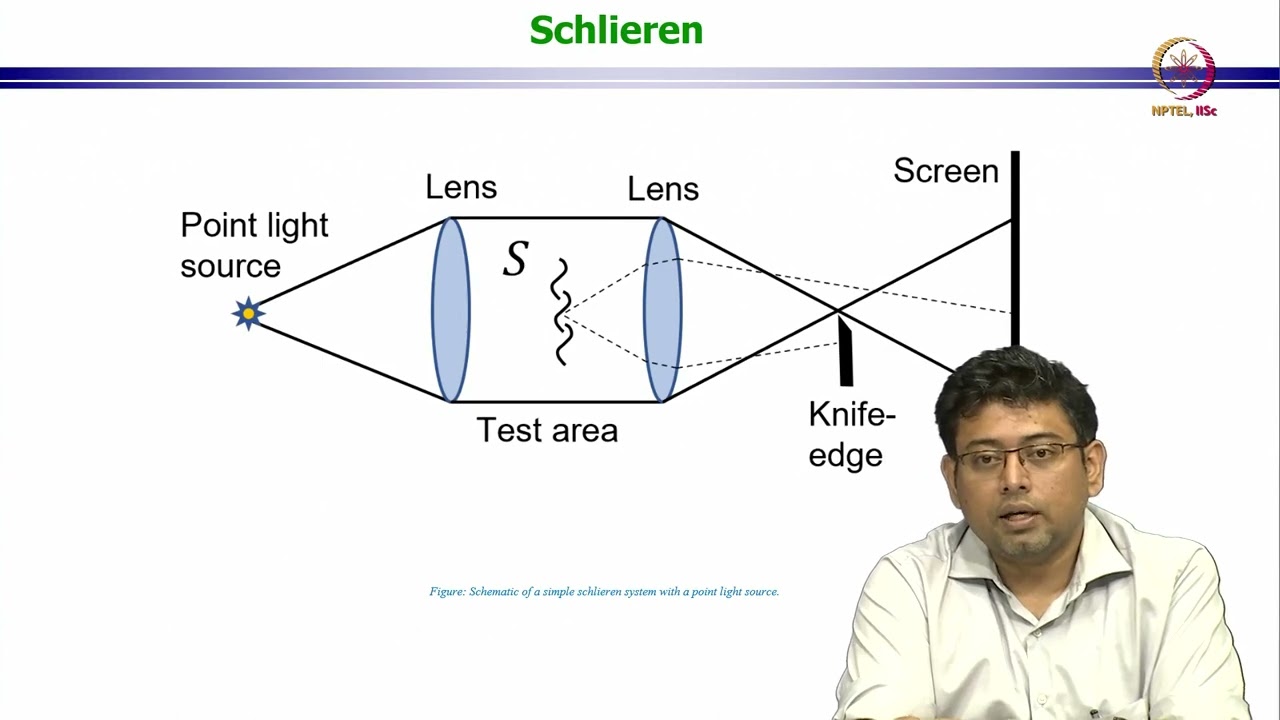







Schlieren imaging is a visualization technique that makes invisible air currents, temperature gradients, and pressure differences visible by detecting how light bends (refracts) when passing through regions of different density; this occurs because the refractive index of air varies with temperature, pressure, and composition, causing light to change direction and create visible patterns when viewed through a specialized optical setup consisting of a concave mirror, point light source, and razor blade.
Schlieren Imaging: How to See Air Currents and Temperature Gradients
Added:The law of refraction (Snell's Law) and how light bends when transitioning between media of different optical densities.
The relationship between gas density, temperature, and its refractive index (i.e., how heating air lowers its density and alters how it refracts light).
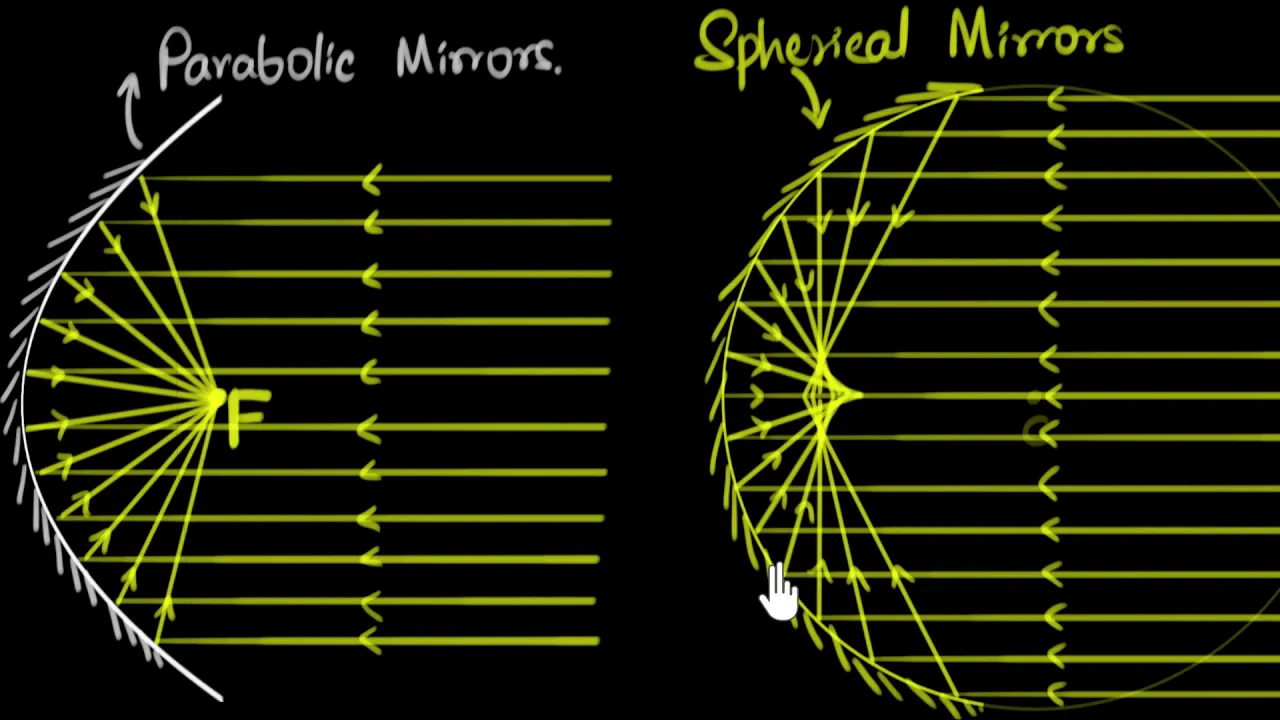
Basic geometric optics, specifically how concave spherical or parabolic mirrors focus parallel (collimated) light rays to a single focal point.
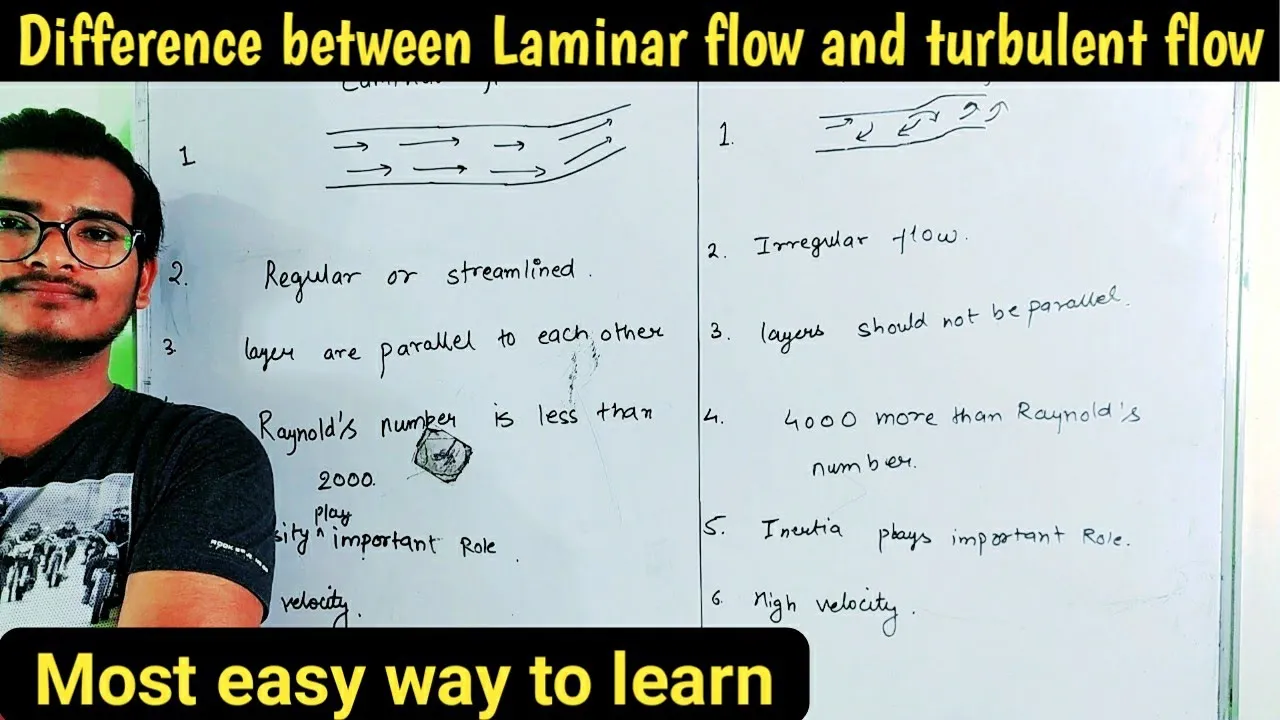
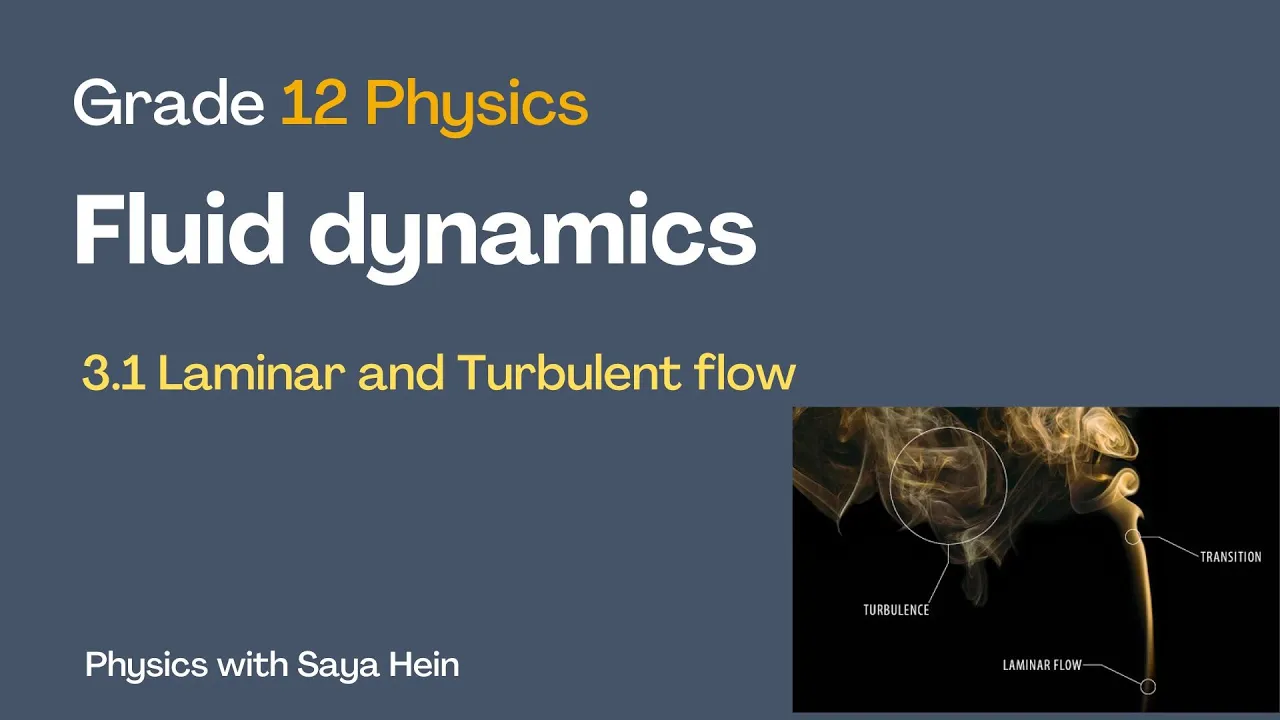
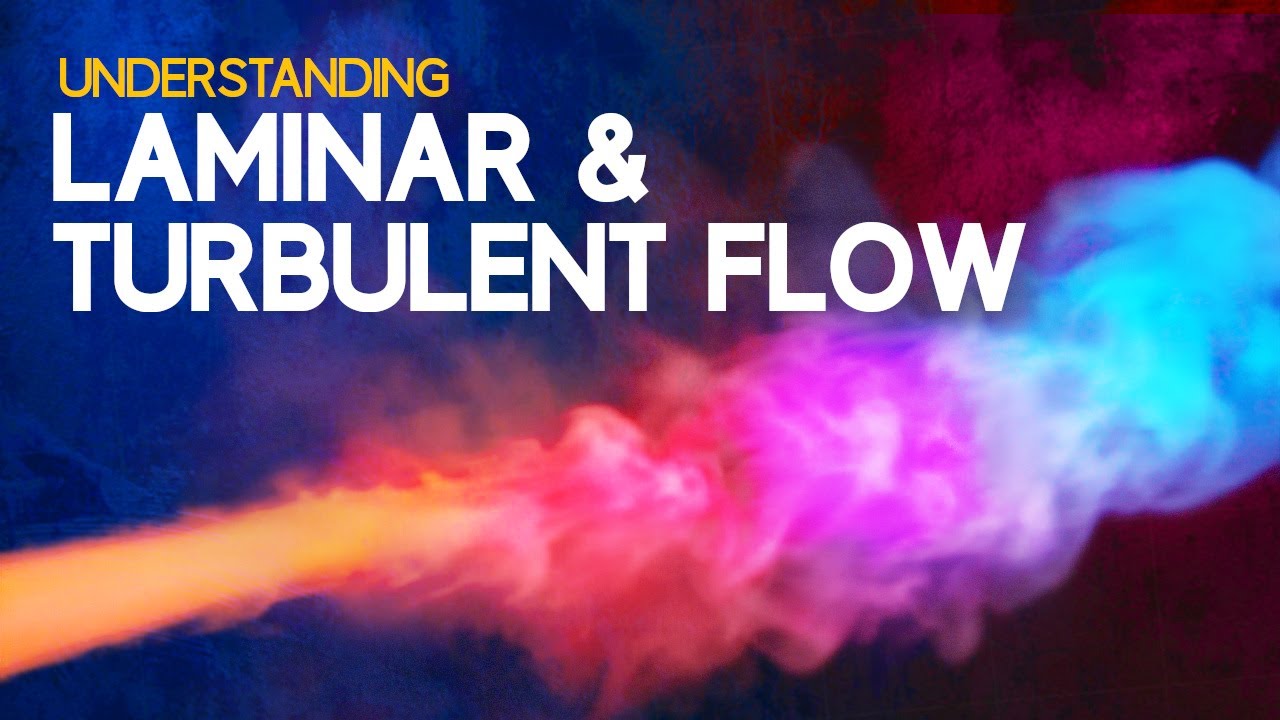
Fundamental fluid dynamics concepts, such as thermal convection, density gradients, and the difference between laminar and turbulent flow.
Advanced optical flow visualization techniques, including Shadowgraphy and Interferometry, and how their sensitivity to density gradients differs from Schlieren imaging.
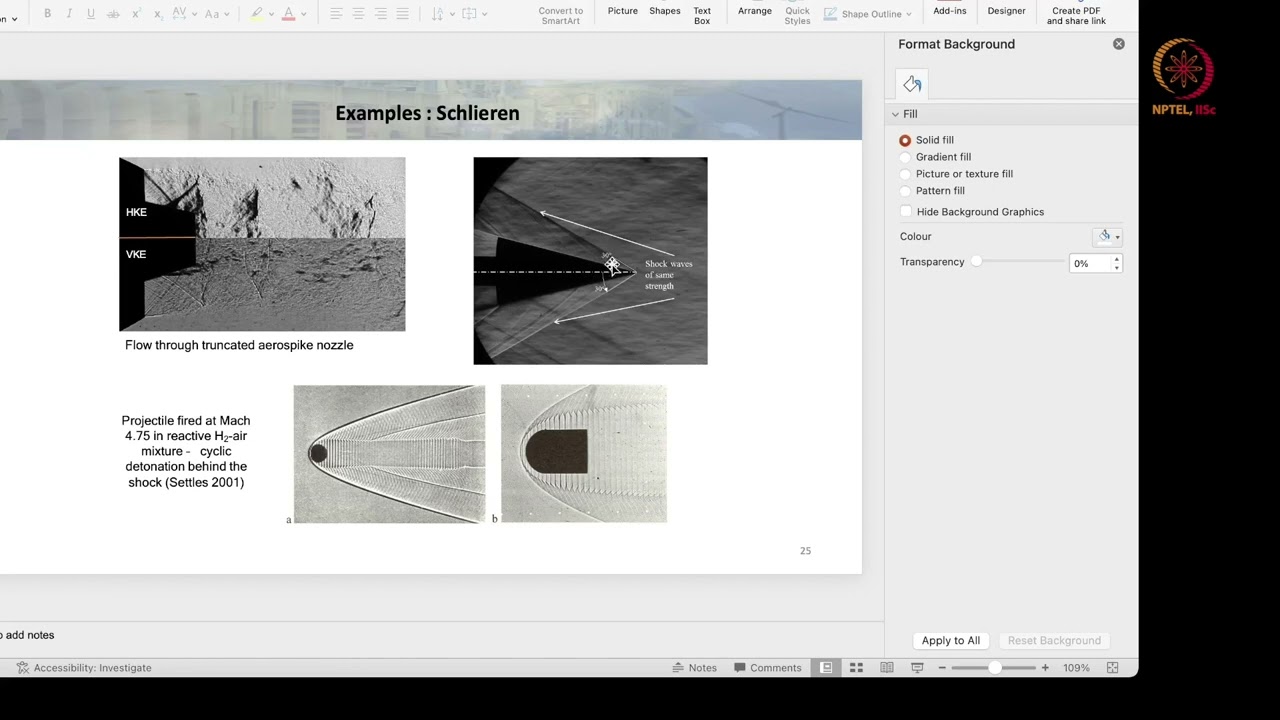
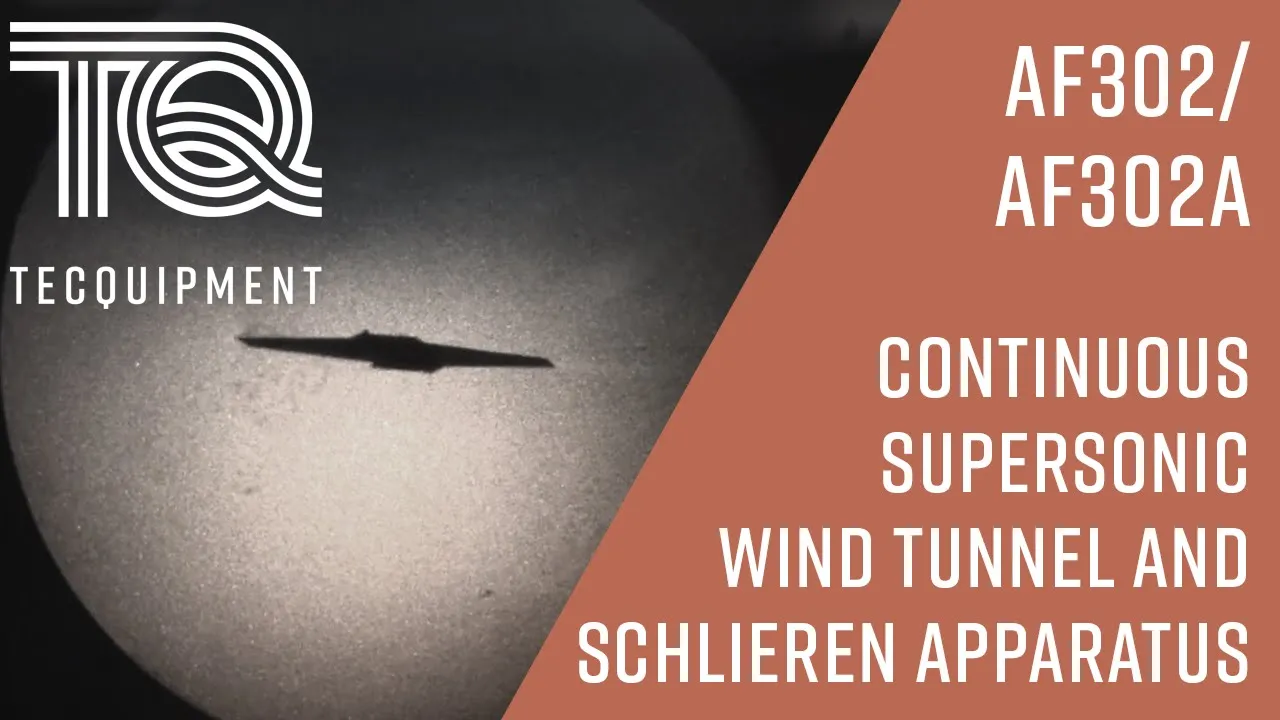
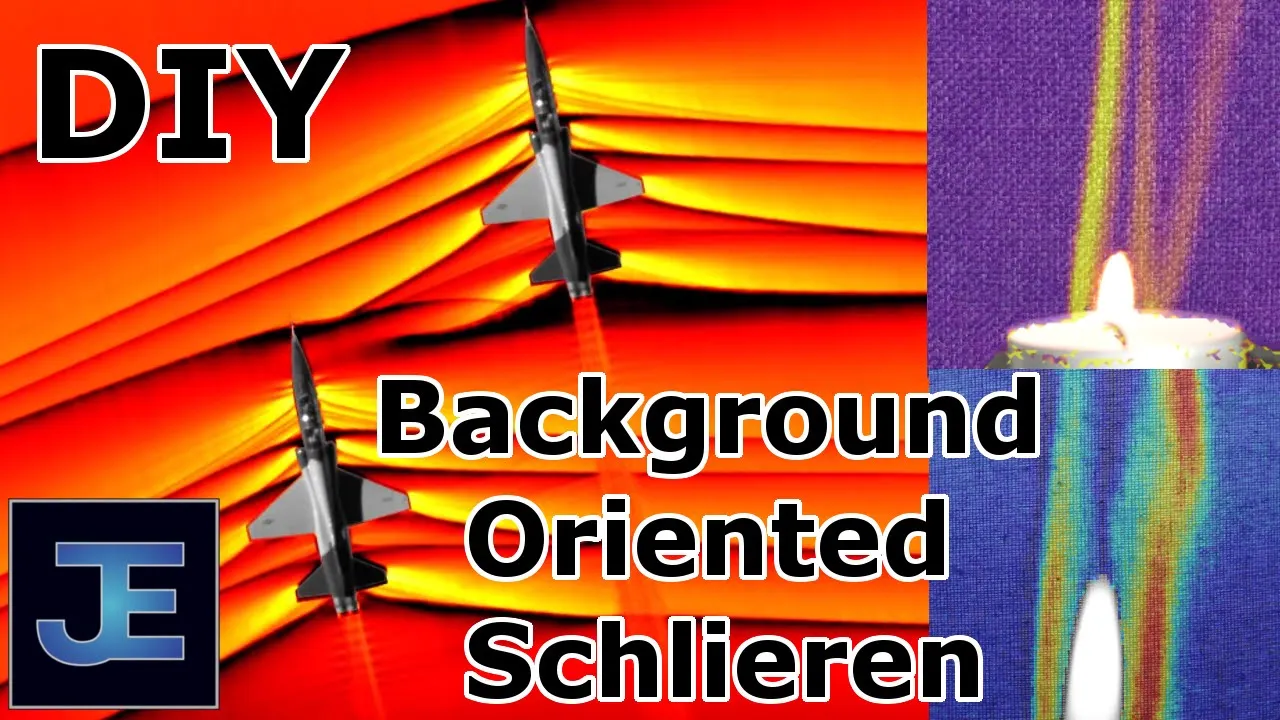
Aerospace engineering applications, specifically using Schlieren systems to visualize and analyze shockwaves in supersonic and hypersonic wind tunnels.
Quantitative Schlieren methods, such as Background Oriented Schlieren (BOS), which use digital image correlation to extract exact numerical density and temperature fields.
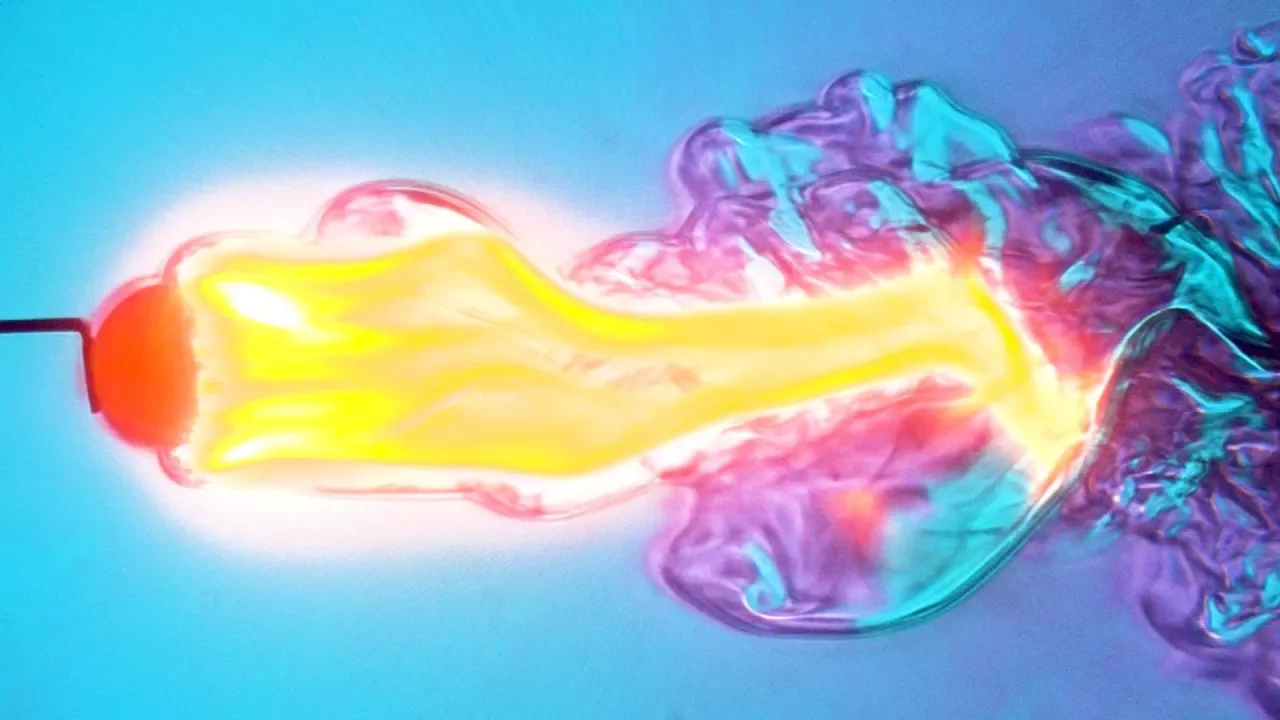
Combustion diagnostics, exploring how Schlieren imaging is applied to study fuel-air mixing, flame propagation, and thermal dissipation in internal combustion engines.
1.6M views81.5Klikes6:32Original Release: 2017-06-15
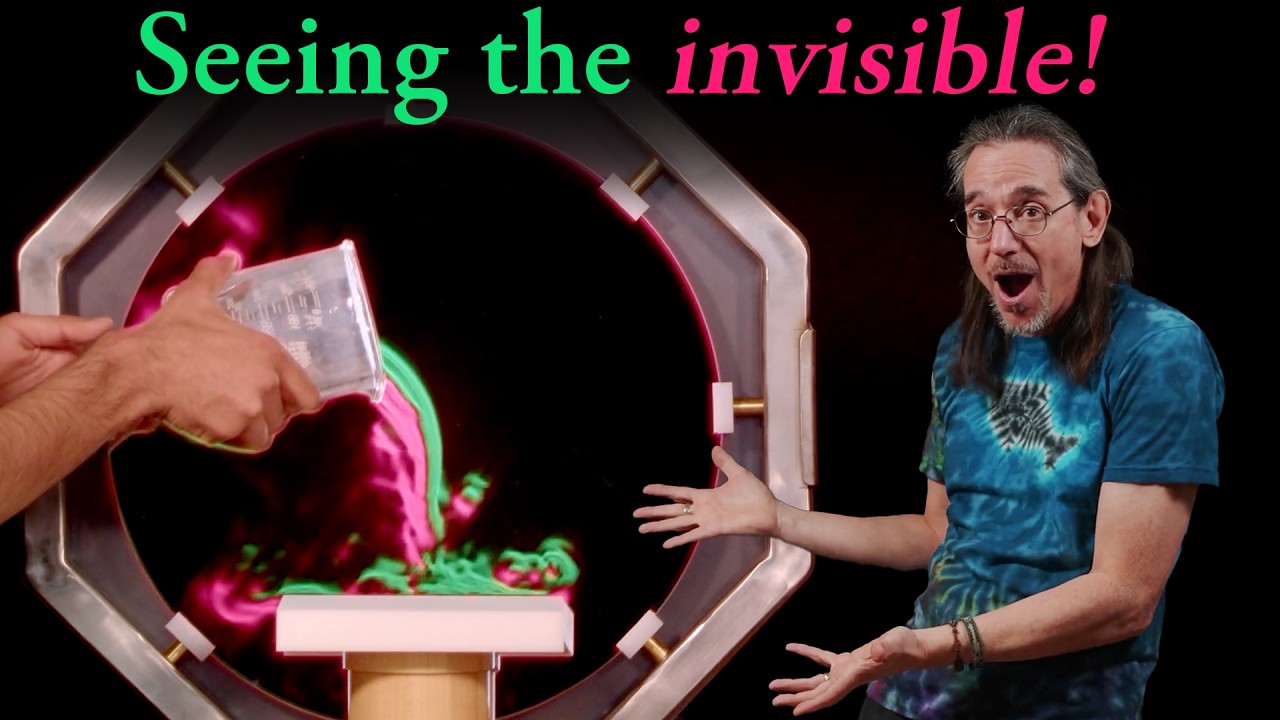
If there were a portal through which you could see all of the invisible air currents, temperature gradients and differences in pressure and composition of air, then this is what it would look like to strike a match.
This is helium being squeezed out of a balloon.
You could see the warm air rising off your hands.
The invisible vapors of isopropyl alcohol and a plume of ejected material when you sneeze.
This is the setup for how I made those shots over here I have a 40 centimeter diameter concave parabolic mirror normally this would be used to make a telescope but if it form, just a tiny piece of a big spherical shell Right? A giant spherical mirror that we're inside then the center of that mirror would be right here And that's where I've placed this led it's three millimeter But I try to make the light source even smaller by painting it with some black nail polish so, we try to approximate a point source of light there now that light spreads out in all directions, and it bounces off the mirror and reflects back Almost to exactly the point where the light is you can see that the light converges to a point right there Now I've offset the light just a little bit so that this light will pass straight through and into the lens of my camera So right here, I position this razor blade, so it cuts off about half the light passing through This setup allows you to see tiny variations in what is in front of the mirror For example when you have hot gases coming off of a candle Well, you can see that because as the reflected light from the led Passes through this column of hot air, it changes directions ever so slightly that is it refracts and the reason for that is because the Refractive index of hot air is different from the refractive index of the cooler air Around it now refractive index is a measure of how fast light travels through a medium Relative to its speed in a vacuum So for air the value is pretty close to 1 but hotter air actually has a lower index of refraction in this case the difference in refractive index is incredibly tiny and so we don't notice the deflection of the light but with this setup It actually makes a difference because some of the light that would have passed over this razor blade Instead gets deflected down and gets blocked and that forms a darker spot on the image Similarly some light that would have hit the razor blade is instead deflected over it creating a brighter spot on the image and that is how this works, so you can see the heat rising off your head and You can see your breath And you can see the cold air poured out of [a] cup of ice But temperature is not the only thing that affects the refractive index different materials [different] substances They have different refractive indices for example the butane in a lighter obviously we can't see that It's coming out right now, but the camera can even before the lighter is lit light also refracts when it passes through a bubble and the amount depends on the thickness of that bubble film This technique is known as Schlieren based on the German word [flir] which means streak and it was first observed in 1665 by Robert Hooke who was using Two candles and some lenses then in the 19th century they used this method to try to find defects and the glass used to make Lenses and more recently people have used Schlieren to study Aerodynamics and fluid flow because it allows you to see those pressure differences in temperature gradients So [you] can look at [shockwaves] and differences in the composition of gases So when you watch the lighting of this match you're seeing heat generated from Friction Igniting phosphorus which in turn generates more heat and begins the reaction between sulfur and potassium Chlorate which releases sulfur dioxide which you can also see And you can see my breath as I blow [out] the flame [I] Am so excited that I got this set up to work So if you can think [of] anything that would look really cool in Schlieren, then let me know in the comments And I will try [to] make [it] happen, and if you're new to this channel, [we'll] click here to subscribe I've got some awesome videos coming up very soon
Up Next

73:20
Ray or Geometrical Optics I | Yale Physics 201 Lecture 16
@YaleCourses
181.3K views•2011-03-24

12:53
21cm Hyperfine Transition in Neutral Hydrogen: Radio Astronomy Basics
@AaronRobertParsons
12.4K views•2011-10-13
27:39
Noether's Theorem: How Symmetry Defines Physics
@veritasium
12.2M views•2025-04-14

27:14
Entropy and the Second Law of Thermodynamics Explained
@veritasium
27.5M views•2023-07-01
Related Study Plans & Knowledge Roadmaps
Structured learning paths in Physics
physics
Nuclear Physics (Decay, Fission & Reactors)
01Atomic Structure and the Binding Force
02Radioactive Decay and Half-Life
03Nuclear Fission Mechanics and Chain Reactions
+ 2 more learning modules
12h5 modules
Explore Roadmap
physics
Soft Matter (Polymers, Colloids & Rheology)
01Foundations of Soft Matter & Thermal Forces
02Polymer Physics and Macromolecules
03Colloids, Surfactants, and Self-Assembly
+ 2 more learning modules
38h5 modules
Explore Roadmap
physics
Analytical Mechanics: Lagrangian & Hamiltonian
01Mathematical Foundations: Calculus of Variations
02From Newtonian Mechanics to Constraint Dynamics
03The Principle of Least Action & Lagrangian Mechanics
+ 3 more learning modules
28h6 modules
Explore Roadmap
physics
General Relativity (Spacetime & Cosmology)
01Foundations of Relativity: Special Relativity
02The Geometry of Spacetime: Equivalence Principle & Curvature
03Einstein's Field Equations: The Mathematics of Gravity
+ 2 more learning modules
55h5 modules
Explore Roadmap