













Marine mammals like orcas and humpback whales use sophisticated acoustic communication systems with unique 'voice prints' that can be recorded and analyzed using hydrophones and software tools like Audacity and Raven, enabling citizen scientists to monitor marine mammal populations and study their communication patterns in local waters such as Puget Sound.
Recording and Analyzing Marine Mammal Sounds in Puget Sound
Added:Basic physics of underwater acoustics, including how sound waves propagate differently in water compared to air, covering concepts like speed of sound, attenuation, and pressure.
The biological distinction between odontocetes (toothed whales like orcas) and mysticetes (baleen whales like humpbacks), specifically how they produce and use sound for echolocation versus communication.
Fundamental concepts of digital audio recording, such as frequency (pitch), amplitude (volume), sample rates, and how hydrophones function as underwater transducers.
Advanced spectrogram analysis using bioacoustic software (such as Raven Pro or PAMGuard) to classify specific vocalization types and distinct pod dialects.
The study of anthropogenic ocean noise pollution (e.g., commercial shipping, sonar) and its physiological and behavioral impacts on marine mammal populations.
Acoustic localization and tracking techniques using multi-hydrophone arrays to determine the precise underwater movements of vocalizing whales.
Application of machine learning algorithms and deep learning models to automate the detection and classification of marine mammal calls in long-term acoustic datasets.
139 views5likes1:29:27Original Release: 2023-03-20
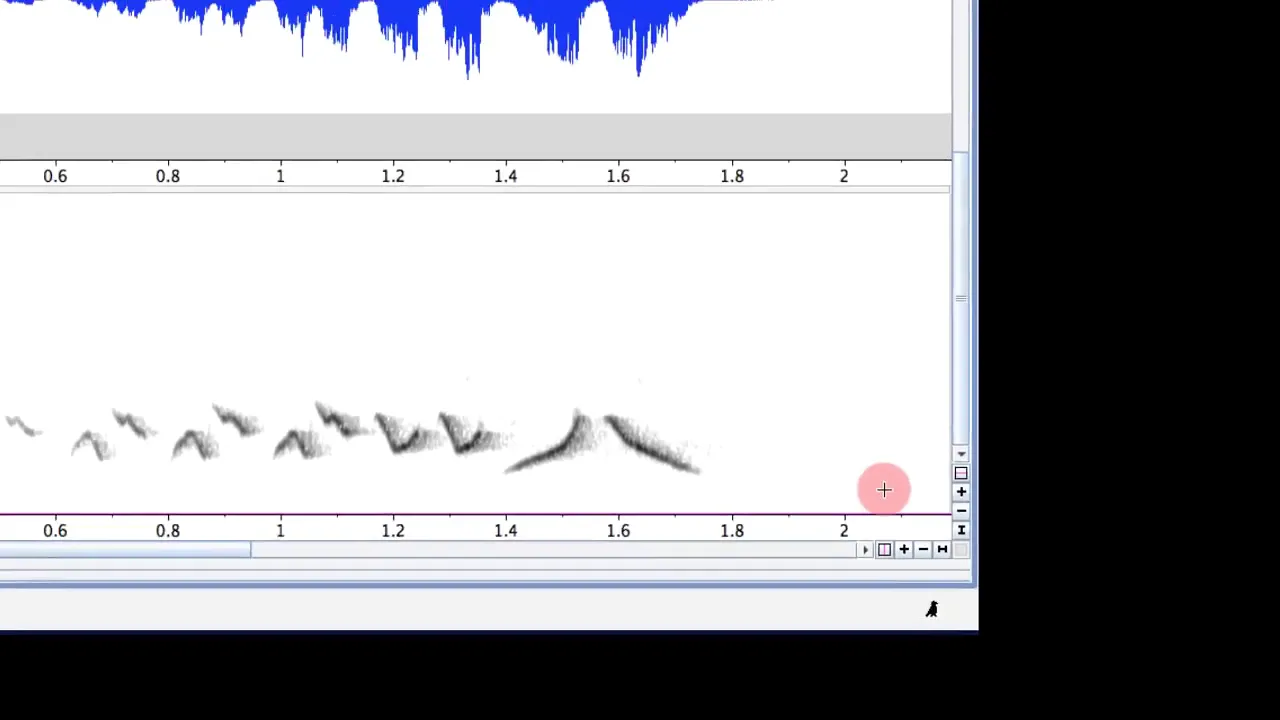
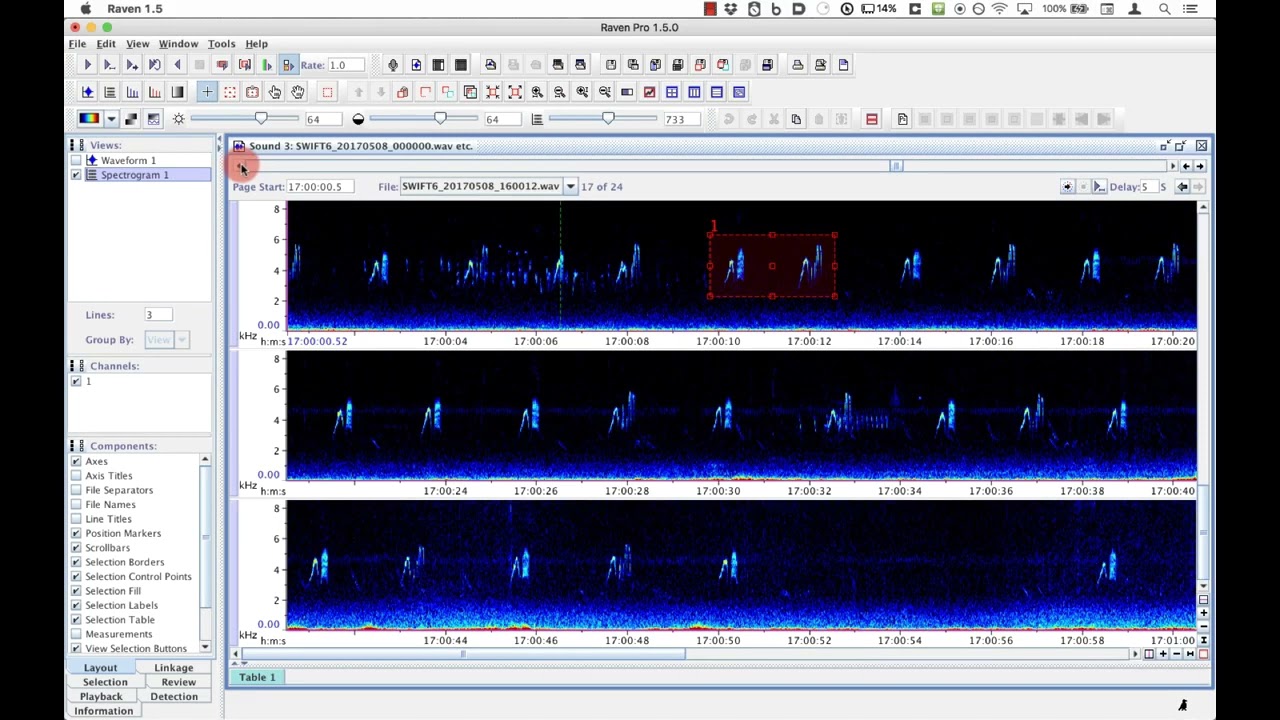
foreign [Music] while we're waiting uh these are these are pictures of orca that have been spotted around Bainbridge Island in the last two or three days and so they're here we have the southern residents passed through yesterday and they're down in Vashon area now and uh the the these are southern residents and the Biggs transients were in uh under the Agate Pass Bridge this morning so if any of you live around there I don't know if you saw them or not but yesterday they were in there and they got at least one seal I chose not to show those pictures they're kind of gory but uh so any any of you that have Facebook there are there are several groups in Puget Sound that uh report these as they see them and it's a good way for us as we'll explain in our talk to uh anticipate where they're going to be so we don't have to make any noise and disrupt them when we're doing our our research there's also a there's also a humpback whale in in town right now uh it was off of it was in not off of Vashon but this morning I heard it was up it was up north a little bit so he's moving around and say he off the internet the Orca watch Network post these and and the people that are experts which I am not there are a number of people that can tell you individual names and by by the coloration of the animal we're starting to work as you'll hear in the talk about uh work with their sounds because each of them have a unique voice print they have they have social calls that we're starting to be able to sort out you know that's unique to this animal and that's unique to this animal I've got some we'll you'll hear it during the talk so I'll repeat again these are these are pictures taken off of Facebook from the Orca sound Network folks that within the last couple of days took these in and around Bainbridge Island so there are two groups one of them is a that's those are big transients they eat seals and the other group is a southern residents are in again here or at least a part of j-pod are we going to start right at noon or earlier or what okay foreign foreign foreign for those of you who just came in the the pictures that we're showing came from the internet some of you have heard this but I pulled these down off of Facebook uh from the Orca Network that's active in Puget Sound all of these pictures were taken when the last several days around Bainbridge Island and so we've got the transient what they call the big Biggs transient Orca population in here they eat seals and anything they can eat and then we have a one of these shows uh j-pod is back in town the the southern residents that are threatened or they're like 76 of them left and they eat salmon although somebody told me the other day they thought maybe they had expanded their diet a little bit I don't know if that's true but the first one of these pictures the one with the whales Spy Hopping that was under the Agate Pass Bridge this morning so if you're close to the Agate Pass Bridge take a look welcome to another level and they in a what's that event so we uh we dubbed our little project here called wet sound probably isn't appropriate but that's what we're calling it so we we have a file that says that we stuff everything in it on our computers so I'm going to go through this slideshow um and we've got a few pictures and a few things to talk about if I figure out how to do this okay what we think we don't know about sound and water and uh I used to refer to these kind of things as unkunks unknown unknowns and the more Gemini get involved with the analysis of the underwater soundscape particularly how with marine mammals in it the more we realize we're just scratching the surface and I we hope to show you some of these things that we're doing today so I started in the Amazon actually doing a recording marine mammals back in 2007 my wife is a marine biologist and also did a lot of outreach program for education and medical Outreach in the Amazon and I was the bag carrier but I kept seeing these dolphins in the river called pink river dolphins or for the scientists here Ania geoforensis and I had done work with marine mammals over the years and and said well you know we can voice print these guys and count them because I discovered by looking on the internet that nobody knew how how many of them there were and at least in Brazil there are considered to be either a Dane endangered or at least a threatened species because they're taken for bait and stuff down there so that's how I got started I uh we live in have lived on a farm since 1977 between Silverdale and Poulsbo we did look at a house over here but back in the days we came in 1977 we couldn't afford one but I wish we'd have bought it then because retired from the Navy it was majored in chemistry and did work in nuclear physics and uh did a lot of work in and after the U.S Navy my career there in underwater acoustics so anyway I thought this would be an appropriate introduction uh as most of you know 70 percent of the earth is is underwater and uh what's going on in my mind is that over the last decade the technologies that have become affordable and available to anybody whether you're a scientist or a citizen scientist or just a hobbyist or it's amazing how they've given power to people to do studies like we're doing that that 10 years ago you just couldn't do and so that's how we well actually it's 15 years ago that's when I started so so the technology driven uh things got me involved with these dolphins and this is what they look like these these animals they have found fossils that are 25 million years old they're they're one of the two oldest species of toothed whales or or in case dolphins odonta seti is the connect technical name that exists and and the sounds that they make as you'll see here in a second just think about it best I can determine is failure paleontologists and anthropologists believe that humans didn't really have used speech earlier than 500 000 years ago so these guys have been around a lot of time to develop their speech this is a system I took down the first year it fitted my my shirt pocket and but it was affordable this was this was a underwater microphone called the hydrophone that we took down built by a guy over in Seattle it was very it was affordable but uh kind of the most expensive thing that I had on that trip we chartered a boat looked on the internet and found a guy that built this boat with a lot of battery capacity because his his uh mission in life was to catch a thing called peacock bass which are in the upper Amazon of Peru where we go this boat was in Peru and they're very spooky fish and they're but they're prized by Anglers worldwide that come down to the Amazon to get their trophy so Bill Grimes the guy that built the boat or had the boat built set it up to where it could run for three days without any rotating or noise making equipment on board and they could sneak into these areas and of course it fit what I wanted to do which is to record Dolphins without a lot of interference from Machinery noise we took the boat up into a very pristine remote area of the upper Amazon on a river called The ukiaale River and into a preserve that even indigenous people don't live in because it's flooded year round but it's full of dolphins and that was the first year that we did that and came have done it many years after annually afterwards this was our laboratory where we analyzed the noise of the Dolphins the gal on the ride Shirley Sherman is a Bainbridge Islander my wife Dottie myself and the gal that is the wife of the owner of the boat and the way we were able to start analyzing this was with a free program on the internet called audacity some of you may use that for other things but audacity allows you to uh after you record with the microphone these animals you can start analyzing the the details of their sound and what I want to do is actually show you and I'm going to have to go out of this slideshow but I've set up my audacity to play what I heard on one of one of the these uh these recordings that we made up in the picaya samria Wilderness Area and uh so at the time I had no idea what we were recording but when we got back and we started using audacity this is what I heard in fact this is what I heard on the headset as we were recording um so this is a time time is going horizontal and amplitude is going vertical and this is just a voltage out of that hydrophone that we have that converts sound energy in the water to electrical energy that we can sense and record and put into a digital story so really it's not very impressive and I'm looking at these pretty large amplitude things and I didn't didn't really uh understand what I was looking at so what I'm going to do is stop this and I'm going to put Michael go ahead I'm going to put my glasses on so I can see and we're going to uh oh that was a catfish that wasn't a dolphin so I took one of these little hunks of higher amplitude stuff and I can zoom in on that that little chunk and when I do that I see this and then I can actually play this back at a reduced speed and when I do that if I can find my there it is I'm just going to play this back this is what that little bump was and this is what it sounds like slowed down by 90 percent so that tells me that told me two things it told me yeah there's there's something going on even though I can't hear it which means it's above the threshold for human hearing which is about 10 kilohertz and and my recordings were just rich with this stuff well as we were doing this particular recording and this was the first place we saw this um we we got into to a much louder amplitude sounds and right here's a good example and when I played that at regular speed Dottie was keeping logs and and I said well this sounds like popcorn popping so we dubbed at popcorn so then what I decided to do is to okay let's slow this down and see what it sounds like and when you do that almost sounds like a shotgun's going on what that we were observing at the same time a group of three adults pink dolphins feeding in the at the shore of the little Lake that we happen to be in off the Amazon and we think that we think that what they're doing there is is either stunning or disorienting the fish so they're easier to catch and eat and when I got back I I talked to a couple of professors that study made their life history studying this stuff and they all they basically the the guru of the world in that area was a fellow from the University of Hawaii by the name of Winthrop owl and he told me no that's not possible well within a couple of years other people adopting this technology they're saying hey we're seeing this with bottleness dolphins we're seeing it all over the place and so he finally came around did a paper on it and sure enough we think that's what they do so I'll get out of audacity and go back to my PowerPoint slides and I decided one of the things I did find out is that the clicks that you heard the equipment that I had with audacity and the the range of sampling that I could do the clicks were above that they extended above where I could actually analyze them so I found a piece of software called raven from the Cornell uh lab that does a lot of bird sound work and acquired that and and started really looking at this stuff in more detail and over a couple of years we were able to um identify these clicks and and each one of these is like that click that you heard but extend it up in this case to about 250 kilohertz it even goes higher than that but for forsake here that's what we're looking at you'll notice that there are red areas in the clicks and we process these these clicks with a team that had formed with us that was pretty much globally located and a fellow from from the University of Toulon in France the guy by the name of Professor Harry gloten had been working he's a physicist he was working on what they call Deep learning at the time now it's AI and he had access to the CERN computers in which is a big Physics laboratory and switch I think it's in Italy and Switzerland it that have enough power in the computers to process this way more than than we could but what happened was that well let me let me back up a second if you go to the internet and you go to Facebook you go to uh to just type in and Google looking for the sound on metal plate that's all you have to put in there and you can hear the dynamical thing in this but this is an example what we think is happening with those clicks if you make a 1 000 cycle per second tone on a metal plate that's the pattern you get when you go to 3 000 Cycles or three kilohertz it changes and it actually changes at 1.01 kilohertz it changes and so the hypothesis is that these animals use their clicks not just to find prey and be a like a sonar but they use it as a Communications medium with huge bandwidth compared to humans our oral bandwidth is about about 10 kilohertz these guys go to at least three or four hundred kilohertz so there there's orders of magnitude more information potential in those clicks than there are in what we can hear we use sight more than we that we use hearing okay I'll get back on track well this led to our the first published paper that we we did on on these clicks and we presented that paper and uh I think 2014 or 15.
and now I'm going to turn it over to Jim Henderson and he can tell you what he's been up to okay well my name is Jim Henderson and uh I have been involved in oceanography and underwater Acoustics for just a lot of years I started interestingly enough out of college as an Air Force pilot and I flew for five years and I traded the air for the ocean went back to graduate school and I've just been having an absolute ball exploring on doing really interesting things in all the world's oceans so okay Dave and so Dave was in the Amazon let's get a little closer to home and this is an area called outlined in red there's called the Sally sea and uh Puget Sound is down in the bottom of that and okay and Sally C has a number of different marine mammals that are endemic to this area and across the top there you can see minky uh gray and humpback whales and also on there are orcas and Pacific Whiteside dolphins and harbor and Dolls porpoises and interestingly enough each of these species makes noise that you can hear underwater and those no each of those are different okay and so let's uh let's get a little closer to home and Dave and I had the opportunity last summer to uh to go out and actually make some measurements and we were on a vessel called the my Shannon and right over here are Joe and Shannon who had the vessel and they were kind enough to to take us around and here you see those two up in the Wheelhouse and then on the right there Dave and I are just doing a little data analysis on some of the things that we had been recording now I want to interject something Air Force I'm Navy we don't always get along and I'm sure that he moves too slowly okay go ahead whoops okay and so what we did off the vessel to my Shannon is is we constructed what's called a hydrophone array okay and this is those black things sticking out at each thing there's five two at the bottom on each side two coming up and then one there those are the hydrophones and we had them in a configuration is to where once we put those over and there's cable going up to the surface to to the laptop and we could make recordings from there and I'm in the process just to putting this over the side on an absolutely beautiful day okay and this is this is an example of some of the things that you can hear within the Sally C Puget Sound and off the top here is uh what Dave has shown in the past is What's called the time series okay and in this time series the the vertical axis is time and going across the bottom or the vertical actually this level and going across the bottom is time and then in the bottom one we have what's called a spectrogram okay and that's we have frequency going up in time going across and what Dave was just playing right there you can hear the the whistles The Sounds that's what it sounds like and that just that happens to be a humpback whale these carry for Miles okay the next one okay this is again A Time series across the top yet this is an orca and so go ahead David hear that whistle that's something you may have heard that's the whistle of an orca and it's also embedded in there are clicks the the whistles are over lower frequency the clicks start about four to eight kilohertz and go much higher than that so this is the kind of thing if orcas were in the vicinity like they were just earlier this week around Bainbridge Island you would expect if you had a hydrophone in the water to be hearing something like that okay Dave one of the things we we should point out is there are actually about four or five animals in this short little segment of recording and each of them have unique social and socialization calls which is what you see on the the red area of the of the spectrogram and and nowadays they're using AI to start identifying individuals around the world by these calls and there's a lab up in Canada called Orca lab and they've done some of the groundwork on that and we've worked we work with their data and so you can not only spot these guys and look at their fin shape and their colors but now from their acoustic sounds they can identify that's j23 a female 22 years old she has four calves that kind of stuff so the technology is really moving okay this is a this is an example of what it looked like in the in the main Salon of the boat in that this fellow here on the left uh that's hervey golton that that Dave mentioned earlier on the right there's some some black boxes if you will with a bunch of wires coming in and out of them and that's where those wires that came from the hydrophone up onto the deck and into that box and hervey's actually doing he's he's done some recordings and he's doing a little bit of analysis here now we have worked with hervey and what he does is he goes around the world and collects information collects recordings from marine mammals he sends them to us and he says would you guys take a look at this tell me what you think's going on here or look at what's happening here in so we go using some very sophisticated tools that we've put together and do analysis of the things that he's sending to us and then Dave in the center there's is fulfilling a really important role in that he is looking at something called Orca watch Orca watch which identifies where the orcas are in Puget Sound and so he's saying oh guys we need to we need to leave here and go over there maybe we can get to a point where we can stop and do make some recordings the guy in the background with the sunglasses that's me I'm making lunch okay and then again this is this is a series of clicks that we've been talking about from orcas okay and you can see across the top there's that time series that you're seeing again and you see this big up and down and then it gets quiet up and down and we have seen clicks that the spacing between there has been like a half a second or maybe a third of a second all the way up to essentially thousandths of a second depending on what the species is so some of these things are clicking really fast okay and then in the bottom there is what we have we call the spectrogram and you can see the the different colors there and those colors as it goes up that's higher in frequency and the colors are actually the magnitude of the intensity of the call at that time or the click at that time and what you see is is that those bright spots those rotaries change from click to click to click and we have taken some very very a very careful look at that in a number of different species and we're of the opinion that that could be communication not only is it clicks that are going out and identifying a salmon or something like that I do I want to go eat that but also because these change things change so rapidly that that could be communication between animals okay yeah well I'd like for those of you who may have some technical that click lasts about 30 microseconds it's not a very long click in terms of the actual energy from the animal we we sample in this case at 500 000 samples per second feed into our computer and the each sample is a 24-bit word that allows us to to create a file called a WAV file that gives you these these recordings and so one of the challenges is we we have to use a lot of memory and think back 10 15 years a gigabyte we didn't even know what a gigabyte was it was so big well now we're dealing in terabytes that we can afford you can go to Costco and get a five terabyte traveling hard drive and that's that's 10 to the 12 bytes so we're able to uh you know we're able to do these things that we couldn't do 10 15 years ago go ahead Jim and and we should point out that Dave has has mentioned a software program called audacity and something by Raven we're using something called Matlab and we're using a series of applications which were developed by a a rocket scientist truly a truly these guys are rocket scientist at Nasa and we found that and we took a look at it so I wonder if we could use this and do some of the analysis that we want to do and it's because of the tools that he developed to analyze rockets and all the things that they were doing in Rockets we have been able to come in and do some really sophisticated things and see things that nobody's ever really seen before and this is just just a quick example of something that we look at you can see the little the little spikes along the left-hand axis there and in fact those are the vocalizations and then as you move up you can see these white things going across those are clicks and then you can see white and then some yellow going up into those are higher amplitude clicks that are coming in and then some more white and some more and then some more vocalizations and such and what we do is we zoom in on one of those clicks then we start to look at that in lot of detail and we can determine some really interesting things and we can watch those frequencies change between the clicks and that's was really our first clue to think that gosh there could really be some Communications in here okay Dave and I will hand it back to David okay Jim didn't want this slide because he says it's too busy and the only reason I put it up here is this is the slide on the left that goes up to about fit 10 15 kilohertz in frequency all of the world's governments use that particular slides called the winds curves to set rules on shipborne activity around marine mammals on the rights just a simple diet you know comic book thing of you got ships making noise and animals making noise and they mix up so I like that there's a term called acoustic gaze that's become adopted by people that worry about marine mammals as particularly or the Sounds in the ocean and marine mammals have this acoustic gaze they don't have their life is spent and dark so they can't see like we can but they've they've evolved acoustical analogs to our visual ways of sensing our environment and what I use here is the consider it vegan City you got 10 kilometers when it's a clear day you can see five kilometers is a fog Bank moves in and it gets thicker to two kilometers and pretty soon it's down to where you can't see your hood ornament and uh it's the kind of thing that we have been reporting on as far as the impact of anthropogenic noise which is a fancy word for human noise mostly for marine vessels impacting these marine mammals and so they're blind if there's a ship that's making too much noise or too close to them and here's a this one of the breakthroughs we did a study for for hervey to give a talk to a bunch of politicians and Admirals and people that are decision makers in the Mediterranean in this particular encounter is with a cruise ship and I'll let you listen to what they hear the marine mammals here I hope I can let you listen to it there we go so he's about three to five kilometers away there whoops that's the middle one what you're hearing there are diesels let me go back again I'm going to stop this this is this is when he came into Johnstone Straits that that buzzing noise is is uh part of the ship and then when you get up here when he gets close to these you can see the the Dolphins or the the orcas around him this is what you hear here drop off sound drops off substantially the reason is the the captain of the ship stopped the propulsers so that the passengers could look at these orchids and we in analyzing this this is from Orca lab but we we've worked with the ship was doing nothing that was considered to be illegal as far as approaching and being around marine mammals as the current rules exist but the rules have have uh are in the process and have been modified since then okay so I'm done with that one whoops what am I doing here Jim okay so that ship is the Norwegian Jewel it's a pretty typical cruise ship that goes up and down the Inside passage to Alaska all summer these ships are all over the world and what we what Jim and I saw was that the acoustic signature from this ship didn't look like any ship that I was used to I was a Submariner for a good part of my life and I thought I knew something about ship propulsions because we used to detect the bad guys that way but this was totally different and even though he was following all the rules the sounds that he was making were not like sounds that the rules were made to to determine how close people could get to Orcas or any other Marine and this is a one this is off of the Matlab and this really was was sort of the thing that showed us what was going on the oldest information is at the bottom and the newest information is the top it's a waterfall display it's what we call it so these lines are lines from these things they're called azipods or asthma propulsers each one of those weighs 250 tons there are two diesels attached to each of those in the ship that run at a constant 500 RPM they're 12 or 12 cylinder large big diesels and they delivered DC power to these pods that rotate 360 degrees at 15 degrees a second yeah a second and that's what pool pushes or pulls the ship through the the water they're very efficient they allow the ship's Captain to go into ports without using tug boats but the real problem is the sounds that you saw there that were right and I'll go back to this you can see we've labeled that it's when that's all running you're wiping out the clicks from the orcas and also you're wiping out the vocalizations so they're basically blinded while that ships around so these These azipods are they're DC motors so they have magnets they have a statter that's a series of magnets along the Pod and then they have a rotor inside that's also a magnet and we believe that the noise that they're making is the magnetic field collapsing and expanding as the motor rotates that's what makes it rotate um and it does it at the frequencies unfortunately wherever marine mammals use their acoustic gaze to do whatever it is they want to do communicate and or find prey and or navigate so we reported that and um in a symposium in in France and as a result of those findings and others obviously we're not the only ones working on it they've changed the rules all of the big ferries in the Mediterranean and the Atlantic use these same propulsors some of them were one propulsory can generate 24 megawatts of power so it's a lot of energy going into the water and they've actually changed the rules now as a result of this realizing that these new technology ways of moving ships container ships all of them use this if they're built after 2005 um we have to pay attention to it okay okay again closer to home here uh orcas and Puget Sound and I'm sure most of you saw the little show that went on the fir at the beginning where it showed that the orcas in different areas as they moved through last week okay and there's the resident Community they typically mostly eat fish as Dave said they may have been changing their diet a little bit but right now those orcas are considered endangered within within Puget Sound there's also what Dave mentioned is the transient orcas and these These are transient these come from the northern part of Sally sea they may come from out in the ocean they periodically go through Puget Sound and they like to eat seals and they take care of any of the seal population and it's interesting as they're moving through they don't click a lot nor do they make a lot of noise because they don't want to scare the seals away so they'll come across these seals and snatch them seals up on buoys and probably on your dot if you have a dock if you see seals on your dock it probably means these guys are close so and like the transients that comes through the end of the seals smaller marine mammals they also eat sea birds if there's a seabird sitting on the surface okay Dave now state of Washington and British Columbia Canada have developed a number of regulations rules and regulations that they've put in place to protect these marine mammals and essentially what this is saying is is that uh that the U there's U.S and Canada mixed air together Canada Canada's and meters we're in we're in yards or feet and and they're saying a vessel speed of no higher than a half a mile of an orca uh seven knots okay keep the speed down if you're close to them and the distance from an orca is 300 yards from either side 400 yards from behind or 400 yards in the path of the Orca and they've set these up and one of the issues is it's it's it's been difficult to get this information out to the Marine Community there's just they're just they haven't really figured out how to do this and unfortunately what we have here is two orcas down at South Sound four kids on a jet ski notice no life jackets on them and they were trying to get up to those orcas to touch one of the the either touch the Orca or touch the what whatever it might be okay so obviously they didn't get the word who really didn't get the word was their parents I.E life jackets and stay away from these animals and and this is we actually have videos of this but Shannon my daughter took the videos and she used some words that would be inappropriate David so we have this and this this is not an isolated incident and you'll probably notice that you'll hear from time to time one of a a group that's down in Olympia continues to promulgate these regulations as they learn more about it okay now this is some things that that you're not going to see anyplace else or hear about we have been a part of uh hervey which we talked about earlier goes around the world and films and takes the recordings of underwater of these marine mammals okay and and the first thing we're going to look at is an orca Herring ball I work a herringbone and the orcas are circling there's one right there and you can see it kind of coming around it it's hard to see there's another one right there they're circling this prey okay and getting them into that school like that we also know that humpback whales uh will put out a bubble screen and they'll do exactly the same thing so we're putting in and then they'll go through and feed like the orcas we'll go in three go go through and feed okay but something that nobody's ever seen before it's another Orca doing this okay and kind of get ready for this there's a humpback whale that just went right through that school of fish I'm gonna have to blow back okay look at that bailing absolutely full of fish we have not only we have and you're going to see a here in a minute the guys that were in the guys in the water taking pictures of this stuff okay and then again here comes another Orca up through and there's a calf right behind it okay what's really interesting about this is that the acoustic recordings that were being made during that time we think that we might be seeing communication between the orcas and the humpbacks nobody has ever seen anything like that before and we we think we got it the the Norwegian team is going up there again this year late summer and we're going to get better recordings and hopefully at least as good video so we can actually start to nail down if there is actually communication going on between those two species that would be really something yeah this was taken with a GoPro it was under waterproof so the sound isn't anywhere near what we need to do the analysis and unfortunately we they didn't have a Time sink so we could match up what we're hearing but we actually found low frequency clicks from these We Believe from these Outbacks so okay in the next one we're going to look at was taken up out of orca lab and Johnstone straight and this is an interaction between an orca and Pacific Whiteside dolphins foreign and everybody thought oh yeah that's we've seen this before they're using eyesight it's assured that they don't run into them in the recordings that we that were made up there at extremely high frequencies we've discovered that those Pacific white sides are putting out clicks that started 120 kilohertz okay and are milliseconds apart they're they're differentiating something that's that big and they're swimming so they're not only using eyesight but they're also using Acoustics to ensure that they don't run into that whale and that's another thing that nobody had ever seen before and that we're in the process right now of working with the French group to to write a paper on that the well yeah Jim was an Air Force pilot and and I was you flew with the Navy and that we all we have thought you know you don't want to run two airplanes together these guys are ways as much as some of the airplanes you flew and so how do they keep apart even though they're weaving in and out of each other well we think this this communication and and some basic sonar is how they do that and and it's again the technology allows us to see things you couldn't see 10 years ago okay so so here's Bainbridge Island the area around it 63 miles okay and as Doug said earlier we did some projects here at the barn and he asked Hey What Can you guys think about doing something else and Dave and I kicked a few ideas around and we are in the process right now of developing a prototype for an acoustic measurement acquisition system that people can build in a series of steps here in the barn and that system is going to be Deployable off the side of your boat toss it over or potentially uh hook it up to a dock or even more it out in front of your house and what we're going to do is we're not going to have a cable running up to the beach or back to the boat we're going to Wi-Fi this signal back so if you're in your boat you can be sitting in your cabin or wherever with your laptop and getting the information you'll be able to hear it but if you hear something really interesting you push a button you'll be recording it and then you're going to come back and be able to take those recordings and look at some of this software and do some analysis on it yourself and we're we're working with some people in the barn right now there's a possibility that we might put a server here or somewhere that would take all the information that these people were gathering put it and make it available to everybody okay are we done questions [Applause] great so yes sir the the one that I pictured was within the rules he has to slow down below seven knots if he detects or is knows he's in Waters frequented by marine mammals um but again as I pointed out those rules were written based on those those decades-old wince curves and don't don't account for the the asopod the new propulsers and the kind of sound that they make so at least in the med they've started changing those rules to to not even allow ships in certain areas where there are marine mammals that that either are are going to be sensitive to the the sounds and we the Canadians I know are far more aggressive in doing this than we are so I don't know what it will end up being there's a lot of it's polit there's a lot of politics I mean uh you know like the rules for staying 300 feet away from Orca well if you're you're in your motorboat fishing and an orca comes up to your boat or you violating somebody's rule well the the common sense thing is just turn your motor off because the sound is what the offensive part of the engagement is yeah essentially the question was do we have information uh on potential impacts of what the noise is doing to these animals and the answer to that is yes we do right here is one we have seen that in a change in Orca Behavior as these cruise ships were going through up in Johnstone straight as a for instance the mothers quit nursing the calves well this week well this was happening and and that that's just one of the things that that people have observed so that so there are impacts uh and we've seen changes in behavior that they were kind of schooled together and then and then they just kind of split apart we're also we also when we were out there earlier in the summer last year or late in the summer last year we saw as the the Pod was go headed north in South Puget Sound we saw the the males come over to one side where some vessels were and we just happened to be sitting we weren't moving everything was shut down we were just sitting there they came over here and started leaping and and doing all kinds of things it was like to attract attention to the boats over on the other side of the sound the mother in a calf were going up the other side so it's like they were trying to move people away and get them away from the the pathway of the mother and the calf yes Betty see well okay David let me okay what Betty's asked for for the recording is that how are we going about capturing these so what would be sociological if you will impacts on these animals okay there's in in Puget Sound and Sally see there are several uh groups affiliated with the universities in NOAA and they're actually able now to measure uh a lot of Behavioral changes as a result of the increasing overall soundscape from anthropogenic or human sound in the water another case is a blue whale down in the southern oceans down in around Antarctica um one of the groups that we've looked at or been with has measured that over the last decade the sounds that the blue whale make which are very low frequency almost infrasound but travel clear across the Pacific because their mates maybe two or three thousand miles away they've changed the frequency they've actually changed the pitch of their their social wide their songs as a result of the impact of these propulsion systems that are that are becoming prevalent so there's a global effort to do exactly what you're asking about our Holy Grail is to get somebody that can measure in microseconds what we see acoustically with what they're visually spotting we've been able to do that frustrating to us because we work in Mill and microseconds studying this and most observers work in seconds or minutes so if we can get that all munched together I think we'll see a lot more productive results yes the question was how does fairy noise compare to the cruise ship well it's it's less the newer the newer class fairies there's a there's a actually a group here on on Bay Bridge called glouston and Associates and there have specialized for decades in in quieting vessels and they they have designed a system for the fairies that will be built not the class that's the you know the jumbo now that'll be that's they're paying a lot of attention to marine mammals because they go right across where these things go the the ferry crews are well trained to slow down stop or avoid them by moving the tiller you know to get keep away from them but but the the whale the whale watchers I mean they make their living study in the whales but most of them are very responsible and they'll be the first ones to report you know things like these kids on skidoos coming right up to the whales but we you can go out any day around a pot of orcas and you'll see over 50 percent of anybody on the water with a motor on an or an engine on a boat violating these these distance rules it's just it's not our education system has not caught up with reality yet so that's my answer yes the question had to do with uh looking at Community possible communication patterns Within These very short timing clicks and and how are we evaluating that and what do we see and essentially what we're looking at at this level right now is we see a click and then we see another click that just might be a few microseconds away and then we see a series of that and and we see the peak frequencies changing between each click okay and when we look at that it looks a lot like is there some kind of coding going on because it's going so fast is there some kind of coding that we're doing and we're working with the with the French team right now with regards to a more sophisticated way to analyze this David mentioned AI they're starting to do that the tools that we have now in Matlab we can see this but it's really hard to to get in and say what exactly is going on we need thousands and thousands of samples and then start to look at this and that's what that AI is going to do for us really good excellent okay you saw that hydrophone array and that is designed to do just that in that we've got two or three points and and we can say okay we first heard this particular click on hydrophone a and then a little bit later we have heard it on B and the little label we heard it on C and just by doing the trigonometry of that then you can determine the bearing to the animal what we haven't been able to do yet is to figure out the the loudness of the click the distance of the way we could just do some Crossing and things but we really haven't been able to come out with a really good way to figure out range the the the professor glotten hervey uh actually has done a lot of work with sperm whales over the years and they have large heads and they he has figured out and written many papers on knowing where the whale is in three dimensions because the sound of the there are two sound organs that make clicks and these guys go down and Chase giant squid that's their main food well click a bounces off the melon in one Jam geometric pattern click B another one and he's able actually to track the path of these whales going down up to several thousand meters to catch the sperm the the squid yeah so the question being can we distinguish sounds that for instance are used to for echolocation for let's say cruising along the bottom or finding a fish or something like that versus those that are used possibly for communication my answer to you is we don't have the foggiest idea but there's no reason why they can't do both together at the same time I mean use the click for multiple purposes the coding in the click could be the communication component and the The Click energy itself and we do see Echoes I mean we see Echoes from their prey we see Echoes from the bottom and the surface and all kinds of places yeah on the the Orca Whiteside interaction what we were seeing with those clicks was definitely an echolocation those guys were clicking an extremely high rate on a very very narrow frequency and so that they could be picking up the edge of a fluke or the side of the animal or whatever so that was an echolocation but we don't know and and we really haven't looked and don't have the at this point the capability to say G is there an interclick between this specific white site over here and and this one over here and and we haven't been able to do that yet responsible spinners this is polystatic you're in I believe they do what he's if you got six animals putting energy into the water can animal be interpret what animal a clicks are saying and I think that it's pretty common sense that they can do that how the heck do these Spinners of hundreds of animals keep from banging into each other you know I mean I think it's a three-dimensional thing to them just like our vision is yeah and yes on the project we're gonna we envision people will build their own system they'll start by building a hydrophone with a cable on it and we've essentially started that they'll have some Electronics in a box and that'll go up and we're looking at gee why not we can have two hydrophones hanging on this or we can have a system here and a system here that's that's recording at the same time now one of the issues you run in when you when you have independent systems is trying to ensure that you can time sync those recordings and that's that's the Norwegians are driving us nuts I mean those guys are out there swimming around in the humpbacks and the orcas and doing all this stuff and having this grand time and they're turning things on and off I mean they're just nobody's ever seen this kind of thing so we cut them a little slack but we've certainly told them a number of times guys sync these recordings with these videos even the Frenchmen yeah hervey's terrible about this he's a physicist and he doesn't understand you got to measure and Pico seconds yeah so the real and great idea but streaming over Wi-Fi that really Broadband signal isn't going to work we we we just you just can't well the technology may be there in the next couple of years though I I think you're right I think it'll happen we just can't do it affordably now and Jim's the reason I Jim and I I mean we started to say you know it costs cost to say you can buy a Tesla for the amount of money that universities pay for these arrays we want to do it it's affordable for individuals and we're starting to do that I mean the Chris the little hydrophone that the active part of that is how much money we got two of them for twenty one dollars Okay so and then you've got board shrunk you know these all kinds of little tiny circuit boards you used to fill up this room with the same amount of in the electronics we talked if you say Electronics in a box this is really an embedded system and we're looking at a Raspberry Pi you know and then if God if they ever start selling them again we uh you know for 41 dollars we can get a resume and put that in it with a couple of other things and we're ready to go we'll use solar power to keep a battery charge yes hang on float we're going for 24 bit okay uh hervey right now what hervey is doing 36 32 32 okay but 24 is plenty 24 we can do and uh we're gonna that's a that's a half uh Wi-Fi we're limited right now the date of whatever we can transfer it's got to go over Wi-Fi our sample rate we hope will be about between about 300 kilohertz so we're generating a 24-bit word every or three hundred and twenty three hundred thousand times a second so there's a lot of data and we'll put a buffer in this little box which we can do now but eventually we'll have to pump it out using Wi-Fi and we would Envision that the people that had this David be listening over a Bluetooth on a headset or a speaker and they might be out and they got information that the orcas were coming and oh God here they are and so they would push a button on this little GUI they had on their laptop and it would start the system recording and it might record for 30 seconds or something like that and stop and then hit it again and we can only Jam so much storage into that but uh and and as time goes on we'll be able to right now I think we might be thinking a terabyte or so in that box that we could store it to well it we're just scratching the surface and if anything out of here yep but but last week we got recordings from the tenant from Tenerife of pilot whales two minute recording that we got did hervey sends us this stuff from all over the world all the time there's probably a hundred PhD Theses in that two minute recording it's that's how little we know about this stuff that begs for somebody to do to drill down on in on parts of it so it's an exciting world for us I tell my doctors I said I don't want anything else but I want you to guarantee I'm going to live 10 more years after this visit so okay so we will be sending out everybody that signed up for this and came we'll be sending out notice of the next meeting and if you're interested hey show up if you're interested in building certainly or just show up and give us some more ideas Dave you have to just go online and uh if you if you open Facebook and search you know orchid just say orca North silee C you'll see three or four of them worker watches all over the country actually it's all over the world but there are other groups that are specifically for the Sally C and there you'll see a list of them and then they all have connect you know that you can connect to them so yes the question was would it be possible to take one of these recordings that's got a series of Clicks in it and play that back through a system to see if we could talk see if other animals would respond to it they just volunteered Scott yeah the the French are doing some of this and in her way he's he's got all kinds of different things going on and like like Dave said he's using some of the the clicks from sperm whales and he as they and they dive really deeply for these giant squid and he's he's actually tracking them and it's almost like a video game and this comes down and they're talking and this animal goes down and it's pinging out and then they say oh there's a Target and you can see on the screen here's here's the squid over here and here comes the sperm whale like this and they're actually coming in and the positioning of of the of the prey the squid is actually based on the return that they're getting on the Acoustics okay so they're doing that yeah he actually asked us to take a look at multiple sperm whale sperm whales going after the squid and are going to prove that they're communicating with which others are doing that and we we could correlate Animal B to different depth than animal a going after the squid and as this guy moved this guy started moving with him and so they've got the 3D Vision with these and they're they're the strongest the loudest things that are made in the ocean that aren't man-made are the clicks from sperm whales and so you know they're they're doing what you're saying but we don't know how to figure out how to mimic that yet so no commercial opportunities here at all I'm done I'm retired you were looking at two volunteers retired volunteers yes yeah very very retired so it's free yeah and again we've had some of this okay we've got some of these tools some of these things are available we were able to get this program Matlab at a really good price we found this other stuff that NASA did we got that for free we took that and we applied what they were doing to what we wanted to do so so far we've spent a few dollars buying these little hydrophone crystals and these other things and we'll build this prototype and we'll probably have I don't know 100 bucks into it each of us maybe by the time we get this whole system as a prototype built and then we'll say okay what's it going to take to glue all that together and the timing and then we'll go back to Doug over here and say okay yeah I think we can we can do this whole series of sub projects for X number of dollars and the Barn's perfect I mean if we need a machine shop we got one well I know we're going to use 3D printers for some of the stuff we're looking at doing I mean this is I can't believe there's a better place in the United States than right where we're sitting today to do this kind of volunteer you know citizen scientists work so where does the money come from my pocket in Dave's pocket and again it's we're we're day maybe 300 into this total as far as putting this this prototype together and hey you know just oh we don't count the hour the hours we're retired okay the hours don't count yeah yeah yeah me you uh well the the all of the marine mammals have a what we call a polar distribution of where the sound beams are that come out of their melons and most of those animals have been mapped in a lab now we don't know that they were behave the same way without humans in a swimming pool but you know they do have that and our hydrophones actually aren't spherical you can design one that's spherical but the one that we want to use with these high frequencies probably is more of a toroid shape and we're we're in the next couple weeks Jim and I are going to test that just to see what these little things look like so essentially what this is there's omnidirectional sound in that it's coming from everywhere okay and then there's focused sound and the clicks for instance are focused there's a very narrow beam pattern that they're focused on and and we can see that if the animals go along if they turn the level coming into the hydrophone and sometimes the frequency will actually change because instead of the intensity coming right at the hydro home now it's 20 degrees off to the side and we're picking up maybe a little side lobe off that main pulse so I'm just mulling over everything that you guys are talking about very interesting you know the the high frequency content of clicks is maybe not surprising right because 48 there he says that it has to have my pregnancy contact the mutual at first so the question I would ask though is have anatomic Studies have been done of the species species uh presume higher sensitivity and established that those sense of organs in fact are sensitive to 100 kilohertz 200 kilohertz whatever it might be that has been doing a lot of that work she's a she specializes in marine mammals but she's a physiologist and and especially with their sound making and sensing I mean one of the first questions I had is how the hell is this animal process something it's on a microsecond basis and it you know if it's parallel processing I mean that's that's what the hypothesis now is is that you know their brain size is bigger than ours in many cases and they don't just process that click in one part of their brain or a series of clicks it's parallel processed with many neurons or whatever resonating as frequencies it's a good question I mean I got a question about their teeth are their teeth some sort of a mechanical modulator I if you want to do a PhD on it but you should because nobody's done that orcas are about 50 to 75 microseconds smaller marine mammals the ones I study in the Amazon no more than 30 microseconds per pulse so they all vary mapping the patterns of the Clicks in terms of spatiality and sort of like the silence between clicks like do they all fall into any kind of pattern language or um no we haven't really looked at that people have people look inner click interval we call it is there a pattern within the inner click intervals and a lot of people have looked at that I don't know that anybody's come up with any like what I see is it goes from very clear patterns to Anarchy you know so I don't think there's a real answer yet uh matching animals for those no member of the pod to a signal so if you have that reverse engineered that no matter what the characteristics are there you know I I really the question had had to do with what what what can we do now with the AI software and uh I think it it's so new now that what we're trying that people are trying to do that I don't think we really understand its capabilities I think it as as people get smarter about this and start looking at some of these different data sets I I think that it's going to open up a whole new world you know we're really limited to the analysis we're essentially doing the kind of analysis they've been doing for 15 years fast Fourier transforms that kind of stuff looking at this of it it's just we've come up with different ways to use these tools to see different things within this but AI is the next big step anybody that said knows this stuff we're actually looking at other transforms that may be more appropriate for these kind of phenomena the one the paper that I showed we actually did a Fourier but we also did a what they call a Gabor transform and and they matched up pretty well but the Gabor had slightly different emphasis on things that we didn't see in the Fourier transform and all these transforms are just humans fiddling around with mathematics and you know who's the guy that wrote the code for that 4E transform you find out that guy a doesn't write the same code AS guy B does for the same Fourier transform so it goes on and on and on and again hey thank you everybody appreciate it and especially those good questions
Up Next
12:48
Homeostasis and Feedback: Definition and Examples
@Penguinprof
264.8K views•2016-07-24
50:12
Bacterial Communication: Quorum Sensing and Biofilm Formation Explained
@JHUAAP
12.6K views•2011-06-28

5:35
Enteric Nervous System Explained: The Gut's Brain | Neurobiology Lecture
@alumniu6029
438 views•2018-09-12
7:08
Bacteriophages: Earth's Deadliest Killers and Future Antibiotics
@kurzgesagt
34.6M views•2018-05-13
Related Study Plans & Knowledge Roadmaps
Structured learning paths in Biology
biology
RNAi: Biogenesis, RISC & Gene Silencing
01Molecular Biology Foundations: DNA to Protein
02Introduction to RNA Interference (RNAi)
03Molecular Biogenesis of miRNA and siRNA
+ 2 more learning modules
10h5 modules
Explore Roadmap
biology
Mycorrhizae: Signaling, Biophysics & Ecology
01Foundations of Mycorrhizal Symbiosis
02Molecular Signaling and Root Colonization
03Biophysics and Bioenergetics of Nutrient Exchange
+ 1 more learning modules
11h4 modules
Explore Roadmap
biology
Circadian Clocks: TTFL, SCN & Periphery
01Foundations of Molecular Biology & Gene Expression
02Introduction to Chronobiology and Actograms
03The Core TTFL: Molecular Architecture of the Clock
+ 3 more learning modules
14h6 modules
Explore Roadmap
biology
Population Genetics: Math, Drift & Selection
01Genetic & Probability Foundations
02The Hardy-Weinberg Principle and Baseline Models
03Mathematical Modeling of Natural Selection
+ 3 more learning modules
18h6 modules
Explore Roadmap