













![[성인] 산-염기 뽀개기 Tip! (33분-5번 보기 고정댓글 참고)](https://i.ytimg.com/vi/-iUE8VJeREQ/hqdefault.jpg)








Homeostasis is the dynamic constancy of the internal environment maintained within tolerance limits around a setpoint value, achieved primarily through negative feedback loops that oppose changes to return variables to normal ranges, while positive feedback loops enhance changes for extreme processes like childbirth; when homeostasis is disrupted, disease results.
Homeostasis and Feedback: Definition and Examples
Added:Basic understanding of human anatomy and organ systems (e.g., the nervous, endocrine, and circulatory systems).
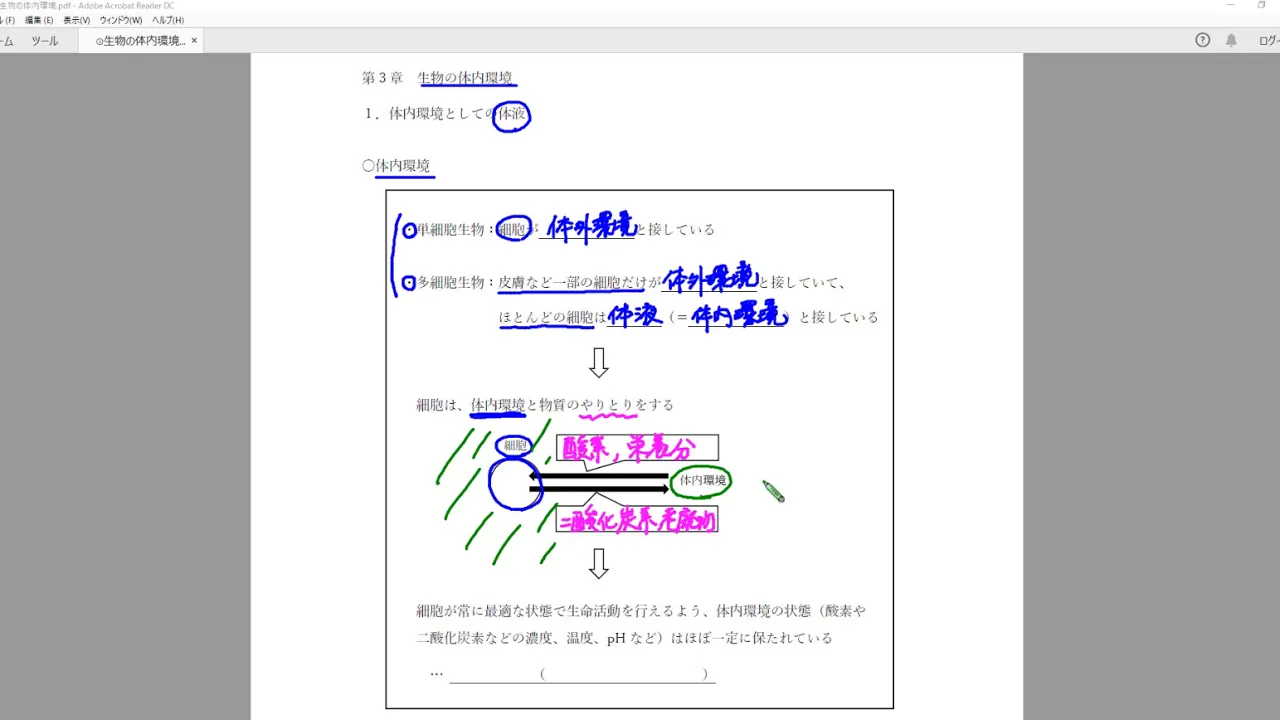
The concept of the internal environment, including extracellular and intracellular fluids, and why cell survival depends on stable conditions.
Fundamental biochemical variables that affect cellular function, such as pH, temperature, osmotic pressure, and solute concentrations.
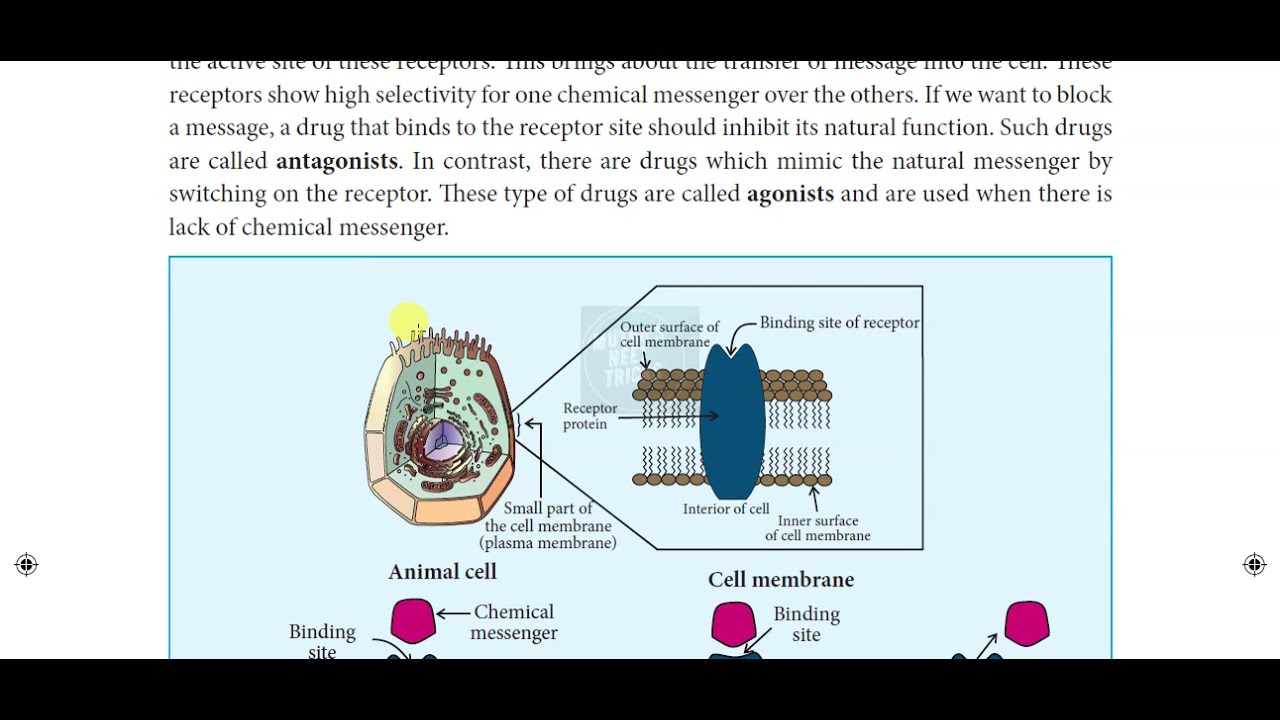
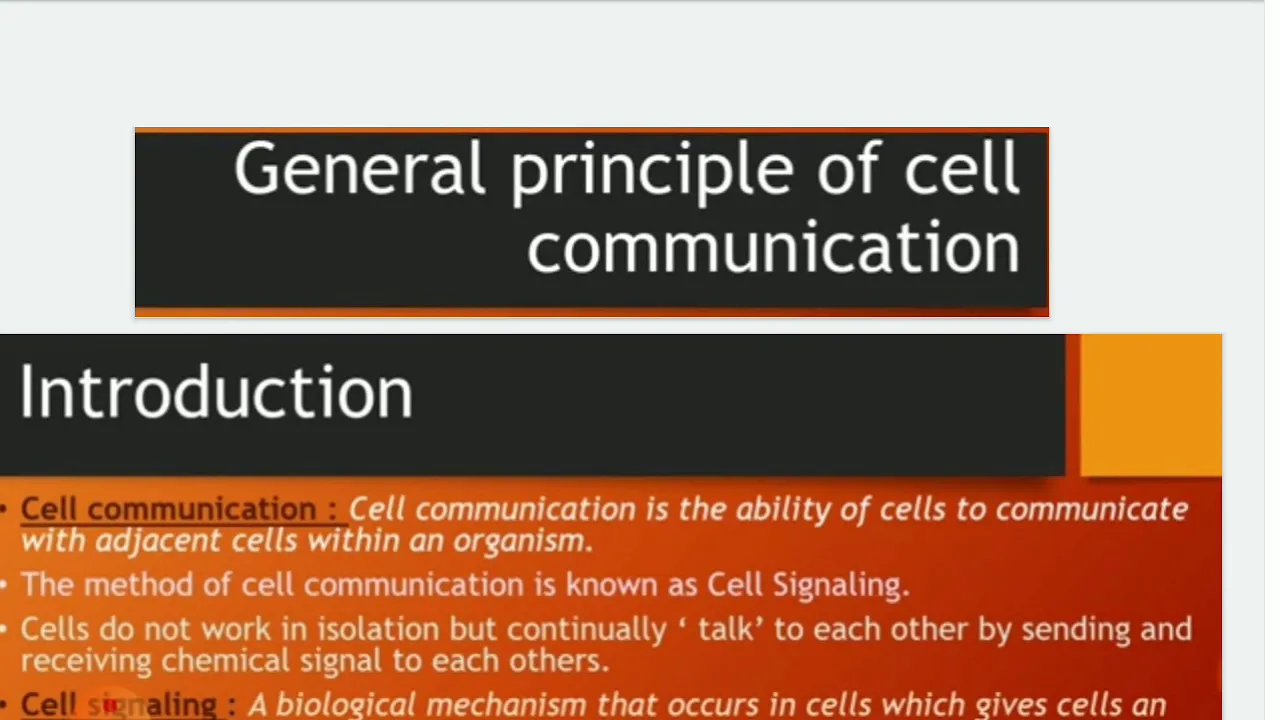
The basic principles of cellular communication, specifically how cells send and receive signals via receptors and chemical messengers.
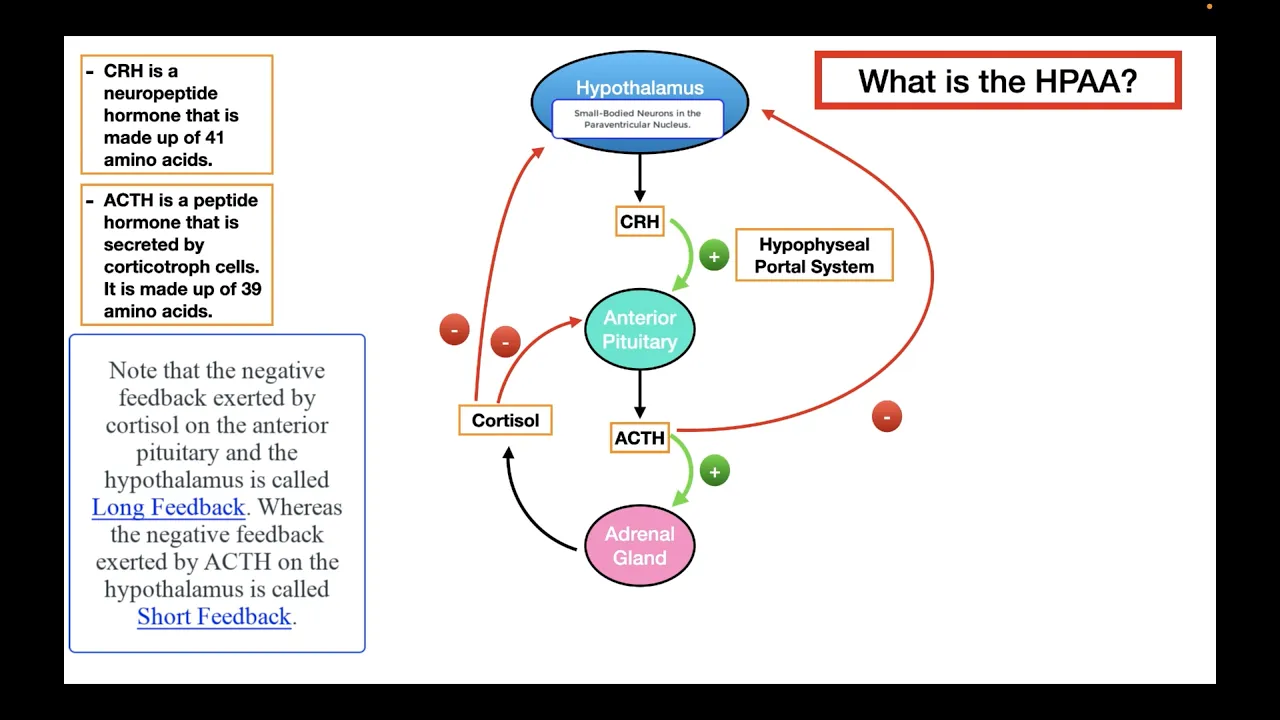
In-depth analysis of specific endocrine feedback loops, such as the hypothalamic-pituitary-adrenal (HPA) axis and blood glucose regulation.
Pathophysiology and the clinical consequences of homeostatic failure, including diabetes, hypertension, and metabolic acidosis.
The concept of allostasis, examining how the body adjusts its physiological set-points in response to chronic environmental stressors.
Pharmacological applications, focusing on how drugs are designed to target, block, or mimic natural feedback mechanisms to treat diseases.
264.8K views5.7Klikes12:48Original Release: 2016-07-24
hello and welcome to the penguin prof channel in today's episode i'm going to talk about homeostasis and feedback we're going to get into what homeostasis is how its maintained and the components of feedback loops before we get into it you know the drill I got to ask for your support please take a second and feed the penguin it feels so good just click those buttons below like share and subscribe I also want to thank audible for sponsoring the penguin Prof channel you can click the link below and download a free audio book of your choice so here we go homeostasis is a central theme for physiology and I want to talk about what it is and what happens when we lose it homeostasis is absolutely essential for life if you lose homeostasis the result is disease this is a word a lot of people don't think too much about but it literally is dis-ease meaning not to be at ease you're going to see in most textbooks a definition of homeostasis something like this the dynamic constancy of the internal environment despite constant changes in the external environment so we're going to explore both aspects of this starting with the internal and external environment idea so here's your internal and external environment right inside of you is you and everything else is not you in my little cartoon showing some but not all obviously of the body systems the idea is that there are so many variables that our bodies have to control all the time so there's only a few of them shown here but the thing is we are living in an environment that is constantly changing and this really presents a lot of challenges for the body right to maintain an internal environment that's relatively constant despite all of this chaos you know that is around us so that's the internal and external environment the dynamic constancy might also leave you a little bit confused because if you look at the terms doesn't it seem kind of like an oxymoron on write something that's dynamic is always changing something that's constant is always staying the same so what the heck is this about so what this means is that the variables of the body are maintained within limits so there is tolerance but it's not like they're static and completely unchanging over time in other words it's not a flat line okay you know what a flat line is okay that's that's no good you're dead try this at home if you want to experience what I'm talking about you're going to need only a couple things a timer or something to write with you're going to need yourself that's always good to have around what you're going to be doing is measuring your resting heart rate over time and easiest way to do that is to use your radial pulse now you need to sit quietly do nothing try not to have very exciting thoughts and you would expect that if you're just you know sitting there being calm your heart rate should be the same right I mean it's not like you're getting up and running up a flight of stairs so over time most people would expect that their heart rate is constant you might be very surprised to find out that that's not actually what you are going to get as you sit very quietly doing absolutely nothing your heart rate is going to be changing it is dynamic it is going up and down and up and down and you're just sitting there and this is surprising to a lot of people if you were to connect the dots you're going to get something that looks like this now the thing to notice is yes the data are constantly changing but they are going up and down around what we actually call a setpoint value this is the idea of dynamic constancy something that is always changing but within limits around this setpoint and lots of variables in the body oscillate go back and forth just like this even things like secretions the pancreatic secretion of insulin oscillates every three to six minutes body temperature which we're going to be looking at goes up and down around a setpoint value and hopefully now you're thinking how does this happen and that's what feedback is all about so that's the connection between homeostasis and feedback we're going to look at feedback right now you all know in some general sense what feedback is feedback is what you get from your instructor when you submit an exam or an assignment and it tells you what to do next so if you do well you're going to do the same things right to keep doing well and if you didn't do so hot you got to change what you're doing so in a general sense any system is going to have inputs and outputs and if you take a sample and you measure the outputs and that's usually done by something called a sensor the sensor feeds that information into some sort of feedback system the feedback system analyzes what the variable is doing and compares it to what it should be and provides feedback right it feeds back into the system into the inputs so an easier way to think about this what I tell my students is feedback is simply this what happens affects what happens next so what I'm saying is that something happens the sensor says I saw what happened I I collected that I know what happened and the feedback system says oh that happened was it okay is that what we want is it not what we want if it's not what we want then we're going to give instructions for change okay so that's basically the idea in Physiology it's it's the same thing we have slightly different terminology but we take our data and the data is collected by a sensor or a receptor so the variable in this case could be heart rate body temperature blood pH whatever and you're going to have sensors in the body constantly collecting that data and that information goes to an integrator the integrator for most physiological systems is going to be some component of the nervous system or the endocrine system and the integrator compares what is happening now what does the data look like right now to what should be happening meaning what is the setpoint value and if those two are too far apart if the data is far away from the setpoint value effectors get switched on and effectors actually very well named because they bring about an effect they are the ones that provide the feedback and that is how it works now there are only two different types of feedback positive and negative and students do get confused about this because we tend to attribute positive and negative with good and bad and that is not the case here so I want to show you what positive and negative feedback actually means so the variable changed okay these are the two options for feedback in negative feedback loops the effectors oppose the change so the variable gets pushed back toward the setpoint value in positive feedback loops it's the reverse effectors enhance the change so the variable is pushed even farther from the setpoint and of course we're going to show examples of both in negative feedback the goal is to maintain homeostasis okay because any deviation of the variable is going to be corrected and so that will keep things within a narrow range and we're going to look at thermo regulation as an example thermo regulation the integrator is the hypothalamus which is approximately here in my little cartoon the setpoint for body temperature is 37 degrees Celsius for us and we have sensors for body temperature in the skin and also in the hypothalamus itself where we actually sense the temperature of the blood the integrator like I said is the hypothalamus and check out all these effectors so we've got smooth muscles in the vessels they are going to control how constricted or dilated our vessels are we've got sweat glands we've got little erector pili muscles those are the little guys in the skin that control goosebumps and actually they make your hair stand up the skeletal muscles which can contract to shiver if we are really cold and the adrenal and thyroid glands which control metabolic rate so let's see what happens if the body temperature falls so sensors detect this and that information goes to the hypothalamus the hypothalamus will then activate all of these effectors you get vasoconstriction the little erector pili muscles contract the skeletal muscles contract and the adrenal and thyroid glands are stimulated to increase metabolic rate now all of these things will act to increase body temperature and that's the negative feedback part of this so as the body temperature goes up the sensors will then sense that and the integrator gets that information and then will shut down all of the body warming processes that it had turned on so I hope it makes sense now why these variables would oscillate and go back and forth between what we call upper and lower tolerance limits around a setpoint value every time that upper tolerance limit is reached the effectors are going to be switched on and the same thing is true with lower tolerance now by the way we call this type of control and tagging istic negative feedback loops because it's controlled on both the upper and lower limits just so you know not all variables have that so negative feedback loops are stabilizing and one way to think about that is to say the more you have the less you get we're going to compare them now with positive feedback loops so positive feedback loops destabilize the system and they are used when we need to do something extreme and we're going to look at the example of childbirth can't get much more extreme than that so the baby pushes against the cervix causing it to stretch the stretching of the cervix causes nerve impulses to go to the brain which causes the pituitary to release oxytocin which causes the uterus to contract which increases the baby pushing against the cervix and so what you see from this is more is more so the more you have the more you get and the more you have the more you get and other examples of physiological systems that work this way are blood clotting the immune response and the up sweep of the action potential these are all really big and very dramatic things here's another way to look at it so with a negative feedback loop as the variable gets pushed away from the setpoint value you're going to reach an upper limit and the effectors will kick in and push the variable back down and that happen on the lower limit as well and you're going to go within the range that's fine and it's going to go up and down and up and down like this with a positive feedback though as the variable pushes away from the setpoint value those effectors are going to enhance that so the farther away you get from setpoint the farther away you get from setpoint right so the more you have the more you get and the more you have the more you get and this is going to give you a very destabilizing effect and with positive feedback loops that is the point so you might be wondering how's it going to end right because nothing is going to go on like that forever some positive feedback loops are self terminating obviously that's true with childbirth oftentimes other feedback loops will be activated and we'll shut them down so in review homeostasis is a dynamic constancy of the internal environment so something is constantly oscillating around a setpoint value remember there is never a flatline unless you're dead and this is maintained by negative feedback loops when homeostasis is lost the result is disease feedback simply means what happens affects what happens next and a negative feedback the more you have the less you get that's what maintains homeostasis and with positive feedback the more you have the more you get and that is destabilizing and it is used for big and extreme body processes and ladies and gentlemen that's it as always I hope that was helpful thank you so much for visiting the penguin Prof channel please show your support by clicking those buttons below like share and subscribe join me on Facebook follow on Twitter good luck
Up Next

59:20
Homeostasis, Body Fluids & Control Systems | Physiology Lecture 1
@doctorbhanuprakash
110.3K views•2023-08-14
50:12
Bacterial Communication: Quorum Sensing and Biofilm Formation Explained
@JHUAAP
12.6K views•2011-06-28

5:35
Enteric Nervous System Explained: The Gut's Brain | Neurobiology Lecture
@alumniu6029
438 views•2018-09-12

7:08
Bacteriophages: Earth's Deadliest Killers and Future Antibiotics
@kurzgesagt
34.6M views•2018-05-13
Related Study Plans & Knowledge Roadmaps
Structured learning paths in Biology
biology
RNAi: Biogenesis, RISC & Gene Silencing
01Molecular Biology Foundations: DNA to Protein
02Introduction to RNA Interference (RNAi)
03Molecular Biogenesis of miRNA and siRNA
+ 2 more learning modules
10h5 modules
Explore Roadmap
biology
Mycorrhizae: Signaling, Biophysics & Ecology
01Foundations of Mycorrhizal Symbiosis
02Molecular Signaling and Root Colonization
03Biophysics and Bioenergetics of Nutrient Exchange
+ 1 more learning modules
11h4 modules
Explore Roadmap
biology
Circadian Clocks: TTFL, SCN & Periphery
01Foundations of Molecular Biology & Gene Expression
02Introduction to Chronobiology and Actograms
03The Core TTFL: Molecular Architecture of the Clock
+ 3 more learning modules
14h6 modules
Explore Roadmap
biology
Population Genetics: Math, Drift & Selection
01Genetic & Probability Foundations
02The Hardy-Weinberg Principle and Baseline Models
03Mathematical Modeling of Natural Selection
+ 3 more learning modules
18h6 modules
Explore Roadmap