






![suasana tak Terlupakan,! Subscriber ini merasa Senang ketika diajak berkemah Dipulau ini. [part 2]](https://i.ytimg.com/vi/odoDm_LlgsM/maxresdefault.jpg)












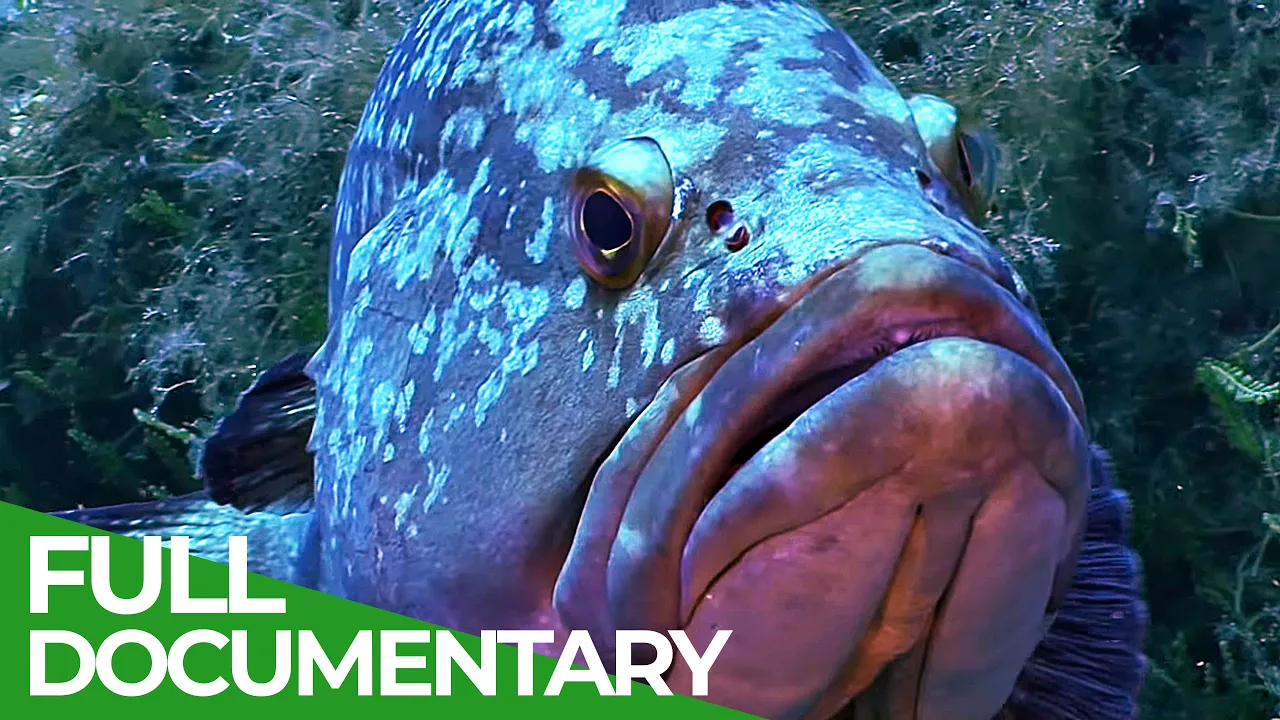
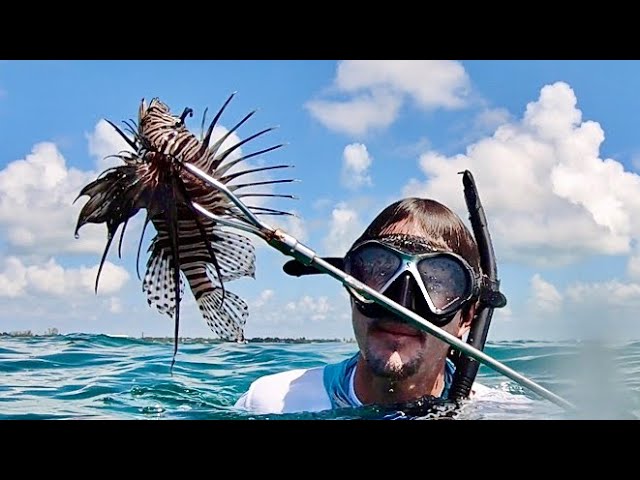
Bermuda has developed a comprehensive community program to combat invasive lionfish, which were accidentally introduced through the pet trade and threaten local reef ecosystems by outcompeting native species; the program combines licensed culling operations using specialized gear, public education initiatives that have trained over 500 participants, and culinary integration where restaurants prepare lionfish dishes like ceviche and tacos, transforming an ecological threat into a sustainable food source while protecting Bermuda's reef systems that shield the island from storms.
Bermuda Fishermen Combat Invasive Lionfish | Vendors
Added:The ecological definition of invasive species and how they disrupt native marine ecosystems and food webs.
The geography and biodiversity of Western Atlantic and Caribbean coral reef ecosystems, where lionfish are non-native.
The physiological distinction between venomous and poisonous marine organisms, particularly regarding the lionfish's defensive spines.
Basic principles of marine conservation, sustainable fisheries management, and population control strategies.
The concept of 'invasivorism' (consuming invasive species) and its viability as a long-term global conservation and economic model.
Policy and regulatory challenges in commercializing invasive species, including the risk of creating market incentives to sustain their populations.
Advanced engineering and technological solutions for deep-water invasive species management, such as specialized traps and autonomous underwater vehicles (AUVs).
Methods for monitoring and quantifying the long-term ecological recovery of coral reefs and native fish populations following targeted culling initiatives.
1.8M views12.6Klikes11:52Original Release: 2023-03-22
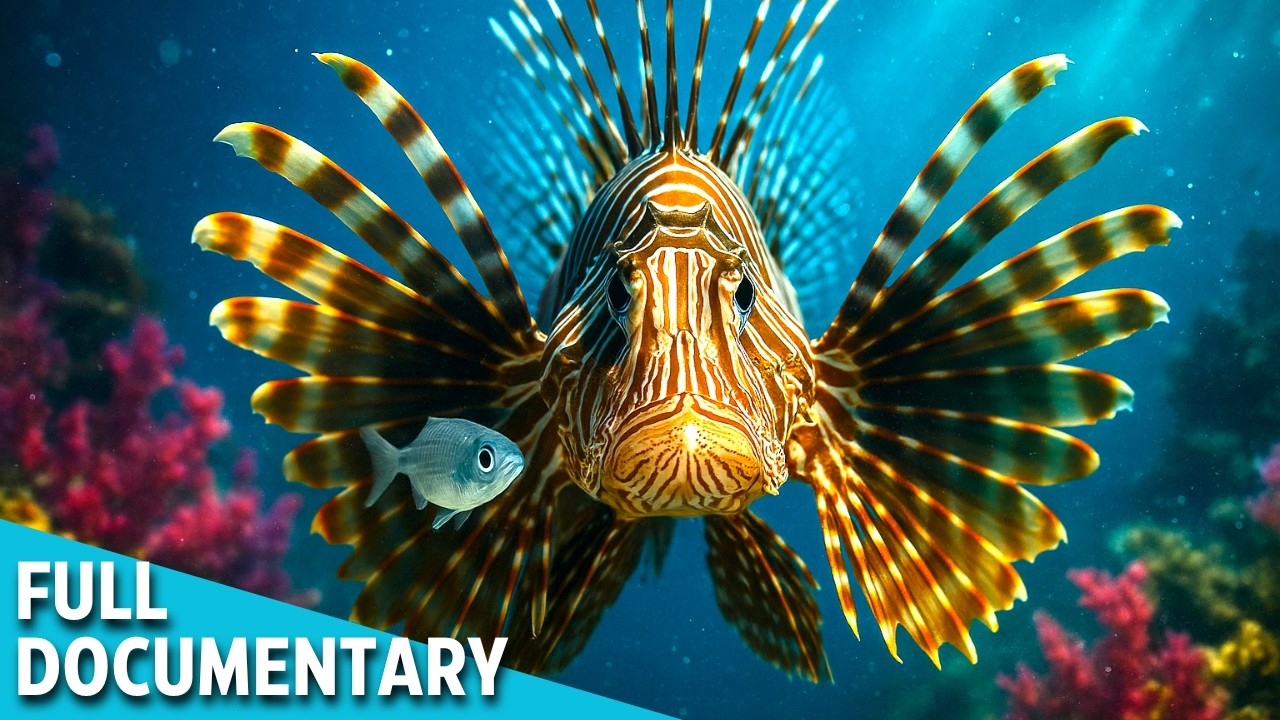
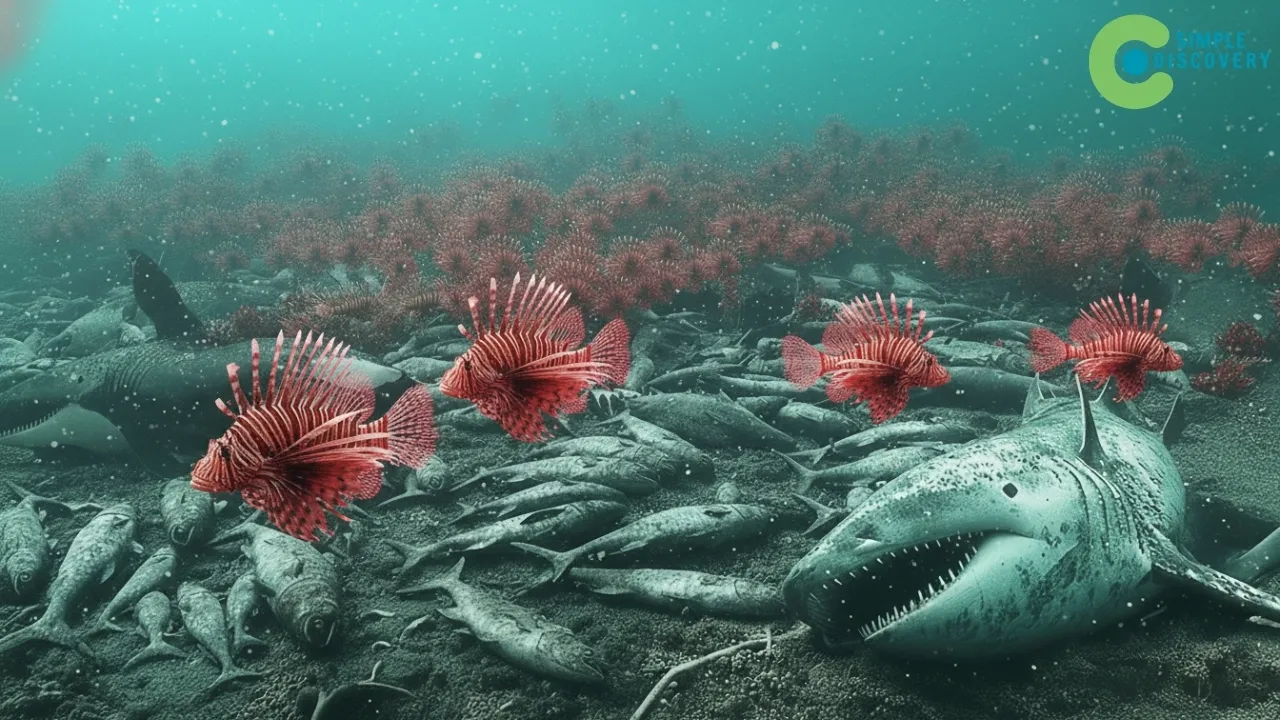
Lionfish have this mystique about them, in the fact that it's beautiful, it's venomous, but the true danger with them is the fact that they're consuming all these little fish that they're not supposed to be consuming.
Lionfish is a fish that usually lives in the Indo-Pacific, but has actually been introduced into the Atlantic, and is causing major problems for fish populations.
Pandora's Box has already been opened. They're here to stay.
There are certain species of fish that will probably disappear because of lionfish.
The only thing that really is going to keep lionfish in check in the Atlantic is going to be human activity.
We've got this problem fish, let's eat 'em.
I'm going to show you on the chart where we're going to go.
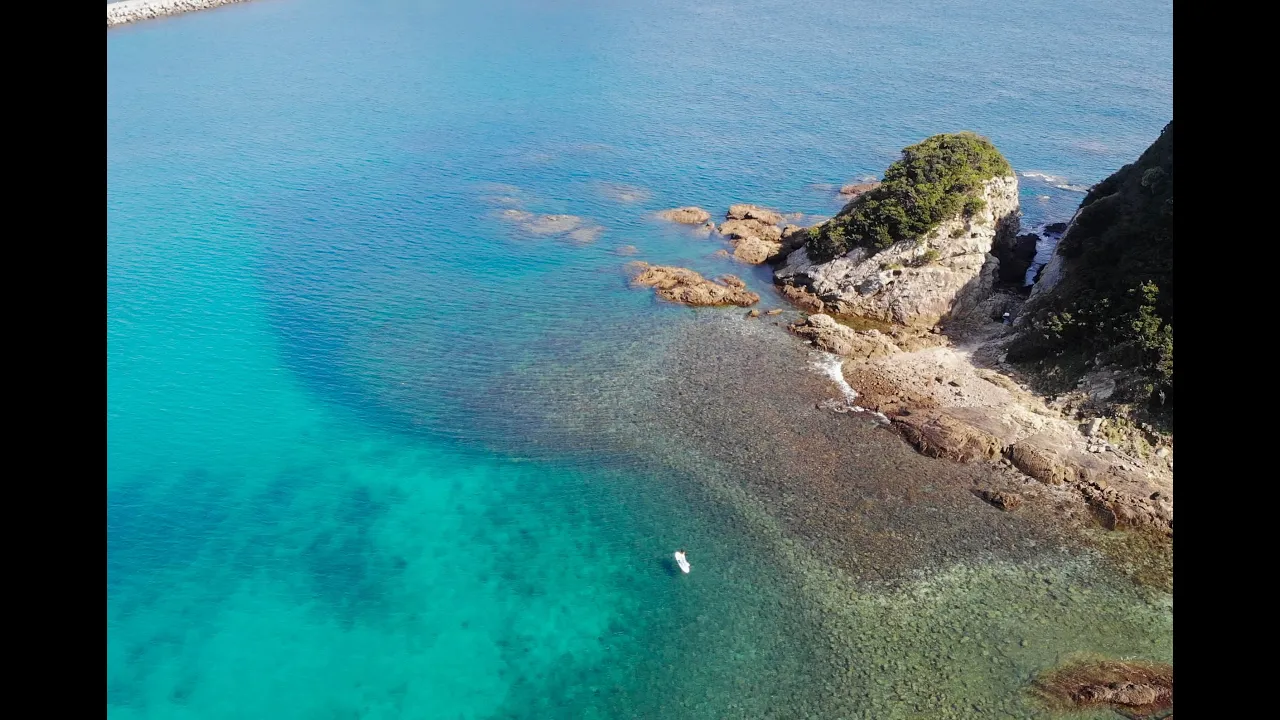
So right now we're here, you have Bermuda, you've got the reef platform here, but that reef line is what protects us from being battered from storms, winds, and waves.
We're going to try and get up into the lee of the island, jump in, grab some lionfish.
We'll clean the fish and then bring them back to St. George's into Wahoo's and catch up with Alfred.
(fast rhythmic music begins) Well lionfish are originally from the Indo-Pacific, but a lot of the evidence points to the pet shop trade.
Little Billy's too big for his tank, oh, we'll just let one go, it doesn't seem like there'd be a problem.
That happens a few times and bang, you got a breeding population.
Lionfish are spawning very quickly.
They're starting to spawn at about six months to a year old, whereas it takes three to five years for those native species to get to the size and age they're able to spawn.
And also they're dumping about 30,000 eggs one to two times a month.
Lionfish don't really seem to have many predators.
They have no fear and, you know, understand that they've got this venom to protect themselves.
In the Atlantic, we've got what was called prey naiveté, and the fact that our juvenile fish have never seen lionfish and don't see them as a threat.
Our small fish actually see them as potentially something to hide next to.
Because they're growing so fast, because they're spawning so fast, because they're eating so much, it is a nightmare fish for the Atlantic.
(water rushing) - Education is key.
And then, the more people know about this problem, and obviously are comfortable in the water, the more we can have people tackling and dealing with this.
Kwe teaches the premiere course, so he thankfully has really introduced this idea of going and tackling this problem to so many people.
- An estimate of probably about 500 students that we've had through the program while I've been there.
And in the month of December we caught about 800 fish.
(bright upbeat music begins) - I actually grew up in that house right there, the little white one with the wall in front of it, right on the water with the trees sort of hiding it.
My mom still lives there. [honking noise] Bermuda's basically made up of limestone, of dead coral.
So lionfish, basically, are out-competing the native species that are on the reef.
That healthy reef line protects us from storms.
It breaks down some of the wave action and things like that.
So if we lose the grazers, the coral won't grow, the reef dies.
If we lose the reef system here, yeah, I mean it's going to be devastating for the island.
So one of the conditions of the lionfish culling license is that they have to display this flag.
It's basically red with the white line through it, the classic dive flag, but it's got the emblem of the lionfish on it as well, just to show anybody that, hey, this dive operation is going for lionfish.
So there are divers here with spears, just to beware.
So we'll just display that, so that everybody can see what we're up to.
(pole settling into place) Because Bermuda's fisheries laws are quite strict, we ended up creating a permitting program, with a special license to be able to deal with just lionfish with particular gear.
Kwe, he's the main lionfish culler, and he's actually got the license to be able to sell lionfish to the restaurants.
- In Bermuda, we have a regulation standard size spear that we're allowed to use.
It's a five foot maximum, and that's including the spear tip.
So we also have a regulation spear tip, which is a three-pronged paralyzer tip.
To use the pole spear, what we do is, you wrap your thumb in the band and you just reach down the spear, three quarters of the way down.
And all you're going to do is let go of that spear and it will impale the lionfish.
So once it penetrates the fish, what this little device on the spear tip does is slides down and creates the spear tips to open up a little bit more, so that way the lionfish can't get off the spear.
And also we have barbed tips, which help a little bit from allowing that fish to slide up on the spear tip as well.
- You have to be a licensed fisherman to be able to sell fish.
So there was a caveat made for the licensed lionfish guys to be able to sell that lionfish to the restaurant, and the fact that that's all they're catching.
They're not competing with the fishermen by any other fish.
They're literally only targeting lionfish.
(bright music playing) (water bubbling) Nice! Good stuff. Put it right on ice.
Growing up in Bermuda, born and raised here and diving all my life, so I was the collector of specimens of the aquarium here.
Well the one year I showed up and there was a lionfish there, and there weren't as many of the other fish.
A couple of months later I went back, sure enough there's another lionfish there and there's even less juvenile fish on this little reef.
So it was pretty obvious to me the damage they were causing early on.
So then it became an idea of, okay, let's put this information out to the public.
So we ended up coming up with this culling program which ended up being the first culling program anywhere to deal with this invasive lionfish.
They got another one there.
Those guys there and they're super sharp.
Super sharp.
Okay, first to make sure they're dead.
That's the scary part.
He's still a little bit kicking, so maybe the other guy first.
(ice rattling in cooler) Yeah, grabbing in the bucket is always the scariest bit.
So, basically what we've got here is all these spines here carry the venom.
The first one on those two, and then it's the first three on the angle there.
So all the big spines were gauged.
Every time I've been stung, it's usually by this one, because the fish has actually got some dexterity with it.
So, he can actually move it around like this.
So on the reef, usually what you'll find is the lionfish sits there as you come up to it, he'll lay his spines towards wherever you're going.
So the venom gland goes down the spine and it ends about right here or so.
The venom is only in the spines.
It's a protein-based venom as well, and the fact that what you can do is take the whole fish, with the spines and everything, and cook it all the way through, and the venom is denatured, where you can just consume it, it's no problem.
But we remove the spines, just so it's easier for the the restaurant, and the chefs to be able to deal with.
So what we're going to do right now, to make it safe for everybody, these side ones don't have any venom in them, there's no spine that can hurt you on those.
We're going to cut those off to get them out of the way.
(dark dramatic music) Flip 'em over.
So, we had some of the meat from lionfish sent away and tested and it ended up being very high in omega-3 fatty acids and low in the heavy metals.
It ends up being a very healthy choice as well.
A greener than green choice.
It's the one win-win in the fact that you can eat as many as you want and feel absolutely no guilt about eating them.
That's why we came up with the slogan here, "You eat 'em to beat 'em."
So now, this fish, you can treat it like any other fish.
There's no spines, no venom.
So what we're also going to do is we're going to cut the belly open, and get the guts and gills out for those guys.
There's the liver.
And you can see the fat deposits on the liver.
that's a classic overfeeding problem.
That mindset of eating as much as they can, whenever they can, every single lionfish we've cut open from the Atlantic has fatty liver disease.
So to see that in wild animals, it shows that they're actually eating way more than they should be.
(dog barking in distance) See that? They are a little tricky.
This is usually the time when people get stuck accidentally, just trying to clean the fish 'cause they are very spiky.
The first time I got stung was here.
and I was in 80 feet of water, down in the Bahamas.
And I was sort of, you know, checking my pulse.
'Cause you don't know how it's going to affect you.
It was just sore and a lot of swelling.
Two days later I got stung there.
So my hand was like a catcher's mitt for baseball.
But after a couple of days the swelling went down.
It was a bit achy, but nothing to be overly alarmed about.
I've been stung over 11 times now.
And it hurts, it hurts a lot, and you get swelling and things like that.
Basically you're supposed to take as hot, warm water as you can, to denature the venom, so you don't get a full dose of the venom.
It feels like a bad bee sting.
The biggest fear for lionfish is literally what they're doing to the reef and the fact they're consuming all these fish and causing that damage, that's scarier.
So this is how it we end up typically presenting them to the restaurant.
So all the spines are off, all the fins are off.
It's been gutted and gilled.
It's just basically the fish and the meat.
These fish are for Alfred at Wahoo's, so he should be happy with these.
They're a nice-sized fish.
So I'll pack those back on ice, keep them nice.
When we were first getting the lionfish, a lot of the restaurants saw it as a green choice, but were still skeptical because of the venom issue and all that.
But as time's gone on, they've started to realize that it is a very delightful fish to eat.
It's a good-tasting fish.
So the demand has become higher and higher for lionfish.
They're not scared of it like they used to be.
And people want it. It's a novelty, feel-good fish, ya know?
- What do you got for me?
- We got some lionfish for you.
- Oh great, great. Oh nice size too.
Nice size, yeah. Put 'em on the menu tonight.
(bright upbeat music playing) So we're going to have some fresh lionfish.
You can see the fin is dark.
This one has more red, like a coral in there.
And you can see how big the mouth is.
So, unfortunately he swallows a lot of small, little fish.
And we going to make four dishes today.
One of them, the first one is a lionfish ceviche.
For a ceviche, we take the skin off.
Well it's a very firm fish, so I mean it's compared to a red hake, or like a firmer fish.
And since the lionfish only eats live fish, it has a very nice and clean taste.
So it's not a scavenger, so I love to work with that.
The lime and the salt, that's what's going to cook the fish.
Some sea salt, some nice strawberries from Florida.
Some pink peppercorns. Let me add some of the cilantro.
I think fruit adds a little bit to the flavor of the fish.
It doesn't need much flavor, but it just makes it a little bit more exciting.
Next we're preparing the lionfish tempura, which we're using the wings of the fish.
And I leave the skin on the fish.
(bottle spraying) Add some lemon juice, and a little seasoning salt.
And I give it to my Chef, Gilbert, and he's going to fry it up.
(bright music resumes) The next one we do is our jerk lionfish tacos.
I cut the lionfish into pieces, use some of the jerk seasoning.
Do it like on high heat, so it gives a little bit of a smoky flavor.
So we use some southwestern coleslaw.
Some coleslaw with some cilantro, black olives, carrots, red onions.
And we take our fish and we have some pico de gallo, nice fresh tomatoes.
Some lime sour cream, and a dash of fresh cilantro.
I mean, this is one of our best sellers at Wahoo's.
It's our jerk lionfish taco.
Our next dish, lionfish and coconut, with lemongrass and garlic.
- The message with lionfish is that, be aware of your actions, and the fact that this all came from a couple of fish being released, just because they didn't want to take it to another aquarium or dispose of the fish properly.
Being aware of our human actions, but then also seeing this as an opportunity as well.
We've got this great choice of fish to now hunt and take as many as we can.
It's the one win-win in the fact that you can eat as many as you want and feel absolutely no guilt about eating them.
Up Next
11:43
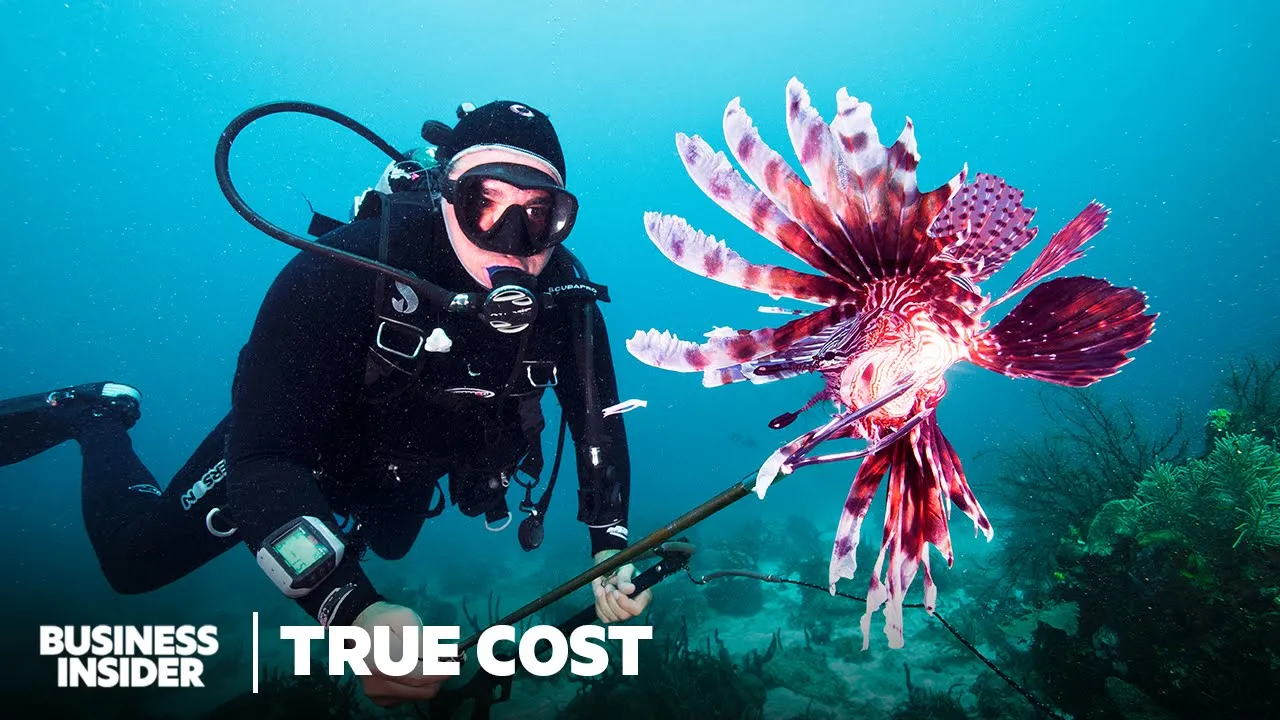
Invasive Lionfish in the Caribbean: Ecological Impact and Spearfishing Solutions
@BusinessInsider
975.9K views•2024-04-10

15:54
Life in Biosphere 2: Sustainable Ecosystems & Human Survival
@TED
334.9K views•2009-06-16
14:30
Microplastics Everywhere: How Plastic Impacts Our Lives
@TEDx
100.9K views•2018-05-08

10:28
Ice Stupa Artificial Glaciers: Solving Ladakh's Water Crisis
@SonamWangchuk66
3.2M views•2015-05-03
Related Study Plans & Knowledge Roadmaps
Structured learning paths in Environmental Science
environmental-science
Ocean Noise: Cetacean Impacts & Mitigation
01Fundamentals of Underwater Acoustics
02Marine Mammal Bioacoustics
03Anthropogenic Noise: Shipping & Seismic Surveying
+ 2 more learning modules
16h5 modules
Explore Roadmap
environmental-science
Road Ecology: Corridors, Overpasses & Fencing
01Foundations of Habitat Fragmentation and Carnivore Ecology
02The Road Barrier: Ecological Impacts of Transport Infrastructure
03Principles of Ecological Corridors and Connectivity Mapping
+ 3 more learning modules
14h6 modules
Explore Roadmap
environmental-science
Ocean Acidification: Kelp Buffering & Shellfish
01Fundamentals of Ocean Chemistry & pH
02Chemical Pathways of Coastal Acidification
03Bivalve Physiology & Calcification Under Stress
+ 2 more learning modules
18h5 modules
Explore Roadmap
environmental-science
Ice Stupas: Glacial Retreat & Water Security
01Foundations of Glaciology & Mountain Hydrology
02Climate Change and Glacial Retreat Dynamics
03The Science of Ice Stupas & Artificial Glaciers
+ 2 more learning modules
14h5 modules
Explore Roadmap