












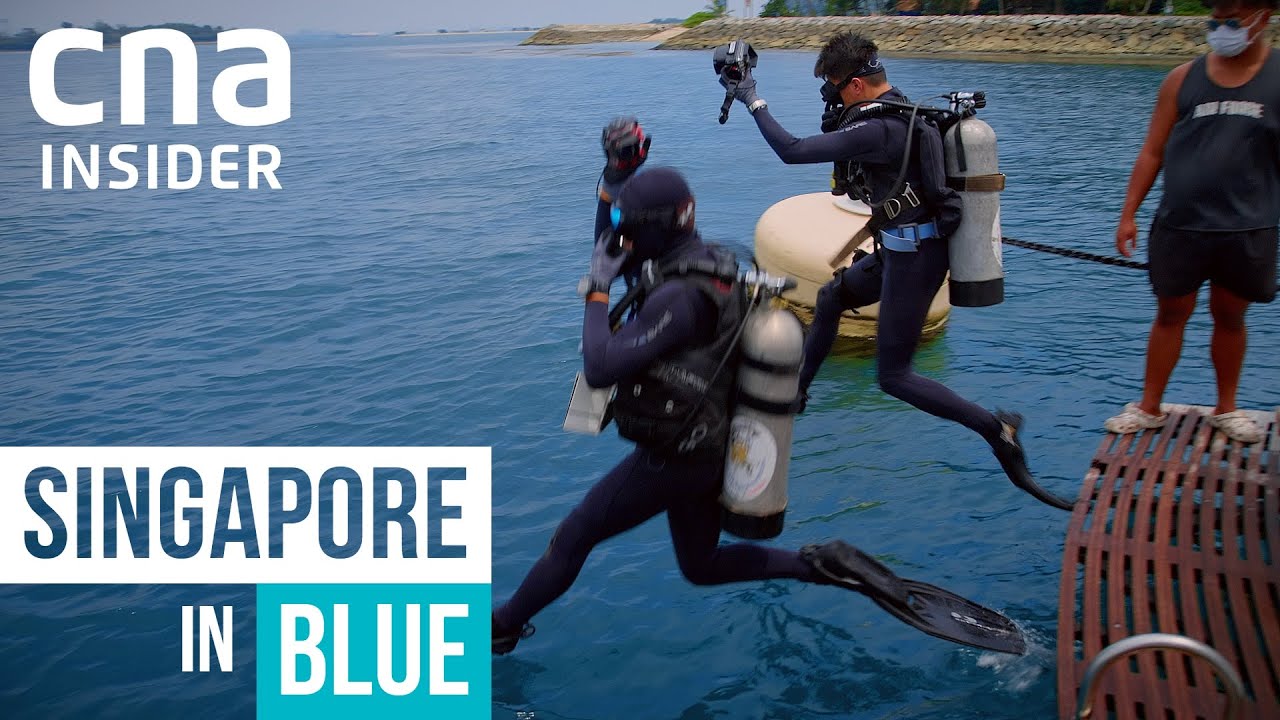






Intertidal areas in Singapore, located between high and low tide marks, host diverse marine life including sea stars, seahorses, crabs, and sea cucumbers, which have adapted to survive harsh conditions through camouflage, color changes, and specialized feeding mechanisms; NParks has launched the Intertidal Watch citizen science program to monitor and conserve this biodiversity through public participation.
Exploring Singapore's Intertidal Biodiversity: NParks Spotlight
Added:Understanding of the 'intertidal zone' concept, including the environmental stressors (fluctuating salinity, temperature, and moisture) that organisms face between high and low tides.
Basic knowledge of ecological biodiversity, specifically how species richness and abundance contribute to ecosystem resilience.
Familiarity with the concept of 'citizen science' and how public participation assists professional researchers in data collection and wildlife monitoring.
General awareness of Singapore's geography as an equatorial, highly urbanized island nation with remaining localized pockets of coastal ecosystems.
In-depth study of marine biology adaptations, focusing on how specific intertidal organisms (e.g., echinoderms, cnidarians, and crustaceans) survive extreme physiological shifts.
Analysis of urban conservation strategies and marine spatial planning, such as the management of Sisters' Islands Marine Park in Singapore.
Practical application of citizen science methodologies, including data collection protocols, species identification keys, and ecological mapping using tools like iNaturalist.
Investigation of anthropogenic impacts on coastal ecosystems, specifically examining how land reclamation, climate change, and marine pollution affect local biodiversity.
1.8K views39likes52:41Original Release: 2020-07-01
all right a very good morning to everyone welcome to n park spotlight thank you for joining us today and for those that have attended our previous talks welcome back today's is the third in our series and we will be focusing on the treasures beneath our tides my name is leslie i'm from the national biodiversity center at the national park sport this series aims to introduce and develop a deeper understanding about our local biodiversity if you missed our first two talks you can find the recordings on the nprcsg youtube channel our july sessions have also been open for registration some of us here might be avid nature lovers and would be familiar with some of the species and habitats covered but our hope is that through these talks you'll continue to be surprised and learn even more about the biodiversity that we are so lucky to share our little red dots with this myriad of habitats and species are precious and there is a plan that guides us to protect our biodiversity and this is the nature conservation master plan for those of you who are keen to hear more do go and listen to the introduction of our first talk the creatures of the night which is available on our youtube channel in it the group director of nbc lim yang jim outlines the details of this master plan which underpins our collective effort to conserve our biodiversity the link will also be shared with you in the chat but right now let's dive into today's topic the fascinating lives of our intertidal creatures i'm very excited to welcome cio pero senior manager of the national biodiversity center she launched our very own intertidal watch program and is passionate about conserving the treasures beneath our tides if during the presentation you have any questions for payroll do send them to me leslie as a private message using the zoom chat all right without further ado take it away payroll oh all right good morning everyone thank you for joining this saturday morning with us today i'm going to just share with you some some some of our entertainer areas and virtually bring you to our shores and explore the entertainer animals and plants that we find in singapore but before we do that let's warm up by exercising our fingers first so if you could bring out your phone and go to nancymeter.com or you could just scan the qr code it will bring you to the page just gives you a few more seconds all right so use a word to describe what insta title means to you i think i see the word marine crabs corals shoreline shallow waters beach spring tide middle waves between interesting animals of the sea reefs full of life biodiverse sea creatures sea grass spring tights shoreline the sea oh i saw my name as well horseshoe crab fan so for those who just join us you could go to mentee.com and type and use the code 81105 to enter inaccessible animals sea cucumbers varying water levels amazing octopus much less precious well it looks like most of you have have entered the word and please keep it going all right so what exactly is intertidal area and the title refers to the coastal bone between the highest high tide and the lowest low tide marks it's the area that's exposed during low tide and it is home to a variety of different marine life some of the entertainment habitats in singapore include our rocky shores our sandy beaches and our seagrass meadows and because when the tide is high the animals are that much in water and when the tide is low the animals get exposed so this makes intertidal areas one of the most stressful environments to live in and because of that the animals have adopted coping mechanisms to survive the harsh conditions so today i'm just going to share with you some of the intertidal areas that we have in singapore different habitats and the marine life that live on these areas so this is the intertidal reef and rubble and we do have intertidal reefs and rubble on the shelves of singapore and some of them are mostly in the southern islands and there we find corals anemones and lots of interesting fishes as well as marine life and this is a giant clan so there people used to people often think that the giant clams are actually man-eaters so they would trap you under water and hold on to your legs when the clams close however that's that's just a myth in fact giant clam soon have never killed anyone before so this is one of the giant clams that they spotted in our southern islands and then you see this flashy area over here is actually called the mental so the mantle is colorful because it has photosynthetic organisms called zooxanthellae that lives inside of it and it helps to photosynthesize and provide some food for the giant clans giant thames are also very important food sources for other animals such as fishes predatory snails sea stars crabs octopuses and more and they also provide shelter for other animals and they are also very important in our leaves because they the their calcium carbonate shells help to build and shape our leaves and this is another animal that sometimes we see on our shores during low tide this is the new deep rank the polka dot beauty brand so the newly pranic stock to feed on sponges and they're called brand because of their naked gills so this is this is the naked gills of the nudibranch and that's how they breathe with their external gills on their backs we also find sharks living in our waters shacks are important apex predators in the food chain the sun here that you see is the black dipped reef shark and it's often a very delightful find to see them on our shores so when you see animals that are brightly colored it often means that they're either poisonous or venomous this one this animal over here is the mosaic reef prep and it is poisonous so please do not eat them because even if you cook them the toxins are not destroyed by cooking and the toxins are similar to the neurotoxins of puffer fish we also have mangroves in singapore and in areas like singaporean wetland reserve pulao takong pulau uden pulao sumaka and passary's passeries park in our mangroves we can find giant mudskippers and many other animals this is one of our last remaining natural rocky shores in singapore at labrador nature reserve and in the rocky shops these are some of the animals that we often see we find barnacles attached to the to the rocks you find crabs and lots of animals with shells the marine snails and this particular part over here it's called an apoculum so the apocalypse acts like a trap door for the snails trapping the moisture in and also preventing animals the predators from getting inside do you see anything interesting in this photo this is the stonefish and it really looks like a stone the dorsal fin which is the fin on its back over here has got spines that can penetrate the soles of your shoe like hypodermic needles they inject venom and neurotoxins into your into your foot but these spines and these animals are for self-defense and they don't use it for hunting so stone fish are venomous one of the other habitats that we find in the tidal areas is the mud flats this photo was taken at check java and sandy our sandy beaches are also filled with life so if you spot these bumps on the shore on the sand these are actually animals they're called sand dollars the sand dollars are a group of animals belong to this group called echinodems which means spiny skin so if you can see they have a five-sided symmetry one two three four five and the mouth of the sand dollar is on the underside right at the center so sand dollars feed on detritus tiny little animals and tiny little organic matter that they find in the sand and some people ask me why they're called ten dollars so because when the animal when the sand dollar dies it loses these um little tiny spines and then the and it leaves this thing called a test and when the test is bleached by the sun it looks really like a large silver coin looking like a like a dollar and on shelves i'm sure some of you might have spotted this lots of barrels and holes on our high shore in our beaches these are made by this particular animal here called the ghost crab they're called the ghost crab because they run really fast so one minute you see them the next moment they're gone so what you see here is the adult ghost crab and these are the juvenile ghost crabs the baby ones so the juvenile ghost crabs resemble the background they match a background so this is called camouflage and background matching and we also found that there is a day there's a clear daily rhythm of color change so when it's in the day they become lighter in color and then at night they become darker in color so this helps to improve the camouflage to the sand that they live on and over here we've got another crab this is the fiddler crab and this one over here it's a male fizzler crab because it has one larger and large pencil so the males would use it uses enlarged pencil to attract the females by waving at them saying come here come here and while on the other hand the females have two smaller two smaller pencils and which is why they feed better and faster and this animal over here is the horseshoe crab we have two species of porsche crabs in singapore the coastal horseshoe crab and the mangrove house through crab so this one over here is the coaster hofstra crabs the horseshoe crabs are very interesting because they have the color of their blood is blue in color this is because it's copper based instead of iron and the blood and horseshoe crab is used to test for bacterial toxins in drugs scientists have also cloned that compound so you no longer need to use the blood for the horseshoe cracks to test for bacterial toxins and drugs sometimes we spot horseshoe crabs in pests so this this one is actually innate in pests and it's called in they're called an n-plexus so the male which is smaller than the female is the one on top and now we move on to the seagrass meadow one of my favorite habitats in the seagrass meadows we see lots of different species of seagrass and this is a spoon seagrass this is needle seagrass this is fun sea grass and seagrass are plants which is why they have flowers these you see flowers off the tape sea grass here and then our seagrass habitats there are lots and lots of animals living there and this one particular here is the moon the ball moon snail and you can see that sometimes the moon snail burrows into the sand to keep itself moist and they also look for food so moon snails are predatory they are carnivorous so the moons nail lay their eggs in in these messes called the sand collar mixing the eggs with the sand and the mucus forming this particular structure so if you do see them on our shelves when you explore the shop try not to pick them up because the eggs might be in there and this other snail over here is called the curry so curry's currys have very shiny shells because the mantle which is the flesh around it will envelop its shells to prevent the algae and encrusting animals from attaching and settling on the shell they eat algae sponges and some of them are carnivorous and one interesting thing about the cowries is that they used to be used as a currency in different parts of the world such as in asia africa oceania and in some places in europe so people use them as a form of currency like money and this animal over here also borrowing it's an olive snail olive snails are predators as well they feed on other snails small little crabs crustaceans and there are scavengers too so they look what dead animals that they can feed on and some animals don't live alone so right here you see the olive welt also another snail so this is the walk and you also see the snail hitching anemone that's attached to the olive well so the snails gain some form of a little bit of protection by the anemones because the enemies have stinging cells and the anemone is benefited perhaps by having better access to food and this and beautiful animal over here it's a nobody and it's also a carnivorous marine snail and this this animal here it's a an orange striped hermit crab and you can see it has used the shell of a noble volute at its home so there are many animals that um well it's not good to pick up shells on the beaches because these shells provide a home to animals such as hermit crabs this is another hermit crab as well so if you do visit the shaw as much as it is tempting to to pick up the shells try not to do it because it might deprive some of these hermit crabs from from finding its home and when the hermit crab grows bigger it has to change to a bigger shell in order to live in it and the hermit crab will die if it doesn't have a shower as well and on our shores especially in our northern shores we have a beautiful diversity of echinoderms that i mentioned earlier so this is a relative of the sand dollars that we talked about these are the c stats so this is a this is the censta and the sun here is a common c star but while its name suggests that it might be common it's no longer as common as in the past the sun here it's a it's a biscuit c-star and these are very charismatic nobody sees star and some people call it the chocolate chipsy stair because it looks like it has chocolate chips on top on it and nobody sees are really interesting because if you see the different pictures over here all of them look very very different so the orientation and the size and the colors of the knots and its arrangement is a little bit like our fingerprints because every individual is different so it has different arrangement of knobs different colors as well so there was a study that looked at the different arrangement of of the normally sea stars and they found that you can actually tell them tell the individuals apart and at empacs we have also done a study with normally c stats where we found that using agent-based modeling we found that the populations that we have in the north and the populations that we have in the south of singapore is actually connected via stepping stones of intertidal habitats in between so this this shows that these connecting stepping stones are important for the connectivity for the two populations in the north and in the south while sea stars often have five arms not all of them have always have five arms that see stars with more than five arms and in fact if a sea star loses one of its arms it can actually grow back its arms again and this one over here is an eight armed sea star so it has eight arms and we often spot it on some of our intertidal traits so another relative of the seesaw is this particular animal here called the brittle stars so you can see it also has five arms but the five arms are long and they're actually connected to this particular round thing it's called their their central disc so brittle sees that as the name suggests they have very brittle arms so when they are threatened they can actually drop an arm away to confuse or distract the predators while allows them to run away and this interesting looking animal over here also a relative of our sisters and and is the basket staff so these basket stairs are normally found in the deep more in deeper waters but sometimes we do encounter them on our intertidal areas basket stairs are really interesting because they have highly branched and fleshy arms that's why it looks like a basket that's why it's called basket star and they feed on microscopic organisms called zooplankton by forming a basket to catch their prey and then transporting it into the central disc at this middle part here which is where their mouth is on the underside and another animal over here also a relative of the sea staff basket 10 dollars this is a feather star it's also known as a crinoid which actually means lily light so feather stars are filter feeders and they also do have pretty brittle arms and sometimes animals get washed up on our shore because of the waves and this basket start over here is actually trying to make its way back into the sea still at echinoderms these this these animals over here are all sea urchins so sea urchins are relatives of t stairs sand dollars and basket stars and inside the stairs as well and this is the underside of the of the sea up of the white sandmaster sea urchin so if you look at this part over here you can actually see the circle of five plates forming a big like structure so this area is called uh this part here is called the aristotle's lantern so that's how the sea the sea urchins feed and they usually graze on seaweed another relative of the sisters are the sea cucumbers the sea cucumbers are also echinoderms and this one over here is the census sea cucumber or some people call it the garlic bread sea cucumber because it looks a little bit like a garlic bread and this one over here it looks really brightly colored this is i'll sea cucumbers so because it's so so colorful people often find it really interesting and they don't know what they are but these are actually sea cucumbers and sea cucumbers comes in different colors shapes and sizes this one over here is the pink watty sea cucumber and this over here is the funny sea cucumber and both of them are actually quite common on our shores and this is the thorny sea cucumber with its feeding tentacles so sea cucumber this species of sea cucumbers they are suspension feeders what it means is they feed on the plankton and the tiny little animals in the water so what it does is they use the feeding tentacles and they just reach it out in the water and then they will pull the they pull one thing feeding tentacles each into their mouth as they feed on the anim or the little tiny plankton that they have caught in there in their feeding tentacles and now one of my favorite animals that we see on our intertidal area the octopus so octopuses belong to this group of animals called the cephalopods and cephalopods means hit foot and they are very very intelligent animals with excellent eyesight and a very well developed brain by invertebrate standards invertebrates are animals without backbone so you can see this octopus over here it's so so well camouflaged and it moves really nicely on the intertidal area and sometimes if it's not moving it's really hard to spot them and this octopus over here is actually trying to hide from us so it was attempting to move this lit a big rubble and rock and it couldn't move so it was actually reaching out to the tiny little rocks around it hoping to grab some of them to hide itself so octopuses are really intelligent because they have a well-developed brain and they have they're really good with learning as well and they have some form of a memory storage as well and they have very good eyesight so because it was too big for for it to be moved the rock so it decided to move on to smaller ones and then look it's hiding itself now much better now and sometimes they're also really quite cute because they would hide amongst shells thinking that we wouldn't see them because it's really about camouflage i have to say and this particular octopus here that we spotted during one of our intertidal surveys we're really excited to see and we're wondering why it doesn't it didn't choose to hide or run away so it was actually trying to display to us and then after that we found out that it's because she has eggs that she had laid in this last bottle just over here so mother octopuses would look after their eggs and keep them well oxygenated make sure that the eggs have enough oxygen and they also descend them from predators and because they don't usually feed when they're tending and looking after their eggs so they usually die after their eggs hatch a relative of the octopus is the cattle fish also a stellar pot so this cartoscia was spotted during one of our bio blitz that we have at changi beach and at changi beach we have actually set up and coaster enhancement units to help to enhance our sea walls so this is one of the animals that we spotted and cuddle fish are also very very exciting so you can see that their colors are changing so cuddle fish like the octopus have these cells with pigments they are called chromatophores so the dispersion the concentration of the chromatophores on their body helps them to change their colors and they also these um they also have sometimes changed the texture to make themselves look very very well camouflaged so the octopuses and the cuttlefish they have they're masters of camouflage and over here we see the seahorse so sometimes we do find sea horses resting on our shores they're not dead here they're just arresting in little bottom water puddles so sometimes when the tide recedes and when the tide is low they they get um we spot them in these tiny puddles but they're all still alive and when the tide comes back up and they'll be back in the water again so they're actually okay and seahorses and and if we do spot them a little bit too dry we'll move some water to them or we'll we'll try to to make sure that they're okay and one interesting fact about seahorse then is the males that get pregnant so we call them the the pregnant purpose so seahorses uh what happens is when the females will lay their eggs into the pouches of the males so you could see that the males usually have bigger pouches than the females and as they lay their eggs inside the males fertilize the eggs and then the little baby seahorses will develop in their pouch and when they're ready to emerge they would then emerge from the male seahorse's pouch it's very interesting another animal also where the males carry the eggs is also a relative of the seahorses the pipefish so here we see a seagrass pipe fish and some sometimes animals don't live alone they live together and here you spot here you can see anemone shrimps living on this animal here called the carpet anhelmony so this is the peacock tail anemone shrimp and this one over here this animal here is a c pen it's a spiky c pen and c pens are relatives of corals anemones and jellyfish so they are nigerians so hiding in this sea pen over here is a porcelain thread so you might wonder why why do we explore the shots and all these photos and videos that you've seen earlier are all taken on on singapore shores during low tide so this is because we have this program called intertidal watch and now let my volunteers it is now six a.m we are gearing up while waiting for low tide before we start our inter tidal watch survey intertidal watch is a citizen science program where volunteers like us actually take part to conduct surveys at low tide areas along our singapore course to monitor the marine biodiversity and then the data is actually collected by endparks for research and conservation purpose so in a team of five i will observe and see what other marine habitats around the area and then within each group there will be one data recorder seekers and one photographer so my father takes pictures of our sightings and he's usually the frame guy who'll decide out the sample area that we'll be serving he does everything except for recording on the data she because he cannot read his handwriting i actually identify them and then record them into the data sheet baby she's quite good at spotting the different species yeah she's sharp enough to spot them [Music] we were actually set up in different tidal zones from low medium high and then within each of the zone each of the team will actually lay up the transact tape of 25 meters and then we will actually set up five different quadrants based on the computer generated data points we go up and place the quadrats based on those points then we'll monitor the marine life there although singapore is an urban city state we realize that there's a lot of nature around us through this intertidal watch we realize that we can raise the awareness on the marine biodiversity as well as promote conservations in our singapore shores during our intertidal watch surveys we get to see a diversity of marine life so there are some creatures that we usually see which is the sea arch and the sea cucumber my husband is a nature lover so we wanted to do something meaningful together as a family plus i wanted phoebe to move away from the mobile devices to appreciate the nature in singapore so this program is definitely a very good experience for our family and now because of this program i mean phoebe is now definitely more aware of the nature around her so now she's actually part of the school science club i've learned about the impact on marine life once we try to untangle a crab from a fishing net is during such encounters when you realize how fragile marine life is therefore we need to do everything we can to conserve every single bit of our marine life [Music] so as you have heard in the video intertidal watch is a citizen science program and the main objective is to document and monitor the biodiversity and of our intertidal areas so we need to know what we have on our shops before we can protect them and the tight line here is you don't have to be a scientist to do science and anyone and everyone can do it so we've had about more than 500 volunteers that have participated in the title watch so fast since 2016 and all of them come from different walks of life so we use the information that we collect from our surveys to inform our decisions and our management conservation actions in singapore so when at m parks we strongly believe in supporting our decision and management actions with science and data so the volunteers also share what they have learned with other people at our public events so here you see volunteers teaching other people how to do a survey and sharing with them some of the marine life that we have spotted during our surveys and they also share them at guided box itself and here's an app that you can download if you like to help out so this is the app called sg bioatlas and i think it's a it's available on the app store and on google play and you can even join our project our project called inter-title sightings where you can take photographs of the intertidal animals and you can upload them onto sg bioatlas so this is also from our citizen science where we collect we are able to collect your sightings that's so we know what animals are found at which locations and the sg bioatlas app also has very interesting animal guides there are bird guide insects concedions as well and it's really important that sir david timber said that no one will protect what they don't care about and no one will care about what they've never experienced so we hope that during the title watch we can connect people with nature and so that they will know what we have and they will want to protect what we have so before we end let me just ask you a specific question you can think about how you like to play a part in helping to conserve our nature biodiversity and our marine life in our city in nature so if you could scan this code again and go to nandi.com it's the same one as the one earlier and i'll move to so now the question is after listening to the top use a word to describe what insta title means to you now so if you could scan the code or use the code 81105 i see biodiversity conservation beautiful reach treasures biscuit sister habitat octopus cool cherished fun life and nature protection colorful treasures living between types interesting cherished oh someone said wow habitat amazing low tide fun animals and us priceless nature our world all right and with that thank you very much for being with us today and i hope that you can join us in conserving our marine life and if you do have any questions you can drop me an email at my email address over here and this is also a photo taken during one of our intertidal surveys thank you very much all right thank you very much peyron for sharing with us about the very colorful world beneath our tides and also telling us more about how we as individuals can contribute so either by joining the intertidal watch program or sharing our sightings on sg bioatlas now if you're interested to find out more about these the links have been shared in the zoom chat okay so we will proceed with our q and a thank you to all of those who submitted questions now do not in the interest of time we will we will not be able to go through all of them but we'll try to cover as many as we can so the first question what should i take note of when i visit the intertidal area so i think the most important thing is safety so i think the main thing is number one you have to check the heights so in singapore we have two high tides and two low tides each day but usually i would go down to the intertidal area during the spring low tide which are the very very very low type so you can check the tide using the end by going to the nea website you can just search for type table nea or type timings any and that's where you can find the low type so it's also very important safety is very important because some areas are a little more dangerous and sometimes the tides can come in very quickly so make sure you know the tides very well before you head down and the second thing is because the intertidal areas is really rich in life so for safety reasons you saw you heard about the stone stitch earlier right has spines that can pierce through the sole of your of your shoes so make sure you wear covered shoes when you head out and preferably um long trousers like and you tuck your trousers into your shoes because they are sting and they will spin on our intertidal area and also do note where you're stepping because the entertainer area is still with life and we don't want to be stepping on some of these animals like the anemones like the sand dollars or the sea cucumbers this is very important and if and try not to bring too big a group to the entertainer area because our entertainer area is also quite sensitive to trampling so this is the reason why i often keep my surveys find the title watch at about 15 people so we don't want to love our shows and then end up trembling on them so we have to manage that impact while we visit our nature areas all right so i guess you know we have to do our homework you're not just checking the tight timings but also know how we can be suitably prepared when we venture out into the intertidal area and of course while we are there it's also important to be mindful you know don't step on things unknowingly all right let's see the next question where can seagrass meadows be found in singapore so seagrass meadows are found in a number of places in singapore both on the mainland as well as in our islands offshore so on the mainland the areas that i often go to are changi beach east coast park coney island and passers park so these are some of the mainland areas that we have seagrasses and on the offshore islands uh you can find them at cheek jawa at pulau urban and i've also seen them at um at pulau samakau at sister silence marine park at st john's islands as well so most of some of our southern islands also do have seagrass areas okay so there's a variety of locations in singapore both on the mainland and offshore where we can find seagrass medals and i'm sure they're also all rich in life so the next question is what is anne parks doing to help conserve our marine life so at empacs one of our focus is also to ensure the conservation of our marine corps marine habitats and biodiversity for empaths we have our nature conservation master plan that leslie has shared earlier and on top of that we have our marine conservation action plan so i can give a whole lecture on it but i'm just going to keep it very brief so in the marine conservation action plan we have four threats the first one is conservation of our key habitats so our key habitats are our sisters islands marine park a laboratory nature reserve which has our rocky shore and then the sunnah below wetland reserve so these are some of our key habitats we need to conserve and protect these key habitats and it's not just enough just to conserve what we already have so what we do we take a step further and we do our habits and we go on to enhance our habitats and our biodiversity so the second stress is our habitat enhancement restoration and species recovery so in terms of habitat we've worked on enhancing mangroves at pulaticon by planting mangroves at different places and we also have habitat restoration on our coral reefs where we put in weed enhancement units you might have heard of the jtcm parts and collaboration where we place artificial reefs on near our sister's island's marine park and in terms of like more looking at species specific conservation efforts we have species recovery programs for giant clams for neptune's cup sponge and corals as well we have coral nurseries too and we also have a turtle conservation program where we have a turtle hatchery at our sister silence marine park and we also have volunteers patrolling our shores during the turtle nesting period so this is our beach patrol program that you can find online too and of course the science is very important in what we do here at empacs so our third trust is our applied research and conservation planning and biology planning where we where we work in collaboration with universities and research institutes to look out to look at applied research questions that can help to better manage our our coastal marine environment and biodiversity so we look at like corals and how how sediments can affect the corals and then we look at other other research questions as well such as ecotoxicity and we also have a lot of biodiversity surveys so what you saw in the tidal watch is just one of them we also have our reef surveys and we also have this comprehensive marine biodiversity survey that was completed a few years ago where we documented what we have on our shores and then we also use a bit more on the technology side of things where we use population genetics dna barcoding and environmental dna to support our work and the fourth trust because is community stewardship and outreach in nature because we can't do conservation alone so we need the support and we work very closely together with our stakeholders other government agencies as well as with the general public and our community to build public interests and involvement in our biodiversity conservation efforts so we have the community in nature initiatives and this tidal watch is part of it and we also have um citizen science projects that you that you heard about earlier we have the sg bio atlas and we have the friends of the marine park where we have worked with different stakeholders to to manage our marine park these are some of the things that we do at them parks all right so i think peyron shared a bit more about the nature conservation master plan that was mentioned in the introduction so it's a multi-faceted plan and it targets a lot of different habitats and species so if you are really keen to find out more i highly recommend you to watch the first the introduction of our first talk the creatures of the night on our youtube channel so you can find out a bit more about the nature conservation master plan okay and we'll just take one final question which is why do you like to work in the intertidal area okay so i'm a marine biologist but actually i don't die so i feel that the intertidal area is an excellent platform and area where we can help to engage the public and to connect people with nature because the marine environment can sometimes seem a bit distant from some people who can't seem or they don't live along the beaches or close to the beaches but you can and now inside the areas are actually very accessible so as long as you can put on a pair of booties or pair of shoes you can explore our intertidal areas so people don't actually need to know how to swim or how to dive in order to explore the areas and the other thing about the intertidal area that's really exciting is you really don't know what you will spot so for me it's a little bit like treasure hunting so every time i go down to the entertainer area i kind of know like what are some of the common things that i will see but i can never expect um i can never predict what i will find so you would have to like search and walk along then to tell the area carefully and then search for this these little lively gems on our show and sometimes you get very very exciting signs and very exciting sightings so that's one of the reasons why i like working in the title area all right thank you so much for sharing payroll i think it's very clear that it's something i'm really passionate about and even today you know even though you have to go out there so many times it's you always find things that can excite you during your each trip all right so this brings us to the end of today's and park spotlight thank you payron for that highly engaging presentation and to our own and thank you to our audience as well both from zoom and youtube for being with us today so these are the talks that we have lined up for july we do have some slots remaining in the zoom session for 25th july not just web builders so if you thought that all spiders build webs think again spiders actually display a variety of hunting strategies not just building webs some are masters of camouflage and some even set traps for their prey but either way most spiders are harmless to humans and by joining this talk you can learn more about how they quietly do their parts for the ecosystem so do sign up for that but you can also look out for the live stream of all our talks on the n parks sg youtube channel the recordings of the previous talks are there as well so if you have any feedback about today's talk do share it with us by scanning the qr code on the left and if you want to join our talks in july do scan the qr code on the right for details and registration links or look out for updates on npac's social media channels the links for all these will also be shared in the zoom chat so with that i'd like to thank payron and thank all of you once again for joining us this morning have a great weekend take care and stay safe thank you very much everyone
Up Next

2:18
How Do Agricultural Subsidies Impact Environmental Health?
@universityofadelaide
358 views•2022-10-20

15:54
Life in Biosphere 2: Sustainable Ecosystems & Human Survival
@TED
334.9K views•2009-06-16

14:30
Microplastics Everywhere: How Plastic Impacts Our Lives
@TEDx
100.9K views•2018-05-08
10:28
Ice Stupa Artificial Glaciers: Solving Ladakh's Water Crisis
@SonamWangchuk66
3.2M views•2015-05-03
Related Study Plans & Knowledge Roadmaps
Structured learning paths in Environmental Science
environmental-science
Ocean Noise: Cetacean Impacts & Mitigation
01Fundamentals of Underwater Acoustics
02Marine Mammal Bioacoustics
03Anthropogenic Noise: Shipping & Seismic Surveying
+ 2 more learning modules
16h5 modules
Explore Roadmap
environmental-science
Road Ecology: Corridors, Overpasses & Fencing
01Foundations of Habitat Fragmentation and Carnivore Ecology
02The Road Barrier: Ecological Impacts of Transport Infrastructure
03Principles of Ecological Corridors and Connectivity Mapping
+ 3 more learning modules
14h6 modules
Explore Roadmap
environmental-science
Ocean Acidification: Kelp Buffering & Shellfish
01Fundamentals of Ocean Chemistry & pH
02Chemical Pathways of Coastal Acidification
03Bivalve Physiology & Calcification Under Stress
+ 2 more learning modules
18h5 modules
Explore Roadmap
environmental-science
Ice Stupas: Glacial Retreat & Water Security
01Foundations of Glaciology & Mountain Hydrology
02Climate Change and Glacial Retreat Dynamics
03The Science of Ice Stupas & Artificial Glaciers
+ 2 more learning modules
14h5 modules
Explore Roadmap