





















Successful community-led marine conservation requires establishing six key policy principles: (1) registering as a legal entity to secure rights and funding access, (2) clearly defining spatial boundaries for jurisdiction, (3) conducting comprehensive resource assessments to understand ecosystem status, (4) developing collaborative management plans engaging all stakeholders, (5) creating enforceable bylaws for regulation, and (6) obtaining gazette recognition for legal enforcement authority. These principles, combined with driven governance that elevates all community voices, traditional knowledge integration, and peer-to-peer learning networks, enable communities to achieve lasting environmental recovery and sustainable livelihoods, as demonstrated by Kenya's Kuritu Conservation and Welfare Association's 400% fish biomass increase and 30% coral recovery over 20 years.
Community-Led Marine Conservation: Kuruwitu LMMA Success Story
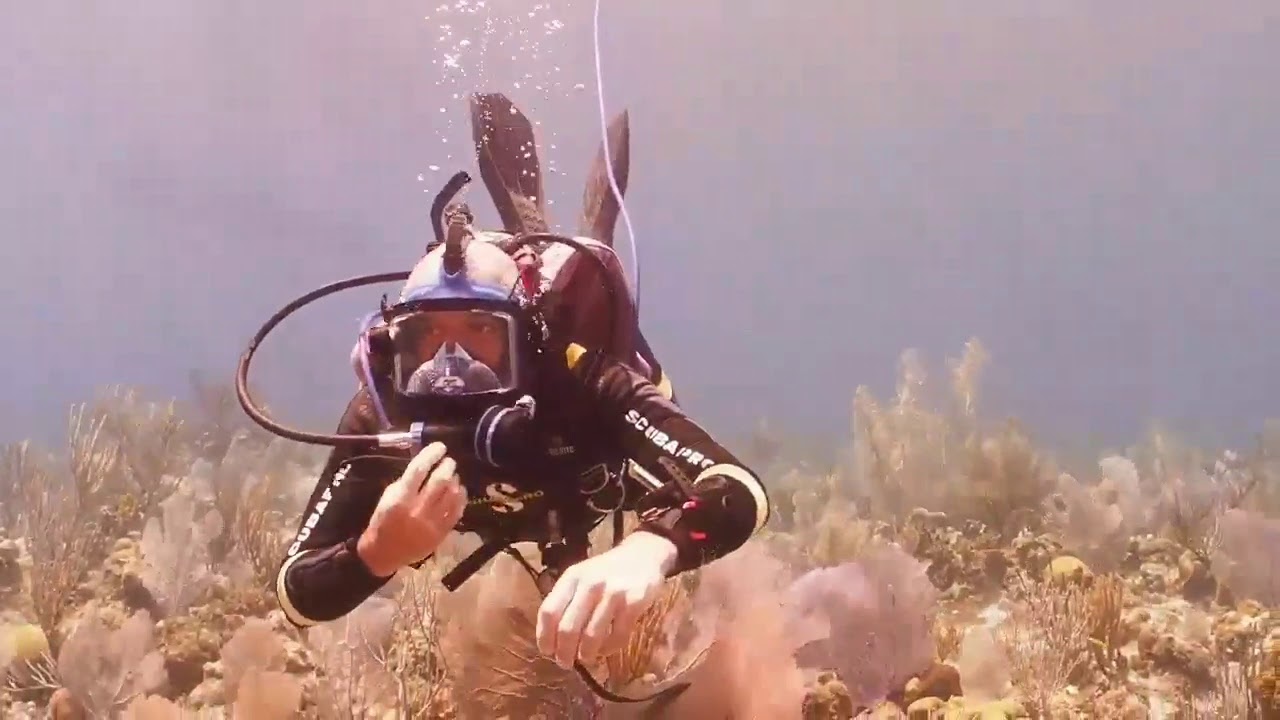
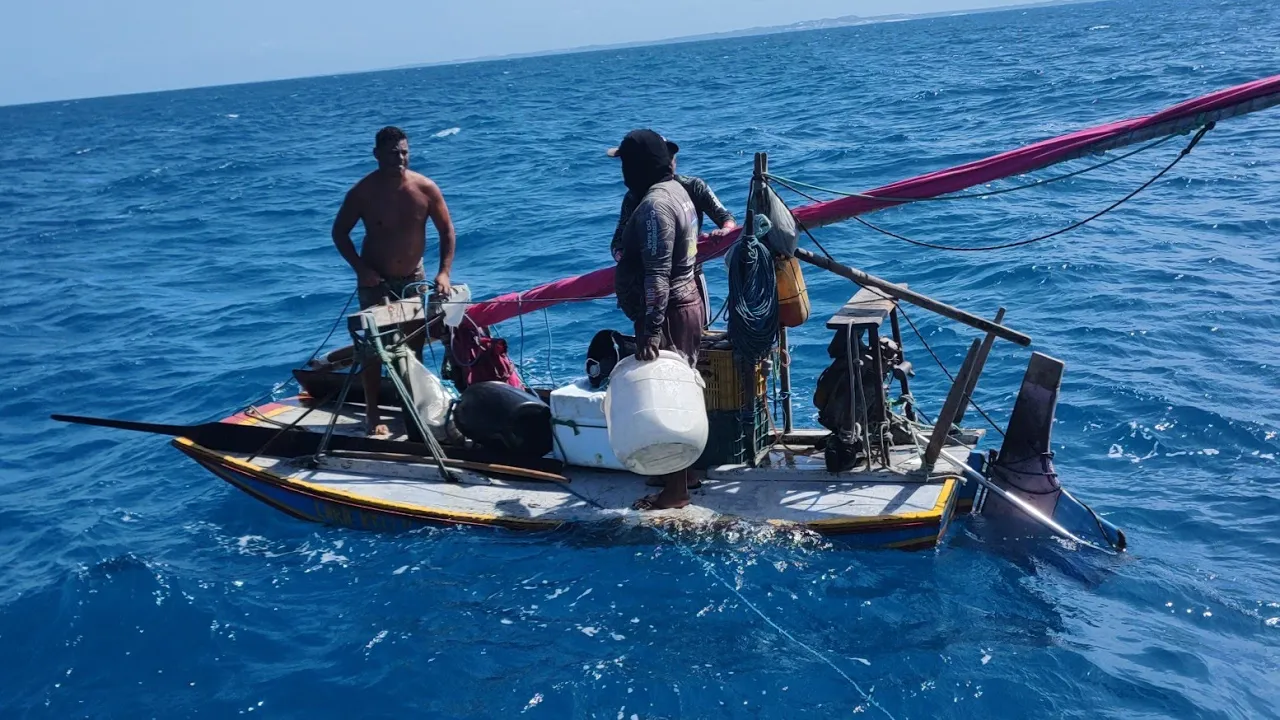
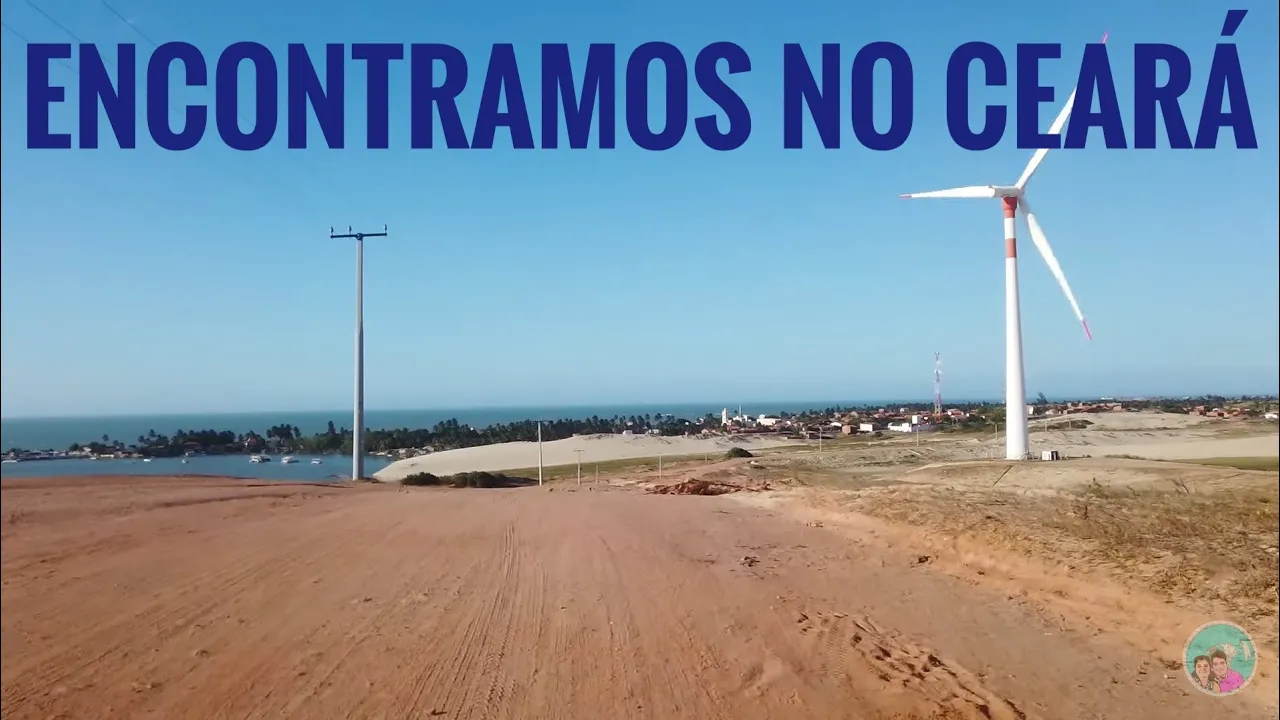
Added:[Music] good evening everyone uh i'm in um rainy uh nairobi and uh ladama is in uh on the coast um i'm competing a little bit here with uh some frogs so it excuse all the noise in the background um that are quite quite nice to have quite relevant to well not and not not to do with fish but to do with wildlife anyway um so i am uh the founder of a community-based organization in north can on the north kenya coast um called kuruito conservation and welfare community-based organization um i'm also founder of the oceans alive trust and we're based on the north kennedy coast as i said back in 2003 i was fortunate enough to uh start an organization as it said called courage conservation was the first uh locally managed area in um in on in the region in fact um and from that what that means really with the sort of bottom-up approach rather than this the state-run um marine protected areas or conservation areas this was an area that we set up on the kennedy coast um out of need um because of a um sort of environmental disaster um the the sort of mitigating factors and the negative factors came from uh climate change obviously came from uh climate change come from overfishing illegal use of nets damage of coral and seagrass ecosystems through the again the ecos ecosystem um i'm i'm actually um a photographer and an artist myself and i think i i grew up in the community i grew up diving with the community um and we we all saw a very quick change in in the ecosystem and a negative change i started seeing that the lack of colors there the lack of fish there the you know the damage to coral and i think that's what first alerted me um but to them obviously it's a much bigger problem and it affecting their survival ultimately their survival um and and their livelihoods obviously and and of their families so uh in fact they came they came to me to try and help them to find a solution as to what would be doing um and how we were going to um to address this problem uh yeah the impacts that we were having um as this slide says was a deep decrease in nutrition and all the other um other factors that went around it um it was uh you know the the whole community of about 30 000 uh people within the community was being affected we had 400 fishermen's livelihoods um being negatively impacted and only obviously lower income and pressure on their employment opportunities so all those factors led to us doing something about it um so as i said earlier we were the original first locally managed marine area in kuwaitu and we have we put in a 30 hectare closed area that was decided by the community based on on science and the best recovery areas that we thought was was possible it was supposed to be a temporary closure as originally as a breeding zone um to to feed to through the over spill effect to feed these surrounding areas and to try and regain the fisheries from the collapse that it was in and to try and make it a sustainable fishery um so obviously it was the first one there was no legislation um behind it so we were piloting a new project uh so we it was very very difficult to get security of tenure in the in that sort of setup with no government backing so that's where we set up um it was so successful as a model um that we are it's still a closed area today nearly 20 years later it feeds um the surrounding areas with fish the um the status of the area has um the environment has gone out the amazing change in biodiversity new species coming into the area and populating the surrounding areas so the fishermen can still continue to fish and get better and bigger catches um so uh there we are 20 years later it's become a model as i said um the other locally managed marine areas have set up on the coast we've had visits from all around the region um people coming to see us and so uh it's it's been a real success and it just shows the power of the community the community working together and being able to have a lasting impact on their own um survival and livelihood um so i will as i said i'm here to introduce dharma and uh i will do that um that's the sort of a list of the progress and the milestones we had from 2003 and in 2017 we won the undp equator prize that was presented in new york um in 2017 and we had one of our key founder members um going over to uh collect the prize and a fishmonger lady um so that was a very proud moment for the kcwa the kurita conservation and welfare association since then um because of the success of this um we um started the ocean live trust and that is i will leave to ladama i'm supposed to just be introductory so i'll leave that to the demo to carry on um and present the oceans live trust and and what we do thank you thanks a lot and firstly in how i came aboard this and how i got involved with all of this it was the the drive and the energy of someone like dez and the people who he grew up with fishermen around the area and the community which was just an energy that i could not stay away from and from there it kind of introduced me to the wider scope of not only what conservation means but also the power of community as you've seen from just this very progressive momentum from 2003 battling and coming together to address this issue which touched on not only the economics of our community but the livelihoods the social aspects the governance and the environment and with one of those and how it can bring the rest and now all of those honorable coming together to address this and touch onto traditional knowledge and also address in a space where there was not really a policy in the country at that time between 2003 and 2006 which gave local fishermen on the coast a space to formally come together through policy and through tapping into certain rights to address an issue like this on such a scale with security and for community to come together and drive that and set the precedent for that is powerful and you know with that being able to influence and get the attention of the state at that time who recognized the work that was being there to start to introduce some of this traditional policy and some of this community engagement processes which happened in kumito into policy is such a powerful ground to get involved in and such a powerful ground to to show the energy and the engine of a community in a conservation space and from this work that kurmito conservation and welfare association did it was it was beautiful because it ended up being a model and a model which showed the attraction of a 400 percent fish biomass increase a 30 current recovery which in the face of a bleaching event in 1998 and an unregulated fishery and the lack of sensitization of the influence of coral on an ecosystem now having this 30 call recovery is amazing it's it's significant and actually to this day some of the work that's happening here has increased or is we believe has increased that number and touching on the sea grass as well within this space of a 17 increase in recovery from this degraded space and all that with the environmental touching onto the livelihoods as it feeds into fish food it feeds into the welfare as it feeds into the value chain it trickled into improving these community livelihoods and with this more sustainable future coming to play within the scope of the fishery adding it added this food security and basically this was an attraction this was a spectacle especially for neighboring communities as it showed that here on the marine side is a resource that is so in touch with our livelihoods but going forward and looking ahead at our futures we actually we we don't need to be bystanders in this you know we do not need to see that we cannot do anything but actually we look at our neighbors in this sense and they've been able to move and drive this vocals from here to here and there's something that we can do we do not have to be bystanders and so this model and this engagement that took place through this tengel model as we call it where teng so to set aside this area the sustainability of your community and your environment this picked up and as i mentioned earlier through some of its recognition and policy whereby in 2007 um it began that it was recognized in some of the fisheries policy it really picked up as an approach that communities could use and tap into for betterment of livelihoods and protection of their own marine areas and we had guests coming from even more even wider than our country itself than kenya and to see how the processes were placed to get a community from a dying fishery and a suffering fishing to one that is productive and one that is on the route to sustainability and through this we it's important to tap into the heroes who came together to do this and this was a few years a few years down the line where this continuous practice from those people and the community members who are there and the elders who are a key component of such models on a community context acted as teachers and whereby these teachers who taught other people and the neighboring communities who would come from even as wide as eritrea had this peer-to-peer exchange and it's one thing to be taught by an academic but to be taught by a peer touches on a different understanding in your mind it touches on what you do on an everyday basis and that was powerful and this initially this initiated the traditional local managed marine area movement along the east african coast whereby we had around 17 lmas which went along this path to try and establish and replicate this success along the area and i'm sure there are others after that and looking at the scenario however one thing did pop up at us and as much as this model was tried to be replicated there were some challenges in sustainability whereby it seemed that the functionality and the operations of the different elements which were set up after were not as sustainable and encountered a lot more challenges so we had to come back and assess what was it about our approach what was it about our journey which made our lma our tangent our marine area model more sustainable and how how really have we been able to maintain this for this long as it is the longest standing lmma in the country and if we are able to tap into this backtrack the steps that took place and see where the key cogs of this approach and share this along with these peer-to-peer experiences we can also be ensuring the sustainability of other communities who took and took on board this process and this approach and as oceans are alive that's where we came in analyzing this process analyzing these steps analyzing the policy the governance the livelihoods the engagements are placed which tap into a more sustainable community managed marine area and we realized it was further than just a space a lot of the time when we talk about marine protected areas when we talk about lmas or community concerned areas there's a big focus on the physical space but the space is open in itself it's tapped into by a community and a community has external factors which it interacts with and even the marine space itself it's not fully enclosed system so there's a big need and a very important aspect to look and see beyond the physical space looking at what are these underlying policies and legal frameworks that ensure that once you make this move once your community comes together to drive forward with this approach with this energy to improve your area to take this initiative and take this mandate that there's there's a security where it wouldn't be it wouldn't be undone that there's these back steps would be harder to take and it's only fought from there so what can we do in policy that can enable that and create this backstop rather than you know being a burden and being a difficulty to communities trying to make this jump trying to make this step and it's tapping into the community itself as no community is the same you know all have different contributing dynamics pillars factors all contributing into it so it's looking at all of these and putting it into an approach which is in touch with the community's dynamics and governance the legislative aspects involved in the frameworks around the community and where it's located and depending on which country it can even come down to the county and seeing what are these key i call them batteries you know the key batteries these key energy drivers of the community and we were very lucky to be able to have a success story to analyze and to pick up these tools from and that's exactly what we did so i'm gonna dial dwell a little bit and dive a little bit into this approach as i hope it can offer some of you out there tools which you can apply in your areas and in your spaces and initiatives that you want to do as these tools not only for they're not only for fisheries but they can touch on forestry areas they can touch on terrestrial lands they can touch on mangrove areas and marines these are tools which are for community by the community and the first one is driven governance how can we equip the communities to have governance structures in place the capacity to maintain such governance structures equity and place to see that voices are heard to see that the solutions even from the furthest corners and from the quietest voices i heard because even those can be the difference and it's doing this building and having these engagements in place whereby we open up the understanding and whereby we elevate the voices from the different aspects of governance environmental economic and social within a space of a community we have we have people with different jobs we have people with different places in the value chain and all of them touch on one of these factors and these are all intertwined at that level so to be able to touch on these elevate them have these voices on the forefront of engagement and put this drive put this put the get the wheels turned get the wheels turning in this initial discussion and from that you also need to touch on the history of the area you know looking at what is the traditional knowledge at place in area because touching into the traditional knowledge of an area also makes it more relative to the ground it makes it more easier integrated into the grounded realities and makes it more understandable but also traditional knowledge is essentially where a lot of the ideas of our world the world that we live in came from and so it's important to elevate the knowledge that we have on our ground in our area for the solutions of that area and it only i would say it only makes sense and from there it's using all these and engaging the different stakeholders at place in that area so how can we keep on bringing these voices from these different areas and teaching each other so you've taught me about what i didn't know in terms of the further marine area let me tell you let me teach you about what's going on the beach let us have these discussions let us come together and have these discussions and these were such a key component of getting this wide abroad understanding which contributed to sustainability and integrated management of the initial initial processes that happened for the marine area so this exchange became key and as a supporting party in this and as a supporting stakeholder as throughout all this process this is community driven but coming in from the technical aspect of this where you're introducing policy and you know getting this legal frameworks to be relevant and understood and integrated on the ground by those driving that process it takes time trust and tangibility and time is because policy at times can be this huge um long writing bodied factor and for those of us who like to go out and spend a lot of our time in the water and are not as skilled in terms of books and it can get a little bit difficult understanding very worthy things and it's not always where watches and policies are reality on the ground so how can we spend this time while understanding and being given the knowledge that they have in their areas to us and how can we be able to impart this policy on our on in on a way that they can understand an integrated way which is relevant and how can we build this trust in the process and spend this time working with the community at each of this step and at each of these steps understanding and understanding in practice becomes a tangible outcome and it's such an inspiring thing to see where time and trust eventually becomes practice where you can see this practice and interaction and this collaboration towards addressing solutions and that came in a lot of the community engagement sessions as we're working towards getting the formalities of this area and establishing this area more and more exchanges started to happen and that's the collaboration collaboration is key and collaboration was key [Music] and so once you've got that going you've stuck this movement it's on the road it's wheels are going its wheels are going but you don't want to you don't want to backtrack and there's so many different factors externally as well as internally which can come in and cause obstacles or even sometimes can undo work that's done and that's why it's important to gain a security which puts in place that when i make this step towards positive change those who come in or those factors which now playing to us going backwards we have a ground on which we can stand and fight and hold our ground to say that no we will not backtrack and no we have a good thing going we know we are together as a community in this and this is what's happening here and that is where us as oceans alive were able to look these processing processes in place but also look at the legal framework the policies at play at that time which was the 2007 fisheries regulations and see where these components in the regulations that can be tapped into by communities to ensure this security and we found six of these policy principles that can ensure this and these six policy principles once again are not only for the marine area but can be applied as on terrestrial land in forests and even in wetlands as well for communities who are making a difference and who are driving positive change for the future of the the generations to come so breaking we broke down this legal framework and into a logical sequence and a logical sequence is always easier to understand gives you targets it gives you milestones it gives you a process and a guideline of which to work with and i'm going to go into these these processes which our community also went through and are sharing this with other communities around and the first one is establishing a legal entity whereby as a community who is seeking to address an issue linked to your space it's one thing to set up an initiative or set up a project and you know get it going get this get the start hitting targets start hitting goals however any day another and another entity or another corporation or certain arms can come in and you know push you back but if you are a legal entity you have the rights to sue you have the rights to stand and fight as you're registered under certain act whereby in this case the community-based organization came together to be registered under the social development act and the social development office and the other fishery community group that we work with which is the beach management unit which is a collective group of the collective group of fishes represented by an executive body which they have voted in which is also registered once you are registered and once your legal entity you can tap into the rights of the act or the space in which you're registered under but this also allows you to set up a bank account this allows you to be a registered a registered party in different spaces of saving of investment of support you know being able to receive grants and funding support so it's very key if a community can itself establish and be a legal entity and be recognized it can not only preserve itself fight for its area but also look at the future now the second bit is knowing where you're working if you don't know where you if you don't know where you're working then it makes it a little bit difficult as boundaries are often the boundaries are often a space of conflict and that also can be seen on the land that also can be seen on the sea as much that's this big wide open system there's still boundaries and being able to know where your boundaries are is you know your home ground you know that this here is the space that i'm mandated to manage this is the space that's close to my heart this is the space i want to create the change and so that's step number two after you've been able to register and be this legal entity that can hold your ground on a legal aspect on financial aspect receive support and you know your area you're starting to develop a certain base of sustainability whereby with this with this jurisdiction you can be able to put it in your mouth and you can be able to sensitize other people and when conflicts eventually do come you can be able to have a reference a reference also is a reference substantiates the ground for you know being able to fight and being able to say and be able to contest and say actually by this reference this is where our area is and it reduces a lot of deliberation time and negative exchanges so the third aspect is a resource assessment after you've been legally uh legally registered as a legal entity you know the space that you're working in you know your mandated area it's important to know what's inside it know what's on the decrease know what's doing really well you know what's of importance you know what is your key species what can bring attraction to your area what is key to your culture and once you know the status of your area once you know the status of your natural resource that you depend on for your livelihoods you can know how to manage it because we can't manage what we don't know we can be throwing throwing dots in in the dark but once we know the status of what is in the area that we want to protect we can create targeted management actions we can create tangible goals based on a baseline because we know where the status of each thing is so being able to know we want to go from here to here and create targets along the way based on what you know is key and this is important because it also touches into the history touches into the practices of play in an area it touches into the stories as in our case you've had uh fishermen who've been fishing here for most of their lives in a certain fishing ground and they can say when i first started fishing i would see um i'd see groupers of this science artsy barracudas we had this kind of snapper and every once in a while i'd see these beautiful whale sharks but as time goes on as time went on i wasn't catching this much i was catching a smaller amount of these these these fish and i almost didn't see any wheelchairs or as many turtles in this area and that in itself is a resource assessment as you're being able to see that the status of these species and these factors of such a diverse ecosystem are not there anymore and in this space and in this process how we address this is also through these interactions asking these community members these fishermen what has been the dynamic of it what is it now compared to what you saw with it before and where you see that it needs to be and it's also important on the scientific aspect of science the more biological and conservation aspect of things is you can identify what is at risk because as we know if one of these species in an ecosystem is compromised it in turn can affect another one which affects another one and that can cause a collapse in an ecosystem which can eventually cause a decline in livelihoods of community and economic instability and so knowing this was a very very long way so step number four which is is key in this process and which is key in the success is you're registered you know the area in which you want to work you know what's in your area what needs protecting what we want to manage now creating a management plan and it's not just a management plan it's a collaborative management plan so you need to tap into the voices and the solutions and the thoughts of all relevant stakeholders whereby in this area you've got the community you've got the fishermen you've got all this involved in the value chain from the women who often are the ones who prepare the fish once it's landed and they sell it on as part of the value chain it can even come down to the shops you know the the value chain uh value of what comes in from the fishery ends up being tenfold within the fishing the space so it's quite powerful knowing and engaging all these stakeholders because in turn they all relate into one effective and dynamic system so through having a collaborative management plan you can see within the different different parties and the different stakeholders of place in whatever whatever aspects or in whatever sectors they're involved in or integrated in they can have clear roles and tasks and have these responsibilities and they know that what they're doing in that aspect is feeding to what someone else is doing in their sector and having this collaborative approach enables a more effective momentum towards tangible actions and a strategy through this what's also key and what was important here is through the success of the community protected area it created a spectacle you know with the 400 percent by mass increase in fish and the 30 percent increase in coral restoration and seagrass and what came with it it created a great area to go snorkeling i would advocate for it and say it's one of the best within our kenyan coastline so it will be great if you can get some of the out that come snorkeling in here and see what's taking place and so from there it's seeing how can we get some of these sustainable streams into what momentum we're building what processes we're going through and the community based organization opened up an eco-tourism branch whereby they did a snorkeling tours there was some boat rides glass bottom boat rides to to see the coral and a little bit off the reef dolphin watching and things tapping into the success that they've had and that's why it's important when a community goes to these processes and is going along starting to think of based on the resource assessment what are these things that we have that create a spectacle what are these things that we have within our resource that can bolster the financial sustainability of what we want to do and the goal eventually is to be self-sustaining not always fully relying on be it grants be it investors philanthropists but the community themselves ourselves being able to be self-sustainable and be targeted and this is very key and once you engage with the collaborative management process we know each other's strengths and being able to take this community through through some of these processes i'm sure as this can account for is it takes time takes time and it takes trust but it's powerful [Music] so the next process is once you've created this co-management plan once you know the area which you're working once you know the status of your resources and what the factors contributing to it are and you are legal and you've got a legal body it's important to address what is going to govern us what is going to govern our legal body that has come together to establish and to create this change what is going to govern those who come into us coming into this space that we want to manage that we want to see get to a certain level what how are we going to interact how are they going to interact you know and what's important to that is creating bylaws and so this contributes and taps into the rights of the body the community body and in this through my laws you can establish fees and finance the community can establish the guidelines which external parties can come and interact with the marine source in a more positive way the community body can enforce certain behaviors that you know either do that do not compromise in the area or that can contribute to a positive outcome and also agree on the terms of how all of these stakeholders benefit because there comes a time whereby with success we need to continue moving together and that's why it's important to have these interactions and have these sessions to agree on how we're all going to continue to benefit and in in this scenario we've experienced both sides of it whereby in fact early on this year we had some external external uh fishes coming into our marine space as it's often the more um diverse and has a lot of a lot more positive of a biomass compared to other areas and with these fishermen being coming into this space and interacting with it on a negative manner within a space of five days five six days we had turtles washing up on the beach and which were dead strangled by um illegal nets and that was yeah it's tough and it's even tougher i can imagine being in a situation where you've worked so hard for something and then external factors come in and impact something that you worked so hard for and you cannot do much about it you know you don't know the grounds in which you can fight this and that's why it's important to have these bylaws and that's why we were lucky that we were able to have gone through some of these processes whereby we could shortly afterwards establish the kuritu environmental impact team which can now go out and patrol and see the activities that were happening have all these stakeholders both the bmu the community-based organization fisheries the fisheries on board and ourselves and you know coming together to say all right we've gone through these processes we've put in all of this work and luckily we now have the grounds to do something about it let's go out and see how we can continue to mitigate that and that in turn has you know um gotten us to see how we can strengthen our bylaws tighten our bios because as a legal entity as a body which has a management plan we have the right to we are able to go back to our buyers and see how can we make these tighter as a community and that is powerful to have because if not the damage that would continue to happen after all of this work after all of these successes would be so painful it would be so painful and the next step is the sixth or sixth step is getting the security of telling you and what this security of tenure is and what it entails is having you as a legal entity you as a community based organization that is recognized doing certain work in a space having both your jurisdiction your plan and your bylaws recognized by recognized in the gazette which is the government and which is the highest one of the highest volumes of government whereby you can now be able to enforce it to the level of arrests and you can tap into the wider governmental aspects and factors to help contribute to the enforcement for the protection and for the sustainability of your area it's now recognized within the state that this body within this space looking to make this change is supported by us and is recognized by us and that gives so much ground to sustainability and to the future and you're now factoring in one of the more highest key relevant stakeholders within the country behind this community driven governance at place within this community driven engine that's going forward towards a positive positive factor and it's it's something which we are we're so lucky to be charting on this process and to be charting this journey to be able to give this knowledge and give these tools to the communities which now are following and to go forward with this confidence and the security and the work that's taking place here as the kurumito co-managed area body and with all these stakeholders behind it's it's a it's an energy it's an energy like no other and we love this momentum and so you take this community-driven governance which is the engine supplemented by a body of these six steps now which taps into the community pillars which are so key and which is so unique to the community and where they are and the history and the culture and the dynamics and place because if you come in and at such a political level as such a bureaucratic level as such a distant level from the grounded reality will the change really touch on those who are going to make it which are always those who are on the ground which is the community they are the ones who are going to drive the change they are the ones who are going to ensure that this change continues on for generations so whatever momentum or whatever processes are taking place need to touch on them we need to touch on the history you need to touch on culture need to touch on how they interact with environment and that comes to knowing them whereby in in this area being able to know some of these endangered species that we have um already knowing these ecological sensitive zones whereby you can be told about these by some of the fishermen who especially those who go diving and you know you can even just through interaction and stories you can hear them talk about a place and you're like yeah that that place is special and you know it informs you and it directs you and knowing what's going on in the household knowing how the money is flowing and in terms of the value chain you understand these key cogs in this community knowing what traditional governance systems are in place because you can go four four communities down and the traditional government system could be different and to come into a scenario with a form of very formal governance you know governance approach and not listening to this traditional aspects it can be very dangerous because a lot of the times that is it is it's a very respected factor in this and not tapping into some of these factors can see it can make a difference between between it's going forward and it's not even being recognized you know being able to engage the elders being able to engage some of the practices in how you relate this facilitation relates these trainings to those who you want to impart this on and that was something which is very key and in this process and i'm sure there's contest for this is being able to have these interactions with the chief and with the elders you know hear their thoughts here what is the system and what is its history and how really is it placed before going on to say that this is the policy this is the regulations these are rules otherwise it may never reach the ground because on the ground it's the people and all that is very important in driving this this process forward and having this vehicle of community environmental change [Music] and so after applying all these processes and you know going through around 30 36 community engagements and meetings and participatory mapping with the neighboring communities on either boundary we were able to establish the queritical management area and upscale this 30 hectare lma to a 12 000 community managed area which was signed in february of this year being the first in the country under the new guidelines and that was just powerful to see you know being able to look back all the way to 2003 and where the body the corrito community conservation wealth association was formed to 2006 where the community protected area was formed and now to this year where we've got this co-management area with different sports as you can see on the map each red spot is a conservation site with a management action you know which is informed by the resource assessment it's informed by the jurisdiction knowing the area and knowing the mapping and it's governed by the bylaws so being able to have these conservation sites with different actions be it gear restrictions net restrictions turtle protection coral restoration coral gardening all being driven by community process it's it's a very big uh pride of ours here on the ground and once again any of you find yourself within this area please feel free and please feel welcome to come and see the work being done here and as you can see on this picture on the right this was the participatory mapping process with the three neighboring community bmu's beach management unit whereby each every group identified where fishing grounds were their names what you'd find in these fishing grounds and taking an aggregate and tapping into this jurisdiction um process and the spatial mapping awareness we came up with this and it's great that we can come up with this of our community participatory process and so this co-management plan which we've just launched this year will establish these institutional arrangements and processes backed by these six steps which tailored to these areas by the fishermen themselves by those who interact with these areas to increase and to to create a space whereby even when externals come and visit it it creates a more positive guided sustainable space for the environment for communities for livelihoods and also for those looking to be involved in the future of this area and this is one of the goals of ocean's life this is one of the factors in which we hope to embody and replicate up and down not only our county but eventually the kenyan coast areas protected by those who understand it best supplemented by stakeholders who can contribute to this engine of sustainability and change sustainable fisheries and so what's next and looking forward we hope that these processes that we've gone through these tools that we've been able to tailor these factors which we've been able to understand can become a living classroom for the neighboring communities and not only for this area but also for you know foreign terrestrial areas any community body would who's looking to create a change and to not be bystanders and to understand that your momentum your change and your hopes are within your reach they're within your grasp and those are the tools which are hoping to provide through this experience whereby on the right you can see we had brought in the kuruito vmu executive committee which is the representative body for the fishermen and those involved in the fish value chain within the area to come and to train them a little bit on coral gardening whereby we've got one of our employees who's also a local hero and a previous fisherman who's now teaching them on how to do coral gardening and they were able to identify these spots to do that within the plan and that is what we're looking forward to doing you know we're we've already seeking to expand um our coral gardening initiative which is happening inside our community protected area to these other sites within the cool managed area and it's cool it's really it's really cool having this this momentum and so not only for us but also for you out there with certain initiatives taking place it's very important to consolidate your experience so that you enable that those who follow especially those communities of those other other bodies who follow do not go through the same challenges that you went through do not go through the same struggles do not hit the wall when there's a door and move forward so to create an affinity for those who come behind and we're so privileged as the critical management body to be able to chart this process and we're so privileged as ocean's alive to be able to help with these tools and this consolidation of experience and to be able to integrate this policy through stockholm through such initiatives and processes and projects at place within this area to increase and make it easier for others and through that one of the major things which we do which touches on time and trust is training and embracing this peer-to-peer exchange creating spaces creating a living classroom for those to come and see for those to come and experience for those to come and hear from their peers and be inspired and be motivated on how to take what you're doing forward securely and as we do this seeking to create a network whereby we are now working with the county on creating a multi-stakeholder forum network which taps in and which collaborates and brings together all the 17 different beach management units and community fishing bodies together to see how they can they themselves can create a space of knowledge sharing and exchange these experiences and be able to implement or offer these tools at that level whereby they can now take these to their areas and create a line to create a more collaborative rollout into such positive spaces and from there i just want to say thank you so much for listening and thank you so much for allowing me and us as ocean's alive and as the kuritu co-management area body to share this with you and i hope you can all in some way or form join us or take this on and spread this momentum elsewhere where you are in this change to your space thanks to dharma and this and that was a wonderful talk um this is the second talk that we hosted on lmmas and i hope that um it will become a movement coastal areas of africa and there's incredible hard work that you do and i really hope that people and all the students in tonight will learn from that i see prof liesel from us um has got a hand up already so liesel you can get the q a going and please ask your question and amazing is not a correct translation so somebody was still get but um by default i'm also involved up in botswana with a community project and we have a trust that pablo trust which in situa means conservation are you on a team um i want to ask chrysler so that we can link up the stuff that they're doing in kenya um with up in in botswana specifically with a lot of the the fisheries and the stuff that you've been saying the stuff that you'll be doing it's that we actually have also be involved often doing so really a very um informative talk and i must again use the word scattering skills around closest to citroen that's brilliant but you can't translate i mean that's some contracts like that thank you thank you um so everybody you've seen how it's done um please use the um reaction tools at the bottom of the screen more questions already popping up or just wave at us or ask a question in in the chat um andy you're welcome please go ahead and ask your question just the uh the unused thanks ladama that's just an uplifting wonderful talk what a great project um i'm in the uk we have an issue with plastic pollution here i wonder if that impacts your community and the fisheries yes um it actually does especially on the on the shipping side of things if you look at what is shipped and the level of plastic be it within certain product industries that is shipped across to the uk i'm going to speak about pharmaceuticals for one in terms of pharmaceuticals it's it's quite a high level it's quite at a high high level and also because you need to trace it back to these origin source points and it's an open system as i said the ocean whereby plastic in one area doesn't stay doesn't stay still in that area it flows and it moves around and why why i'm touching on the shipping industries because this is it's shipping the plastic even before the plastic moves itself so it's twice so if we can be able to tackle things at that level and at the source points for example with with you in the uk before it has the chance to get into the water and go across the coast where it's true you know it's it's it does affect the fishes and it does affect the fisheries in another area which is why it's important to think of how the plastics issue in your in your space is affecting others we do when we do beach cleanups here we pick up uh plastic from darsalam which is in you know all the way in tanzania and yeah it's it's it it's quite uh it's a reality check that when we say plastic in one area is not only static but it can also come and affect you it's true the facts are there the physical evidence is there so it's now seeing how we can once again to the word collaborate and share this experience with you and for you to be able to be an advocate that actually i've heard that our plastic here is being found in that space and taking it to the point source and having these collaborative discussions at all of these levels you know spaces such like this um it's so it's so important yeah i think there's um there's a project up in malindi so up the coast from you called sarah gasso reclamation and i think they're looking at how they clear the beaches clear their fisheries but they're also turning that waste into an income stream for the communities there as well um i'll try and hook you up somehow i don't know them very well but come across them but it's sarah gasso reclamation right over for me thanks again it was brilliant thanks andy um cheryl please go ahead and ask your question um hi ladama um you touched my heart tonight um i've been working in a community for 23 years and when you touched on the government's arena hot you have to deal with a lot of red tape and politics and i'd like to know how you managed to deal with this being making it holistic and balanced and hearing the unheard voices have you identified those unheard voices um who who are they um because i know i've got some unheard voices and that's we are slowly addressing them i just started in the schools that was my first um in 2000 and then i moved on to the caregivers or the mothers then i went on to the fathers then i went on to the teachers and it's just those unheard voices are now becoming heard voices and how do you kind of identify the missing links thank you so much for this question sure and so there is there's two ways in which this can be approached especially on our end from our experience is firstly through creating uh a positive yeah positive outreach on engagement you know because a lot of the times when communities and people on the ground are invited for engagements you know it they're like why you know why am i going to spend the time that i would be fishing and getting livelihoods from my family in a meeting so it's changing the conceptualization of these engagements that these are not engagements for an external body or an art body but it's making them more ingrained as a community thing an entity and on that front you'd find that being there needs to be a lot more of them and kind of altering some of the approach or the outcomes from engagements which are to be more uh stakeholder center so they leave to be able to leave an engagement knowing that i've left what i had said with these other people rather than i came i sat i listened to someone talk then i left you know it's it's this engagement and that's time and it's being able to not use the spirit to have have these spaces to talk and the more you continue with this spirit to have these engagements the more positive things come out of it and the more people are encouraged to come and to know that they're coming here for themselves with their heart and the second aspect is to be able to do um certain stakeholder assessments whereby this often is a lot more difficult to be able to physically and identify or all the stakeholders that you know within the area identify them and identify the ones that you see are missing and formally put out an invite to come together and you know you can either do breakout rules in this in this group of stakeholders who you'd see would engage well with each other and from there and come together and see what came out of those and eventually gives this collective connected round piece of work from the body and from there you can be able to have an idea of the level of equity and governance within the bodies even on those who are the voices which are not heard you can actually reach out to them and invite them thanks ladama thank you thanks cheryl um any other questions anybody in the chat that we are missing perhaps at the moment a lot of comments in the chat um a lot of thank yous and congratulations uh ladama on on your talk um i think everybody's learning from it tonight thank you so much for this opportunity i agree on anybody who can achieve this level has achieved something really great and it will last no doubt it will last uh see andy is backing andy sorry me again um the dharma i was thinking with your fish biomass increase your sea grass bed increase there's a massive carbon sequestration um benefit from all this work as well um is that something you might be able to tap into for funding and to encourage more of it from a national level it's a you know it's a hot topic isn't it so it's another another brilliant benefit from what you're doing that's that's definitely a route which i would recommend most communities on the marina or the coast to tap into but the challenge is already if first of all if you look at the example of policy and being able to understand policy which is this huge act um you know at a certain broken down level now carbon sequestration is another thing it's something whereby information we find is often not made to be easily accessible and not made to be easy easily implementable not made to be easily um especially on within our area um tapped into so yes you've got the certain categories which you can tap into but for on the level of community to be able to go through that process and be able to you know develop that the tools are just not provided you know it seems that there's a lot of um you know we need to get more support we need to get more people who are involved who are in it to share the knowledge and to create more create this affinity so that when once one community is able to do it once one person makes it easier for the rest to do it yeah so it's it's not the most easy thing to to get involved especially for community driven factor um if i could just add to that um we are we are looking at various projects um in kenya most of them are working with mangroves um but it's um it all comes down to the same thing at the end of the day a sea grass and we can lump uh sea grass in with anglos then i think we have a combination that we can definitely use so as we spread out our models throughout khalifi county 270 kilometers coastline with a lot of mangrove a lot of sea grass i think that's some an area that we really could benefit from and develop and it could benefit the communities through carbon carbon credits et cetera et cetera thanks des thanks andy you're most welcome to jump in with questions um any time also if this has something to add please do so this like to hear from you too thank you the dharma we understand it's clear it's it is the basics that's going to be in place it's clear and that's where the success lies it's those basics and again if we can only applaud you
Up Next
George Monbiot Interview: Farming Myths & Climate Action | New Statesman
@NewStatesman
25.6K views•2022-05-16

Triumph of Orthodoxy Icon: Byzantine Art & History Explained
@BenCallan
2.1K views•2024-08-06

FastAPI vs Flask vs Django: Choosing the Right Python Web Framework
@TechWithTim
302.5K views•2024-05-26

Game of Thrones Opening Credits: A Cinematic Analysis
@gameofthrones
46.3M views•2011-04-18
Related Study Plans & Knowledge Roadmaps
Structured learning paths in General & Interdisciplinary Studies