
![Webinar: Achieving NDC Ambition in Agriculture [27 October 2021]](https://i.ytimg.com/vi/_5AGmTznX2g/hqdefault.jpg)


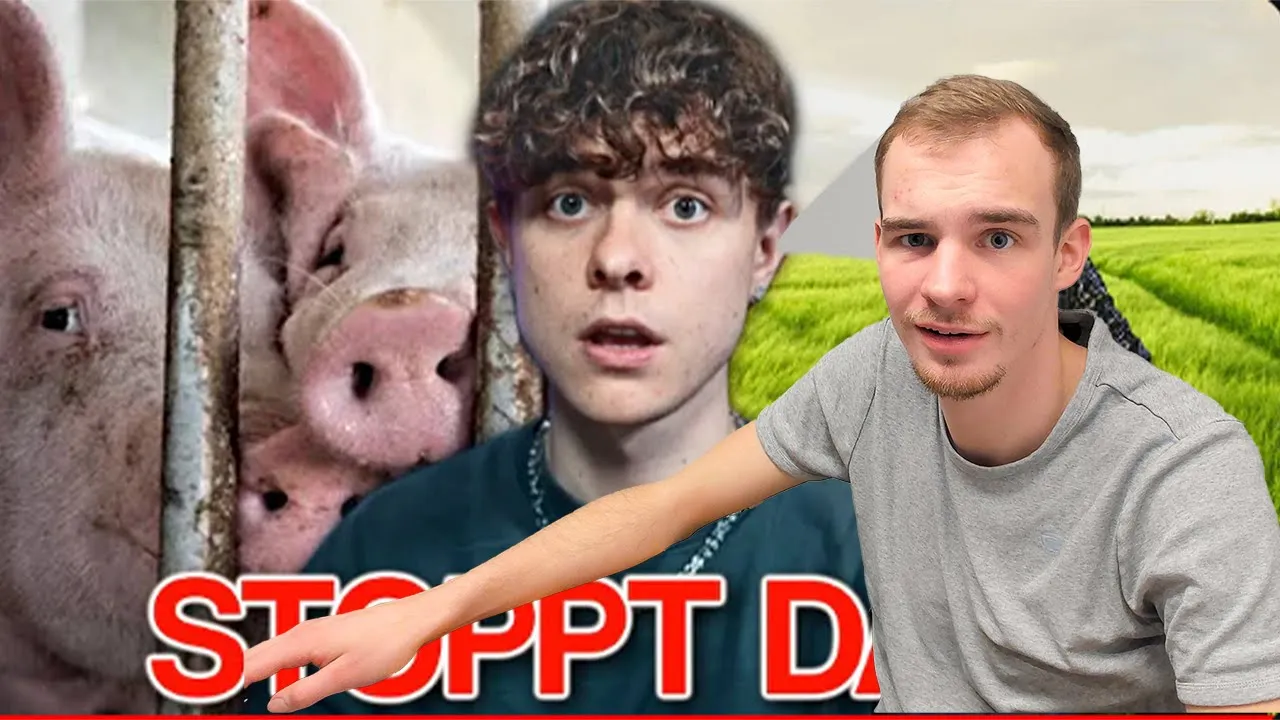













Environmentalists are wrong to favor organic pasture-fed meat production as an eco-friendly alternative; this type of farming is actually the most environmentally destructive form of agriculture, requiring vast amounts of land (28% of Earth's surface) to produce minimal protein (only 1%), making it far worse than factory-farmed chicken and pork in terms of environmental impact.
George Monbiot Interview: Farming Myths & Climate Action | New Statesman
Added:Basic understanding of the agricultural sector's contribution to global greenhouse gas emissions, specifically methane from livestock and nitrous oxide from chemical fertilizers.
The concept of global land-use patterns, including how much habitable land is currently dedicated to livestock grazing and animal feed production.
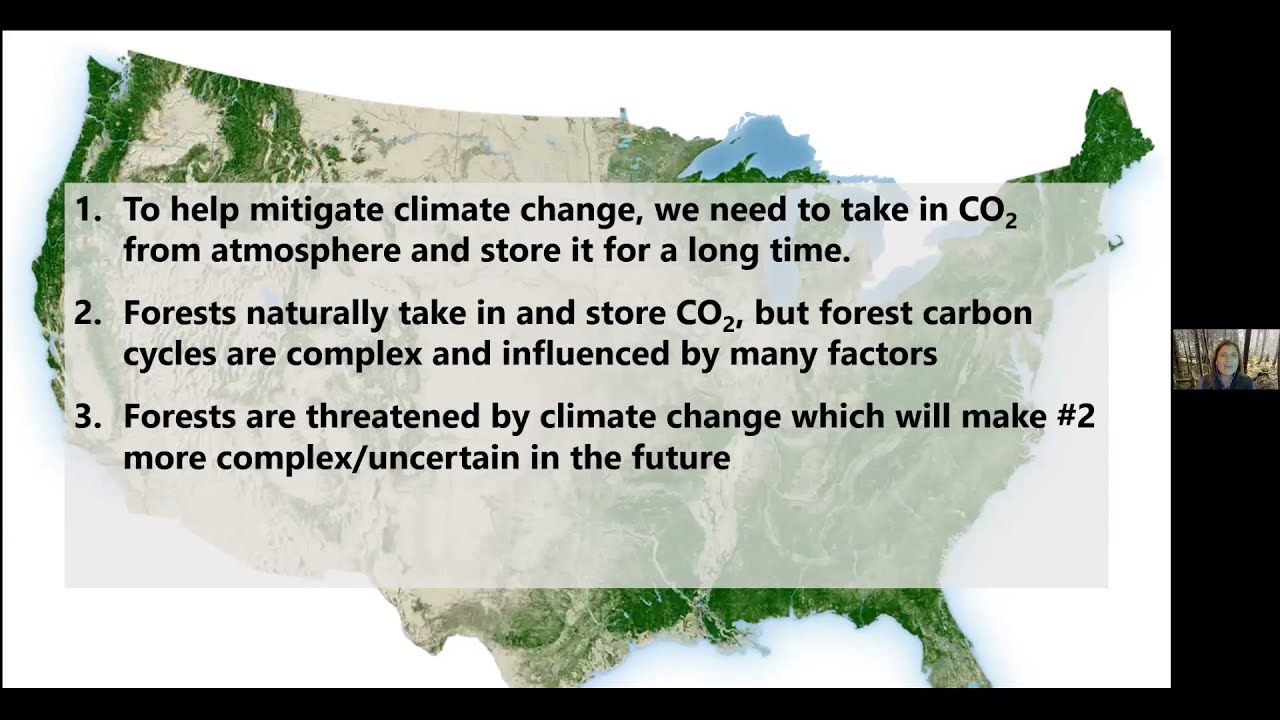
Fundamental knowledge of the carbon cycle, particularly the role of forests and natural soils in carbon sequestration.
Familiarity with the distinction between intensive industrial farming, organic farming, and regenerative agriculture.
The science and scalability of precision fermentation and cellular agriculture as viable alternatives to traditional animal farming.
The policy-level challenges of agricultural subsidy reform, studying how government funding influences farming practices globally.
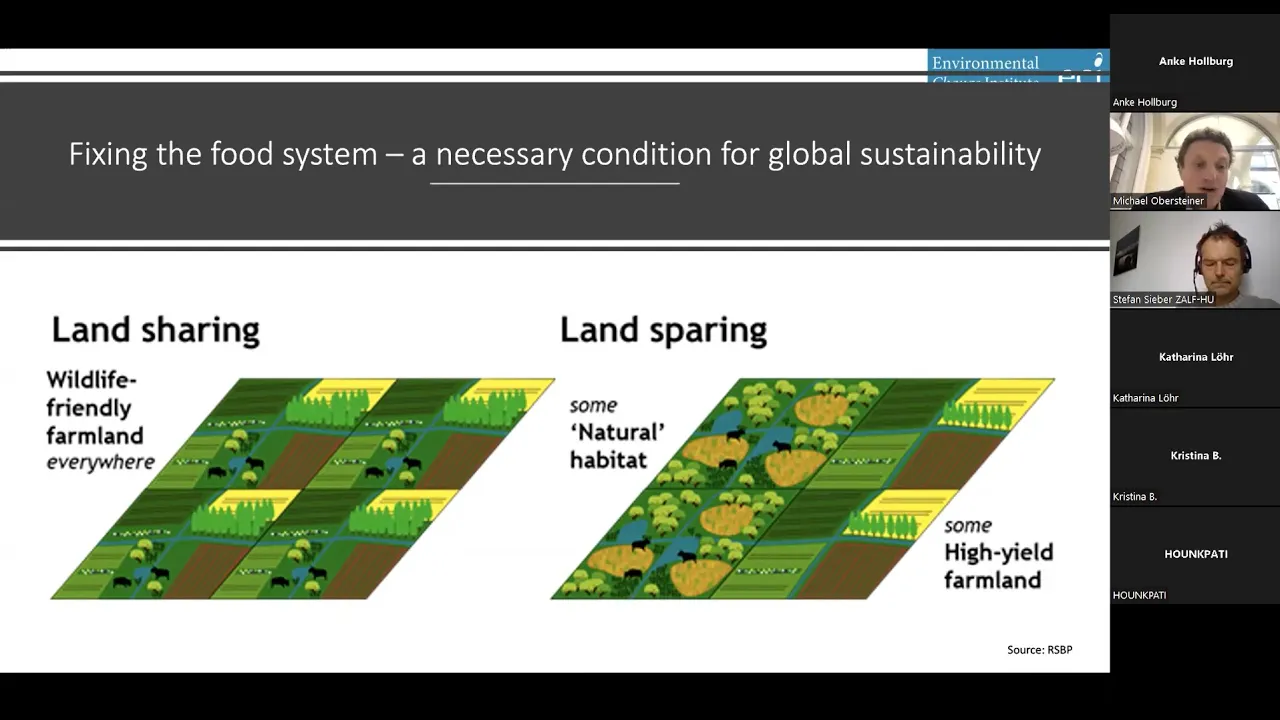
The scientific debate between 'land-sparing' (producing food intensively on less land to allow for rewilding) versus 'land-sharing' (farming more gently across larger areas).
Practical methodologies for large-scale rewilding and ecosystem restoration, and their projected impact on biodiversity and climate mitigation.
25.6K views726likes42:14Original Release: 2022-05-16
so we're here to speak mainly about your new book regenesis uh which is subtitled feeding the world without devouring the planet and yeah i find it quite stressful reading this book because you take issue with everybody including those who think they're they're putting in place the right solution such as the organic lobby or the the no dig lobby in terms of making our farming and our agriculture greener and so i wanted to know whether you set off with that premise from the outset or it was something you discovered as you went along i i i didn't really i mean i i was um very much open to persuasion on every issue because i think that of almost all subjects food and farming is subject to magical thinking to wish fulfillment um to mythology um it's and given that this is such a crucial issue and that the predicament i explore this um how to feed the world without devouring the planet is is possibly the greatest predicament we face it's absolutely essential that we get the facts right and unfortunately you know the more i explored the subject the clearer it became that we simply have got almost everything wrong almost everyone who's who's been involved in this subject is wrong about something um and doubtless that includes myself um but but but for you know the great majority of us are wrong about almost everything on this subject and and we can't afford to mess about with it we have to get it right we can't allow myths to dominate our thinking i mean the conclusion that you you come to if i say very succinctly is basically that we need to stop eating uh any kind of animal protein so meat uh dairy um but even in the minds of many environmentalists um they find this very radical and most people's solution is simply we'll have a little bit we'll have less meat uh we'll eat a bit of protein you know we'll have one day that's vegetarian and everything will be okay but you go way beyond that um how's that gone down with environmentalists and and and green lobbyists rather than the farm lobby who are obviously not necessarily in favor of going in that direction well it's very mixed um mean some environmentalists um really understand the argument strongly understand it interestingly there's more um concern about this i find among environmentalists than there is among animal rights lobbyists and and some animal rights lobbyists are beginning to take an interest in the environmental consequences of livestock farming but often it's really hard to to to cross that divide but there's also within environmentalism there is a strand of thinking which i think has been left behind by the science which is that well you know these um um cattle and sheep grazing in in lovely flowering pastures surely that's what we need to preserve um and and unfortunately while it looks nice it it simply doesn't stack up as soon as you start looking at the numbers you you the the the case for um livestock falls apart but particularly the case for the kind of livestock production that many environmentalists favor which is organic pasture-fed meat production particularly beef and lamb which is arguably the worst possible of all agricultural products worse even than non-organic pasture fed uh beef and lamb and much much worse than the horrible production of chicken and pork in huge factories which we all hate so much and and rightly but in environmental terms the worst food you can eat that is produced by farming is is pasture-fed organic meat and i mean to say that i find it quite shocking and i know um i recently um interviewed the ceo of impossible foods which makes plant-based burgers and you mentioned them in your book um and i posted the story i wrote on facebook and i have a friend who's an organic farmer in wales who was absolutely horrified by the idea that suddenly we're taking away something which as you say seems idyllic which seems very nice both culturally aesthetically and and in terms of our food production um to what seems to be an industrialization of our food and and how um do you reconcile these because in in other books you've mentioned very clearly you know what's gone wrong with the world and corporate interests and an over reliance on technology and industrialization is part of perhaps what's gone wrong so how do you reconcile this this need for technology and industrialization to a certain extent uh with the need to to reconnect with nature well none of these things are easy to reconcile there's payoffs everywhere and and there's no pure and perfect solution at all but the first thing to say is you know we have to get away from means of food production which require a massive environmental cost and and pasture-fed meat comes top of those simply because of the land area it occupies it requires so much land and that means a huge ecological opportunity cost because all that land could otherwise be supporting forests and wetlands and other rich ecosystems pasture covers 28 of the world's area that's more than twice as much as all the crops on earth and yet animals which survive purely on grazing produce only one percent of our protein this is a phenomenally profligate means of producing food and it's just not environmentally affordable and the only reason why there seems to be plenty of pasture-fed steak and pasta fed lamb around is that we are using so much land to produce it it's amazingly inefficient so the alternative is not i believe to go down the route of of factory animal farming um even though that's much more efficient in terms of land use um and has lower greenhouse gas emissions there are also huge problems involved with that particularly the concentration of livestock in river catchments which simply can't absorb the amount of nutrients that they produce in their dung and everywhere we see the factory farming of livestock we see dead rivers and then at the other end of the chain we see the a massive production of grain to to feed those livestock we now see roughly half the world's calories grown by farmers going into the mouths of livestock which is a tremendously inefficient way of using grain and of course a huge amount of fertilizers pesticides irrigation other damaging practices associated with growing that grain so that's not an answer either but we need protein and we need fat um as well as the carbohydrates that we get directly from grains so how do we best produce those well i feel that sort of like the cavalry just in the nick of time the the the the necessary technology has has come along which is um precision fermentation growing microbes in vats the same way as we grow them when we're making beer or or producing baker's yeast for example and and using them directly to produce protein and fat and it's massively more efficient in terms of land in terms of water in terms of nutrients every single environmental measure you can imagine is greatly reduced by producing our food that way but you're absolutely right to point out that there's a real danger that it could fall into the hands of a few large corporations and become highly concentrated in those hands and already in the food sector we see a very small number of companies uh mopping up a very large part of global food trade particularly in grains and meats so it's already a huge problem we don't want to see that replicated in the new food technologies it's really important we avoid that so what i my call to other people concerned about this is to say you know don't attack the technology but attack the means by which it can be concentrated let's get in there at the beginning because we are more or less at the beginning and ensure that this becomes a distributed and socially just technology rather than one which is captured by a few huge corporations and for that what we need are weak patents and strong anti-trust laws and i think that combination is a pretty good formula for for all business right across the board you know patents intellectual property should be weak anti-trust laws should be strong we shouldn't allow a few corporations to mop everything up now if that were the case if we could have a distributed economy producing these fats and proteins from microbes in a really in with a very low environmental impact we could also have a far more just food economy than we have at the moment because you can produce them anywhere particularly places because you want to do this in the greenest possible way and they rely on electricity places with a lot of ambient energy striking the ground a lot of potential solar power which includes many of the poorest nations on earth could be producing their own fat and protein without having to go through the global food chain local businesses could could could could be turning it out with specifically for the needs of local markets and paradoxically because a lot of food sovereignty campaigners really hate this idea it could actually deliver food sovereignty and food justice and food security far more effectively than the current um forms of global food production do well it all sounds very good but i mean already a lot of the money that's going into looking at food proteins or lab-grown meats is coming from bill gates and many of these other uh very wealthy men who are already in control of lots of parts of the system so is it really realistic that we can kind of create a a new industry and that it's a distributed economy well it is any political change we want to see realistic and of course there's always a question mark hanging over that because of the power of of of legacy industries um the power of money which all too often unfortunately trumps democratic power but we we have to fight we have to strive we have to um try to ensure that we have a just the world and that means always taking on these powerful corporate and oligarchic interests it's never easy the fight is kind of stacked against us because they have more money and that translates into more power and they can buy political power with their economic power through funding political parties and all the rest of it we we know all too much about that but um here we are on the threshold of an entirely new food system and we have much greater potential to get that right than we do in changing the old entrenched system which is completely dominated by legacy interests by definition um so um you know if we were to give the if we were to give up before the technologies even got off the ground then we are squandering a great gift um the gift of having just the right technology come along just as we need it most because if we do get this right and we do transfer our means of producing much of our food fat and protein away from not not just animal agriculture but also from soya from palm oil from many other damaging forms of food production then we could stand a much greater chance of preventing both climate and and ecological breakdown than than we stand at the moment we're talking about the possibility of releasing three quarters of the world's farmland from agriculture and returning it to nature bringing back the forest bringing back all the rich habitats which we've destroyed and in doing so you can not only stall the sixth great extinction but you can also draw down vast amounts of carbon dioxide that we've already released into the atmosphere and i i think that in combination this gives us possibly the best chance we have of avoiding environmental catastrophe this century and we know that doing anything to the farm lobby farm indus farming is extremely difficult um so on the one side there's what you've just said in terms of the needing to set up a new industry but there's also dealing with the the industry that's there because this new industry could arise but it essentially just becomes a parallel industry to the agriculture we already have um i mean we've seen in the eu with the common agricultural policy that um even with attempts to change it it's not really changed do you think it's realistic given the cultural hold um that agriculture has that that this can be done and then the second part of that is also you know in the uk and you said yourself that you know the uk coming out of the eu one of the good things was that we could have new environmental legislation new farming legislation but the uk government is being very slow on coming forward with any real alternative to the common agricultural policy so so you know culturally can we change it and then be in the uk you know is there a real will to actually go against this strong lobby so you're absolutely right to emphasize the cultural power because i think um very often um people like myself on the left we we tend to be very conscious of economic and political power and to underestimate cultural power and in in some cases i think cultural power can be stronger than political or economic power and the cultural power of the farming industry and for that matter the fishing industry is i think greater than the economic power of almost any other industry it stops politicians from moving against them you know all those bucolic images that we are brought up with as children that we see every sunday night on the bbc those are tremendously powerful political instruments and farmers can mobilize them to say you know you're destroying the the character of the nation you're destroying our way of life um these things which i think in some cases count for a lot more than the raw power of money um but we do have to question that and and challenge it and confront it because it's those those cultural powers for those sources of cultural power which make it very very hard to ensure we have the environmental transition which we're going to require if we're going to sustain our life support systems and and in principle we have a very effective means of doing this because you know we don't need to tax meat we don't need to um impose any new regulations we just need to stop subsidizing it there would be almost no meat production on earth if it weren't for subsidies in one one form or another in in current market conditions that that's what makes it viable and we're paying for arguably the most destructive industry on earth and that's particularly the case with grazing because grazing is just not economic and so huge amounts of money are spent more than 50 of all subsidies in the eu and eu subsidies account for over 40 percent of the entire european budget is just amazing farm subsidies um and most of those are going to to to to livestock and that keeps this tremendously destructive industry going so now what i want to happen is not for farmers to be shut down driven off the land all these things we're told that people like me want i don't want that at all i want i want the money to be repurposed and farmers paid to restore the land um and and that means doing something completely different but farmers are really good at doing things that are completely different i mean i'm constantly told by farmers this is what we've always done we can't change and then the next day you see that they just signed a contract with cargill to build an enormous chicken factory on their sheep farm and you say hang on a moment i thought you said you couldn't change farmers are highly resourceful and resilient and will follow the economic incentives so whatever their cultural power you know they will when they see that the money isn't right or there's there's a different way of making money they will change and build a new culture around that change that's what we've seen happening again and again and practices which we're told the thousands of years old aren't thousands of years old at all they turn out to be entirely contingent on on current economic conditions um and so change those conditions and farmers will change and farmers will be happy to change if the money is right that that's that's the story we get repeatedly from history but people are so afraid politicians in particular of that cultural power that that they won't move so so the promise was you know we can have a much better system than the common agricultural policy and that would not be difficult because it would actually be really hard to come up with the worst system i mean the common agricultural policy um it insists that um wildlife habitat is destroyed if you want to receive your basic payment you have the land has to be in what's called agricultural condition which means it doesn't have so-called permanent and eligible features on it which you and i know as wildlife habitat and i've seen for instance in transylvania it's just heartbreaking to see this happen these stunning wood pastures these unbelievably beautiful and rich wildlife habitats full of birds and and mammals reptiles insects of all species being ripped down purely in order to harvest european subsidies because if that land has those ineligible features on it you can't claim subsidies on it so there's this huge perverse incentive for destruction built into the european subsidy system and it's probably destroyed hundreds of thousands of hectares of prime wildlife habitat it's one of the most destructive forces on earth so anything the uk does couldn't possibly be worse than that however they'll they'll they'll they'll make their best effort ensuring it's a really crap solution um and what we're seeing is all the sort of bold statements that the conservatives made gradually getting watered down getting the marrow sucked out of them and but most importantly of all we'll be monitoring an enforcement which is just non-existent effectively here i mean already we see a complete crisis in monitoring and enforcement with the in the rural uh the rural payments agency environment agency natural england their equivalents in the other three three nations of the uk in total meltdown because their budgets have been cut so badly they can't afford to put people in the field they can't afford to do uh inspections more than every few hundred years per farm i mean it's it's just a fast and so whatever the rules say on paper if there's no monitoring and enforcement those rules are a dead letter and pharma it'll so be pretty well the same system as now um farmers will fill in a form saying i'm doing this give me the money and they'll be sent the money i wanted to change text slightly and ask you about worms because and bees basically because um everybody or lots of people now are in favor of protecting the bees we have massive protests anytime a pesticide is approved but they might harm bees but you you mentioned very clearly in your book that worms were basically harming worms the whole time and worms rather than these are perhaps the basis of our reduction system um and you also say you quote you you repeat a quote whereby you say that bringing bees into bringing bees is like bringing a city into the countryside and i wonder if you could explain a bit more about bees and and are they good are they bad and why don't we you know support the humble humble worm a bit more why don't we know more about him and what he's doing for our food system um they they worms are hermaphrodite i just we could get into serious truffle otherwise um so um so on bees first of all um let's um distinguish domestic honey bees so which are a lot a form of livestock from from wild bees um and unfortunately that distinction is far too little made um very often you know when people are talking about bees and the need to protect them they're thinking of honeybees or often the article as a picture of honeybees associated with it um um honeybees bees are very similar to other forms of livestock that they have massive impacts on the ecosystem when you bring in a hive as as my um yes as professor pat wilma my old um um entomology lecturer said it's like bringing a city into the countryside suddenly you've got many many thousands of these quite large aggressive insects pushing the other pollinators off the flowers coming to dominate the ecosystem and actually often doing a much worse job of pollination than than the local wild bees are because um there's a huge variety of wild bees and indeed of other wild pollinators hoverflies beetles moths which are highly specialized for particular flowers and and they will do a much better job as specialists in pollinating those flowers than the generalist honeybee will do and and our fetishization of honey bees is a bit like our fetishization of of cows and sheep um it's actually uh you know what we're celebrating is something which is ecologically destructive um a land of milk and honey is an ecological disaster zone so does that mean we should stop eating our organic honey as well well yeah i mean i i used to scoff at people who gave up honey because i thought that's just ridiculous that's taking veganism to a ridiculous point but and now come to see um that they have a point and actually yeah honey's not great it really is a damaging product and you know people hate to hear this stuff and i totally understand why um but yeah we we have to follow the facts we have to be guided by the science not by what we want to believe is true now as for the humble earthworm yes very much so the the thing about the earthworm is it's not the sort of be all and end-all in terms of soil ecology like the the magic creature but it's it's the thing we can see and count easily and so it becomes a good proxy for the health of the soil i mean the worm earthworms are are very beneficial for soil anyway but they're one part of a massive ecosystem of tremendous complexity under the ground most of which you can't easily see um because it's it's it's too small to be seen with the naked eye now you you take a 40 times lens to the soil and it just bursts into life it's absolutely stuffed with i mean hundreds of thousands of animals under every square meter of ground it's quite amazing but most of my tiny little things like springtails and mites and diplurans and symphylids and all sorts of things which most people have never heard of and they're difficult to count difficult to measure even more important in soil ecology are bacteria and fungi and those are generally at the microscopic level particularly the bacteria so it makes it harder still and and their numbers fluctuate enormously so earthworms end up being a good proxy for the state of the soil and if you've got loads of earthworms of lots of different species you can by and large say that is a healthy soil okay so you we need to give up eating meat we need to stop dairy we need to give up our honey and even in terms of the humble vegetable you're very clear that most even vegetable crops or or corn or wheat crops we need to change the way that we're we're farming per se basically change everything and one thing that comes across in your book with the the people that you meet and who you interview is that and who are trying out different systems that are that hopefully are greener is they work very very hard i mean i think farmers in general work hard but these people really really do work hard and make it very clear and you're you're tally who you interview who's a farmer that i think he says it's not a it's not a job it's a way of life basically it's a encompasses totally and takes over your life um and yet we're we're living in times where people want more free time we're talking about a four day week we're talking about your job being very much something you leave in the office if you still go to the office how does this idea of of changing the way we farm totally and it being harder work than what we have now fit with with modern society and the way that society is moving um the farmers i interviewed are i mean they work crazy hours really crazy hours it has to be said they love it um you know that um at least a couple said i wouldn't have it any other way um however insane those hours are and they love the land they love being outdoors on the land and often their pay is appalling they receive almost no money at all um i don't know how sustainable it is to roll that model out and in the case of um tolly ian tolhurst this remarkable horticulturalist grower of fruit and vegetables who's who's really revolutionized his field and and introduced techniques which are now being widely um copied by people the fundamental problem is that while his techniques might be replicable he's not and and you need someone who's very driven and and very committed to to make this system work and part of the problem is the money it simply doesn't pay it doesn't pay to do it right and so somehow we we have to address that and at the moment we've got a series of totally perverse subsidy systems around the world we're spending between 500 and 600 billion dollars a year in farm subsidies worldwide and you know to put that into perspective the world has totally failed the rich nations to meet their pledge um to spend a hundred billion dollars a year on on on on climate finance um you know nowhere near that and yet here we are spending 500 600 billion almost all of it is perverse almost all of it is destructive there's almost no environmental content in any of it a lot of the environmental content is actually doing more harm than good uh because of weird perverse aspects and and it's like we can surely use that money better and and one of the ways yeah we should be paying farmers to make environmental transitions but also you know let's let's make the food that's healthiest for us affordable and and at the moment the subsidy system is an incredibly inefficient way of producing affordable food in some cases it makes it more expensive not less so and and and i think the key innovation is is something which was suggested to me by um a friend who runs the local food bank and she said i don't understand why fruit and vegetables are not subsidized at the point of sale it's just so obvious it's so simple and and in some parts of the world food is subsidized at the point of sale you know seldom fruit and vegetables but and and you could use that to ensure that people like tolly got fair payment for for their produce while at the same time ensuring that you don't price fruit and vegetables out of people's reach and at the moment including in the uk they are priced out of many people's reach and people just can't afford a healthy diet food and agriculture organization figures suggest that a healthy diet costs you five times as much as one that's merely adequate in terms of calories and that's ridiculous it shouldn't be that way and we can stop that we are we've got tremendous aggregate wealth and we should use some of that to ensure a that everyone can eat healthily and b that those who are producing a healthy low impact diet should be properly rewarded for it and how would you see this actually taking place at a global level because we can say legislate at an eu level or a uk level but then globally and obviously big countries like brazil are highly responsible for lots of of production of not just beef but also various crops and and um bolsonaro if he remains is probably not the person who's going to be convinced by this argument so you know does this have to become part of the climate negotiations if you look at the national plans most people are focused on most countries are focused on energy system change and not really on land use change um the biodiversity convention is very separate and is not really getting off the ground in the same way so so what do you see as a solution at a global level to move this forward given as well but i mean antonio gutierrez said this week you know we've essentially got 36 weeks or whatever to start you know reducing emissions and this is a key way of doing it yeah we need far more international focus on this we need far less of the cowardice really that's been evident surrounding this issue but we also need to um make it a national issue as well it's it's sometimes i feel that we use um the global nature of the problem as a way of of of deflecting our own responsibility and we can say well you know we we would love to act on this but look at china look at india look at brazil whoever it might be what can you possibly do and you say well what you can do is to show you mean it by acting at home and and creating a model that then can can be applied and yeah why should china india brazil anywhere take us seriously and trust our good intentions if we're not demonstrating them yeah exactly okay but but still even if it starts at home there has to be surely some global framework because otherwise the what happens is you you make a certain amount of legislation at home which changes what's happening on the ground but then if we look at trade deals you'd have to change the the trade deals and so you could just end up with the uk getting riveted farming industry but importing beef from elsewhere that's absolutely true and there's a massive danger with that and trade deals tend to be very strongly oriented towards corporate interest there are far too many corporate lobbyists on the inside of trade deal negotiations um the there's this very potent issue of um investor state dispute settlement which basically means offshoring decisions to courts run effectively by corporate lawyers who tend to allow corporations to sue governments for any regulations they don't like all these are really deadly to international efforts not just on food and agriculture but on climate or indeed any good thing that we're trying to introduce and there are fundamental problems with the global architecture with with uh with with global politics as currently conceived i mean there's huge issues with the bretton woods settlement uh the way power is distributed within the imf within um within the world bank there's enormous problems with the way both um the wto operates and more importantly nowadays bilateral trade negotiations operate we need to democratize them and and we need just far more political attention paid to them and again you know the shopping list gets longer and longer the the demands get more and more difficult but we have to be politically ambitious and it's all too easy to throw your hands up and say oh what can you do look how massive these forces we're confronting are well previous generations of political activists have been up against even more powerful forces and have somehow um managed to to win and we we we have to take heart from that and at the end of the the book you talk about poetry i was trying to find the exact quote but you suggest that poetry is to blame for a lot of these problems that were this idealization of of farming of agriculture of how our landscapes our countryside should look um and obviously in in recent years books have been rewritten or even banned because they have racist overtures or they're very gender specific um i mean do you think that we should start you know banning uh topsy and tim books where we sort of got cows and sheep in fields do we need to read different things you know do we really need to kind of overhaul how we what we read to change our cultural perception of agriculture well i'm certainly not in favor of banning those books but um i'd love to see far more diversity in children's literature i mean it is amazing for very small children um and i've noticed this um very much with my own that roughly half of all the books for really tiny children for infants are about farm animals and and there's this repeated trope of this the farmyard being the place of harmony and and comfort where you've got your rosy cheek farmer and you've got your one pig and you're one horse and you're one cow and you're one duck and you're one cat and they all talk to each other and all the happy family together and of course there's no no indication of why they might be there or what the farmer's plans for them might be obviously but apart from anything else it's just so unoriginal it's so boring i got bored out of my box reading those stories to to to my kids and surely children's authors can do better than this and and surely you know instead of just repeating these ancient tropes and making the livestock farm which is in reality a place of horror into this dreamy bucolic idyllic setting where where we which we associate with everything that's right and good surely we can have something a bit more original and imaginative for very small children than that it's true though but we all become indoctrinated because afterwards when we're sitting on a train we say oh look there's a sheep there's a cow and so we play into this narrative constantly and i find myself doing it and when i was reading your book i was uh yeah if you take your kids to a farm it's going to be one of those petting farms where you know you get to bottle feed the lamb and you get to hold the little chicks and stuff and those petting farms are the reification of those the the those children's books um and of course we've all been there we've all done it but you know we get so channeled down those tracks by the deep root metaphors that to a very large extent govern our perceptions of the world on a slightly different issue um i mean the farm lobby is very strong in the sense that you know in brussels if anything is discussed in terms of the cap the the french just tend to drive their tractors into the center of brussels and nobody can get anywhere so they are very powerful i noticed that when you were diagnosed with prostate cancer the farmers weekly came out with this very fatuous um links between what you've discussed and so you know they are stronger they're not afraid of getting out there at the same time as we have them protesting the uk is just today uh pushed through the the protest bill and you know do the sort of people who want change need to get out on the streets much more and not protest just for for climate action but for something much more specific in terms of um farming changes in terms of farming or practices that we accept as normality we do i think on a lot of rural issues we have granted farmers and landowners in general almost a monopoly um when they erect a no trespassing sign in front of their uh field both literal and metaphorical we accept it and say oh we can't walk there we we can't challenge them on these issues because they belong to to the farmers they belong to the landowners well in england for example um farmers represent just 1.4 percent of the rural population 0.3 percent of the total population what why do we say you're the only people who should have a legitimate say there's loads of people living in the countryside who want things done differently but they're almost disenfranchised they feel extremely shy about raising their voices and challenging the landowners and i think we should be bolder yeah i think part of it's to blame with eni blyton and how how uh the the dichotomy between the royal children and the the city children were all traumatized from the young gay yeah no i mean it all feeds i mean these cultural tropes are very very powerful it's true but there's also a sort of you know a really dangerous um sort of mode of discussion in the countryside which which demonizes townies and incomers and and sometimes to reaches a point of whatever called ethno-localism um and and it's it's it's a really ugly politics but it's one we just accept we scarcely challenge it um and and as a result we see all sorts of so really quite unpleasant trends in the countryside which we don't which we prefer not not to look at so for instance well black people in london are four times more likely to be stopped and searched than white people which is shocking enough already in suffolk it's 17 times endorse it it's 25 times and we don't we don't think about that we don't look at it we just sort of prefer to ignore all that there's a real problem in the countryside you know we cast the countryside as being a seat of innocence and purity but it can be just as cruel and just as corrupt as a city in some cases more so what do you want people to take away from your book because i find already it's it trying to put these ideas forward in terms of even eating less meat brings you into conflict with your family with friends um and the idea of getting rid of farm animals and really having the change that you're talking about is extremely controversial is almost dismissed by most people you speak to um so how can we now you know move forward and make this a proper discussion point and not just um something which is seen as a kind of people want to argue against it and it's almost dismissed because it's too wild an idea people can't get their heads around it so what has to happen now in terms of making this just a debate almost to start with and normalizing the idea of not eating meat well i think we should emphasize the positive aspects of it that we we're looking here at perhaps the only opportunity we have seriously to intervene to prevent the collapse of our life support systems you know of of stopping the sixth great extinction of massively curtailing climate breakdown of greatly curtailing water pollution the destruction of habitats of ecosystems i mean right across the board you can change so much by changing our diets and the way that they're produced and there's loads of positive new technologies not just in terms of new fat and protein but in terms of perennial grain crops for example in in terms of using soil biology to regulate fertility as as this farmer we talked about tully does um and and i think by showing what a wonderful world this could be a a much richer world in in in ecological terms a much safer world in terms of getting through this century and those that follow i think you can bring a lot more people with you than just saying stop doing this and stop doing that it's it's that positive environmental vision that's so important and that's i do try to emphasize that in my book and i know we've mostly talked about the difficulties which is understandable but yeah there's a lot of good stuff a lot of things to look forward to if we get this right you
Up Next

27:35
ER Docs React: The Pitt Episode 4 Medical Review
@Pegsfordays
42.2K views•2025-04-15

12:54
Triumph of Orthodoxy Icon: Byzantine Art & History Explained
@BenCallan
2.1K views•2024-08-06

9:49
FastAPI vs Flask vs Django: Choosing the Right Python Web Framework
@TechWithTim
302.5K views•2024-05-26

1:42
Game of Thrones Opening Credits: A Cinematic Analysis
@gameofthrones
46.3M views•2011-04-18
Related Study Plans & Knowledge Roadmaps
Structured learning paths in General & Interdisciplinary Studies
general-studies
Elevator Engineering: History, Physics & Cities
01From Hoists to Safety Brakes: The Dawn of Vertical Lift
02Hydraulic vs. Traction: The Engineering Physics of Elevators
03Modern Speed, Safety, and Algorithms
+ 2 more learning modules
12h5 modules
Explore Roadmap
general-studies
Rubber: Material Science, History & Geopolitics
01Origins of Natural Rubber & Mesoamerican History
02The Chemistry of Natural Rubber & Vulcanization
03The Geopolitics of the Rubber Boom & Colonization
+ 2 more learning modules
12h5 modules
Explore Roadmap
general-studies
Containerization: Evolution, Logistics & Trade
01Ancient Trade & Bulk Cargo: Amphorae to Barrels
02The Industrial Revolution & Cardboard Packaging
03The Containerization Revolution: Malcom McLean
+ 2 more learning modules
12h5 modules
Explore Roadmap
general-studies
Textile Tech: Evolution, Labor & Global Impact
01Pre-Industrial Textiles: Handloom & Cottage Industry
02Mechanization: The Spinning Jenny to the Power Loom
03The Factory System & Global Labor Transformation
+ 2 more learning modules
10h5 modules
Explore Roadmap