










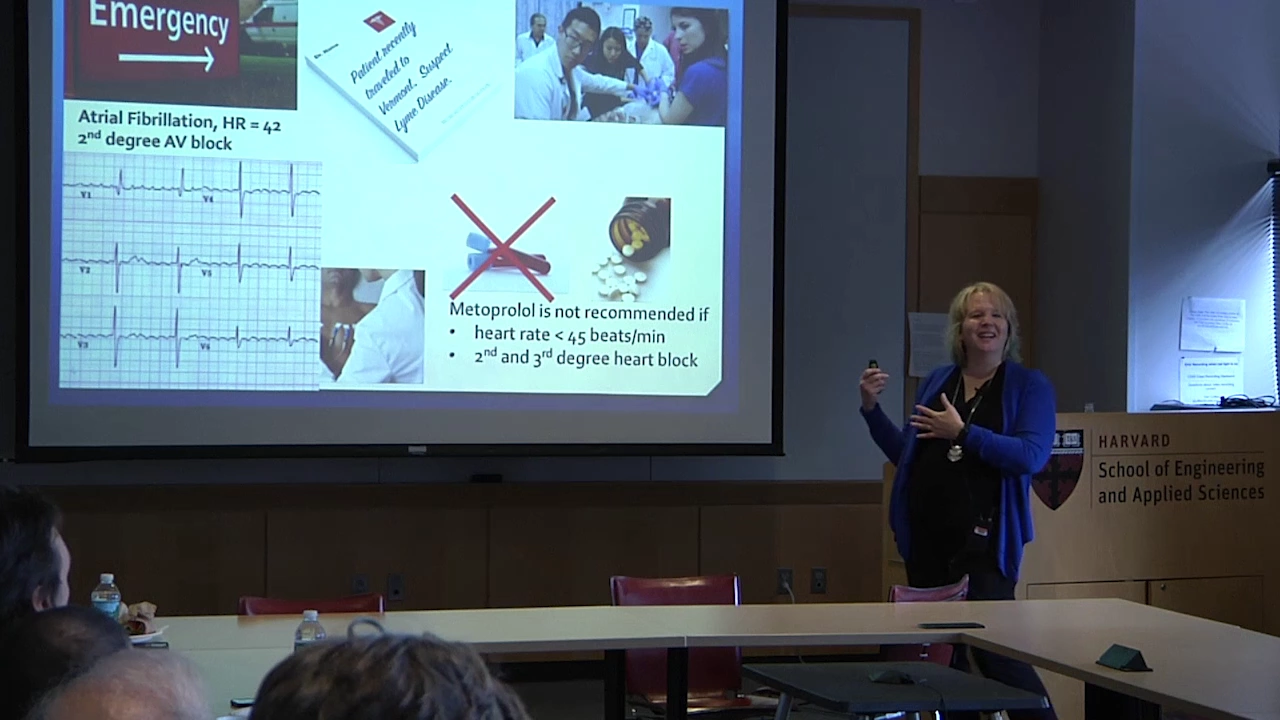











Emergency medicine physicians must balance rapid clinical decision-making with patient safety, recognizing that interventions like BiPAP can be contraindicated in certain conditions (e.g., traumatic pneumothorax) and that physical restraints should only be used temporarily with appropriate chemical sedation to prevent patient and staff injury.
ER Docs React: The Pitt Episode 4 Medical Review
Added:Fundamental emergency department terminology and the standard patient triage process (e.g., Emergency Severity Index).
Basic principles of Advanced Trauma Life Support (ATLS), specifically the primary survey (ABCDEs) of trauma patients.
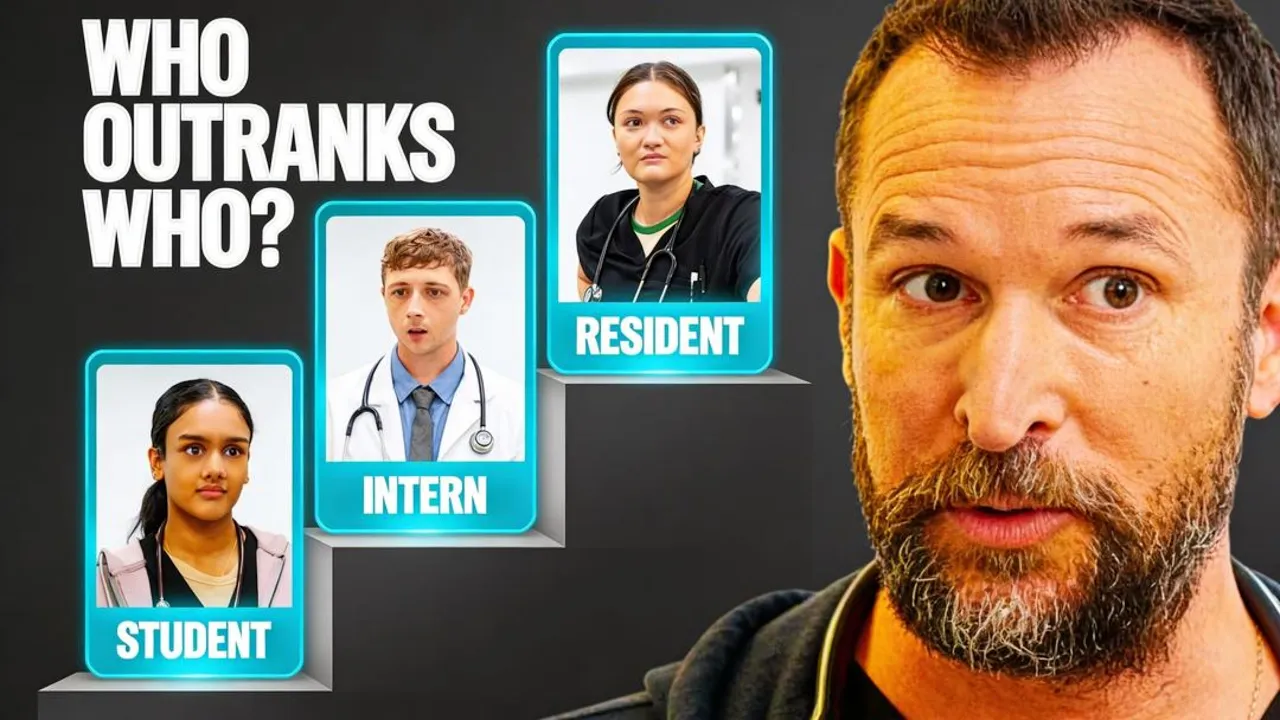
An understanding of the roles and hierarchy within an academic Emergency Department, including the responsibilities of interns, residents, and attending physicians.
Introduction to the concept of medical errors and the distinction between systemic issues and individual clinical negligence.
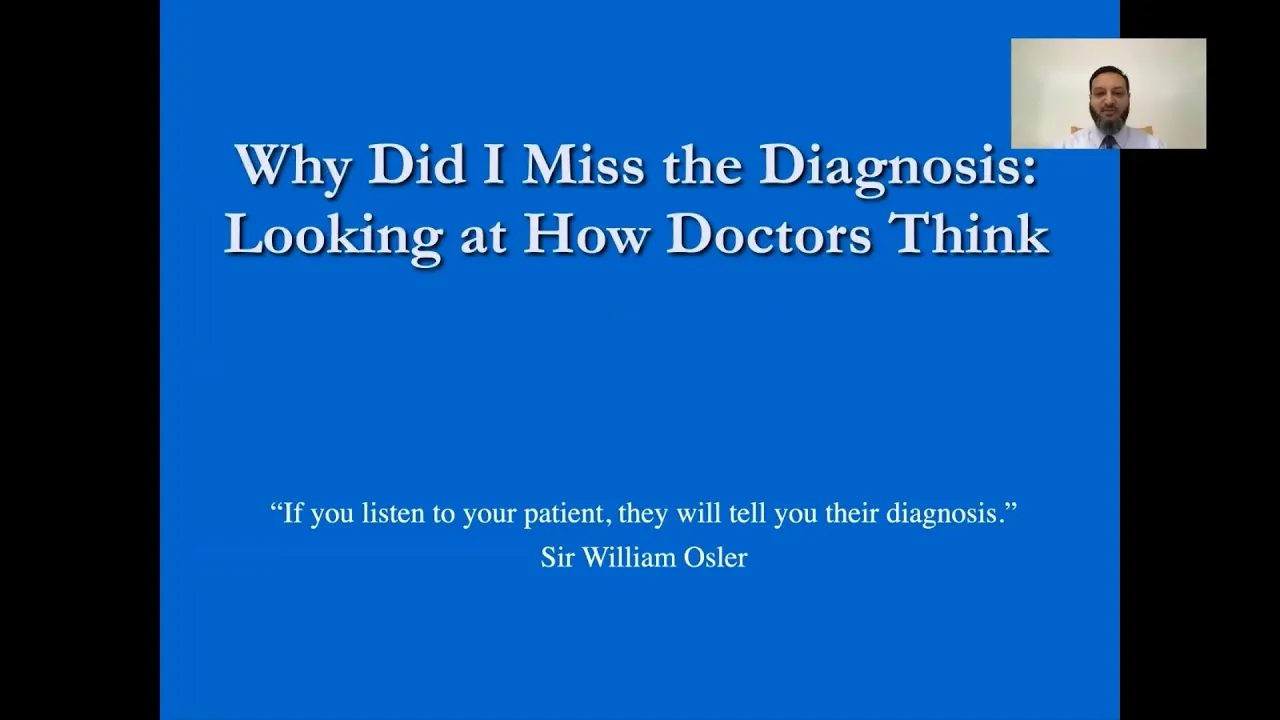
In-depth analysis of medical decision-making cognitive biases (such as anchoring and premature closure) and how they contribute to diagnostic errors.
The study of Root Cause Analysis (RCA) and Quality Improvement (QI) methodologies used by hospitals to prevent recurrent medical errors.
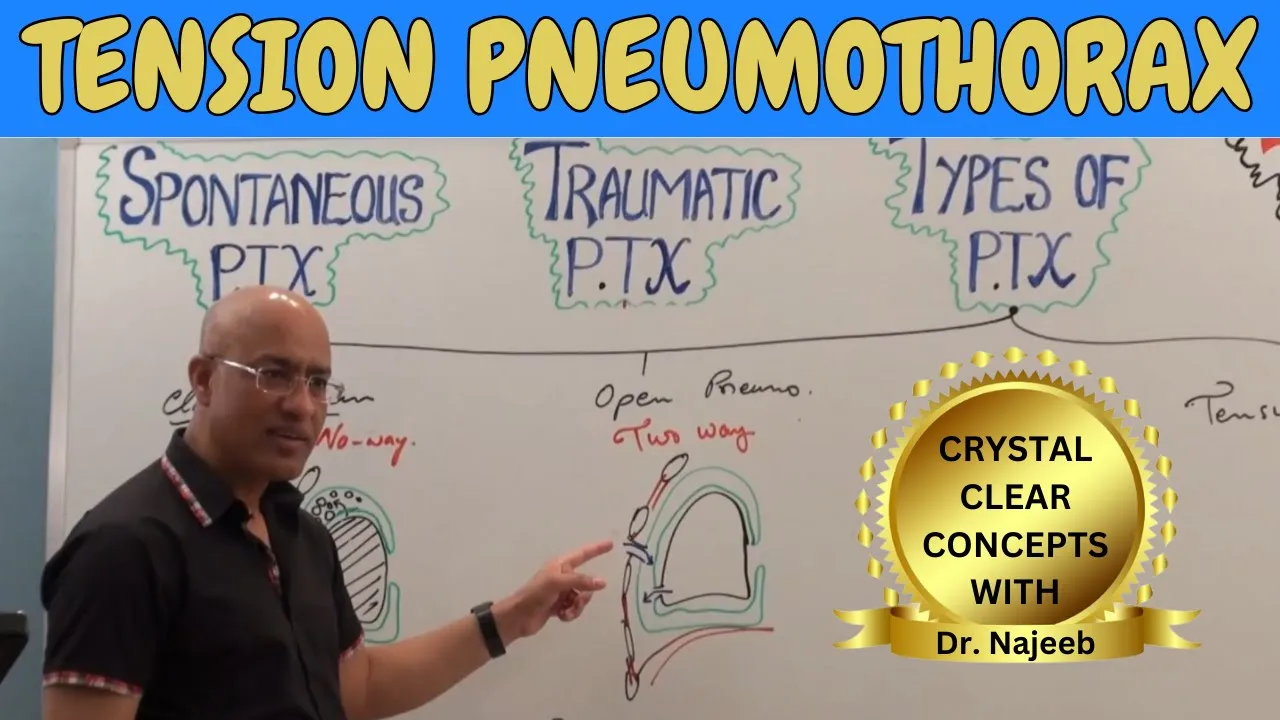
Advanced clinical protocols for specific trauma scenarios, such as tension pneumothorax intervention or massive transfusion protocols.
Critical evaluation of medical ethics and communication strategies during high-stress family updates and informed consent dilemmas.
42.2K views2Klikes27:35Original Release: 2025-04-15
Oh my gosh. Oh my god.
This guy's never coming back to the emergency department after today. He's definitely not going into emergency medicine.
Hi, thanks for coming back. My name is Dr. Peggy. I'm an emergency medicine physician. I'm James. This is my husband. You can also call him Dr. James, because you are internal medicine. He's an internal medicine doctor. And um James, how sleepy are you feeling right now? Out of 10. Yes. So, just know that you weren't that like terribly sleepy. Uh yeah, terrible will be 10 out of 10. Okay. We're going to try to keep him awake. Um we wait till the end of our long days to film these, so it's it's a bit late, but um you know, this is what better time than now.
I heard good things about episode 4.
People have been saying just wait till episode four. So, here it is. Episode four. Let's go. Somebody stole a rig again. Hey, where do you think you're going? We'll be back in 2 minutes, Max.
Antoine's going to show us his new motorcycle. Great. We always need organ donors. Who are those people? Oh, it says respiratory therapy on them. Oh, does it? Yeah. Their badge said respiratory therapy. Yes. RT. Get it [ __ ] out. I can feel it. Arthropod in the EAC.
External could help. Arthropod in the EAC. What does that mean? Bug in the ear. Yeah. In the external auditory canal. Bugs in the ears happen. We take them out.
Our our our dad worked on Mr. Rogers Neighborhood the whole time that we were growing up. Oh, no kidding. That's very cool. He helped um paint and build all those sets. Your father's dying and you're choosing to allow that to occur naturally rather than subject him to a torturous amount of procedures which would only delay the inevitable.
I'm getting emotional. Mr. Spencer, I'm going to take your throat. That's very sweet. I'm getting emotional. What I want you to do is take a very deep breath. Breathe in. Now, blow it out.
Couple drops under your tongue. What's that? Click up here late. Oh, I didn't realize it was like oral drops. I've never given it myself. I do know that they come in drops. So, I guess it's not surprising. Respectfully disagree. My life gives me a perspective that Aren't you aware you have an aggressive energy, Trinity? Even this conversation feels confrontational. You bring our education to the job, not our baggage.
Got it. We definitely give feedback to residents, right? Right. But I was like, damn, that's a She was like, you feel confrontational, but she was kind of conf confronting the resident. She was I mean, either way, I mean, she makes good points. The junior resident definitely has work to do on her bedside manner.
Yeah. But uh there's probably better ways of going about it. Yeah. Yeah. I mean uh in medical school we actually have couple classes where they try to teach us about how to be more compassionate and talk to people in a good manner and have establish rapport.
I don't know if all medical stu we actually went to the same medical school. Do all medical schools have that kind of thing though? I think it's like a newer part of the curriculum though, right? I don't know. It's a good question. I mean I feel like most it's just personality. I mean this course classes probably help a little bit but at the end of the day it's like No, I mean absolutely you can't teach someone but I think the the goal is to try to maybe help people who struggle with that kind of stuff.
Yeah. Yeah. I mean I think the trend in medicine over the past couple decades is to be a little bit more patient centered. Um I'm sure 30 years ago before our era I don't know if they had classes like this in medical school.
Yeah. First, what's with saline? We'll fix the problem. What's the patience?
You've got a dead bug in your ear.
Cockroach, [Music] you're in here for maybe 354 minutes.
It's too big to be really in their ear.
Yeah, that thing must be really big. I don't know how to fit unrealist. But cockroaches do get in ears and we do have to kill them before we can take them out cuz otherwise they just What do you use to kill them? Usually uh you can use a bunch of things. You can use viscous. You can use just regular lidocaine and ginger to you can use like lubricating jelly. The point is to basically suffocate and drown the bug.
But basically the cockroach the way it works is we see cockroaches in the ears all the time actually, but they're smaller ones and they like crawl in but they they can't turn around cuz I don't know they're too big or too dumb. So you keep trying to scratch into the eardrum and it causes a ton of pain and people are freaking out. In order to get it out, you have to kill it. So we inject liquid into the ear to kill the bug first. Once it stops moving, it's dead.
Then it's really easy to rinse out. And it's very satisfying. But for me, a little offensive to call cockroaches dumb, okay? It's cuz they can't turn around.
But the point is, uh, some people it's not for them or it grosses them out.
Everyone has their thing. Uh, this doesn't bother me and it's very satisfying to get things out of the ear.
Isolated chest trauma with obvious flail chest. No humano on pocus. Good sats and vitals. Excellent presentation. Exit.
And more morphine for God's sake. Yeah.
Don't knock me out. I got to stay on top of prosthetic. The what? You'll be awake and painfree. That's what I'm talking about. That's a vic. That's really cool. Special effects. You can't like I mean we live in a very digital age now. It's it's very cool. You think the CGI? I don't know. But I mean Okay, you're getting caught up on the the Hollywood part of it and I'm just more like reacting to the medicine of it. But yeah, for some reason seeing a flail chest, it kind of it evokes a visceral response, right? I don't know why. just watching the So basically a flail chest is when there's it comes from trauma from getting hurt like usually blunt trauma something heavy or something like you fall from height or something heavy hits the chest and you have multiple rib fractures in one um like consecutive rib fractures on both ends. So you basically have a segment of ribs that are not attached to the rest of the rib cage. And so when you breathe instead of the lungs going in and out at the same direction they go the opposite direction. And so you'll see this one segment of the chest flail in and out. And it it doesn't happen often because it's like a very distinct pattern of injury to a very severe kind of injury, but it's something we all learn about. And it it's a sign that this is a pretty severe injury that something he had pretty bad traumatic injury. Mhm. I love you, Dad. I've loved every minute we've gotten to spend together. Thank you. Vision didn't move upstairs yet. You're the best dad a boy could want. No, I think they're saying there's no bed space cuz the whole like problem and like not enough staffing upstairs from the first episode. Yeah.
Yeah. I thought that was just like he's got PTSD from CO.
Yeah.
Yeah, he has like PTSD from It looks like he has PTSD from CO. Um they mentioned it in the first episode I think like he uh his like mentor I think died of it and he took care of him. I think that's what they're getting at.
But um it's nice that he's doing all these things to help the dying patient.
I don't do that ever. Really rarely in the emergency department. This is a rare situation I think when they're saying that normally these patients that are dying or whatever they they're usually would be admitted upstairs because you don't know it could take how long for this patient to die? Many hours even like more than a day. Yeah, we don't know, right? We don't know. Um, so, uh, it doesn't happen often in my emergency department where I work because even when it's bad, we have been able to get beds at eventually at some point. Um, but the fact that the doctor's himself putting the patch on, giving him the drops, it's very nice touch that he would do, but in real reality, like I don't think the doctors would have time to do that. The nurses, we we put the orders and then the nurses would help us to do that because there's just not enough of us to go around. Yeah. Um, yeah. But, uh, yeah, the patient is basically dying and we don't know how long it could take.
He's like, get to pee last episode.
That's right. Forgot about that.
[Laughter] Lands up a tablet at 9:30 a.m. Yeah, that's on us. Either we let him tire himself out or we go in the sticker. I'm worried he's going to hurt himself.
These impartial soft restraints.
What we really need is a pavilion blow dart.
Um, how I would have loved to have a blow. Okay. Well, I think I'm figuring it out. The nurses wear gray. All the nurses are wearing gray. The dark blue, that's all the respiratory therapists.
Yeah, I'm figuring it out. Some hospitals have color codes for the staff members. um not every hospital. Uh okay, that patient that's like flailing around basically he is agitated um and they're talking about psychiatric meds. So presumably this is poorly controlled uh psychiatric disease. You know he might be psycho having psychosis um just agitation. He's might be unsafeely trying to pull things out or hurt himself. We don't know. Um that happens every single day in the emergency department. We get patients like this and but the fact that he's like restrained and not sedated is weird. Well, they said that he misses dose of sedation. Oh, yeah. Yeah. Yeah.
Yeah. But I'm saying like if he wakes up like we're giving him meds like we're giving him meds right now. Right. Right.
Right. Yeah. Right. Um so yeah, we shouldn't really be restraining patients physically without having appropriate uh chemical uh sedation as well because you don't want them to be like awake and like fighting like this. And so the restraints, the physical restraints are should be a temporary nursing uh intervention and you're supposed to put them on temporarily to keep the patient safe until the medications have full effect and then you take them off and then there's ways to like this isn't uh nurses would be able to explain this better, but there's ways to get to that level. You don't just jump straight to restraining patients. You, you know, first try to deescalate them, calm them down, speak to them. But in extreme cases which it happens almost every day.
I would say every day we have to call behavioral codes you know code whatever behavioral code it is and then the team of people will come multiple people will come to help because a nurse has to be able to give medications and you can't it's not safe for a nurse to do that if the patient is like flailing around like this right or like you know trying to hurt people. You don't want the staff to get hurt. So you have to have multiple team members to keep the patient safe, keep the staff safe so that they can get their medications. Usually it's like an intramuscular IM medication. Um because they won't be willing to take an oral medication at that point. Mhm. How about a B-52? No, no, no. That would take way too long. Type the staff. QTC normal.
Five of bedazzelam, five of Mr. Cosia.
You're joking. No. Mr. Crosia will be out like a light in under a minute. Five of Versa. That's a ton. No, that's what we give. IM. Really? Five. I am. Yeah.
Is it different IV versus IM? Um the first time we usually give one or two, right? Yeah, it's different IM versus um intraven Venus. Intramuscular, we're talking about doses of the medications to sedate him. He was talking about um the intramuscular uh benzoazipene, it takes a little bit more than intravenous. Um but he uh the nurse was saying B-52 these are all like common terms that we have at work for different types of medication uh combinations. So B-52 is benadryil uh five of Hald and two of Adavan. Um but uh this is all intramuscular. Again, it usually takes much longer to kick in versus he's talking about if we give Versed, which is a more faster acting benzoazipine plus the antiscychotic. What's a normal thorax? Uh just a little air leaking from the big bruise in your lung. Sats are down to 85 on 5 L. Start BPAP 10 over five. That'll uh open up the bruised parts of your lung. A good feeding. Do you give Bip a flow test? I don't even know. A normal delivery time.
I don't know that we do. Yeah. Two months to four months. I also don't think you give bipod for thorax. Put them on oxygen for sure. Yeah. Is that really? Yeah, you're right. I I It doesn't sound right to me. So, we'll see. She is a junior resident and the patient was very nice.
Bad sign. Hey, Fabriel. Alert. Good vitals. Doctors Mohan and King were just about to start their physical. I know what it is.
Collic. I think it's going to be a hair tourniquet.
Hair tourniquet. What's that? A hair tourniquet is when you have a piece of hair that accidentally like wraps around like usually a finger. Sometimes could be a penis even, but like a digit and it causes like a tourniquet reaction and it's hard to see it unless you know what you're looking for and then the baby's like crying unc inconsolably for like no apparent reason. You're like trained to do a headtotoe exam to find things like this.
Well, we'll see. I might be wrong.
Interesting. Why would you suspect that?
It's so random. Well, they're saying a baby that's crying without a known cause and they're like, "Oh, what could it be?
A mystery?" And I'm like, "What is the most esoteric weirdest thing that could cause a baby to cry like that?" Oh, interesting. It's more common than just collic for a 5-month old. No, collic is more common. Hair turnic is one of the rare things we can't miss.
That's my job to look for the rare and worst things. Look for the hair tourniquet. Yes. In emergency medicine, like my job is to think of not the most common things, but like the most rare and worst things. But in internal medicine, your job is to think of the most common things. So, it's a little bit different. 78 BP's crashing systolic. This is Freddy. I should intubate. Does he need a massive? Oh, no. She shouldn't have done the BiPAP on the traumatic pulmonary contusion pumothorax. Oh, they're not taking it off. He just took it off. Pumorax from the BiPAP's positive pressure.
Aha, I knew that. Yeah, I called it. Oh, he's putting the needle. Oh, he's releasing the pressure. Yeah, cuz the Bip would just make the air leak more.
You were right. And I was I didn't say it, but you were right. The junior resident incorrectly ordered BiPAP to try to help the patient with his breathing problems even though he had the traumatic injury. And it was the wrong move because it causes more complications in that situation. So then she was like, "Hey, can I do a chest tube?" It's like, "No, no, no. you messed up and causes complication, you don't get to you don't want to do the rest anyway. Yeah, that's called maxively invasive medicine when you just cause complications to try to fix the complication. And that's not something that we do on purpose. No, I'm just making light. Mhm. Soft abdomen, no obvious signs of tenderness. So, basically a normal exam. No, wait, wait, wait. If the baby's crying, you cannot tell if there's no tenderness in the abdomen. You have like they're crying.
syndrome.
What is it? Hair tourniquet. Wow, that was a good call. You surprised? Yeah.
Good job. Is your baby a good doctor?
I don't mess with feeds.
It's just one of those classic emergency medicine things we got to always think of. That's why. And yes, it n fixes it cuz it dissolves the hair. And yes, we have to usually someone some at some point has maybe stocked it at some point in emergency department because the hospital definitely doesn't supply it or you will send someone else to out to get it. I guess have the order. Red's on the way but we need bodies. I called ahead Whitaker just the man we need.
Poor medical student.
Oh, they're always so eager to help out.
Oh, the meth psychosis though, they're so strong. They're like superhuman strength. Yeah, a lot of drugs can make patients super human strength. Um, PCP will do it. Classic, but meth can do it, too. Meth. Yeah, it also classically makes everyone super hot and takes off all their clothes and they're always out there running naked and that's how they come in naked like the way God made them. Yeah, I've definitely seen like normalsized guys like take on h like several No, even like not even normal like small people too. They'll take they'll take like a team of 10 people to hold them down. Yep. So, I mean uh for the our staff though it is kind of it is definitely a safety risk. So, we want to make sure we have enough staff because we don't want anyone to get hit. It definitely happens. Um it shouldn't happen, but it definitely happens where staff members will accidentally get hurt. And Dr. Santos learned what can happen when you put a patient with a small pneumothorax on BiPAP. Ah, honest mistake from the rookie. That's how we learn.
She's so nice to She was so nice to the junior. Besides, it could have happened on its own without the bip. Wow.
Beautiful moment. A lot of love in the room. Mistakes happen in medicine. Oh, yeah. That was surprising. I mean, they're absolutely right, though. Junior residents need to, especially if it's their first day, like it's her first day, run everything by their seniors or attendings. And it eventually it changes once you get to know the the the resident, the trainee, once you work with them long enough, once they get a little bit further along in their training. Um certain things like easy interventions you can do on your own like okay I'm just gonna order Tylenol like that kind of thing you may not have to always run by but something like putting BPAP on a patient because they can't breathe or their oxygen level is low that that you should let your senior or supervising doctors know. Yeah in general the supervising doctor should know anytime the condition worsens. So like BPAP is pretty bad. Yeah you're right. Oh that reminds me of a story. I was an intern. See, I would be a resident and um I was on my siki rotation, surgical ICU rotation and it's just me and then, you know, it was overnight. So, I was just trying to, you know, hold down the fort in the surgical ICU and one patient was like becoming hypotensive. So, I was like, "Okay, like you know, like let me order some like fluids and stuff to like resuscitate them." And I did get them better. And then later on, like in several hours later when they were more stable, then my seat my fellow was like, "Oh, you know, why did the hemoglobin go down so low?" I was like, "Oh, you know, I gave some fluid. He was hypotensive." And they're like, "You need to let me know if you're giving that kind of stuff."
And I was like, "Oh, okay." So, I learned, you know, um I learned that my patient was becoming a little bit unstable. I was intervening in the correct way in this in instance, and the patient was getting better, but I still had to let my supervising doctors let know so that they can look into it and think a little bit more. Um yeah, nothing bad happened out of that case, but it's just an example of that I learned from. Mhm. Mhm. Injection to the mid anterior left thigh. Everybody ready? Yo, that's a good idea to get everything out of your pockets. We don't do that routinely, but I do try to tuck my things into my pocket so they don't flail around. You know, I was actually a pretty good kicker. Not helpful. Look, Larry and I going to block for you. Come in right behind us. When we split and go for his legs, you go right up the middle. End zone, baby. Yeah. Yeah. Got it.
Okay. You ready?
One.
Two. Three. Okay, Mr. Gosia, we're here to help you. We're here to help you. Oh god. What do I do?
Oh my god.
Oh my god. Oh my god. You just earned your yellow. Okay, we'll take him down. After that, the hell will take him down. Yeah, he's coming down now. Do I really need to be here for 20 minutes?
Why got a date? I mean, I'm covered in I'm kidding. Thanks for your help. Go get cleaned up.
There's someone who just changed scrubs.
He just changed scrubs.
Got a milkshake on him or something like that. Yeah, this guy's never coming back to the Mercy department after today.
He's definely not going into Mercy medicine.
That can happen if you have bad luck.
Yes, you can get peed on, vomited on. It does happen. Blood on.
Okay. I see we're doing a medication abortion today, correct? Yep. Do they do scheduled um I was like, "No." So, I'm very interested to hear about this cuz they have this in like I think the rural areas where there's like no abortion clinics and you go to the ER for it. I don't know about scheduling it, but they do it there. But I don't know about uh Pittsburgh should have plenty of abortion clinics. Make sure everything's okay for the medication. Yeah, I I think they're going to get back to it, but I we don't do We definitely don't do appointments in the emergency department or scheduled um anything. And we don't do Yeah, we don't give out abortion medication. Yeah. Abortive medications.
Uh we always have to consult an OB/GYN and that's the kind of thing that they can do outside of the emergency department. Right. Exactly. Yeah. It's not typically an emergency in most cases. Yeah. So, I don't I don't know.
If it's an emergency, they we call OBGYn, they come in. If it's not, then they do it outside of the hospital. But I think Okay, so she was saying she was supposed to come back at 6:30 in the morning. That happens once in a while like in a special situation like we've seen the patient, they need to see some specialist in the morning, but they've been here all night and they're like, "We'll come back in a couple hours." So it's like it's kind of unofficial, not on the books that they leave and come back, but they're still technically like, you know, our patient. Um, so that that we do that sometimes to help out, right? Or like a followup for like a small proced like a drainage or something, right? Yeah. Yeah. Like it's usually because the person or whatever they need to do is like not there and they need to see them in the morning.
It's usually like a consultant or something like that. But I'm sure we'll hear more about that case. That's weird.
Sorry about earlier. I think I still have a lot to learn.
You do?
Oh, stuck opening.
Savage. Savage.
Um I couldn't help but notice there's a misgendering error on your chart. I'm really sorry about that. I've gone ahead and fixed it here and on your insurance data file, but it shouldn't happen again.
Wow. I um Thank you. Wait, was that person transgender? Is that what she's saying?
Did she say that earlier? Yeah, they said that earlier because then like remember the registration person said like, "Oh, mister or something or Oh, so he said that since the very beginning like oh it's actually miss and then you can kind of tell. Okay, now I got it.
Yeah, now I get it." So yeah, that that is very nice. I was like, "Oh, I know about ch life changing blah blah blah."
Oh, got it. I didn't get it until the very end when she's like, "Let me fix your gender." And I was like, "What?"
Okay. Well, that is very nice that um they're we're trying to fix pronouns and correctly um register a patient as the gender that they identify by. Yeah. So, yeah, we that's something we try to do nowadays. I think that's been like just as in like all of society, it's a recent change in mentality and trying to be more inclusive and um so that patients feel more comfortable. I also think EMRs are just usually wrong or not usually, they're wrong a lot. Like even for non-transgender patients. Yeah. I mean it's not it it does happen every now and then that someone will be registered incorrectly and then I'll look I'll like I'll ask registration and or I'll ask the patient and then I have to figure out like wrong birthday wrong gender wrong whatever it happens. Yeah it happens. Worst like a seven. And when was your last menstrual period? I haven't had it. This month? No. Never. A few friends got theirs. I'm still in her high. She's only 12.
That's what I'm going to think. We'll be back for an exam. Why? She hasn't had her period down. Open growing pain.
Okay, you can put your legs back down.
You did great. And we know how we can help you. Thank you. I bet I'm right.
Yep. I think so. They took one look.
Yep. One look is all it took. The good news is that your daughter has an imperate him. Totally blocking the vagina. It's totally curable and an easy fix. Your daughter needs minor surgery.
Best done under anesthesia in an operating room by a gynecologist. Her mother would have known what to do. I'm sure you do great. He's a girl dad just like you. Mhm. But yeah, I was right.
Totally called it. Yeah, that was a good call. It's time.
The guy's passed or dying or actively and to push the morphine.
His stethoscope is on backwards, unfortunately.
Unfortunately, this is a very emotional scene, but the stethoscope is on backwards. Yeah, they can simulate a flail chest, but they can't tell them how to put on the stethoscope correctly.
Okay, they did a good job otherwise. I just I couldn't unsee that. I was like, "No."
Hey, hey, hey, hey, hey. I need a gurnie here now. Bernie, [Music] sure it happens. Oh, yeah. Definitely seizures unfortunately can happen anywhere, including the waiting room.
Yeah. I don't know. Was it like alcohol withdrawal? I guess we'll I guess we don't know yet why he's seizing.
Yeah. Guy didn't look like he was withdrawing earlier. That's true. That's true. Okay. So, anyway, um that was a heavy episode, huh? Yeah. There was some laughs though. I thought it was pretty good. We had some laughs. We had I almost I got emotional at one point. I mean, if that's how I get with this, it's I know the show gets way heavier slash worse in other ways, like harder cases. I'm I'm definitely going to cry later. That's for sure. Yeah. As long as there's no kids dying, I'm good. There's kids dying. Oh, yeah. It's It's an emergency medicine show. Of course, there's going to be a kid that dies at some point. Um, I guess I hopefully this is not a spoiler for anybody else, but I have not seen the show, but I people have told me like what types of things are coming up. That's how you know the diagnosis. You're just faking it. No, I No, literally they were saying the way they list it, you know, it's like when we hear the description of the case, it's like you imagine, you know, it's like we've seen enough of these things and we studied enough of these um things by book that you like once you read the script, you're like, "Okay, I think I know where this is going." You recognize patterns. hair tourniquet. Is that even real? Come on, James. Say you're impressed with me. I'm impressed. Okay.
Um, any last thoughts about the show?
This this episode, I guess, in particular. That's good. Yeah, that was an emotional episode of the patient dying um passing away. It does happen.
Um, definitely in the emergency department. It happens in the emergency department and um especially when a patient themsself says they do not want to be resuscitated and we they come in, we know they're dying, then this can that kind of stuff does happen in the emergency department.
Oh yeah, it happens all the time. Yeah.
Yeah. Say that again one more time.
Bedtime. Is it bedtime? Oh yes. Okay.
Well, thank you everyone and we'll stay tuned for episode five. We are going on vacation actually. No, I shouldn't call it vacation. when you go on a trip with your kids, it's it's a trip, not a vacation. So, thank you for being patient. It will be a little while before we come back. We're just a jet lag and I will be back to editing these things purely just I just do it for fun.
I don't get anything out of this. I definitely don't get anything out of this. Yes, James is a true saint here.
So, that actually was one of the comments. They're like, "If you see the channel is her name and he's not in it, so he's just doing this because you're being a nice supportive husband, which you are. Thank you. No problem." All right. Thanks, guys.
Up Next

35:40
Nursing Medication Errors: ER Nurses Analyze Critical Mistakes
@theERedit
2.1K views•2026-03-18

12:54
Triumph of Orthodoxy Icon: Byzantine Art & History Explained
@BenCallan
2.1K views•2024-08-06

9:49
FastAPI vs Flask vs Django: Choosing the Right Python Web Framework
@TechWithTim
302.5K views•2024-05-26

1:42
Game of Thrones Opening Credits: A Cinematic Analysis
@gameofthrones
46.3M views•2011-04-18
Related Study Plans & Knowledge Roadmaps
Structured learning paths in General & Interdisciplinary Studies
general-studies
Elevator Engineering: History, Physics & Cities
01From Hoists to Safety Brakes: The Dawn of Vertical Lift
02Hydraulic vs. Traction: The Engineering Physics of Elevators
03Modern Speed, Safety, and Algorithms
+ 2 more learning modules
12h5 modules
Explore Roadmap
general-studies
Rubber: Material Science, History & Geopolitics
01Origins of Natural Rubber & Mesoamerican History
02The Chemistry of Natural Rubber & Vulcanization
03The Geopolitics of the Rubber Boom & Colonization
+ 2 more learning modules
12h5 modules
Explore Roadmap
general-studies
Containerization: Evolution, Logistics & Trade
01Ancient Trade & Bulk Cargo: Amphorae to Barrels
02The Industrial Revolution & Cardboard Packaging
03The Containerization Revolution: Malcom McLean
+ 2 more learning modules
12h5 modules
Explore Roadmap
general-studies
Textile Tech: Evolution, Labor & Global Impact
01Pre-Industrial Textiles: Handloom & Cottage Industry
02Mechanization: The Spinning Jenny to the Power Loom
03The Factory System & Global Labor Transformation
+ 2 more learning modules
10h5 modules
Explore Roadmap