












![ตามรอยชีวิตวัวแดง วัวป่าใกล้สูญพันธุ์ : Animals Speak [by Mahidol]](https://i.ytimg.com/vi/iYNTubXAwmY/sddefault.jpg)


Effective invasive species management requires a strategic framework that prioritizes protection of high-value natural areas while systematically mapping invasive species distributions, developing targeted treatment prescriptions based on species characteristics and land manager capacity, and implementing integrated control methods including manual, mechanical, chemical, and biological approaches, followed by native plant restoration to prevent reinvasion and restore ecosystem function.
Mapping Invasive Species in WV Natural Areas: Protect & Restore
Added:Understanding the basic ecological definitions of native, non-native, and invasive species and how they affect ecosystems.
Fundamental concepts of biodiversity, ecological niches, and the threats that biological invasions pose to local food webs.
Basic knowledge of Geographic Information Systems (GIS) and how mapping technologies are used in environmental science.
An overview of the Appalachian ecosystem, specifically the native flora and fauna typical of West Virginia's natural areas.
In-depth study of invasive species management techniques, including chemical, mechanical, and biological control methods.
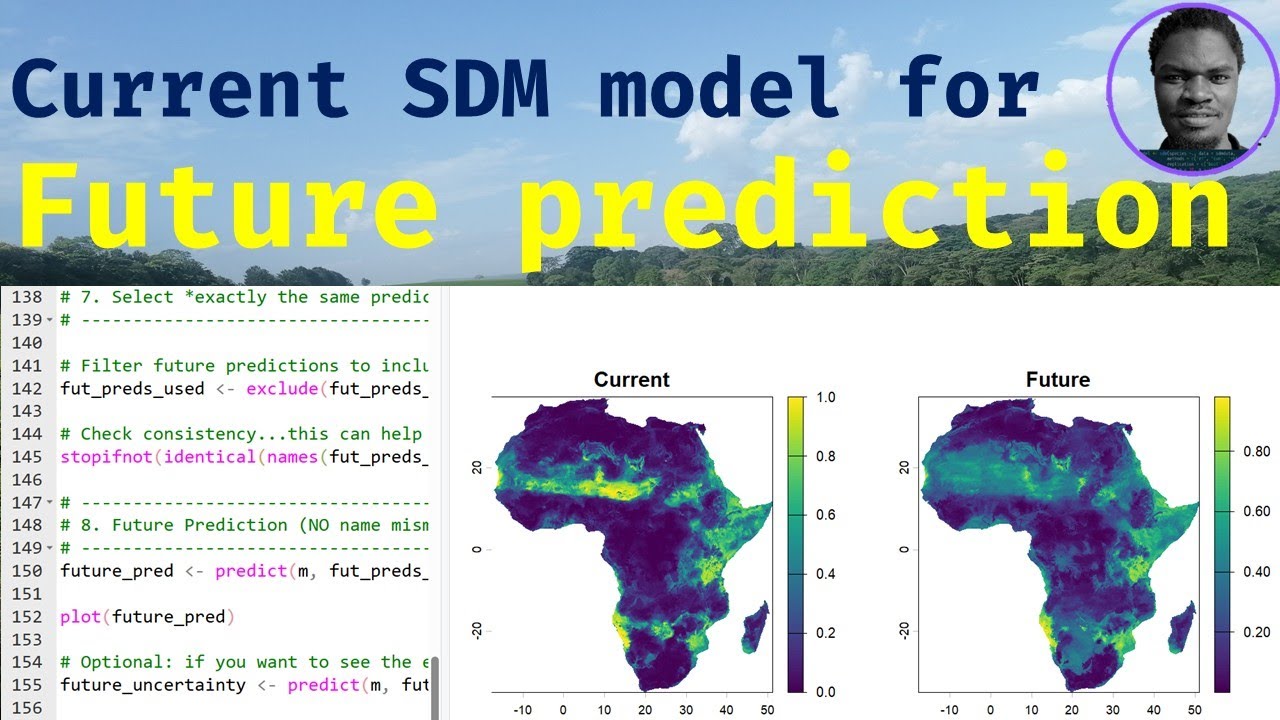
Advanced ecological modeling techniques, such as Species Distribution Modeling (SDM) to predict the future spread of invasive plants.
The principles of restoration ecology, focusing on how to successfully reintroduce and establish native species post-eradication.
Understanding environmental policy and the role of citizen science platforms (like iNaturalist or EDDMapS) in tracking invasive species.
231 views7likes1:00:11Original Release: 2025-01-13
um for those of you that are not familiar with the Appalachian Mountains joint venture we are a regional bird conservation partnership uh made up of more than 50 different organizations state and federal agencies nonprofits universities and other partners um and our geography covers southern New York South to um Georgia and Alabama but West Virginia is the only state that we have in its entirety um we're very excited to continue a strong partnership that we have with the West DNR and as part of that partnership we've been working with the DNR on helping them with their um state wildlife action plan process for a few years now and that has included uh a process of um working with them on their CFA or conservation Focus area planning for those of you that aren't familiar with um conservation Focus areas they are regions of the state that have been identified by DNR as having um concentrations of species of greatest conservation need and also areas that have addressable threats and um where there are opportunities for us to address those threats uh um and so through that process the joint venture helped uh TNC and the DNR in hosting some stakeholder meetings um back in uh 2023 and some of you may have participated in those um and in that process we talked through some of the specific action that had been identified specifically um the ones that the joint venture was involved with were in Green Brier and High alagan and um through that process we talked about some of the um actions that had been identified in the CFA planning process and we helped prioritize those and identify some areas where there are capacity gaps in trying to address those threats and those actions uh one of the actions that came out as a really high priority um from our partner discussion was monitoring and controlling uh invasive plants and working to restore native plants um so that has um led us to um starting to think about what we can do to bring Partners together to work more effectively and efficiently in tackling this really uh big challenge that many of us face in trying to address invasive species and so that uh led us to this presentation today um that will be brought to us uh our speaker today will be Michelle Al Fonda really excited to have Michelle she's a private lands and invasive species biologist with the West Virginia DNR and she's going to be talking with us today about um a process that she's been leading to map invasive species across West Virginia's um natural areas and then develop plans to manage uh invasive species in those areas um as I said I will be recording today's webinar so I will share that out um with the others who registered and weren't able to join us live but um because you are here with us live it gives you the opportunity to ask Michelle any questions you might have feel free to enter those in the chat as we go along but we will um in case you don't uh want to forget any of those but um we won't be answering those until the end of the presentation so we'll we'll hold the questions till the end but again feel free to enter those as they pop into your head into the chat um and then after the presentation as well have a a couple questions about um invasive species the role that it plays in your work and what the joint venture and other partners um could do to provide better tools and um better resources to help you in that work so we'll have a short discussion after the presentation as well so uh with that I will turn it over to you Michelle and and really excited to hear your presentation yeah great um can everybody see the first slide of uh the presentation Yep looks good to me okay great um thanks for the introduction Amanda um so I'm Michelle Fonda I'm the private lands and invasive species biologist for the West Virginia division of Natural Resources um I'm based out of the Elkin's office um and like we mentioned today I'm going to be talking about a plan that I'm developing to uh map and manage invasive species in West Virginia really focusing on um uh West Virginia Natural areas that have been designated as um you know really high priority sites for uh species of greatest conservation need and uh really you know rare and valuable vegetation communities in West Virginia um so since people throw around the word invasive to mean a lot of different things I always like to try and start off just by clarifying what it is that I mean when I say something is invasive so um you know first an invasive species is not native to an area native species evolved alongside you know the other species in that area and because of that shared evolutionary and ecological history they're know embedded in these really deep networks of ecological relationships non-native species because they don't share that you know same ecological history they aren't embedded in you know the same network of etical relationships and a lot of the time they can have you know these negative impacts on the ecosystem um it is important to note that most non-native species are not invasive um but the Horticultural industry uh has historically been and continues to be a real source for um introducing new invasive plants onto the landscape um you know people put these plants into their yards and gardens and they don't just stay where they're put they spread into um you know surrounding natural areas a lot of the time aided by song birds and other other Wildlife um the second piece is you know the number of uh you know species that are not native to West Virginia is truly countless but you know we really need to focus on the ones that are actually here you know so is a plant you know in West Virginia or is it in surrounding areas so you know when we look at these distribution Maps for a plant like um wavy Leaf basket grass that's been emerging been kind of an emerging threat um we can see that it's uh you know spreading in Virginia you know the Capital Area Maryland and it's made its way into the Eastern Panhandle and so you know tracking that spread and seeing where is it uh becoming an issue is really important and then finally and the piece that really to me makes you know a plant invasive as opposed to you know just non-native or or adventive um are these negative impacts to the ecosystem to you know the economy and to human health um and so you know those negative impacts are really what makes a species invasive in my mind and really you know turns it into something that we really want to do something about um so just to you know put a little bit more um kind of concrete examples behind those uh you know what does it mean for invasive species to pose a threat um so on the left here we've got um Japanese Barberry an invasive shrub um and then on the bottom here we have a uh a tip so there have been a few different studies that have shown that because uh Japanese Barberry it can form these really dense understory thickets that you know really crowd out other native vegetation they prevent forest regeneration but what they also do is they provide a really hospitable environment for whitef footed mice and the ticks that carry Lyme disease and so um it's been it's been shown that in areas with really high uh Barberry density Lyme disease prevalence is higher than it would be in areas where um barbar is control and so you know these implications for invasive species not just on the ecosystem but on human health can be can be pretty profound um you know I probably don't have to tell this crowd how important you know food sources are for migratory song birds but um you know it's worth reiterating that a lot of our native shrubs have um you know fruits that these song birds have evolved to you know take advantage of when they're making these you know gigantic uh migrations you know in the winter um and so a lot of these invasive species they don't have the same uh nutrient profile you know they don't have the same kind of macronutrients that these birds are really looking for these you know high fat high energy uh food sources and you know but because they're so abundant they're really the only thing on the landscape for these birds to eat and so they'll you know fill up and then where they can but you know they aren't providing the same you know nutritional benefit to these um to these song birds uh the next example is uh we have the West Virginia White butterfly here on the bottom so this is a butterfly that uh Lays it eggs and its caterpillars feed on plants in the mustard family so native plants that this caterpillar lays its eggs on include things like tooth wart and a few you know other species but um this butterfly will also lay its eggs on garlic mustard um and but unfortunately garlic mustard the leaves contain um these toxins that will actually kill the caterpillars um and so you know garlic mustard represents this real you know kind of ecological trap for um the West Virginia White butterfly and so you know if we want to keep this butterfly that shares our state's name on the landscape into the future we need to think about you know managing invasive species on the landscape that are crowding out those native host plants for you know a variety of different insects not just you know the the West Virginia White butterfly um just to reiterate that kind of host plant and insect interaction another you know negative impact that invasive species have on the landscape is that they can also Harbor you know other invasive pests and pathogens you know and other um you know things that that we don't want on the landscape so up in the top right here we have the tree of Heaven you know really kind of nasty invasive tree The Roots can push through concrete you know impacting that kind of infrastructure the the economy angle um and uh it happens to be the preferred host plant of the spotted Lantern fly another invasive species that's garnered a lot of interest um recently it has impacts you know to agricultural economies through um you know impacting things like grapes Hops and some fruit trees so you know all of you beer wine and cider drinkers you know might be a little concerned about the spotted Lantern fly but the tree of Heaven is actually the preferred host plant for the adult uh spotted Lantern fly to to lay its eggs and feed on um and so you know if we want to think about managing spotted Lantern fly on the landscape one of the really important you know uh management tactics to do that is managing uh tree of Heaven on the landscape so again just to you know give some kind of more concrete examples of what these uh invasive species you know relationships and uh harms you know kind of look like uh so I'll say you know when I started this this position uh this is a new uh position this invasive species biologist for the West Virginia DNR so I was a little overwhelmed you know the the problem of invasive species can be can be kind of overwhelming it can seem this sort of you know insurmountable uh challenge to manage invasive species on the landscape but and so you know thinking about how do we prioritize treatment you know what do we do first where can we make an impact um you know this uh kind of phrase protect the best restore the rest um comes up in a lot of kind of ecological restoration and invasive species management um kind of communities and so thinking about how can we you know protect our most you know kind of vulnerable Landscapes the Landscapes that you know are serving these really important ecological functions on the landscape that we really want to you know preserve their you know kind of you know ecological function um and how can we improve the function of all of these you know somewhat degraded or you kind of you know moderately impacted um landscapes that that are you know facing some threat from invasive species um and then you know how can we align invasive species mapping and management with other conservation goals so you know invasive species are a major threat for a lot of different species but they aren't but they're usually not the only threat that you know the these species and these ecosystems are facing and so how can we you know kind of you know work across Partners work across you know the these different uh you know Landscapes and you know different priorities to figure out where does invasive species management fit in um and so uh one piece you know that there was a real need that I identified early on in um you know being hired here is that uh our invasive species priority list was in you know dire need of revision um the list that we currently have was made in 2009 and so definitely a lot of things have changed on the landscape since then a lot of new species have been introduced and we know a lot more about the kind of distribution and the ecological impact of some of these species so that maybe we can you know we need to move around some of these different species even if they they stay on the list but you know we think okay this is more of an issue than we thought in 2009 or maybe we we take another look at things and we say okay maybe this isn't you know quite as bad as we as we might have thought um and so in revising this list um I've looked at uh priority lists from other states and you know surrounding um you know agency and you know other partner agencies to see what they're looking at what they're seeing on their Landscapes and what they're kind of prioritizing because you know something's in Pennsylvania Maryland Virginia Kentucky Ohio but it isn't in West Virginia you know according to the distribution Maps it's probably in West Virginia and so we might you know need to need to think about worrying about that um you know and also looking at some of our partner agencies so you know the forest service the National Park Service you know that are in West Virginia what are they what are they seeing on on their Landscapes um another really great tool that's emerged in just the last couple of years is the USGS has put out this um invasive species habitat tool um in habit um that provides predicted habitat suitability for occurrence um abundance and high abundance you know predicted uh suitabilities these habitat suitability models for over 250 uh invasive terrestrial plant species and so um looking at you know those where are we seeing on the landscape you know if this species isn't here yet but it you know if it got here this is where it would you know spread or be a real problem or you know if we're looking at you know particular areas on the on the landscape what are the species that we're most likely to see there um and then finally you know the other piece of data that uh I've been using to come up with the revisions to this uh priority list are are uh West Virginia natural heritage programs vegetation plot monitoring data so looking at the percent cover of non-native plants on these uh vegetation monitoring plots to see again you know what species are you know showing up in these different vegetation communities um so just to give a little bit of a background on the West Virginia Natural areas program um so the West Virginia natural heritage program uh you know kind of work to identify the kind of Best of the Best in West Virginia on state parks and our Wildlife Management areas um so typically you know this represents rare uh vegetation communities or you know high quality think maybe old growth examples of more common vegetation communities and you these concentrations of species of greatest conservation need so you know these represent these real hot spots for conservation where you know if we were able to improve habitat for um you know species in this particular area it would make a really big impact and these are also the areas where if we lost these you know to the kind of monoculture of invasive species that you know some of our uh Landscapes have unfortunately turned into that would be you know a huge loss you know in some of these you know really high quality um areas and so these were you know a clear place where okay we can start here and this is you know a clear you know place that we've already identified as you know being really important ecologically um so thinking about you know the goals of developing this mapping program um you know really trying to just develop a sense of what species are invasive where um you know what species are really a problem in you know these Wetland communities or river scour or you know our high elevation Wetlands or you know our kind of you know dry Rocky Oak Woodlands you know different species fit into you know those different niches as invasives just like they do for the for the native species and there's definitely some overlap but um you know just to say okay a species is in you know West Virginia or or it's everywhere you know well it isn't quite everywhere so you know digging down a little bit and seeing you know what communities are most vulnerable to Invasion and and and which ones kind of resist Invasion a little bit more effectively due to you know a variety of different factors the plants that are already found there you know the geology you know different different factors can make a um you know a specific place a little bit more resistant to um invasive species and again you know this kind of question of even if invasive species are everywhere if you kind of zoom out out um you know local density is what really matters for developing these treatment prescriptions so you know if you have a a park where you know an invasive species is present but that's all you know about it is that it's present you know it makes a really big difference whether that's just a few you know individual plants spread across the whole park or you know 10 acres where it's you know a hillside that's just covered in Autumn Olive you know th the the treatment for those two you know kind of situations is going to be very different um and so trying to you know develop a better understanding the distribution of some of these invasive species in you know the these different areas um and again you know kind of setting mapping priorities uh based on the inhabit suitability so that uh those habitat models um looking for you know the common species that you know are most places in West Virginia and so they're likely going to be found here but then also looking at these kind of early detection rapid response species where you know it might not have made it to this you know particular Park but you know we'd really want to know if it was spreading here and see if we could you know clamp down on that early um instead of letting it spread um you know looking at a kind of Representative sampling of the community types that are present in you know a park say um you know to to make sure that we're we're fully representing you know the kind of ecosystems that are that are present and you know the vegetation communities the sgcn that would be impacted by U invasive species uh were they to you know Start Spreading in the park and then again you know kind of timing our studies or timing our surveys to see if we can you know capture some of those um observations of particularly sgcn plants that we would want to avoid um during you know treatment activities as well as thinking about the the animal sgcm that could be could be impacted by um you know treatment activities particularly um something like herbicide um so you know once you've kind of got this uh you know mapping done you know you've gone out you've surveyed you you've got all the you know points for uh points and polygons where the invasive species are on on this you know chunk of land um developing a management plan you know kind of takes takes three different parts I would say um so once you have that distribution data you know you can you know summarize the kind of species extent what species are present and and uh you know to what extent what is the density you know in different areas of the park and you know identify these management zones and you know the management zones can kind of be based off of um you know vegetation community so if you've got an early successional area that could be one management Zone if you've got you know mature Forest that's going to be another you know management zone or you know if you've got areas that are that are separated by you know kind of a some kind of geographical barrier or something that makes it so that you know as the as the land manager you want to manage those you know two areas differently or you know you have the opportunity to manage those two areas differently that you know uh can can fit into your your management plan um next looking at your treatment options so the most important thing for looking at your treatment options is going to be what species are present that's going to you know determine what uh you know treatments are going to be most effective for you know that species that you're you're trying to manage um you might think about what equipment you have access to do you have you know a brush hoger do you have chainsaws and you know weed whackers do you have herbicide equipment um and that leads into thinking about what kind of Staff what kind of people do you have to accomplish you know the these treatments do you have people who are you know trained uh herbicide applicators on your on your staff do you have a massive volunteer group that you know can go come out and do you know a weed pole and you know pull a ton of garlic mustard for you you know looking at you know what kind of Staff you have is also going to factor into what treatment options are really available and then the the final piece of that is looking at you know your kind of work schedule if you have a you know time of the year where you're really busy and you you really can't spare another person to do this invasive species management is there another time of the year that you know maybe you do have a little bit more time you do have a little bit more resources picking a you know a treatment option that's still going to be effective for that species but that you know is maybe a little bit more flexible or maybe even more effective at a particular time of the year where you can you know fit that in along with you know the rest of the things that that you've got going on um and so then that you know final piece once you've developed these kind of treatment prescriptions based on the species or you know Guilds of species you know invasive shrubs you know you kind of can go in and and Tackle them all at once instead of you know just uh species by species um you know you go out you implement the treatment um and uh then you know in a lot of cases especially where the density of invasive species is really high um you're going to want to follow up with native plant restoration so you know if you remove these invasive species um you know what's going to take its place and if you had really dense invasive species a lot of the time um if you just leave it you know as bare soil or you know just kind of ripped up um more invasives are going to come in and and take advantage of that of that disturbance and so you know if you uh you know want to be you know really proactive about it you know coming up with these seed sources you know coming up with um sources of you know live plant material um that you can you know put back onto the landscape to replace um what you what you've just taken away and uh you know improve the ecological function of that of that landscape um some other kind of considerations for native plant restoration you know thinking about what species are what Native species are a little bit more aggressive you know that can kind of you know shoulder and and uh you know bully out some of the you know invasive species that might be um present in the seed bank and come back and then um you know with uh most things in invasive management it's not just a oneandone kind of deal a lot of the time there is going to be you know follow-up management um just to you know catch plants that um weren't you know hit by the first treatment fully effectively um as well as you know to to follow up on anything that's emerging from that from that seat Bank um so just going over you know some of the treatment options that are that are generally you know you're going to be going to be thinking about um there are manual and mechanical methods so you know manual methods um can you know just be you know truly just hand pulling or you know using hand tools like this um you know lever tool the weed wrench or you know puller bear type tool um are really great for uh removing invasive shrubs um you uh you know have the vice grip around the the base of the shrub and and lever it out um by the roots and that can be that can be pretty effective um you know as well as other kind of hand tools shovels you know loppers those kind of things um mowing or brush hogging can be good in you know areas where you have a kind of homogeneous um you know infestation of of invasive species um especially as a a pre-treatment before herbicide application if you you know kind of mow it down and then wait for it to you know exhaust a little bit of that root um root stock and you know grow up some more and then uh going with an herbicide application that can a lot of the time be uh more effective because um you can use less herbicide because you're treating less foliage um and you know you're not having to go into you know vegetation that's you know six 8T High um but you're also uh drawing down that that um that uh root Reserve you know just a little bit before you before you go in with the herbicide um the uh you know and then you know manual methods are you know typically require a lot more people they you know are really time intensive and so you know a lot of the time they're really um better for a low density infestation you're not really going to want to um be out there uh you know hand pulling stuff when it when it's really dense um next is uh you know chemical and so you know with that uh the you know species that you're dealing with is going to you know determine the choice of herbicide and so you know we always uh want to you know choose the herbicide that's going to be most targeted towards you know the species that we're you know trying to control and it's not going to impact the um you know desirable species that that may be present on the site um you know the application method so uh you know choosing for that SEL activity is you know very similar to um you know choosing the the choice of herbicide um you know kind of the least selective methods include you know kind of broadcast foler spraying then there's you know spot spraying of of folar uh application and then you know there are the kind of individual plant treatments so here we've got you know a demonstration of a basal bark treatment where you know you're spraying the you know only the stem of the plant that you're trying to control and so you know there's very minimal um you know overspray onto any you know surrounding vegetation and then you know cut stem methods even more Ive um you know where you're you know making the incision into the the bark of the the plant or you know you're cutting the stem down and just spraying that that little stump um so again you know really targeting the herbicide application you know right to the point of um you know where you actually want to control and not doing you know huge um broadcast applications of of herde if we don't need to um and then finally biocontrol um so you know this is limited species um here we've got the the mile minute Weevil there's also you know the um gusella Beetles for uh for purple loose strife and a few other bio controls that are that are available um and uh you know one kind of major consideration for uh biocontrol is matching the you know release of the biocontrol agent to the infestation density you know so that you can have um you know a density that that's enough to you know control the the population of the invasive species that you're that you're looking for and that the um the biocontrol asan is able to you know self-propagate um and increase um just to you know talk about a little bit more about um kind of my uh you know plans for for 2025 some of the things that you know we'll be working on in the U in the coming year um again like I mentioned working on the priority list revision for uh the state invas species list um I'm hoping to have that uh out on the uh DNR website you know sometime early spring um and then uh developing this this mapping monitoring program for uh invasive species in uh State Park and WMA natural areas um I'm trying to accomplish some mapping at uh a number of different sites uh state parks and and W Statewide um we uh one thing that I'm pretty excited about uh looks like we're going to um have a invasive species management for a private land owners Workshop um here in elen sometime in August September um and uh then some of the other kind of projects we've got going on related to invasive species um management uh we've got a stil grass solarization project um going on at North Ben State Park and uh We've also um getting started on a project to do some uh riparian restoration removing some invasives and doing some uh planting with Native species at a uh at a raran area in in the state park that um borders a really important muscle stream um and then you know additional kind of invasive species management projects identifying those um Statewide based on you know other interest um from from other groups and partners that we can that we can work with um and with that um that's all I've got for today but uh I'll be happy to take any questions thanks Michelle um we feel free to um enter your questions in the chat or if you'd like to unmute or raise your hand you can do that as well um I'll start with Christie's question um do you have a list you could share of the state parks and W you are mapping in 2025 yeah let me um I have it uh have it here let me in my in my notes um so for the state parks um I'm uh GNA be working at the at Audra Babcock um blackwaterfalls and Canan um Holly River Lost River pip stem twinfalls and woga and then you know potentially a couple other Parks once we kind of get the word out if we you know get interest from from some other parks that really want to you know manage invasive species um and then I'm hoping to visit some of our um uh Wetland and riparian W so I'm looking at um Meadow River W um green bottom and and short Mountain W great thanks um Cheryl I think you had your hand up if you have a question feel free to unmute and ask or um type it in the chat whatever you prefer um but as a followup really Qui quickly to christe's question Michelle Do you have a copy that you can share example um or I suppose what do the actual plans look like that you develop for each of these areas um is it a a standalone plan that you give to the managers or is it kind of a different format depending on the park um so it can be a little different depending on the park typically you know I'll engage with the um the park superintendent to you know talk with them about kind of you know what their what their goals are for the park and and get a sense for you know what kind of you know staff they they have what kind of you know options are are going to be available to them um and then once I you know complete the the mapping you know going out and and walking the trails and seeing you know what the kind of density is in different areas of the park um there's actually a uh uh invasive species uh prioritization tool that was um developed out of uh Penn State that um I heard about from uh Doug Manning who um works with the uh newer Gorge and um the uh the other kind of Big River R uh you know national parks in the area and he he presented about using this invasive species management tool for um you know their you know National Park and and National Scenic uh River areas and um you know I engaged with him and he was able to send me the tool that's this kind of you know big Excel macro tool where you you plug in you know the species and the you know kind of you know habitat types for the different management zones that you're thinking about and you know work through the process of identifying you know uh the different species that that are present you know the density of those species the kind of uh and then you know it spits out you know uh what treatment types are you know potential for that for that particular species and then you you know choose okay I want to go in you know with uh you know a basil bark application or I'm going to use volunteers to do you know hand pulling um and then at the end you know it gives you this kind of uh treatment calendar that you know offers you okay here's when you could you know do those um those different activities um that's neat that seems like that would be a really valuable resource for folks that are working on um uh Forest management plans for um private land owners as well yeah absolutely to be able to put together help put together that schedule of activities because um yeah it's a lot to to help the land owner understand when they have to do what during the year um yeah totally totally multiple treatments for the same uh species so yeah that's that's a neat tool yeah the the other kind of you know beneficial aspect of that is being able to uh you know bundle treatments based on species so again like I mentioned you know if you've got a bunch of you know kind of invasive banial you know Forbes you don't need to go out and and you know treat the thistle at one you know point and then treat the you know the you know Mullen another time and then you know the you know whatever you can go out and you know anything that you see that fits into that category you can you know treat that you know in the same uh in the same run or you know same thing with like invasive shrubs like you know you can go out in you know February or March and get all of the invasive shrubs that you see on the on the forest you know with a you know fol your basil bark application you don't need to go in species by species um so yeah you know bundling those treatments is really you know uh you know trying to build in that sort of efficiency for how you can how you can manage um invasive species on the on the landscape yeah absolutely other questions for Michelle yeah Mike go ahead I couldn't find the uh digital hand raise worries my zoom um Michelle have you seen and are you familiar with the West Virginia invasive species management plan that was developed probably a decade ago now yeah yeah the invasive species um strategic plan um the uh yeah it's it's about 10 years old at this point um and so you know there there's a few things in there that you know uh probably need to be need to be updated need to be changed um but you know a lot of it is you know essentially you know still still relevant um in terms of you know identifying you know some of the areas that you know are you know high priority like we've we've known about for years and years and years like the high Alanis you know High alany Wetlands they're going to be they're going to be on the list we're going to want to you know care about those no matter what but you know again thinking about the these other uh pieces of information that that we've um you know developed and there are you know new tools to to some extent to to treat some invasive species but um yeah the yeah the invasive P of strategic plan is a is a really great document um yeah we we spent a lot of time working on that and then right as it got to the Finish Line it was determined that it would be adopted as a recommended strategy and no one was actually asked or yeah no no one's required to do anything use it I was just wondering if if like anybody is using it did you have to blow the dust off of it or you know like a a little bit you know but uh but yeah you know figuring out um because I mean that's the that's the other thing is that you know the DNR hasn't had a dedicated invasive person you know until until this position and so um you know figuring out what uh what kind of gaps there were in again those capacity gaps for you know who's doing what you know for invasive species in different parts of the state and working with you know different agencies and understanding how the DNR can you know again you know collaborate to uh accomplish you know invasive species management that um fits in with those those kind of broader conservation goals thank you and then I had another question about um getting your opinion on how to implement work in the natural areas so you know I agree with your assessment that you know they're often very high quality and um some of the best of the best they have rare species but oftentimes and at least the one I'm really thinking about they deaerate you know they're drastically different from their historical condition and I and I haven't necessarily seen or heard in the plan or from others like what the desired future conditions of that landscape would be and so specifically I'm thinking of canine Valley Natural Area and um The Nature Conservancy uh and Friends of the cheat uh through a niwi award have been doing um strategic planning around uh freshwater and terrestrial outcomes in Canan Valley and it's becoming more and more evident that that there's areas in the Natural Area that are probably some of the most important places in the Watershed for cold trout cold water Fisheries uh particularly brook trout streams and one of the things that we're coming to the conclusion is that without you know doing some restoration getting some shade on those streams Etc they're going to continue to you know degrade in quality and and not support some of the organisms that are currently there MH and in the past you know I've I've heard you know some DNR folks go oh no we don't want you doing any kind of restoration or management inside the Natural Area others kind of echoed what I just said well it's gra greatly depopulate the rare species that are there are under stress they won't be there if we don't you know change the current condition of of the of the Natural Area and it just seems like you know there's there's a really decision Matrix there uh that's hard to figure out like who can actually kind of guide the decision-making process Andor the actual restoration process inside uh the Natural Area yeah definitely definitely a tough question and yeah I would say that um over the you know since the last um uh state wildlife action plan you know that there's a growing you know uh interest in in management you know in and not just um you know kind of you know in looking at you know active management towards um conservation and you know improving habitat you know doing doing a little bit more um active management as opposed to the kind of you know hands-off approach that that is you know kind of typified you know conservation within the DNR and you know other kind of agencies so um yeah I think you know developing you know working with the the parks and you know working with these different areas to talk about yeah exactly you know what the desired future condition is and you know uh you know we want to you know no net loss kind of you know scenario but we also you know if there are you know these different species building in you know more of that kind of you know climate resiliency some of those some of those things totally um yeah I think uh it's yeah it's definitely it's definitely tough to to shift that kind of framework where we've been like okay we don't want to do anything and there's you know parts of it where okay you know there are areas where we really don't want to we don't want to touch it you know we just want to leave it be but there definitely you know plenty of areas where going in and and tweaking stuff a little bit um doing some of that you know active planting um you know could could definitely improve the habitat for a wide variety of species um and you know we're thinking about increasing um you know production on some you know host uh plants for you know our uh you know native um lepidoptera species that are that are struggling you know uh a lot of the you know those um butterflies were really decimated by um spongy mooth you know historical spraying and you know if we can you know build back um the uh you know host plant um base for them that that you know is definitely a conservation action that you know we could go into some of these you know areas that have um you know have some of these you know high quality species but you know increase the density a little bit to to make that more resilient does that answer your question kind of and not yeah can I can I clarify anything well so like you know I have a great relationship with the the park staff here at canine and when I ask them you know about working in the Natural Area they say oh you know you really need to talk to um wildlife and when I talked to staff in Wildlife they you know kind of came up with the answers that I just gave a we don't want you in there or B we we recognize that there's work that needs to be done there but who actually can make that happen who can approve to do some work that's the part that I I I still haven't quite figured out I haven't quite figured it out either you know I the the piece of it is that you know I think the the parks are also in a position where they haven't necessarily done Landscape Management that hasn't really been you know what they've what they've done outside of you know very managed you know Horticultural Landscapes um you know when uh you know the and know the the DNR has not you know Wildlife diversity has not really stepped in to do Land Management at a at a large scale you know our folks in um you know game they do you know Land Management on the W for you know production of you know game species but they don't necessarily do Land Management for sgcn um and so you know shifting that shifting that focus and I mean you know another thing is just our staff capacity um you know the parks if they have you know folks who are you know trained on you know mowers and you know brush Hogs and stuff it's not necessarily you know they they might be busy you know in other parts of the park they don't necessarily uh you know aren't able to to work in you know the natural areas or other stuff and I think um you know the what I'm trying to I guess do is develop the management prescription so that you know we have a list of you know here's what you know the DNR you know the the diversity biologist who said this is a really important area here's what we want you to do about it and then you know yeah figuring out who can actually um you know do that work but you know in terms of who can approve it I think largely it's going to be you know the park superintendent and then you know potentially some some higher Staff in the uh DNR wildlife and then you know DNR Parks um yeah and in this case we're not asking park or DNR to actually do or fund the work you know we either have funding in hand or think we could seek funding uh to get the work done so yeah maybe we can keep talking about that another time yeah yeah I'd be happy to talk with you more about more about you know canine specifically it sounds like something that would probably extend beyond canine though that that General um concept of bringing all of the right people in the same agency even um together to talk about that um would probably pay dividends Beyond just canine but um oh yeah and use it good example to move forward from thanks for the question Mike uh Blaine has a question in the chat um is there a social media presence for non-native invasive species management information workshops webinars like this one in West Virginia that can be shared or recommended sees a really great potential for cross- selling that information if there is um there's a um Cooperative weed and Pest Management Area so wpma um that has kind of you know ebbed and flowed in its social media presence um the um they you know kind of other things that that have been a little bit um difficult on getting you know social media on the on the DNR side um but uh there's you know there's other kind of avenues that we're that were investigating to yeah get the word out a little bit more on um you know these different these different workshops and and events that that we're trying to promote um but um there's uh you know a couple of different list serves that that are available um the kind of Mid-Atlantic invasive uh plant committee maybe but the mipc their list serve is fairly active um and you know I'm definitely planning on posting you know workshops uh in in there as well as you know some other um information that that people um people post in there great and that that could be another instance if there isn't any sort of centralized location that that we can send land managers or private land owners to to get kind of of um both a source of trusted information but also kind of uh a community of people that are also trying to um tackle invasive species management you know that could be something that um we identify as a as a a need and something that the joint venture can help um with advancing yeah so I I I think it can be really helpful um in assessing uh what new materials need to be created and what information gaps there are if we first have a place where we can bring together everything that's there um James had a question as well does DNR have a current comprehensive list of invasive species with their threat rankings yes we do the um so that's on the West Virginia DNR um website um I can send the PDF of that and the link to where it is on the website to you um Amanda but it's on the it's on the DNR website um wvdnr.gov um I'll admit that the DNR website is not the easiest to navigate to find what you want but um um it if you search invasive species um there's you know a couple of pages and if you click around in there you should be able to find the you know there's a sentence in there that's like you know view the list of invasive species in West Virginia and that's the that's the PDF the 2009 list that I was mentioning and then um when we put out the the new list um we'll definitely try and try and advertise that um a little bit to to get that out to people great thanks um okay any other questions for Michelle okay well if you think of any more feel free to enter them in the chat I had a couple of questions that I wanted to pose to the group um as I said this webinar is was kind of part of a broader um exploration into capacity and needs associated with invasive species Management in West Virginia and so for those of you that are that are here that joined us today I'm curious how you feel about um whether you or your organization whatever your role may be do you feel that you have the resources that you need to manage invasive species in whatever capacity you do in your role or are there additional tools and resources um that either you've seen in other places that you wish were here or that come up kind of uh in your mind as something that would help you be more effective in addressing this challenge well anyone feel free to to um unmute and share um if the chat is more comfortable for you feel feel free to do that as well but um would love to open it up um to the group sure I'll start from I'm Jackson I'm the wildlife Forester at the Petersburg nrcs office and we have a lot of programs and practices that deal with invasives um herbaceous and Woody and we have a lot of good options and have had good success with mechanical and herbicide mixtures um but one thing that we don't really have is goats because I know that from a environmental perspective that would be the best one to use and for certain species it works really well so they just getting that idea and I don't know how to mobilize the goats of Virginia and West Virginia but that kind of idea of having more of a management solution instead of a products or physical solution like with the chemical spraying like for things like Atlantis you have to use herbicides but for some others where it's just a repeated overg grazing could work it's just another nice option to have that we I haven't seen any of that here yeah we're um we're thinking about uh trying to implement a project to do some do some prescribed um flash raising with goats in um uh WMA in the Eastern pan handle where we've got a real mile a minute problem and so yeah we're we're interested in kind of investigating yeah you know a variety of the these different you know tools um chemical and N non-chemical that can be used to you know address you know different invasive species so yeah yeah we're definitely trying to get get some goats on the landscape great thanks so much hi um um this is chrisy rodri from the West Virginia Department of Environmental Protection um I am the program manager for the enl fee program and we um Implement stream and wetland restaur a projects around the state of West Virginia and we have the majority of our projects are located within your dnr's W and we yearly um do several invasive species usually once or twice a year we Implement um invasive species her herbicide applications um and I was wondering James Stanton's also on the call he works um he's a project manager for the eni program but what I'm curious about is um a somewhat of a coordination effort um since we are working on your um w we spend you know a couple hundred thousand dollars a year throughout our program fighting invasive species and um on the W that we have projects on some of the issues we have are are you know figuring out what ones are the best whether it's carpet grass stilt grass and a lot of the embased species come from outside on the you know the Remain the remainder property of the W so um are you do you does a DNR do Land Management invasive species control in General on your wmas yeah there's some invasive species management that that happens on the on the w um but I would say a lot of it kind of falls under just uh it either you know falls under kind of you know a forestry management perspective where they're just kind of trying to manage the you know undesirable understory to do um desirable tree release so you know they're they don't necessarily discriminate between native and non-native you know they're going after the barbarry just as much as they are the um strip Maple in the under story or you know it's kind of an open lands approach to invasive speci management where they're just trying to get you know you know nonwoody um they're just trying to you know have a non-woody you know under story and so they're going after you know any shrub that that's there practically um or you know they might do you know some release of of again you know other kind of you know desirable species but um so the they do they do you know some invasive species management but um I'm also hoping to work with the wmas a little bit more to get a better understanding of um what invasive species are present on the on the wmas and i' I'd love to talk with you more about about that um as well as you know what kind of management they are currently doing and how can we again kind of fit that in a little bit how can we fit you know more directed invasive species management into you know the the management that activities that they're already doing yeah and we and the DP would be interested um in targeting outside of our Conservation Area boundaries um these projects we Monitor and maintain them for a minimum of five years six years but sometimes um like the green bottom for example we're going to be going longer than five years um that's one of we have a project at Green bottom I know you mentioned that one but um yeah it's just uh I I know um there were a couple people from the DNR that we've worked with um on invasive species but like you said there there hasn't really been a position um yet so it's good to know that this is going to you guys are going to be shifting to map and understand more of some of these natural areas in the state J you have anything to add to that wherever you are sorry well I didn't quite catch the the last B your question oh I was just asking um James if he wanted to he's asked me a couple questions on our chat if he had anything else he wanted to add to my conversation with everyone about our program guess not he's unmuted but we can't hear you James if you're speaking oh yeah you might just have to put it in the chat yeah he says his microphone's not working so we'll give James a minute or so to type some things in the chat if he wants to do that and share anything but yeah I think one of the obvious big challenges of invasive species management is is the cross boundary nature of it not only is it cross boundary but it's constantly coming in from other places and even within the same agency um as Mike's question pointed out there are challenges among um differences in in management strategies and opinions and and um so there's even more than other challenges I would say ecological management challenges invasive species is one that brings to the Forefront the need for constant collaboration and coordination um looks like some links are being shared in the chat so thank you for sharing that um yeah I just shared the the invasive species priority list that we currently have um the link to it on the on the website um great thanks and I wasn't aware of the Deb program um so thank you for sharing that and I will take a look at that offline and and see um maybe I can connect with you to to learn more about it and see if there's any opportunity there for um further coordination seems like you have a lot of resources that you're spending um on the W so it' be great to make sure those are yeah James just put a map in there of our on the chat of our locations and if you can if you TP if you open that there's at least you know one two three four five six seven eight well eight nine nine nine of them or 10 of them are um DNR W or state Canal state for Park but so we we have a many projects throughout the state where we're fighting the the good fight of invasive species we have certain success criteria we have to get to and and um yeah some of them are definitely harder to to manage in the practicality of it as well so it'll be good to talk to you further about maybe some coordination efforts yeah that'd be great yeah I'm especially interested in the in the mapping and following up um that's often the piece that is not followed through on by a lot of organizations don't just don't have the resources to track the impacts of their work and and follow up so it be interesting to to take a look at that Mike did you have something else you wanted to share yeah I just wanted to quickly add you know um just from my perspective the the bodies to get out and do the work you know the funding to pay uh people back you know Michelle mentioned the pic Highland cwp back when that was a little bit more active you know the forest service in nature conservancy had a uh Strike Team that went out and worked on a variety of public you know Federal lands State lands and private lands and we got a lot of good work done but when the funding dried up you know that disappeared so you know some sort of dedicated funding you know and it could be a combination of who it flows through um but to get you know dedicated strike crews out there doing the work seems to be a really big Challenge and so I acknowledge you know um DNR you know I worked at state parks at one point and they just don't really have the staff or sometimes the experience or knowledge and similarly at the man you know I don't know if the man has been meeting there in Bas of species Targets in the last several years since that Strike team went away um so you know just getting you know I could see a large funding package uh being really uh important to utilize to get the work done in West Virginia yeah absolutely you know the the treatment um you know actually yeah getting people out on the landscape and in implementing the treatments is definitely uh having you know more of that kind of yeah you know Strike Team would would definitely be beneficial um yeah that's an approach that that has been mentioned in in other states and and um has been shown obviously in the past to be um effective it's it's maintaining it that's the challenge and um not sure if you all are familiar but I I was just recently sent some information about um it's called the uh it's a prism I think is what it um do you all have one in West Virginia I saw the one in Virginia just received some sort of confirmed State funding in a pretty significant amount that people were excited about and I'm not sure if there's anything similar in West Virginia but it it was kind of an interesting approach that seems to be gaining some traction there isn't you know as far as I'm aware um but yeah you know having a little bit more organization I think in in West Virginia especially we really struggle with you know kind of two things um overall you know kind a lack of funding but then the other piece of it is that you know West Virginia is a very you know rural State and so we don't have the kind of population density that you know even places like you know Pennsylvania and Virginia do um so you know getting getting that you know kind of critical mass of of people you know together um to you know accomplish some of these things and you know the citizen science element of you know mapping and and managing invasives um you know I've talked with some folks in in surrounding states and you know they've they've also kind of agreed that you know it would be great for West Virginia to have you know a prism but you know it's not clear to me I guess how we can how we can get there and and again you know like you know Mike was mentioning and you know like we've been talking about that kind of sustainable uh source of funding to to get things done any other questions or um any other insights into resources you think would be helpful um in your ability your organization's ability to meet your invasive species goals all right well thank you everyone so much for your time today um Michelle I really appreciate you um putting together this great presentation and um I will as I said um share the recording out with those of you that weren uh uh that folks that registered but weren't able to attend but thank you for those of you that did attend and provided um some great questions and feedback um this is the beginning of a conversation for us certainly um and if anyone in particular is interested in further discussing anything we talked about today particularly related to um coordination among agencies and organizations on invasive species management please reach out to me um I will put my email in the chat for everyone and um feel free to reach out if you have any um interest in kind of furthering that conversation and having a role there but thanks again for your time thank you Michelle and and stay warm everybody enjoy the rest of your day yeah thank you thanks
Up Next
52:41
Exploring Singapore's Intertidal Biodiversity: NParks Spotlight
@NParksSG
1.8K views•2020-07-01

15:54
Life in Biosphere 2: Sustainable Ecosystems & Human Survival
@TED
334.9K views•2009-06-16
14:30
Microplastics Everywhere: How Plastic Impacts Our Lives
@TEDx
100.9K views•2018-05-08
10:28
Ice Stupa Artificial Glaciers: Solving Ladakh's Water Crisis
@SonamWangchuk66
3.2M views•2015-05-03
Related Study Plans & Knowledge Roadmaps
Structured learning paths in Environmental Science
environmental-science
Ocean Noise: Cetacean Impacts & Mitigation
01Fundamentals of Underwater Acoustics
02Marine Mammal Bioacoustics
03Anthropogenic Noise: Shipping & Seismic Surveying
+ 2 more learning modules
16h5 modules
Explore Roadmap
environmental-science
Road Ecology: Corridors, Overpasses & Fencing
01Foundations of Habitat Fragmentation and Carnivore Ecology
02The Road Barrier: Ecological Impacts of Transport Infrastructure
03Principles of Ecological Corridors and Connectivity Mapping
+ 3 more learning modules
14h6 modules
Explore Roadmap
environmental-science
Ocean Acidification: Kelp Buffering & Shellfish
01Fundamentals of Ocean Chemistry & pH
02Chemical Pathways of Coastal Acidification
03Bivalve Physiology & Calcification Under Stress
+ 2 more learning modules
18h5 modules
Explore Roadmap
environmental-science
Ice Stupas: Glacial Retreat & Water Security
01Foundations of Glaciology & Mountain Hydrology
02Climate Change and Glacial Retreat Dynamics
03The Science of Ice Stupas & Artificial Glaciers
+ 2 more learning modules
14h5 modules
Explore Roadmap