


















The putting-out system, also known as the cottage industry, was an 18th-century economic innovation in Europe that allowed entrepreneurs to bypass guild restrictions by distributing raw materials (like wool) to rural households for processing, thereby creating finished goods without direct guild membership; this system benefited both entrepreneurs who could profit from buying and selling goods while avoiding regulations, and rural farmers who gained additional income to improve their standard of living, ultimately foreshadowing the factory system and urban industrialization.
Understanding the Putting-Out System: Pre-Industrial Revolution Europe
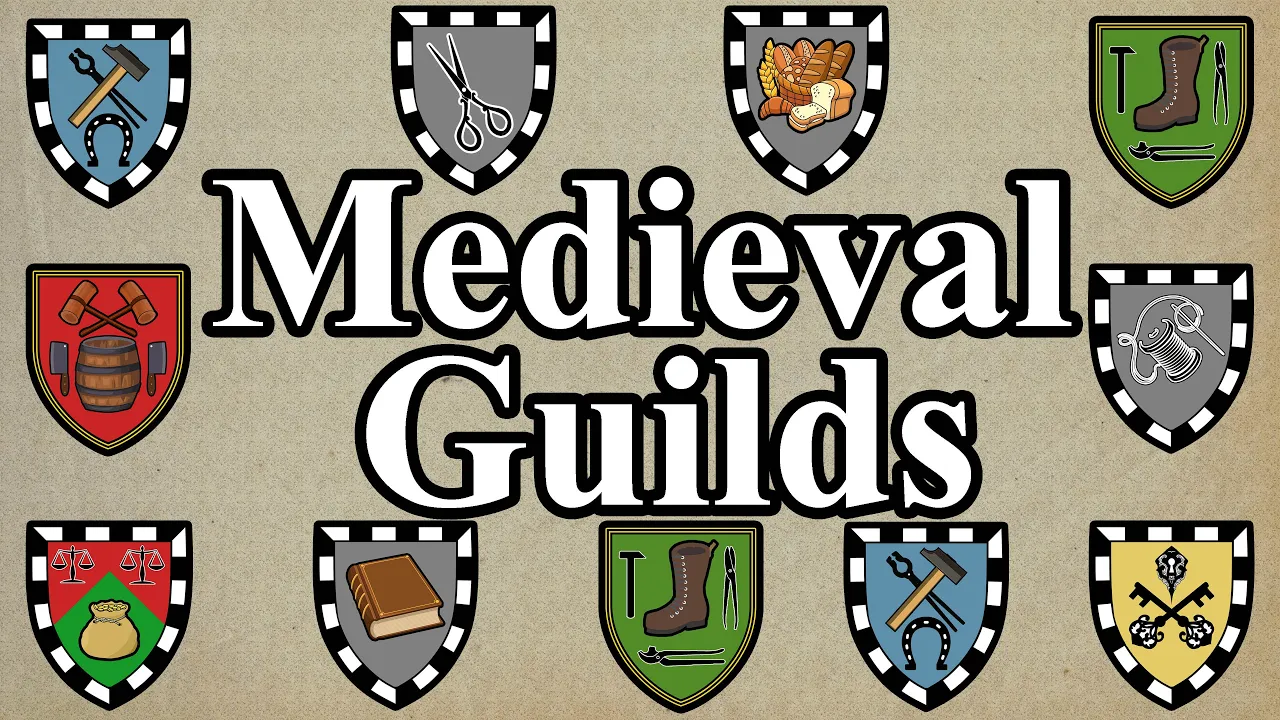
Added:The structure and economic monopoly of medieval craft guilds in European towns, including their control over production quality, pricing, and labor.
The nature of agrarian society in pre-industrial Europe, particularly the seasonal cycles of peasant farming which left periods of underemployment.
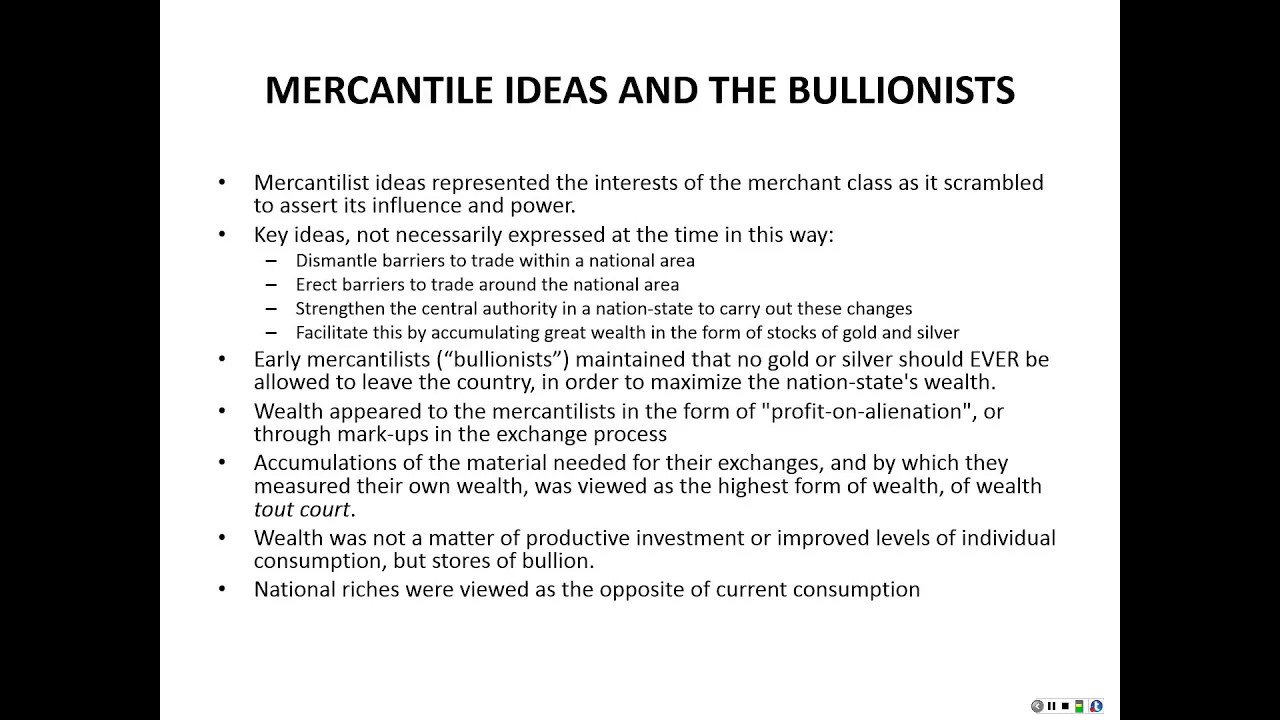
The rise of mercantilism and the merchant class, who sought new ways to generate profit through regional and international trade.
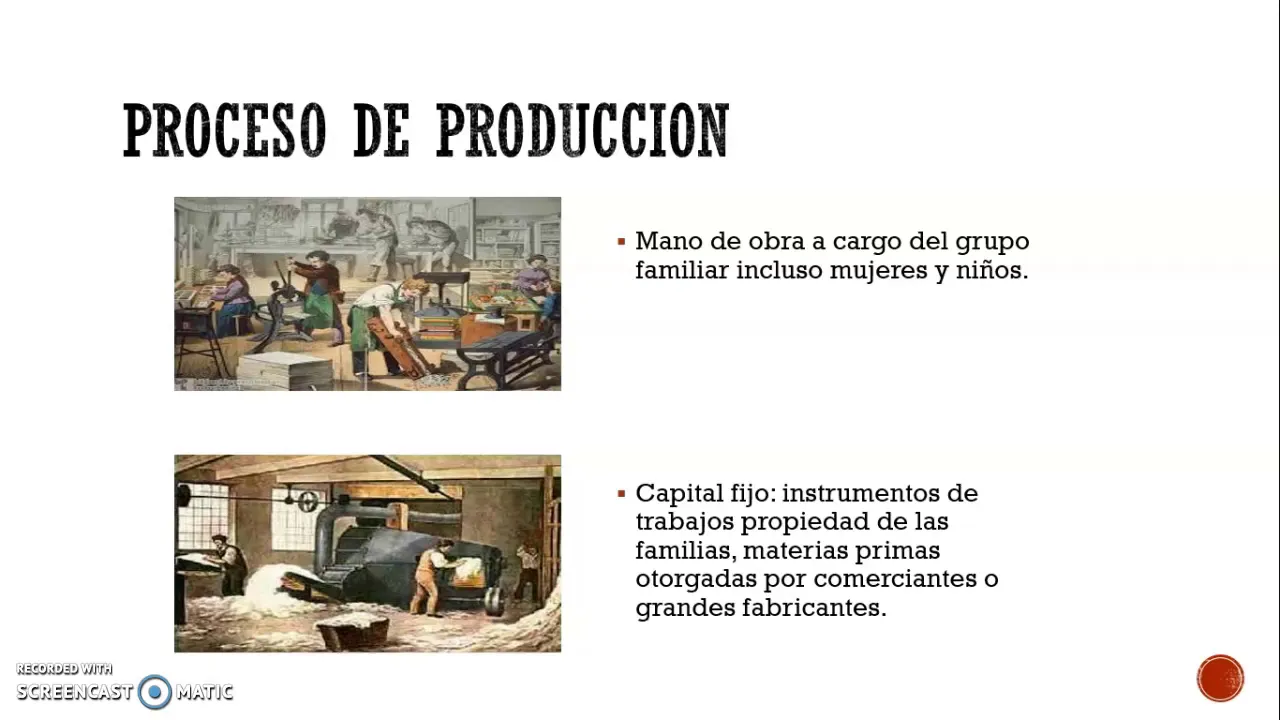
The basics of traditional textile production, specifically the labor-intensive steps of preparation, spinning, weaving, and finishing cloth.
The transition from the decentralized putting-out system to the centralized factory system during the Industrial Revolution.
Key technological innovations that made cottage industry obsolete, such as Arkwright's water frame, Hargreaves' spinning jenny, and the steam engine.
The shift from mercantile capitalism to industrial capitalism and the rise of the modern entrepreneurial class.
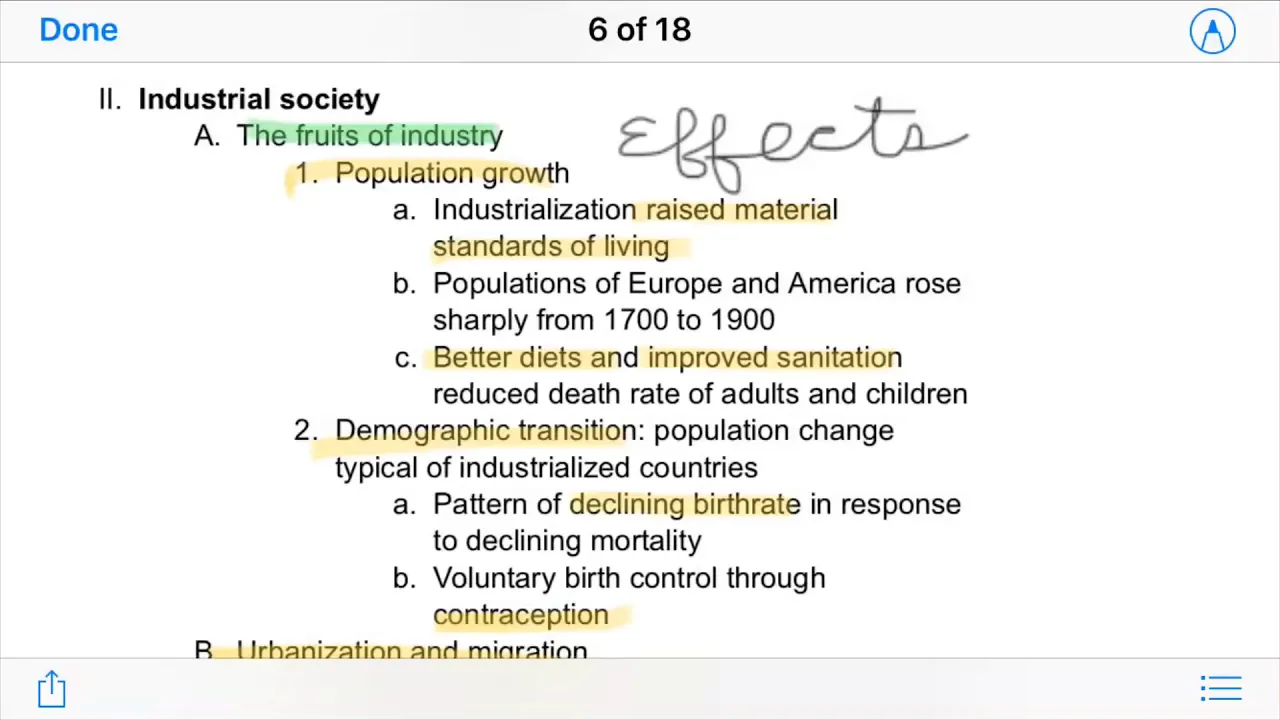
The social and demographic consequences of industrialization, including massive rural-to-urban migration, changes in family labor dynamics, and the emergence of the working class.
40.7K views565likes7:43Original Release: 2015-11-16
hi my name is Paul Sergeant welcome once again to AP Euro bit by bit where I'm trying to break down modern European history in a small bite-sized pieces so that you can better understand it well today we've got an exciting topic and it's called the putting out system take a look [Music] all right so let's get this out of the way first the pting out system has nothing to do with prostitution or a sexual Revolution which is probably where your minds went when I first said it putting out system is an economic change that we see in Europe in the 18th century and the idea is basically this there are there are different regulations in place which are hampering trade and Industry and the biggest one of those that we're going to be dealing with is called The Guild system Under The Guild system which was left over from the Middle Ages people who worked in a certain industry would set up requirements to for people to be able to move into that industry there were apprenticeship requirements there were uh different uh requirements of uh time and and being able to produce certain works and uh and then when an individual was ready to move into becoming a master and being able to set up their own business they had to get the guild in order to approve them as part of this well that was all fine and good in a Medieval small town but there were certain restrictions on it which were difficult The Guild would set prices The Guild would set quality restrictions The Guild would regulate what came in and what came out how much was being produced all kinds of things and they had a lot of power within towns but they also formed a barrier for entry into the business world because an IND indvidual who couldn't get approved by the guild they were kind of out so the entrepreneurial Spirit though was still alive and especially in England you see the this putting out system arise and for sake of ease let's just call it cottage industry because this is another name for it and I think as I describe it you'll start to see the foreshadowing of something that's coming in the future all right so basically the idea is this entrepreneurs who wanted to get into industry decided that not being a part of a guild they weren't allowed to make a product and then sell it and so they had the great idea of having other people make the products but they couldn't make the product if they weren't part of the guild so how do you do this all right so here's the deal this starts with the wool cloth industry okay so an entrepreneur would go out and they would buy wool the wool then they would take to Cottages or homes out in the countryside these people who were farmers especially subsistance Farmers had very little to do in the evenings and they certainly had very little to do between Harvest and planting and so there was a lot of time on their hands and they really didn't have any disposable income in fact they had barely any income at all because most of what they were producing was either being given to a landowner or was being used to feed their own family so the entrepreneur would bring the wool to family and the family then would spend time in the evenings and through the winter spinning the wool into thread the entrepreneur would then come to the uh come to the house he would get the thread which had been produced he would give them new wool he would also give them monetary compensation give them money for their for their efforts so then the entrepreneur would take the thread from from one family and take it to another family who would weave it into cloth and then from that family he would buy the cloth from them he would he would then give them uh the thread to make more cloth and then he would take the cloth and he would sell it at Market so this entrepreneur is moving around the countryside and moving a product from its raw material the wool all the way through to a finished product the cloth that he could sell and he didn't have to abide by Guild restrictions because he wasn't making anything he was simply buying and selling goods and there were no regulations on that brilliant right now there are certainly benefits to this for everyone involved for the entrepreneur they're able to go about and create a business and make some pretty good money by simply moving product around uh buying and selling has always been a good way to make money for the individuals who are living in the farms in the Cottages they're able to improve their standard of living because the cash they make through the work they're doing for the entrepreneur allows them to go to market and to buy Goods that they otherwise wouldn't have and with the increasing Goods coming from the new world and the increasing Goods being produced by more industry they have the ability to buy things that they never could have imagined before thus creating a higher standard of living for people living in the countryside downside of course is that there is competition in the countryside people are competing over the quality of Goods they're complete they're competing over weights and measures and sizes of things they're competing over who gets the contract with the entrepreneur they're competing with all kinds of things which doesn't lead to a very happy Community um but the other problem with the whole thing is that the entrepreneurs start to realize over the course of time that this is a very inefficient way of doing things they're spending a lot of time on the road which involves a lot of risk of losing product and they're just transporting stuff all the time couldn't there be a better way maybe if they could bring all of the product into one place do all of the production pieces in one I don't know building h maybe that'd be better all right so to sum up what turned out to be a pretty quick video here's the putting out system here's cottage industry sorry you guys are going to get all low brow on me here okay so the cottage industry is all about this entrepreneurs use the uh labor available in the countryside moving product from one place to another thus creating a finished good that starts with the Woolen cloth industry and make money and more Goods available at the same time as creating a higher standard of living and greater demand for luxury goods in the Countryside the ultimate result of this is going to be the creation of a factory system and the movement of people to cities to get jobs in factories but that's for another time for right now I hope you understand this my name is Paul Sergeant this is AP Euro bit bybit and I really hope these videos are helping it's why I make them I make them for you so if there are things that you don't understand about European history that you've been dying to ask that you read about learned about just didn't get please respond in the comments send me an email let me know and I'll see if I can help you out till then my name is Paul Sergeant thanks for watching and I'll see you next time
Up Next

2:13
Richard Arkwright's Water Frame: Industrial Revolution Spinning Innovation
@patrickreed1967
138K views•2016-09-14

33:02
The Great Schism of 1054: Causes and Consequences
@SacredCathedrals
113.5K views•2026-02-19

91:57
The Geopolitics of the Ukraine War and the Rise of Global Autocracy
@JordanHarbingerShow
468K views•2025-04-19
17:05
Understanding the Cold War: Superpower Conflicts and the Road to Détente
@OverSimplified
46.1M views•2019-01-24
Related Study Plans & Knowledge Roadmaps
Structured learning paths in History
history
Byzantine Iconoclasm: Theology, Art & Politics
01Foundations of Byzantium and Early Christian Images
02The First Iconoclasm: Leo III and the Crisis of Images
03Empress Irene, Nicaea II, and the Second Iconoclasm
+ 2 more learning modules
9h5 modules
Explore Roadmap
history
Iranian Revolution (Causes, Events & Legacy)
01The Pahlavi Dynasty and the Roots of Discontent
02The Spark of Rebellion and the Rise of Khomeini
031979: The Fall of the Shah and the Climax of the Revolution
+ 2 more learning modules
8h5 modules
Explore Roadmap
history
Mali Empire: Mansa Musa, Trade & Timbuktu
01Foundations of the Mali Empire
02The Trans-Saharan Gold and Salt Trade
03The Reign and Pilgrimage of Mansa Musa
+ 1 more learning modules
6h4 modules
Explore Roadmap
history
1947 Partition: Politics, Borders & Legacies
01Foundations of British India and the Divide
02The Political Negotiations and the Mountbatten Plan
03Drawing the Boundary: The Radcliffe Line
+ 2 more learning modules
8h5 modules
Explore Roadmap