













![Ek Purani Kahani | Toba Tek Singh [Full Story] | Saadat Hasan Manto | Radio Mirchi](https://i.ytimg.com/vi/wLfwvQc8R-A/sddefault.jpg?sqp=-oaymwEmCIAFEOAD8quKqQMa8AEB-AHQBYACjAOKAgwIABABGGUgZShlMA8=&rs=AOn4CLAG_veckyhMPr9-w4EelQIqpBurQA)

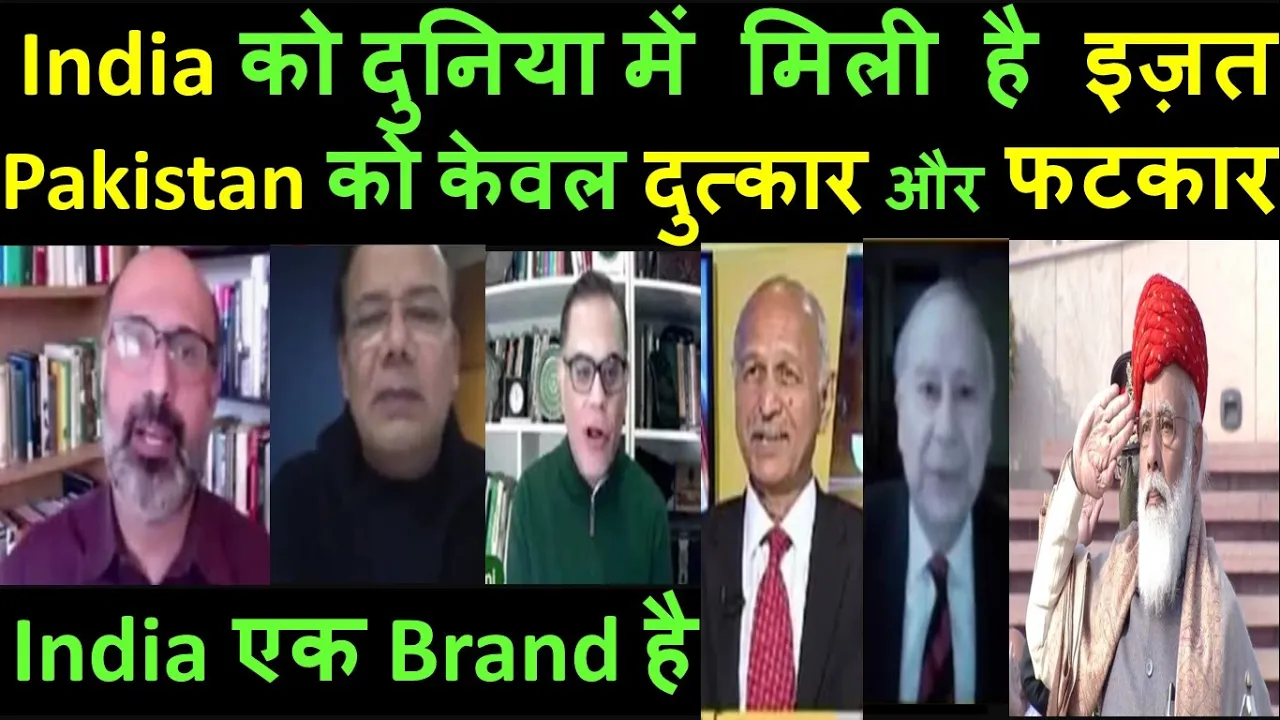
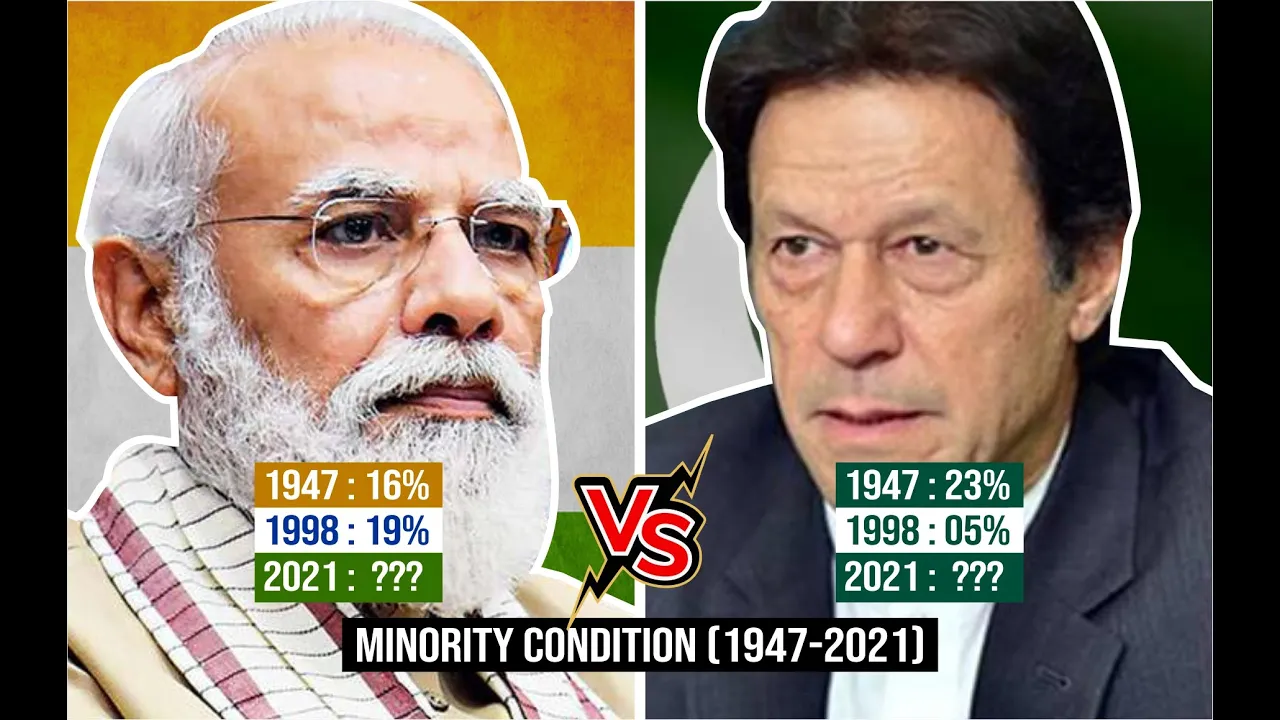
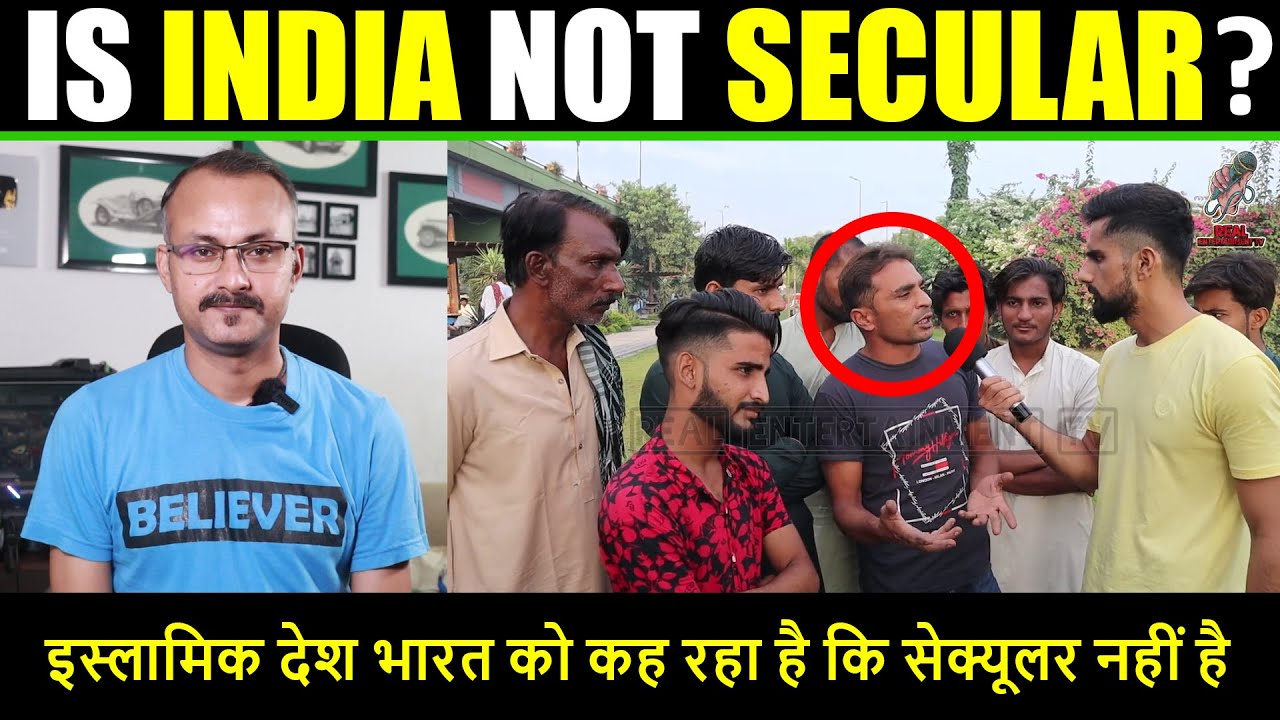

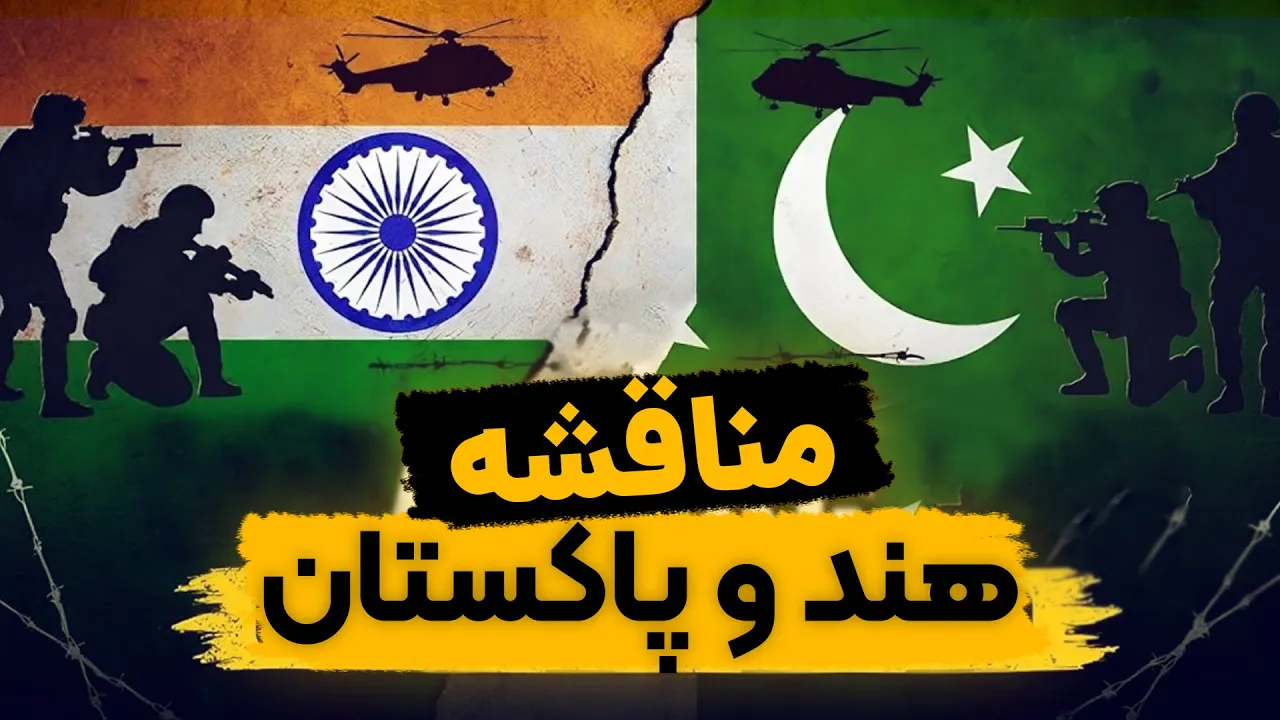
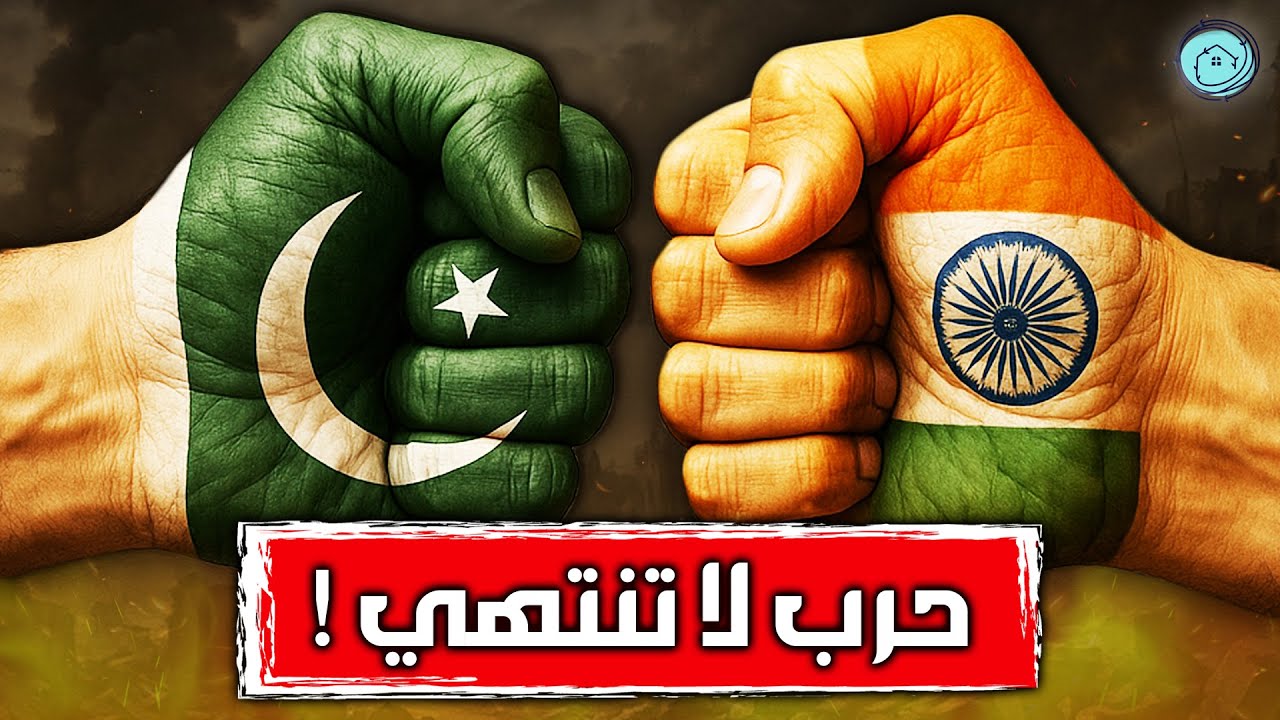
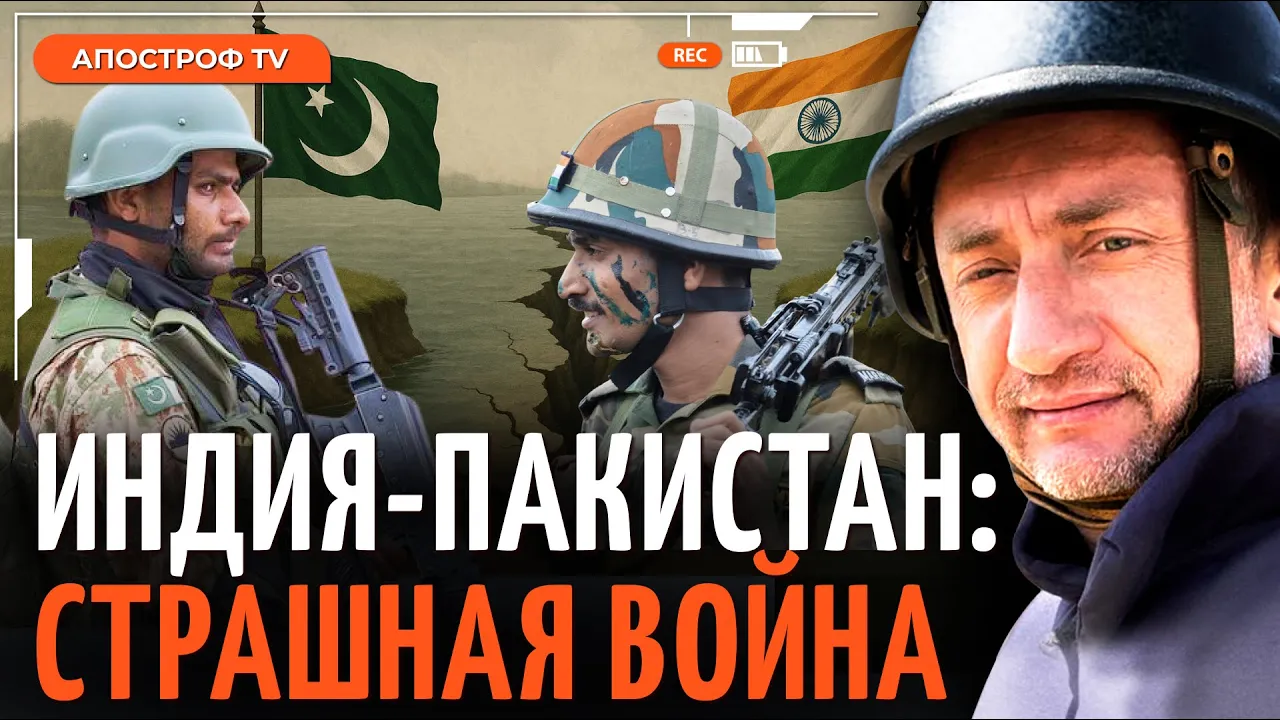
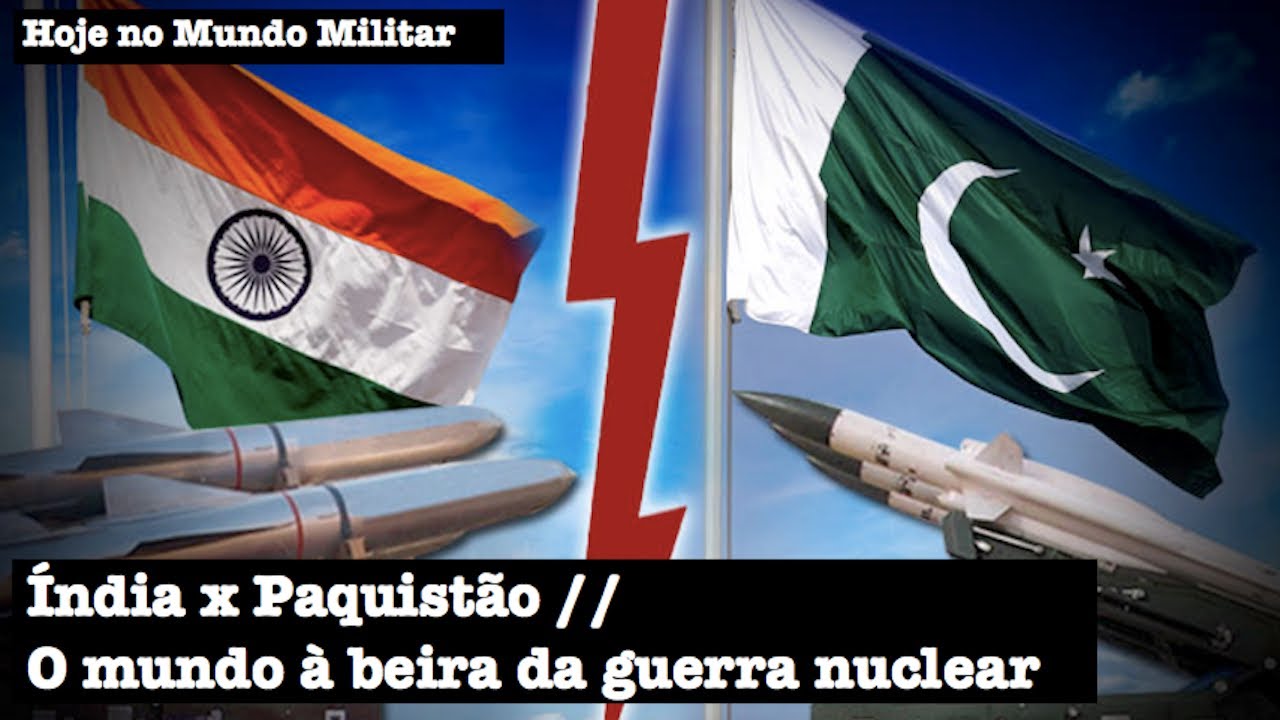
The partition of British India in 1947, which created independent India and Pakistan along religious lines, resulted in unprecedented human suffering with over 1 million deaths and 14 million displaced people, and continues to shape South Asian geopolitics through ongoing territorial disputes, religious tensions, and three wars between the nations, demonstrating how colonial-era decisions can create lasting divisions that transcend generations.
Legacy of the Indian Subcontinent Partition | Inside Story
Added:Understanding the history of British colonial rule in the Indian subcontinent (the British Raj) and the administrative strategies like the 'divide and rule' policy.
Familiarity with the key political organizations and leaders of the independence movement, specifically the Indian National Congress (led by figures like Mahatma Gandhi and Jawaharlal Nehru) and the All-India Muslim League (led by Muhammad Ali Jinnah).
An introduction to the 'Two-Nation Theory', which posited that Hindus and Muslims in the subcontinent represented two distinct nations that could not coexist in a single unified state.
Basic geographic familiarity with South Asia, particularly the diverse, multi-religious provinces of Punjab and Bengal that were ultimately divided by the Radcliffe Line.
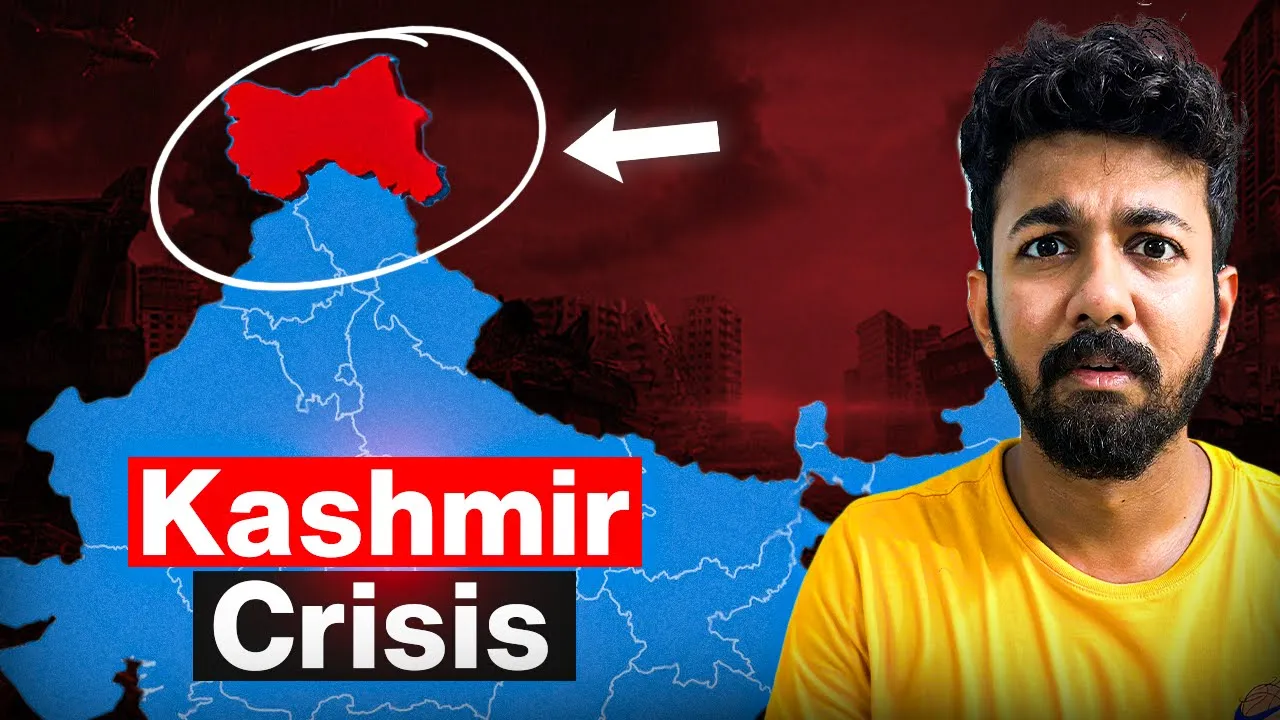
An in-depth study of the Kashmir conflict, examining how the unresolved status of the princely state of Jammu and Kashmir has driven decades of military and diplomatic tension between India and Pakistan.
Analysis of the 1971 Bangladesh Liberation War, exploring how linguistic, cultural, and economic disparities led to the secession of East Pakistan to form Bangladesh, reshaping the subcontinent's geopolitics.
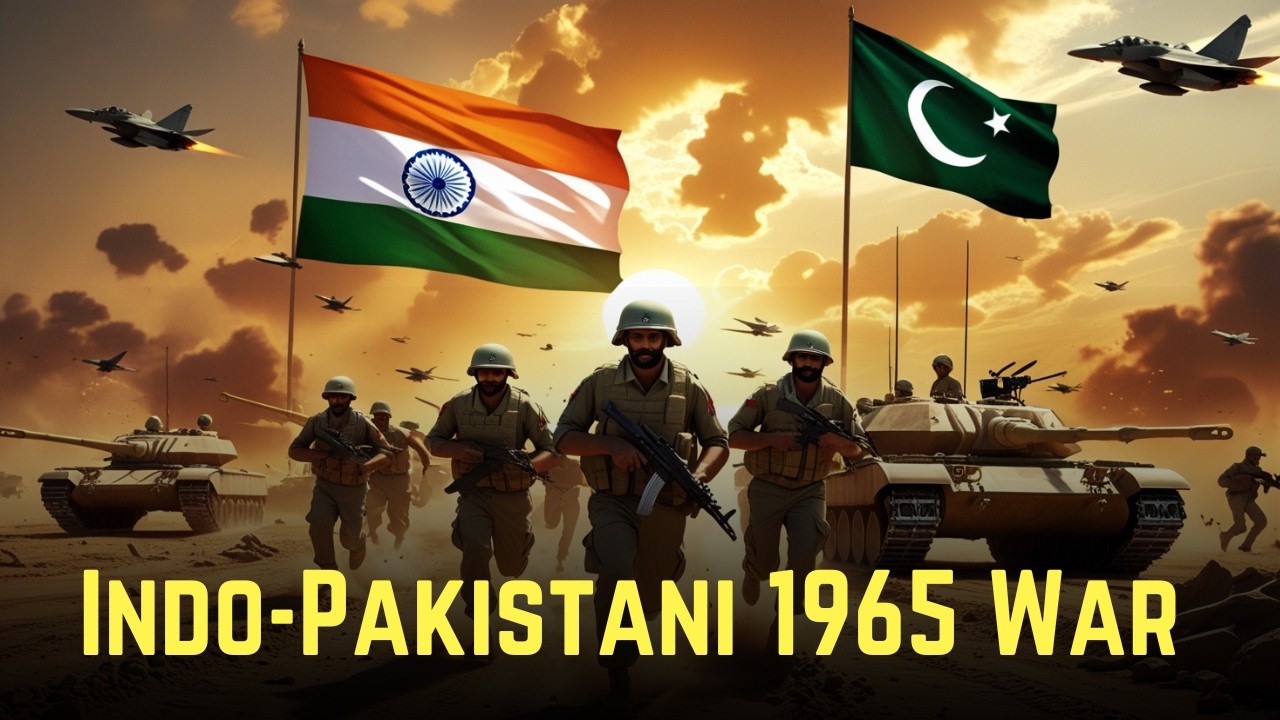
Researching the history of Indo-Pakistani military conflicts (1947, 1965, 1999) and the subsequent development of nuclear deterrence capabilities by both nations in the late 1990s.
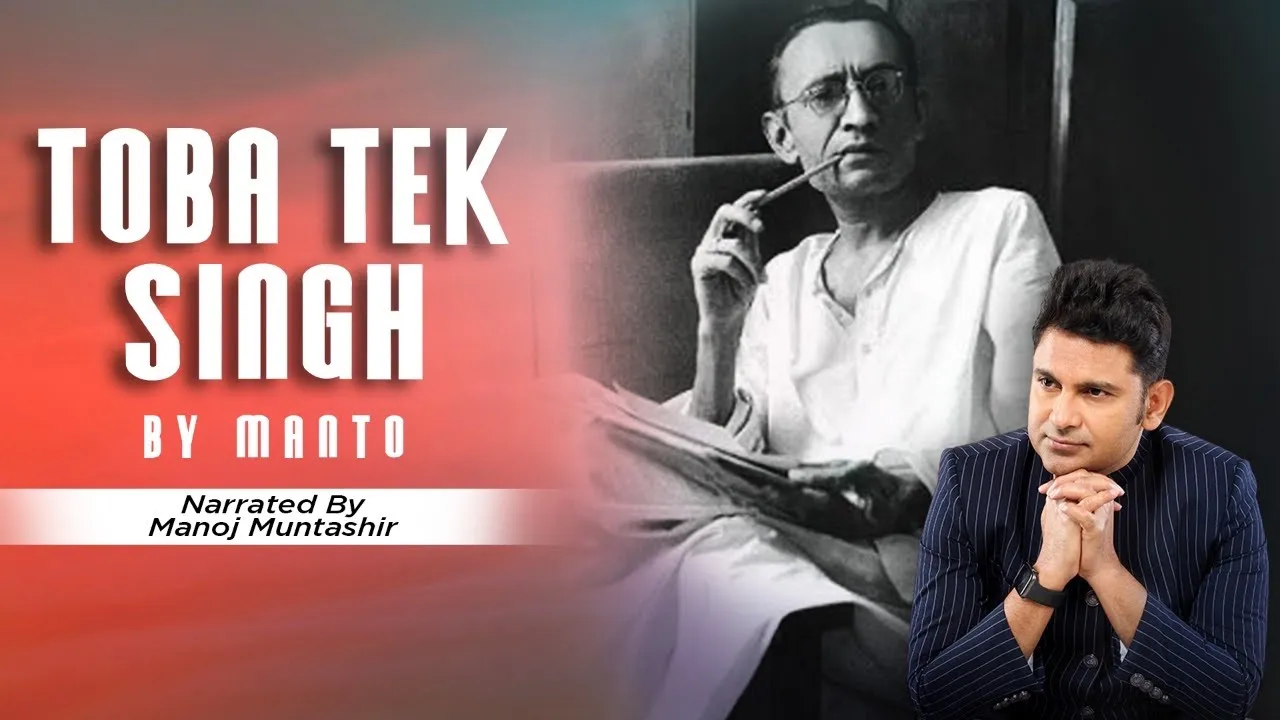
Exploration of the cultural trauma of Partition through subcontinental literature, cinema, and oral histories, such as the writings of Saadat Hasan Manto or projects like the 1947 Partition Archive.
A comparative study of the political development of both countries, comparing India's constitutional commitment to secularism with Pakistan's evolution into an Islamic Republic, and evaluating the modern status of minorities in both nations.
52.9K views391likes25:00Original Release: 2017-08-14
India and Pakistan celebrates 70 years of Independence both nations born out of a partition that led to unprecedented carnage three wars mass migration and still a disputed territory fight has followed so what's life like in Pakistan and India today this is inside story [Music] welcome to the program I'm Sahil Raman the 14th of August 1947 the historic day when British colonial rule ended and India won its independence but at the same time a new nation was also born Pakistan the borderlines created on a hastily drawn map fast forward 70 years and this is one of the many celebrations taking place in Pakistan a 31 gun salute marking the occasion in the capital Islamabad but the legacy of divide-and-conquer followed by freedom mostly always comes at a cost India and Pakistan have fought three wars and continued to experience internal violence as well as religious and ethnic intolerance now we'll be hearing from assure of ally in Pakistan shortly he's one of the Midnight's Children a name used for those born in the early hours of India's independence from Britain but first a short explainer from earlier on how India was split up seven decades ago the British announced that India would be divided based on religious majority areas as well as considering the opinion of states that were ruled by Indian Maharaja's well his India again and there are the princely states ruled by the Maharajah's now they could decide whether to be part of India or the Muslim majority country soon to be known as Pakistan the problem was that Muslim majority areas late to the east and the West Louis Mountbatten the last Viceroy and representative of the British government was the man given the task of overseeing the partition great responsibilities lie ahead of you and your leaders may the blessing of the Almighty sustain you in all your future tasks a decision that would change the course of history and create the modern-day states of India and Pakistan a line in the sand was drawn and the borders were set to the east and the west but in the worry and panic that followed many Hindus Sikhs and Muslims who thought of themselves as minority faiths in certain areas decided to move it's estimated that over 1 million people died in the migration and as many as 14 million moved across the new international border but shortly after independence in 1948 India and Pakistan went to war and fought again in the late 60s over the northern disputed state of Kashmir its fate was unclear at the time of partition in 1947 the state was ruled by Maharaja Hari Singh who wanted to remain independent decades later while both countries still planed the territory as their own this heavily militarized area has been divided by this it's called the line of control the partition caused one of the largest mass migrations the world has ever seen with up to fourteen million people on the move from India to the newly created Pakistan or making the journey in the opposite direction here's ashraf ali story here my name is ashraf ali i live and work in Fife labarda sir I was born on the 14th of August 1947 in Ludhiana India Ludhiana India marybeth Ayesha Pakistan key or very bad a key work of me here Pakistan and I were born at the same time when the partition was announced violence and rioting began my parents decided to move from there when we arrived in Pakistan my parents told me that the situation in the country was not very favorable there was no infrastructure and no business activity many it crimping question yes 78 me the people struggled a lot to start something in 1978 I started a printing press slowly and gradually I gained momentum and became a successful businessman but the leaders in Pakistan were not proactive and sometimes the country was ruled by dictators the country didn't prosper the way it could have in salumi despite everything that's happened in the last 70 years Pakistan has progressed tremendously in many institutions like education and economically it's getting stronger it's also now an atomic power by the grace of God I am very hopeful for my grandchildren's education and for their bright future [Music] well let's bring in our panel for this edition of inside story joining me from Lahore in Pakistan we have Reza cream an international lawyer and activist Girdhar Pal Singh is a professor of Sikh and Punjab studies at the School of Oriental and African Studies and joins me via Skype from Leicester in England and from New Delhi Oh Davis co-director of the Society for Policy Studies a retired Commodore from the Indian Navy gentlemen welcome to all of you mr. Kasim can I begin with you in Pakistan in Lahore what a difference a day makes when it either be the 14th or the 15th of August it has many mixed emotions for those people that either lived through the partition or continued to live with the effects of what is physically a line in the sand well yes of course this has been a lifetime I've spent 17 years now in Pakistan and it was a time of illusion and disillusionment and be thinking that is how I would sum it up now after disillusionment as I said earlier that we had great difficulties that Pakistan would be a brand new place a completely qualitatively different from the experience of colonial India and but it was not to be so as I said earlier that what we confronted was a huge vacuum a human vacuum and economic vacuum and then social vacuum is vacuum of governance as well yes and and that we had to grapple and muddle through somehow in the early days but thereafter once this began to settle down they prepared that there we there was no no beginning at all sure and it was going to be something worse then what British king gave was mr. bass Collett me come to you in New Delhi I mean how do you and perhaps you can't speak for all of India but certainly as a good a good section of it how do you perceive the whole issue of Independence and partition and the wounds that have been left emotionally over the last seven decades it's 70 years later when I look back at partition and August 15 1947 I would say that on balance the mood is positive optimistic and a certain degree of satisfaction that India has been able to evolve in the way that it has but yes there is a huge human dimension I was born after partition after 1947 but I have had occasion to speak to a number of people who experienced it firsthand and while the political sort of context of partition and freedom is something which was very very celebratory both for India and I dare say for Pakistan there was a huge human cost and I think when we look at the numbers now and the kind of dislocation that took place it was traumatic it was a bloodbath for certain periods when the religious dimension came to the fore and I would say that for those who experienced it my personal conversations with them would suggest that there are some scars that will never heal but as we go down generation to generation I would say that perhaps some of these memories are now getting a bit dull with time but families still recall how they came to India and the cross of being a refugee okay and this is something which I believe is a human experience that has no parallel as far as Asia now let's go to Good Hope I'll sing and of course the story certainly those two experiences there from Lahore and New Delhi are perhaps something that's been reflected and you've heard many times yourself mr. Singh in the course of your own career but again you know the the the issues of divisive enough socially economically religiously and regionally has been something that's been ongoing for the past seven decades and then independently within Pakistan and within India and what do you think the largest challenges have been for the administration's that came after 1947 if it's possible to sum it up well the challenges were different in in in the two states of course Pakistan did not exist and had to be created out of virtually nothing and the administrative structure there was very weak and India was this exceeding sorry Pakistan was succeeding state from India and India had much more resources and much more experience in dealing with the situation so in that sense the the the relative experience of the immediate impact of partition is very very different having said that the events of the previous speakers highlighted were catastrophic probably the most seminal point in South Asian history in the 20th faith and in that sense they have shaped both the history Pakistan and India itself and are very much embedded in the national discourse of each of these countries mister cousin let me bring you in here in in Lahore I mean what is the national discourse at the moment when it comes to partition because as soon as you mentioned the word the debate then begins about dialogue with India and trying to find a peaceful way forward if there is one to try and resolve many issues I don't want to get it broiled in the Kashmir issue that's a different subject for a different day but it's a highly important you it is a highly important issue I know you're giggling but it's a highly important issue we know and it's fundamental to the way these two countries react with one another yes now look again Pakistan a part of the overall global situation and they have a group they have an impact upon Indian policies and Pakistani policies and I'm sure that countries other than India and Pakistan have interests and we're in their goals and how it goes in the same boat Pakistan so we not only suffering from the problems of partition and partisan issues we are also involved with the geopolitics global geopolitics and certainly I mean large countries have such as a United States have an interest in India these are be China maybe I don't know but certainly in Pakistan visibly the Soviet Union as it was until 1990 Pakistan was a vital base for the United States in its in its problems with the Soviet Union the lakes of a trillion so we've been you can't really look at India and Pakistan policies in the isolation of the subcontinent you have to see it in a larger picture okay that is how I would answer your question mr. Singh can I bring you in here in Leicester on the point that mr. Kasim has just raised about how intrinsically connected Pakistan and India have been in global effects global incidents whether it be the cold war of the nineteen sort of 50s onwards to the way the dynamics each country has had with the superpowers whether be China the United States or Russia how influenced has their domestic policy being in relationship to their connection with those global heavyweights I think the global context needs to be put in perspective of course India and Pakistan are part of a globalized world today very different from the one in 1947 but this global context is very much shaped by the enduring rivalry between the two states and the two peoples and the two governing elites of the these two states which arises out of the partition for example Pakistan's search for security after 1947 led it to become part of the american-backed Alliance system against cold war similarly India's outreach to the broader world in the non-alignment movement was part of its efforts to build an alternative bloc but if you look at the rhetoric and the rivalry of the political elites in the two countries it's very much corroded in the pre partition period between the Muslim League and the Congress and now nowadays between the Muslim League and the BJP and if I I cannot see how we can escape the dead hand of history in the relationship between these two states and then therefore I'll come back to mr. Bhaskar in New Delhi what is then you might say the relationship as you see it between India and its former colonial power the United Kingdom and sometimes the the relationship that the UK has with Pakistan you know is it a good one is it a bad one is it an indifferent one how would you describe it in 2017 I would describe the relationship between India and Britain 70 years later as being a very affable one meaning that there is a certain comfort level between New Delhi and London and this is something that is reflected in the kind of political and the societal relationship between the two countries even after brexit and the various convulsions that have gone on in Britain and Europe over the last few years so to that extent I think for London and Delhi there is a certain inbuilt comfort level but I do want to get back to the point that both my other panelists had touched upon already which is the nature of the discourse in India as also about the other I briefly want to bring in this whole question of the genesis of August 1947 which was the Pakistani commitment to what they call the two-nation theory and the sense that you could build a state based on religion alone and at the time Pandit Jawaharlal Nehru who later becomes India's first prime minister and the founding fathers who believed in a certain underlying principle of what you might call as secularism where religion was not the predominant determinant for statehood and national identity I think if you look at this from that perspective for India I think the discourse here would suggest that Pakistan has not been able to come to terms with its own internal dynamic and the role of the military 50 out of 70 years the military has been in the driver's seat in Pakistan well that has led to what one of my panelists had called the enduring rivalry between the two well the less the Pakistani panelists mr. Rasik Azima about the issue of Gina's very untimely death a year within a year of partition no other statesman really of his stature to take over yes there was a prime minister and prime ministers after that that took over but it really was as mr. Singh also said the institutions were not in Pakistan there was no in theory a rule of law or redress that and a constitution more importantly that the Pakistanis could could could go to to appeal I mean how how important were those early years in the way that Pakistan has addressed the issues of social was social and legal responsibilities in the country well I would say to put it politely that will be muddling through since Gina I happen to be in a city symbol as well so I recall vividly the context of your question and I've been mapping through I personally say I must share with you the fact that I've been a dissident in this country for 17 years I've been to prison five times without having being ever convicted and just for disagreeing now I personally am of the view that we need to go back to the beginning and start discovering a new civilization a whole holistic structure for the society I think that bits and parts of writing hmm I'm not going to be easily repairable or manageable but we have to take a holistic view if that is a that is possible I think you mr. glass certainly so mr. vaskas agree I just wanna bring mr. Singh in here because I think he agrees with you as well and that bringing in that holistic approach to try and sort the problems out is one thing mr. Singh but what we have found and we've seen it on the flags of both India and Pakistan there is a big white stripe on both flags which was supposed to represent the minorities of the countries when they became independent regardless of whether they were Hindus or Muslims and it is them whether it's Christians Sikhs Jews they were all supposed to be protected but in the in the partition not everybody got a fair say did they in there in self-determination to a certain extent it was very much either you're Muslim or a Hindu and this is where the lines going to be yes when the 3rd of June plan was drawn up the transfer of power as was agreed was too few dominions of Pakistan and India so in a sense the minor nationalities or minor grouping so anybody who disagreed with that settlement were marginalized it was a transfer of power to simply the Muslim League and the Indian National Congress that represented Muslim Pakistan and and majority Hindu yeah Congress and in a way the the threat to minorities that existed at partition how some would argue has been borne out by the events after the 70 years of course India is a secular state and but you know that has always been its strength and rhetoric visa vie Pakistan but if Jinnah and narrow were alive today I wonder what they would think of India's democracy today and what is happening under the BJP to religious minorities okay mister mr. Bhaskar let me just bring you in here and we're between new to the end of the program so some relative will speed it along just wondering about tolerance within India at the moment in the last certainly few years we've seen perhaps intolerance of minority faiths especially in the U P province when it comes to the eating of beef or the transport of cattle we've seen it a quite distinct divide between Hindus and Muslims if we look at Pakistan we look at the the Sunni the Shia issues and we've seen Sunni shrines being attacked in in a different side of intolerance what's your impression of the way India has moved towards that intolerance in it is it partly to blame about what happened in 1947 well I would say that what is happening in India now you drew attention to the fact that there is a growing level of intelligence and yes in the last three years we have had certain incidents which relate to instance for instance to issues like the ban on beef now that in turn has been related to the minorities quote-unquote both the religious minority in this case the Muslims as also the social minorities that is the equivalent of the Dalits or those who are once upon a time called untouchable so I think if you look at this in a larger context as an Indian many of us are uneasy and this has been expressed in different ways but there is a certain I would say level of confidence about the Indian commitment to the Constitution now India gave unto itself a constitution in January of 1950 and that is where I think the whole concept of citizenship that goes beyond any kind of sectarian identity was enshrined we had dr. Ambedkar who had brought in a number of clauses so I think I would say this at an individual level that yes there is a sense of honey's and disquiet about what has happened in say recent months but at the same time there is a degree of confidence reposed in the Constitution and the way in which it is respected by every organ of the state and I think that perhaps would be the resilience of India as it was established many years ago when we had an emergency for a brief 18 months under then Prime Minister Indira Gandhi so I would say that is really the saving grace for India and I do not want to say anything but Pakistan when we have such an eminent lawyer with us India I show mr. Cozzi appreciates that unfortunate we have actually run out of time it's one of those subjects that we will come back to again hopefully not in another 70 years but sooner rather than later but gentlemen there unfortunately I do have to leave it there and I think we could have talked about it a lot longer as well for Rosa Kareem in the hall thank you for your times also go up I was singing in Leicester and booed a basket in New Delhi gentlemen thank you very much and thank you for watching of course you can see the program again anytime by visiting our website at aljazeera.com and for further discussion go to our Facebook page that's at facebook.com forward slash AJ inside story you can also join the conversation on twitter our handle there is at aj inside story from me Sahil raman and the rest of the inside story team thanks very much for your time and your company [Music] you
Up Next

25:54
Romantic Poetry, Synth Pop, and the 80s Revival in Rock
@ArtGalleryofNSW
1.3K views•2009-10-16

33:02
The Great Schism of 1054: Causes and Consequences
@SacredCathedrals
113.5K views•2026-02-19
43:41
Iran 1979: Anatomy of a Revolution | History Documentary
@aljazeeraenglish
575.5K views•2019-02-04
17:05
Understanding the Cold War: Superpower Conflicts and the Road to Détente
@OverSimplified
46.1M views•2019-01-24
Related Study Plans & Knowledge Roadmaps
Structured learning paths in History
history
Byzantine Iconoclasm: Theology, Art & Politics
01Foundations of Byzantium and Early Christian Images
02The First Iconoclasm: Leo III and the Crisis of Images
03Empress Irene, Nicaea II, and the Second Iconoclasm
+ 2 more learning modules
9h5 modules
Explore Roadmap
history
Iranian Revolution (Causes, Events & Legacy)
01The Pahlavi Dynasty and the Roots of Discontent
02The Spark of Rebellion and the Rise of Khomeini
031979: The Fall of the Shah and the Climax of the Revolution
+ 2 more learning modules
8h5 modules
Explore Roadmap
history
Mali Empire: Mansa Musa, Trade & Timbuktu
01Foundations of the Mali Empire
02The Trans-Saharan Gold and Salt Trade
03The Reign and Pilgrimage of Mansa Musa
+ 1 more learning modules
6h4 modules
Explore Roadmap
history
1947 Partition: Politics, Borders & Legacies
01Foundations of British India and the Divide
02The Political Negotiations and the Mountbatten Plan
03Drawing the Boundary: The Radcliffe Line
+ 2 more learning modules
8h5 modules
Explore Roadmap