





















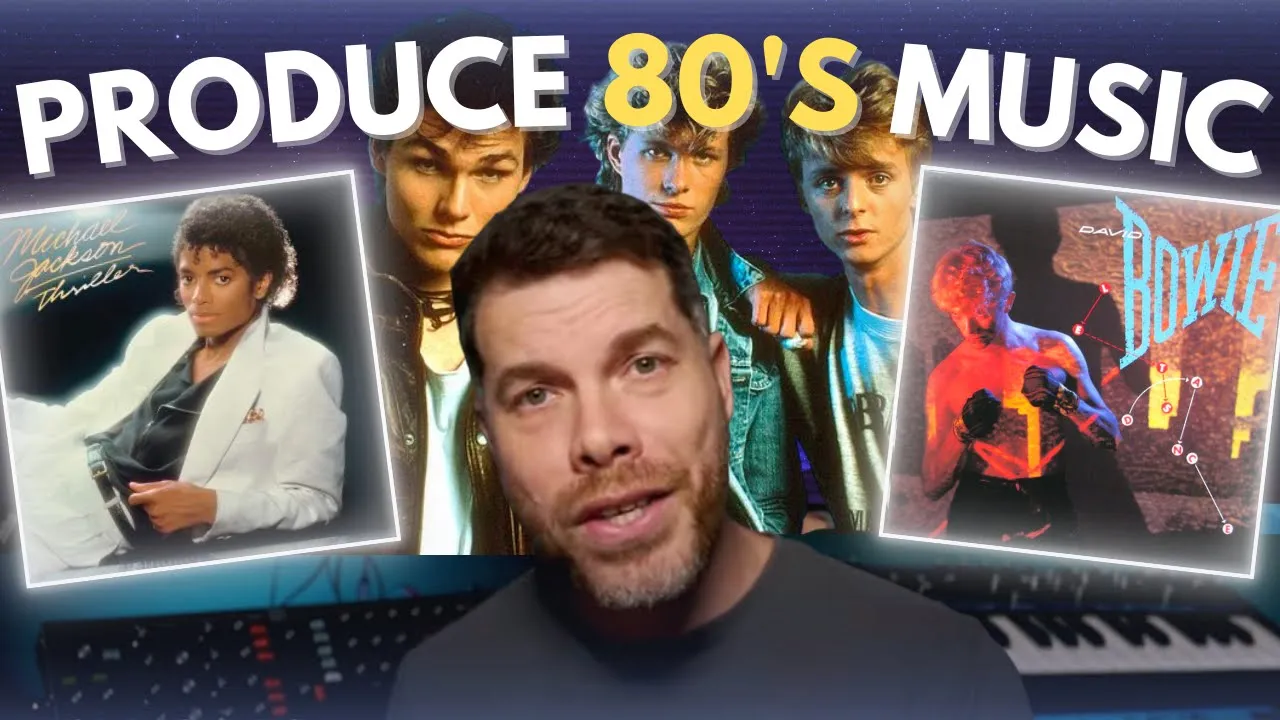



The 80s Revival in music and art is not a true revival but rather a form of artistic nostalgia where contemporary artists use 1980s aesthetics and sounds as a creative tool to express modern feelings, critique current culture, and create new forms by combining old elements with contemporary sensibilities. This phenomenon reflects a broader pattern in art history where artists periodically look to the past not to copy it, but to find inspiration for innovation, as seen in the Pre-Raphaelite Brotherhood's rejection of Raphael in favor of medieval art, and in rock and roll's recurring cycles of rebellion and nostalgia.
Romantic Poetry, Synth Pop, and the 80s Revival in Rock
Added:Familiarity with the key themes and figures of 19th-century Romantic Poetry (e.g., Keats, Byron, Wordsworth, and the focus on individualism, sublime nature, and intense emotion).
Understanding the basic history and instrumentation of 1980s Synth Pop and New Wave, specifically the transition from traditional guitar-driven rock to synthesizers.
An introductory awareness of rock music history, particularly its lyricism, expressive performance styles, and tradition of rebellion.
The socio-cultural concept of artistic 'revivalism' and nostalgia, detailing how and why past eras are periodically romanticized and reinvented in popular culture.
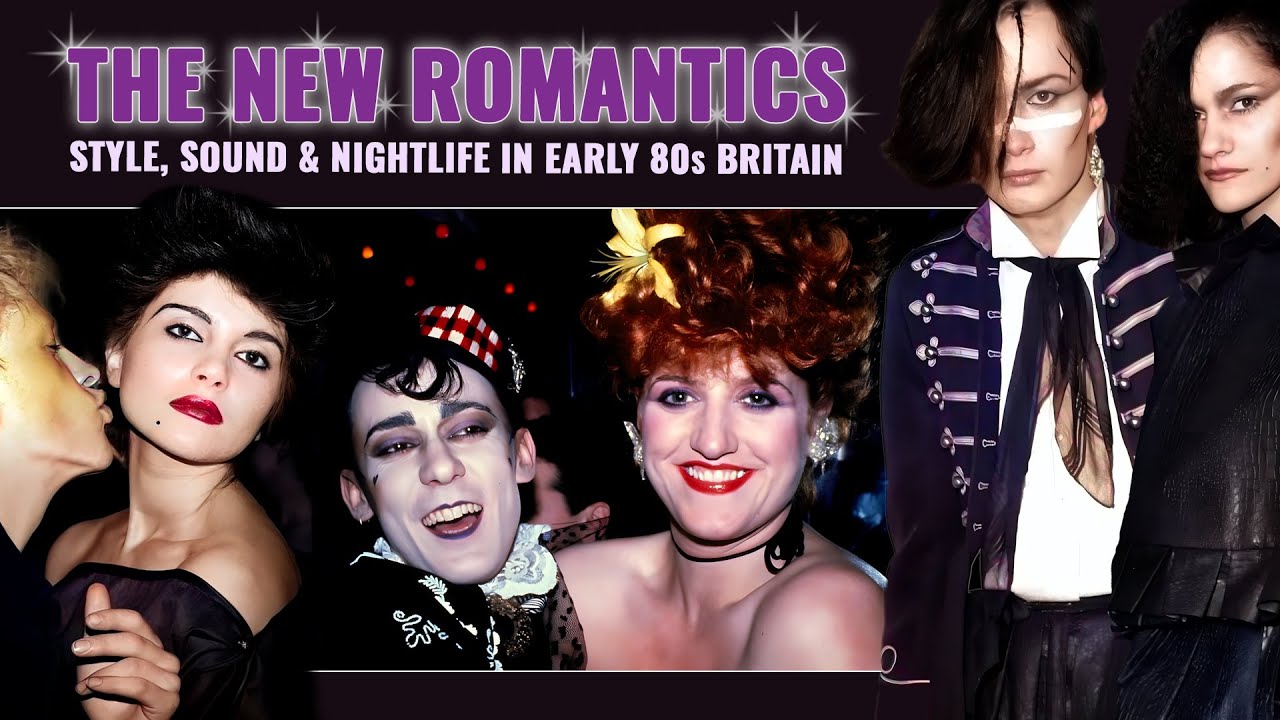
An in-depth study of the 'New Romantic' music and fashion movement of the late 1970s and early 1980s (e.g., Duran Duran, Japan, Visage).
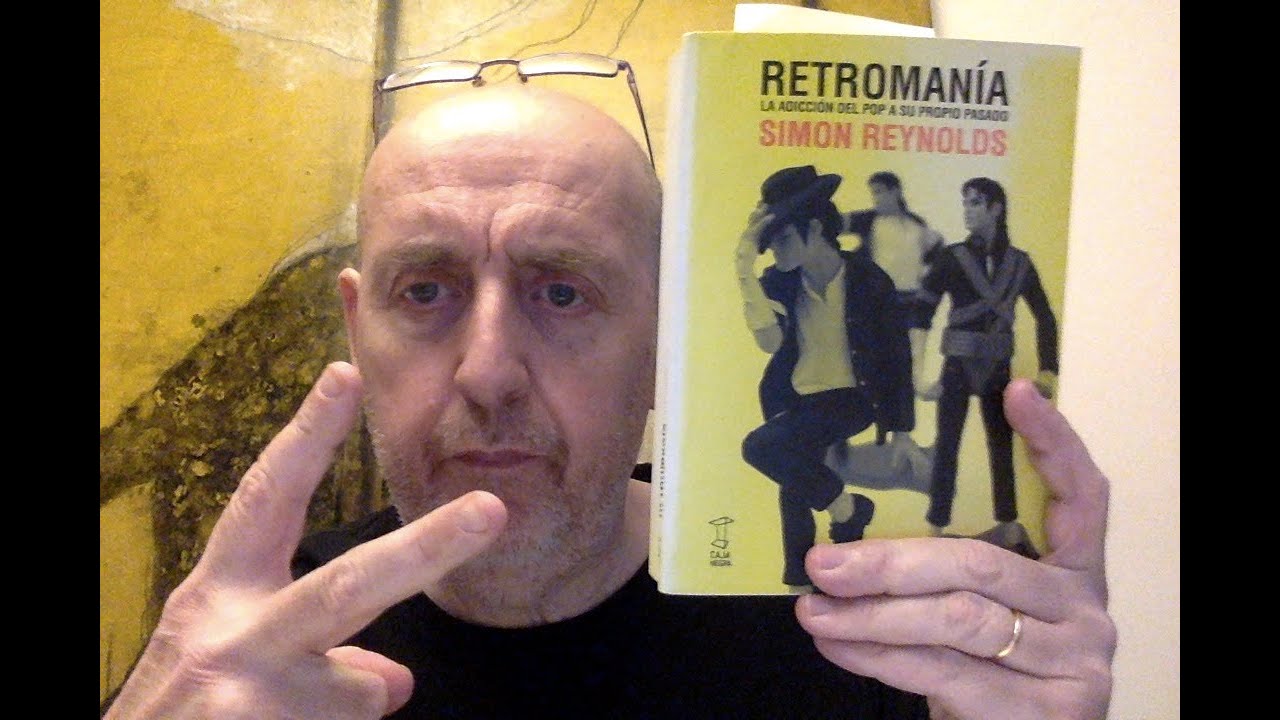
Textual analysis of modern indie rock and pop lyrics (e.g., Florence + The Machine, Lana Del Rey, The 1975) to identify persistent Gothic and Romantic literary tropes.
Exploration of the cultural theory of 'Hauntology' and how modern music uses retro aesthetics and analog textures to express nostalgia.
Practical analysis of modern music production techniques used to recreate the vintage '80s sound, such as gated reverb, FM synthesis, and analog emulation.
1.3K views9likes25:54Original Release: 2009-10-16
hi everyone thanks for coming um all those things that were just said about me um are true but when people ask me what I do these days I I say that it's that it's my job to document describe and explain non-existent genres of music because a couple of years ago I decided to write a book about the influence of romantic poetry and philosophy on rock and roll which meant that I knew I had to write about David Bowie I knew I had to write about Robert Smith I knew I had to write about Billy Corgan and his Smashing Pumpkins and I knew that I had to write about emo and I thought oh that'll be easy the world's full of emo bands and I found very quickly as as Andy Greenwald who wrote The Definitive book on emo already had that emo bands vanish as soon as you uncover them that is no emo band will admit to being emo so if you assume and I think it's sensible that that for a genre to exist somebody has to claim to represent it it must follow that there is no such thing as emo and now I'm working uh think this this thing is happening again I'm working on a project for the PowerHouse Museum as part of their their amazing the 80s ofac exhibition which is opening in December of this year it's all about living in Australia in the 1980s and uh the powerhouses curator Peter Cox has asked me to curate a section of this show about the80s Revival now I'm sure you've noticed the 80s Revival I'm sure you've noticed that uh that synth pop is back that house music is back hip house is even back Madonna is back giant 80s tape decks are back shoulder pads t-shirts with big words on them they're all back I'm sure you've heard at some point music by Empire of the Sun Laro cut copy the midnight dragonauts peaches The Killers infusion maybe Lady Lady Gaga even this this 80s Revival thing has been going on for a while now actually it's uh in fact if you take it starting point as the release of Dar Punk's song Digital Love in 1999 then the 80s Revival is now officially 10 years old happy birthday 80s Revival so so as part of putting this this exhibit together to demonstrate this 80s Revival thing I I started listening to interviews with all of these bands to find out what this 80s Revival business was all about and I very quickly discovered that in music at least there was no such thing as the 80s Revival because nobody wanted anything to do with it last year just to just to give you one example last year the Australian hip-hop group Tzu released a great song called Computer Love it's a it's it's a great track it's it's with video game beeps and boops of the type that I really love it's uh it's got lyrics which contain references to Blade Runner the the chorus is sung through a vooder I love vocoders and the video is uh well it kind of it more or less follows the story of Tron although once MC joelistics is scanned into the computer he uh he has a sort of a Donkey Kong Donkey Kong adventure and then later meets ET it's pretty 80s so when uh when Triple J xan Roe talked to them on her show and she asked them if were big fans of ' 80s sounds and ' 80s music I think that was a sensible question and uh and and after she asked it I was I was surprised a little bit to hear joelistics and count bounce let out some very heavy size you know the kind of size I think that um that your coowner might once have produced when you asked her if she broke up the Beetles they got audibly cranky and they said it's not a retro record it's not even an ' 80s record it's just that we all grew up in the ' 80s so another ' 80s Revival record vanishes into just when I thought I I had one in my clutches very disappointing but the funny thing is that the the more I listened to Computer Love and the more I thought about what what joelistics and count bounce had head I realized that it was true you know that it's it's a fine distinction to make but it's one very much worth worth making they grew up in the ' 80s these guys you know they grew up with Spielberg movies and Mattel toys and gloworms and and beat it and commodore 64s and electric dreams and nuclear war that stuff stays with you you know you can't really Escape it if you try and all that stuff is there in that song but if we're going to insist that computer love is 80s retro that it's a that it's a Pastiche or a Revival of some earlier style then I reckon we have to be able to point to something from the 80s and say it sounds like that and the thing is it doesn't you know it it seems to refer to something from the past but if you go looking for the original you find that it's vanished or it never existed let's talk about another song from last year Far Away by Cut Copy which I love it's a beautiful song it's a it's a bouncy synth pop kind of song it's got a great lyric revolving around a great ' 80s theme the power of love to transcend distance it all sounds very familiar but but what does it sound like exactly here's a Here's a thought experiment listen to Far Away by cut copy and try to imagine the band playing it in a disco in in 1985 actually I don't have to imagine this I saw it happen that's that's right I I traveled back to 1985 with Cut Copy it's a long story basically there was this accident with a time machine built inside a DeLorean there was some libyans there was uh some stolen plutonium I panicked I stepped on the gas and uh and the speedometer hit 88 mph and suddenly we were back in 1985 oh my God and then it got complicated you know the the ban and I got involved in some kind of shenanigans some sort of high school Intrigue and as as a result the uh the Integrity of the SpaceTime Continuum was compromised in order to prevent a temporal Paradox Cut Copy had to play a set at their future parents High School dance they are they played it safe I'm I'm happy to report they played covers oldies you know oldies where come from anyway Beat It The Power of Love What a Feeling the theme from Flash Dance St Elmo's Fire all that went very well then emboldened by this I guess they they took some risks they played far away from their their new album in ghost colors and that started out fine because uh because the first verse in the chorus always remind me a little bit of electric Dreams by Phil oi and Georgio morodo and that was a big hit in 1985 so it made sense to the kids at the enchantment Under the Sea dance but uh but after that the song Break down into a very heavy '90s Rave kind of a thing you know angular distorted synth Rifts and and all the kids at the enchantment Under the Sea Dan were horrified by this they looked like they never ever heard such a horrible recet because of course they hadn't you know because it was 1985 and and Detroit techno was still underground and invisible and house music was 12 months away and technotronics pump up the jam wouldn't be out until 1989 and and two unlimited are you ready for this wasn't even a glint in a Belgian producer's eye so the kids had no frame of reference for what cut copy were doing they might as well have been playing John Cage or or myz bow it was awful you know the Dance Floor came to a standstill the kids just stood there staring at the band the band stopped playing and and poor Dan Whitford from Cut Copy looked down at them all embarrassed and said well I guess you guys aren't ready for that yet but your kids are going to love it of course this isn't really something that happened to me in Cut Copy it's something that happened to Michael J fox in the hit movie Back to the Future and because of the peculiar Babushka doll likee structure of these movies it happens again in the sequel Back to the Future Part Two and I know that I'm not alone in regarding this part two as the best installment of the trilogy it's funnier it's scarier it's weirder it's more inventive it has hoverboards in it I was watching it again recently uh and enjoying the part where Marty McFly and Doc Brown travel to the Future to 2015 doc as always has a plan he tells Marty to go at a certain time and dressed a certain way to the cafe 80s what's the cafe 80s says Marty one of those Nostalgia places explain explains the doc but not done very well when when Marty gets to the cafe 8s we see straight away what he means everything in the cafe 8s looks familiar but none of it looks quite right am Mari is terrified you look at his face he looks he looks he looks white and and we know why he's he's suffering the vertigo of having aged 30 years in a day of finding that the stuff of his childhood is now old enough to be considered retrosic but even worse than this is the feeling that he gets looking at at the cafe 80s at this mismatched assortment of paraphernalia aerobics pastels daylow colors Michael Jackson Ronald Reagan video games he gets the feeling that his memories have been tampered with for those who lived through the ' 80s as adults the ' 80s Revival inspires exactly this sense of temporal Panic they they look at uh at 21y olds dancing to synth pop in in high-waisted jeans and shoulder pads and they feel like they're living in the cafe 80s Everything feels like the 80s but not really as they remember it and that's because I think because the80s Revival is not really a Revival at all it's uh if you were to compare it to something I think it's more like a like a giant junk sculpture a bit like the things that the prets wore at the the ARA Awards a couple of years ago a junk sculpture made made from fragments of a lost world A Lost Civilization the 80s and it's been put together this them by artists and musicians who are old enough to have had the music and films of the 80s form a part of their upbringing but they're also young enough to treat this Heritage with I think a very healthy combin comination of curiosity and disrespect Let's uh let's take Calvin Harris who the who released The Unofficial theme song of the 8S Revival a few years ago acceptable in the 80s he admitted to Triple J that that he barely remembers the 80s that he knows Prince and David Bowie and that's about it for 80s music as far as he's concerned he said that there were certain sounds in 80s music that he really liked but that the decade was also full of crap music as well he said also that he considers it his job to refine the best bits of 80s pop the non- crap bits and combine them with the musical discoveries of more recent times thereby creating an improved 1980s from the fragments of the original the soundtrack in other words to the cafe 80s that's what Calvin Harris has been doing the 80s condensed and done better of course artists would say things like this because no one wants to be retro because since bit hin and since uh at least since the Beatles originality is everything in in music you've always got to prove that you're doing something new or at least something that's original to you so of course you when we accuse Cut Copy Tzu Calvin Harris of being 80s revivalists they're going to say no no I'm not I'm I'm putting old stuff in a new context I'm just opposing ' 80s pop with '90s Rave I'm being postmodern actually musicians never say that but you can see it in their eyes when they when they are I'm I'm creating new forms out of old stuff but for some of us this is not good enough so what we say show us a really new idea we say this because we see the history of music as a series of revolts where where the stuffy old Idols of yesterday are smashed by young punks making daring new sounds wearing daring new pants and haircuts cliches conventions and rules are cast aside and as a result artists are free to express real feelings in startling new ways this happened with Elvis and rock and roll this happened with The Beatles it happened with Punk it happened with hip hop it happened with grunge in the '90s this is the legacy of modernism I believe in rock and roll it's the legacy of the realists of the Impressionists of the futurists of theists the surrealists the abstract expressionists thanks to them in the 20th 20th century and for most of the 21st art means new art it's a familiar story here's one version of it around um 1846 the Italian born Dante Gabriel Rosetti enrolled in a London art school called sasses sasses was where you went if you wanted to be a painter back then because that's where you learned the stuff that got you into the Royal Academy which was pretty much the only game in town when it came to Art education in mid 19th century England the course at the Royal Academy took 10 years to complete complete why so long because before you even picked up a brush and stood in front of a model at the Royal Academy you had to put in 5 years drawing Dusty busts that's right Dusty busts bits of plaster representing 500 years of the western tradition in art that's how you did it back then you didn't draw from life you copied the Masters you did this because nature was messy it was generally understood that nature was messy it was halfhazard it was incorrect nature was incorrect but through ART human beings had corrected and perfected nature so you studied artart not nature if he wanted to be an artist anyway Dante Gabriel Rosetti being a young punk and a romantic taboot quickly decided that he'd had enough of all this he was unimpressed with the system at the at the Royal Academy because he was unimpressed with the results which to him were irredeemably slushy his word slushy later he even came up with an unkind nickname for the president of the Royal Academy The Guiding Light of English painting in the 19th century sir Joshua Reynolds whom Rosetti liked to call sir slosa I like word slushy because I I detect slush occasionally in bad music bad movies bad stand-up comedy slush of course is the result of too much second or third hand information and not enough time spent out in the world you know too much time spent watching Seinfeld or Bill Hicks not enough time spent thinking about what pisses you off about Modern Life too much time spent pouring over the lyrics of Riv Rivers Como not enough time spent staring into the void which is where all his good stuff comes from so in 1848 as a as a sort of a protest against slush in general Rosetti chucked in the academy and the whole slushy tradition of post Renaissance painting that it sought to uphold he wanted nothing more to do with this this search for Perfection for the ideal he wanted something real so he looked up the address of a painter called Ford madx Brown who he believed could teach him everything he needed to know he wrote Brown a really nice fan letter and and Ford madx Brown upon receiving it immediately marched around to Rosetti's place with a big stick in his hand and pure cold hate in his heart it was it was a misunderstanding uh the thing is that brown never ever got fan mail because he was a deeply unfashionable painter so he assumed that Rosetti was making fun of him it was all cleared up in the end and and Rosetti became became Brown's student and at the time Ford MX Brown was working on a huge canvas called cha at the court of king Edward III and uh and we're lucky enough to be able to go visit it anytime we like because it's right here right around the corner if you want to go have a go have a look at it later you can see it here in the art gallery of New South Wales it's a big painting with a IAL subject and a lot of people in it and some beautiful colors Rosetti loved it because it was the opposite of slushy slush meant abstraction cliches lofty ideals Brown's painting was real it was solid it was clear as day actually the daylight was especially important the treatment of light in 19th century painting was subject to a whole bunch of rules one of which said that the painting should be bright in the middle and dark around the edges preferably brown Ford madx Brown ignored this and painted his action as though it was lit from above by the Sun a few weeks after he met Brown Rosetti went to the Royal Academy exhibition and he hated it of course except for one painting William hullman hunts the eve of St Agnes the subject was from from the poet Keats who wasn't at all well known back then so for Rosetti this was a little bit like finding someone in your office wearing a pavement t-shirt you know you know you know that you have to make friends with that person sure enough hunt and Rosetti made friends they got talking and they found they had a lot in common but more importantly they found they were good at different things hunt could paint and Rosetti could talk soon they had a communal living space Studio A Manifesto and even a Zen The Germ basically they started one of the first modern art movements in history but it's also a movement which has always been a little bit out of place in the history of modernism and for a long time it was seen as something of of a misstep a mistake or a blind alley and to find out why we just have to look at the initials that they painted on the bottom of all their canvases prb pre raphaelite Brotherhood this was the name that Rosetti hunt and mle gave to their secret society of revolutionary artists you see like all revolutionaries Rosetti and his friends made lists a little bit like those those style thermometers that you see in the magazines sometimes you know hot not in the in the not section you'd find in their lists sir slosa of course as well as other sacred cows of Western painting Claude pan Dutch genre painters hated those and Raphael Raphael I wonder if given a DeLorean a flux capacitor some stolen plutonium Dante Gabriel Rosetti might have ignored doc Brown's warnings about messing with the SpaceTime Continuum gone back in time snatched the brush out of Raphael's hand and pushed him into a canal for the pre- Raphael Brotherhood it was with Raphael that the Western tradition began to suck the moment at which it went wrong the moment at which painting lost the plot hence the name PR raphaelite so with the exception of a very few modern Renegades like brown and John Ruskin and William Blake most of the people in their hot list were from The 14th Century or even earlier they like medieval art they like Shakespeare they like Dante and Cha they like fra Angelico they loved benoo gooli rusken sums up the appeal of boto gooli in spite of every violation of the confounded common rules of art of anachronisms and fancies Abraham and Adam Rachel and Rebecca are all there real visible created substantial in the paintings of gasoli the real that's what the prelates admired in 1858 even after 50 years of the Gothic Revival these were weird things to admire weird things to say that you liked in public even stranger things to emulate but that's exactly what Rosetti did take a walk around while you're looking at at Ford madx Brown's painting of CHA and uh and have a look at Rosetti's little painting the wedding of St George you'll see what I mean Rosetti and the prer rapel Arts weren't yet living in the age of modernism where everything new had to be brand new but they were living in an age that believed more or less in progress and yet here was Rosetti you know in the middle middle of the 19th century ignoring all of the formulas to do with perspective and foreshortening and the correct use of brown that had taken artists 500 years to work out and painting Saints squeezed out perfectly flat as one one unkind critic put it but he had his reasons for doing this you know he and the other PR raites were going for realness so they looked to a time when as they saw it painters knew less but felt more that's why they had to throw out the cannon you know the cannon the Canon the list of stuff you're supposed to like the Great Men the great works they had to get rid of it but then having done that they needed to replace it with something because as romantic as it sounds starting from zero no rules no tradition is almost impossible at the very least you need something that you and your friends can agree on a set of motifs a hero or two a picture you like something to strive for maybe and if you're very you'll find something that shows you the way forward something that gives you the forms and the language to build an art of your own and because we're human because as George Steiner puts it the myth of the Fall runs stronger in us than any particular religion the idea that at some earlier time things were better purer less corrupt because of all this we tend to go looking for these things in the past the old cannon is destroyed and replaced with a new one made of old stuff and this I believe is the secret history of rock and roll with a couple of exceptions rock and roll rarely revolts into completely Uncharted Territory its revolutions tend to be fueled by equal amounts of of modernist disgust on the one hand healthy modernist disgust and a kind of furious Nostalgia on the other take punk punk of course destroyed the cannon of great works as they were generally understood in the 70 in the in the 70s no more Tales From topographic oceans no more Dark Side of the Moon no more Hotel California no more tapestry by Carol King no more Beatles are rolling stones in 1976 we've all heard this story plenty of times what's less often talked about is the Furious Nostalgia that underwrote punk from its very early days look at the songs that the sex pistols used to cover Chuck Barry Eddie Cochran the small faces look at the terms in which American Writers like legs mcneel celebrated the music a return to fun and innocence short songs good Tunes stuff about girls and cars and sniffing glue after years of boring introspection and pompers noodling punks poured Over Lenny K's nuggets compilation of 60s garage bands exactly the way that prer raphaelite Brotherhood used to study gooli it's no coincidence either the arrival of Punk coincided with the Triumph of Greece then in 1991 all of this happened again talk to some music lovers today and they'll tell you that the first flowering of alternative rock the Seattle sound grunge whatever you want to call it was the last truly original idea in rock and roll grunge declared the rules of rock and pop as they were understood in the ' 80s null and void production values packaging wardrobe hair none of this mattered anymore What mattered was authenticity emotion realness but having knocked the Glamorous Heroes of the 80s off their pedestals the new bands of the 90s very quickly replaced them with a bunch of cranky weirdos from the very distant past the raincoats The Ramones Patty Smith Johnny Cash William S Burrows Neil Young again lurking behind all this Nostalgia a dirty secret about rock and roll revolutions Nostalgia the kind of bitter sweet longing for a mythical 70s that drives a movie like like Dazed and Confused or a film clip like the one for Beast the beasty boy sabotage I always like the story about how Kurt cabain swiped the riff from Smells Like Teen Spirit from Boston's soft rock classic More Than A Feeling when he plays it when he plays that riff in the song you can hear him doing two things at once on the one hand modernist disgust destroying the past and at the same time wishing that he could feel the way that singers felt back then nostalgia but this this alternative rock Revolution that that Nana helped to create created in it in time its own set of rules and of course these rules weren't imposed from above just like the rules of 19th century painting they were all the stronger all the more convincing and all the more powerful because artists followed them without even thinking about it but rules create conventions and conventions become cliches at which point they become useless to artists and new forms have to be found and I believe that the the story of this thing that we're calling the 80s Revival is really the story of artists in search of these new forms the rules of of cuttingedge dance music in the late ' 90s for example declared that thou shalt not have songs in order to move forward darf Punk had to write a song they had to throw out this rule they had to break the rule and to do it to write this song they had to look for inspiration to the last golden age of singing over syns of love songs for robots which was the early ' 80s the rules of being a rock singer in the late '90s said Thou shalt not dress up Thou shalt Main maintain at all times a conflicted and ambivalent attitude toward War th Commercial Success during the first few years of the 21st century rock singers new rock singers like Brandon Flowers of the killers and Karan o from the yay looked for the means to break this stalemate and they found it in the last period during which it was acceptable to be a rockar to dress up weigh makeup and have fun the 80s all of this happened about 5 years ago but clearly there's still room for improvement because or still taboos to be lifted still rules to be broken because artists are still doing it the galvatrons Australian band The galvatrons named themselves after a character in Transformers the movie which came out in 1987 when the singer Johnny Galvatron was 4 years old when he saw it again a few years ago Johnny realized that this film contained an antidote to the crippling illness which threatened the life of rock and roll in 2007 he saw that everything 21st century Rock lacked ambition imagination synth pads shoulder pads could be found in the music and movies of the 1980s because the 80s as Johnny has said in an interview were more innocent time now of course this is a totally ridiculous thing to say we know that there was nothing really innocent about the 80s this was a decade that contained among other things the challenge of space shuttle disaster Reaganomics Black Monday mutually assured destruction Don Simpson and Jerry brookheimer but if you were four years old at the time they could seem innocent because you were innocent I like that story about Johnny Galvatron because I think it draws our attention to something that's often overlooked when we talk about nostalgia in rock and roll most rock singers are incurably romantic and like all Romantics they're obsessed with childhood for many rock singers childhood is the last time the world made any kind of sense so the sights and sounds that shaped that period in their lives inevitably take on a kind of moral weight that's why joelistics and count Bounce from Tzu are so careful to emphasize the distinction between Retro Music which is something that cynical record exec sell 30s somethings and an original music informed by personal memories of the80s which is what they do and which has a very different purpose a moral purpose listen to the lyrics of Computer Love they're actually very sad the MC's take a look around at the world as it is now and they see nothing but suffering and struggle they never actually do anything as cres say it was better when we were kids but the music the video game bleeps the taunting alien Voda says it all for them synth pop star Ellie Jackson from laru also feels let down by the modern world although like the galvatrons she confines her critique to the world of music there's too much normality at the moment she said speaking of the present State of Pop that's why she looked beyond the ordinary stars of today to the extraordinary stars of the 1980s to Annie Lennox to Grace Jones to Prince to David Bowie here the past is a stick to beat the present with to correct its successes and to make it admit to its failings for laroo as for Cut Copy as for the killers Dar Punk the Midnight Juggernauts lady Hawk Tzu all the artists we've talked about tonight the 80s is exactly what history has been for artists through the centuries it's a yard stick by which we can measure our own achievements and a reminder of what we may have left behind in our hurry to get to the next big them artists today understand just as as Doc and Marty did back in the real 1985 that sometimes you have to go back to the past in order to save the future thank you thanks very much
Up Next
29:44
Analyzing Medievalism: 3 Key Concepts in Cultural Memory
@GavintheMedievalist
2.5K views•2026-02-27

33:02
The Great Schism of 1054: Causes and Consequences
@SacredCathedrals
113.5K views•2026-02-19

91:57
The Geopolitics of the Ukraine War and the Rise of Global Autocracy
@JordanHarbingerShow
468K views•2025-04-19
17:05
Understanding the Cold War: Superpower Conflicts and the Road to Détente
@OverSimplified
46.1M views•2019-01-24
Related Study Plans & Knowledge Roadmaps
Structured learning paths in History
history
Byzantine Iconoclasm: Theology, Art & Politics
01Foundations of Byzantium and Early Christian Images
02The First Iconoclasm: Leo III and the Crisis of Images
03Empress Irene, Nicaea II, and the Second Iconoclasm
+ 2 more learning modules
9h5 modules
Explore Roadmap
history
Iranian Revolution (Causes, Events & Legacy)
01The Pahlavi Dynasty and the Roots of Discontent
02The Spark of Rebellion and the Rise of Khomeini
031979: The Fall of the Shah and the Climax of the Revolution
+ 2 more learning modules
8h5 modules
Explore Roadmap
history
Mali Empire: Mansa Musa, Trade & Timbuktu
01Foundations of the Mali Empire
02The Trans-Saharan Gold and Salt Trade
03The Reign and Pilgrimage of Mansa Musa
+ 1 more learning modules
6h4 modules
Explore Roadmap
history
1947 Partition: Politics, Borders & Legacies
01Foundations of British India and the Divide
02The Political Negotiations and the Mountbatten Plan
03Drawing the Boundary: The Radcliffe Line
+ 2 more learning modules
8h5 modules
Explore Roadmap