Roman Empire (Augustus, Reforms & Propaganda)
Learning Goal: Trace the transition of Rome from a Republic to an Empire under Augustus (27 BCE–14 CE), examining his constitutional compromises, use of propaganda, and administrative reforms.
- Prerequisites: Basic knowledge of Mediterranean geography and classical Greco-Roman terms.
- Estimated Total Study Time: 12 Hours
Module 1: The Fall of the Roman Republic
This module establishes the political, social, and structural collapse of the late Roman Republic. You will examine the unwritten constitutional guidelines (Mos Maiorum), the fatal concentration of power in military warlords, and the chaotic series of civil wars that culminated in Julius Caesar's assassination.

-
Why this video: This video explores Mos Maiorum—the unwritten moral, social, and ethical code of ancient Rome. It explains the core republican virtues (such as fides, pietas, and auctoritas) and reveals how their erosion by ambitious elites directly destabilized Rome's democratic institutions.
-
Knowledge Checkpoint:
- Define the concept of Mos Maiorum and identify at least three of its core virtues.
- Explain how agrarian crises and the professionalization of the military altered the loyalty of soldiers from the Roman state to individual generals.
- Describe the political violence that followed the Gracchi brothers' attempts at land reform.
-
Why this video: This video offers a deep, systemic overview of how the republican architecture—including the Consuls, the Senate, and the popular assemblies—slowly broke down under the weight of foreign conquests, wealth inequality, and warlordism.
-
Knowledge Checkpoint:
- Chart the institutional balance of power between the patrician-led Senate and the plebeian assemblies.
- Identify the structural weaknesses of the Republic's system of annual, non-consecutive magistracies.
- Explain how Julius Caesar leveraged his conquest of Gaul to challenge senatorial authority, culminating in his dictatorship.
-
Why this video: This video evaluates historical accuracy in pop culture to analyze the real-world political dynamics of Julius Caesar’s civil war, his populist maneuvers, and the desperate conservative senatorial pushback that resulted in the Ides of March.
-
Knowledge Checkpoint:
- Clarify the motivations of the "Liberators" (Brutus, Cassius, etc.) in assassinating Julius Caesar.
- Detail the political atmosphere in Rome immediately following Caesar’s murder.
Module 2: The Rise of Octavian: From Heir to Sole Ruler
This module traces the political and military evolution of Gaius Octavius (later Octavian/Augustus). You will study how an unproven 19-year-old claimed his inheritance, consolidated power through the Second Triumvirate, waged a calculated propaganda campaign against Mark Antony, and won sole control of the Mediterranean at the Battle of Actium.
-
Why this video: This video details the messy aftermath of Caesar's assassination. It tracks the formation of the legal Second Triumvirate (Octavian, Antony, and Lepidus), the systematic elimination of Caesar's assassins, and the ideological divide that emerged between the Western/Italian Octavian and the Eastern/Egyptian-aligned Mark Antony.
-
Knowledge Checkpoint:
- Distinguish between the informal First Triumvirate and the legally sanctioned Second Triumvirate.
- Explain how Octavian weaponized Mark Antony's relationship with Cleopatra and his will to cast him as a threat to traditional Roman values.
- Describe how Octavian consolidated support among the Italian landholders and the Roman Senate prior to open war.

-
Why this video: This video offers a detailed tactical and logistical analysis of the Battle of Actium in 31 BCE. It emphasizes the strategic maneuvers of Octavian's general, Marcus Vipsanius Agrippa, whose naval blockade crippled Antony and Cleopatra’s forces.
-
Knowledge Checkpoint:
- Explain how Agrippa’s logistical campaign cut off Antony’s supply lines prior to the naval clash.
- Describe the tactical differences between Octavian's smaller, agile Liburnian ships and Antony’s massive Quinqueremes.
- Analyze the geopolitical consequences of Antony and Cleopatra's retreat to Alexandria and their subsequent suicides.
-
Why this video: This documentary contextualizes Actium as the final flashpoint of the Roman civil wars, illustrating how its outcome paved the way for Octavian’s sole military dominance over Egypt and the entire Roman world.
-
Knowledge Checkpoint:
- Identify how the wealth of annexed Ptolemaic Egypt was utilized by Octavian to secure his domestic position.
- Explain why the defeat of Antony marked the functional end of the Hellenistic Period and the Roman Republic.
Module 3: The Constitutional Settlements & The Principate
This module analyzes the legal and political mechanisms behind the First (27 BCE) and Second (23 BCE) Constitutional Settlements. You will examine how Octavian established the "Principate"—a system that maintained republican appearances (such as the Senate and elections) while concentrating absolute power in a single ruler (Princeps).
-
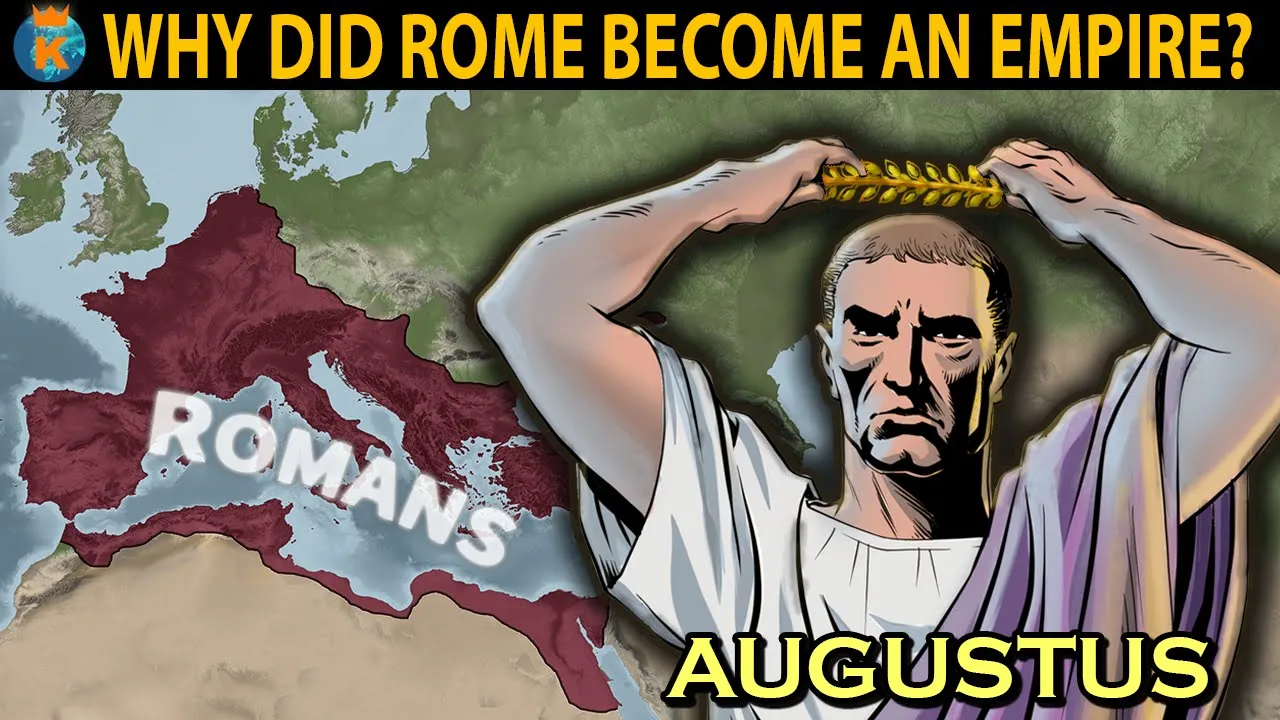
Why this video: This video details the political theater of January 27 BCE, when Octavian stood before the Senate, "returned" his extraordinary powers, and was subsequently awarded the honorary title "Augustus," laying the legal foundations of the Principate.
-
Knowledge Checkpoint:
- Explain the significance of the title Augustus and how it differed from titles like Dictator or Rex.
- Describe how Augustus managed provincial control by splitting provinces into "senatorial" and "imperial" categories.
- Analyze the division of military power under the First Constitutional Settlement.

-
Why this video: This video focuses on the political genius of Augustus, who avoided Julius Caesar's fate by cloaking his autocracy in the language of the Republic, ensuring the Senate felt respected while being stripped of actual legislative and military authority.
-
Knowledge Checkpoint:
- Explain how Augustus used the title Princeps ("First Citizen") to downplay his absolute monarchical power.
- Outline the constitutional crisis of 23 BCE that forced the Second Constitutional Settlement.
- Identify the two key powers Augustus received in 23 BCE: imperium maius (greater proconsular power) and tribunicia potestas (tribunican power), and explain why they were crucial to his absolute authority.

-
Why this video: This video segment examines the domestic pressures, natural disasters, and conspiracies of the early 20s BCE that pushed the Roman public to demand Augustus take on direct, autocratic power to restore stability.
-
Knowledge Checkpoint:
- Describe how Augustus responded to the food shortages and floods in Rome to secure the loyalty of the plebeians.
- Detail the legal fiction that allowed Augustus to exercise veto power over all magistrates without holding the annual office of Consul.
💡 Independent Legal Study Guide
While these videos cover the political theater of the Principate, they do not dive deep into the legal mechanics. To master this module, independently research:
- Tribunicia Potestas: Learn how holding this power gave Augustus personal sacrosanctity, the right to convene the Senate, and the power to veto any magistrate, despite being a patrician who was legally ineligible to be a tribune.
- Imperium Proconsulare Maius: Study how this gave Augustus overriding military command over all provincial governors, both in the imperial and senatorial provinces.
Module 4: Administrative, Military, and Social Reforms
This module covers Augustus' concrete reforms designed to rebuild Rome's civil society. You will explore how he standardized the military, reformed provincial administration to curb corruption, and introduced moral legislation (Lex Julia) to regulate marriage and family life.
-
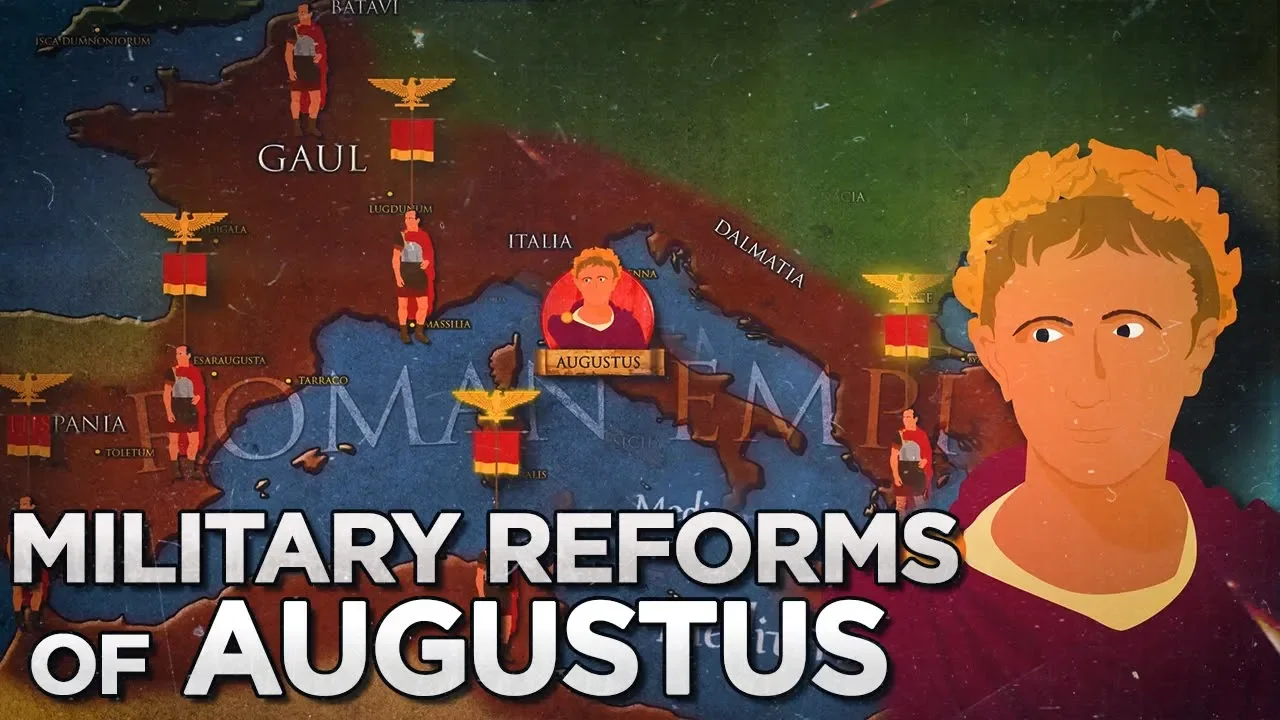
Why this video: This documentary shows how Augustus centralized and standardized the Roman military. He converted a chaotic, commander-loyal volunteer militia system into a permanent, professional standing army funded directly by the state treasury.
-
Knowledge Checkpoint:
- Explain how Augustus established the aerarium militare (military treasury) and how it was funded to secure retirement land/grants for veterans.
- Describe the formal structure, length of service, and salary of a standard legionary under Augustus.
- Identify the role and political significance of the newly created Praetorian Guard.
-
Why this video: This video analyzes the Lex Julia de Adulteriis and other moral/social laws instituted in 18 BCE. Augustus introduced these strict laws to reverse the perceived moral decline of the Roman elite and boost birth rates among patricians.
-
Knowledge Checkpoint:
- Describe how the Lex Julia criminalized adultery, transforming it from a private family matter into a state-prosecuted crime.
- Identify the financial and political penalties Augustus imposed on unmarried or childless upper-class citizens.
- Contrast how these laws were applied differently based on gender.
-
Why this video: This video explains how Augustus restructured Rome's administrative classes. He opened up civil service and provincial tax collector pathways to the equestrian class and freedmen, reducing the influence of corrupt senatorial governors.
-
Knowledge Checkpoint:
- Explain how the equestrian class was integrated into the administrative running of the Empire.
- Describe how Augustus changed the provincial taxation system to prevent local extortion.
🔍 Independent Study Search Suggestion
For a deeper look at provincial governance, search academic databases for: "Augustan census, provincial tax farming reforms, and the division of senatorial vs imperial provinces."
Module 5: Augustan Propaganda and the Golden Age of Rome
This module explores the cultural campaign Augustus launched to legitimize his rule. You will study how he used public architecture, visual arts (like the Ara Pacis and Augustus of Prima Porta), and commissioned literature (specifically Virgil's Aeneid) to project an era of peace and divine right.
-
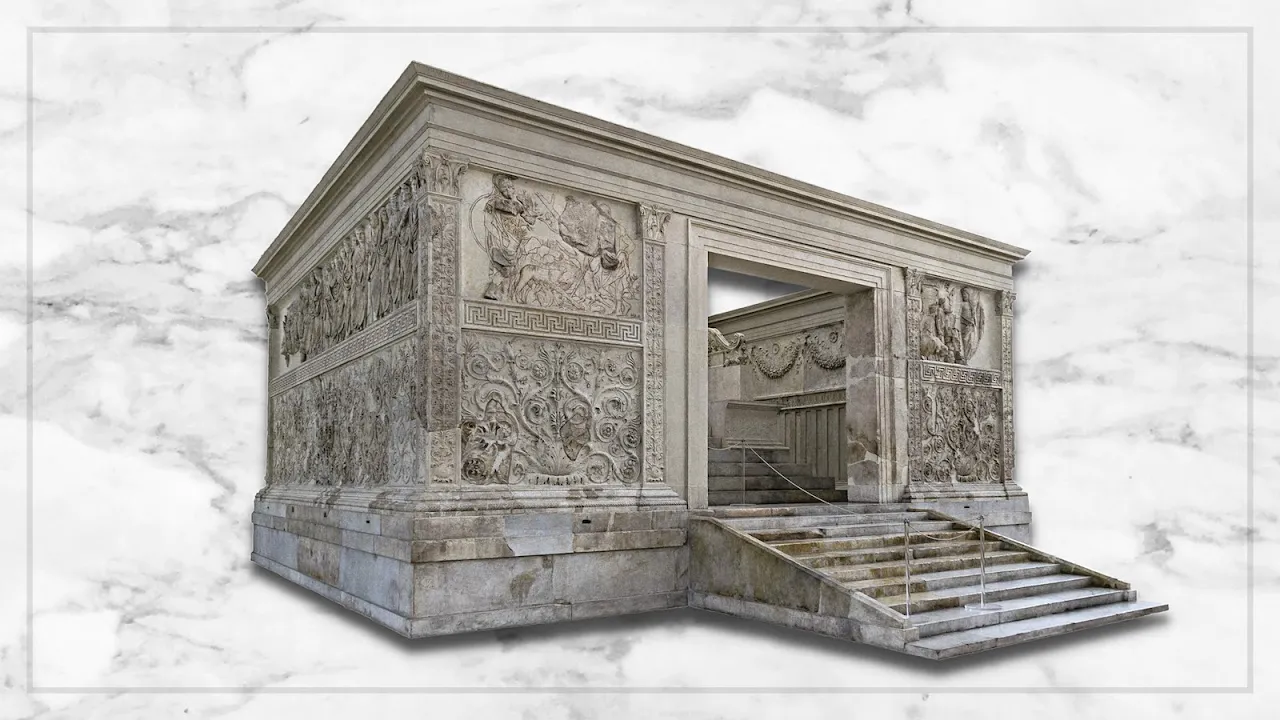
Why this video: This video analyzes the Ara Pacis Augustae (Altar of Augustan Peace). It highlights how the altar's relief carvings blended depictions of Augustus' family with traditional Roman deities to present the new regime as a natural, prosperous development.
-
Knowledge Checkpoint:
- Explain the symbolic connection the Ara Pacis makes between Augustan peace and agricultural abundance.
- Identify the mythological figures (like Aeneas or Romulus) carved onto the altar, and explain why Augustus wanted to be associated with them.

-
Why this video: This video focuses on the visual propaganda of the Augustus of Prima Porta statue. It highlights how the statue used youthful, idealized imagery rather than realistic, aged features to craft a long-lasting public image.
-
Knowledge Checkpoint:
- Describe how the Cupid at Augustus' feet in the Prima Porta statue references his claimed divine descent from Venus.
- Analyze the imagery on the statue's breastplate, focusing on the return of the lost Roman legionary standards by the Parthians.
-
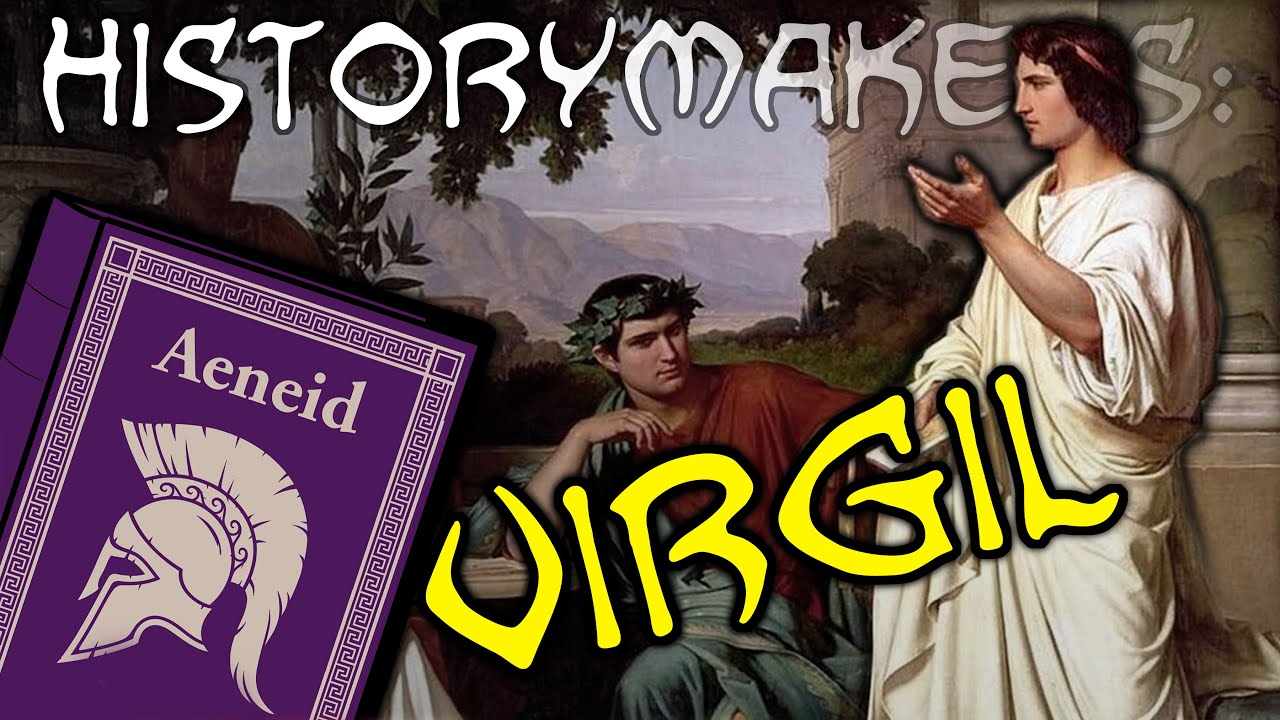
Why this video: This video explores Virgil's Aeneid, explaining how this state-sponsored epic served as literary propaganda by tracing Augustus' lineage back to the heroes of Troy and the gods.
-
Knowledge Checkpoint:
- Explain how Virgil's depiction of Aeneas mirrors the virtues Augustus wished to project (especially pietas).
- Discuss the theory that Virgil was conflicted about his work, evidenced by his deathbed request to burn the manuscript.
-
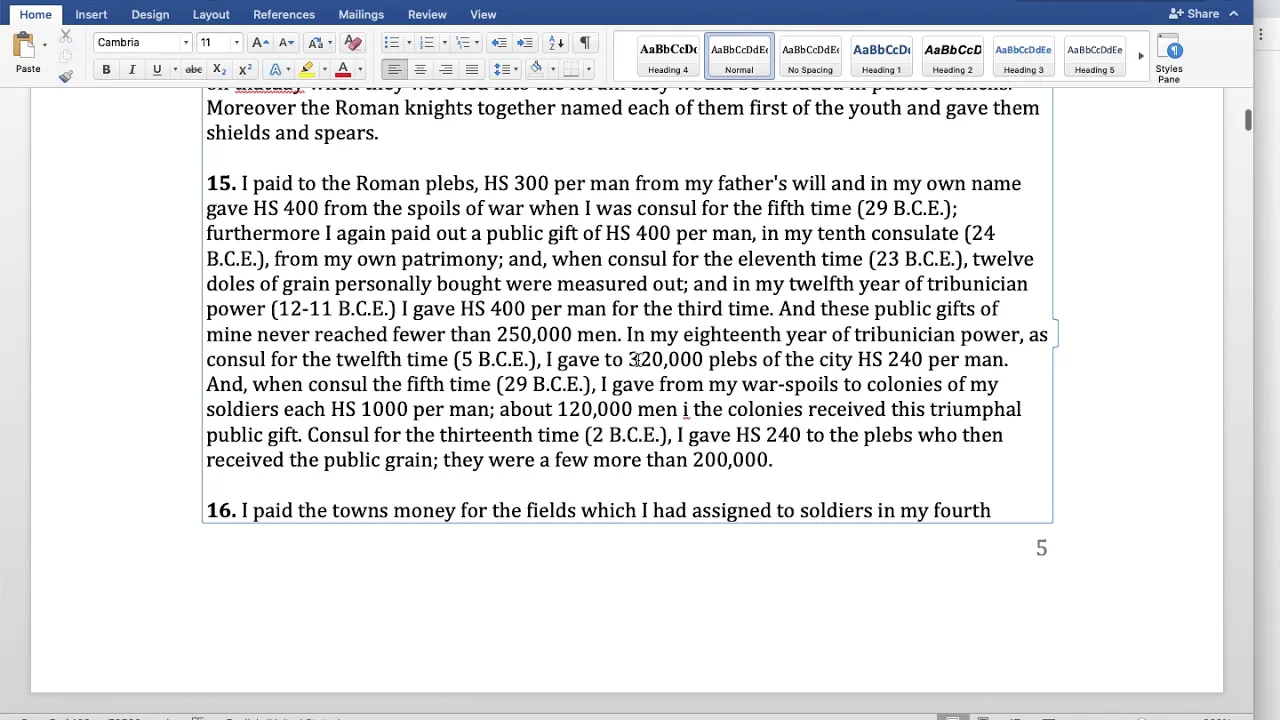
Why this video: This video reviews the text of the Res Gestae Divi Augusti (The Deeds of the Divine Augustus), written by Augustus himself to frame his legacy before his death.
-
Knowledge Checkpoint:
- Identify how Augustus describes his rivals (like Antony and Sextus Pompey) without using their names in the text.
- Detail how Augustus emphasizes his personal spending on public works and games to frame his rule as a generous gift to the Roman people.
-
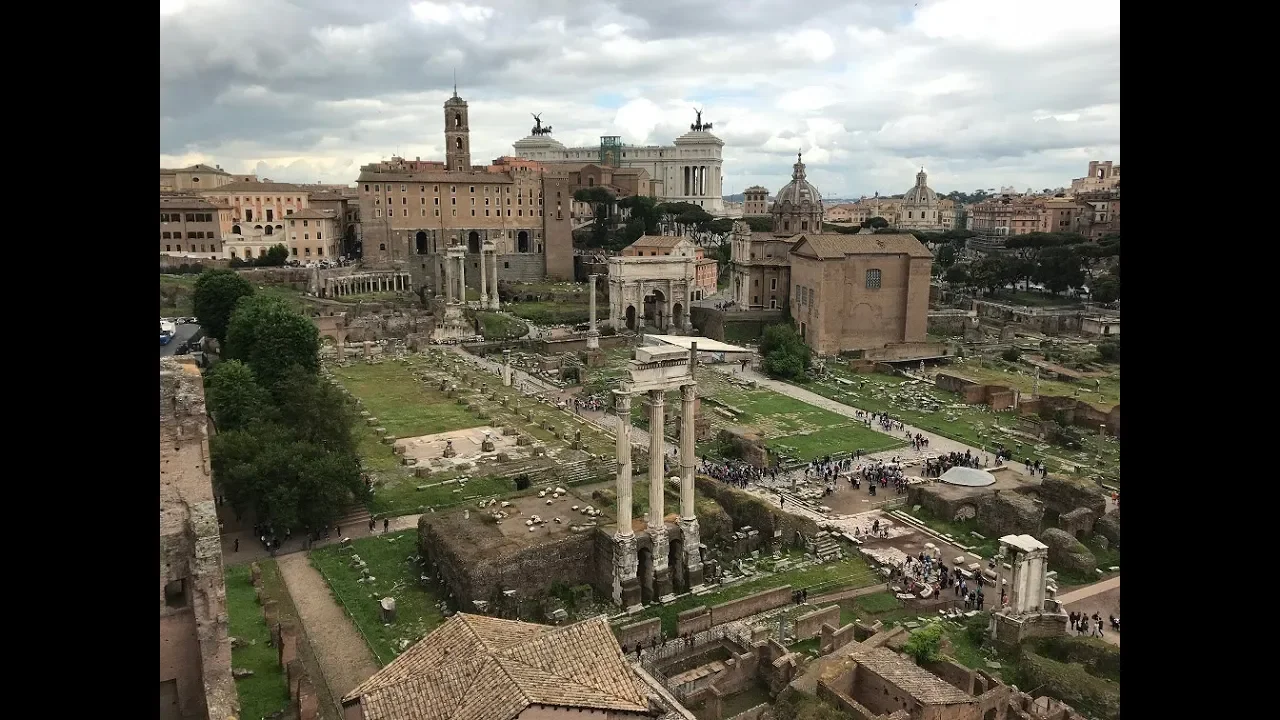
Why this video: A walking tour detailing how Augustus rebuilt Rome's physical landscape. He famously boasted that he "found Rome a city of bricks and left it a city of marble."
-
Knowledge Checkpoint:
- Detail how Augustus reorganized the layout of the Roman Forum to put his family's monuments at its center.
- Explain the political significance of the Temple of the Deified Julius Caesar and the Temple of Mars Ultor.
Course Map
Key People Index
- Marcus Vipsanius Agrippa: Augustus’ closest friend, general, and son-in-law. His military and engineering skills made Augustus' political success possible. He commanded the fleet at the Battle of Actium and oversaw major construction projects in Rome.
- Garrett Ryan, PhD (@toldinstone): Historian and author. He provides detailed tours and reconstructions of Rome’s physical transition from Republic to Empire.
- "Blue" (@OverlySarcasticProductions): Co-host and visual storyteller. He simplifies the complex political maneuvers and character conflicts of the Late Republic and early Principate.
- Virgil (Publius Vergilius Maro): Roman poet of the Augustan period. He was commissioned to write the Aeneid, the national epic that linked the origin of Rome to the Julian dynasty.
Final Self-Assessment
Complete this checklist to verify your understanding of Rome's transition from a Republic to an Empire:
- I can define Mos Maiorum and explain how its decay contributed to the fall of the Roman Republic.
- I can describe the political and military rise of Octavian, from his adoption in Caesar’s will to his sole rule.
- I can detail the naval strategy used by Agrippa to win the Battle of Actium in 31 BCE.
- I can explain the legal difference between the First Constitutional Settlement (27 BCE) and the Second Constitutional Settlement (23 BCE).
- I can define the terms Princeps, Imperium Maius, and Tribunicia Potestas, and explain how they were used to disguise a monarchy as a Republic.
- I can explain how Augustus reformed the Roman military from a volunteer militia to a professional standing army.
- I can describe the purpose and penalties of the Lex Julia moral laws.
- I can analyze the political and religious messages carved into the Ara Pacis Augustae.
- I can identify the symbolic details on the breastplate of the Augustus of Prima Porta statue.
- I can explain how Virgil’s Aeneid served as literary propaganda for the Julio-Claudian dynasty.
- I can summarize how the Res Gestae Divi Augusti framed Augustus' political legacy.