
















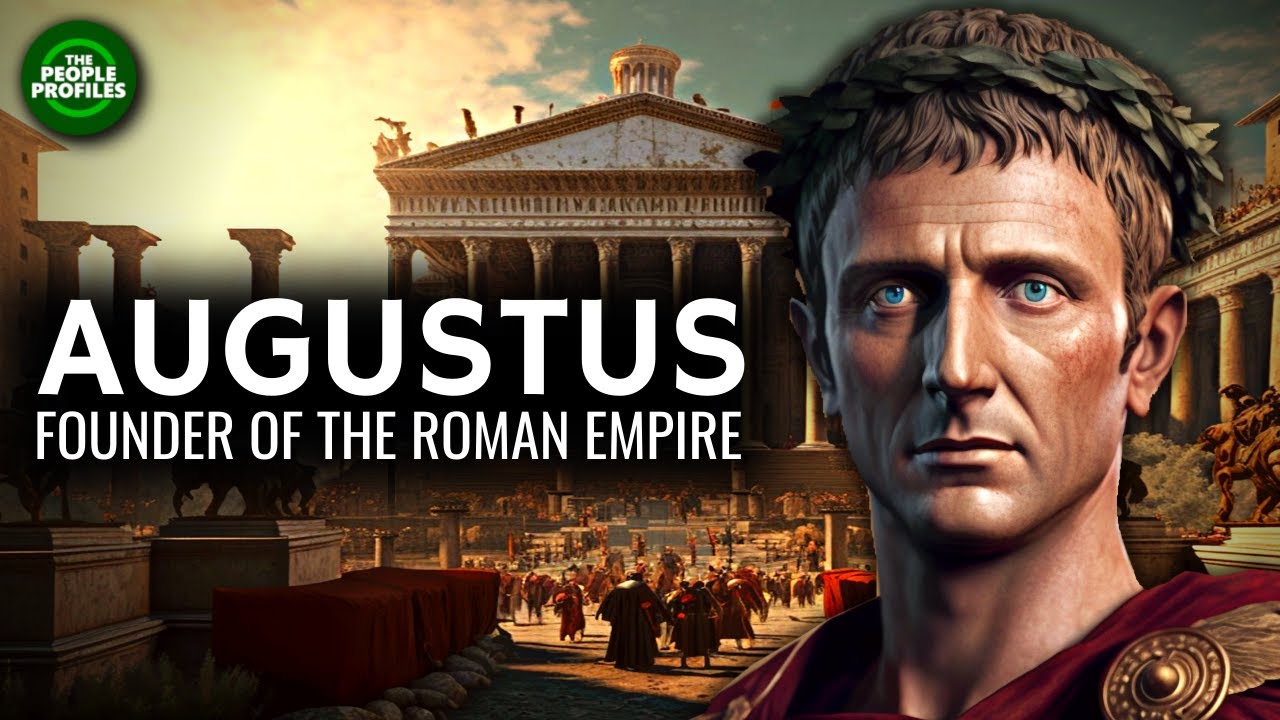
![485 - Augusto e l'origine dell'Impero (Imperatores 1) [Pillole di Storia]](https://i.ytimg.com/vi/lfGvNDIzJAY/maxresdefault.jpg)

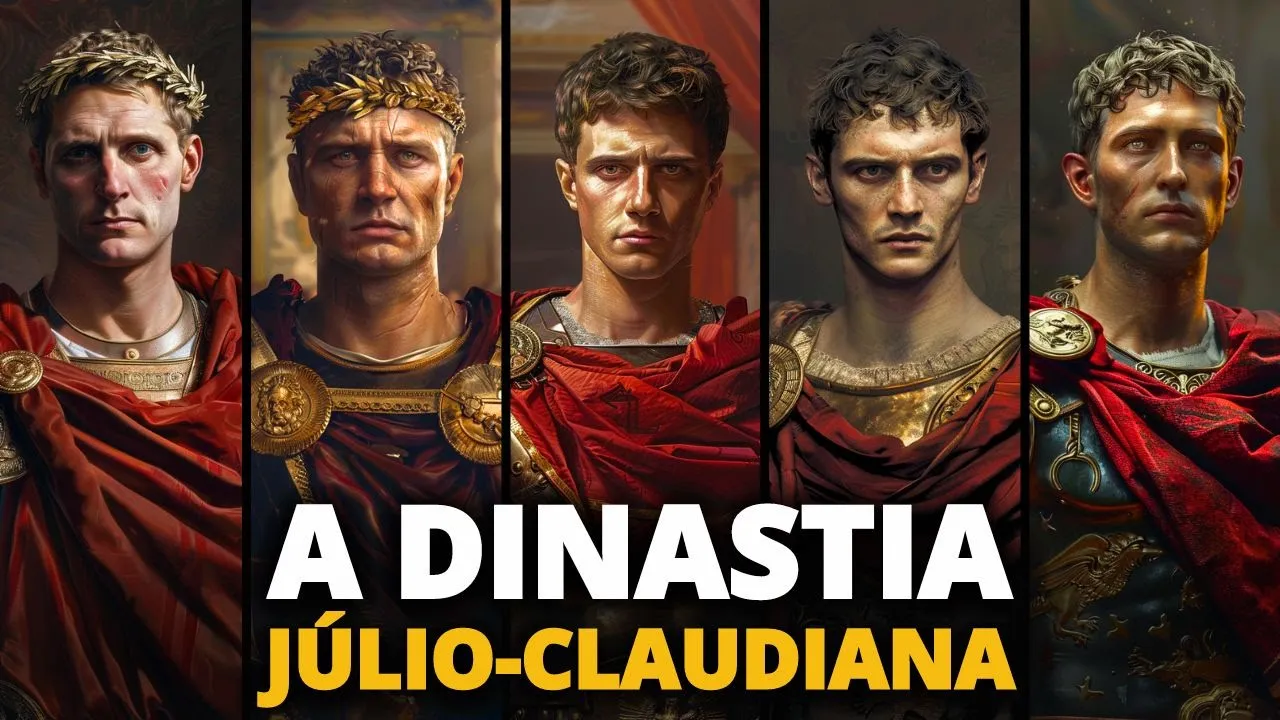
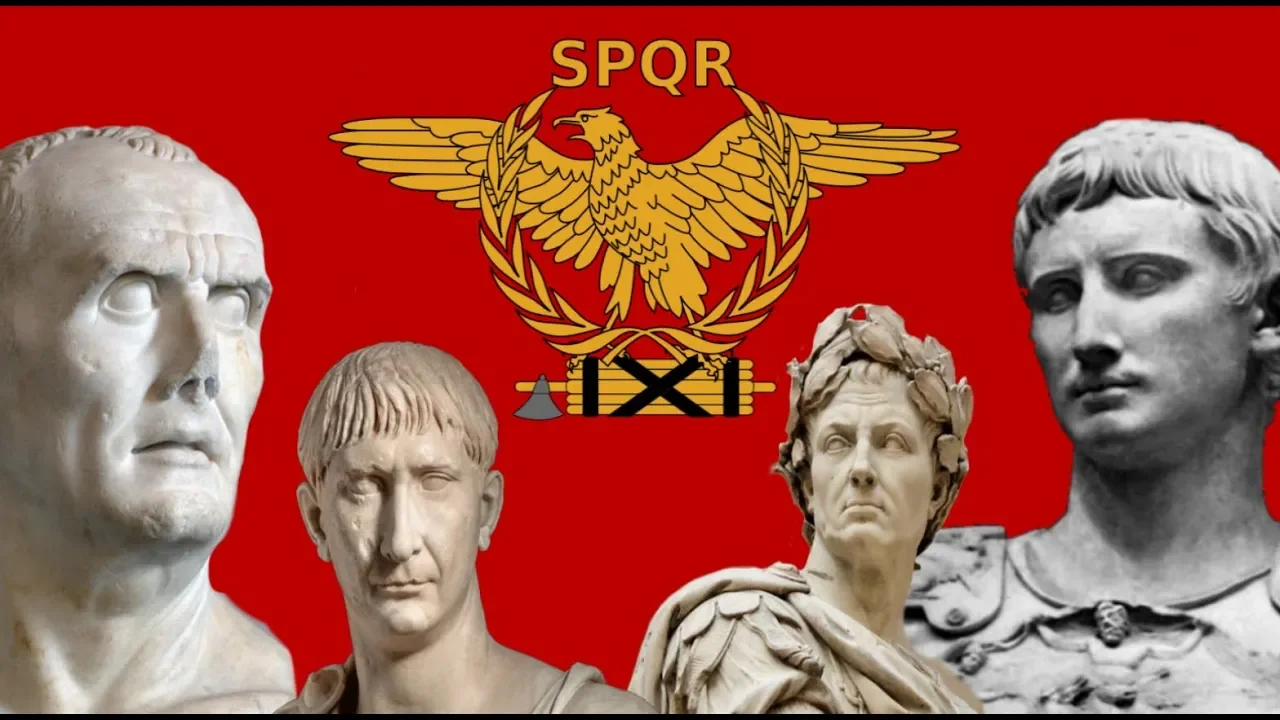
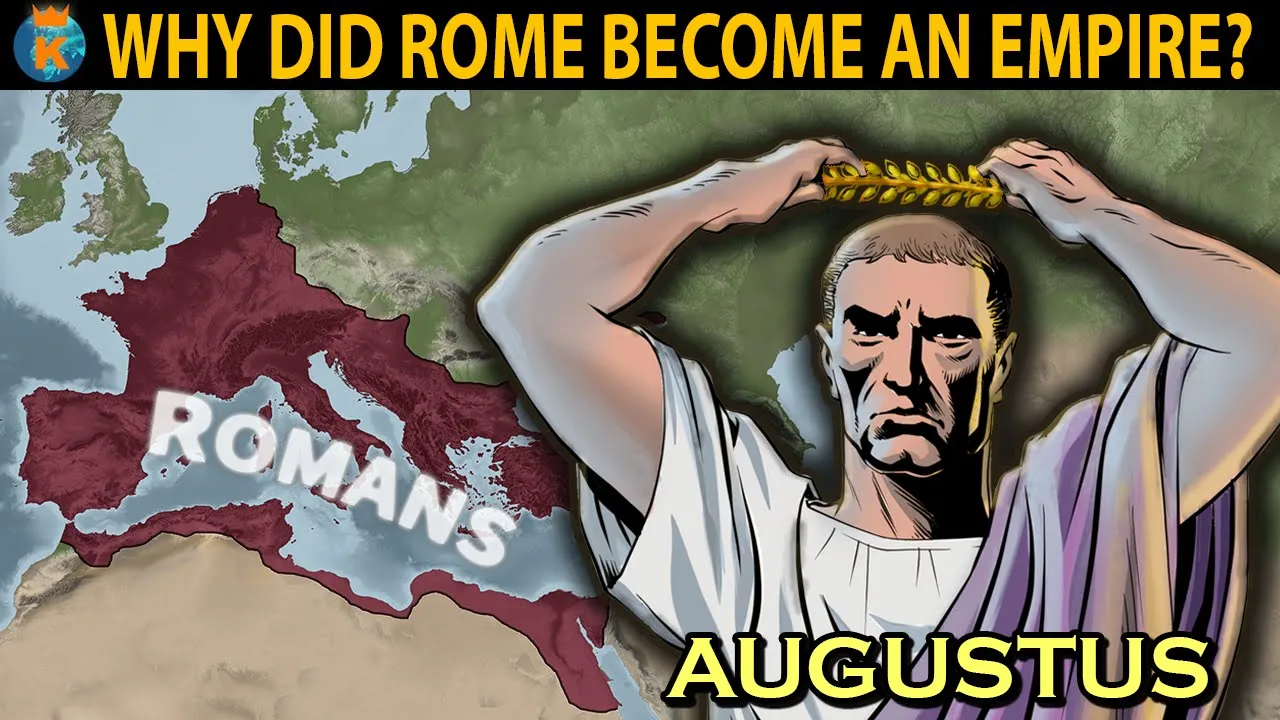
In the aftermath of Julius Caesar's assassination, the Roman Republic descended into civil war as Octavian, Mark Antony, and Lepidus formed the Second Triumvirate to divide the empire, but Octavian ultimately defeated Antony at the Battle of Actium in 31 BC through superior strategy, propaganda warfare, and the effective use of his advisor Marcus Agrippa, thereby ending the Republic and establishing the Roman Empire under his new name Augustus.
Augustus vs Antony: The Final War of the Roman Republic
Added:The political structure of the late Roman Republic, including the roles of the Senate, consuls, and the rising power of military commanders.
The assassination of Julius Caesar in 44 BC and the immediate political instability and civil unrest that followed in Rome.
The formation, legal basis, and ultimate collapse of the Second Triumvirate comprising Octavian, Mark Antony, and Lepidus.
The geopolitical significance of Ptolemaic Egypt, its wealth, and the strategic alliance between Cleopatra VII and Mark Antony.
The constitutional settlements of 27 BC and 23 BC, which officially established the Roman Principate and transitioned Rome from a Republic to an Empire.
The institutional and administrative reforms of Augustus that initiated the 'Pax Romana' (a 200-year period of relative stability).
The political use of art, literature (such as Virgil's Aeneid), and monumental architecture to legitimize Augustus's imperial rule and legacy.
The succession challenges of the Julio-Claudian Dynasty and how future emperors inherited absolute power.
566.4K views13.7Klikes13:46Original Release: 2018-04-06
In the wake of Caesar's assassination Roman politics got even weirder than they were in the century beforehand Which given the persistence and pervasiveness of the civil wars is really saying something. You can check out this video on Octavian's early career here to get the full rundown but the gist is that after all of the kingy stabby killing the assassins held onto nearly half of the Mediterranean, while forces vaguely loyal to Caesar's corpse kept the western portion more or less under control. Some prominent caesareans including the young Octavian Caesar Marcus Antonius and one Marcus Lepidus buddied up to take on the assassins and defeated them at the Battle of Philippi in 42 BC, two years after Caesars death from there the triumvirate as it was called split the Empire up into thirds (halves) between them and called it a day, as the collective Roman citizenry hoped really really hard that it wouldn't explode into another war for at least a week or two. Well bad news kiddos. The Roman Republic has been living on borrowed time for over a century by this point already So realistically we're looking at four maybe five minutes tops before it all crashes down Fun times, right?
let's do some history. The period of peace after the defeat of the assassins and the gutting of the anti-cesarean members of the Senate in the notorious prescriptions was an uneasy one to say the least memories of several different battles fought Italian fields burned and drenched in roman blood and family members killed were swirling in everybody's minds so a lot of people were unconvinced that they were looking at a long term solution.
In poetry this period is known as the great fear when everyone was really anxious about civil wars fearful You would say and a hundred percent certain that there would absolutely be more of them Rome's greatest poets at the time Horace and Virgil both acutely touch on the constant fear felt by the populace And as it happens the poets were pretty much right about the big bad specter of civil war. In the east Antony had been consolidating his power by striking up alliances with nearby monarchs in a bid to accumulate money and military might for his planned campaign to Parthia.
But perhaps most importantly he pulled a Caesar and sauntered over to Egypt to schmooze with Cleopatra. In the West, Octavian had a lot of problems. His land reforms got the sympathy of his legions but proceeded to alienate the rest of Italy pretty handily because that's kind of what happens when you confiscate people's land and give it to your army instead. In 40 BC Antony's wife Fulvia led a revolt against Octavian and very briefly captured Rome. Octavian then pushed them out to Gaul and quashed the rebellion, after which he sacrificed 300 of the conspirators - not imprisoned, not even executed - sacrificed.
Octavian performed human sacrifices on fellow Romans on the altar of the deified Julius Caesar on the anniversary of his death. In the ancient world a lot of animals got sacrificed But when it comes to humans and especially fellow Romans, Romans did not do that.
So I'm just gonna put this one up next to mass murder of innocents on the list of stuff Octavian does that makes me deeply distressed. Now the golden rule of late Republican Rome is that anyone named Pompey is guaranteed to be a colossal pain in the butt for anyone named Caesar, and that's definitely the case here. Sextus Pompey, son of Pompey the headless had been tooling around in the Mediterranean for the better part of eight years following Caesar's assassination, blockading ports and regularly cutting off Rome's food.
Octavian was understandably miffed about this but couldn't really do anything about it Since Pompey had Senate sanctioned control of Rome's entire Navy.
Even though the triumvirate was able to defeat the assassins a few years beforehand in a land battle They were practically powerless against the only real Navy in the Mediterranean Technically Egypt had a pretty great Navy too, but they don't count because they're you know Not Roman, and also Cleopatra was solidly in the Mark Antony camp and would not have helped out Octavian anyway After a treaty broke down and Pompey inflicted a humiliating defeat on Rome Octavian's general and all-around badass right-hand Man, Marcus Agrippa proceeded to take matters into his own hands by holding up a navy of his own from scratch The problem was that with Pompey controlling the Seas Agrippa's forces couldn't train how to sail in open waters without threat of being immediately murderized so the madman digs a lake in the middle of Italy and uses it as a makeshift naval base to train up a fleet which proceeded to demolish Pompey's Navy because Agrippa is a military God. My head canon is that Agrippa, equipped with nothing but a bucket, a shovel, and a mission dug the whole lake himself in a night But archaeological evidence has yet to corroborate my rock-solid bullet proof hypothesis Still working on that one After a grip of solo carry against Pompey Lepidus attempted to seize Sicily for himself after which Octavian said, whoa whoa whoa, who let you leave the house and immediately ejected him from the triumvirate, confining him to the priesthood. Was this You know legal? Ehh?
So then there were two. Moving on now on paper They were cool because Antony had married Octavian sister Octavia after his wife Fulvia casually revolted against Rome But in 32 BC he divorced her and officially married Cleopatra confirming what everyone in Rome knew was happening for the better part of a decade.
Observant viewers will recall that this is at just about the same point in the story of Caesar and Pompey when hostilities started Flaring up between them on account of them not being in-laws anymore so, um There's that. It's around here that things start going downhill really fast The Mediterranean was shaping up to end in a violent showdown between the muscular military man Antony and the super scrawny Strategist Octavian. 32 BC started off with the years two new Consuls delivering what was apparently a devastating verbal smackdown against Octavian in the Senate. The next day Octavian showed up in the Senate with armed guards This was a strong statement, not to mention a gross violation of traditional rap battle protocol, after which part of the Senate bailed to go join up with Antony in the east.
You'll have to forgive me. It's a little bit hard to hear with this massive echo in the history anyway Unfortunately for the Senators, they found that Antony's half of the Republic was kind of suckish so a few defected back to Octavian in the confusion Octavian sneakily got ahold of Antony's will which among other things included the neat little fact that Antony wanted to be buried in Egypt with Cleopatra And he'd bequeathed entire Roman provinces to his children with her. Not only was this distinctly kingly behavior on his part it was kingly behavior in service to a foreign state at Rome's direct expense. Octavian of course pounced on this like a cat on an expensive-looking vase and waged an intense propaganda war against Antony, branding him as having been bewitched by scary foreigner Cleopatra and forgetting how to be properly Roman Octavian by contrast painted himself as the pinnacle of Roman-ness, as his family heritage traced back to the epic hero Aeneas and the settlement of Rome itself Insofar as anyone could trace anything when it came to ancient genealogy Coincidentally just as soon as Antony's will was exposed Octavian also began construction of a giant mausoleum for himself right on the banks of the Tiber River in Rome hem hem cue symbolism fight But perhaps the most important message that Octavian pushed was that Antony had become a slave to Cleopatra By framing the problem as Antony was corrupted by this evil foreign Queen and her probably mind control boobs He neatly avoided the touchy subject of Civil War Control over the narrative was key and Octavian had it. When he entered into war with Antony in 32 all of Rome was convinced that the prime antagonist was Cleopatra And didn't think that Octavian was making a power play to seize the whole of Rome for himself But no time to worry about the complex political implications of large-scale conflict because off to war we go Octavian's controversial land redistribution scheme from a decade earlier paid dividends when he was able to take the loyalty of several entire Legions to the bank all at once and once again Agrippa mahboy comes in clutch first he prevented Antony from sailing from his base in Greece to Italy which would have been a very bad time for Octavian and friends because Rome was not a long march away. After that Antony and Cleopatra's armies set up camp at Actium in Northwest Greece. With his supply chain running down to the isthmus of Corinth and through to Egypt Agrippa because awesome is his middle name Proceeded to intercept and cut off Antony's supplies at Corinth and then blockaded him into the Bay of Actium, forcing a battle. While dozens if not hundreds of poems have been written to commemorate Actium. I'm not sure there's ever been a bigger Anticlimactic letdown in all of Roman history. Can I heartbreak Zama drama?
everything that Caesar did in Gaul bad-ass Actium meh. For how consequential of a battle it is. It's shockingly uninteresting. All of the actual cool stuff happens before the battle. Agrippa laid on the moves to force the fight and then after that Cleopatra and Mark Antony decided that leaving and losing was better than being captured and probably killed because honestly fair, so they broke the blockade and bailed. After the battle, everyone just went home.
Octavian went back to Rome to tidy up the state and deal with the bread famine and Antony and Cleopatra went back to Egypt army-less but alive. The next year Octavian came to a defenseless Alexandria. Sources are all over the place But the general gist is Antony killed himself Octavian tried to get Cleopatra to come to Rome to be a fixture in Octavian's triple triumph and Cleopatra pulled a Dido by giving Rome the finger through a gratuitous suicide. Which, good for her, I think?
Girl power?
I'll have more to say about Cleopatra soon but for now, she just got the really short end of the Civil War stick In any case now that our boy Octavian had cleaned up at Actium, annexed the Duat out of Egypt, and did who knows what with the bodies of Antonius and Cleopatra the totally not a civil war civil war was won and Rome was finally at peace Yay given the straight century of world-spanning Civil war that Rome had just gone through it should be no surprise that people were really glad about this in the years that followed Octavian consolidated power under the guise of restoring the Republic even though most people knew and honestly didn't care because they were either glad the civil wars were over in general or were among the two-thirds of the Senate that Octavian himself installed also to mark his new position. He changed his name to Augustus meaning the increased one He almost changed it to Romulus, and then he decided to not give historians everywhere a giant headache. So, thank you again And that's the near immediate collapse of the triumvirate and the final war of the Roman Republic.
Bottom line is that while Mark Antony was a very dangerous adversary who could have won had he paid more attention to his wits instead of his girlfriends, um let's say eyes, Octavian had the board tilted in his favor from day one Not only was Octavian a superior strategist but he got the most use possible out of his advisors, finding by far the best general of the day and badass extraordinaire Marcus Agrippa, and winning a crucial propaganda war thanks to his friends Maecenas, Rome's biggest patron of poetry in the arts.
Octavian's victory goes to show that clever strategy on and off the battlefield Means more than sheer numbers. Stick around for next time as we see what the reign of Augustus Ended up actually looking like and how on earth he actually went about permanently reshaping Rome as an imperial monarchy.
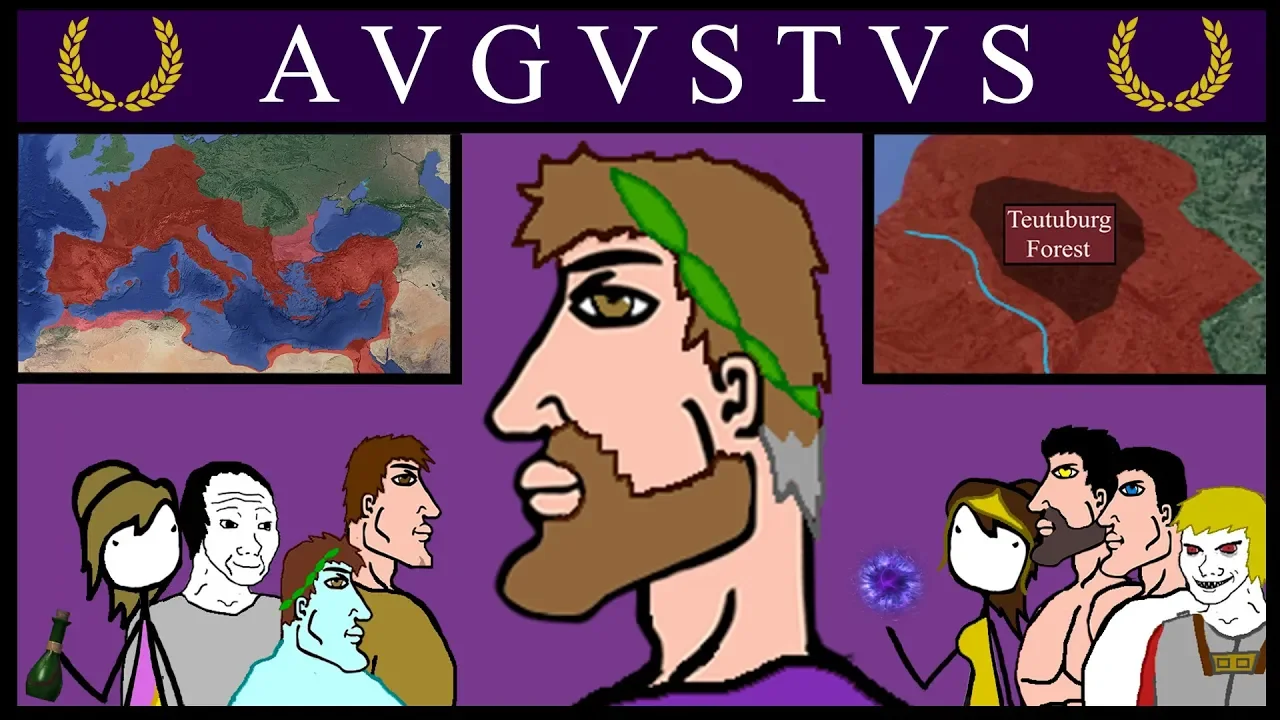
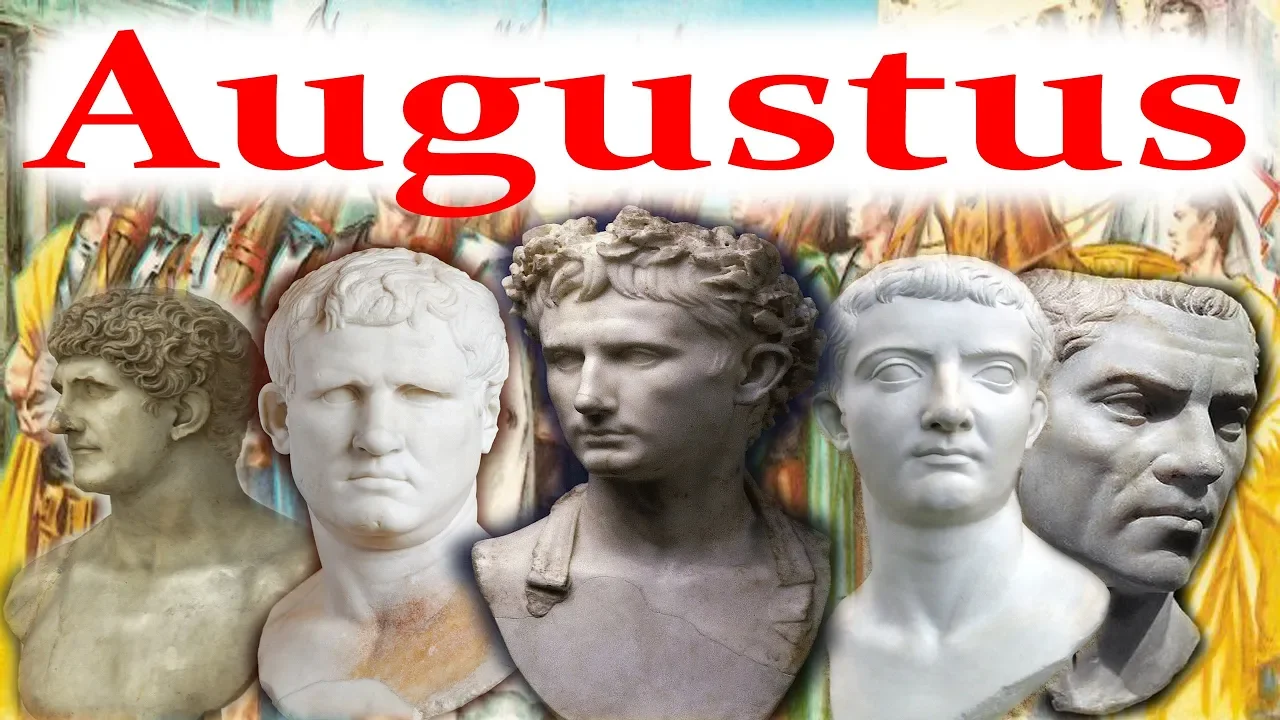
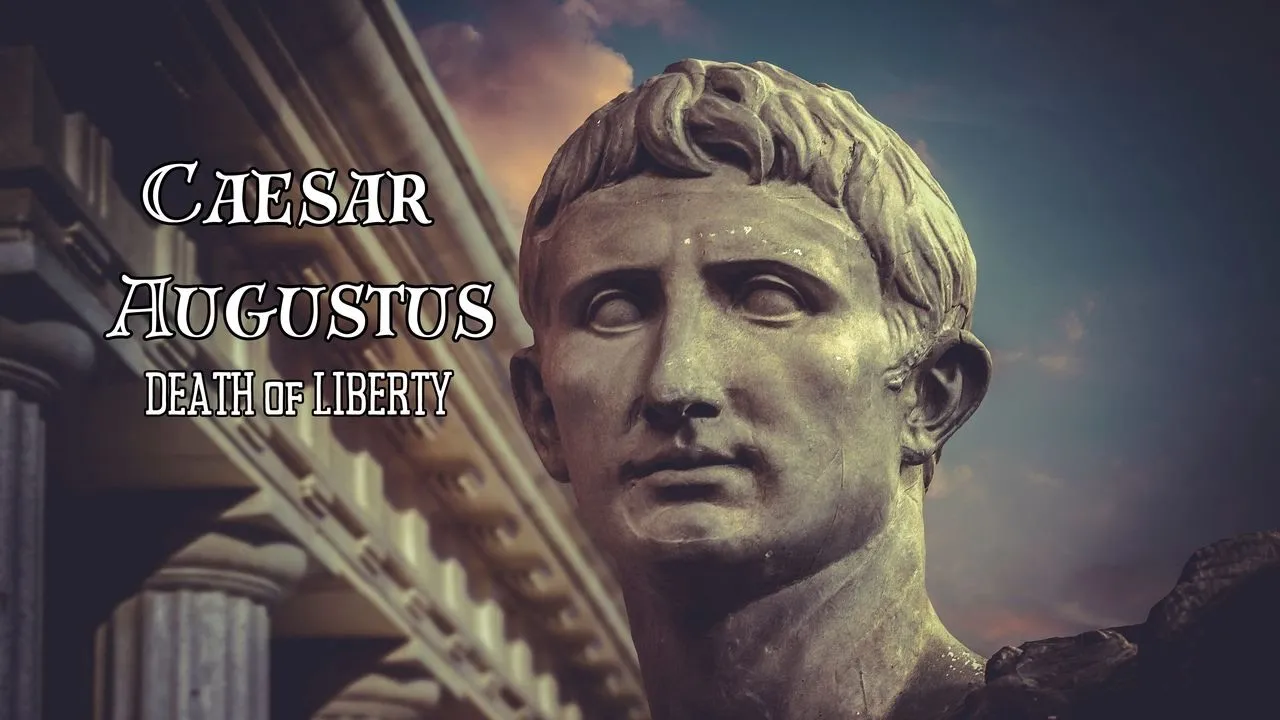
But before we go, let's take a minute to appreciate the crisp clean shaven features of our boy Augustus, whose mind was amazingly sharp. Almost as sharp as the quality razors you can get if you sign up for this video's Sponsor Dollar Shave Club. Boom Segue. if you want to get a nice clean shave the razors are usually pretty expensive And if you don't want to pay a lot you often end up getting rubbish razors that cut your face up real bad. I Have been there. It is unpleasant And in either case you have to go to the store gross But what if I told you that you could get monthly supplies of quality razors delivered right to your house for just a few bucks A month if you're like me and sick of the nonsense of the store now is the time to try out Dollar Shave Club For a limited time DSC is offering up their daily essentials starter set to new members for only $5 this starter set features their executive razor in three trial sized versions of their most popular Products that help you stay fresh and clean in your first box You'll receive their shave butter body wash and one wipe Charlies butt wipes You'll also get their executive razor which includes their premium weighty handle and full cassette of cartridges After the first box replacement cartridges are sent for only a few bucks a month right to your door It really doesn't get much better than that. This offer is exclusively available at dollarshaveclub.com/osp that's dollarshaveclub.com/osp If you want to get yourself a rugged jaw line that can cut the Roman Republic in half. Just like our old pal Caesar. I Honestly cannot help you with that But if you want to get yourself a nice quality shave at a low price Dollar Shave Club has you covered.
Up Next
3:47
Forum of Augustus: Marble Masterpiece of Ancient Rome
@AncientRomeLive
10.2K views•2016-02-11

33:02
The Great Schism of 1054: Causes and Consequences
@SacredCathedrals
113.5K views•2026-02-19
12:17
Virgil: The Poet Who Forged Roman Identity in the Aeneid
@OverlySarcasticProductions
429.1K views•2022-10-14
17:05
Understanding the Cold War: Superpower Conflicts and the Road to Détente
@OverSimplified
46.1M views•2019-01-24
Related Study Plans & Knowledge Roadmaps
Structured learning paths in History
history
Byzantine Iconoclasm: Theology, Art & Politics
01Foundations of Byzantium and Early Christian Images
02The First Iconoclasm: Leo III and the Crisis of Images
03Empress Irene, Nicaea II, and the Second Iconoclasm
+ 2 more learning modules
9h5 modules
Explore Roadmap
history
Iranian Revolution (Causes, Events & Legacy)
01The Pahlavi Dynasty and the Roots of Discontent
02The Spark of Rebellion and the Rise of Khomeini
031979: The Fall of the Shah and the Climax of the Revolution
+ 2 more learning modules
8h5 modules
Explore Roadmap
history
Mali Empire: Mansa Musa, Trade & Timbuktu
01Foundations of the Mali Empire
02The Trans-Saharan Gold and Salt Trade
03The Reign and Pilgrimage of Mansa Musa
+ 1 more learning modules
6h4 modules
Explore Roadmap
history
1947 Partition: Politics, Borders & Legacies
01Foundations of British India and the Divide
02The Political Negotiations and the Mountbatten Plan
03Drawing the Boundary: The Radcliffe Line
+ 2 more learning modules
8h5 modules
Explore Roadmap