









![485 - Augusto e l'origine dell'Impero (Imperatores 1) [Pillole di Storia]](https://i.ytimg.com/vi/lfGvNDIzJAY/maxresdefault.jpg)




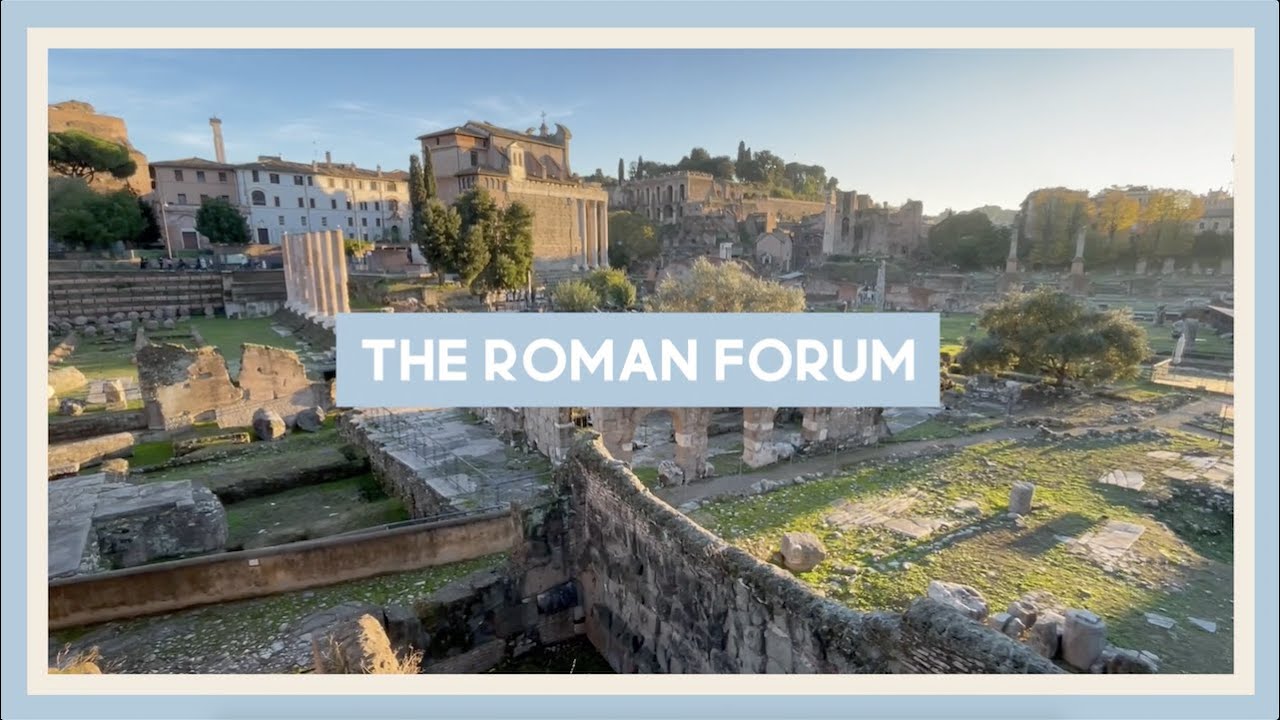
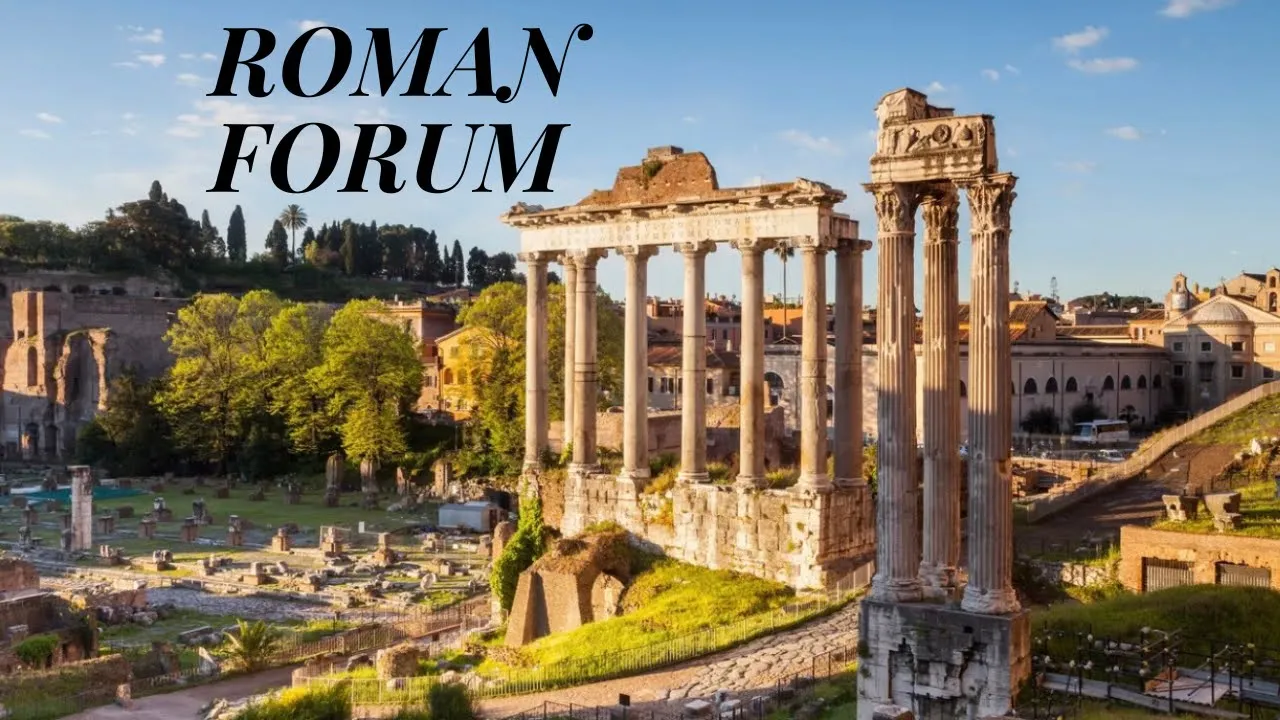
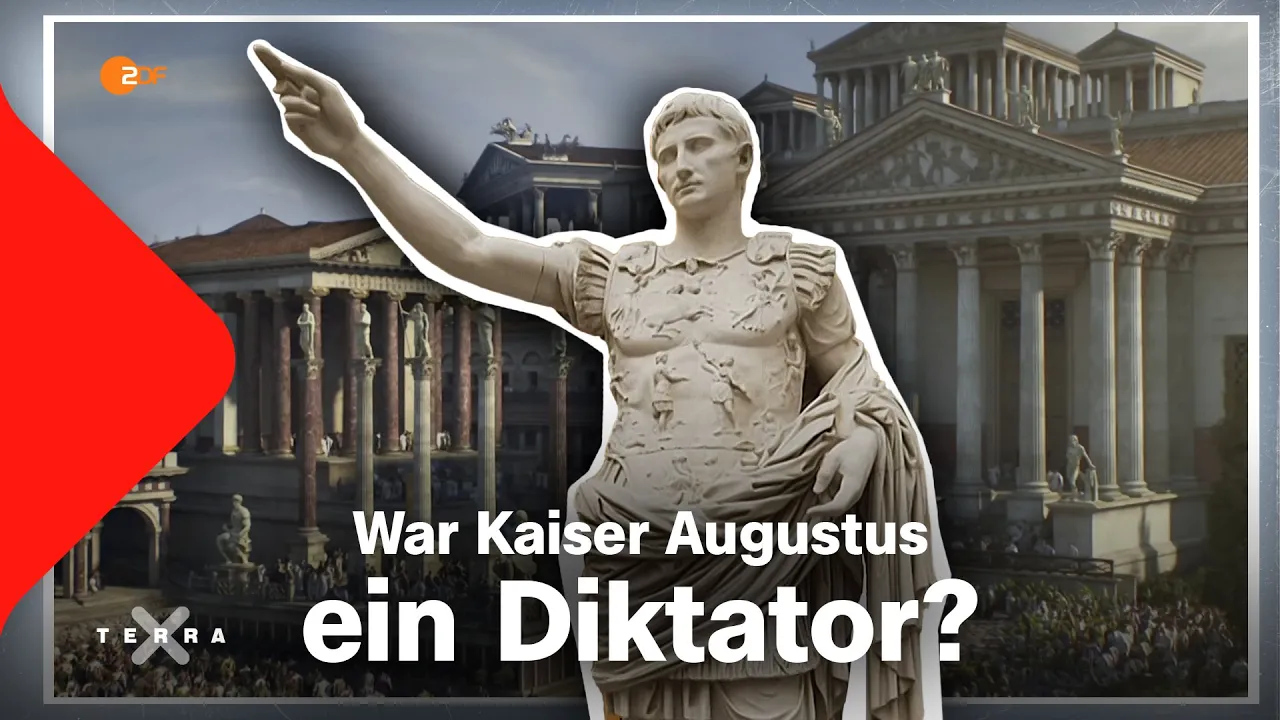
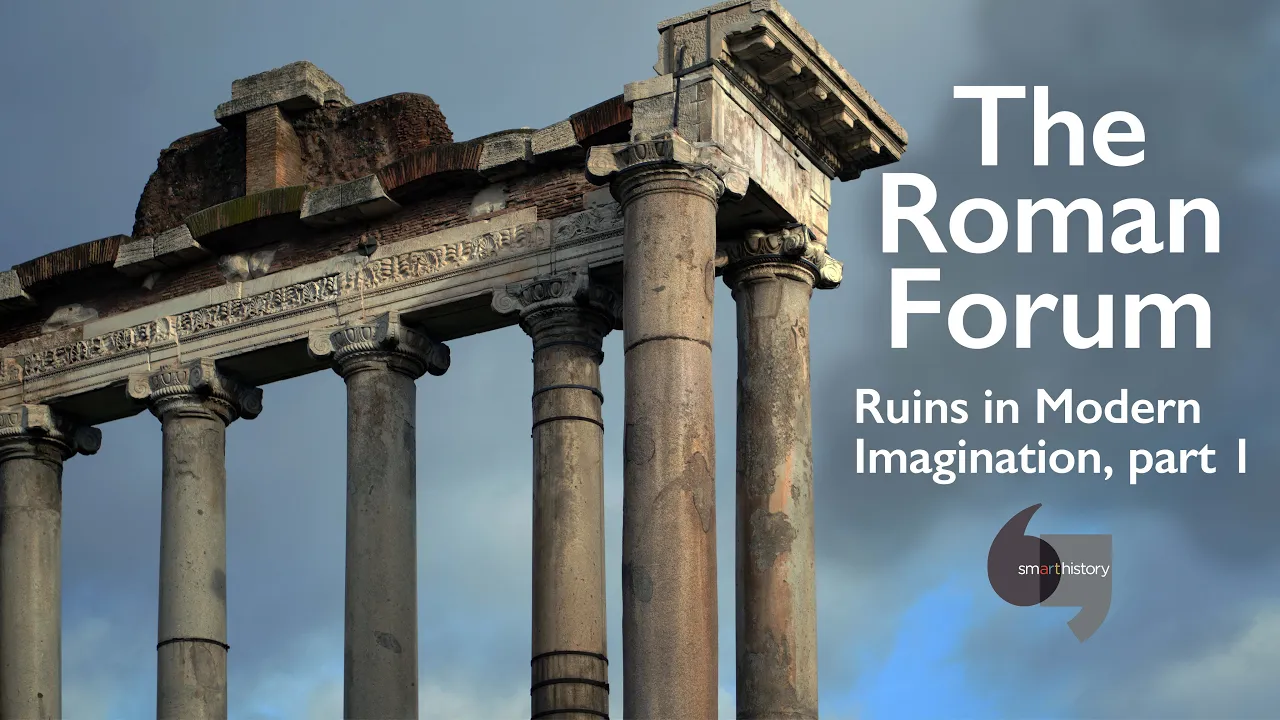
The Roman Forum during Augustus's reign (44 BCE - 14 CE) represents the transition from the Roman Republic to the Imperial era, where Augustus established a system of autocratic rule disguised as republican restoration; this transformation is visible through key architectural and political landmarks including the Curia (Senate meeting hall), Basilica Julia (legal and commercial center), Rostra (speaker's platform), and the Temple of Divus Julius (dedicated to deified Julius Caesar), all rebuilt or constructed by Augustus to legitimize his power while maintaining traditional Roman institutions.
Roman Forum Walking Tour: Age of Augustus History
Added:The political collapse of the Late Roman Republic, including the rise and assassination of Julius Caesar and the subsequent civil wars.
The physical and symbolic layout of the Roman Forum as the civic, religious, and political heart of the city.
The concept of the 'Principate' and how Augustus consolidated absolute power while preserving the illusion of traditional Republican offices.
An understanding of Roman patronage and how art, literature, and monumental architecture were utilized as tools of political propaganda.
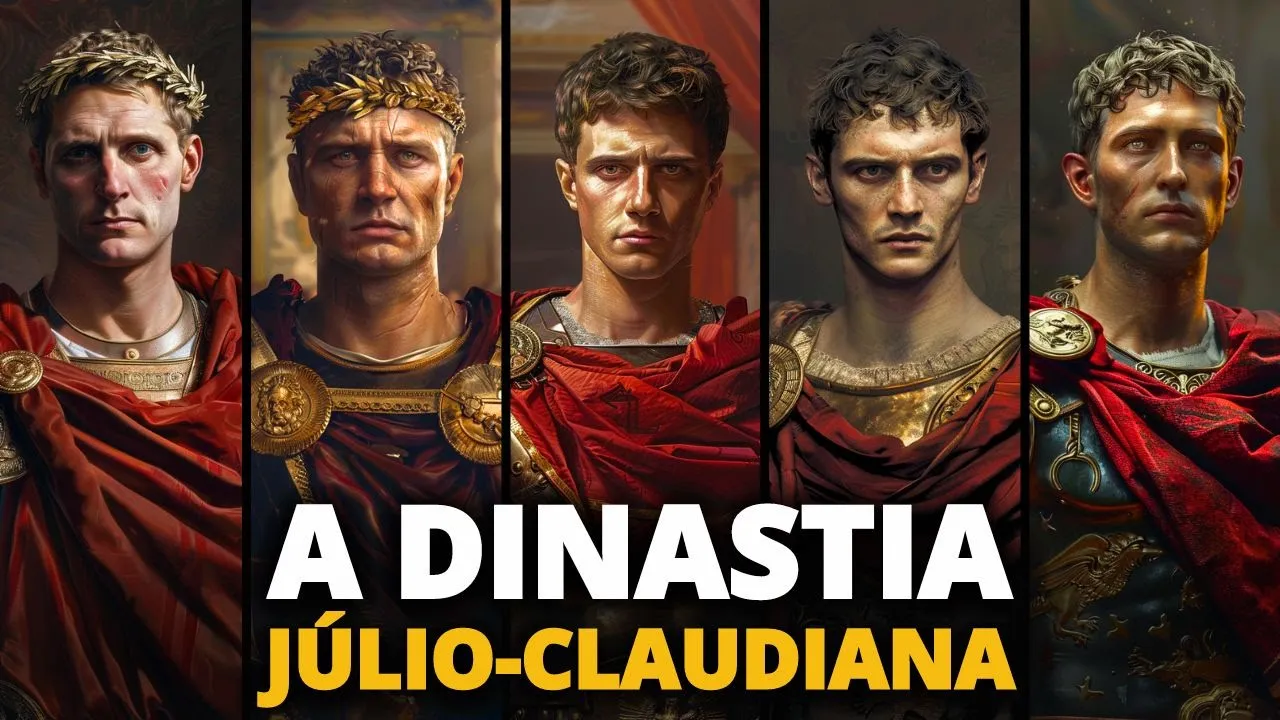
The succession of the Julio-Claudian dynasty and how subsequent emperors managed the constitutional framework established by Augustus.
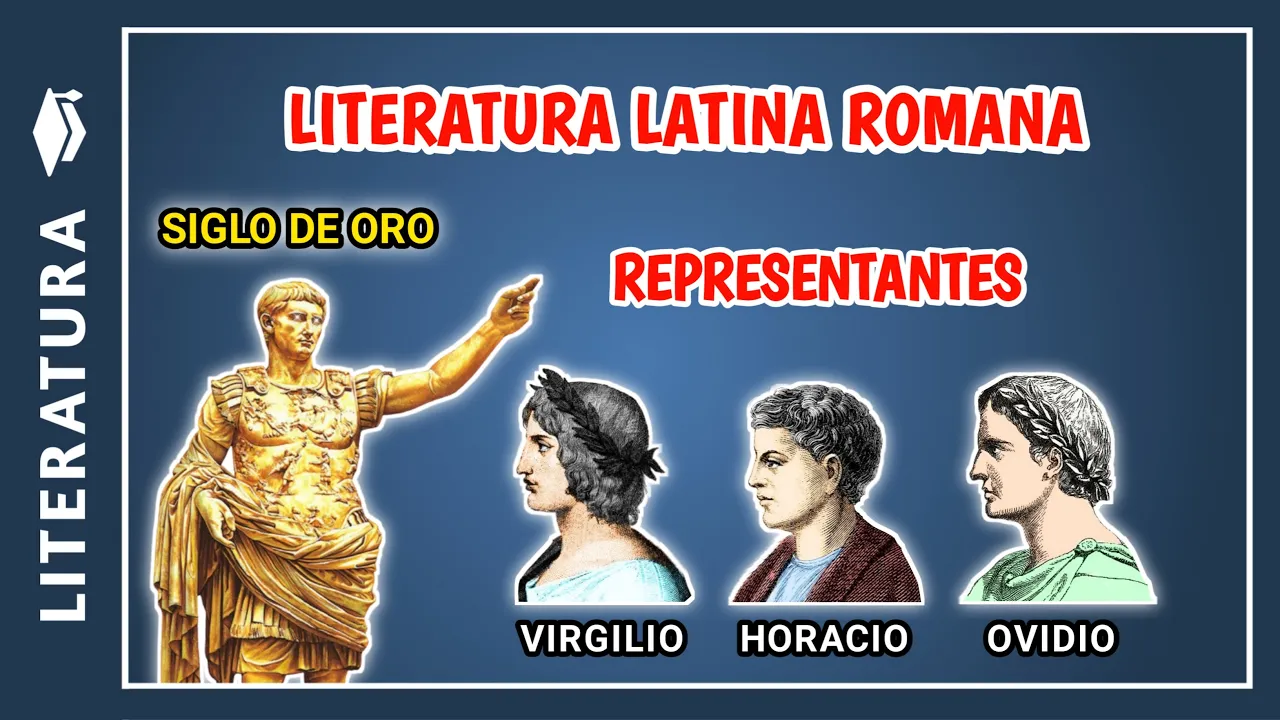
The literary achievements of the Golden Age of Latin literature, particularly the works of Virgil, Horace, and Ovid, and their alignment with Augustan ideals.
The architectural expansion of Rome through later Imperial Forums, such as the Forums of Augustus, Nerva, and Trajan.
The archaeological history of the Roman Forum, tracing its decay in the Middle Ages to its rediscovery and excavation in the 19th and 20th centuries.
211.1K views3.4Klikes38:03Original Release: 2018-10-18
welcome to the roman forum in the age of Augustus a walking tour created foretold in stone calm my name is Garrett Ryan I earned my doctorate in Greek and Roman history from the University of Michigan and have taught in the history and classics departments of several universities I wrote this tour to help visitors understand the Roman Forum even with a good guide book it can be difficult to see the forum as more than a few acres of unshaded rubble and many visitors simply hurry through on their way to more dramatic sights my goal is to bring the forum to life by exploring the powder played in the age of Augustus arguably the most fascinating and pivotal period in Roman history the political career of Augustus the first Roman Emperor lasted nearly 60 years it began in 44 BCE when the future Augustus was a sickly boy of eighteen known if at all as the great nephew of Julius Caesar by the time it ended Augustus was nearly 80 and his name was known and respected from England to India the imperial system he established over the course of his long reign set the pattern for the rest of Roman history and profoundly influenced the evolution of Europe Roman emperors would reign over some part of the Mediterranean world for incredible 15th centuries when Constantine the 11th fell to a Janissary bullet in 1453 he died as emperor of the Romans and they has a direct political heir of Augustus it was here in the Roman Forum that the remarkable career and legacy of Augustus took shape using the extant ruins as points of reference this tour will trace the first Emperor story from its origins in the populist dictatorship of Julius Caesar to the grandiose funeral that marked its end imagine away the tourists and the sound of traffic line the forum square behind you with colonnades 70 feet tall crowned the Palatine Hill to your right with shining stucco walls and red tile roofs and paved with polished marble the dust beneath your feet imagine that it is a sunny rather brisk day in March of 44 BCE a light breeze stings your skin and assails your nostrils but the blended aromas of smoke dung and roast chickpeas standing on one of the wooden benches ranged along this side of the forum you can see over the heads of the crowd that fills the forum square gray-haired black haired brunette and bald punctuated here and there by a prostitute's blonde wig most of these heads belong to commoners but you can pick out a few senators distinguished by their immaculate purple stripe togas and protective rings of slaves about 20 feet ahead Julius Caesar's funeral couch is stuck in the crowd although the body is invisible from your vantage point you can see Caesars cloak carried on a pole to display the 23 bloody gashes left by the assassin's daggers you can also see the front ranks of the funeral procession where the hired mourners wail and members of the Julian clan marched behind the death masks of their ancestors suddenly a brawl breaks out on the body guards stationed around the funeral couch rush into the crowd with raised clubs but after a few minutes they're beaten back the purple robes pallbearers panic dropping the funeral couch the pavement in the confusion someone sets a torch to Caesars funeral couch and it bursts into flames the crowd cheers and begins ripping a newly butted branches off nearby trees to feed the fire a group of men tears up the wooden benches of the tribunal and heaps them on the makeshift pyre offerings begin to rain onto the flames from every side the musicians from the funeral procession throw in their robes and instruments Caesars veterans toss on pieces of their armor women contribute their jewellery soon the funeral couch disappears beneath a massive heap of half burnt offerings licked by lazy tongues of bluish flame to return to the past tense that is how Julius Caesar was cremated the ceremony was supposed to take place in the Campus Martius near the later side of the Pantheon but the Roman people who adored Caesar spontaneously decided to honor him with a funeral in the forum itself where the results just described a few years later Caesars political heirs had the Senate declare m'god and began to construct and a posing temple dedicated to D WA caelius the deified Julius at the eastern end of the Forum square the front of this temples podium was built around a circular altar that marked the spot of Caesars cremation part of this altar survives today though the temple itself is long gone the ruins are not especially impressive but they mark the place where the age of Augustus and thus the Roman Imperial era began you are standing in front of the Curia the primary meeting place of the Roman Senate the building you see is a third century reconstruction of one begun by Julius Caesar shortly before his assassination though structurally intact it's rather plain now having lost almost all of its declaration imagine the whole building wrapped in glittering marble and stucco roofed with gilded shingles and crowned by bronze statues AOF saw idea of how ancient Romans saw it and it stands however the story behind its construction is perhaps more interesting than the building itself during the last week of January 52 BCE the old Curia burned to the ground and circumstances typical of the Roman Republic turbulent last year's a few years before Publius Clodius poker a populist politician had encountered his enemy Titus anteus Milo on the Appian Way just south of Rome Claudius was accompanied by 30 armed slaves Milo had a retinue of hired gladiators as the two groups passed one of Maya's gladiators shoved one of Kody's his slaves a fight broke out which Claudius was struck by a javelin badly wounded he retreated to a nearby Inn where Milo's gladiators attacked and killed him after Claudius mangled body was discovered by a passerby it was carried into the forum by a mob of Roman commoners who decided to move it for a shadow to Caesars funeral eight years later to cremate it in front of the Curia predictably the Curia caught fire and was reduced to rubble by the time of Claudius murder the Republic was in a state of terminal decline public was an oligarchy centered on the council known as the Senate in theory this has 300 and later 600 members who were chosen for life from realms leading families merely advised in reality the Senate's immense prestige gave a defective control of the state senators competed fiercely for political office the chief magistrates were the two councils who led Roman armies and presided over meetings in the Senate during their joint one-year term the consuls were aided by subordinate officials who likewise serve annual terms and shared their powers with colleagues the whole system was designed to ensure that most if not all members of Rome misleading families would have a chance to gain the all-important prestige conferred by high government office the greatest prize was the consulship both because it was the chief magistrate see and because it afforded a chance to lead armies against Rome's enemies victory in battle was the ultimate source of political and social capital and as a result major campaigns were launched virtually every year unless the Republic driven to constantly seize territory by the dynamics of elite competition and the sheer profitability of conquest expanded more or less continuously for most of its existence the greatest successes came in the late 3rd and early 2nd centuries BCE when Roman armies conquered much of the Mediterranean Basin in the years that followed however the Republic became increasingly unstable the institutions of the Republic which had evolved to govern a small city-state were completely inadequate to the task of running a Mediterranean spanning Empire and so in the late 2nd century BCE the same dynamics that had brought so much territory under Roman control began to tear the state apart armies campaigned farther and farther from Italy sometimes for years at a time and soldiers came to be tied more closely to their commanders than to the government the massive flow of wealth from Ramos new provinces was overwhelmingly concentrated in the hands of the central elite and since Roman aristocrats tended to invest in colossal slavered estates tens of thousands of farmers were forced into lands and into the crowded slums of Rome where they became easy prey for unscrupulous politicians in the Senate itself any semblance of consensus gave way to infighting between loose alliances centered on or opposed to exceptionally powerful generals and politicians the clashes of these leading figures became increasingly bloody in the Republic's final years and culminated in the civil war between sulla a general who supported the traditional oligarchy and the followers of Marius his populist rival after sulla won the war he declared himself dictator this act sent a fatal precedent every ambitious Roman now knew that given the right circumstances and a willing army the Republic was his for the taking this was the world whom which Julius Caesar came of age the plaza in front of you is the forum proper the open square that served for centuries is Rome's most important place of political assembly it was of course much more impressive in the age of Augustus then if the long sides were bounded by the two-story colonnades of colossal basilica's the ends were crowned by the pediments of temples and the whole space was filled with the glow of marble and the shimmer of bronze on the evening of September 26 46 BC both sides of the road you're standing on were lined by men and women carrying lit torches here and there elephants bearing huge lamps were stationed along the roadside as makeshift streetlights on the left side of the street - especially imposing elephants flanked the central bay in a long portico of 20-foot columns between the elephants wearing a garland of flowers in a purple toga trimmed with gold stood a tall thin man his face showed the lines of his 54 years and torched like glinted on his balding scalp poorly concealed by a comb-over there were however no signs of age and his fluid high-pitched voice as he finished the formulas of dedication he closed the flourish arms outstretched and so romans by the favor of the gods and in the service of justice i Julius Caesar Pontifex Maximus and trium futur dedicate this vasilica a deafening cheer drowned out the rest the building Caesar dedicated that September evening was the largest and most magnificent on the forum like all buildings of its type the Basilica Julia was a large rectangular structure designed to provide a covered space for commercial and especially legal business the Basilica Julia was the regular meeting place of the kenta mural court which tells primarily with inheritance disputes Romans with time on their hands often past their afternoons in the second floor galleries were they applauded the lawyers speeches and listened to avidly - the juicy details of the cases the Basilica Julia was only part of Caesars transformation of the forum into a unified monumental space besides the Curia which he began rebuild about the same time he dedicated the Basilica Julia Caesar constructed an imposing new rostra or speaker's platform at the head of the forum square more dramatically he built an entire new forum just north of the Curia dominated by a temple of the goddess Venus the mythical ancestress of the Julian clan the money for all these projects came from Caesar's wars in Gaul a roughly modern France even after paying his troops Caesar was able to display an incredible 63 thousand talents that is about three and a half million pounds of garlic silver in his trampled procession in the weeks after his triumph he spent much of this money on a series of lavish public spectacles which featured among much else the first giraffe ever seen in Rome a fight to the death between two teams of 1,000 condemned prisoners each equipped with 20 war elephants and a clayey tour exhibition in the Forum square itself for which temporary stands and awnings of outrageously expensive purple silk were set up on the spot where you're now standing once his trampled celebrations were over however these are continued to funnel his Gallic spoils in a construction on the forum like those silk shaded gladiatorial combats and that hapless giraffe the new buildings weren't advertised Caesars generosity and implicitly to celebrate his victory in the most savage civil war in Roman history Julius Caesar was born into an ancient but not recently distinguished family as a young man he became famous for his rhetorical ability and notorious for the burning ambition that led him to politics an early age in 60 BCE Caesar gained the consulship with the help of poppy Rome's greatest general and crosses the wealthiest man in Rome after his years consul Caesar was given a special five-year governorship over three provinces just north of Italy one of these provinces were the territories of the independent cog tribes which had recently been thrown into turmoil by a migrating Germanic tribe sensing opportunity Caesar launched a campaign that rapidly developed into an extremely bloody and extremely profitable war of conquest Caesar kept the people of Rome informed of his exploits by composing the famous commentaries a series of carefully composed dispatches in which he presented himself as an ideal general and soldier by 50 BCE all of Gauls and Roman hands and Caesar was a hero trouble however waited back in Rome where Pompey growing jealous of his former allies Fame conspired with the Senate to have Caesar arrested Caesar responded by crossing the Rubicon and invading Italy the following year caesar decisively defeated Pompey at the Battle of Pharsalus although Pompey was assasinated surely there after the war was continued for years by Papi's former allies in the Senate and provinces victorious against these challengers in a series of campaigns Caesar returned to Rome in 46 BCE to dedicate his new projects in and around the forum and to celebrate four consecutive triumphs during a triumph a Roman general became in effect king for a day his face painted red he rode in a yielded chariot of the sacred way captain Spoils preceding him his troops marching behind the procession ended at the great temple of Jupiter Optimus Maximus Jupiter besting greatest which stood on the left side of the hill you're now facing my late Republic tribes had become extremely elaborate often incorporating musicians hitted dioramas and long wagon trains of plunder caesar's for triumphs for the most elaborate on record the first and most spectacular was the long deferred triumph for his victory in the Gallic wars in which Caesars greatest opponent the chieftain vercingetorix was marched to his execution other highlights included three huge placards bearing Caesars famous adage when a witty vici I came I saw I conquered finding himself in complete control of the government Caesar had the Senate declare him dictator and undertook a series of far-reaching reforms the most famous of these was his overhaul of the Roman calendar which had fallen out of sync with the seasons Caesar decreed that every year would have 365 days with an extra day added every fourth year with some adjustments made in the sixteenth century this is the calendar we still use today appropriately enough the Senate later order the old month of quintilis to be renamed Julius are July in Caesars honor Caesars grandiose plans an autocratic manner offended many senators on the Ides of March that is March 15 44 BCE a group of the most disgruntled led by Brutus and Cassius murdered Caesar in the portico of Papi's theater on the Campus Martius Caesars body as you know was cremated in the forum a few days later you should see a low brick wall this is what remains of the rostra the speaker's platform rebuilt by Caesar as part of his reorganization of the forum the rostra drive its name from the rostra that is rams from enemy ships with which it was decorated the original rostra stood near the Curia beside the ancient place of assembly known as the comitia moved it to its current position around 46 BCE the roster had many ceremonial uses in later centuries the bodies of Roman emperors were just before being cremated in towering pyres in the Campus Martius southern purse also received ambassadors and visiting dignitaries on the rostra Nero for example staged and elaborate reception for the king of Armenia here the platform was however first and foremost a place for orders to address the Roman people and it is in that capacity that it figures in our story on December 8th 43 BCE two slaves climbed the steps of the rostrum one carried three sharpened stakes in the coil of rope the other four a large covered basket working together they fastened the base of each stake to the wrost was front then uncovering the basket they removed two severed hands without ceremony they impaled these hands in the outer spikes one of the slaves returned to the basket and removed the head of an old man grass from the head by its thinning hair he carried it to his partner the two slaves placed themselves not her side of the head and after a whispered argument about which way it was supposed to go jam dent on to the center spike is they withdrew a herald looking a little queasy came up to the platform standing just behind the dripping stakes he addressed the crowd gathered in the forum square Romans behold the head of Marcus Tullius Cicero prescribed in the orders of our protectors the tryam weary may all enemies of the Republic thus perish this gruesome episode was a product of the chaos that followed Caesars death when Caesars adopted son Octavian and Caesars hard-drinking lieutenants Marcus Antonius teamed up to fight brutus and cassius and then after our uneasy alliance turned on each other after the Ides of March when Caesars will was opened he was founder of posh miss Li adopted as 18-year old great nephew Octavian the boy who was studying in Greece at the time was not physically impressive short and frail he was often sick and so prone to chills that he wrapped his arms and legs and thick layers of cloth in all the warmest weather he had however a keen mind and superb political instincts and the soon as he learned that Caesar was dead and that he was Caesar's heir he took ship for Italy and raced to Rome initially the conspirators had established an uneasy truce with Caesars friends and allies who were led by Marcus Antonius one of Caesars best generals and most trusted vocal associates then a few days after the assassination Antonius climbed the rostra and delivered Caesars eulogy at the end of this speech made famous by Shakespeare he held up Caesars cloak torn by the assassin's daggers and so roused the people that mobster bruising caches from the city young Octavian arrived in Rome soon after for a few months he sided with the Senate against Antonius but by the summer recognising each other as natural allies Octavian and Antonius had reconciled and joined with the caesarian general Lepidus to create the political alliance known as the second triumvirate as part of their agreement the political enemies of each man were sentenced to death prominent among the condemned was Antonius as most stubborn opponent the great orator Cicero on Cicero's early career I humbly refer you to the second episode of my history of Rome and 15 buildings at told in stone calm after Caesars death Cicero hoping to restore the old Republic had clashed with Marcus Antonius rely on the support of Octavian Cicero decided to have Antonius declared a public enemy by the Senate to that end he can post the fourteen speeches known as the philippics at least two of which were delivered from the rostrum in these are asians cicero savagely criticized Antonius his party Harty private life and slapdash public conduct Antonius it must be said was not difficult to critique in this way once for example when speaking on the rostra after a long night of drinking he vomited into a fold of his toga in front of the assembled Roman people after he was condemned Cicero fled to one of his own villas which feels like a bad way to avoid assassins and shorn off he was hunted down and execute almost immediately the head and hands were brought back to Antonius and to the rostra you were standing beside the ruins of the arch of Augustus only a few battered foundation blocks remain today when it was new however this was a spectacular triple gateway of pure marble crowned by a glittering array of bronze statues for contemporaries as we shall see its symbolic significance was even more impressive than its appearance destroy the arch begins 1500 miles east of Rome on the baking plane of car I there in may 53 BC margaret's licinia's crosses Caesars political ally fell with 20,000 of his soldiers made the hail of Parthi and arrows parthia a large empire centered in what is now Iraq and Iran was Rome's greatest rival in the Near East and although the immediate political and military effects were relatively minor the defeat represented a serious blow to room and prestige especially since the Parthian have managed to capture three legionary eagles allegiant's eagle was its standard honored as the enduring symbol of its courage and victories when not being carried in battle the eagle was stationed in a small shrine in the commander's tent where soldiers could revere it alongside statue to the day of fight emperors the loss of three eagles in short was not something the Romans could just shrug off shortly before his assassination Caesar was known to be planning a period of expedition into parthia a few years later Antonius launched a full-scale if abortive invasion and managed to lose two more eagles in the process so it was left to Caesar's heir Octavian to redeem this blot on Roman honour after the establishment of a second triumvirate Brutus Cassius and the other conspirators were hunted down and slain and after Lepidus have been pushed aside Octavian still only in his early 20s emerged as one of the two most powerful men in the Roman Empire by informal agreement Octavian and Antonius divided the provinces between them while Octavian remained in Rome orchestrating the defeat of poppies remaining son Antonia spent the bulk of his time in the East where like Caesar before him he became a lover of Cleopatra the queen of Egypt neglecting his wife in Rome who happened to be Octavian sister Antonius made Cleopatra his consort and had three children with her for this and other reasons the relationship between Octavian and Antonius always a matter of convenience gradually cooled Octavian began to wage a propaganda war against his rival presenting himself as the protector of traditional Roman values and criticizing Antonius as the debauched slave of Cleopatra finally in 31 BCE Octavian convinced the Senate to declare war on Antonius the decisive moment in the ensuing conflict was the naval Battle of Actium where Octavian's forces faced those of Antonius and Cleopatra for hours the forces seemed evenly matched until for mysterious reasons Cleopatra's galleys withdrew from the fight Antonius turned to follow her in the battle turned into a rout Octavian pursued his enemies Telex Andrea where wealth Antonius and Cleopatra committed suicide Egypt became a province and Octavian returned in triumph to Rome for centuries the beaks of Cleopatra's galleys were displayed just to your left embedded in the podium of the Caesars temple no one knew what to expect after Actium Octavian had the absolute loyalty of 50 legions and having seized the wealth of Egypt he had the money to pay them if he wished there was nothing to prevent him from ruling Rome as a king but a peon was far too savvy to attend ating so ham-fisted after triumph in he formally laid down his unconstitutional powers proclaimed the restoration of the Republic and took on a new role as spring caps or first citizen of the restored government behind the Republican facade his new power was still absolute he paid and so controlled virtually the entire army could veto any legislation that displeased him and enjoyed unchallengeable personal prestige his careful observance of traditional forms however placated the Allen to senatorial aristocracy the finishing touch was the name Augustus that is revered or illustrious one which he adopted in 27 BCE this title with its implications of mortal and even divine authority was perfectly suited to the print caps 'as informal brand of autocracy in 20 BCE having firmly established his political position in Rome Augustus decided it to enhance his prestige by recovering the Eagles crosses had lost more than 30 years before through a combination of negotiation and outright threats he compelled the Parthian x' to return the standards by a wave of footnote shortly thereafter and perhaps as part of the deal Augustus sent a beautiful Italian courtesan to the Parthian Court who soon became the Shahs favorite wife years later after giving birth the Shahs son she would poison her husband and become queen of Parthia anyway back in Rome Augustus displayed the recovered eagles in the temple of Mars the Avenger in began a construct the arch whose foundations you've been staring at for the past five minutes although the entire superstructure was destroyed during the Renaissance we know from coins that a bronze likeness of Augustus standing that shariat pulled by for rearing horses was placed over the central entrance and that statues of Parthi UNS holding the recovered eagles stood on either side like so many other aspects of Augustan propaganda the arch celebrated the restoration of roman power and glory the message was reinforced by the inscriptions built into the arch of central passage which listed every man who had served as counsel or celebrated a triumph these inscriptions salvaged from the ruins in 1546 under the direction of Michelangelo can still be seen in the Calphalon museums a testament to Augustus his determination to make his reign seem the natural conclusion of Roman history the small round building in front of you partially reconstructed by muscley knee in 1930 is the temple of vesta one of the oldest and most sacred sites in rome the ancient origins of the building are reflected in a circular plan which imitate the shape of an Iron Age Hut Vesta was revered as the protector of the harvest and the guardian of Rome her temple housed the sacred hearth of the city where an eternal flame burned the keepers of the flame were the six Vestal Virgins chosen from Rome's leading families the vessels serve the goddess for thirty years after which they were free to reenter public life and even to marry as her name suggests however they were to remain chaste throughout their time of service any vessel who failed to do so was buried alive and her lover was beaten to death as long as they managed to avoid that unpleasant fate the vessels held an honored place in Roman society they received a large salary from the state enjoyed the privilege shared only with Empress's of traveling in a carriage within the laws of Rome and had seats of Honor at the Coliseum and Circus Maximus their chief duty was to maintain Vestas sacred fire which could not have been easy on rainy days since the flame was located just below an open roof vent the vessels were also responsible for guarding the wills of Rome's most prominent citizens Caesar deposited his will with them and Octavian later took the scandalous step of forcing the vessels a surrender the will of Marcus Antonius the vessels were also responsible for overseeing a number of ancient rituals during the festival of Vesta in June for example they invited every married woman in Rome to enter the shrine and offer sacrifice barefoot before the sacred flame in matters of ritual the vessels were under the direction of Rome's highest priest the Pontifex Maximus the origins of the priests title which literally means chief bridge builder are obscure there was never any doubt however about his power on prestige thus despite an apparently complete lack of belief in the Roman gods Julius Caesar campaigned fiercely for the job in service Pontifex Maximus for the last twenty years of his life Augustus fought his example he has it every other Roman Emperor through the fourth century although the title eventually became a virtual formality Augustus took his duties as Pontifex quite seriously working from the rajah the building that once stood on the foundations across the street from the Shrine of Vesta Augustus revived or invented a series of agent festivals enforced lonna glutted sacred laws and supervise the reconstruction of no fewer than 82 temples Augustus is massive investment in construction reflected the nature of his authority although his power ultimately derived from the legions his legitimacy was founded on traditional Roman institutions and thus tied closely to the ancient capital it was especially bio for him to leave his mark on the forum the heart of the Old Republic this he did gradually over the course of his long reign not by any dramatic reconfiguration but by opportunistically rebuilding existing structures virtually every building on the forum square was either completed or rebuilt during his reign Augustus also added as we have seen a few carefully placed new monuments to make his own achievements part of Roman history the finishing touches were additions intended to enhance the prestige of his heirs of which the most prominent was the rebuilt temple of castor our final building the three surviving columns of a temple of castor and pollux have been a landmark since at least the Middle Ages and feature prominently in the many romantic landscapes or of a duty made of a forum in the 17th and 18th centuries this temple originally almost 100 feet tall the gable was dedicated to castor and pollux twin demigods who were said to have helped the Roma's defeat a coalition of neighbouring cities at the bail a credulous in 496 BCE from 145 BCE onward Dromund people voted on the passage of new laws in the front portico of the temple of castor and pollux walking two-by-two to the ballot box of temporary wooden gangways in the waiting years of the Republic voting was often a turbulent process it became customary for the sponsors of the controversial bill to station gangs of thugs are on the temple to keep opponents at bay when Caesar was counseled in 59 BCE for example he stationed himself on the temple portico to supervise voting on an agrarian law and wash as a spello consul who had run for to stop the bill's passage was savagely beaten by his guards at the base of the temple steps the following year Clodius the man would later be cremated in front of the old Korea actually barricaded himself inside the temple with a band of armed retainers fascinating though these late Republican scandals are our chief interest in the temple of castor license connection with dynastic politics since the temple as we see it was built and dedicated by Tiberius because it's his stepson and reluctant heir always sickly and aware the his imperial system would crumble the instant he died if not left to a credible heir but Gus has spent the greater part of his reign searching for successor early on he arranged a marriage between Julia his only child and has chosen heir Marcellus Marcellus however died young and so without missing a beat Augustus married Julia off to his friend Agrippa true the sons produced by this marriage Gaius and Lucius became Augustus new chosen heirs but I grabbed by died prematurely Augustus amelie ordered poor Julia to marry yet again this time to a stepson Tiberius Tiberius the son of Augustus his wife Livia has served four years is a victorious general in the eastern provinces and along a Danube a solitary and morose figure he had few friends and relied heavily on his beloved wife Phipps Sonia but when Augustus ordered him to divorce with Sonia and marry Julia he had no choice but to obey his marriage Julia was stillborn although he continued to campaign brilliantly in Germany he grew increasingly estranged from his new wife and thus from Augustus finally in the fight so that prim caps his wishes typewriters withdrew in his self-imposed exile on the greek island of rhodes in the meantime julia tired of being a dynastic pawn and apparel is seeking to sabotage your father's succession plans took a series of lovers scandalized rumor reported that she presided over wild midnight orgies in the forum square and took lovers in the rostra itself forced to choose between saving his daughter and maintaining his public image augustus never hesitated Tilly was send to exile small island off the Italian coast years later when Tiberius became Emperor he had her starved to death not a pride of his only daughter Augustus pin and his dynastic hopes on his grandsons Gaius and Lucius the boys showed great promise until both died in freak accidents now desperate because it's recalled Tiberius from Rhodes and finally recognized him as his heir two years later to improve his public image Tiberius rebuilt the temple of castor following as always reluctantly in a stepfathers footsteps in 14c II toward the end of the month recently renamed Augustus in his honor the body of Imperator Kaiser Augustus prin caps and father of his country was carried into the forum the closed coffin borne by Senators was crowned by a life-size wax effigy at the deceased which glistened wetly in the heat behind came members of the Julian family wearing the death masks of their eminent ancestors conspicuous by his absence was Julius Caesar it would have been impious twit mask of a god behind the family walked man dressed as the great heroes of Roman history from Romulus to Pompey the Emperor's beer was set on the rostra in Tiberius looking even more somber than usual climbed the podium of Caesars temple to deliver the eulogy his Howard eclipta voice echoing over the Forum Square he described a stepfather's long life and many achievements just behind through the open doors of the temple a colossal gilded statue of Caesar gazed over the crowd on the pediment 60 feet above glowed a bronze likeness of the comet said to have carried Caesars soul to join the gods and Tiberius finished because as his funeral couch was slowly and reverently lifted from the rostra and carried toward the class of pyre bell to receive it on the Campus Martius the family and costume Roman hero is followed behind and then the entire Senate purple stripe toga is streaked with sweat the equestrians Rome's other elite class came behind followed by the commoners in their hundreds of thousands as advanced across the forum square the procession must have seemed a perfect reflection of the world's an ordered Society of Augustan propaganda and a fitting tribute to the man who had remade the Roman Empire and the Roman Forum in his own image
Up Next
108:44
The Rise and Fall of the Spanish Empire: A Historical Analysis
@HistoryFound_YT
185.5K views•2025-02-20

33:02
The Great Schism of 1054: Causes and Consequences
@SacredCathedrals
113.5K views•2026-02-19
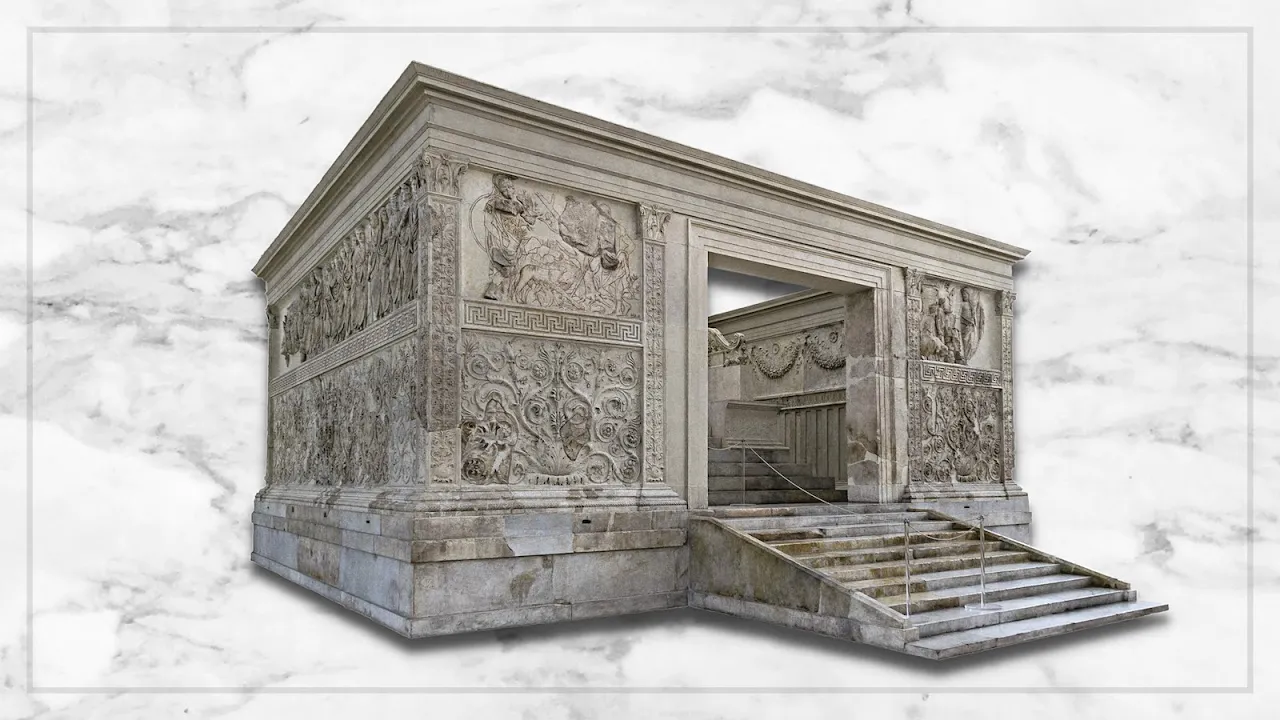
14:25
Augustus and the Ara Pacis: The Altar of Peace in Ancient Rome
@toldinstone
182.9K views•2023-05-12
17:05
Understanding the Cold War: Superpower Conflicts and the Road to Détente
@OverSimplified
46.1M views•2019-01-24
Related Study Plans & Knowledge Roadmaps
Structured learning paths in History
history
Byzantine Iconoclasm: Theology, Art & Politics
01Foundations of Byzantium and Early Christian Images
02The First Iconoclasm: Leo III and the Crisis of Images
03Empress Irene, Nicaea II, and the Second Iconoclasm
+ 2 more learning modules
9h5 modules
Explore Roadmap
history
Iranian Revolution (Causes, Events & Legacy)
01The Pahlavi Dynasty and the Roots of Discontent
02The Spark of Rebellion and the Rise of Khomeini
031979: The Fall of the Shah and the Climax of the Revolution
+ 2 more learning modules
8h5 modules
Explore Roadmap
history
Mali Empire: Mansa Musa, Trade & Timbuktu
01Foundations of the Mali Empire
02The Trans-Saharan Gold and Salt Trade
03The Reign and Pilgrimage of Mansa Musa
+ 1 more learning modules
6h4 modules
Explore Roadmap
history
1947 Partition: Politics, Borders & Legacies
01Foundations of British India and the Divide
02The Political Negotiations and the Mountbatten Plan
03Drawing the Boundary: The Radcliffe Line
+ 2 more learning modules
8h5 modules
Explore Roadmap