







![[금요저녁 Live] 신약시대 교회사 05, 카톨릭 교회의 등장 (AD 476-1500) 암흑과 무지의 시대가 되다 | 정동수 목사](https://i.ytimg.com/vi/AlL8B0_y9YU/maxresdefault.jpg)


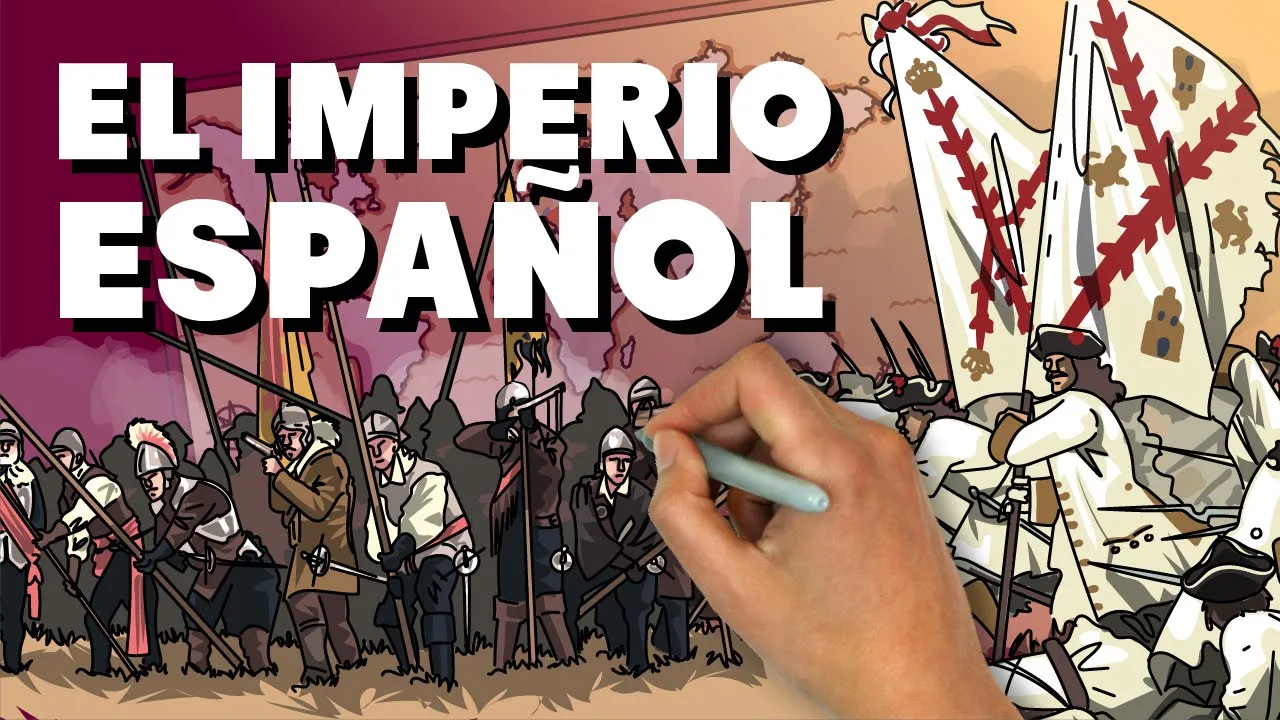

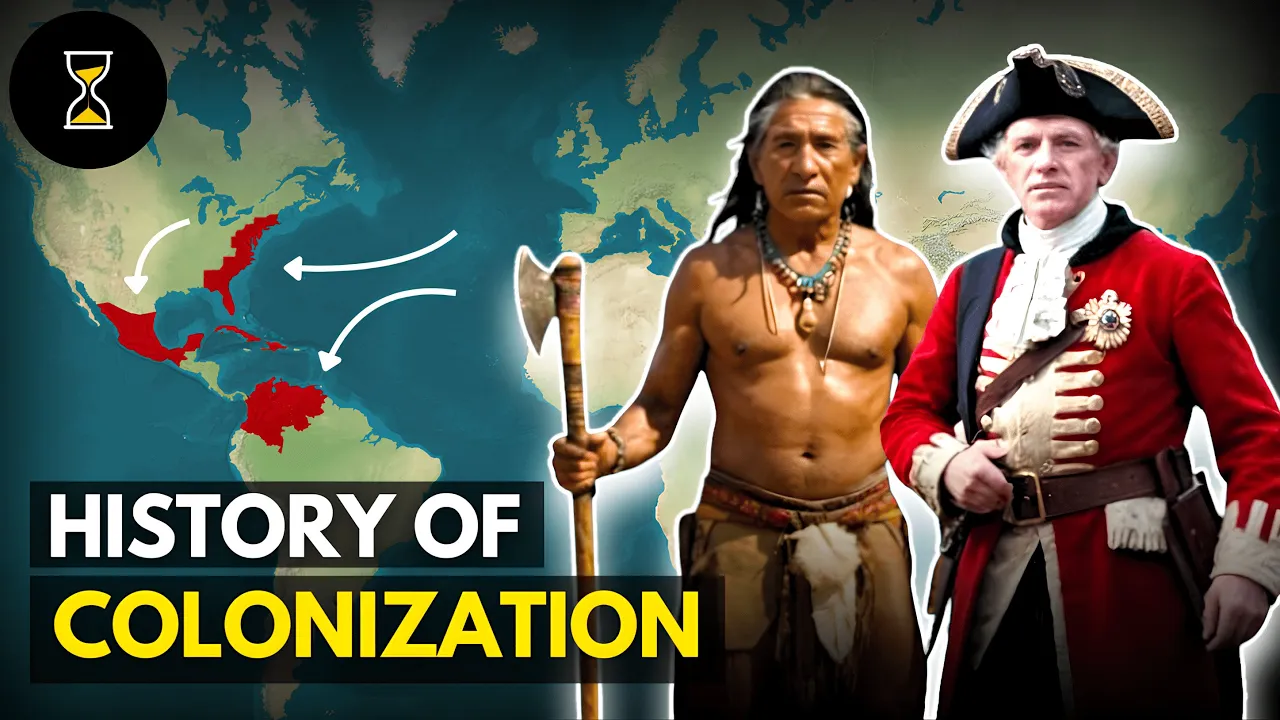







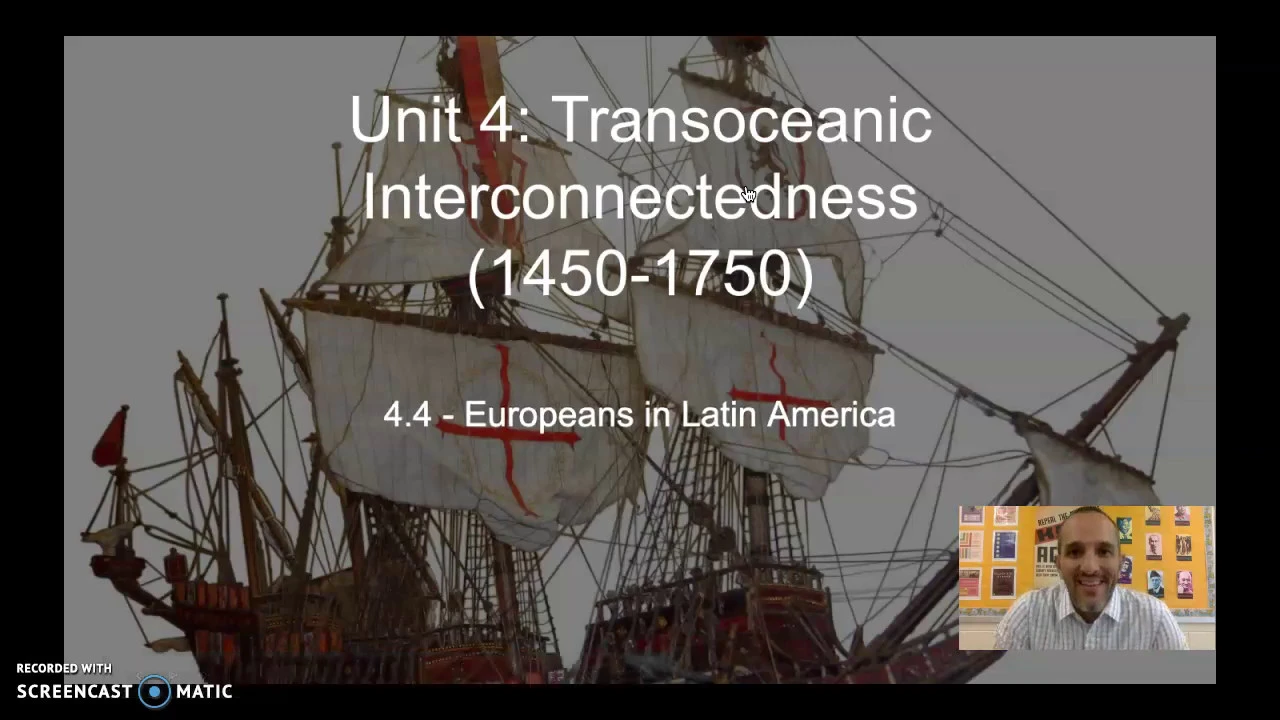


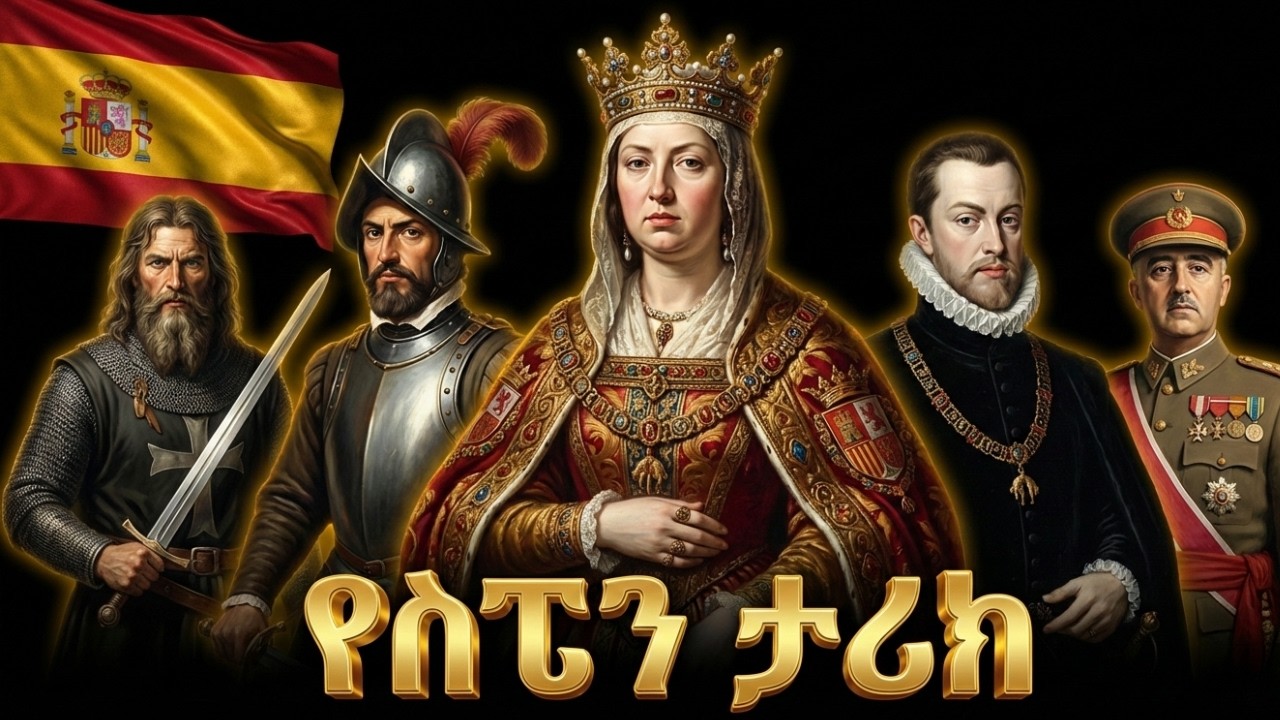
The Spanish Empire rose to global prominence through strategic political unions (Isabella and Ferdinand's marriage in 1469), military conquests (fall of Granada in 1492, Aztec and Inca empires in the early 1500s), and the exploitation of American silver mines, but ultimately collapsed due to overextension, economic strain from the Price Revolution, internal religious persecution via the Inquisition, and successful independence movements across its colonies in the late 18th and early 19th centuries, leaving a lasting legacy in language, law, and culture across Latin America and the Philippines.
The Rise and Fall of the Spanish Empire: A Historical Analysis
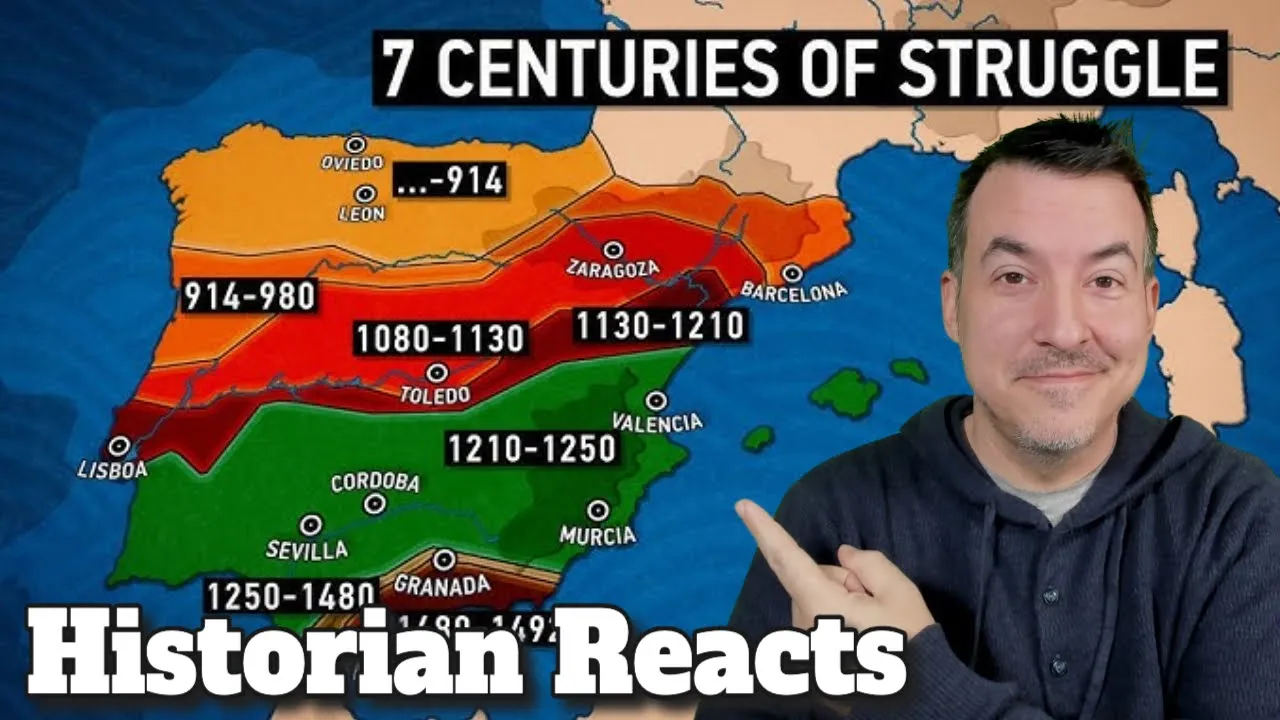
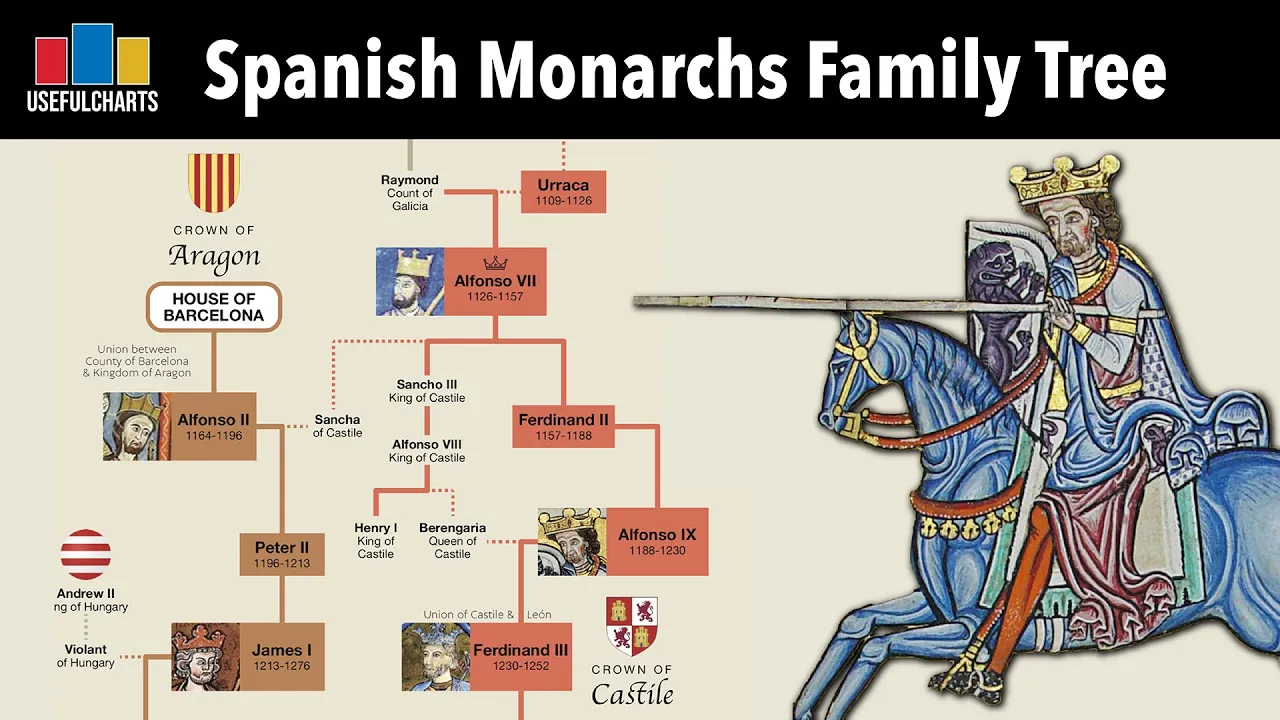
Added:The unification of Spain under the Catholic Monarchs (Isabella I of Castile and Ferdinand II of Aragon) and the completion of the Reconquista in 1492.
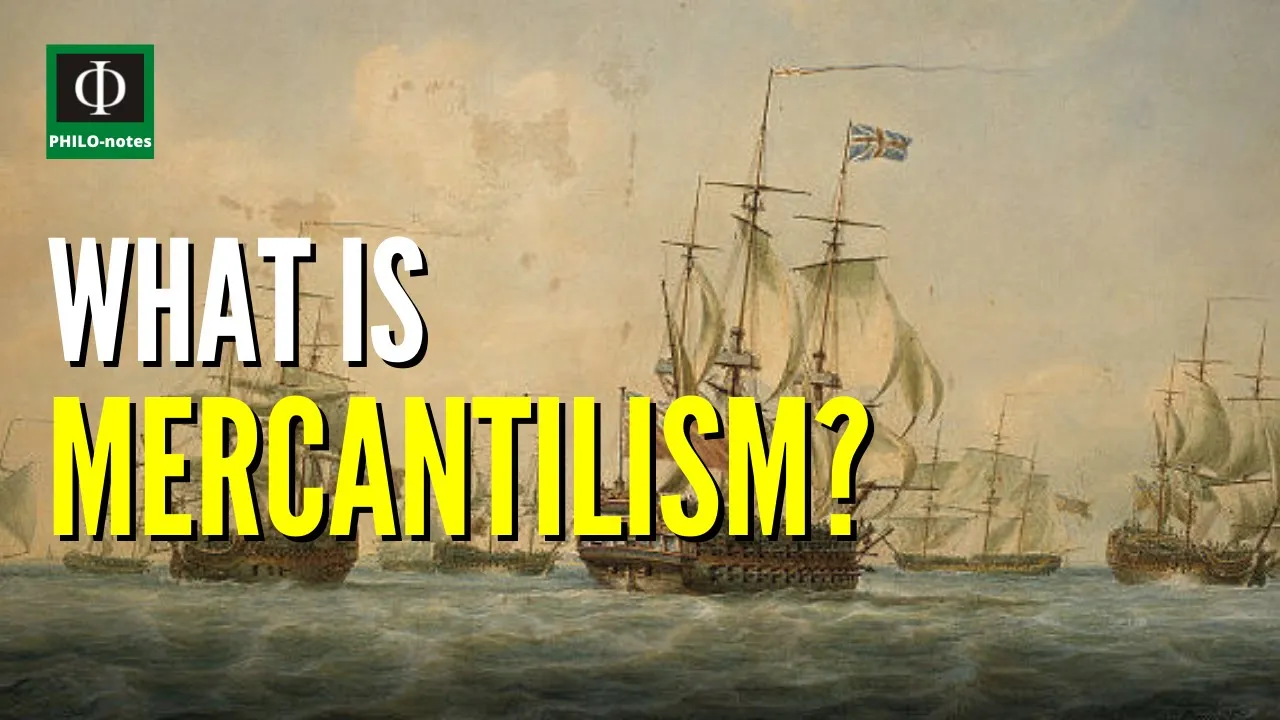
The fundamental principles of Mercantilism, specifically how European powers viewed wealth accumulation through colonies and monopolistic trade.
The geographical context of the Age of Discovery and early European maritime rivalries, particularly between Spain and Portugal.
The powerful political and cultural role of the Roman Catholic Church in late medieval and early modern European statecraft.
The Spanish-American Wars of Independence in the early 19th century, exploring how figures like Simón Bolívar dismantled mainland Spanish rule.
The Spanish-American War of 1898, analyzing how this conflict marked the final collapse of the empire and the emergence of the United States as a global power.
Comparative imperialism: Analyzing the structural, economic, and administrative differences between the Spanish Empire and the British or Dutch colonial empires.
The long-term socio-economic legacy of Spanish colonization in Latin America, including the 'casta' system, land distribution (encomiendas), and cultural syncretism.
185.5K views2.4Klikes1:48:44Original Release: 2025-02-20
what if I told you that the language you speak the food you eat and even the money in your pocket were all shaped by an Empire that once ruled vast territories across the globe for over 500 years the Spanish Empire left an indelible mark on History influencing cultures economies and Societies in ways we often Overlook but how did this Empire rise to such power and what ultimately led to its downfall in this documentary we'll bring to life the people and events that shaped the Spanish Empire get ready to see history like never before it's 1469 and two young Royals Isabella the of Castile and ferdinan II of Aragon are about to tie the knot this wasn't just any Royal Wedding it was a strategic Alliance that would unite two of the most powerful Kingdoms in the Iberian Ian Peninsula at the time Spain as we know it today didn't exist instead the peninsula was a patchwork of different kingdoms each with its own laws and customs Isabella and ferdinand's marriage was like putting together two pieces of a puzzle Castile was the larger Kingdom with more land and people while Aragon had a strong presence in the Mediterranean [Music] together they created a Powerhouse that would soon dominate European politics but it wasn't all smooth sailing at first Castile and Aragon kept their separate laws and governments it was more like a partnership than a full merger the newlyweds had big plans for Their Kingdoms they wanted to create a strong centralized monarchy and reduce the power of the Nobles who had been calling the shots for too long they set about improving how things were run making tax collection more efficient and building up their military might it was like they were giving their kingdoms a major upgrade one of the clever moves Isabella and Ferdinand made was to get the pope on their side they received the title Los Reas catholicos or the Catholic monarchs which was a big deal back then this title wasn't just for show it meant that they had the backing of the church which was hugely important in medieval Europe they used their Catholic faith as a way to bring their people together creating a sense of unity that hadn't existed before with their Newfound power and unity Isabella and ferdan started looking beyond their borders they set their sights on the Canary Islands off the coast of Africa and strengthened Spain's position in the Mediterranean it was like they were testing the waters for the big expansions that would come [Music] later the marriage of Isabella and Ferdinand was more than just a union of two people it was the birth of a new power on the world stage they laid the groundwork for Spain to become one of the most powerful empires in history their policies and decisions would shape not just Spain but the entire world for centuries to come the Catholic monarchs had United Spain through marriage but their Ambitions stretched far beyond the borders of their newly formed Kingdom in 1492 a pivotal event would set the stage for Spain's transformation from a regional power to a global Empire the fall of Granada marked the end of the Reconquista a centuries long campaign by Christian kingdoms to reclaim Iberian territories from Muslim rule this wasn't just any military Victory it was the culmination of a dream that had driven Spanish rulers for [Music] Generations the Reconquista had been going on for nearly 800 years ever since Muslim forces first conquered most of the Iberian peninsula in 71 over the centuries Christian Kingdoms in the north slowly pushed Southward reclaiming land bit by bit by the late 15th century only one Muslim stronghold remained the Emirate of Granada Isabella and Ferdinand saw the conquest of Granada as their Divine mission in 1482 they launched a final military campaign against the nasrid rulers of Granada this wasn't just a simple battle it was a decade long siege that combined military might with clever diplomacy and economic pressure the Catholic monarchs employed Superior artillery and used their resources to slowly strangle Granada's economy The Siege wasn't without its challenges the mountainous terrain around Granada made it a natural Fortress and the Muslim Defenders fought fiercely to protect their last foothold in Iberia but Isabella and Ferdinand were persistent they built a whole new city called Santa Fe or Holy Faith right outside Granada's walls this wasn't just a military Camp it was a statement of their intention to stay until victory was achieved as The Siege dragged on internal divisions weakened Granada's resolve the last Muslim ruler boabdil found himself caught between his own people's desire to fight on and the reality of their dwindling resources on January 2nd 1492 after 10 years of struggle boabdil surrendered the keys of the alhamra palace to the Catholic monarchs the fall of Granada was more than just a military Victory it was a symbolic Triumph that resonated throughout Europe the pope celebrated the news and other Christian rulers sent congratulations for Isabella and Ferdinand it was the Fulfillment of a long-held dream to unite all of Spain under Christian [Music] rule but what about the Muslim population of Granada initially the Treaty of Granada promised religious and cultural protections for the city's inhabitants Muslims were allowed to keep their mosques practice their faith and maintain their Customs however these promises would prove short-lived as Spain pursued a policy of religious uniformity these protections were gradually eroded and eventually revoked entirely the conquest of Granada had far-reaching consequences it freed up significant resources that had been tied up in the long campaign the Newfound wealth and stability allowed Isabella and Ferdinand to turn their attention to other matters including overseas exploration the fall of Granada marked a turning point for Spain but it also set the stage for a series of decisions that would reshape the entire world while the Catholic monarchs celebrated their victory over the last Muslim stronghold in Iberia they were already planning their next move the resources and momentum gained from the Reconquista would soon be directed towards a new goal one that would have far-reaching consequences for millions of people across Spain and [Music] Beyond in 1492 just months after the fall of Granada Isabella and Ferdinand made a momentous decision they issued the alhamra decree which ordered all Jews in Spain to either convert to Christianity or leave the kingdom within 4 months this edict also known as the Edict of expulsion came as a shock to many the Jewish Community had been an integral part of Spanish Society for centuries contributing to its culture economy and intellectual life the expulsion was not a sudden decision but the culmination of years of growing anti-Semitism in Spain the Catholic monarchs saw religious unity as essential for building a strong centralized State they believe that the presence of non-christians particularly Jews posed a threat to this vision [Music] the impact of the alh decree was immediate and devastating an estimated 200,000 Jews were forced into Exile many fled to neighboring Portugal only to face expulsion from there a few years later others found refuge in North Africa Italy and the Ottoman Empire the spartic diaspora as it came to be known spread Spanish Jewish culture language and tradition across the Mediterranean and Beyond those who chose to stay and convert known as conversos faced ongoing suspicion and persecution the Inquisition intensified its efforts to root out crypto Jews those who allegedly maintained Jewish practices in secret this climate of fear and mistrust would persist for Generations affecting Spanish Society in profound [Music] ways the expulsion of the Jews was followed by similar measures against Muslims in 1502 Isabella and Ferdinand issued a decree requiring all Muslims in Castile to either convert to Christianity or leave unlike the Jewish expulsion this edict wasn't immediately enforced on a large scale many Muslims known as mudar initially remained in Spain converting Under Pressure to become [Music] moriscos however the situation for marisco gradually deteriorated they faced increasing restrictions on their cultural practices and were often viewed with suspicion by their Christian neighbors the fear of a potential Muslim Uprising led to stricter policies and eventually in 1609 under Philip III all morisco were expelled from Spain this final expulsion affected an estimated 300,000 people many of whom had lived in Spain for Generations the expulsions had significant economic consequences for Spain Jews and Muslims had played crucial roles in trade finance and skilled crafts cities like Toledo sevil and Valencia which had thrived on the talents and networks of these communities saw their economies suffer the loss of skilled Artisans merchants and intellectuals created gaps that were not easily filled moreover the expulsions reinforced Spain's identity as a strictly Catholic Nation this religious exclusivity would shape Spanish policy both at home and in its expanding Empire as Spain began to establish colonies in the Americas and elsewhere it carried this model of religious uniformity with it influencing the way it approached indigenous populations and setting the stage for future conflicts as the Catholic monarchs celebrated their newly forged Kingdom a daring explorer was about to change the course of history in 1492 the same year as the fall of Granada and the expulsion of the Jews Christopher Columbus set sail on a voyage that would reshape the world Columbus a skilled navigator from Genoa Italy had a bold idea he believed he could reach Asia by sailing west across the Atlantic Ocean this wasn't A New Concept but Columbus's calculations of the Earth size were way off he thought the journey would be much shorter than it actually was luckily for him Isabella and Ferdinand decided to fund his expedition they saw it as a chance to expand Spain's influence and find new trade routes on August 3rd 1492 Columbus set off from Spain with three ships the N the Pinta and the Santa Maria the journey was long and difficult the crew grew Restless as days turned into weeks with no sight of land just when Mutiny seemed likely on October 12th 1492 a sailor spotted land Columbus had reached the Bahamas an island chain in the Caribbean he thought he had made it to the outskirts of Asia little did he know he'd stumbled Upon A Whole New World world to Europeans at least over the next 12 years Columbus made four voyages to the Americas he explored parts of the Caribbean including Cuba Hispanola or modern-day Haiti and the Dominican Republic Puerto Rico and Jamaica he even touched the coasts of Central and South America each time he returned to Spain with Tales of new lands exotic people peoples and the promise of [Music] riches but Columbus's voyages weren't just about exploration they marked the beginning of European colonization in the Americas the Spanish quickly established settlements on the islands Columbus visited they saw these new lands as a source of wealth and an opportunity to spread Christianity this set off a chain of events that would have profound consequences for both the Old and New worlds Columbus's encounters with indigenous peoples like the tyo had devastating effects European diseases like small poox spread rapidly among populations with no immunity forced labor and enslavement led to widespread suffering and death the Colombian Exchange as his iians call it brought not just people and goods but also plants animals and microbes across the Atlantic This Global transfer would forever alter ecosystems economies and societies on both sides of the [Music] ocean while Columbus was hailed as a hero in Spain his governorship of the new colonies was far from smooth he faced accusation of mismanagement and cruelty in 1500 he was arrested and sent back to Spain in Chains though he was later released and allowed to make more voyages he never regained his former status Columbus's Expeditions also sparked intense rivalry between Spain and Portugal both Nations wanted control over newly discovered lands this led to the Treaty of toras in 1494 which essentially divided the non-european world between these two Powers Spain got rights to most of the Americas while Portugal claimed what would become Brazil and the lands to the east ironically Columbus died still believing he had reached Asia he never realized he'd found a whole new continent but his voy had set in motion events that would transform the world Spain now had a foothold in the Americas a vast new territory ripe for exploitation and colonization Columbus's voyages had opened the floodgates of European interest in the Americas but it was what happened next that truly set the stage for Spain's Global dominance the Spanish conquest of of the Caribbean from 1493 to 1510 was a period of Rapid expansion and transformation that would shape the future of two continents it all began with Columbus's second expedition in 1493 which was Far larger than his first this time he brought 17 ships filled with over 1,000 settlers soldiers and Priests they weren't just explorers they were colonizers ready to establish a permanent Spanish presence in the new world the Caribbean quickly became the heart of Spain's growing Empire its Islands served as strategic bases for further exploration and Conquest Spanish Navigators spent years mapping the intricate coastlines and treacherous Waters of the region their detailed charts and Maps gave Spain a crucial advantage in navigating these unfamiliar areas as Spanish control spread across the Caribbean islands we see the emergence of early colonial towns these settlements were built in the European style with Central plazas imposing churches and Grand government buildings it was as if Spain was trying to recreate a little piece of Europe in the tropics but these towns weren't just for show they were the centers of Spanish power and culture in the new [Music] world the Catholic Church played a huge role in this early colonization priests and missionaries served alongside the settlers and soldiers they weren't just there to save Souls they were also key players in legitimizing Spanish rule the church provided educ set up hospitals and even helped govern these new colonies it was like the spiritual arm of the Spanish Crown Reaching Across the Atlantic while the Spanish were busy building their new colonial society they were also transforming the Caribbean economy they introduced crops from Europe and Africa things like wheat sugar cane and citrus fruits these new plants changed the face of Caribbean agriculture sugar cane in particular would go on to become a major driver of the Colonial economy creating vast plantations and sadly fueling the demand for enslaved labor by 1510 the Caribbean had become more than just a collection of colonies it was the springboard for Spain's future conquests from these Island bases Spanish conquistador would launch expeditions to Mexico Central America and South America the routes and systems established in the Caribbean would serve as the blueprint for Spain's expanding Empire but it wasn't all smooth sailing the early years of Spanish rule in the Caribbean were marked by Fierce competition among Spanish Governors and explorers they fought for power and influence often at the EXP expense of good governance this internal rivalry would shape how Spain administered its growing territories setting patterns that would last for centuries while Spanish Governors fought for control of the islands their gaze turned Westward to the mysterious Mainland reports of vast Empires and Untold riches began to circulate capturing the imagination of ambitious conquistadors one man in particular would seize this opportunity and forever change the course of history in 1519 ernand Cortez a Spanish conquistador set sail from Cuba with a small force of about 600 men 16 horses and a few cannons his mission was to explore and conquer the mainland of Mexico what he didn't know was that he was about to encounter one of the most powerful empires in the Americas the Aztecs Cortez and his men landed on the coast of present day Mexico and began their Journey Inland as they traveled they encountered various indigenous groups some of whom were hostile to the Aztecs Cortez quickly realized he could use these local rivalries to his Advantage he formed alliances with groups like The tilak khans Who Saw the Spanish as potential allies against their Aztec oppressors these indigenous allies provided crucial support to Cortez they offered not just military assistance but also Vital Information about Aztec society their strengths and weaknesses this knowledge would prove invaluable in the coming [Music] conflict as Cortez and his growing Army approached tooch tilan the Magnificent capital of the Aztec empire they were met with an awe inspiring site the City built on an island in the middle of Lake teoco was a Marvel of engineering and urban planning it was larger and more impressive than any European city of the time with grand temples towering pyramids and a complex system of [Music] canals the Spanish were greeted by Emperor mzuma II who was unsure whether these strange newcomers were gods or mere mortals this uncertainty would prove fatal for the Aztecs cortz taking advantage of the situation took montazuma hostage using him as a politic iCal tool to control the [Music] empire for a time it seemed the Spanish had achieved a bloodless Conquest but tensions soon escalated in 1520 during a religious festival at the tempo mayor Spanish soldiers massacred unarmed Aztec Nobles this act of brutality sparked a fierce Uprising the Spanish found themselves Under Siege forced to fight their way out of the city in a desperate Retreat known as l no triste or the night of Sorrows but Cortez was not one to give up easily he regrouped with his indigenous allies and launched a Counterattack the Spanish lay Siege to Tano tlan cutting off its food and water supplies they used their Superior Weaponry including Cannon and crossbows to devastating effect the Aztecs fought bravely but they were no match for Spanish military technology and tactics the siege of tanos titlan lasted for months the Aztecs weakened by hunger and disease continued to resist but on August 13th 1521 the city finally fell the Aztec empire which had dominated Central Mexico for centuries collapsed in just two years the fall of tanos titlan marked a turning point in the history of the Americas Cortez ordered the ruins of the Aztec capital to be demolished and on its ashes he began construction of a new City Mexico City this would become the capital of New Spain the first major Spanish colony on the American Mainland the conquest of the Aztecs opened the floodgates for further Spanish expansion it provided a template for future conquests demonstrating how a small Force armed with Superior technology and clever diplomacy could overcome seemingly insurmountable odds but the victory came at a terrible cost the indigenous population of Mexico was devastated not just by Warfare but by European diseases to which they had no immunity the rich and complex Aztec culture was systematically dismantled and replaced by Spanish institutions and the Catholic Church the conquest of the Aztecs had revealed a formula for success but the Spanish appetite for gold and Glory was far from satisfied as news of Cortez's Triumph spread another ambitious Conquistador set his sights on an even greater prize the fabled Inca Empire of South [Music] America in 1532 Francisco pisaro arrived on the western coast of South America with a small force of fewer than 200 men the timing of his expedition was fortuitous the Inca Empire which stretched along the Andes Mountains from modern-day Ecuador to Chile was in the throws of a brutal Civil War Two Brothers atahala and hcar were locked in a fierce struggle for the Imperial Throne leaving the Empire vulnerable to outside [Music] forces pisaro like Cortez before him quickly recognized the opportunity presented by these internal divisions he marched in Gathering intelligence about the Inca State and forming alliances with indigenous groups who resented Inca rule as he moved deeper into Inca territory pisaro formulated a daring plan that would change the course of South American history on November 16th 1532 in the Highland town of kahara pisaro sprang his trap he lured the Inca ruler atahala into a meeting ostensibly to welcome him as a fellow Monarch but as atahala entered the Town Square with thousands of unarmed attendants the Spanish Unleashed a surprise attack in a matter of hours pizaro's tiny Force had captured the Inca Empire and slaughtered thousands of his [Music] followers the capture of adala threw the Inca empire into chaos in a desperate bid for Freedom the emperor offered to fill a room with gold and silver as a ransom the Spanish accepted this incredible offer amassing a treasure Trove that would be worth billions in today's currency but even this vast wealth couldn't save atahala in 1533 after extracting all the information and resources they could from their Royal captive the Spanish ish executed him effectively decapitating the Inca [Music] state with the central authority of the Empire eliminated pizaro and his men marched on kusco the Inca Capital the city weakened by Civil War and the loss of its leader quickly fell to the Spanish Invaders pizaro installed a puppet ruler and began the process of dismantling the Inca state just as Cortez had done with the Aztecs the conquest of the Inca Empire was not solely a military achievement like the fall of the Aztecs it was aided by a combination of [Music] factors the Spanish exploited existing political divisions forged alliances with disaffected groups within the Empire and brought devastating European diseases that ravaged the indigenous population the Inca with no immunity to these new pathogens saw their numbers plummet further weakening their ability to resist the Invaders In 1535 pisaro founded the city of Lima which would become the administrative capital of the vice royalty of Peru this new political entity Consolidated Spanish rule over much of South America creating a vast Colonial territory that would fuel Spain's growing Empire for centuries to [Music] come however the fall of Cusco didn't mark the immediate end of Inca resistance MCO Inca a puppet ruler who had initially cooperated with the Spanish managed to escape and establish a rebel state in the remote Fortress of VAB bambba from this stronghold the last remnants of the Inca State continued to resist Spanish rule until 1572 when the final Inca ruler was captured and executed as the dust settled on the conquest of the Inca State Spain faced a new challenge how to govern its rapidly expanding territories in the new world the fall of kusco in 1533 marked a pivotal moment but it was far from the end of the story story while pizaro and his men celebrated their Victory the seeds of a new administrative system were already taking rote in 1535 just 2 years after atala's execution Spain established the vice royalty of New Spain this vast territory encompassed Mexico Central America the Caribbean and even parts of what would become the United States Mexico City built on the ruins of the Aztec capital tenoch tilan became the seat of power for this new Colonial [Music] entity the creation of the vice royalties was a stroke of administrative genius these large divisions were ruled by Viceroy individuals who represented the Spanish crown and wielded immense power in their territories they were in essence the king's standin tasked with overseeing everything from Taxation and military defense to religious conversion and the implementation of Royal [Music] decrees but Spain's Ambitions didn't stop at New Spain in 1542 the vice royalty of Peru was established encompassing all of Spain's South American territories Lima founded by Aro himself became the administrative Center of this new Vice royalty from the Pacific coast to the andian highlands Spanish Authority now stretched across a [Music] continent the viceo were more than just Colonial Governors they were the embodiment of Royal Authority in lands thousands of miles from Madrid these men often from noble families were expected to rule with with an iron fist while also navigating the complex social and political Landscapes of their new [Music] domains to ensure that the viceroys didn't become too powerful or independent Spain created a system of checks and balances the Council of the Indies based in Spain supervised Colonial governance from afar this body acted as a bridge between the New World and the Spanish monarchy ensuring that the interests of the crown were always [Music] Paramount within the vice royalties themselves Royal audiencias were established these high courts served a dual purpose they provided local governance and acted as a check on the viceroy's power if a vicroy overstepped his bounds or acted against the Crown's interests the audiencia could intervene the creation of the vice royalties centralized Spanish control over its vast Empire in a way that had never been seen before it prevented the rise of independent Colonial rulers and ensured a steady flow of wealth back to Spain Gold Silver and other resources from the Americas were now funneled through a well-organized system fueling Spain's growing power on on the world stage this administrative structure would prove remarkably durable for nearly three centuries the vice royalties would form the backbone of Spanish rule in the Americas they shaped the governance culture and even the geography of Latin America in ways that are still felt [Music] today but while the royalties brought order to Spain's New World possessions they also created a rigid hierarchy that would eventually contribute to the Empire's downfall the system favored peninsulares those born in Spain over Creos individuals of Spanish descent born in the Americas this discrimination would sew the seeds of discontent that would eventually Bloom into the Latin American independence movements while Spain's Vice royalties brought order to its vast New World Empire a hidden power was growing beneath the surface one that would ultimately reshape the entire continent in 1565 nearly three decades after the creation of the vice royalty of Peru Spain established a trade route that would connect its American colonies with Asia creating one of the longest lasting and most profitable global trade networks in history the Manila gallion trade as it came to be known was the brainchild of Miguel Lopez deazi a Spanish Navigator and governor who secured control over the Philippines this strategic move made Manila The Hub of Spain's Asian Trade Network opening up a whole new world of possibilities for the empire picture massive Spanish gallions their holds filled with exotic Treasures sailing annually between Manila and Acapulco Mexico these ships carried a cornicopia of Asian Goods luxurious silks delicate porcelain aromatic spices and intricately carved Ivory but the real engine of this trade was silver mined from the depths of Mexico and Peru this precious metal became the primary currency used to purchase luxury goods from China creating a dependency that would have far-reaching consequences for the Spanish [Music] Empire the Manila gallan trade wasn't just about moving Goods it was a catalyst for cultural exchange on an unprecedented scale Asian influences began to seep into the Americas and Europe changing everything from art and architecture to Cuisine and fashion imagine the awe of a Mexican Artisan encountering Chinese porcelain for the first time or a Spanish Noble savoring the Exotic flavors of Southeast Asian spices but this Maritime Highway across the Pacific Ocean was far from a leisurely Cruise the journey was long and fraught with danger storm wors could whip up at a moment's notice turning the peaceful ocean into a watery grave pirates lurked in weight hoping to seize the valuable caros and as other European powers began to flex their Naval muscles Spanish ships had to contend with rival navies seeking to break their Monopoly for 250 years the Manila gallions plied their trade cementing Spain's position as a global Maritime power this vast economic Network linked Asia the Americas and Europe in ways that would influence world trade for centuries to come but like all great Empires Spain's dominance wouldn't last forever in 1815 as Mexico's independence movement gained momentum the changing tides of global trade patterns finally finally brought an end to Spain's Monopoly over Pacific Commerce the last Manila gallion set saale marking the end of an era that had lasted for 2 and A2 centuries as the last Manila gallion disappeared over the horizon in 1815 it marked more than just the end of a trade route it signaled a seismic shift in the balance of global power while Spain Empire was crumbling a new chapter in the conquest of the Americas was unfolding one that had begun nearly three centuries earlier and would continue for decades to come the story of Spain's conquest of the Maya kingdoms stands in stark contrast to its rapid victories over the Aztecs and Incas this was no Swift campaign but a prolonged struggle that lasted almost 200 years in 1524 Pedro de Alvarado one of Hernan Cortez's trusted lieutenants led the first major Spanish Invasion into Guatemala his Target the powerful kich Maya whom he defeated at the Battle of el [Music] Pinar but the Maya were not a unified empire like the Aztecs or Incas instead their civilization was a patchwork of city states each fiercely independent this fragmentation posed a unique challenge for the Spanish conquistadors they couldn't simply topple a central Authority and claim victory instead they had to conquer each kingdom one by one a task that would prove far more difficult than they initially imagin the Maya did go down without a fight leaders like teun Numan who would later become a Guatemalan national hero stood against the Spanish Invaders these indigenous Warriors employed Guerilla tactics using their knowledge of the dense jungle terrain to their advantage the Spanish found themselves embroiled in a conflict unlike any they had faced before in the Americas as the decades wor on Spain established colonies in Yucatan Biz and Honduras but full control of the Maya territories remained elusive the jungle swallowed up Spanish Expeditions and Maya resistance continued to flare up across the region it was a war of attrition slowly grinding down both sides the conquest dragged on for Generations Spanish soldiers who first set foot in Maya territory as young men grew old and died their sons and grandsons continuing the fight the Maya too saw their world change dramatically over the course of this long struggle many communities adapted to Spanish rule finding ways to preserve elements of their Traditions while outwardly conforming to the New Order it wasn't until 1697 173 years after Alvarado's initial Invasion that Spain finally launched its assault on tasal the last independent Maya City this time they came not just by land but also by water using warships to attack from Lake petan with the fall of tasal the Spanish could at last claim complete control over the Maya regions [Music] the conquest of the Maya stands as one of the longest and most complex military campaigns in Spanish Colonial history it highlights both the determination of the Spanish Empire to extend its reach and the fierce resistance of indigenous peoples fighting to preserve their way of [Music] life but the story of the Maya under Spanish rule didn't end with military conqu Quest unlike the Aztec and Inca civilizations which saw their power structures completely dismantled many Maya communities found ways to adapt and survive under colonial rule they maintained elements of their culture language and traditions even as they outwardly conformed to Spanish Authority as Charles I ascended to the throne in 1516 the Spanish Empire stood on the sprink of unprecedented power this Young hoburg Ruler inherited a vast domain that stretched across Europe and into the new world earning him the title emperor of Two Worlds Charles's Reign would Mark the Zenith of Spanish influence but it also swed the seeds of future challenges that would shape the empire for generations to come the sheer scale of Charles's inheritance was staggering he ruled over Spain the Holy Roman Empire the Netherlands Austria and the rapidly expanding territories in the Americas this Patchwork of lands made him the most powerful Monarch in Europe but it also presented unique challenges Charles found himself constantly on the Move traveling between his various domains to maintain control and and address local concerns throughout his Reign Charles faced a Relentless series of conflicts that tested the limits of Spanish power the hoburg Vala Wars pitted him against France in a struggle for dominance in Italy to the east the Ottoman Empire under sulan the Magnificent threatened Charles's territory in Central Europe and the Mediterranean meanwhile the Protestant Reformation sparked unrest in the Holy Roman Empire culminating in the schmal calic wars of 1546 to 1547 despite these challenges Charles's Reign saw significant expansion of Spanish power in the new world the conquests of Mexico in 1521 and Peru in 1533 brought vast new territories under Spanish control these conquests also Unleashed a flood of silver and gold that fueled the Spanish economy and finance Charles's ambitious military campaigns the influx of American Wealth transformed Spain into the richest nation in Europe but it came at a cost the constant Warfare drained the Imperial coffers forcing Charles to rely heavily on taxation and Loans from powerful banking families this financial strain would have long- lasting consequences for the Spanish economy Charles saw himself as the defender of Catholicism in an increasingly fractured Christian world he took a hard line against the spread of protestantism viewing it as a threat to both his religious beliefs and his political Authority this would shape Spanish policy for Generations leading to conflicts that would eventually contribute to the Empire's [Music] decline by 1556 after four Decades of near constant Warfare and travel Charles was exhausted in a series of Ceremonies he abdicated his various titles dividing his Empire between his son Philip II and his brother Ferdinand I Philip inherited Spain the Americas and the Netherlands while Ferdinand received the Holy Roman Empire this division marked the end of Charles's dream of a universal Christian Empire and set the stage for future conflicts between the Spanish and Austrian branches of the hoburg family Charles spent his final years in a monastery in Spain Spain a far cry from the bustling courts and battlefields that had defined his Reign he left behind a complex Legacy under his rule Spain had reached the height of its power with an Empire that spanned the globe yet the very policies that had brought Spain to this Pinnacle constant Warfare religious intolerance and financial overextension contained the seeds of its eventual decline as the sun set on Charles I's Reign a new chapter in Spanish history was about to unfold one that would test the limits of its Naval prowess and reshape the balance of power in Europe the year was 1588 and King Philip II Charles I's son and successor was about to launch an audacious plan that would either cement Spain's dominance or expose its vulnerabilities the Spanish Armada a fleet of unprecedented size and ambition set sail from Lisbon with a clear mission to overthrow Queen Elizabeth the of England and restore Catholic rule to the island nation this wasn't just a military operation it was a clash of ideologies religions and emerging National identities Philip II had assembled a force of 130 ships manned by 8,000 Sailors and 18,000 soldiers a floating city of wood and canvas that stretched across the Horizon but why such a massive undertaking the roots of this conflict ran deep English privateers with the tacit approval of Elizabeth I had been raiding Spanish treasure fleets returning from the Americas these raids led by daring captains like Sir Francis Drake had not only enriched England but also humiliated Spain the Armada was Philip's answer to these provocations a show of force meant to reassert Spain's dominance over the seas the Spanish plan was intricate the Armada would sail up the English Channel link up with Spanish forces in the Netherlands and then transport this combined Army across the narrow straight to invade England on paper it seemed foolproof but as the massive Fleet approached the English Coast cracks in the strategy began to appear the English led by Lord Howard of Effingham and Sir Francis Drake employed tactics that exploited the armada's weaknesses the smaller more maneuverable ships harassed the Spanish Fleet picking off stragglers and disrupting formations in the narrow confines of the channel the Spanish found their large gallions unwieldy and vulnerable then came a master stroke of English Ingenuity the use of fire ships eight vessels packed with combustible were set a flame and sent drifting into the tightly packed Spanish Fleet anchored off Cala the Spanish captains fearing explosions cut their anchor cables and Scattered in panic this chaos prevented The crucial Rendevous with the land forces in the Netherlands effectively derailing the entire Invasion plan but nature it seemed had the final say as The Battered Armada attempted to regroup and return to Spain a powerful storm in the North Sea later dubbed the Protestant wind by Elizabeth the drove many ships onto the rocky coast of Scotland and Ireland of the original 130 ships only about half made it back to Spanish ports the defeat of the Spanish Armada was more than just a military setback it was a pivotal moment in European history Spain's Aura of invincibility was shattered and the balance of power began to shift England once considered a second rate power emerged as a serious Contender on the world stage this Victory emboldened English Ambitions for overseas expansion and set the stage for the rise of the British Empire for Spain the failure of the Armada marked the beginning of a long slow decline while still a formidable power cracks were beginning to show in the edifice of Spanish dominance the enormous cost of the Expedition strained Spain's already overextended finances weakening its ability to project power across its vast Empire as Spain's grip on European dominance began to slip a new challenge emerged from an unexpected quarter the Dutch provinces long under Spanish control were about to ignite a conflict that would test the limits of Spain's power and reshape the political landscape of Europe the 80 years war also known as the Dutch Revolt began in 1568 as a rebellion against the rule of King Philip II of Spain this wasn't n just another regional conflict it was a struggle that would last for generations and have far-reaching consequences for the Spanish Empire the roots of the Rebellion ran deep the Dutch provinces a patchwork of territories in the low countries had enjoyed a degree of autonomy under previous rulers but Philip II son of Charles I sought to tighten Spanish control and impose a centralized government this political overreach was compounded by religious tensions Philip a ston Catholic was determined to stamp out protestantism which had gained a strong foothold in the Netherlands the Dutch fiercely protective of their religious freedoms saw this as an intolerable infringement on their [Music] rights but it wasn't just about politics and religion economic factors played a crucial role in feeling the Revolt Spain's attempt to impose heavy taxation on the prosperous Dutch provinces sparked widespread resentment the Netherlands had become a hub of trade and commerce and the Dutch were Lo to see their hard-earned wealth siphoned off to fund Spanish Wars and Ambitions the conflict began in Earnest when Philip sent the Duke of Alba to crush the growing unrest Alba's harsh measures including the execution of prominent Dutch Nobles and the imposition of new taxes only served to inflame the situation William of Orange a Dutch nobleman who had become known as the father of the Fatherland emerged as the leader of the resistance under his guidance the Dutch utilized a combination of Naval Warfare gorilla tactics and fortified cities to resist Spanish OCC occupation the early years of the war saw the Spanish forces holding the upper hand their professional Army hardened by years of warfare initially overwhelmed the Dutch resistance but the tide began to turn as the Dutch adapted to the realities of prolonged conflict they leveraged their Naval expertise harassing Spanish supply lines and engaging in privateering on land they used their knowledge of the terrain to their advantage flooding low-lying areas to impede Spanish [Music] advances in 1581 the Dutch took a bold step that would change the course of the war and European history with the act of abjuration they formally rejected Spanish Authority and declared their independence while this didn't immediately end the conflict it marked a significant shift in the nature of the struggle the newly formed Dutch Republic now fought not just as Rebels but as a sovereign state seeking International recognition as the war dragged on Spain found itself increasingly stretched thin already engaged in conflicts across Europe and the Mediterranean the Spanish Crown struggled to maintain its grip on the Netherlands the conflict became a drain on Spanish resources forcing the monarchy into a series of bankruptcies that weakened its position both at home and abroad the war entered a new phase in 1609 with the signing of the 12 years truce this temporary cessation of hostilities gave both sides a chance to regroup but it also demonstrated Spain's inability to quickly suppress the Dutch Rebellion when fighting resumed in 1621 it was clear that the balance of power had shifted the Dutch Republic having used the truce to strengthen its economic and military position was now better equipped to resist Spanish attempts at reconquest finally after 80 years of conflict the war came to an end with the Treaty of monster in 1648 Spain exhausted and facing challenges on multiple fronts was forced to recognize Dutch Independence the treaty was more than just a peace agreement it was an acknowledgement of a new reality in Europe the Spanish Empire once seemingly Invincible had been forced to concede defeat to a former province as the 17th century dawned Spain's vast Empire stood at a Crossroads the once Invincible superpower that had dominated European Affairs for over a century now faced a perfect storm of challenges that would test its very foundations the Spanish hoburg who had inherited an Empire on which the Sun never set found themselves locked in a cycle of constant War Warfare that would drain their coffers and strain their resources to the breaking [Music] point throughout this tumultuous period Spain fought on multiple fronts simultaneously the Empire clashed with France England and the newly independent Dutch Republic while also maintaining costly conflicts in Italy and the Holy Roman Empire each battle each Siege each Naval engage engagement shipped away at Spain's military strength and economic Vitality at the heart of Spain's troubles lay a paradox the Empire's vast American territories which had once fueled its meteoric rise to power now contributed to its instability the flood of silver from mines in Mexico and Peru which had initially filled Spanish coffers to overflowing led to rampant inflation across Europe as silver production began to decline Spain found itself caught in an economic trap of its own making the Battle of rra in 1643 marked a turning point in Spain's military fortunes this devastating defeat at the hands of the French shattered the aura of invincibility that had long surrounded the fam Spanish teros the elite infantry units that had dominated European battlefields for over a century the loss at rqua was more than just a military setback it was a symbolic blow to Spanish Prestige and a harbinger of the challenges to come as Spain struggled to maintain its Global commitments internal issues began to mount political corruption seeped into the high highest levels of government while administrative inefficiencies hampered efforts to effectively manage the far-flung Empire economic stagnation set in as Spain's Reliance on American silver left it IL equipped to compete with the rising mertile powers of Northern Europe the reign of Philip the4th which spanned from 1621 to 1665 saw ambitious attempts at military and fiscal reform the king and his advisers recognized the need for change if Spain was to maintain its position as a great power however the continuous drain of resources made meaningful recovery all but impossible each new conflict seemed to undo whatever progress had been made leaving Spain in an increasingly precarious situation [Music] as the century wore on Spain's grip on its Empire began to loosen Portugal which had been United with Spain since 1580 regained its independence in 1640 after a long and costly rebellion in the Netherlands Decades of conflict had finally forced Spain to acknowledge Dutch Independence in 1648 these losses were more than just territorial they represented a fundamental shift in the balance of power in Europe by the late 1600s it was clear that Spain's days as Europe's Undisputed superpower were numbered the hoburg dynasty which had presided over Spain's Golden Age found itself unable to produce a viable air as the century Drew to a close the question of Spanish succession loomed large over European Affairs setting the stage for yet another devastating conflict as Spain's Empire reached its Zenith in the 16th century a hidden force was reshaping the very foundations of its power the discovery of vast deposits of precious metals in the Americas transformed Spain into the wealthiest nation in Europe but this newfound abundance came at a steep price the story of Spain's economic plunder in the New World Is A Tale of greed Innovation and unintended consequences that would ultimately contribute to the Empire's decline the heart of Spain's American Wealth lay in the Silver Mines of poto SE high in the Andes Mountains of present Bolivia and zakas in Mexico these mines produce staggering amounts of silver fueling Spain's Imperial Ambitions and reshaping the global economy the scale of this extraction was unprecedented in human history at its peak in the late 16th century poto alone accounted for half of the world's silver [Music] production to manage this influx of wealth Spain established the Kasa Deion or House of trade in sevil this institution served as the central Clearing House for all colonial commerce ensuring that the riches of the Americas flowed directly into Spanish coffers the cased conton regulated trade collected taxes and maintained detailed records of every ship cargo and passenger that crossed the Atlantic the transportation of this vast wealth gave rise to one of the most impressive maritime operations of the age the Spanish treasure fleets these convoys known as flas sailed annually between Spain and its American colonies carrying silver gold and other valuable Commodities the journey was perilous with the constant threat of storms shipwrecks and piracy yet when successful these fleets delivered enormous wealth to Spain making it the Envy of [Music] Europe however the flood of American silver had far-reaching and often unexpected consequences as the precious metal poured into Europe it triggered a phenomenon known as the price Revolution the massive increase in the money supply led to severe inflation with prices in Spain Rising as much as 400 100% over the course of the 16th century this devaluation of currency weakened Spain's long-term economic stability even as it appeared to be at the height of its power the irony of Spain's American Wealth was that much of it ended up in foreign hands the Spanish Crown constantly embroiled in expensive Wars across Europe relied heavily on loans from Italian and German Bankers to fund its military campaigns as a result a significant portion of the silver extracted from American mines flowed out of Spain almost as quickly as it arrived enriching Spain's creditors and Rivals to cover its mounting debts the Spanish Crown imposed increasingly heavy taxes on its own citizens this burden fell particularly hard on the productive sector s of the Spanish economy leading to economic stagnation and a decline in domestic manufacturing and agriculture as Spain focused on extracting wealth from its colonies it neglected to develop a diverse and sustainable economic base at [Music] home the Reliance on American silver also had profound effects on Spain's colonies the demand for labor in the mines led to the exploitation and decimation of indigenous populations the Spanish introduced the encomenda system which granted colonists the right to demand tribute and force labor from native communities this system while profitable in the short term had devastating long-term consequences for the Social and economic development of Spain's American territories the Spanish Inquisition established in 14 78 cast a long Shadow over the empire for centuries while Spain's power grew across the globe a Sinister Force worked within its borders to maintain control through fear and religious Conformity the Inquisition originally created to ensure the Orthodoxy of conversos Jews and Muslims who had converted to Christianity soon expanded its reach to touch nearly every aspect of Spanish life [Music] at the heart of the Inquisition were its secretive and highly feared trials accused individuals found themselves caught in a web of Suspicion often facing torture to extract confessions the methods were brutal and varied from the stado where victims were hung by their wrists to the infamous rack which slowly stretched the body these interrogations took place behind closed doors adding to the terror and Mystique surrounding the institution but the inquisition's most public face was the autoa or Act of Faith these elaborate spectacles were designed to showcase the power of the church and strike fear into the hearts of potential Heretics convicted individuals dressed in some bit yellow penitential garments were paraded through the streets before facing their sentences for many this meant burning at the stake a horrific end witnessed by thousands of Spectators the reach of the Inquisition extended far beyond the punishment of individuals it sought to control the very thoughts and ideas circulating within Spanish Society books were censored and intellectual discourse was closely monitored this stifling atmosphere hindered the spread of Renaissance and Enlightenment ideas in Spain leaving the country intellectually isolated compared to other European nations as the centuries passed the inquisition's influence began to wne the 18th century brought bourbon reform aimed at modernizing Spain and reducing Church control over the state yet the institution persisted adapting to new perceived threats such as Freemasonry and Enlightenment philosophy the inquisition's long-lasting impact on Spanish Society cannot be overstated it created a culture of Suspicion and Conformity that permeated all levels of society neighbors were encouraged to report on one another leading to a breakdown of trust within communities the fear of being accused of heresy stifled Innovation and free thought contributing to Spain's eventual decline as a world power moreover the inquisition's reach extended to Spain's vast Colonial Empire in the Americas it worked to Stamp Out indigenous religious practic IES and ensure the Orthodoxy of new converts this added another layer of Oppression to the already brutal system of colonial exploitation the Spanish Inquisition finally met its end in 1834 abolished as part of Spain's long and painful transition to a modern state yet its Legacy lives on in popular imagination and historical memory the term Inquisition has become synonymous with religious persecution and the abuse of power the Treaty of the Pyrenees signed in 1659 marked a pivotal moment in European history one that would reshape the balance of power on the continent for centuries to come this agreement between Spain and France wasn't just about ending a war it was the beginning of Spain's slow descent from its position as Europe's dominant power the treaty came on the heels of France's victory at the Battle of the dunes in 1658 this decisive battle demonstrated that Spain's military might once the Envy of Europe was waning the Spanish Army which had struck fear into the hearts of its enemies for over a century now found Itself outmatched by the rising French forces as negotiations began Spain faced a harsh reality the country that had once ruled over vast territories across Europe and the Americas now found itself in a position of weakness the treaty forced Spain to seed key territories to France including roson Arta and parts of the Spanish Netherlands these losses weren't just about land they represented a significant reduction in Spain's influence in Western Europe the treaty also included a provision for the political marriage between Louis the 14th of France and Maria Teresa of Spain this Union was meant to strengthen ties between the two rival kingdoms but it would ultimately set the stage for future conflicts over succession rights behind Spain's military defeats lay a deeper problem one that had been festering for decades the country's economy once flush with silver from the Americas was in Decline Spain's Reliance on American silver had led to inflation and economic stability the country struggled to fund and sustain long Wars a weakness that its enemies were quick to exploit as Spain's star Faded France's Rose the Treaty of the Pyrenees signaled the ascendancy of France as the new dominant force in Europe under the guidance of cardinal maerin and the young Louis the 14th France was expanding its influence and building the foundations of ab absolute [Music] monarchy the implications of this power shift were far-reaching Spain which had once pursued aggressive expansion across Europe now found itself adopting defensive strategies the country still held vast territories including its American colonies but it was no longer the primary military power of Europe this decline wasn't just about military might or territorial control it represented a fundamental shift in how Europe operated the era of Spanish dominance which had shaped everything from trade routes to religious conflicts was coming to an end in its place a new order was emerging one dominated by France and increasingly other Rising powers like England and the Dutch rep Republic the death of King Charles II of Spain in 1700 set off a chain reaction that would shake the foundations of Europe Charles the last hoburg ruler of Spain left no direct Heir a situation that plunged the continent into chaos the vacant Spanish Throne became the prize in a high stakes game of royal succession with two main contenders vying for control over one of the world's most extensive Empires on one side stood Philip of anju grandson of the powerful Louis the 14th of France on the other Archduke Charles of Austria backed by those who feared a union between France and Spain would upset the delicate balance of power in Europe this wasn't just a family squabble it was a conflict that would draw in nations from across the Contin ENT and Beyond The War of Spanish succession as it came to be known erupted in 1701 it wasn't confined to the battlefields of Europe the conflict spilled over into the Americas and even reached the shores of India major powers like England the Dutch Republic and Austria formed the Grand Alliance to support the Austrian claim while France and Spain rallied behind Phillip for 13 years Europe was engulfed in Warfare battles raged across the continent with names like Blenheim ramale and Mal plette entering the annals of military history these weren't just skirmishes they were massive engagements that sought tens of thousands of soldiers clash in bloody combat but the war wasn't just fought on foreign soil Spain itself became a Battleground with different regions supporting different claimants Castile the heart of Spain stood firmly behind philli meanwhile Catalonia and Aragon regions with a long history of Independence through their support behind the Austrian candidate this internal division turned the conflict into a civil war tearing at the fabric of Spanish Society as the war dragged on it became clear that no side could achieve a decisive Victory exhaustion set in and the cost of the conflict began to outweigh any potential gains in 17713 the Waring parties finally came to the negotiating table resulting in the Treaty of utre the treaty Tre confirmed Philip v as king of Spain but at a heavy cost Spain was forced to seed significant territories to Austria and Britain Gibralter a strategic stronghold at the entrance to the Mediterranean fell into British hands Naples and the Spanish Netherlands were lost to Austria these territorial losses Mark the beginning of the end for Spain's dominance in Europe but the Treaty of utre didn't just redraw the map of Europe it reshaped the economic landscape as well Britain gained the asento the right to supply slaves to Spain's American colonies this gave the British a foothold in the lucrative Spanish colonial trade further eroding Spain's economic power the war of Spanish succession marked a turning point in European history it ended the hoburg Dynasty's rule in Spain ushering in the era of bourbon monarchy this change wasn't just a matter of Royal lineage it signaled a shift in Spanish policy the new bourbon rulers turned their attention inward focusing on internal reforms and restructuring their colonial Empire for Spain the war's aftermath was bittersweet when Philip V secured the throne the price of victory was the loss of Spain's position as Europe's dominant power the once Mighty Spanish Empire found itself diminished its territories reduced and its influence waning as the 18th century dawned Spain found itself at a Crossroads the once Mighty Empires still sprawling across the globe was showing signs of strain enter the bourbon Dynasty a new Royal House determined to breathe life into Spain's fading power but their ambitious reforms would set in motion a series of events that would reshape not just Spain but the entire world the bourbon reforms initiated in the early 1700s were a Bolden attempt to modernize Spain and its vast Colonial Holdings inspired by the centralized governance of France these reforms aimed to strengthen Royal control and streamline the administration of Spain's far-flung territories it was a massive undertaking touching every aspect of Spanish rule from the Iberian Peninsula to the Americas and Beyond at the heart of these reforms was a simple yet powerful idea centralization the Spanish monarchy sought to consolidate its power wrestling control from local Elites and the Catholic church this meant reorganizing the colonial territories creating new Vice royalties to improve governance and tax collection in 1717 the vice royalty of new Granada was established encompassing much of Northern South America later in 1776 the vice royalty of Rio De La Plata was formed covering vas swads of Southern South America these administrative changes were more than just lines on a map they represented a fundamental shift in how Spain viewed and managed its Empire by creating these new administrative units the crown hoped to exercise tighter control over its colonies ensuring a steady flow of wealth back to the mother country but the bourbon reforms weren't just about redrawing borders they also aimed to revitalize Spain's economy and Military might the Spanish Navy long neglected received a much needed overhaul key Colonial ports were fortified to protect against incursions by rival European powers particular particularly the British and Dutch these improvements were crucial for securing Spain's trade routes and maintaining its grip on its overseas [Music] territories perhaps one of the most significant economic changes was the promotion of free trade within the empire for centuries trade with the Americas had been tightly controlled funneled through the ports of Seville and Cadiz the bourbon reforms broke this Monopoly allowing Spanish-American ports to trade more freely with Spain this move was intended to stimulate economic growth and increase tax revenues for the crown however these reforms had unintended consequences as the crown tightened its grip on the colonies it weakened the influence of the Creole Elite american-born Spaniards who had long enjoyed considerable power and privilege this shift in the balance of power swed the seeds of resentment that would later fuel Independence movements across Spanish America the reforms also targeted the Catholic Church long a powerful force in Spanish society and Colonial Administration in 1767 the Jesuits a prominent religious order were expelled from all Spanish territories this move was part of a broader effort to curb Church influence and increase royal authority over education and landh holdings while the bourbon reforms temporarily strengthened Spain's Empire they also created new tensions between the crown and its Colonial subjects the centralization of power while efficient on paper often clashed with local customs and interests The increased tax burden on the colonies meant to fund Spain's military Endeavors and modernization efforts fueled growing discontent the British Empire long a thorn in Spain's side was about to deliver a devastating blow to its Rivals Global dominance in 1762 as the 7even Years War raged across Europe and its colonies Britain set its sight on two of Spain's most prized possessions Havana and Manila these cities were more than just Colonial outposts they were the Lynch pins of Spain's vast trading Network connecting the riches of the Americas with the Exotic Goods of Asia Havana The Jewel of the cariban was Spain's main naval base in the region its harbor protected by Massive Stone own fortifications had long been considered impregnable but the British emboldened by their successes against France were determined to prove otherwise in June 1762 a massive British Fleet appeared on the horizon carrying over 14,000 Soldiers and Sailors The Siege that followed would last 2 months and test the limits of both sides the Spanish Defenders led by Wan depra put up a fierce resistance but they were outgunned and outmaneuvered by the British forces commanded by the Earl of [Music] Alamar as the summer heat bore down on the city disease began to ravage both armies yet the British pressed on relentlessly bombarding the Spanish fortifications until on August 13th Havana finally fell [Music] the capture of Havana was a catastrophic blow to Spanish Prestige and power for 11 months the British occupied the city opening its trade to their merchants and introducing large numbers of enslaved African laborers this brief period would have longlasting consequences for Cuba's economy and Society laying the groundwork for the Island's future as a sugar producing Powerhouse but the British weren't content with just Havana on the other side of the world they set their sights on manila the capital of the Spanish Philippines this city was the Eastern Terminus of the famed Manila gallan trade the route that had connected Asia to the Americas for nearly two centuries in October 1762 a small British Force Under the command of William Draper and Samuel Cornish launched a surprise attack on the city the Spanish Defenders caught off guard and poorly prepared could only offer token resistance after a brief battle Manila fell to the British disrupting the lucrative trade that had been the lifeblood of Spain's Pacific Empire the occupation of Manila while shorter than that of Havana exposed the vulnerability of Spain's far-flung Colonial possessions these twin defeats were a wakeup call for the Spanish Empire they revealed glaring weaknesses in Spain's ability to defend its overseas territories from European Rivals the once Mighty Spanish Navy which had struck fear into the hearts of its enemies during the days of the Armada was now struggling to maintain control over its own trade routes the Treaty of Paris in 1763 brought an end to the Seven Years War and saw Britain return both Havana and Manila to Spanish control but the price was high Spain was forced to seed Florida to Britain further weakening its position in the Americas in exchange Spain received Louisiana from from France a territory that would prove to be more of a burden than an asset in the years to [Music] come the humiliation of losing Havana and Manila even temporarily spurred Spain into action the bourbon reforms already underway took on new urgency Spain poured resources into strengthening its Colonial defenses building new fortifications and reorganizing its military forces in the Americas and the Philippines but these efforts came at a cost both financial and political as increased Taxation and centralization of power fueled growing discontent among Spain's Colonial subjects The Winds of Change were blowing across the Spanish Empire and the storm clouds of Revolution were gathering on the horizon in 1808 a series series of events would set in motion a chain reaction that would forever alter the face of the Americas and spell the beginning of the end for Spain's Colonial Dominion Napoleon bonapart the ambitious French Emperor had set his sights on the Iberian Peninsula his invasion of Spain in 1808 sent shock waves through the Empire creating a power vacuum that would prove impossible to fill King Ferdinand II the Spanish Monarch was forced to abdicate leaving the colonies in a state of confusion and uncertainty this crisis of legitimacy sparked a wave of Independence movements across Spanish America as local Elites saw an opportunity to seize control of their own [Music] Destinies the Creo aristocracy long frustrated by their second class status under Spanish rule began to dream of self-governance these were men and women of Spanish descent born in the Americas educated in European ideas but deeply connected to their native lands they had watched with interest as the American and French revolutions unfolded and now they saw a chance to apply those radical ideas to their own circumstances from this ferment of ideas and ambition emerged a Cadre of revolutionary leaders who would change the face of the continent in the north Simone Bolivar a charismatic Venezuelan Aristocrat began to Rally support for Independence his vision of a United Grand Colombia encompassing much of Northern South America would Inspire generations of Latin American Patriots to the South Jose danan Martin an Argentine General with a brilliant military mind began to forge an army that would liberate much of Southern South America and in Mexico a humble priest named Miguel hialgo raised the banner of Revolt calling for Independence and social reform Spain still reeling from the Napoleonic Invasion and weakened by years of costly Wars in Europe found itself ill equipped to deal with the growing unrest in its American possessions the once Mighty Spanish military which had conquered vast swaths of the new world now faced a series of humiliating defeats at the hands of ragtag revolutionary armies the Battle of boaka in 1819 was a turning point bolivar's forces decisively defeated the Spanish securing Independence for what would become Colombia and dealing a severe blow to Spanish Prestige 2 years later the Battle of carabobo in 1821 saw Venezuela throw off the Yoke of colonial rule Peru long a Bastion of Spanish power in South America finally fell after the battle of ayacucho in 1824 marking the effective end of Spanish rule on the continent Mexico the jewel in the crown of Spain's American Empire declared its independence in 1821 under the leadership of Austine Deb the loss of Mexico was a devastating blow to Spanish power and Prestige cutting off a vital source of wealth and influence [Music] even Brazil though not a Spanish colony was caught up in the wave of Independence sweeping the continent in a unique twist of fate the Portuguese royal family had fled to Brazil to escape Napoleon inadvertently sowing the seeds of Brazilian Independence in 1822 Brazil peacefully separated from Portugal becoming an independent empire under donpedro the [Music] by 1833 Spain had lost almost all of its American territories the Empire that had once stretched from California to Tiera Del fego was reduced to a few Caribbean islands Cuba and Puerto Rico these last vestiges of Spanish America would cling to the Empire for another 65 years finally breaking away in the Spanish American war of 1998 the sun was setting on the Spanish Empire and the Final Act of its Colonial drama was about to unfold in 1898 Spain's once Mighty overseas territories had dwindled to just a handful of possessions Cuba Puerto Rico the Philippines and a few small Pacific Islands these last vestiges of the empire were about to slip through Spain's fingers in a conflict that would reshape the global balance of power the Spanish American war of 1898 was the culmination of Decades of tension in the Caribbean Cuba long under Spanish rule had been fighting for Independence since 1895 the Cuban Rebels led by charismatic figures like Jose Marti had captured the imagination of the American public newspapers in the United States particularly those owned by William Randolph hurse and Joseph Pulitzer fan the Flames of anti-spanish sentiment with sensationalized stories of Spanish atrocities the spark that ignited this Powder Keg came on February 15th 1898 when the USS Maine in American Battleship anchored in Havana Harbor suddenly exploded while the cause of the explosion remains a mystery to this day American newspapers immediately blame Spain the rallying cry Remember the Maine spread across the United States and War became inevitable Spain once the most formidable Naval power in the world found itself woefully unprepared for conflict with the rising industrial giant of the United States the Spanish Navy which had struck fear into the hearts of its enemies for centuries was now a shadow of its former self many of its ships were outdated and its Sailors were poorly trained and equipped The War Began in Earnest on May 1st 1898 with the Battle of Manila Bay in the Philippines Commodore George dy's American Asiatic Squadron decimated the Spanish Fleet sinking or capturing every Spanish ship without losing a single American vessel this lopsided Victory effectively ended Spanish control over the Philippines and demonstrated the Stark difference in Naval capabilities between the two [Music] Nations the conflict in the Caribbean was equally disastrous for Spain on July 3rd the Spanish cariban Ian Fleet attempted to break out of Santiago Harbor in Cuba only to be destroyed by the US Navy in a matter of hours with their Naval forces and tatters the Spanish ground troops in Cuba and Puerto Rico were isolated and unable to receive reinforcements or supplies the war which had begun with such Fanfare ended in just 10 weeks Spain recognizing the futility of further resistance sued for peace the Treaty of Paris signed on December 10th 1898 formalized the end of the Spanish Empire in the Americas and the Pacific Spain seated Cuba which became nominally independent under US influence Puerto Rico and Guam to the United States the Philippines were also transferred to American control for a payment of $20 million for Spain the loss of these territories marked the end of an Empire that had lasted for over 4 centuries the country that had once dominated vast swaths of the globe was now reduced to a second tier European power the psychological impact on the Spanish National psyche was profound giving rise to a generation of thinkers and writers known as the generation of 98 who grappled with questions of national identity and modernization in the wake of Imperial collapse for the United States the war marked its emergence as a global power almost overnight America had acquired an overseas Empire complete with Naval bases that would project American power across the Pacific and the Caribbean this newfound status would have far-reaching consequences for American foreign policy in the 20th century and beyond the fate of the former Spanish colonies varied Cuba gained independence but under the terms of the plat Amendment the United States retained the right to intervene in Cuban Affairs Puerto Rico became an unincorporated territory of the United States a status it pertains to this day the Philippines after a bloody war of resistance against American rule would not gain full Independence until 1946 the Spanish Empire's influence didn't disappear with the Setting Sun of its colonial rule instead it left an indelible mark on the world shaping cultures languages and societies across continents today we see the Legacy of this once Mighty Empire in ways both obvious and subtle from the bustling streets of Mexico City to the Grand cathedrals of [Music] Manila let's start with language Spanish once the tongue of conquistadors and Viceroy has become the second most spoken language in the world over 500 million people across the globe communicate in Spanish making it a linguistic Powerhouse that's continents from the Andes to Andalusia from California to columia Spanish unites diverse peoples and cultures carrying with it centuries of history and tradition but the Empire's impact goes far beyond words the legal and administrative systems of many former Spanish colonies bear the unmistakable imprint of Spanish governance Concepts like civil law Municipal governance and land tenure systems introduced during colonial times continue to shape how societies function in Latin America and Beyond This legal Legacy has profound implications for everything from property rights to judicial processes in these [Music] nations religion too stands as a testament to Spain's endur influence Catholicism brought to the New World by zealous missionaries and conquistadors Remains the dominant faith in most former Spanish territories The Towering cathedrals of Lima and Bogota the vibrant religious festivals of the Philippines and the Dee rooted traditions of Mexico's Day of the Dead all speak to the lasting impact of Spanish Catholicism on global culture in the realm of art and literature Spain's Golden Age continues to shine the works of Miguel de cantes with his ingenious gentleman Don kote still Captivate readers worldwide the Bold brushstrokes of Pablo Picasso deeply influenced by his Spanish Heritage revolutionized Modern Art these cultural touchstones born from Spain's Imperial era continue to inspire and and influence creators across the globe however the legacy of the Spanish Empire is not without controversy the Dark Shadows of colonization forced labor and Indigenous oppression linger in historical memory debates rage on how to reconcile the achievements of the Empire with the human cost of its expansion this complex Legacy challenges us to Grapple with difficult questions about power culture and historical [Music] responsibility the economic structures established during colonial rule have had lasting effects on the Nations that emerged from the Empire Plantation economies resource extraction models and trade patterns set up centuries ago continued to influence the economic realities of Latin America and the Philippines understanding these historical economic relationships helps explain current global economic Dynamics and inequalities perhaps most intriguingly the Spanish Empire's Legacy lives on in the very fabric of modern National identities the cultures that emerged from the Collision of Spanish and Indigenous Traditions are unique unique and vibrant blending European and American elements in ways that continue to evolve as we reach the end of our journey through the rise and fall of the Spanish Empire we're left with a profound sense of its lasting impact on our world the legacy of Spain's Global dominance continues to shape our lives in ways both obvious and subtle if you like like this video don't forget to subscribe to our channel for more captivating history documentaries let us know in the comments which part of this documentary fascinated you the most thank you for watching and joining us on this journey through the past we'll see you in the next documentary [Music]
Up Next
8:04
Simón Bolívar: Revolutionary Origins & Education | History Explained
@extrahistory
2.2M views•2016-11-19

33:02
The Great Schism of 1054: Causes and Consequences
@SacredCathedrals
113.5K views•2026-02-19
91:57
The Geopolitics of the Ukraine War and the Rise of Global Autocracy
@JordanHarbingerShow
468K views•2025-04-19
17:05
Understanding the Cold War: Superpower Conflicts and the Road to Détente
@OverSimplified
46.1M views•2019-01-24
Related Study Plans & Knowledge Roadmaps
Structured learning paths in History
history
Byzantine Iconoclasm: Theology, Art & Politics
01Foundations of Byzantium and Early Christian Images
02The First Iconoclasm: Leo III and the Crisis of Images
03Empress Irene, Nicaea II, and the Second Iconoclasm
+ 2 more learning modules
9h5 modules
Explore Roadmap
history
Iranian Revolution (Causes, Events & Legacy)
01The Pahlavi Dynasty and the Roots of Discontent
02The Spark of Rebellion and the Rise of Khomeini
031979: The Fall of the Shah and the Climax of the Revolution
+ 2 more learning modules
8h5 modules
Explore Roadmap
history
Mali Empire: Mansa Musa, Trade & Timbuktu
01Foundations of the Mali Empire
02The Trans-Saharan Gold and Salt Trade
03The Reign and Pilgrimage of Mansa Musa
+ 1 more learning modules
6h4 modules
Explore Roadmap
history
1947 Partition: Politics, Borders & Legacies
01Foundations of British India and the Divide
02The Political Negotiations and the Mountbatten Plan
03Drawing the Boundary: The Radcliffe Line
+ 2 more learning modules
8h5 modules
Explore Roadmap