















![🇪🇨🇨🇴HISTORIA de la GRAN COLOMBIA [Rep. de COLOMBIA] en 12 minutos 🇵🇦🇻🇪 - El Mapa de Sebas](https://i.ytimg.com/vi_webp/F3y2BvToTtU/maxresdefault.webp)



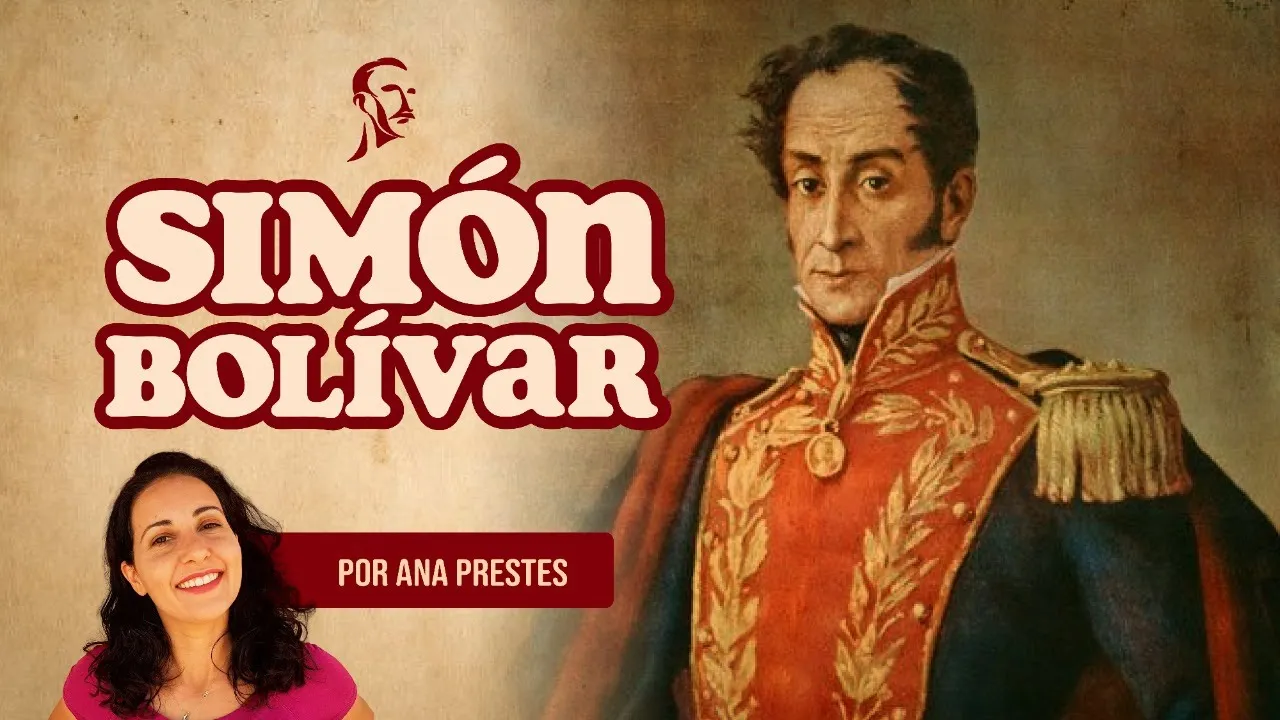


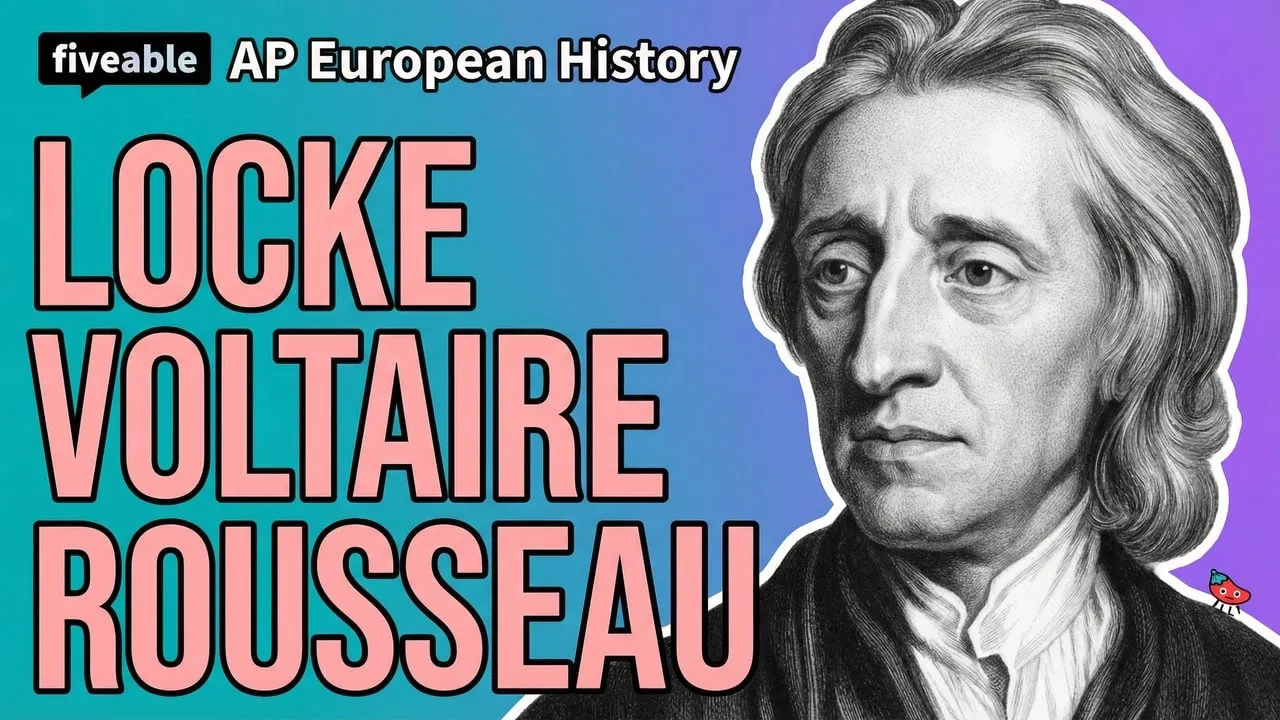
Simón Bolívar's revolutionary ideology was shaped by his exposure to Enlightenment thinkers Rousseau, Locke, and Voltaire during his European education, combined with his experiences of colonial inequality as a wealthy Venezuelan Creole denied political power due to his colonial birth, ultimately driving him to liberate Latin America from Spanish rule.
Simón Bolívar: Revolutionary Origins & Education | History Explained
Added:The social hierarchy of the Spanish Empire, specifically the socio-economic distinction between Peninsulares and Criollos (Creoles).
The core ideals of the European Enlightenment, particularly the philosophical works of Jean-Jacques Rousseau and John Locke regarding liberty and government.
The geopolitical impact of the Napoleonic Wars, which destabilized the Spanish crown and created a power vacuum in the colonies.
The economic constraints of Spanish mercantilism, which restricted trade and fueled discontent among the colonial elites.
The major military campaigns of the Spanish American Wars of Independence, including the liberation of Venezuela, Colombia, Ecuador, Peru, and Bolivia.
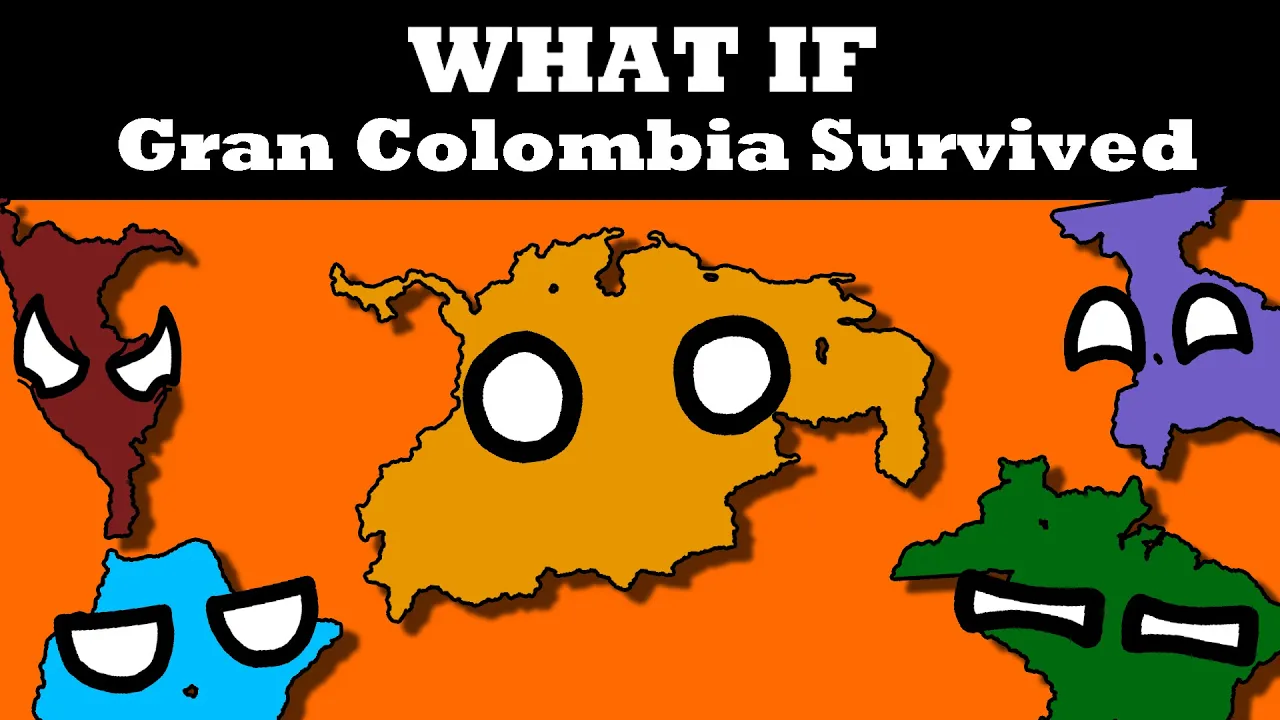
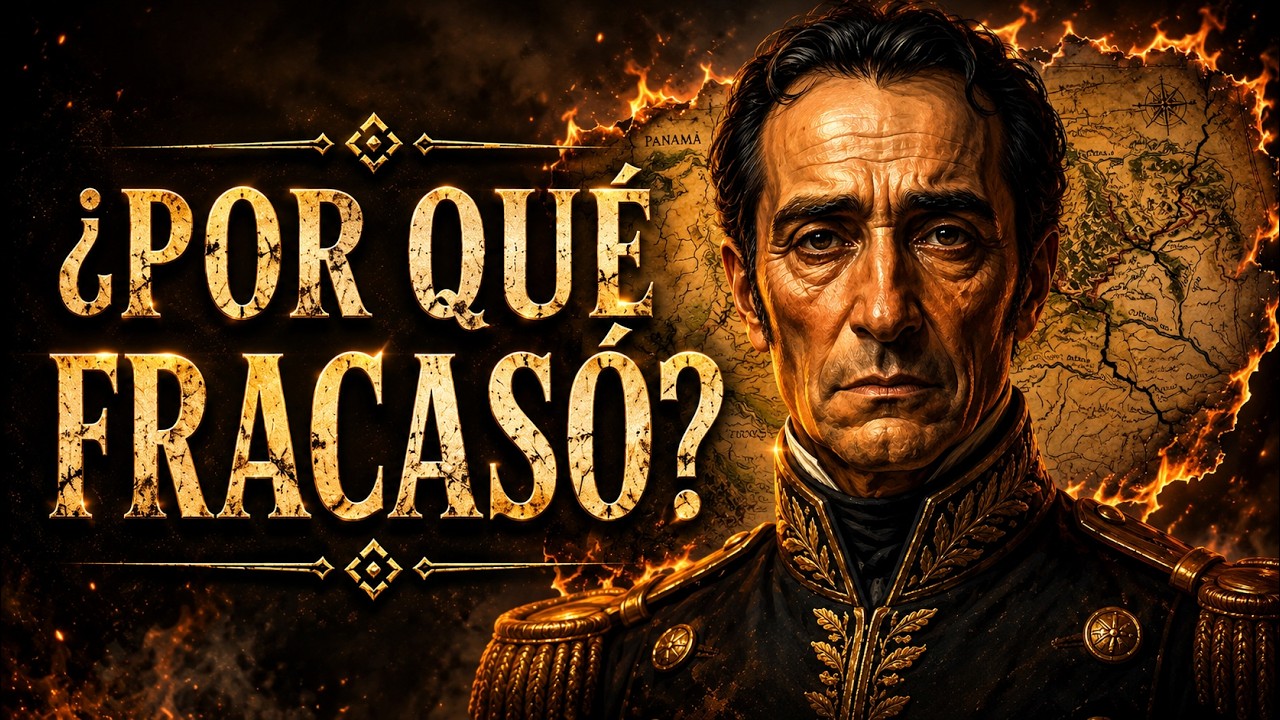
The formation and collapse of Gran Colombia, exploring Bolívar's political vision of a unified South American state.
A primary source analysis of Bolívar's key writings, such as the 'Letter from Jamaica' (1815) and the 'Angostura Address' (1819).
The long-term socio-political legacy of 'Bolivarianism' and the challenges of post-colonial governance in 19th-century Latin America.
2.2M views34.2Klikes8:04Original Release: 2016-11-19
Shots ring out in the Ohio Valley.
A handful of militiamen under the command of a 22-year-old named George Washington have surrounded a tiny force of French Colonials.
Within two years, due to the interwoven alliances and secret treaties, this incident will spiral out into the Seven Years War, the first truly world war; a war that would be fought on every continent besides Australia.
And the dominoes fall.
But, as important and mind-bogglingly understudied as the seven years war is, we're going to just look at one of its repercussions because its reverberations were felt around the globe.
This was the great conflagration between England and France.
It was the conflict that had to happen eventually, but here in the States we know it under a different name; we know it as "the French and Indian War."
We know it as such because that's the war we Americans fought, but we didn't fight it alone.
We were still a British colony back then and the British sent thousands of troops overseas to help fight back the French forces coming out of Canada.
By 1763, the war was over, and peace had returned.
But with peace comes taxes.
After all, someone had to pay for all of those troops Britain had sent over.
But a number of colonists didn't much like the idea of higher taxes, and they felt that the Boston Harbor really would be much better if it was tea-flavored.
So, they rebelled against the British.
They were led by a 44 year old man named George Washington (some relation).
Now those plucky colonists gave a good try of it, but they couldn't really throw off the world's greatest power without some help.
So the world's other great powers who wanted to give britain a kick in the pants — mainly the French and the Spanish — said, "Hey that looks fun mind if we join?"
But now, someone was going to have to pay for all those supplies and troops the French and the Spanish sent over to the Americans.
So the French and the Spanish both implemented new taxes; both at home and, most importantly for our story, in their colonies overseas.
So then the French revolted, and then the Haitians revolted, and then most of Latin America revolted because they, understandably, didn't feel like paying higher taxes just to, well, help make sure the US didn't have to pay their higher taxes.
Because, in the end, it all comes down to taxes.
So there, now the stage is set.
Now we can dive into the life of the man who embodies both the glory and the tragedy of the Latin American revolutions: Simón Bolivar.
1783 - We are in one of the great houses of Caracas.
On the lower floor, there's a celebration happening.
All the leading people of the city are there.
In the center is a man with eyes like a still lake talking to the crowd.
Upstairs, things are quiet. There's a woman lying in bed, holding a newborn child.
The man is Simon's father; the woman is his mother.
Soon, they'll both be taken by consumption.
Simón would not remember his father, and he would think of his mother less often than of the slave who raised him, Hipolita.
Simon inherited mines and plantations and slaves.
The Bolivars were one of the first families of Venezuela, and he one of the richest men in South America.
But he wasn't a man yet; he was a child, and there was one thing that he didn't have: Spanish birth.
In the Spanish colonial system, there were not only all sorts of deplorable hierarchies of race, but even for those deemed racially pure and white there was a class system, with those born in continental Spain being more favorably looked upon than those born in the colonies.
The highest government offices were only open to Spanish-born colonists, but this bane wouldn't strike him yet.
Instead he grew up as an unmanageable and arrogant child.
His father had died when he was three, his mother when he was nine, the care of those in which he was left was sometimes excellent, sometimes negligent, but it didn't matter; he was always more interested in coursing the alleys of Caracas with the children of the streets than he was in studying or guidance.
Finally though, one tutor, while never able to control him, was able to teach Simón, albeit on his own terms. And so, as they rode through the fields or walked the streets of Caracas, this tutor imparted not a traditional education but his own personal loves: Rousseau, Locke and Voltaire.
Alas even this was not to last as Simon's childhood was set to a backdrop of revolts: Venezuela and, indeed, the whole Spanish Empire was in upheaval.
Race revolts and independence movements cropped up and were crushed each time with more brutality, but each time exposing Spain's ever-slipping hold.
Simon's tutor was caught up in one of these revolts and sentenced to permanent exile and so again Simon was alone.
Soon, he was enrolled in the local military academy by an uncle.
He chafed at the discipline but learned much about the art of making war.
Soon, though, he was shipped off again — this time to Spain.
But he wanted this adventure. He was excited to see the continent that he'd heard so much about the place where the ideas he so admired came from.
But even on this trip, he got a taste of the declining nature of Spanish power. For when his ship stopped in Mexico City, they were informed that they wouldn't be able to depart right away because of a British blockade.
Eventually though, he did make it to Spain and then onto Madrid, where he would finally get his first real education and there too he met his first great love: her name was Maria Teresa and she was from another respectable Caracan family. But, unlike Simon, she had been born in Spain and spent her whole life there.
He soon proposed to her and after working for a year to convince her father, they were married in Madrid.
Now blissfully married, he decided it was time to return to Caracas and take his place in the family affairs together with his new wife.
So they set off for the New World; for Simón this was a return home for Maria it was an opportunity to see her family seat for the first time.
But, as they landed in Caracas, she began to feel ill, and then weak; within five months she was dead.
Yellow fever had taken Simon's first love.
He tried to stay in Venezuela to manage the life he had inherited, but everything there reminded him only of her and so, within a year, in 1803, he once again boarded a ship for Spain.
But Spain, too, and especially Madrid, only served as a constant reminder of Maria. So when all non-residents were suddenly ordered out of the capital because there wasn't enough bread to feed them, Simón planned a trip for Paris.
There, he saw an empire reinvigorated by revolution.
He couldn't help but contrast it with Madrid: Here was a city and a nation modernizing, evolving, growing with the new Republican ideals.
He drank it in.
He was enchanted by Paris and the promise it offered, but it was here that he found his second heartbreak, not at the hands of a woman but of a man: Napoleon.
Simón had seen Napoleon as a beacon of hope — as the new man — a true Republican serving his state faithfully; guiding a state by his soul and humble wisdom towards liberty, equality and brotherhood.
But then, Napoleon placed a crown upon his head.
Losing his temper one night at a dinner, Simón rallied against Napoleon's vanity, his hubris, his lust for power.
This suddenly made him much less welcome in social circles and his friends, seeing the toll the debaucherous his life of Paris had taken on him decided that it was time for a change.
They packed up and took him to Italy.
And it was here, in this reinvigorating place rich with history, that Simón's thoughts and ambitions really took form.
It was here on the very hill which plebeian Romans had retired to to win their rights over 2,000 years ago that Simón stood and proclaimed that he wouldn't rest until his homeland was free.
Soon, he departed Europe to head back home, but first he stopped briefly in the United States.
Here, too, he was inspired.
He would later say that it was the first time he'd seen a rational democracy in action but he realized it had its differences, that it would be no template for the Revolution he intended, and so at last in 1807 at the age of 23 he set foot again in Caracas filled with dreams, ambitions, and an ardent desire for liberation and independence for his people. He walked the streets of his long-neglected home and wondered what the future might bring.
Join us next time and find out exactly what that future brings
Up Next
6:07
Spanish Caste System in the New World | Colonial Social Hierarchy
@MrBatesHistory
19K views•2020-01-15

33:02
The Great Schism of 1054: Causes and Consequences
@SacredCathedrals
113.5K views•2026-02-19
8:49
Mali Empire Origins: Sundiata's Victory and the Gold Trade
@extrahistory
2.4M views•2018-04-14
17:05
Understanding the Cold War: Superpower Conflicts and the Road to Détente
@OverSimplified
46.1M views•2019-01-24
Related Study Plans & Knowledge Roadmaps
Structured learning paths in History
history
Byzantine Iconoclasm: Theology, Art & Politics
01Foundations of Byzantium and Early Christian Images
02The First Iconoclasm: Leo III and the Crisis of Images
03Empress Irene, Nicaea II, and the Second Iconoclasm
+ 2 more learning modules
9h5 modules
Explore Roadmap
history
Iranian Revolution (Causes, Events & Legacy)
01The Pahlavi Dynasty and the Roots of Discontent
02The Spark of Rebellion and the Rise of Khomeini
031979: The Fall of the Shah and the Climax of the Revolution
+ 2 more learning modules
8h5 modules
Explore Roadmap
history
Mali Empire: Mansa Musa, Trade & Timbuktu
01Foundations of the Mali Empire
02The Trans-Saharan Gold and Salt Trade
03The Reign and Pilgrimage of Mansa Musa
+ 1 more learning modules
6h4 modules
Explore Roadmap
history
1947 Partition: Politics, Borders & Legacies
01Foundations of British India and the Divide
02The Political Negotiations and the Mountbatten Plan
03Drawing the Boundary: The Radcliffe Line
+ 2 more learning modules
8h5 modules
Explore Roadmap