




![The Colonial Experience (LAST100 wk 3) [old version]](https://i.ytimg.com/vi/mnaqm36EbWg/hqdefault.jpg)






![Labor, Slavery, and Caste in Spanish America [APUSH Unit 1 Topic 5] 1.5](https://i.ytimg.com/vi_webp/f1h-9W2Snik/maxresdefault.webp)







The Spanish colonial caste system was a social hierarchy that classified people in the Americas based on race and birthplace, with Peninsulares (Spaniards born in Spain) at the top, followed by Criollos (Spaniards born in the Americas), then Mestizos (European-Native mixes), Mulattos (European-African mixes), and finally indigenous peoples and enslaved Africans at the bottom; this system created legal and social privileges tied to one's position, leading to significant social conflict that contributed to the independence movements of Spanish colonies.
Spanish Caste System in the New World | Colonial Social Hierarchy
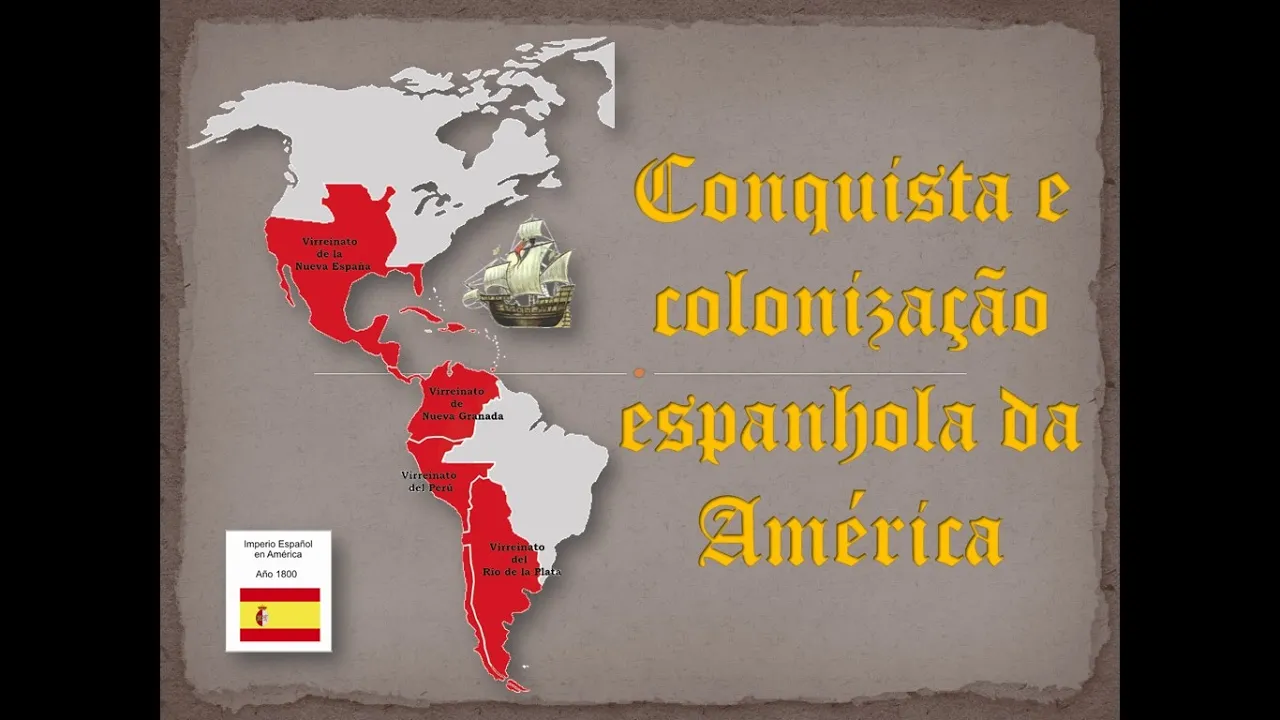
Added:The historical context of the Spanish Conquest, including the establishment of Viceroyalties and the subjugation of the Aztec and Inca Empires.
The Iberian concept of 'Limpieza de Sangre' (purity of blood) originating from the Reconquista, which influenced early Spanish attitudes toward ancestry and religion.
The basic demographic makeup of the early colonial Americas, characterized by the convergence of European colonizers, indigenous populations, and enslaved Africans.
The structure of the early colonial economy, particularly the reliance on forced labor through the encomienda and mita systems.
The role of the casta system in fostering geopolitical tensions, specifically the resentment of American-born Criollos toward Spanish-born Peninsulares, which fueled the Latin American Wars of Independence.
The comparative analysis of racial hierarchies, contrasting the fluid but highly stratified Spanish casta system with the rigid 'one-drop rule' of British North America.
The long-term socio-economic legacies of the casta system on modern Latin American societies, including contemporary issues of colorism, classism, and indigenous rights.
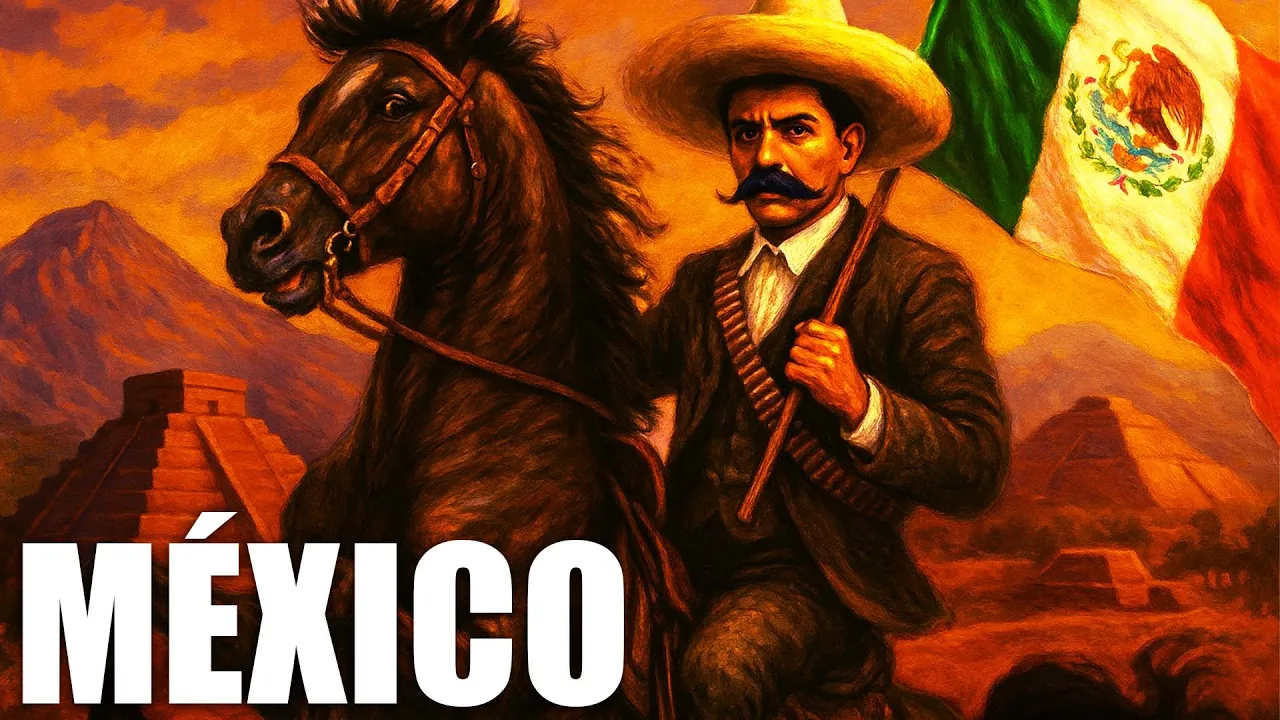
The post-colonial political concept of 'mestizaje' (racial/cultural mixing) and how countries like Mexico used it to construct a unified national identity in the 19th and 20th centuries.
19K views191likes6:07Original Release: 2020-01-15
so while the encomienda system was used by Spain to governance colonies there is another system in place that sort of controlled the cultural and social aspects of the Spanish colonies in the New World and it was with the Costas system the word Costa is where we get the word cast from and you can see why when you look at the system so essentially you think about the people who would be in the New World kind of a few different groups you've got people from Spain you've got colonists who are from Europe and born in the Americas and you've got natives and then soon after Africans who were brought in and then mixes of those people in between and all those people show up in this this caste Costa or cast a system at the top of this pyramid you can see we have what are called the peninsulares Peninsula virus means those from the peninsula which we mean the Iberian Peninsula where Spain is so if you were born in Europe and you came to in the new world you were in that peninsula various caste or category let's say you were a descendant of Europeans both your parents were open in Solaris when you would be a Criollo or Creole so you already have this difference in class of people who even though make it the same you know ethnic group or race in this case you know European because of just where they're born they're in different caste you would often have because of the nature of the wasting colonists right they're sending of these conquistadors who are mostly young unmarried men often they would intermix with the the native people so they would marry native wives and have children who were no part European part native and as time went on that also happened with the enslaved or freed slave Africans so you've got these groups people are mixed cent rule Atos and mestizos mulattos would be people who are mixed European and African descent and mestizos where there was a mixed European and Native descent and then of course you would have people who were digits to the Americas and the the African enslaved were brought over Indians and Africans and while the system at first was sort of informal over time it often got very codified what position you you had on this ranking system as it were gave you certain legal or social privileges in terms of sort of who determined this yeah there were the the birth records of Spain and other countries in Europe at the time we're really have tied to baptismal records so once the babies were baptized the priests would record this and that became essentially the birth certificate for people and you can imagine with with how stratified this is there's sort of a lot of complexity here and some your some of the columns cut pretty focused on this you had this whole series of paintings or really a style thinking called Casta paintings people imagined you know what if you have a pencil re in a mestizo so somebody who you know they're their children are what three-quarters European and one-quarter native what would that class be no in reality it wasn't quite that stratified but there's kind of a lot of arbitrariness if you've got people who were mestizo but it might look more European they kite might get put into a higher caste or class than some of you was not it was mestizo but look more native so this systems really is Agency tied to known lis race and ethnicity but but also class and that was true with with sort of the the legal and social impacts of this if you were a peninsula you can all pretty much any position and finish Larry's tended to be the governors and rulers in in the colonial world Creoles their children often couldn't hold the positions the political positions they did they make it still own property which was harder to do if you were one of the mixed classes will not Rosa mestizos and overtime mestizos becomes almost the the largest class or cast of people in the Americas just due to the intermixing of people there but mestizos would often you know resent people and the higher classes like Creoles because they you know couldn't necessarily hold much property or holding had a government job and then let alone if you were endo or a free combo if you are native or are african course often those people were enslaved or they are part of the improve en de system in fact in some cases you know mestizos couldn't participate in in some of the native governesses the the spain spanish sometimes made field with neighboring tribes and they could sort of rule themselves as long as they paid that required theo mento but since as mestizos got excluded from that there's a lot of a lot of social conflict here and that's gonna play a big role later as we get to the independence of the the spanish colonies it's often driven by some of the economic and social conflict between these different groups of people i know it goes back to this system that developed in colonial Spain
Up Next

78:08
Simón Bolívar: Battle of Boyacá & New Granada's Liberation
@khwarezmid1399
7.9K views•2018-07-11

33:02
The Great Schism of 1054: Causes and Consequences
@SacredCathedrals
113.5K views•2026-02-19
91:57
The Geopolitics of the Ukraine War and the Rise of Global Autocracy
@JordanHarbingerShow
468K views•2025-04-19
17:05
Understanding the Cold War: Superpower Conflicts and the Road to Détente
@OverSimplified
46.1M views•2019-01-24
Related Study Plans & Knowledge Roadmaps
Structured learning paths in History
history
Byzantine Iconoclasm: Theology, Art & Politics
01Foundations of Byzantium and Early Christian Images
02The First Iconoclasm: Leo III and the Crisis of Images
03Empress Irene, Nicaea II, and the Second Iconoclasm
+ 2 more learning modules
9h5 modules
Explore Roadmap
history
Iranian Revolution (Causes, Events & Legacy)
01The Pahlavi Dynasty and the Roots of Discontent
02The Spark of Rebellion and the Rise of Khomeini
031979: The Fall of the Shah and the Climax of the Revolution
+ 2 more learning modules
8h5 modules
Explore Roadmap
history
Mali Empire: Mansa Musa, Trade & Timbuktu
01Foundations of the Mali Empire
02The Trans-Saharan Gold and Salt Trade
03The Reign and Pilgrimage of Mansa Musa
+ 1 more learning modules
6h4 modules
Explore Roadmap
history
1947 Partition: Politics, Borders & Legacies
01Foundations of British India and the Divide
02The Political Negotiations and the Mountbatten Plan
03Drawing the Boundary: The Radcliffe Line
+ 2 more learning modules
8h5 modules
Explore Roadmap