














![H.P. ⏳ Repaso San Marcos 2023 I [CICLO FREE] 📚](https://i.ytimg.com/vi/wzsP8POsJuE/maxresdefault.jpg)

![[UFMS Digital] História da América II - Módulo 1 - Unidade 2](https://i.ytimg.com/vi_webp/tsYeauG0aEw/maxresdefault.webp)

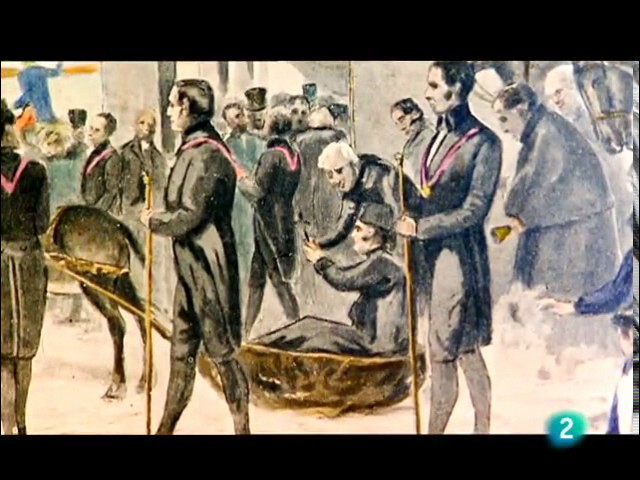
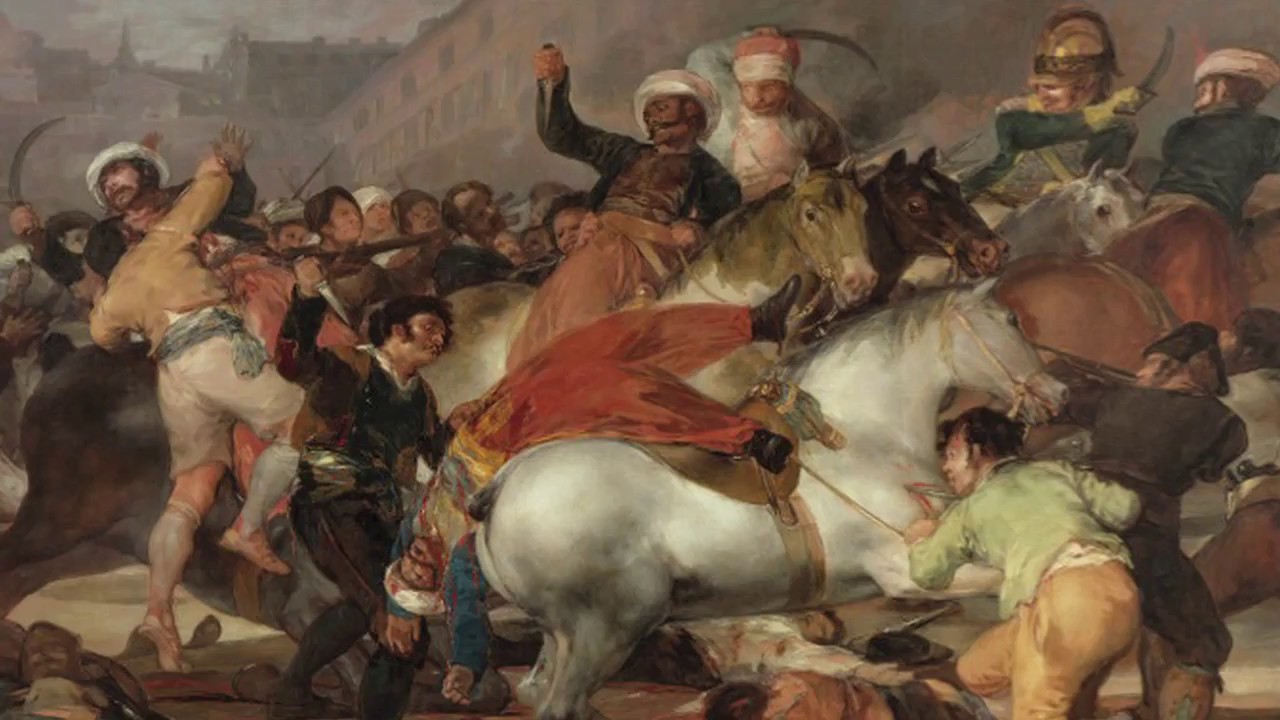
The Spanish American independence movements were fundamentally shaped by the Cadiz Mutiny of 1820, when Spanish soldiers in Cadiz mutinied against King Ferdinand VII's restoration of absolutism, forcing him to accept the liberal Constitution of 1812. This political crisis in Spain meant that the planned Spanish reconquest expedition to the Rio de la Plata never sailed, leaving the Royalist forces in America without reinforcements. General Pablo Morillo, who had been crushing the independence movements in Venezuela and New Granada, received orders to recognize the new liberal Spanish government and essentially lay down his arms. This development transformed the military situation in Spanish America, as the Royalists could no longer rely on Spanish military support and were forced to make do with their limited forces, ultimately leading to the inevitable independence of the American colonies.
Simón Bolívar: Battle of Boyacá & New Granada's Liberation
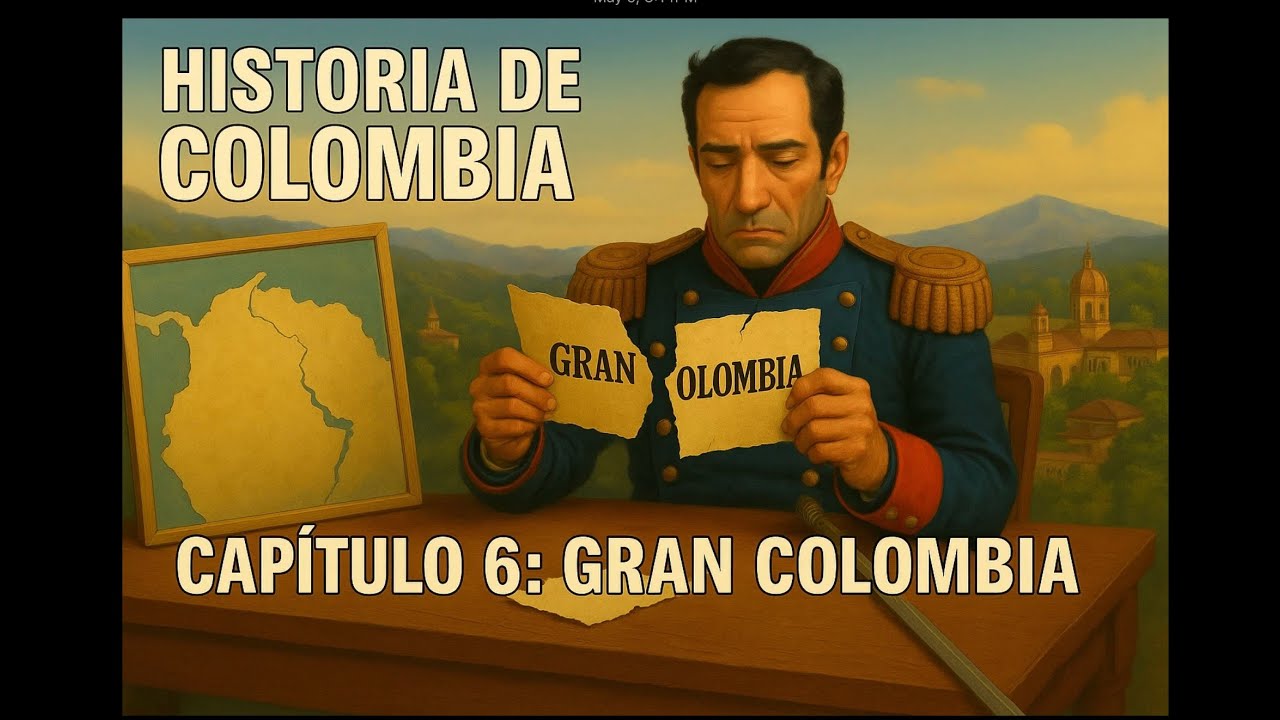
Added:this week's episode is brought to you by Casper Casper is an online retailer offering an obsessively engineered mattress made in America at a shockingly fair price the mattress industry is built on forcing consumers into paying notoriously high markups and Casper is revolutionizing the mattress industry by cutting the cost of dealing with resellers and showrooms and passing those savings directly on to the customer a Casper mattress provides resilient and long-lasting supportive comfort Casper's mattress is a one-of-a-kind blend of springy latex and supportive memory foam for a sleep surface that's got just the right sink and just the right bounce plus it's breathable design sleep school to help you regulate your temperatures through the night Time magazine named this one of the best inventions of 2015 and starting at just 500 for a twin size mattress and 950 for a king-size mattress I mean those are great deals compared to industry averages they are outstanding buying a Casper mattress is also completely risk-free Casper offers free delivery and free returns to the US and Canada and a hundred night home trial if you don't love it they'll just pick it up and refund everything so you get $50 towards any mattress purchase by visiting Casper dot-com / revolutions and using the promo code revolutions at checkout terms and conditions do apply [Music] hello and welcome to revolutions episode 5.17 the big rock on the side of the road the Battle of Boy AKOP was for once an indisputable and permanent triumph for Simone Bolivar he had been a professional revolutionary for nearly a decade now and he had spent most of it trapped in a revolving door he was exiled and then returned and then exiled and returned again he won battles but then suffered equivalent reverses he suffered equivalent reverses but then somehow bounced back he was constantly on the move but he never seemed to get anywhere while now he had finally gotten somewhere new Grenada was cleared of any Peninsula royalist army the Republicans had seized Bogota and they would not be giving it back the nation that would become modern Colombia was now free and independent and would remain so the only part of the colonies still under Spanish control was now Cartagena and though Cartagena was a city that could be defended militarily by six guys in a slingshot it could be reduced by prolonged siege and in short order it would be under a prolonged siege but this was no time to sit back and bask in the glow of victory to get lazy or complacent quite the opposite the liberation of New Granada only fueled believe ours momentum he remained in Bogota from the first week of August to the last week of September 1819 but as we ended last week's episode Bolivar put the government in the hands of Santander and then himself rode off on a slow-moving tour northeast through the newly liberated cities of New Granada on his way back to Venezuela in every city he passed there were celebrations and balls and parties and dancing believe ours entourage became a travelling celebration as the people rejoiced in their liberation and they'll believe our celebrated and the whole thing must have been something of a dream reality did not waste much time crashing back down on his head for one thing even though Bolivar was constantly surrounded by secretaries and soldiers and civilian well-wishers at this moment of his greatest triumph he was personally in a very lonely place it had now been fully three years since he had laid eyes on his longtime mistress Pepita Machado he did not know where she was or whether or not he would see her again now if you'll recall from back in episode five point fourteen the Peeta had been with him through the disaster at a kumara in the summer of 1816 but after redepositing her on the island of Saint Thomas they had just never linked back up in the intervening years Bolivar had been react Scyld to Haiti in 1816 then returned to Venezuela and gone off and captured August OODA in 1817 then led that failed campaign to capture Caracas in 1818 and then marched across the Johno sand up into the mountains of New Granada in 1819 Pepita had been present for none of this now mostly this was because in the chaos of war they had lost touch with each other I mean it's the early 1800s keeping in contact with somebody over long distances is tricky in the best of times but in all of this mess forget it so after returning to Angus Duda in the summer of 1818 Bolivar finally said enough is enough and he sent a nephew to personally track the Peeta down and this was a search that took months but ultimately the happy news that Pepita had been finally located on the island still of st. Thomas and would soon be on her way but it was still a while before Bolivar got confirmation that she had actually boarded a ship and even then days continued to pass without any sign of her in the meantime Bolivar kept busy arranging the Congress August Duda and then preparing for his still secret plan to invade New Granada a plan that included a place for Pepita by his side but she just kept not showing up by the time he had to march into New Granada in May 18-19 he had to ride without her and so he was now forced to celebrate his greatest triumph alone adding to his depressed spirits after leaving Bogota Bolivar proceeded to get hit by a continuous string of bad news I don't know exactly the order that all of this came in but I would guess that the first thing he heard was that Santander had gone and done something really dumb in the aftermath of the Battle of boyacá most of the senior Royalists commanders had been captured alive including the commander-in-chief general Jose Maria mário with the war to the death ancient history Bolivar treated his prisoners with all due courtesy and he hoped to eventually exchange them for Republican prisoners but almost as soon as believe our departed Bogota Santander decided he could not risk letting these officers live on October the 11th Santander ordered general barrio and thirty eight others removed from confinement and marched into the center of town they were given no explanation for the sudden rousting and not even the courtesy of a perfunctory tribunal it was in fact only when Santander ordered barrio to kneel that the royalist general finally understood what was going on with no further ceremony Santander ordered the kneeling general shot in the back then the other 38 men were lined up against a wall and executed it was a shocking scene for the residents of the city though they were happy the Viceroy was gone general Bardo himself had never been particularly disliked I mean many people actually liked him quite a bit and then to add insult to injury Santander then led a parade to celebrate and capped it all off with a splendid ball the sudden cruelty of Santander new regime came as an unwelcome surprise to the residents of Bogota when Bolivar was told about all this he wrote a tense letter back to Santander saying okay I understand that you were afraid that they might have gotten up to something but really this is not how I wanted things handled and it will make our lives difficult but okay I forgive you for doing what you thought was best clearly though this was through gritted teeth though he could not risk Santander coin completely rogue so Bolivar kept the chastisement to a minimum shortly thereafter Bolivar was told that another general he couldn't risk alienated had also ignored his orders because it turned out that Jose Antonio Paz had never gone to cúcuta as he had been ordered that instead of guarding the rear while Bolivar pushed up into the mountains that Paz had ridden hundreds of miles east to winter in the small town of the Chagos so as Bolivar cross back into Venezuela he recognized that he was going to have to once again walk a fine line between reprimanding Paz and alienating him now in general I did give you an order and you did say you would do it I know you're not a military man by training but that does have to mean something but he couldn't go too far and drive past away from the cause because without poss there was no free Venezuela and it really was that simple then once he crossed the border into Venezuela Bolivar got hit with two pieces of personally tragic news but first was that one of his favorite officers and a guy Bolivar had been grooming for a prominent position in the hierarchy of the New Republic had suddenly gotten sick and just died and as if that wasn't depressing enough the really terrible news hid the reason Pepito Machado had never appeared in August Dora was that she too was dead now there is no confirmed version of what actually happened to her some say she never left st. Thomas others say that she sailed away but died and Root others that she made it to the mainland but died before reaching Hong to de and others say that she passed through August Dora made it up the Orinoco River and out onto the zsa nose before finally succumbing to a fatal illness the common link does seem to be that that fatal illness was tuberculosis but even that is built on unsubstantiated rumors frankly nobody knows what really happened to poppy to Machado the news hit Bolivar like a ton of bricks but he was good at compartmentalization and all about that old style Roman stoicism in the face of adversity but just a few months after writing triumphantly into Bogota after the Battle of boyacá he had to have just been emotionally deflated and then came even more bad news news that turned his slow procession into a rapid March it had been just about nine months since Bolivar had to party Angus to DES and he had left behind what he thought was a functional government in what he thought were the capable hands of vice-president Francisco Antonio SIA in the armies of the eastern cardio's were supposedly sitting there just awaiting further instructions but now he received dispatches that all was not well back east that Santiago Mourinho had refused an order from the vice president to join his forces with Bermudez and further that another key general a guy whose name I have not specifically mentioned yet but it's juan bautista artist Mindy had been insubordinate enough that Bermudez had tossed him in jail and though bolivar did not know it at the time the situation was further being rocked by a strong rumor that bolivar himself had been killed in New Granada Bolivar quickened his return home but events would move faster than he could indeed by the time Bolivar found out that things were amiss back east they had likely already gotten even more a mess Bolivar had studiously avoided major confrontations with insubordinate commanders over the year Manuel PR being the one notable exception but vice president saya had tried to test the legitimate Authority of the civilian government by sacking General Santiago Mourinho for his refusal to follow orders but Mourinho had quite a bit more juice both politically and of course militarily and vice president say it in so after getting fired Mourinho began conspiring with the aforementioned general honours Mende and that conspiring took real shape when the rumors came around that Simone Bolivar was dead Mourinho and artist Mandi decided to overthrow saya which turned out to be not too hard at all all they had to do was roll into August Ruda and have a very frank chat with the members of Congress about the future of the Republic if Bolivar is dead we cannot trust ourselves to this old man who controls no armies has fought no battles and spilled no blood and the members of Congress agree they voted to depose saya from office Ardis Mandi was elected the new vice president and Mourinho went from being fired to commander in chief of all the eastern armies after this simple little coup Mourinho returned to his base up along the north coast to reorganize the army to his own specifications while artist Mandi remained in Angus tudi to cement the new order of things then in early December 1819 honest Mandi rode out on a military inspection tour of his own so he was not around when a ghost Road into Angus Duda in the middle of the night at 3 o'clock in the morning on December the 11th 1819 the operator Simon Bolivar returned not dead very much alive the people of the city were thrilled and even though it was the middle of the night word got out that the Liberator was coming back and they flocked to greet him exhausted from his journey that which had taken him from Bogota to Angostura in just 64 days Bolivar spent the next two days holed up in his house recuperating and taking interviews with men and women who could fill him in on what had happened in his absence and then he visited the deposed saya to get his version of events artist Mende meanwhile was alerted that Bolivar had returned and I have to imagine he went a little bit white when he got the news but he mounted his horse and rode straight for Angus to DES to try to head off what may turn out to be dire consequences but when artist Mandi arrived Bolivar did not greet him with fireballs of wrath but instead welcomed him with open arms and told him you've done a good job it sounded like things got very confused and maybe even a little dangerous and you did what you thought best to preserve the Republic isn't that right isn't it and Aras Mindy was like ah yeah that's absolutely right and Bolivar said well now that that's all cleared up and everything's fine you'll be happy to return the vice presidency to saya right an artist Mandi recognized the face-saving out Bolivar was handing him on a silver platter so artist Mandi announced that yes of course immediately I will resign now that the liberators home and he did Santiago Mourinho meanwhile continued to face no consequences for his own repeated insubordination although when Bolivar goes out for his next major campaign he will make sure Moreno joins his staff and will not let him out of his sight with all that settled Bolivar convened the Congress of Angus Duda on December the 14th to deliver a formal report new Granada has been liberated Bogota is in Republican hands and the time has come to make good on the grandiose proclamations we made when the Congress first convened back in February we must unite and form Grande Colombia for real on December the 17th the Congress agreed and voted that the Union would go into full effect Bolivar was given the title Liberator president and saya was confirmed as vice-president of the whole Republic with and they also created two junior vice presidencies Santander was elected vice president of the department of New Granada and a guy named Juan German our osteo who is a minor figure in the grand scheme of things but for the record was one of the signatories to the original declaration of Venezuelan independence back in 1811 he was elected vice-president of the department of Venezuela then the Congress voted to convene a new Constitutional Convention in cucuta on January the 1st 1821 to work out the details of a joined government now that both New Granada and Venezuela would be able to both fully participate the government hopefully now back on the right track Bolivar turned back to his last military problem General Pablo Monroe and the seven thousand or so Royalists soldiers who still occupied the critical northwestern coast of Venezuela and though Mario was hemmed in Bolivar had learned back in the summer of 1818 that it was not wise to just go launching a full frontal attack especially because retaining soldiers in the Republican Army was becoming nearly impossible the Wars of Independence had been going on for nearly a decade now and the Grim Reaper had already harvested half a generations worth of young men and it was hard to convince the rest to stay in the army especially when they were never paid or fed what they had been promised they would be paid and fed it seemed like for every man recruited into the army two more would slip out the back of the tent not that there were tents that's just a metaphor so supplying and paying the army became believe ours overriding concern and Bolivar was eventually furious was say a for example when he discovered that rather than directing cattle meat from the Jean house to the army they had been selling it to merchants from the United States and then and I'm not making this up after facing a shortage of meat in Venezuela buying meat from the United States and losing money on the deal it was pretty amateur or stuff to be honest and Bolivar started to suspect that maybe Seiya was not actually the man for the job ever on the move though Bolivar departed Auguste Duda again almost as soon as he had arrived back out to inspect what troops he had and then really to make his way all the way back to Nuuk Renaud to recruit men to serve in what he hoped would be the final campaign to liberate Venezuela after all we liberated you it's time for you to return the favor so he rode and rode retracing the journey he had just made because I mean they don't call him iron ass for nothing he was soon riding back up into the mountains and back through the cities of New Granada on his way to Bogota to check in with Santander but the recruitment effort was disappointing as were reports from Santander that the tax receipts were not as robust as they needed to be wouldn't believe our reach Bogota he and Santander conferred over what to do but leave our told him first of all to just squeeze the provinces for money voluntary patriotic contributions were not going to get the job done but Bolivar also raised the subject that would help drive a wedge between the two men after being converted to the cause of emancipation by Alexandra petit on Bolivar had not wavered in his commitment to freeing the slaves and he told Santander now that when the Constitutional Convention met in cucuta that emancipation must be written into the fabric of the Republic of Colombia and beyond the moral dimension there was a very simple military dimension that the newly freed black citizens must be given the opportunity to show their loyalty and fight in the army it simply isn't fair that they haven't been given the chance to fight for their own freedom but Santander balked and would continue to balk at emancipation he did not think it wise to upend the few money-making plantations left in the country and he agreed only that if a man cetacean came that it would have to be done slowly and carefully the fate of the slaves would remain a point of contention between the two for the remainder of their revolutionary partnership after just three weeks in Bogota Bolivar moved out of the capital in in then set up a base of operations in cucuta which was the most centrally located city in republican hands and from there he could keep his eye on Bogota the Magdalena River the ongoing siege of Cartagena de Venezuela and Shaw nose and hopefully be ready to strike at murió and Caracas if the Republican Army could get its act together so through the whole first half of 1820 a tense stalemate settled in everywhere murió obviously had no intention of making any offensive moves until he could get some reinforcements which he had been told for quite a while now we're on their way but never seemed to be on their way I mean while Bolivar for once did not risk losing everything by launching an offensive campaign before his army was really ready both commanders made limited moves but mostly just to mask their respective weaknesses from each other but in June of 1820 word of a major major major development back in Spain leaked that would change everything it was information that was by now months old but you know that's how it goes with cross Atlantic communications especially cross Atlantic communications that are supposed to remain top secret so to grasp the magnitude of this development we have to hop back over to Spain for the first time in quite a while now when last we checked in it was back in episode 5 point 12 the desired one when we covered the return of King Ferdinand the seventh aka the desired one to the Spanish throne if you will recall Ferdinand's return spelled the end for the Regency government that had ruled in his absence and through the entirety of the Peninsular war and the liberal constitution of 1812 that they had ratified but though the Spanish population in general wanted to reject the very French sounding ideas lodged in the constitution of 1812 I don't think anybody really wanted it to go back to how it had been before the abdications of biown there had to be some reforms and Ferdinand was encouraged by many petitioners to call the original version of the Cortes the medieval version with the clergy and nobility and Commons coming together to work out an understanding of how the restored monarchy was going to work going forward and Ferdinand said yeah sure that sounds great okay I'll let you know and then nothing he never called the Cortes and he and a small group of loyal ministers went about trying to bring back the absolutist osteon regime in its entirety and it did not take long for the desired one do not be very desirable at all so there's no need to get into the thickets of the high-handed incompetence of Ferdinand's government as it affected Spain itself what we need to focus on is their American policy and when it came to the rebellious colonies the regime's policy was full pacification and the re-establishment of the old order to turn the clock back to 1807 and pretend like nothing had ever happened that had been the basic set of instructions the King had given general Mario when the great Armada had set sail for Venezuela in February 1815 and for a long while the reports coming back across the Atlantic confirmed the viability of this strategy of uncompromising reconquest Mario made a clean sweep through Venezuela and nuke renata and after capturing Bogota was preparing to move on Peru but then the news took a sharp downward turn now Mario's reports said Venezuela has reira volted so instead of going to Peru I'm going to have to go back to Venezuela and these new reports were always accompanied by motor use request to be relieved of duty and then news came in that a rebel army led by the defector Jose de San martín had crossed the Andes captured Chile and now threatened Peru so instead of a grand royalist army parading into Lima to complete the reconquest it now appeared that the rebel scum were poised to attack the most lucrative colony in the whole empire so Ferdinand's ministers made plans to send reinforcements to Maria in Venezuela but even more importantly to send a second Armada to the Rio de la Plata to follow in the footsteps of San martín and undo everything he had done but even as this new invasion was being planned there seemed to be a clear change of direction coming out of the ministry by the beginning of 1818 one guy in particular who had been put in charge of all this a senior minister named Jose pasado started pointing out that they might be spitting into a hurricane here that a minimum negotiating with the Americans was probably going to be more effective and reconquest Bizzaro said look you can save it all by compromising you can dig in your heels and maybe save some of it like peru but most likely continuing down this uncompromising path is going to lose us everything so in June 1818 Posada produced a massive pile of recommendations an all-encompassing plan to keep the Americas in the Spanish orbit by conceding the end of Spanish absolutism Bizzaro recommended that the Spanish Americas be open not just a foreign trade but also foreign settlement to rebuild the population and revitalize the American economy he recommended increased participation of the Criollo in their own government an end to the trade monopolies the works everything basically that the Americans had been asking for but the king did not want to hear it after mowing it over with his closer advisors the Sado and anyone associated with him were dismissed in September 1818 and told to vacate the capital immediately the king then got back to the business of uncompromising reconquest in the end that uncompromising reconquest did not die in the Americas but right there in Spain to begin with the Spanish Navy was hardly a navy at all all the good ships had gone off with Maria with the first Armada and not much had been built up in the meantime so the king had personally authorized the purchase from Russia of a small fleet of ships but when these ships arrived they turned out to be lemons scraps from the junk heap that were barely seaworthy I mean basically Russia ripped him off and there was nothing he could do about it but still the king persistent and over the course of 1819 men were transferred to Cadiz to muster for the expedition and ultimately they would number 14,000 men but when these men arrived they just sat and despite the something like 400 million pesos that had been spent so far on the expedition since it had first been dreamed out back in 1816 whereas ill-fed yo supplied and ill-paid as any of the troops in the Americas rebel or Royalists the soldiers were reduced to begging food and supplies from the Katis merchants and then to top it all off a little epidemic of plague swept through town decimating the ranks of soldiers and civilian alike now as is often the case the men had not been told why they were all being reassigned to Katis they did not know what this was all about certainly not that they were going to be sent to the Americas but when the final preparations were being made in September 1819 the final destination leaked out and the soldiers were dismayed and furious they had heard plenty about the bloody disease-ridden chaos of the Americas they knew from their brothers who had gone over with Mario what they could expect nothing good probably just a grim death and on top of that this fight is to what reconquer the Americas that meant nothing to them personally I mean it was one thing to suffer and die to expel the French from the peninsula but to go across the Atlantic to put down some provincials who are probably on the right side of history anyway let me forget it the men started talking amongst themselves and they agreed that no we are not going to do it they can't make us the leader of this brewing mutiny was a guy named Colonel Raphael delriego commander of one of the ten battalions that compose the expedition riego was like everybody else a veteran of the Peninsular war but he was also a strong liberal and he had always begrudged the King for nullifying the constitution of 1812 the return of the desired one in Rio GAO's mind had been an unmitigated disaster and it had sent Spain right back under the yoke of ignorant backward repression riego looked around and decided that he might be able to convince the fourteen thousand disgruntled soldiers in Cadiz to turn their backs on the planned invasion of the Rio de la Plata and instead march on Madrid On January the 1st 1820 or Diego and his fellow conspirators staged a mutinous revolt they seized the commander of the expedition and declared themselves defenders of the constitution of 1812 they demanded the king acknowledge the constitutional monarchy now first Ferdinand scoffed at these demands and he tried to blow off the mutiny it's just unhappy soldiers who would soon be sailing across the Atlantic anyway so there's no point in giving it all too much credence except that the mutiny and Cadiz set off a string of similar mutinies in Garrison's across Spain and the civilian population was ominously sympathetic basically the Spaniards had been willing to give Ferdinand the benefit of the doubt in 1814 but having been given the benefit of the doubt King Ferdinand had blown it and they were all now ready to say maybe the constitutional monarchy of 1812 is actually worth another look so through January and into February 1820 the mutinous revolt spread out and soon it was knocking on the Kings doorstep in Madrid Ferdinand tried his best to keep his head lodged firmly in the sand now this is all gonna blow over I don't have to give in just I'll just hold out a few more days but by March the news had been tide placed around the Kings neck and was now tightening even if the King didn't quite realize it yet finally on March the 6th the king and his ministers decided they might be able to buy themselves some time by officially calling for the Cortes which they had been avoiding for so long but that only bought them a few days on March the 9th 1820 in the midst of popular agitation consuming Madrid the king was forced to go out onto the balcony of the royal palace and announced to the crowd that yes I accept the constitution of 1812 the six years have restored bourbon absolutism was dead and the dawning of a new liberal era was at hand now what this means for the wars of Spanish American independence is that the expedition that was supposed to invade the Rio de la Plata never sailed and instead of the next chapter beginning with a huge army arriving in Buenos Aires the next chapter started with nothing at all the Rio de la Plata would never face reconquest Jose de San martín never had to break off his approach to Peru and go back to rescue them because this army never showed up the Royalists in America were just going to have to make do with what they had on hand and that was never going to be enough to stave off independence so it's all pretty much just an inevitable run from here on out now probably the Americas wind up Breaking Away anyway even with the influx of 14,000 new soldiers because they probably would have just saved off that inevitability I mean eventually it was just not going to be worth the men and resources to try to hold an entire continent in bondage against its will that had kind of been one Pasado's ultimate point so probably the Spanish eventually decide that they're going to stop sending armies across the Atlantic no matter what but instead of that coming in the future it's coming right now today in Venezuela and still awaiting his allotment of reinforcements general Mario did not get word that all this unrest in Katis really was a really real problem until May of 1820 when the stunning news came of the king's capitulation and acceptance of the constitution of 1812 oh also by the way you are not getting any reinforcements and you can imagine just how deep Mario must have sunk into his chair when he read all this the kicker was that his new orders were to spread the good news to the Americans that they were all now equal citizens in a liberal Kingdom and they can lay down their arms and go back to being happy and productive subjects of the Spanish crown motor you'll positively exploded at the stupid ignorance of this order no one in Spain obviously had the first idea what is going on over here these people are not going to accept that they are going to be happy subjects of the crown again not now not after all this it was over a murder y ou knew it gentleman Rio sat on the information as long as he could but by June he was stuck please he couldn't keep it under wraps forever just as he was about to announce what had happened back in Spain to Caracas believe our spies intercepted a letter from the king to mario spelling out everything and as deeply as mario must have sunk into his chair when he heard the news you can imagine how quickly bolivar must have sprung out of his or whatever he happened to be sitting on probably a cattle skull or something all that was left in all of grande columbia standing between bolivar and independence was 7,000 spaniards clinging to the coast without hope of reinforcement you beat those guys just those guys and it's all over it had to be and once word got out general mario didn't really do anything to pretend otherwise on July the 6th 1820 messengers arrived at believe ours headquarters in cucuta bearing a request for a summit with motio to discuss a ceasefire now it took months of negotiations to arrange this summit as both sides were very cautious about the intentions of the other but they finally agreed to meet in the city of trujillo at the end of November and on November the 21st 1820 representatives from both sides met and formally agreed to a ceasefire that would last for six months the Royalists would recognize Bolivar as president of this thing called the Republic of Colombia and the particulars of the cessation of hostilities and the terms that prisoner exchanges were all worked out with the details finalized it finally became time for the two commanders to meet face to face for the first time on November the 27th 1820 at the tiny village of Santa Ana the two generals finally laid eyes on each other Mario arrived first decked out in his best uniform and accompanied by 50 splendid cavalry men then he saw a believers little party arrive consisting of just 15 men and Maria was shocked when Bolivar was pointed out to him because Bolivar was riding a donkey and wearing the uniform of a common soldier not wanting to be outdone in chivalry Maria ordered most of his cavalry to depart and then he dismounted to greet Bolivar and there on the side of the road the two men embraced then both sides retired to a small house to share a celebratory lunch that involved multiple toasts to each others as professional soldiers due to the valor and heroics of each other and in the midst of all this and probably quite drunk they all agreed to build a Great Pyramid on the spot in the road where the two generals had embraced who forever marked the peace and they went out they found a big rock and plopped it down to mark the spot where the foundation needed to be laid the toasting and drinking then continued into the night and so eventually rather than go their separate ways murió and believe are each strung up a hammock in the same room and they slept that night side by side in the morning they awoke they returned to the big rock that they had left on the side of the road probably now quite hungover and embraced again then each wrote off in their separate directions never to meet again if the world was a better place that would have been the end of it the fighting and the killing would have stopped there at Santa Ana but unfortunately the world is not a better place and when we return to our story it will sadly turn out that the armistice would not even last its prescribed six months talking their way to independence was never going to work if the Americans wanted to be free they were going to have to decide the issue on the battlefield but the climactic battle of Carabobo is going to have to wait because as I said our production schedule is getting a little dicey for the rest of 2016 and what that means right now is that there is not going to be a show next week and then when I come back in two weeks it's still going to be for a shorter supplemental episode that I still think you're going to find thoroughly entertaining because it's going to be all about the highly colorful con artists slash revolutionary Gregor McGregor and then after that though I'm going to take another week off so it's gonna be a while before we get back on track to the main story but in the meantime I will be finishing the transcript of the book but also remember I will be producing five count them five new supplementals for the history of realm that will be available when the new fundraiser launches at the end this month so I do hope that you are looking forward to all of that when it's done and until then I will see you in two weeks for the life and times of Gregor McGregor this week's episode is brought to you by hello fresh hello fresh is the meal kit delivery service that makes cooking fun easy and convenient whether you're a busy professional couple a large family that runs at breakneck pace or someone who simply wants to start cooking more hellofresh makes it easier tastier and healthier than ever to enjoy the experience of cooking new recipes and eating at home and the best part is they deliver right to your door in a special insulated box so you can skip the trip to the store so the thing that happened to me last night was that I ran late on work and was just about to start scrambling to put dinner together because you know you work from home it's my job to cook dinner and I opened the door to get the mail and there was my big box from hellofresh that I had been waiting for and it saved the day so when everybody got home it was penne pasta with garlic mushrooms and chard I don't even think it took me 30 minutes to make it it was delicious it was a total lifesaver and everyone in the family loved it so thank you thank you hello fresh the special deal you get through the show is $35 off your first week of deliveries when you use the promo code revolution so please visit hellofresh comm and enter the promo code revolutions when you subscribe hello and welcome to revolutions episode 5.17 a supplemental Gregor McGregor so today we're gonna veer off the main story to follow one of the many fascinating tangents that come from the wars of spanish-american independence and the man we're gonna talk about today has actually been around for quite a while sometimes he's just been on the margins of things and occasionally right in the thick of it he arrived right around episode 5.9 and did not depart the scene for good until we got to the events of last week's episode although by that point he was long gone from the main story and Bolivar had long since sentenced him to instant death if he ever set foot in Venezuela again so let's talk about Gregor McGregor Gregor McGregor was born in Glendale Scotland on Christmas Eve 1786 the MacGregors were old-school Highlanders they were Catholic Jacobites who had continued to support the line of Stewart pretenders to the throne after the Glorious Revolution Gregor himself was allegedly the great-great nephew of Rob Roy but by the end of this episode you'll fully appreciate why that sort of claim can be taken with a massive dose of salt the MacGregors had suffered for their religion but strict anti-catholicism was fading away by the end of the 18th century and Gregor's father was a fairly prosperous ship captain working for the East India Company no doubt an adventurous spirit from the get-go MacGregor joined the British Army as soon as he could the minimum age at that point being 16 which just so happened to be April of 1803 which if you'll recall from various episodes 3.53 4.17 five-point-five was just a few weeks before the official end of the year of peace when the Treaty of Amiens and the Napoleonic Wars truly began but the teenage MacGregor spent the next few years on relatively sleepy assignments he joined the 57th foot regiment and was posted first to Kent and then the island of Guernsey to guard against an expected French invasion that never materialized along the way though he met courted and married a woman named Maria Bowater which was an amazing catch for MacGregor his new father-in-law was an admiral in the British Navy various uncles and cousins of his new bride were high-ranking generals and there was even an MP thrown in there McGregor married way way up and Maria married way way down and I cannot imagine her family was thrilled by the match which if nothing else proves that McGregor was a hell of a persuasive talker from the get-go the couple married in 1805 and MacGregor used funds from his wife's considerable dowry to purchase a captaincy he was then posted in Gibraltar until 1809 which after the British had won Trafalgar was again a fairly sleepy assignment the sitting around and doing nothing finally ended in the summer of 1809 when McGregor's regiment was transferred to Portugal to reinforce Wellington this was just about a year into the Peninsular war when Wellington was launching his second campaign to put the French out of Portugal and we touched on this briefly in episode 5.7 but McGregor's time in the British Army proper came to a close just a few months later in October 1809 he was transferred to the Portuguese Army and elevated to the rank of Major and he served there until May 1810 at which point he abruptly resigned his commission and left the service various tales of personal clashes with other officers seeming to be the root cause of both his transfer to the Portuguese and his eventual retirement at the ripe old age of 23 now before we move on though I specifically mentioned that he joined the 57th foot regiment which is the kind of detail I'd usually skip over but at the Battle of Alba fought in May of 1811 the 57th foot made a courageous stand against the French earning them some very positive press and the regimental nickname the diehards and for the rest of his life McGregor would talk big about how he had served with the diehards never telling anybody that he had quit the regiment almost exactly a year before their heroic service made them famous and this would be McGregor's mo from here on out massively embellishing who he was and what he had done he returned to Edinburgh after retirement and made a big deal about being now Sir Gregor McGregor claiming an invented Portuguese knighthood the following year he and Maria moved to London where he further let it be known the he was actually the head of clan MacGregor which was not true at all but he was a smooth talker and was soon walking tall in London high society now there is unfortunately no firm rapport one way or the other but it is not hard to imagine that during this period he met Francisco de Miranda who while not being quite as shameless as MacGregor did share the habit of not going out of his way to correct people's mistaken beliefs about his rank or exploits and though there is no clear documentation I do think it's probable that MacGregor did meet Miranda during this period given what happens next what happens next is that Maria dies in December 18 11 and McGregor finds his in-laws suddenly turning a very cold shoulder cut off from the riches and connections he had mostly been trading on McGregor was faced with the dim prospect of returning home to the small estate in Scotland he had inherited from his father and becoming an anonymous Scottish farmer gross instead of the horror of boredom and anonymity McGregor decided instead for a life of high adventure he sold the estate and used the proceeds to fund his emigration to exotic Venezuela the Venezuelans had declared independence just about six months earlier and old Miranda himself had already gone home MacGregor quite rightly suspected that the new Venezuelan Republic would have use for a veteran Colonel of both the British and Portuguese armies MacGregor arrived though at literally the most inauspicious moment possible pulling up to Caracas with baggage in tow in April 1812 just two weeks after God's divine wrath had leveled the city but though morale in the first Republic was low McGregor was right that he would be a welcome addition to their small army Miranda embraced the dashing young Scotsman still only 25 years old and commissioned him a cavalry colonel but this was not the time to be joining the Venezuelan army and the walls were already closing in on the first Republic but in between losing skirmishes MacGregor found time to court and Mary Josefa Antonio Andrea re-stick Yetta a daughter of the Caracas Criollo aristocracy and cousin to none other than saman believed though at that point Bolivar was just a brash young radical who Miranda was trying to keep out of the way at the end of June 1812 Miranda promoted McGregor to Brigadier General but this was just a few weeks before his cousin in law Bolivar lost portico bail and the whole project collapsed as we saw in episode 5.9 in the chaotic aftermath of Miranda's surrender McGregor managed to secure passage for himself and Josefa on the very British ship that Miranda himself was planning to board the night that he was arrested while Miranda was tossed in prison by Bolivar and the other disgruntled Venezuelans McGregor sailed away getting himself deposited shortly thereafter in Curacao like so many of the other exiled Republicans but Curacao offered few amusements and little chance for fame and glory so McGregor moved on to New Granada after landing in Cartagena McGregor trekked up to tun ha and presented himself to President Camilo Torres now bearing the rank of brigadier-general it was not hard to convince the tun hog government to give him a commission in their army and he was given command of 1,200 men and placed in the Socorro district on the border with Venezuela and that is where he would sit during the dramatic events that we discussed in episode 5.10 as Bolivar arriving in New Granada just a few months after mcgregor launched first the Magdalena campaign and then the admirable campaign McGregor's job though was to guard the frontier with Venezuela so he took part in neither of these campaigns and continued to sit in Socorro as Bolivar established the second Republic and then watched it get consumed by the legions of hell but none of that was McGregor's particular concern he had his own problems as we touched on in episode 5 point 12 during this same period antonio nuri knows army was defeated by a royalist force and the union of New Granada was teetering on the brink of collapse so McGregor prudently transferred himself down to Cartagena the one city in New Granada that remained in firm Republican hands this meant that McGregor was in Cartagena when Bolivar came back through at the end of 1814 and was still there when Bolivar came back through again this is still all in at so 5.12 this is when cartagena turned against bolivar and he was forced to resign his commission and go into exile in jamaica mcgregor was on the other side of that confrontation but if you recall believe our self-imposed exile came at just the right moment because in September 1815 general Pablo Mario's Armada showed up and put cartagena to siege mcgregor participated in the defense of the city though when he got out he was happy to let people think that he had heroic lee led the ultimately doomed resistance to the Spanish but he did not he was however among the officers who concluded at the beginning of December that further resistance was futile among those other officers was also Jose Antonio sucre and Jose Francisco Bermudez the few men strong enough to keep fighting loaded themselves onto twelve gunboats on December the 5th 1815 and successfully blasted their way through the Spanish blockade getting clean away as general murder yo focused not on the birds who had flown the coop but on the entire city that was now his for the taking so McGregor and the other refugees were able to reach Jamaica where they quickly learned that Bolivar and a few other revolutionary veterans were reconvening in Haiti McGregor and the others joined the crew in Haiti with McGregor being enrolled as a general in this Colonel of a Republican Army he sailed with everyone else from the CAI at the end of March 1816 and then waited along with everyone else's believe our dropped anchor until he could reunite with Pepito Machado once they all landed on Margarita Island though McGregor stayed with Bolivar he was not an Eastern cow do he had no local support or connections to speak of other than the fact that Bolivar was his cousin in law so when Bolivar made his ultimately doomed play at a coup ma day in July 1816 we talked about that in episode 5 point 14 Gregor McGregor was given a key assignment he was deposited with about six hundred men ten or fifteen miles east of Okuma day on the beaches of CHO Tony when the disaster subsequently unfolded McGregor and his men were lost in the shuffle and left to fend for themselves as Bolivar sailed away with no chance of escape by sea the only shop they had was to make 300-mile Overland March right through the heart of royalist held territory and thus began McGregor's one true non invented non embellished non scandalously disastrous military exploit after realizing that they had been abandoned MacGregor led his men on a sweeping march that ran them south around Caracas but the enemy knew that there was this rebel unit on the move and they sent two armies to trap and capture them on July the 27th one of these armies got out in front of MacGregor and with no other option MacGregor had to just plow right through the blockade line they had set up with an intense charge that seems to have flustered the royalist MacGregor and his men successfully punched through the line and sent the enemy running back to a nearby town where it took them fully two days to regroup and restart the chase MacGregor stayed ahead of this pursuing army for about two weeks waging constant rearguard actions but on August the 10th the beleaguered Republicans were finally set upon but again MacGregor managed to break the trap this time setting up archers amidst heavy marshland that was able to cut down the royalist cavalry and infantry' as they tried to slog through the muck this finally broke the momentum of the royalist pursuers for good and ten days of fats marching later McGregor's army was back in Barcelona a city now held by friendly forces it had been a relentless 34 day march but they did it and McGregor's Fame spread after his return to rebel territory MacGregor briefly joined the army run by manuel PR but the two men clashed over both strategy and tactics so by october 1816 MacGregor had transferred himself back to margarita Island which at that point was under the command of Colonel artist Mandi the guy who last time joined together with Santiago Mourinho to overthrow vice-president saya well from his island base artist mehndi was looking out to the sea and thinking about how the Republicans might establish stable lines of supply and communication and he got it into his head that the weakly garrisoned backwater colony of East Florida might hold the key he suggested that MacGregor might perform a single service to the cause if he could establish a permanent base somewhere in Florida to better link with supplies of the above board and below board variety the some McGregor sale back up to Haiti with the hope of raising a force there and when he arrived he must have met and conferred with Bolivar who was sitting in his fourth and final exile and with whom McGregor had not spoken to since being abandoned to his fate back in July it would be the last time that they would see each other Haiti turned out to be a dead end recruitment why some MacGregor decided to try his luck in the United States sailing for Philadelphia where he ramped up his considerably persuasive charm to raise men and money for his operation all this had to be done with a nod and a wink as the American government wanted its citizens to remain neutral but willing adventurers and speculators could always be found in the taverns of the young American Republic and as McGregor made his way south through South Carolina on his way ultimately to Georgia he raised a couple hundred thousand dollars cash and a couple of hundred men to fight for him and it's on this trip that I have to believe he first got the idea for the infamous play a scheme because McGregor raised his money by doling out titles to land in Florida that neither he nor anyone else had ever seen or had any right to actually be doling out but the acreage number on the piece of paper was huge than the purchase price very small and so men took their chances on the dashing Scottish adventurer but as it would turn out it never ever ever paid to take a chance on sir Gregor McGregor McGregor's plan was to go and seize Amelia Island which is just off the northeast coast of Florida and which had become a thriving pirate Enclave running contraband between the United States and point in the Caribbean now it was still under the jurisdiction of a small Spanish garrison but they were cooped up in their fort and provided little in the way of actual control at the end of June 1817 McGregor launched himself from the mainland with one ship in just 80 men and induced the Spanish garrison who thought this was the beginning of a full-blown American invasion to surrender without firing a shot McGregor then raised a flag of his own devising a green cross on a white background and started making all kinds of declarations about the momentous founding of the Republic of the Florida's but there was no Republic of the Florida's and McGregor ran into trouble immediately like the minute his men asked if they could please now get the wages they had been promised now that the mission was complete unfortunately McGregor had already blown most of the money that he had raised he tried to tax the Pirates who were coming in and out of the main harbor but they just laughed in his face the other senior officers he had recruited then started pressing him to keep going and used the capture of Amelia Island to launch the promise liberation of all Florida to truly create the Republic of the Florida's but McGregor said yeah we don't have enough money or supplies or men to do that so the whole thing just kind of stalled out as McGregor didn't appear to have any plan at all for what to do next and he really didn't so Gregor McGregor did what he's gonna do a lot of from here on out he ran for him in early September 1817 he made his way down to the harbor of Amelia Island had said yeah I'm gonna leave now I'm sure this is all gonna work out for you guys I'll um be back and his men watched incredulously as he just got on a boat and sailed away McGregor never did come back sniffing all his creditors and leaving the men on the island to their fates and just to wrap up with this that fate was that some other American adventurers had sailed over with reinforcements and tried to hold the island but in December 1817 the United States sent in the Marines retaking the island and then holding it in trust for the Spanish as the American government negotiated the final purchase of Florida which was completed finally in 1819 but by then McGregor himself was a long since departed for other schemes his next scheme would be taking advantage a believe ours call for British mercenaries to join the revolution in Venezuela which we of course just talked about two episodes back in episode 5.15 after reuniting with Josefa McGregor had been living in Nassau for just about a year until he was tipped off that the New Republic of Colombia wanted British soldiers with his experience and connections McGregor would be the perfect recruiter and so he sailed back across the Atlantic to start recruiting putting in at Dublin in September 1818 and then moving his way over to London and no one on earth painted fluffier clouds or happier trees than Sir Gregor McGregor the fluffiest and happiest part being that each men who joined him would be paid 80 silver dollars upon arrival in the new world and in no time he had a good 500 men and 50 officers signed up for his personal Legion McGregor himself led the first contingent of men who departed England in November and who arrived in Lakai Haiti in February 1819 but literally nothing but Gregor had promised turned out to be true there were no silver dollars I mean hell there was no pay of any kind nor were there any supplies or guns facing an immediate mutiny and frequent desertions McGregor somehow managed to talk some merchants in Lakai into floating him some loans and equipment and in April 1819 he was able to announce to his men that they had a mission they would not be heading down to Venezuela but instead sailing over to the Isthmus of Panama to seize the city of Port ABEO and use it as a base to march down into New Granada and just to be clear here we're talking about Portobello not Porto kebaya on April the 9th 1819 McGregor deposited 200 men on a beach outside a Porter bale and told them to surprise the city and capture it the Spanish garrison inside was not expecting any kind of attack and was pretty easily driven out of the port MacGregor then strode boldly into town and raised his personal Green Cross flag made all kinds of impressive proclamations and then set down to work but mostly that work was designing cool medals for his officers and grandly taking credit for liberating like the whole world he did nothing to secure the city at all or prepared for any further action mostly what they did is just kind of sit around and aimlessly drink and that's when the Spanish launched the inevitable counter-attack without putting out any patrols to keep watch on April the 30th the Spanish were able to walk up let themselves in and just open fire McGregor himself was asleep when the shooting began and he jumped out the window and ran for the shore literally pushing himself out to sea on some driftwood he paddled across the harbor until he reached the safety of his ship with the battle unfolding back in town McGregor seems to have gotten a message to the men he had left behind imploring them to hold out that soon he would be covering them with fire from the ships but the minute he sent out that message he ordered the captain to weigh anchor and sail away the 200 men left in Puerto Bay oh must have felt their hearts drop into their stomachs as they watched the ships not open fire on the enemy but instead recede into the distance they had no choice but to surrender all of them were tossed in prison those that weren't executed anyway obviously well ahead of the real story MacGregor returned to Haiti and was able to spin it in his favor and he also found an additional 500 or so men that arrive in the meantime so MacGregor went back to work on the Haitian merchants trying to get money and supplies for further operations but everyone was starting to get a little skeptical as were the recruits who were now deserting in droves his problems were exacerbated when 400 more men arrived in early August this is just as Bolivar is winning the Battle of voya caught by the way for those of you keeping score at home as McGregor scrambled with excuses most of his men simply turned around and headed for home or departed for other opportunities in the Western Hemisphere and by September 18 19 he was leading just 200 men though he also now controlled three ships in early October he announced that they were going to go off and capture the city of Rio hotcha on the north coast of New Granada near the border to Venezuela so they sailed out of Haiti in the first week of October but this new operation was going to go no better than the old operation against Porter Bale in fact it played out like a verbatim repeat a Porter bale McGregor landed a force outside the city and said okay you guys get ready and I'll be back to personally lead you in a couple of hours but McGregor never came back and after dodging a Spanish force sent out to stop them McGregor's men managed to break in to Rio hotcha and seize the city the men then raised a flag to signal that they had succeeded but MacGregor had so little faith in them that he could not believe it wasn't a trap and he would not believe it until the commander of that advanced force personally rode out to McGregor ship and said dude what are you doing we have taken the city let's go so into town strides Gregor McGregor once again and once again he offered very little in the way of practical direction and his men fell into aimless drinking meanwhile outside the city the Spanish garrison was regrouping on the better officers under McGregor's command men with actual military experience could see that this whole operation was as embarrassing as it was dangerous and so they commandeered one of the three ships on October the 10th and fled realizing himself that this wasn't going to end well McGregor gathered his men together and gave an impassioned and inspiring speech for them to stand fast and defend the city with their pride and their honour after thoroughly arousing the men McGregor himself said oh I have to escort a few of our women down to the shore I'll be right back and then he rode out to a ship and told the captain to sail away the Spanish counter attacked just a few hours later and so far as I can tell all the men that McGregor left behind were either killed in battle or executed so Gregory McGregor is kind of a piece of crap right and by now everyone was coming round to the same conclusion word had gotten out about what had really happened everywhere and by the time McGregor was sailing away from Rio hotcha his name was infamous he couldn't go back to Haiti because his stiff creditors wanted him dead he couldn't go to the United States because his stiff creditors wanted him dead there too he couldn't go to Jamaica because the British now wanted him for piracy and then down in Venezuela Bolivar had been briefed about how McGregor had been using the cause of Venezuelan independence to enrich himself and lead good men to ruin so believe our issue to decree that if McGregor ever set foot in the Republic of Colombia that he was to be hanged on sight now here's the craziest part everything that I have told you so far all these things that have made Gregor McGregor's named infamous none of it is why history remembers Gregor McGregor as such an infamous figure none of it seriously because it all gets overshadowed by what he does next which is engaged in one of the single most audacious big cons in history a con so huge and legendary that it is still talked about by economic historians to this day they call it the ploy a scheme after six months in hiding McGregor resurfaced on the Mosquito Coast in April of 1820 and the Mosquito Coast is basically an uninhabitable stretch of Honduras that was held in a weird kind of colonial limbo runaway slaves from New Spain had mixed with the native population over the centuries and their descendants now populated the region and the British had run into these people at one point and discovered that they were really super anti Spanish so the British went ahead and recognized their chief as a king and signed a treaty with him mostly just a stake a claim to the region against Spanish encroachment the land however could sustain neither crops nor livestock and as the name suggests it swarmed with deadly mosquitoes every rainy season but in the spring of 1820 McGregor appeared before the court of King George Frederick Augustus and after a night of drinking he got the king to sign a document granting him title to 8 million acres of land in the region where today the north coast of Honduras turned south and becomes the east coast of Nicaragua this claim in hand McGregor got to work concocting an elaborate fantasy that he planned to take back home and sell for a boatload of cash in the early summer of 1821 McGregor his wife Josefa and they're now three children sailed back to London upon arrival McGregor began making the craziest claims of his life he said that the mesquite King had made him Kozik of play a that he was now the Prince of this country that nobody had ever really heard of he claimed further that he had come as a diplomatic agent of poi a to attend the official coronation of King George the fourth and more importantly to promote way to the people of Britain and invite them to take advantage of the opportunity of a lifetime and emigrate to paradise the only problem was boy a did not exist but at that moment the British public was ready to believe that it did they followed the course of the revolutions in Spanish America in the press but with everything splintering into new countries it was actually pretty easy for MacGregor to just slip a complete fabrication into the mix you know there's Argentina and Colombia Venezuela poi a whatever nobody knew the difference and he was also able to take major advantage of a speculative bubble in Latin American securities that had been growing as the newly freed government's like say the one Santander was running out of Bogota tried to raise foreign capital getting in on the action MacGregor talked a uniformly great game he worked himself back into high society with tales of the diehards and the Liberator Bolivar and the Paradise that he had discovered in Poe a a country of which he was now a prince he even published an extensive guide book written by Captain Thomas Strangeways in reality a fictional account written by McGregor himself that described a country whose beauty was matched only by its bounty McGregor had worked out an entire system of government a description of the economy and the geography and its future prospects he invented a capital called st. Joseph which was supposedly as modernist City as any in the Americas and boasting a population of 20,000 none of this existed though the book still does it's been digitized by Google and I posted a link at revolutions podcast.com if you want to go take a look at some pretty elaborate world building McGregor started out targeting working-class families by offering huge tracts of land in ploy a for dirt cheap totally affordable too like a wage laborer looking to make his life better targeting specifically his fellow Scots he told them that this was their chance to make a Scottish dominated colony in the new world and in September 1822 McGregor had hired a ship and the first 80 settlers many of whom had handed him their life savings boarded that ship and sailed for pay which remember does not exist but the charade of sending off the settlers was probably designed to further McGregor scheme in London by alleviating any doubts that a reputable bank might have about his claims and it appears to have worked because in October 1822 just like a month later McGregor talked a bank into underwriting a two hundred thousand pound bond issue bearing six percent interest and getting it posted on the London Stock Exchange with eager speculators buying up notes on an installment plan McGregor now had further cash to keep the scheme going he opened play a consulates in London Glasgow and Edinburgh to keep building on the con on paper this was all smashing success and McGregor became the equivalent of a multi-millionaire confidence breeding confidence McGregor then dispatched a second ship of 200 settlers in January 1823 but shortly thereafter things began to go awry first of all of course the original settlers arrived on the Mosquito Coast in November 1822 and found nothing nothing at all believing they had simply made a navigational error they plopped down and sent out parties looking to make contact with PA and find the best route to st. Joseph the captain of the ship though started privately suspecting the truth though he didn't want to let on instead he told everyone to sit tight here on the coast while I sail off to find the king and get to the bottom of this he had still not returned when the second ship bearing the new settlers arrived in March of 1823 eager to begin their lives in pee but a few weeks later the first captain came back and said look I found King George Frederick Augustus and he doesn't know anything about any of this and probably we should give this up now but the duped settlers refused to believe it even as the rain started the mosquitoes arrived and the yellow fever and malaria set in so the captain sailed away a second time ostensibly to search for supplies and ask around about where they were really supposed to be finally about a month later a magistrate from the British colony of Belize happened to be sailing by when he spotted this random on the Mosquito Coast he came in and asked the people what they were doing there and when they replied that they were calling us looking to settle in PO a the magistrate was like there is no such place as pee and you're all going to die if you stay here but they still didn't believe it I mean if you've dumped your life savings into a fraud that can blind you to the obvious reality and it wasn't until the first captain returned for the second time that they finally started cluing in to what was going on because this time the captain had King George Frederick Augustus in tow and the King angrily said you're all trespassing on my land I do not know who this MacGregor character is but whoever he is he's a liar now I want you to get out of here so the settlers reluctantly evacuated to British Honduras except now the tropical diseases were really taking their toll by the summer of 1823 about two-thirds of them were dead the only good news now is that the British magistrates had alerted the Royal Navy of the fraud and the Navy managed to intercept five further boatloads of would-be settlers than MacGregor had filled in the meantime sparing all of those poor souls an even worse fate by that point though the real juice was already running out of the scheme the Latin American bubble appears to have burst over the winter of 1822 1823 and many of the initial bondholders decided to cut their losses rather than make further installment payments to MacGregor by the fall of 1823 the notes were trading at just 10% of face value and it was right then in October 1823 that 50 survivors of the ploy a scheme returned to London before their stories hit the street MacGregor said ah yeah I'm really not feeling very good and he let it be known that he was going to Italy to recuperate but he wasn't going to Italy really he bolted for Paris just ahead of the scandal hitting the British press who had a field day with it oddly enough though the full breadth of McGregor's Khan was not grasped it was so huge and audacious and unprecedented that many even of the swindled settlers believed that they had been screwed by the ship captain or that McGregor himself had been duped by the wily King George Frederick Augustus no one could quite believe that the whole thing really was just Gregor McGregor wandering around spinning and though he had managed to get out of town just ahead of a scandal breaking McGregor himself does not appear to have learned any lesson from any of this or demonstrate the least bit remorse that he had just swindled a bunch of people and sent hundreds off to die because when he got to Paris he started the scheme right back up again he partnered with an investment company looking to grow their business in the emerging free nations of Spanish America and McGregor sold the company five hundred thousand acres in plaa for them to then sell to would-be settlers but this time there would be no death toll when the French government started getting requests for passports to play a which no one in the government had ever heard of and did not seem to exist on any map they were able to trace the claims back and crack down on the apparent fraud a few of McGregor's accomplices were arrested in October 18 25 and then McGregor himself was finally tracked down in busting in December but by a stroke of luck their main point of contact at the investment house had escaped to the Netherlands with all the incriminating documentation so McGregor spent the next six months blaming it all on that guy and saying I too am the unfortunate victim of this swindler even after the guy was successfully extradited from the Netherlands McGregor managed to convince the French judge that he too was just an innocent victim McGregor was acquitted the other guy got 13 months in jail whatever else he was gregor McGregor was a hell of a talker since it had now been nearly three years since the first place survivors had returned to London and the press had all died down McGregor returned to England and I kid you not got right back to selling the same lie this time he managed to get an eight hundred thousand pound bond issue floated on behalf of pee but this time it went nowhere word had gone round in financial circles that the bond was junk but incredibly it was not considered junk because pee was invented and the previous Bond had literally gotten people old they all just looked at the old record books and said the return on the previous play a bond had been horrible and a part of a speculative bubble we all now regret so McGregor was forced to sell the whole lot of the 800,000 for nothing and nothing ever came of it Gregor McGregor spent seriously the next 10 years wandering around floating various versions of his play a scheme either in Edinburgh or London but was now running into the problem of other unsavory characters starting to claim that they were the true representatives of play a and selling competing bonds to McGregor's which just had to have been infuriating these liars trading on my lie in May of 1838 though Josefa who had been with him this whole time finally died and McGregor could think of no further reason to stay in Europe in October 1838 he returned to Caracas for I believe the first time since the fall of the first Republic way back in 1812 and he presented himself to the government of Venezuela he claimed that he had been unjustly exiled by Bolivar and requested to be reinstated to his old rank of general and be given 25 years back pay now some of the old revolutionary crew was still kicking around and a few of them had become enemies of Bolivar by the end and they vouched for macgregor service so the Venezuelan government reinstated his rank and granted him severance at 1/3 pay Gregor McGregor then lived on this income for the next seven years dying of natural causes in December 1845 at the age of 58 Gregor McGregor never repented nor faced any real punishment for his con artistry he started out a fairly run-of-the-mill mercenary adventurer and did some good work on behalf of the Spanish American Revolution but then just gave himself over to lying and scheming and then running which between Amelia Island Port ABEO Rio hotcha and the poi a scheme probably led directly to something like 500 deaths I mean directly attributable to his various actions and inactions I'm not sure what exact criminal charge would be best to haul him into court for but some version of raved indifference to human life would seem fitting but he's dead now and he can't hurt anyone else but I gotta tell you if anyone comes around offering to sell you land in ploy a call the cops so that concludes our little supplemental diversion and as I said last time we're now going to return to the main story again in two weeks as I turn my attention to other projects but luckily one of those projects will launch in one week and will take the place of our next full episode because the second Revolutions podcast fundraiser launches one week from today on October the 30th 2016 we will have two new t-shirts available three totally awesome screen printed posters and five count them five new episodes of the history of realm so I will see you in seven days for the grand opening of the second revolutions podcast fundraiser you
Up Next
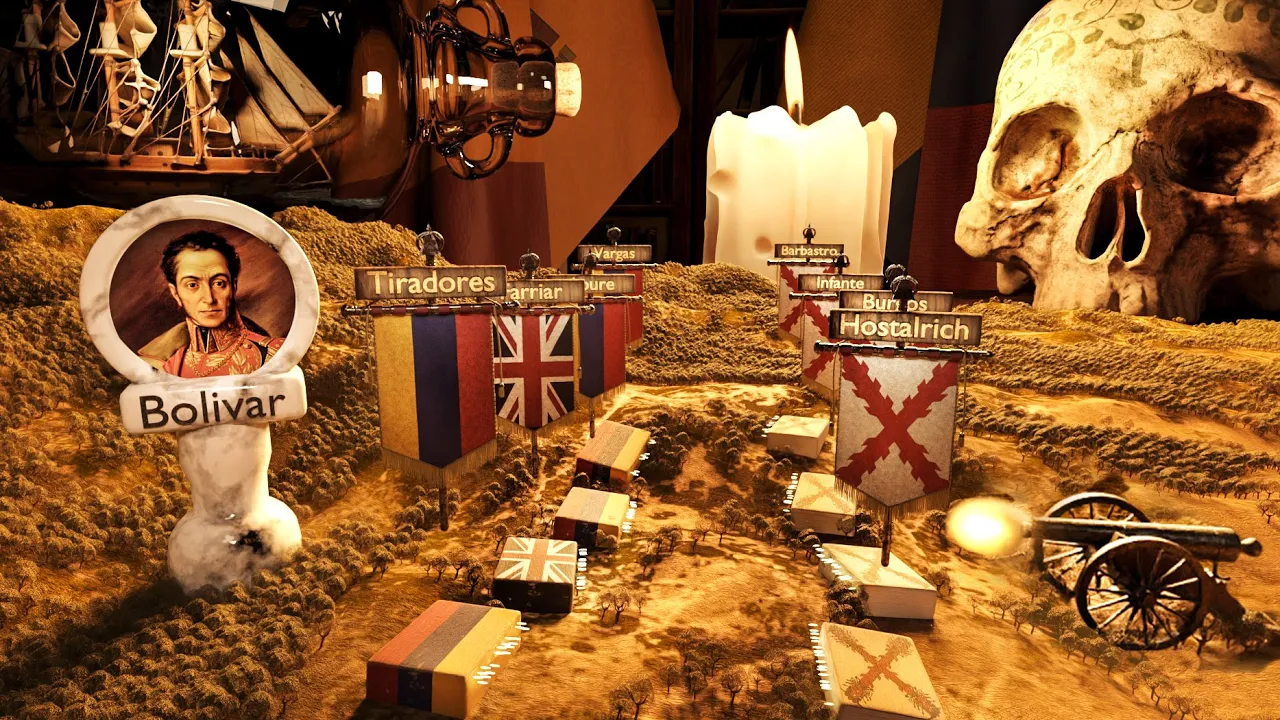
Battle of Carabobo 1821: Bolivar's Decisive Victory in Venezuela's War of Independence
@HenryStewart
10.3K views•2023-05-21

The Great Schism of 1054: Causes and Consequences
@SacredCathedrals
113.5K views•2026-02-19

Haitian Revolution Overview: Origins of the Uprising | Mike Duncan
@khwarezmid1399
31.4K views•2018-06-01
Understanding the Cold War: Superpower Conflicts and the Road to Détente
@OverSimplified
46.1M views•2019-01-24
Related Study Plans & Knowledge Roadmaps
Structured learning paths in History