















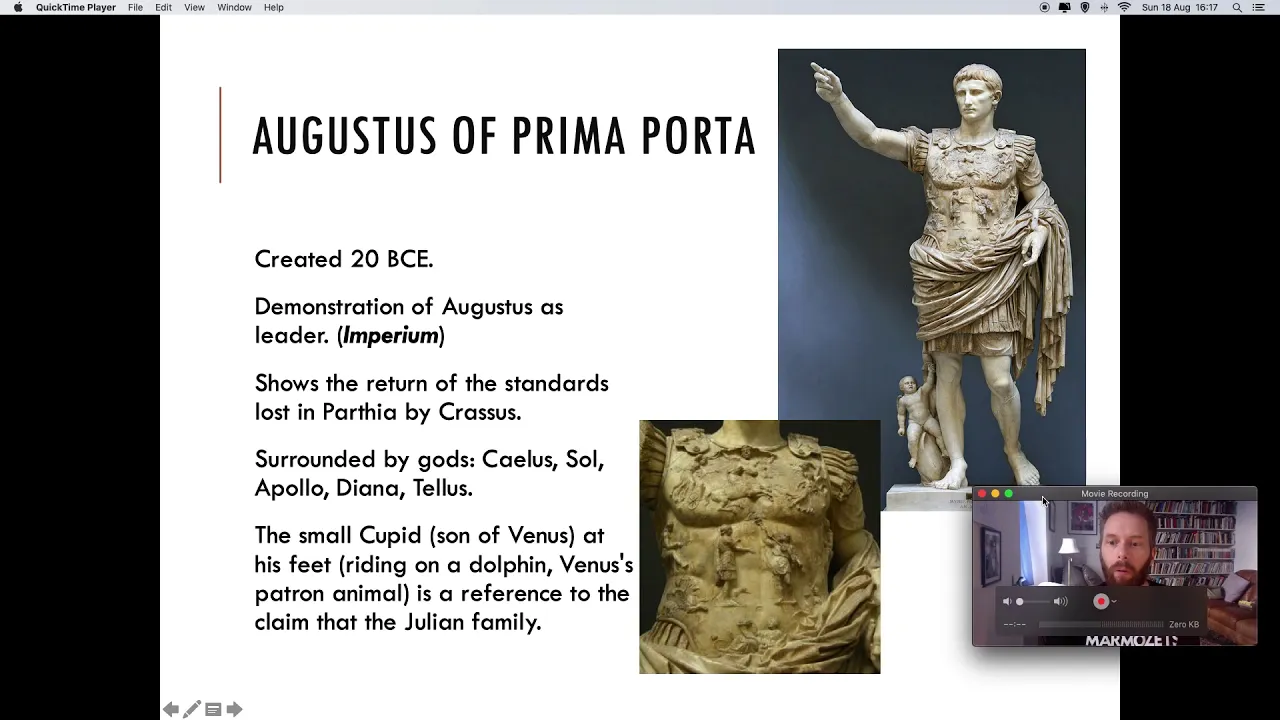


The Battle of Actium (31 BC) was a decisive naval engagement that ended the Roman Republic and established the Roman Empire; Octavian (later Augustus) defeated Mark Antony and Cleopatra's combined forces of approximately 500 ships through strategic naval sorties and attrition warfare, leading to Antony's retreat and eventual suicide alongside Cleopatra, marking the transition from republican governance to imperial rule in 27 BC.
Battle of Actium 31 BC: Fall of the Roman Republic
Added:The political structure of the Late Roman Republic, including the tension between the ruling Senate and ambitious military generals.
The rise and fall of the First Triumvirate and the subsequent assassination of Julius Caesar in 44 BC, which left a power vacuum.
The formation of the Second Triumvirate (Octavian, Mark Antony, and Lepidus) and the resulting geopolitical division of the Roman territories.
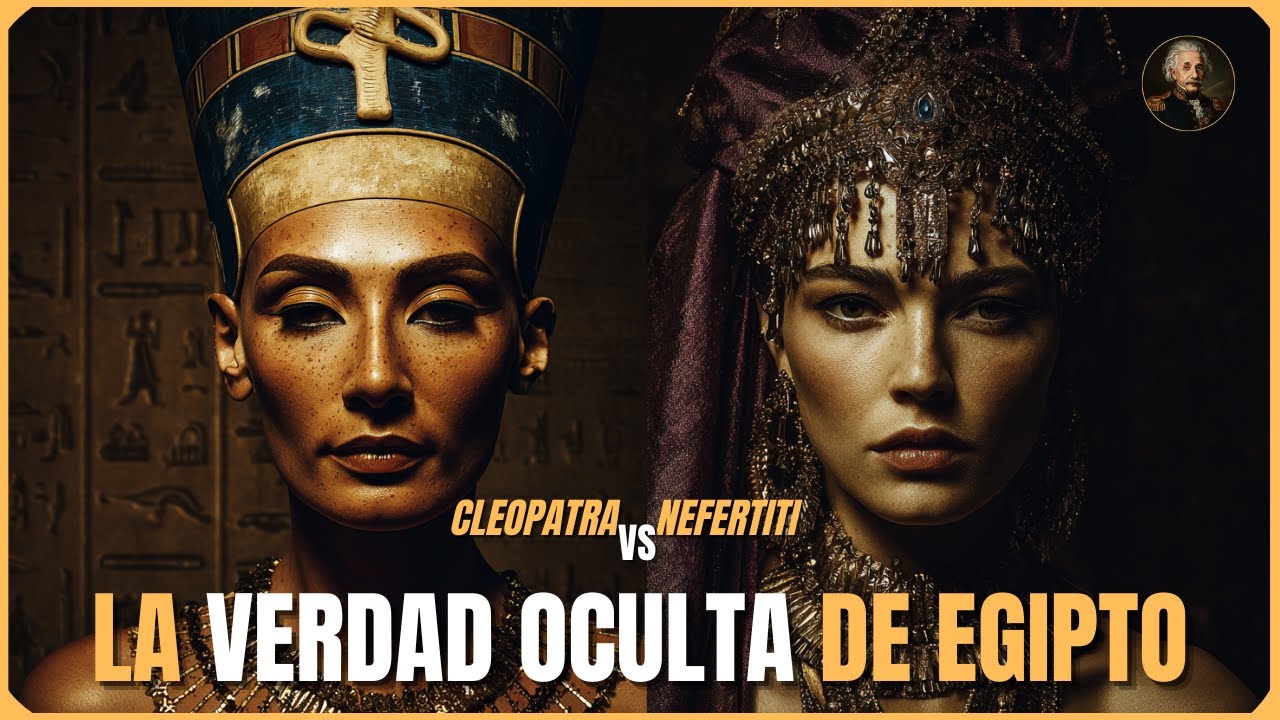
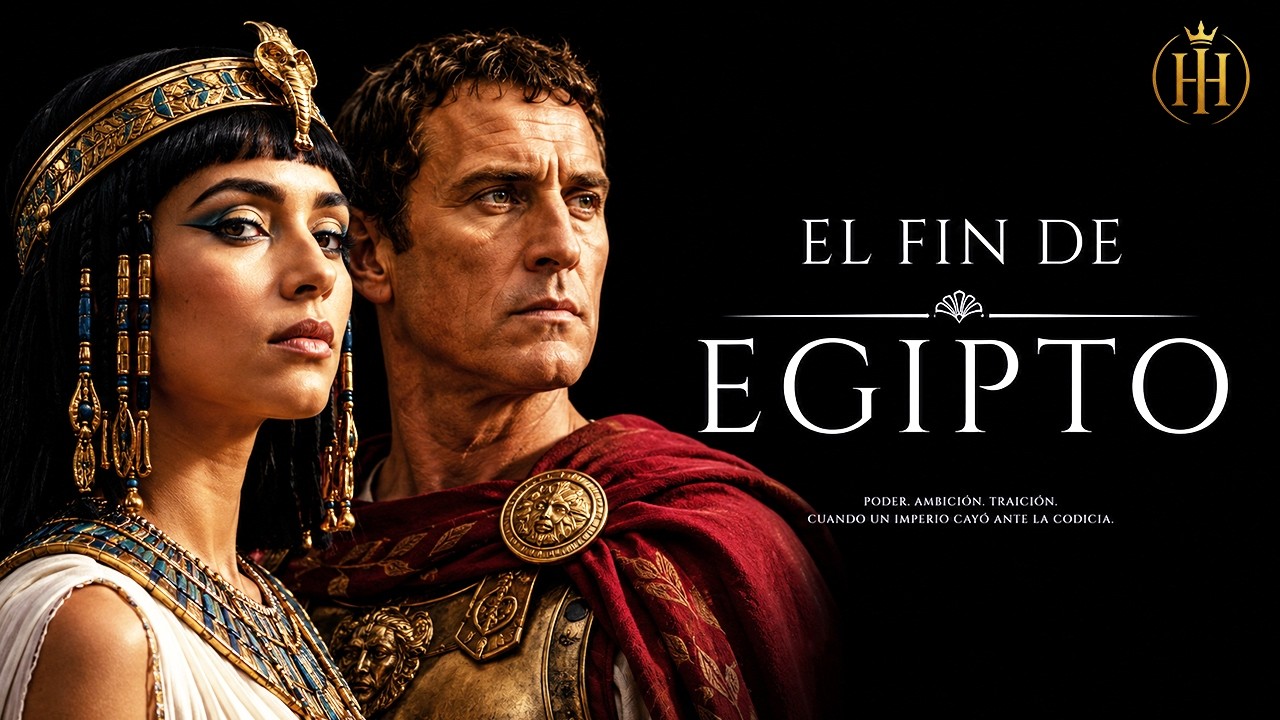
The political and economic alliance between Mark Antony and Cleopatra VII of Ptolemaic Egypt, and how Octavian framed this as a foreign threat to Rome.
The establishment of the Roman Principate and how Augustus systematically consolidated absolute power while maintaining a facade of Republican traditions.
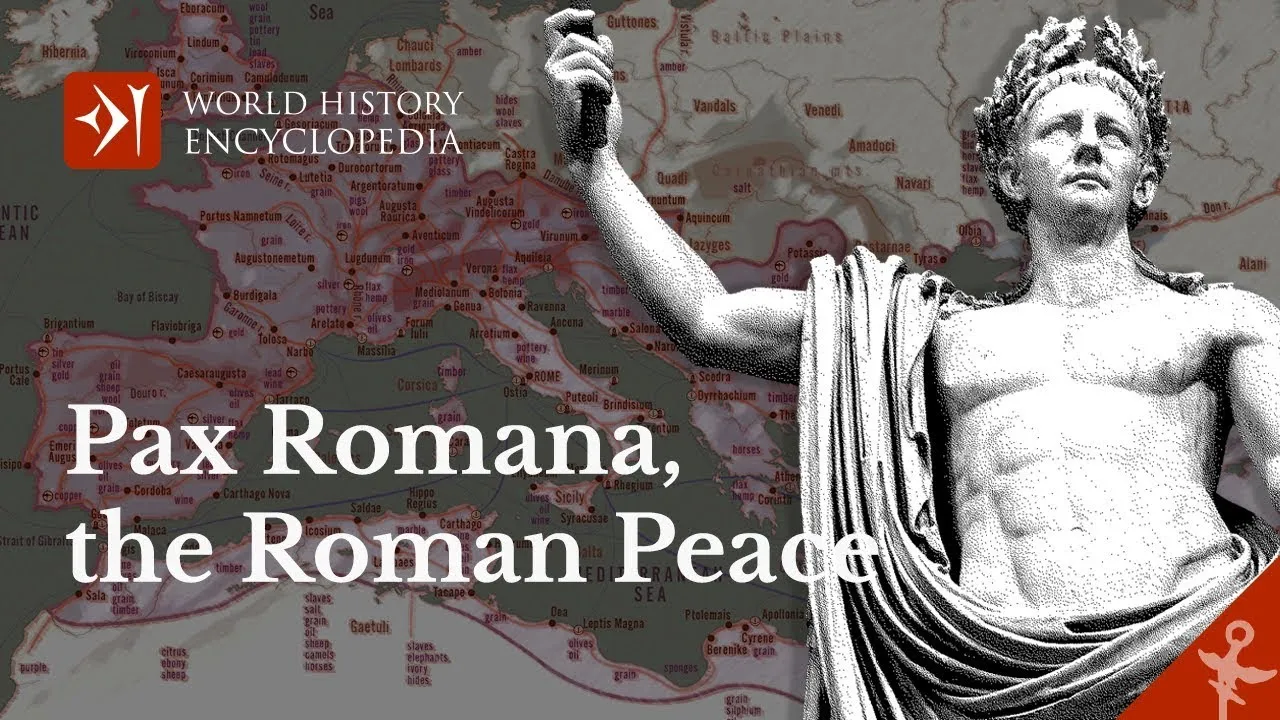
The Pax Romana (Roman Peace), exploring the administrative, economic, and military reforms that stabilized the empire for over two centuries.
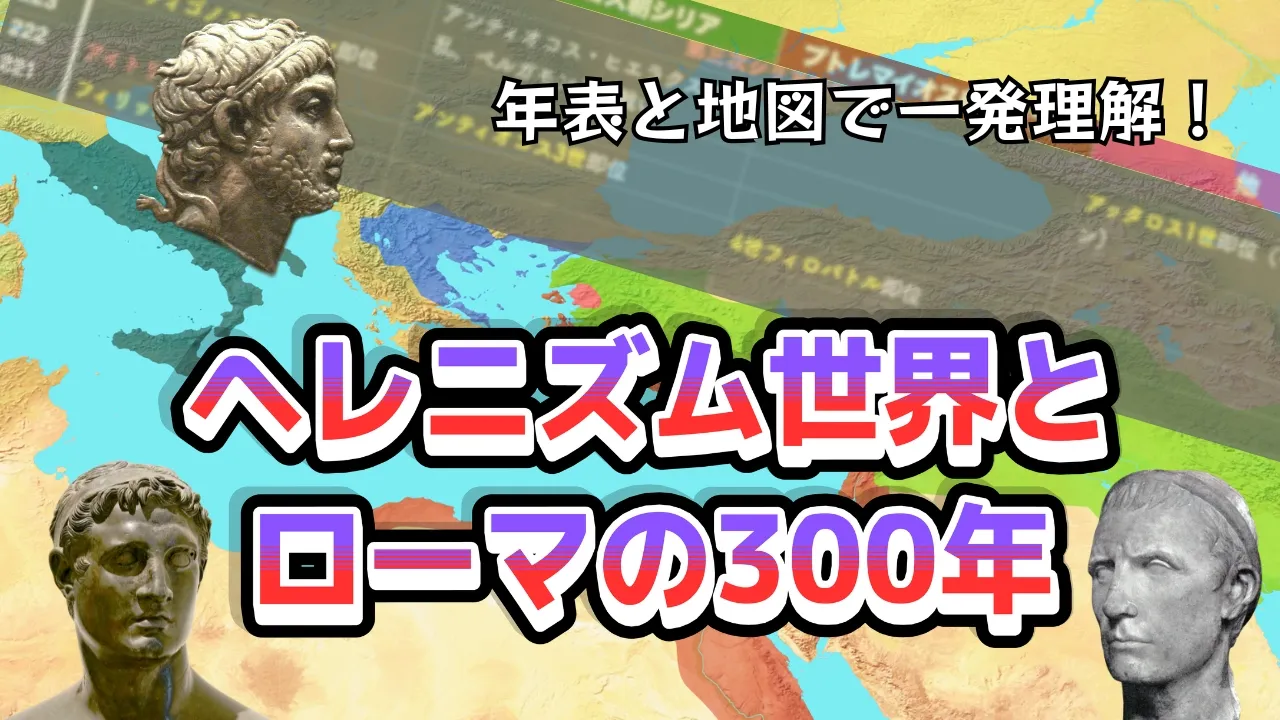
The annexation of Egypt as a crucial imperial province and the final end of the Hellenistic Period.
The study of Augustan propaganda, architecture, and literature (such as Virgil's Aeneid) used to legitimize the newly established imperial regime.
1M views22Klikes14:40Original Release: 2017-09-03
[Music] the Roman Republic was crumbling slowly but surely for a century however it was a final conflict called the final war the Republic that eventually brought it to its knees this war would see the largest of the Roman armies engage in horrific bloodbath and contain one of the grandest and most crucial naval battles in history the Battle of Actium the fate of the known world was decided here welcome to another episode of the kings and Generals documentary series [Music] [Music] thank you for watching our documentaries we are always grateful for your likes shares and subscriptions please consider supporting us on patreon as every dollar counts and would help us improve our content and with that let us begin this video in 44 BC a group of aristocrats led by Marcus Brutus and Gaius Cassius Sasson ated Julius Caesar in the Senate they expected universal praise for getting rid of the dictator but Caesar was popular amongst the people in the Eternal City his murderers were driven out of the city to the eastern provinces back in Rome Caesar's heir Gaius Octavian and his generals Mark Antony and Marcus Lepidus managed to form a new alliance called the second triumvirate their professed goal was to uphold the Republic but in truth they were hoping to avenge Caesar and gain more power in 42 BC Octavian and Antony led their nineteen legions against seventeen legions of Brutus and Cassius the two armies met in Macedonia at Philippi with the new triumvirate achieving a decisive victory after this both Brutus and Cassius committed suicide with the death of Brutus and gaseous the triumvirate took over Rome and divided its provinces amongst themselves at Brindisi amman 40 BC Octavian received the western part of the Republic while Antony took the eastern provinces and Lepidus received Africa Italy was declared neutral ground but in reality Octavian control it to strengthen this alliance Octavian arranged the marriage between Antony and his sister Octavia but both of them had claims to the legacy of Caesar so conflict was inevitable yet they still had other enemies to fight the son of Naas pompey sexist used the war and took control of Sicily Sardinia and Corsica his powerful Navy dominated the Seas which put Italy in imminent danger Octavian needed to win time so in 39 BC the triumvirate and Sextus signed a pact of my cinema which confirmed any current possessions of Sextus and granted him the control of the Peloponnese still none of the signatories acted in good faith and sexta strayed in Italy with his ships which damaged the crucial grain import to Rome and caused a food crisis Octavian had to counter-attack and get rid of sexist his first attempt to conquer Sicily failed in 37 BC as his Navy was defeated twice near Messina it was clear that Octavian needed help and he entered the negotiations with Antony to secure more ships the latter was planning the invasion of Parthia and hope to get more recruits from Italy Octavia mediated the talks her husband gave Octavian a hundred and twenty ships and was promised 20,000 legionaries in return they also decided to renew their triumvirate for five more years in 36 BC Octavian restarted his offensive against Sextus his troops were led by his trusted commander Agrippa who won decisively analogous Lepidus also took part in the campaign he took a few important towns and eventually forced some legions of Sextus to join him he demanded Sicily to become part of his domain but as soon as the grippers army approached the forces of Lepidus defected and his territory was absorbed into the holdings of Octavian the air of Caesar now had an unprecedented forty-five legions under his command yet all these soldiers demanded pay in land and an impending crisis loomed over Octavian to the east Antony was consolidating his holdings he invited various client Kings to join him amongst them the queen of Egypt Cleopatra of the Ptolemy dynasty Roman sources claimed that Antony was infatuated with her but it seems that initially he only saw her as a powerful tool to achieve his goals he hoped to conquer the path and Kingdom and needed all the help he could get from those client states it is possible that the marriage ceremony between them was purely political as Antony knew it would be considered illegitimate he also granted Cleopatra some of the old Ptolemaic lands modern historians think that it was not a gift from a lover but a political move these areas were rich in timber and Cleopatra was tasked with building a navy both the marriage and this grant were continuously used by Octavian's propaganda back in Rome the political situation in Parthia was complicated as heir to the throne Freight he's killed his father and brothers to become the King Antony started his campaign against Parthia and 36 BC by sending his general Kennedy us to invade the Caucasus Antony had one of the largest Roman field armies in history under his command some reports claimed that after the Armenian cavalry joined his forces Antony had over 100,000 men yet his campaign would begin poorly as Anthony marched forward he left behind his supply train it was not long before was attacked and the two legions carrying it for crushed supplies and artillery and abundance were lost to make matters worse the Romans were abandoned by the Armenian king r2 vesties yet Antony still moved ahead the partha not willing to fight a general battle and used their horse archers in mobility to weaken his army across a number of skirmishes eventually the Roman leader had no choice but to retreat and unfortunately for him he lost two fifths of his army in this single campaign Antony wintered in Alexandria with Cleopatra his alliance with Octavian was slowly degrading as he did not receive the reinforcements that were promised to him he insulted Octavian by sending his sister back to Rome and as Octavian was fighting a war in Illyricum to gain more popularity with the people Antony was losing his prestige in 34 BC he rectified some of it by annexing the Caucasus and concluding his campaign with a triumphal procession in Alexandria yet this too would be used against him Antony gifted Cleopatra and her heirs new lands and what was later called the donations of Alexandria yet the Senate rejected this gift and now conflict was inevitable Octavian declared war on Cleopatra to avoid it being considered a Roman civil war yet he knew that Antony would side with the Queen and he was right Antony and Cleopatra started concentrating their troops in a thesis in 32 BC they had around 100,000 land troops and 500 combat ships under their command Cleopatra also brought along a large war chest that would pay for the entirety of the campaign Octavian had an equal number of forces and 300 ships led by his loyal general Agrippa engineer each tempera sin the spring of 32 BC and distributed his troops and ships along the coastline as Garrison's with the majority of the battle vessels in the Gulf of embrasure he was not going to invade Italy just yet as the people were against Cleopatra so instead he was hoping that Octavian would be brought down by an overwhelming inability to pay his own troops [Music] Octavian was also not very fond of a general battle as he considered Antony to be a superior general he instead resorted to naval sorties and Agrippa managed to take Metheny at the southernmost part of Antony's defensive line Agrippa continued to attack transports and detached Garrison's in the Ionian Sea and that allowed a large group of Octavian's troops to land and pen immerse his navy then positioned itself at the entry of embrasure Antony started moving towards Actium to lead his fleet but he found it in a horrible shape malnutrition and sickness had spread amongst its crews fortunately for him he had fortifications on both sides of the entry to the Gulf thus Octavian could not attack without his Navy suffering many losses to the towers this standoff continued for months Antony tried to besiege the enemy camp but eventually had to abandon the northern side of the strait while Octavian continued to receive reinforcements Antony lost more sailors to defection and illness Agrippa attacked his garrison at Lucas and now Antony was surrounded his client Kings began to leave and some of them even joined their foe it became impossible for him to retain his position and Antony needed to either abandon his fleet and retreat with his army by land or attempt to break the naval blockade we don't have all the details of what happened but it seems that under the pressure of Cleopatra Antony decided on the second option to save the war chest and safely retreat to Alexandria at that point Octavian had 400 vessels against 250 of his enemy but his ships were much smaller on average Antony's fleet was divided into four squadrons of 60 ships with three in front and the fourth under Cleopatra's leadership in reserve Octavian had all of his ships in three groups blocking the open sea Antony led his ships out of the Gulf his extreme flanks adjacent to the shore he was waiting for Agrippa to attack to negate the numerical advantage but Agrippa was patient and only divided his squadrons into two parts to have deeper lines by midday Antony finally engaged his enemy with his heaviest ships on the flanks leaving his center somewhat weakened he hoped to pressure the enemy with the vessels on the left wing pushing them towards the coast and not allowing them to use their superiority of numbers Agrippa ships held the line for a few hours and were eventually winning the battle in the center by midday Cleopatra's squadrons having been idle sailed forward and crashed into the enemy's center debate still raged whether it was their plan all along or if she had lost heart but as soon as the enemy's center was breached the queen squadron went to the open sea under all sails soon after that Antony moved to a faster ship and also abandoned it is not clear if his ship captains did not know the plan or if they did not receive a signal in time as they were eventually surrounded failing to disengage ultimately the majority of his Navy and his men were gone soon after that Antony's legions stopped their resistance and defected the war was effectively over as all over his domain Mark Antony's troops were deserting and although he won a small engagement near Alexandria and 30 BC both he and Cleopatra were forced to commit suicide and so the final war of the Roman Republic ended and the Republic itself gave way to the Empire and in 27 BC Octavian became known as Augustus the first emperor of Rome [Music] thanks for watching our documentary it was our first attempt at a recreation of the naval battle so hopefully you enjoyed it we have bigger plans for our documentary series so stay tuned the narration was done by me commissar bro don't forget to stop on my channel and say hi this is Nurik sand Phoenix's channel and we'll catch you on the next one [Music] you [Music]
Up Next

22:29
The Battle of Actium: Naval Strategy in Roman Civil War (31 B.C.E.)
@HistoriaCivilis
1.2M views•2022-12-17

33:02
The Great Schism of 1054: Causes and Consequences
@SacredCathedrals
113.5K views•2026-02-19
19:41
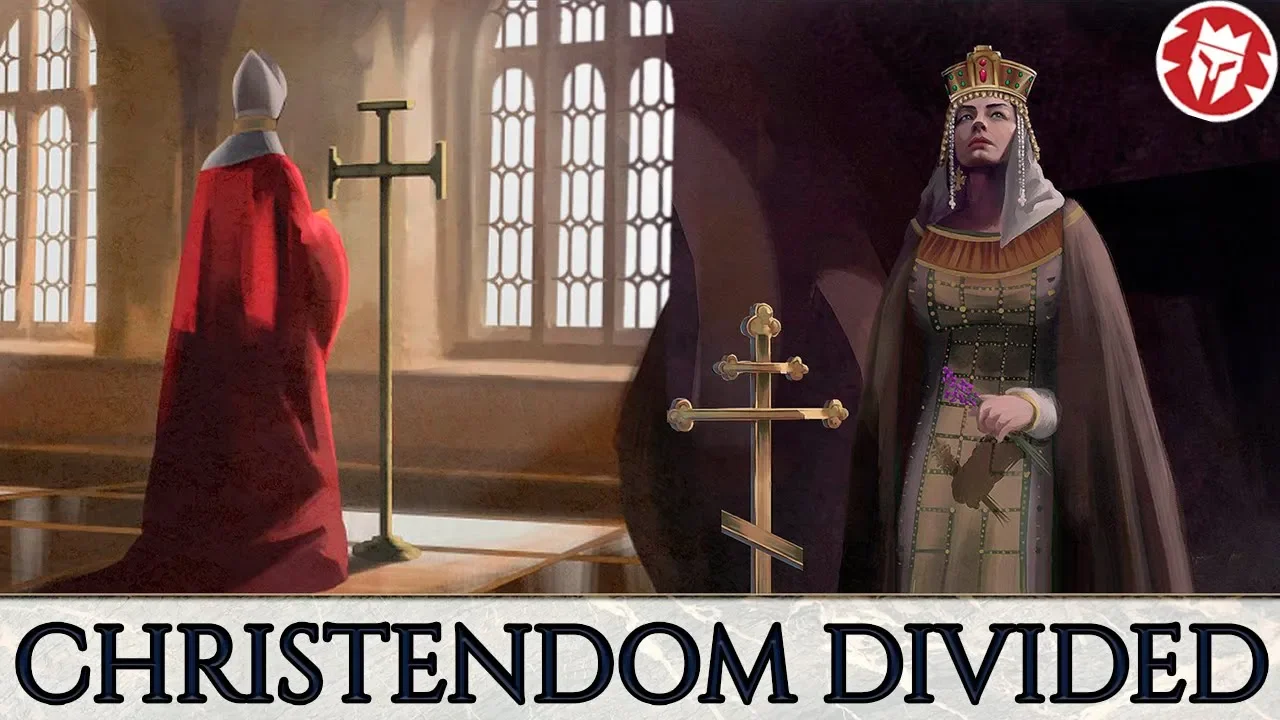
The Great Schism: Catholic-Orthodox Rivalry in Medieval Christianity
@KingsandGenerals
2.6M views•2020-02-06
17:05
Understanding the Cold War: Superpower Conflicts and the Road to Détente
@OverSimplified
46.1M views•2019-01-24
Related Study Plans & Knowledge Roadmaps
Structured learning paths in History
history
Byzantine Iconoclasm: Theology, Art & Politics
01Foundations of Byzantium and Early Christian Images
02The First Iconoclasm: Leo III and the Crisis of Images
03Empress Irene, Nicaea II, and the Second Iconoclasm
+ 2 more learning modules
9h5 modules
Explore Roadmap
history
Iranian Revolution (Causes, Events & Legacy)
01The Pahlavi Dynasty and the Roots of Discontent
02The Spark of Rebellion and the Rise of Khomeini
031979: The Fall of the Shah and the Climax of the Revolution
+ 2 more learning modules
8h5 modules
Explore Roadmap
history
Mali Empire: Mansa Musa, Trade & Timbuktu
01Foundations of the Mali Empire
02The Trans-Saharan Gold and Salt Trade
03The Reign and Pilgrimage of Mansa Musa
+ 1 more learning modules
6h4 modules
Explore Roadmap
history
1947 Partition: Politics, Borders & Legacies
01Foundations of British India and the Divide
02The Political Negotiations and the Mountbatten Plan
03Drawing the Boundary: The Radcliffe Line
+ 2 more learning modules
8h5 modules
Explore Roadmap